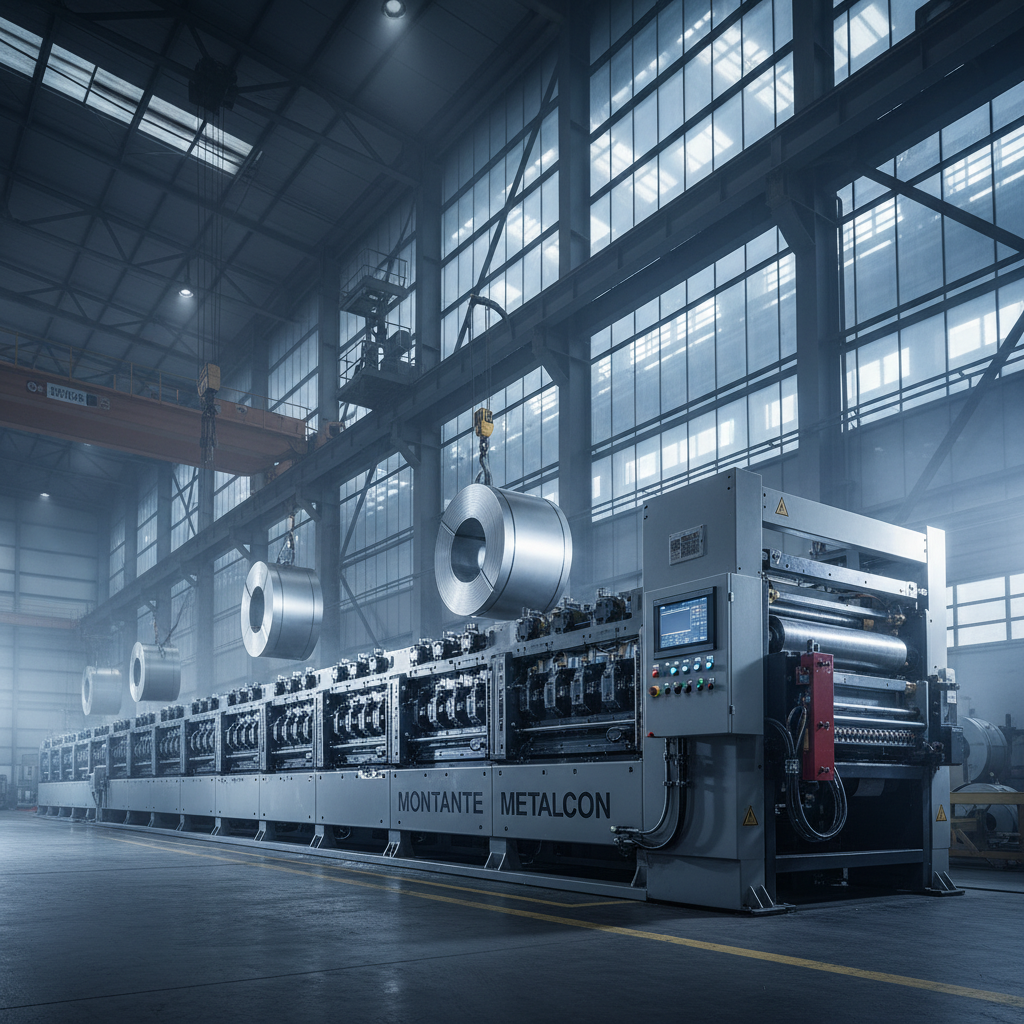
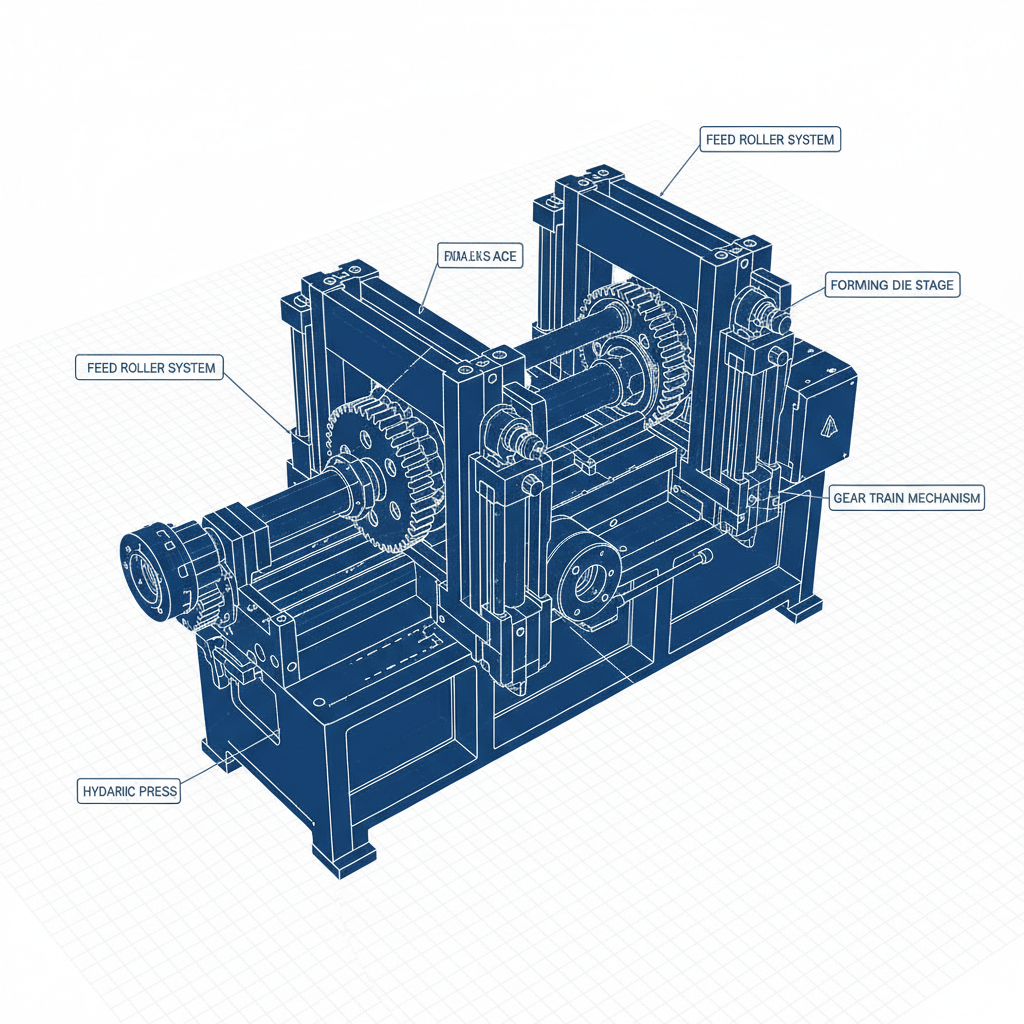
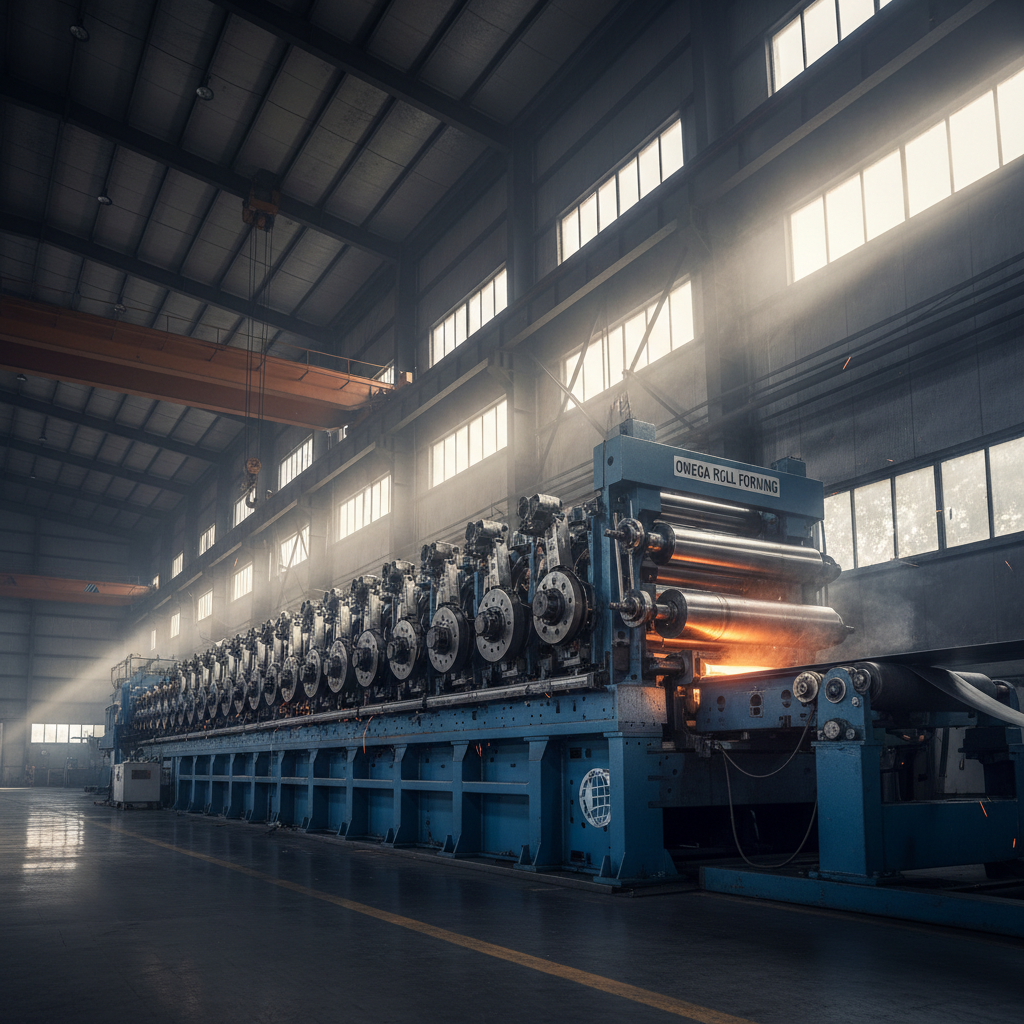
The field of prefabricated construction is undergoing a significant transformation, driven by the increasing demand for rapid deployment, cost-effective, and sustainable building solutions. At the heart of this evolution lies the montante metalcon forming machine, a pivotal technology enabling the efficient production of light-gauge steel framing—a core component of many modern building systems. This technology isn't merely about manufacturing; it’s about addressing critical global challenges related to housing shortages, disaster relief, and the need for resilient infrastructure.
Globally, the construction industry faces mounting pressures: escalating material costs, labor shortages, and an urgent need to reduce its environmental footprint. The montante metalcon forming machine offers a compelling response to these issues, facilitating the creation of structures that are lightweight, strong, and adaptable. According to the United Nations, approximately 1.6 billion people worldwide lack adequate housing – a statistic that underscores the urgent need for innovative construction techniques.
The montante metalcon forming machine represents a paradigm shift in building methodology, allowing for greater precision, speed, and scalability in construction projects. From affordable housing initiatives to emergency shelter solutions, this technology is enabling a more responsive and sustainable built environment for communities around the globe.
Introduction to montante metalcon forming machine
The montante metalcon forming machine isn’t simply a piece of equipment; it’s the engine driving a new era in structural building. By meticulously shaping light-gauge steel into precise framing components, it allows for faster, more accurate, and more economical construction compared to traditional methods. This efficiency directly translates to cost savings and quicker project completion times.
This technology is gaining prominence due to its ability to address a diverse range of construction needs. Whether it's building affordable housing units, constructing emergency shelters, or creating durable industrial structures, the montante metalcon forming machine provides a versatile and reliable solution. Its adaptability makes it suitable for various climates and terrains.
Global Relevance and Industry Context
The global construction industry is a multi-trillion-dollar market experiencing rapid changes. According to data from the World Bank, investments in infrastructure are crucial for economic growth, particularly in developing nations. However, traditional construction methods often struggle to meet the demands for speed, affordability, and sustainability. This is where the montante metalcon forming machine plays a critical role.
The ISO (International Organization for Standardization) is increasingly focusing on standardized building components and prefabrication techniques. The montante metalcon forming machine aligns perfectly with these standards by producing consistent, high-quality steel framing that simplifies on-site assembly and reduces waste. This contributes to a more streamlined and efficient construction process.
A significant challenge facing the industry is the need to minimize environmental impact. The use of light-gauge steel in conjunction with the montante metalcon forming machine promotes a more sustainable approach, reducing material waste and enabling the creation of energy-efficient structures. This addresses growing concerns about carbon emissions and resource depletion.
Defining montante metalcon forming machine
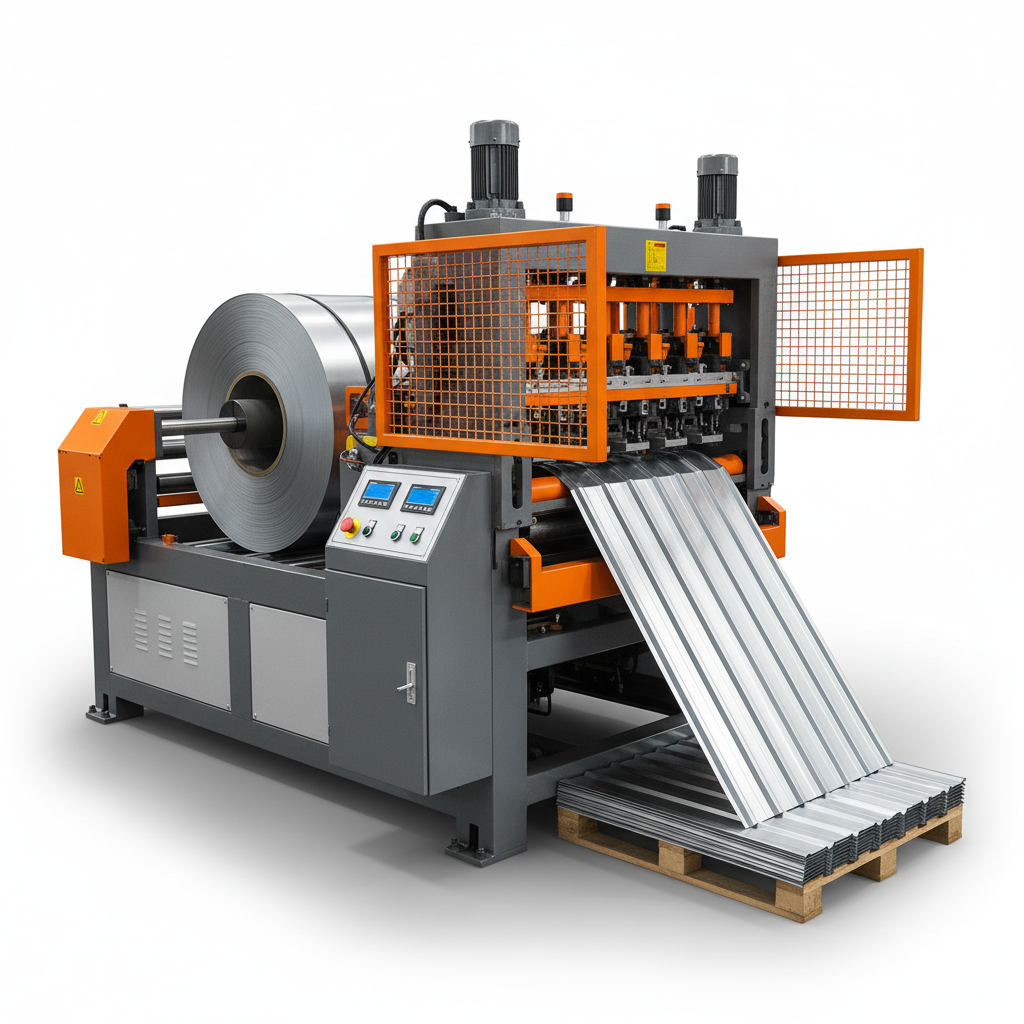
A montante metalcon forming machine is a specialized piece of manufacturing equipment designed to continuously bend and shape flat sheets of steel into predetermined profiles, specifically those used for creating light-gauge steel framing. These profiles, known as 'montantes' and 'transversals,' form the vertical and horizontal structural elements of a building, akin to wooden studs and joists in traditional construction.
Its connection to modern industry is undeniable. As urbanization accelerates and the need for rapid, cost-effective construction solutions increases, the montante metalcon forming machine is becoming indispensable. It streamlines the production of building components, reduces labor costs, and improves overall construction efficiency.
This technology directly addresses humanitarian needs by facilitating the rapid construction of emergency shelters, temporary housing, and affordable housing units. Its portability and efficiency make it an ideal solution for disaster relief efforts and for providing housing in remote or underserved communities.
Key Factors of montante metalcon forming machine
Durability: Light-gauge steel framing produced by the montante metalcon forming machine exhibits excellent strength-to-weight ratio, offering exceptional resistance to corrosion, pests, and fire. This translates into longer-lasting structures requiring minimal maintenance.
Scalability: The machine’s ability to continuously produce framing components allows for efficient scaling of production to meet varying project demands. This is crucial for large-scale housing developments or disaster relief operations where rapid construction is essential.
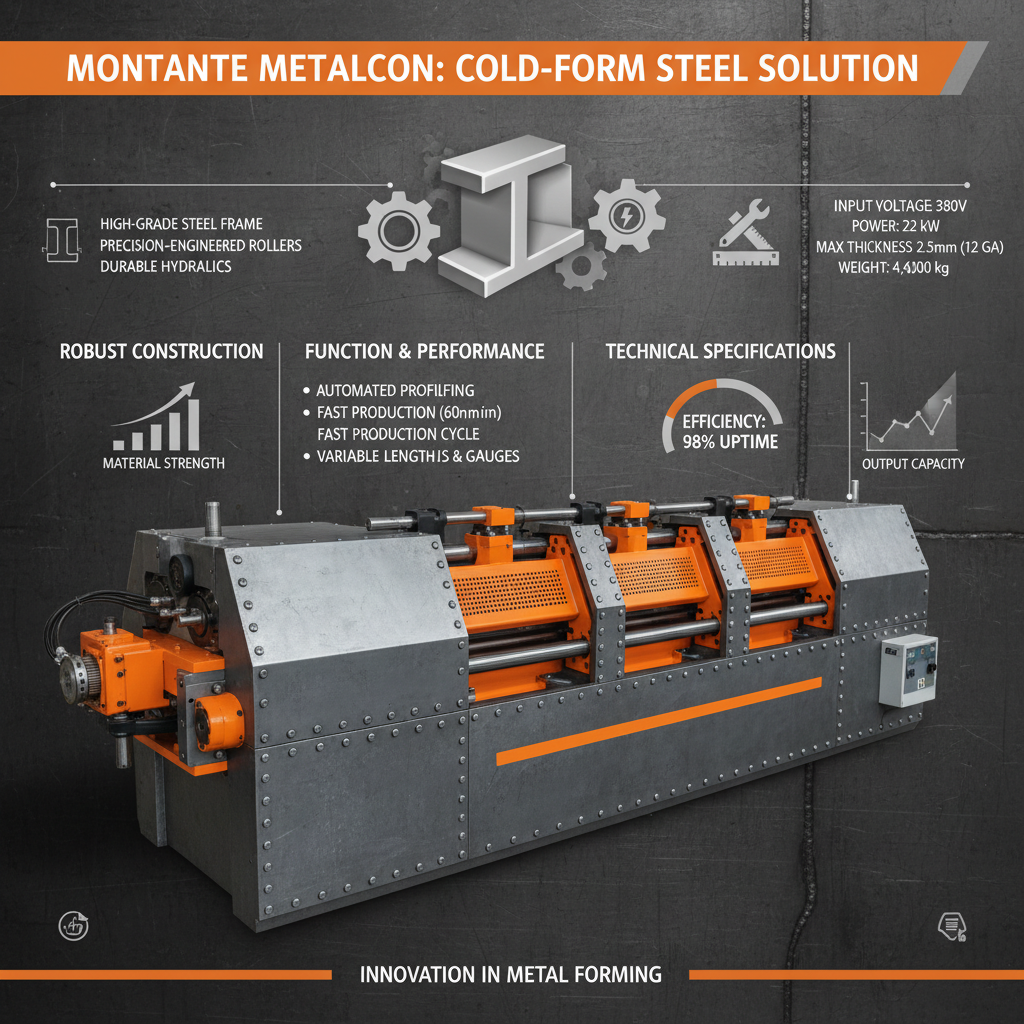
montante metalcon forming machine Performance Metrics
Global Applications of montante metalcon forming machine
In post-disaster relief operations, montante metalcon forming machine can be deployed to quickly produce framing for temporary shelters or more permanent housing solutions for displaced communities. The speed of production and the relatively lightweight nature of the materials are critical advantages in emergency situations.
In remote industrial zones, where access to traditional building materials and skilled labor is limited, these machines enable the construction of durable and cost-effective facilities, supporting economic development and creating local employment opportunities. The machine's mobility is also a key benefit.
Advantages and Long-Term Value
The tangible benefits of utilizing a montante metalcon forming machine include significant cost savings due to reduced material waste and labor requirements. The sustainability aspect is also paramount, as steel is a recyclable material, minimizing environmental impact. Furthermore, the precision of the framing ensures structural integrity and long-term reliability.
Beyond the economic and environmental advantages, there is a social impact. The creation of safe, durable, and affordable housing contributes to improved living conditions, enhanced community resilience, and increased opportunities for individuals and families. This fosters a sense of dignity and well-being.
Future Trends in montante metalcon forming machine
The integration of automation and digital technologies, such as Building Information Modeling (BIM), is transforming the way montante metalcon forming machine are operated and integrated into construction workflows. This allows for greater precision, improved efficiency, and reduced errors.
The exploration of new materials, such as high-strength steel alloys and composite materials, is also driving innovation. These materials offer enhanced performance characteristics, further improving the durability and sustainability of light-gauge steel framing.
A growing emphasis on green building practices is prompting the development of more energy-efficient framing systems. Incorporating thermal breaks and insulation materials into the framing design can significantly reduce energy consumption and lower the carbon footprint of buildings.
FAQS
While the initial investment in a montante metalcon forming machine can be significant, the long-term cost benefits are often substantial. Light-gauge steel is typically less expensive than high-quality lumber, and the reduced labor costs associated with faster assembly contribute to overall savings. Furthermore, steel is less susceptible to rot, pests, and fire, reducing maintenance and replacement expenses.
Modern montante metalcon forming machine are designed with user-friendliness in mind. While some training is required, the operation is relatively straightforward. Typically, a team of skilled technicians can be trained to operate and maintain the machine efficiently. Automated features and intuitive controls simplify the process.
Yes, light-gauge steel framing is considered a sustainable building material. Steel is highly recyclable, reducing waste and conserving natural resources. The montante metalcon forming machine minimizes material waste during production, and the resulting structures are durable and require less maintenance, further reducing their environmental impact.
Light-gauge steel framing is versatile and can be used for a wide range of structures, including residential homes, commercial buildings, agricultural facilities, and emergency shelters. It is particularly well-suited for projects requiring rapid construction, high durability, and resistance to fire and pests. Its lightweight nature also makes it ideal for challenging terrain.
Structures built with light-gauge steel framing created by a montante metalcon forming machine can have a lifespan comparable to, or even exceeding, that of traditionally built structures. With proper maintenance and corrosion protection, these structures can last for several decades, offering a long-term and sustainable building solution.
Yes, building codes and regulations regarding light-gauge steel framing vary by location. It’s crucial to ensure that all structures comply with local building codes and standards. Manufacturers of montante metalcon forming machine can typically provide guidance on code compliance and offer framing systems that meet specific regulatory requirements.
Conclusion
In conclusion, the montante metalcon forming machine is more than just a piece of machinery; it’s a transformative technology addressing critical global challenges in construction. From reducing costs and improving efficiency to enhancing sustainability and providing resilient building solutions, its impact is far-reaching. The ability to rapidly deploy durable, affordable, and environmentally responsible structures positions this technology as a cornerstone of modern construction practices.
Looking ahead, continued innovation in automation, materials science, and digital integration will further unlock the potential of montante metalcon forming machine. We encourage stakeholders across the construction industry – architects, engineers, developers, and policymakers – to embrace this technology and explore its possibilities for building a more sustainable and equitable future.