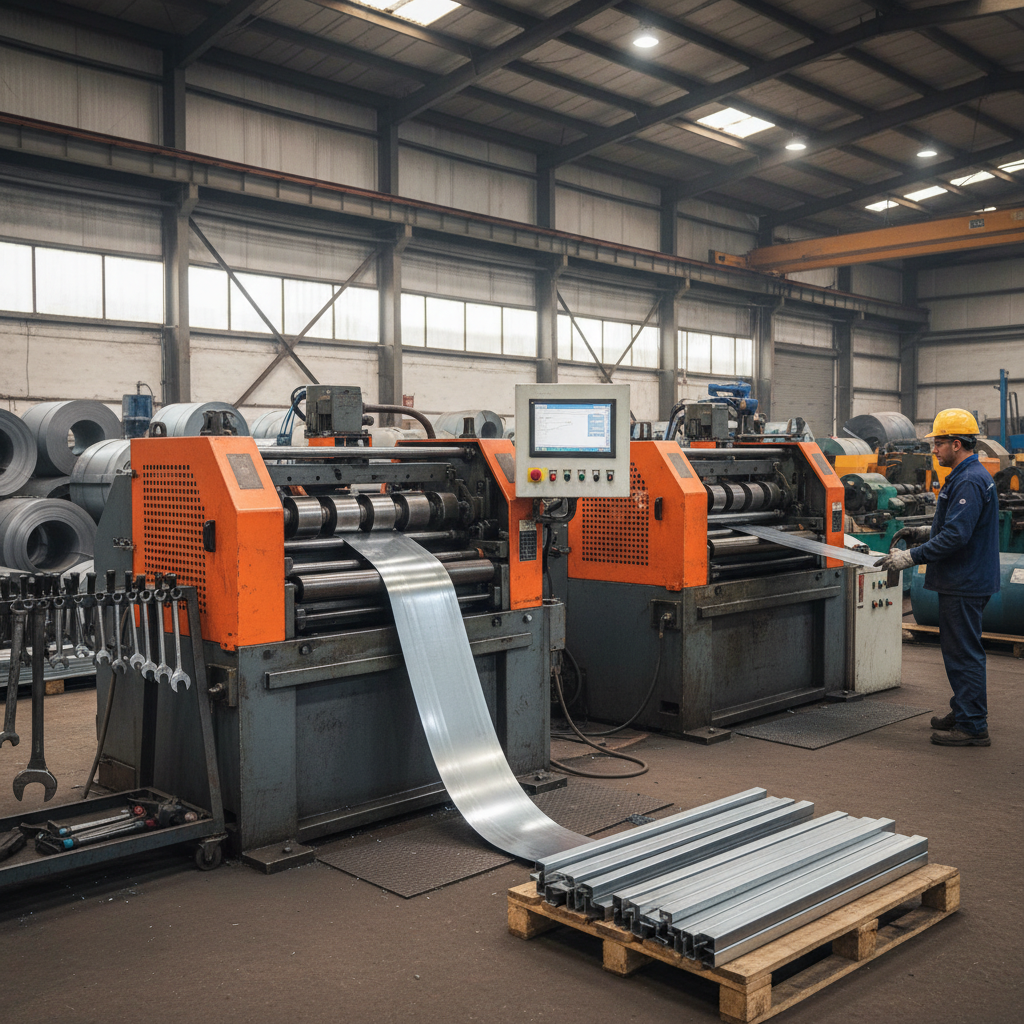
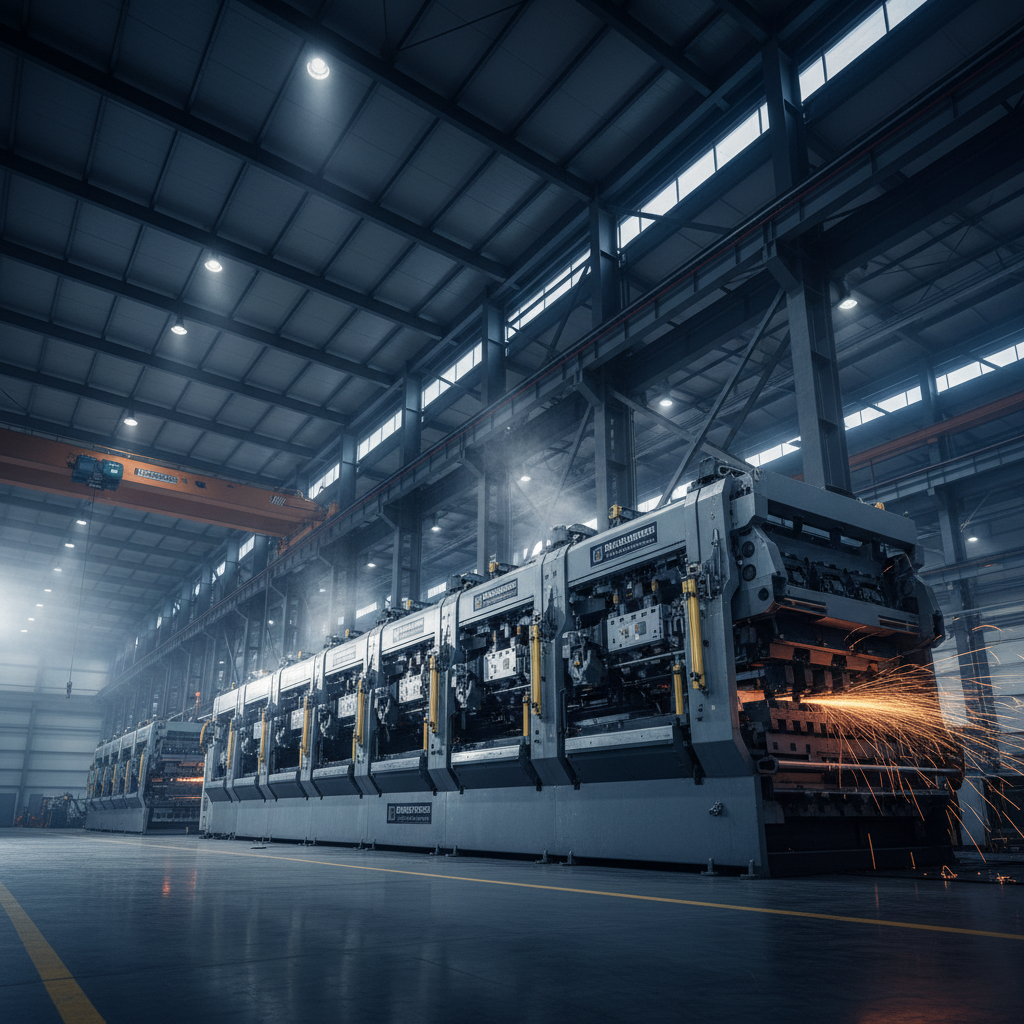
The modern construction landscape is undergoing a significant shift toward materials that offer both longevity and rapid installation. Central to this transformation is the metal roofing panel machine, a sophisticated piece of engineering that allows for the precise cold-rolling of steel or aluminum into weather-resistant roofing profiles. By automating the forming process, these machines ensure that architectural standards are met with millimeter precision, reducing waste and significantly lowering labor costs on site.
Across the globe, the demand for sustainable and durable housing has surged, prompting an increased reliance on roll-forming technology. A high-quality metal roofing panel machine does more than just bend metal; it creates the structural integrity necessary to withstand extreme weather conditions, from heavy snowfall in northern climates to torrential rains in tropical regions. This efficiency makes it an indispensable tool for industrial warehouses, commercial complexes, and residential developments alike.
Understanding the nuances of these machines—ranging from their mechanical configuration to their digital control systems—is essential for manufacturers looking to scale their production. By integrating a metal roofing panel machine into their workflow, companies can transition from manual, labor-intensive methods to a streamlined, high-output system that guarantees consistency across thousands of linear meters of roofing material.
Global Market Context of Metal Roofing Panel Machines
The global construction industry is currently grappling with the dual challenge of rising material costs and a shortage of skilled labor. In this context, the adoption of the metal roofing panel machine has become a strategic necessity. According to industry trends aligned with ISO quality standards, the move toward prefabricated components is accelerating, as it minimizes on-site errors and drastically reduces project timelines.
In emerging economies, the drive for rapid urbanization has led to a massive increase in the deployment of steel-structured buildings. The efficiency of a modern metal roofing panel machine allows developers to produce high-volume, standardized cladding and roofing that can be shipped and installed in a fraction of the time required for traditional tiling or concrete slabs, making it a cornerstone of modern infrastructure development.
Defining the Metal Roofing Panel Machine and Its Purpose
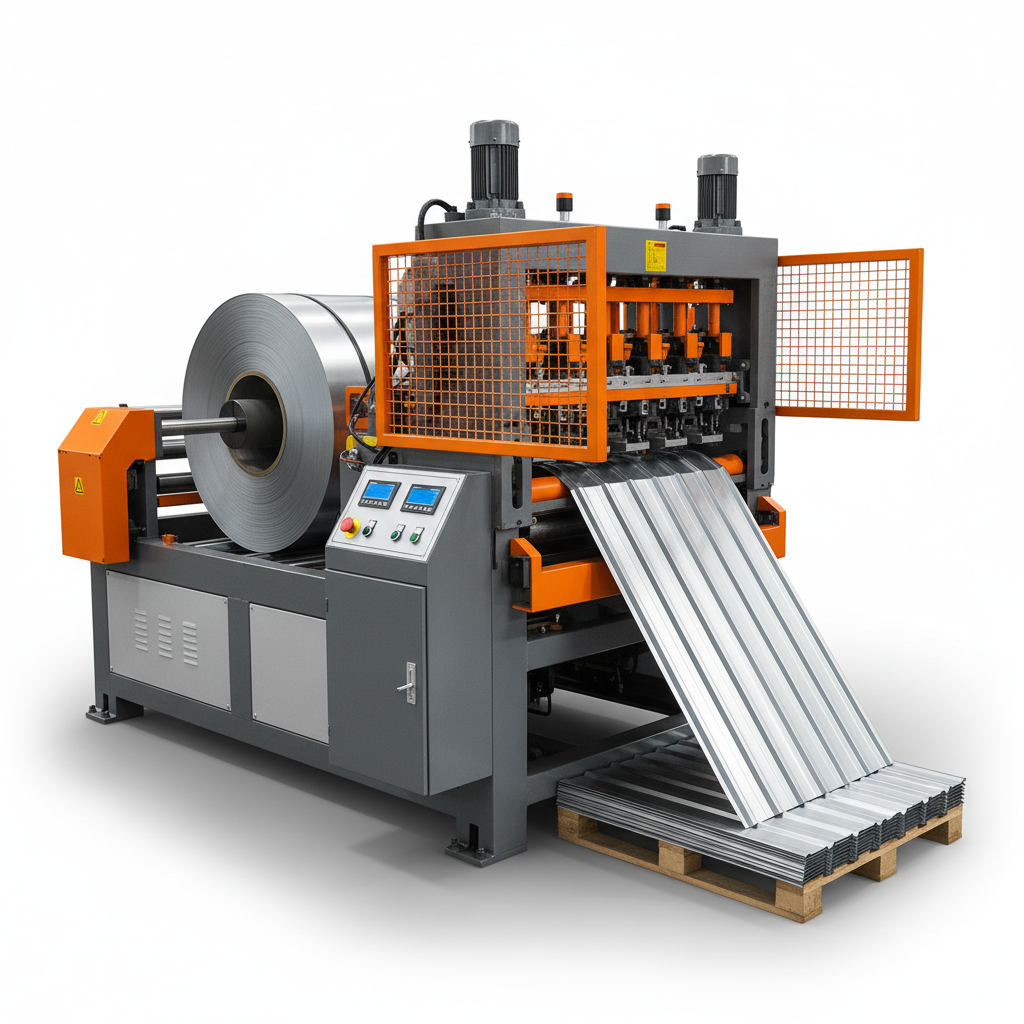
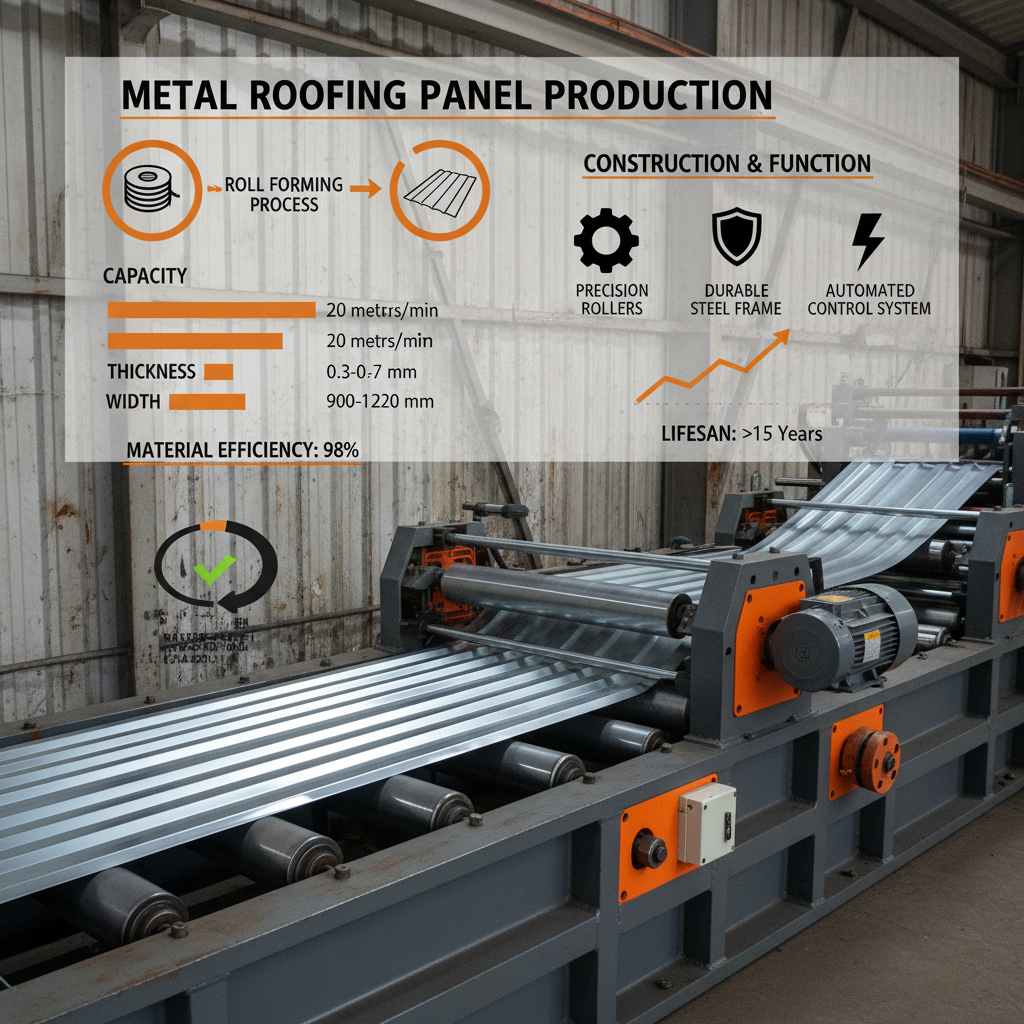
At its core, a metal roofing panel machine is a specialized roll-forming system designed to transform flat metal coils into specific corrugated or ribbed profiles. Unlike pressing or stamping, roll forming is a continuous bending process where the metal passes through a series of rollers, each shaping the material slightly more than the previous one. This ensures that the metal is not stressed or weakened, preserving the structural integrity of the final roofing panel.
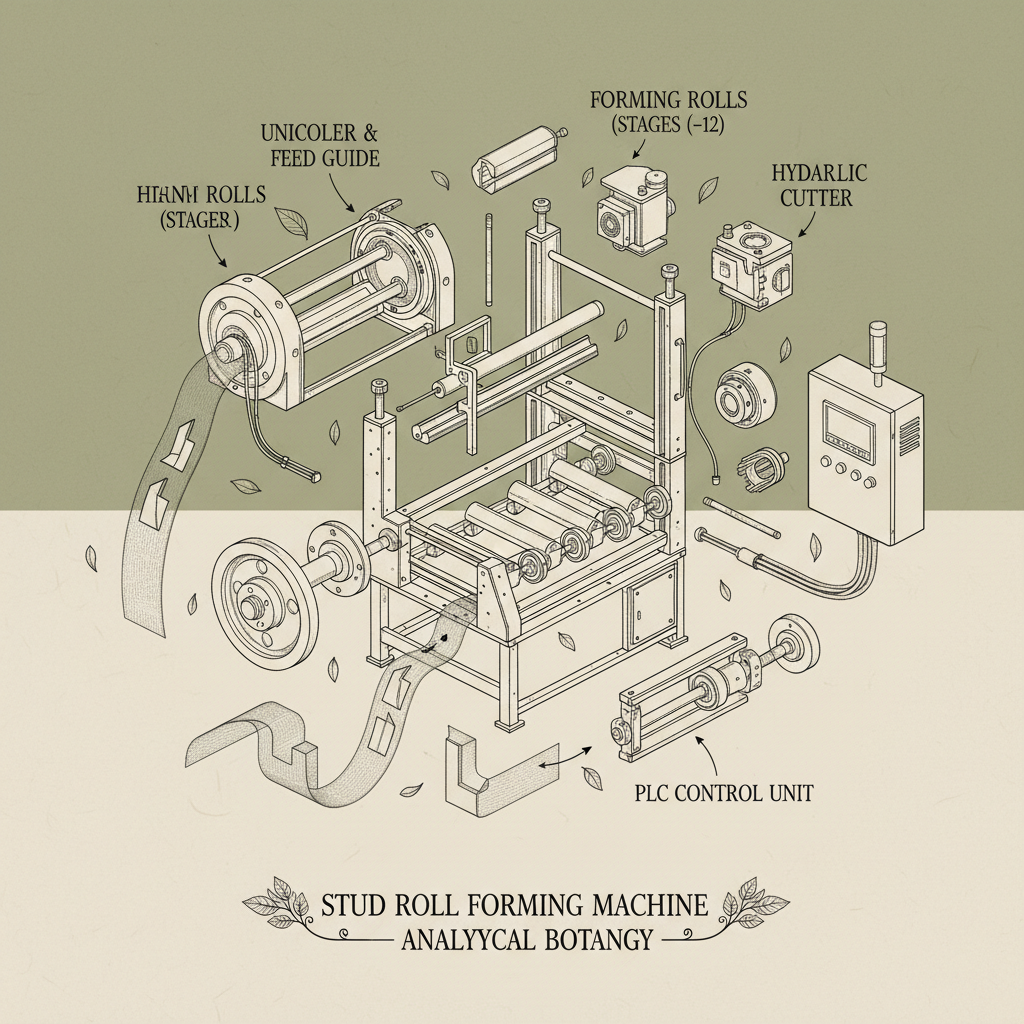
Beyond simple shaping, these machines are integrated with hydraulic cutting systems and PLC (Programmable Logic Controller) interfaces. This allows operators to input exact lengths, ensuring that every panel produced by the metal roofing panel machine is identical, which is critical for the seamless interlocking of panels during installation to prevent leaks and water ingress.
The purpose of this technology extends into the realm of humanitarian and emergency response. In disaster-hit areas, the ability to quickly manufacture lightweight, durable, and fire-resistant roofing panels allows for the rapid erection of shelters and clinics. Thus, the machine is not just a tool for profit, but a vital component in providing safe, dignified housing across various socio-economic landscapes.
Core Components Ensuring High-Precision Forming
The precision of a metal roofing panel machine begins with its forming rollers. Usually crafted from high-grade alloy steel and treated with hard chrome plating, these rollers prevent wear and tear, ensuring that the profile dimensions remain consistent even after producing millions of meters of panels.
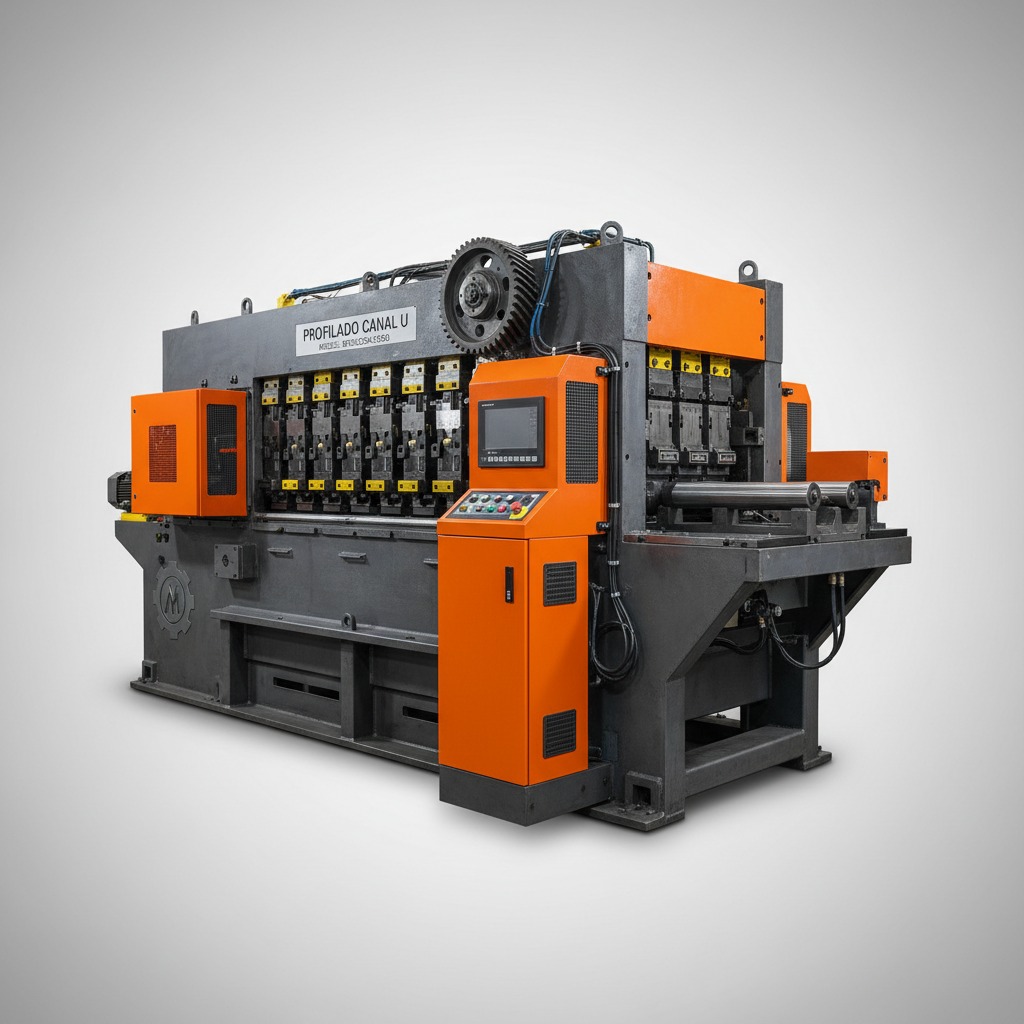
The heart of the system is the PLC control unit, which synchronizes the speed of the rollers with the hydraulic shearing mechanism. By utilizing a high-performance metal roofing panel machine, manufacturers can eliminate manual measurement errors, resulting in a "zero-waste" production cycle where cut lengths are precise to the millimeter.
Finally, the decoiling and feeding system ensures a steady tension of the metal sheet. Without a stable feed, the panels could twist or warp during the forming process. The integration of automatic guiding systems within the metal roofing panel machine ensures that the coil remains centered, which is essential for maintaining the symmetry of the roofing ribs.
Performance Metrics for Different Production Methods
When evaluating the efficiency of various metal roofing panel machine configurations, it is important to look at production speed, precision, and material versatility. Different methods—such as high-speed automatic lines versus manual semi-automatic setups—offer distinct advantages depending on the scale of the operation and the complexity of the roofing profile being produced.
For instance, a fully automated line integrated with a computerized cutting system provides the highest consistency and lowest labor cost, whereas a modular machine might offer more flexibility for custom, short-run profiles. The following data illustrates the relative performance ratings of different operational approaches.
Production Efficiency Comparison by Machine Setup
Global Applications and Industrial Use Cases
The versatility of the metal roofing panel machine allows it to serve a wide array of industries. In the commercial sector, these machines are used to create massive, seamless roof spans for aircraft hangars and logistics centers, where water-tightness and structural rigidity are non-negotiable. In these cases, the machine is often configured to produce high-rib profiles that can handle significant snow and wind loads.
In residential construction, particularly in North America and Southeast Asia, there is a growing trend toward "metal shingles" and decorative panels. Modern metal roofing panel machine setups can now incorporate embossing units that mimic the look of traditional clay tiles or slate, providing the aesthetic appeal of classic materials with the lightweight and durable properties of galvanized steel.
Long-Term Value and Sustainability Benefits
Investing in a high-efficiency metal roofing panel machine offers significant long-term economic value. By reducing material scrap through precise cutting and reducing the need for excessive fasteners (thanks to interlocking profiles), the total cost of ownership for the building is lowered. Furthermore, metal is infinitely recyclable, making the panels produced by these machines far more sustainable than asphalt shingles or plastic-based roofing.
From a social perspective, the reliability of these panels enhances the safety and dignity of the occupants. In regions prone to wildfires, metal roofing provides a critical layer of fire resistance that can save lives and property. The trust established through the use of standardized, machine-made panels allows architects to push the boundaries of design without compromising on safety.
Moreover, the ability to integrate solar panels directly onto metal roofing systems is a major advantage. Because the metal roofing panel machine creates a flat, stable surface with predictable mounting points, it facilitates the transition to green energy for thousands of industrial and residential buildings worldwide.
Future Innovations in Roll Forming Technology
The future of the metal roofing panel machine is deeply intertwined with Industry 4.0. We are seeing the integration of AI-driven sensors that can detect minute deviations in the metal's thickness or quality in real-time, automatically adjusting the roller pressure to compensate and ensure a perfect finish. This "smart forming" reduces the need for manual inspection and further boosts throughput.
Another emerging trend is the use of advanced coatings, such as self-cleaning nano-coatings and reflective "cool roof" paints, which are applied during or immediately after the forming process. This transformation turns a simple structural component into an active energy-saving device that reduces the cooling load of buildings in hot climates.
As automation continues to evolve, we expect to see more compact, mobile metal roofing panel machine units that can be transported directly to the construction site. This "on-demand" manufacturing eliminates transportation costs and the risk of panel damage during transit, allowing for truly custom-length panels to be produced exactly where they are needed.
Comparison of Metal Roofing Panel Machine Technology Evolutions
| Technology Generation |
Control System |
Production Speed |
Material Waste Rate |
| Manual Mechanical |
Hand-levers / Analog |
Low (5-10 m/min) |
High (5-8%) |
| Early PLC |
Basic Digital Timer |
Medium (15-20 m/min) |
Medium (3-5%) |
| Advanced CNC |
Touch-screen PLC |
High (25-40 m/min) |
Low (1-2%) |
| AI-Integrated |
Closed-loop Feedback |
Very High (40+ m/min) |
Near Zero (
|
| Modular On-Site |
Cloud-Synced Control |
Flexible (10-30 m/min) |
Ultra-Low (Custom Length) |
| Green-Tech Line |
Energy-Optimization PLC |
High (30-50 m/min) |
Low (1-2%) |
FAQS
The machine achieves this by creating precise interlocking ribs and seams. By maintaining exact tolerances during the roll-forming process, the panels fit together tightly, eliminating gaps where water could enter. When combined with proper sealant and fasteners, the precision-engineered profiles ensure a completely weather-tight seal.
Generally, a specific set of rollers is designed for a specific profile. However, many modern machines are modular, allowing operators to swap out roller stations to change the profile. For complete versatility, manufacturers often invest in a custom profiles forming machine that can be adapted for various commercial and residential needs.
The most common materials are galvanized steel, Galvalume, and aluminum. The machine's rollers are designed to handle these metals without causing surface scratches or structural fatigue. Depending on the roller hardness and the feed speed, the machine can also process pre-painted coils to provide an immediate finished look.
This depends on the volume of production and the hardness of the material being processed. High-quality rollers with hard chrome plating can last for several years of heavy use. Regular lubrication and alignment checks are recommended to extend the lifespan of the rollers and maintain profile accuracy.
Yes, there are semi-automatic and compact versions of these machines specifically designed for smaller workshops. While they may not have the output of a full industrial line, they provide the same level of profile precision, allowing small businesses to offer custom-length panels to local contractors.
PLC systems allow for exact length programming. Instead of a worker manually measuring and cutting, the computer tracks the linear distance of the metal passing through the rollers and triggers the hydraulic cutter at the exact millisecond required. This minimizes "end-of-roll" waste and eliminates human error.
Conclusion
The metal roofing panel machine stands as a pivotal intersection of metallurgy and automation, solving the critical need for durable, fast, and sustainable building envelopes. From the precision of its chrome-plated rollers to the intelligence of its PLC controls, every aspect of the machine is geared toward maximizing efficiency and minimizing environmental impact. By transitioning to these automated systems, the construction industry not only lowers its operational costs but also elevates the standard of living through safer and more resilient architecture.
Looking forward, the integration of AI and on-site modular manufacturing will further democratize access to high-quality roofing solutions. For manufacturers and developers, the key to remaining competitive lies in adopting technologies that prioritize precision and sustainability. We encourage those looking to upgrade their production capabilities to explore the latest in roll-forming innovation. Visit our website: www.lwrollformingmachine.com