The demand for efficient and cost-effective building solutions is continually rising globally, particularly in sectors like residential construction, industrial warehousing, and agricultural infrastructure. At the heart of many modern building projects lies the often-unseen but critical component: the furring channel. A furring channel roll forming machine addresses this demand by providing a rapid and precise method for manufacturing these essential channels, streamlining construction processes and reducing material waste. This is increasingly vital as populations grow and construction rates accelerate.
The role of the furring channel in modern construction is pivotal, offering structural support for cladding, insulation, and interior finishes. Historically, these channels were laboriously fabricated manually, leading to inconsistencies and delays. The advent of furring channel roll forming machine technology revolutionized this process, enabling mass production with high precision and consistency. This technology directly addresses the need for faster, more reliable construction methodologies in a world facing urgent housing shortages and infrastructure development challenges.
Furthermore, the advantages extend beyond speed and accuracy. Modern furring channel roll forming machine designs prioritize energy efficiency and sustainability through optimized material usage and reduced manufacturing waste, aligning with increasingly stringent environmental regulations and global sustainability goals. The ongoing evolution of this technology underscores its importance in shaping the future of the construction industry.
Introduction to furring channel roll forming machine
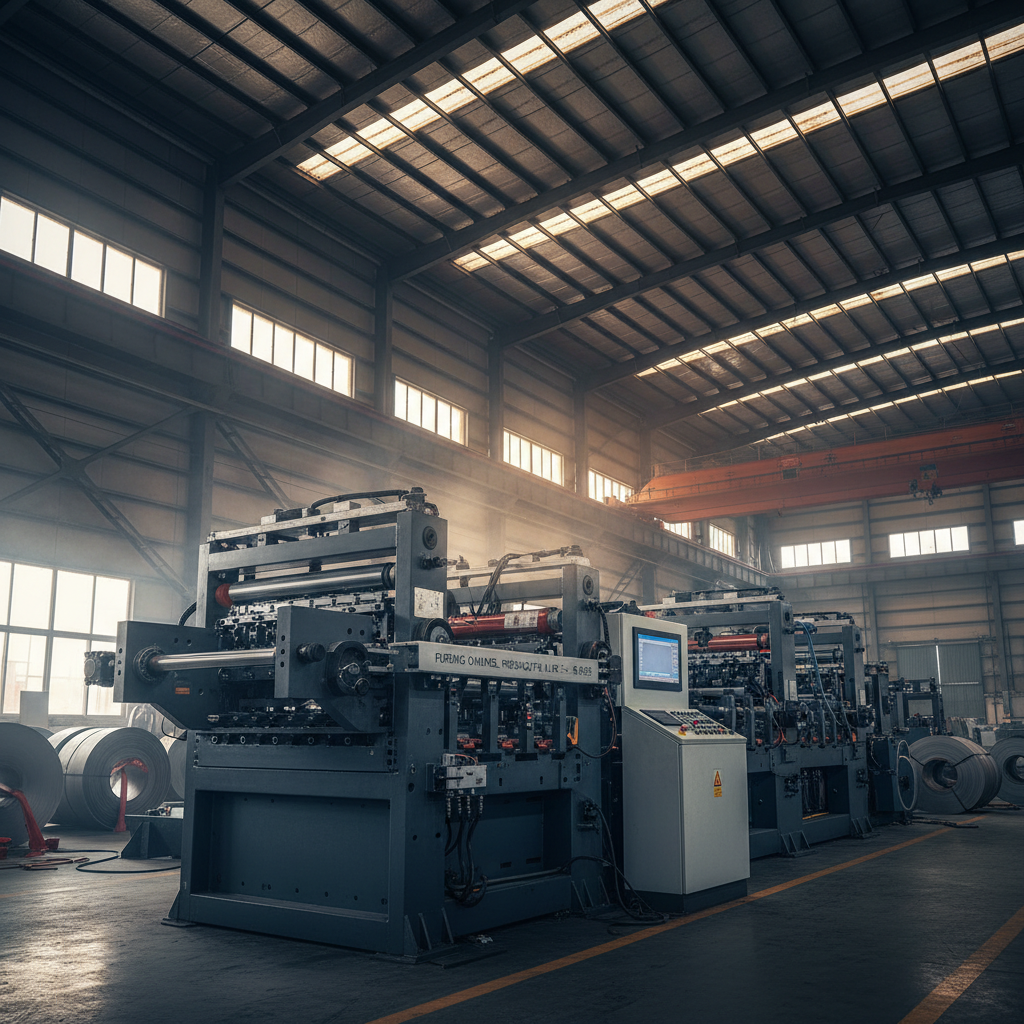
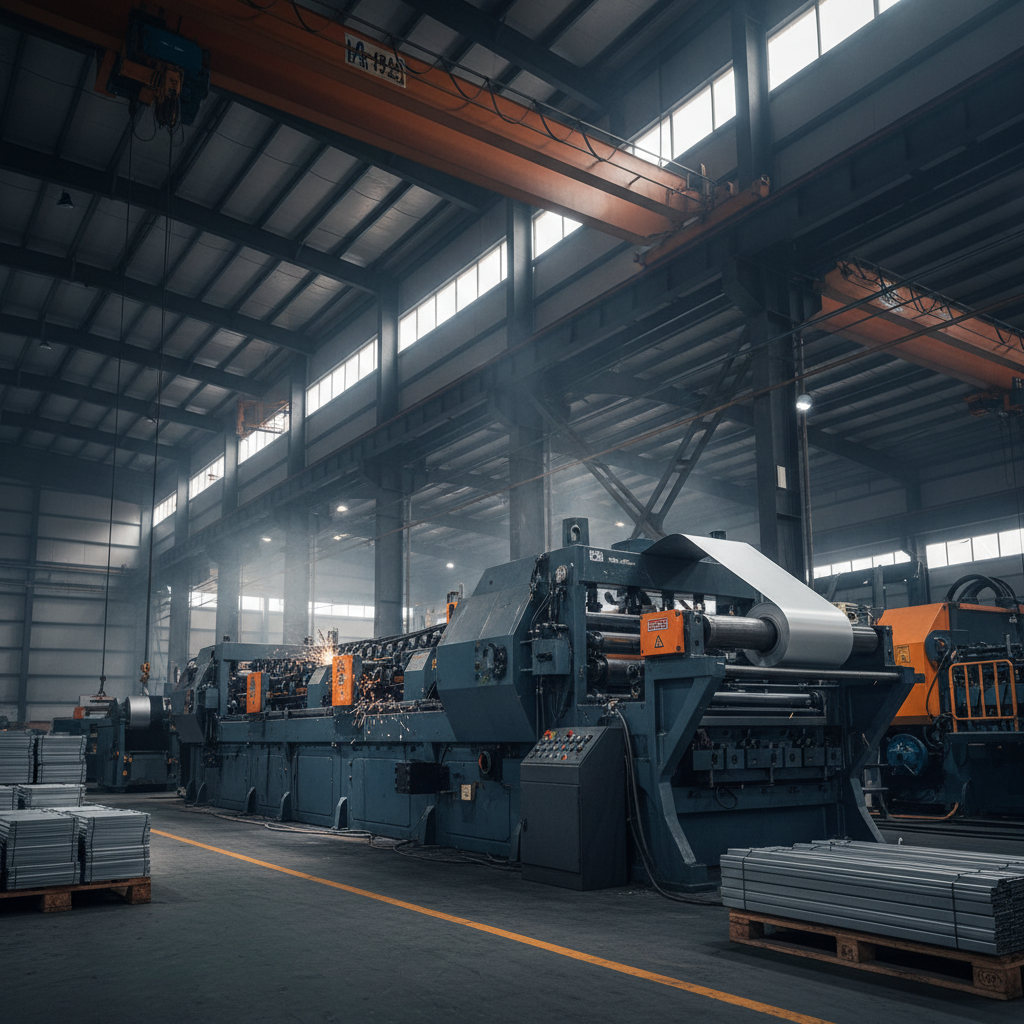
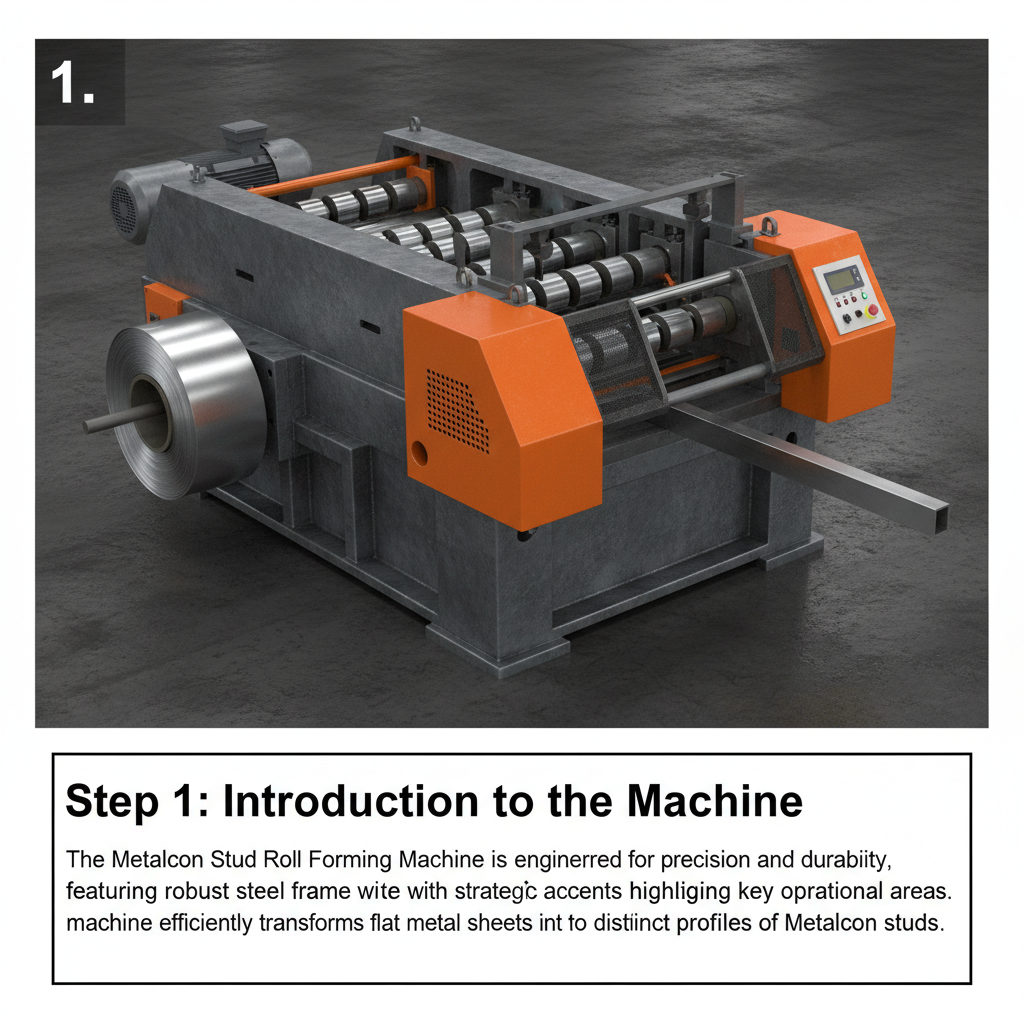
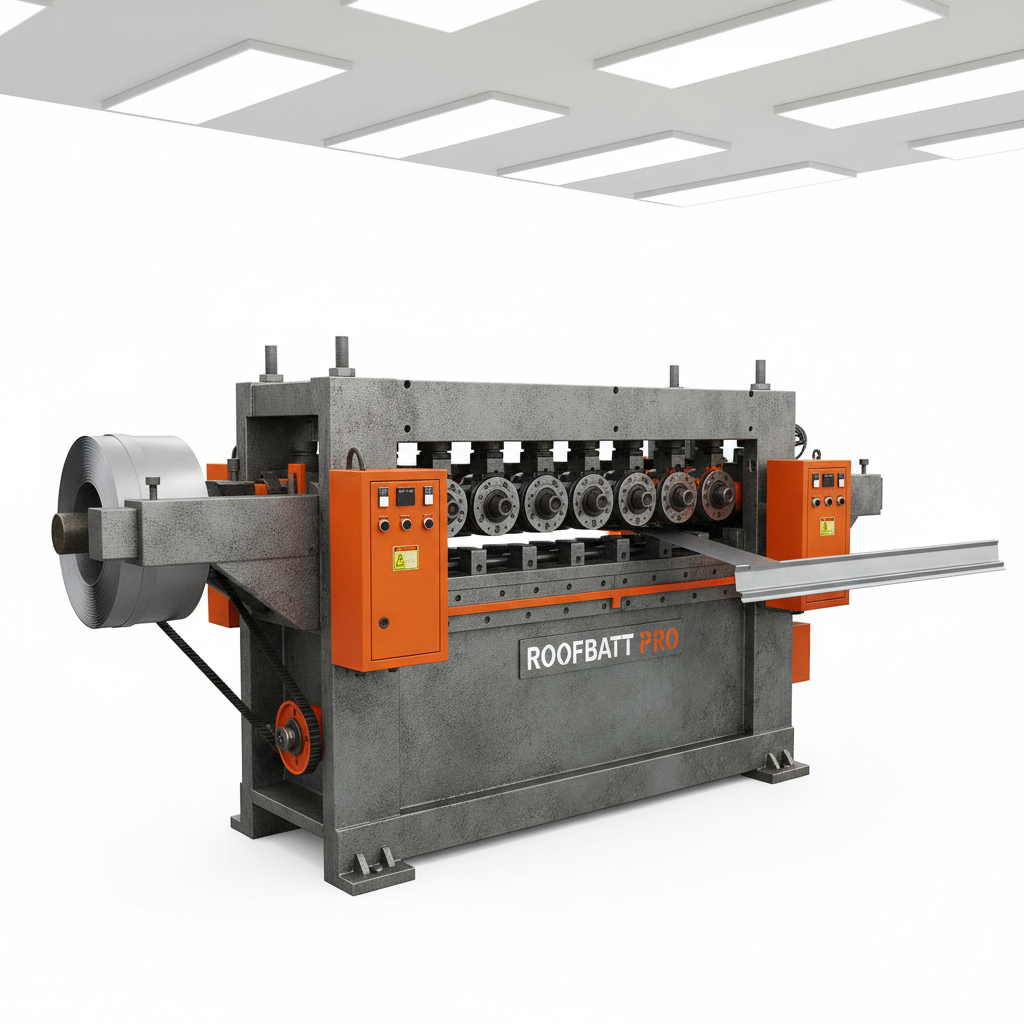
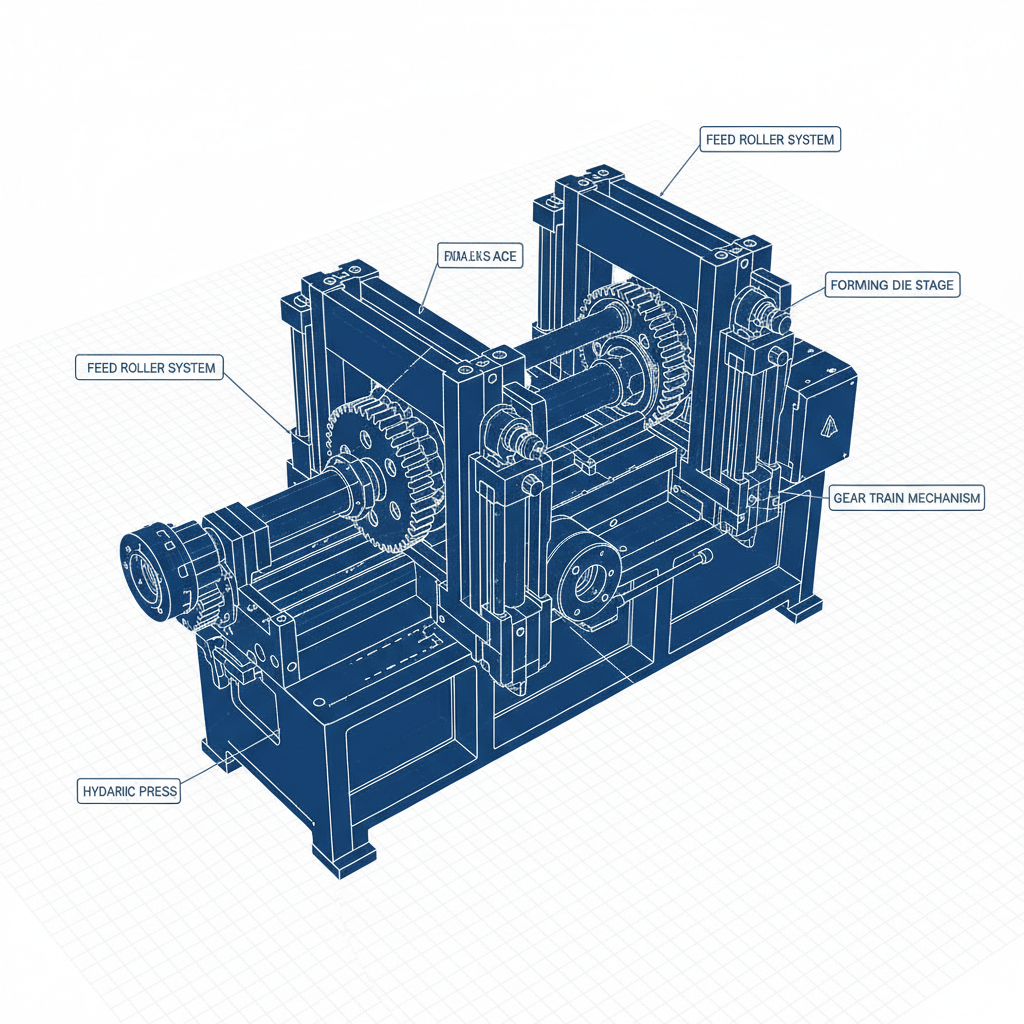
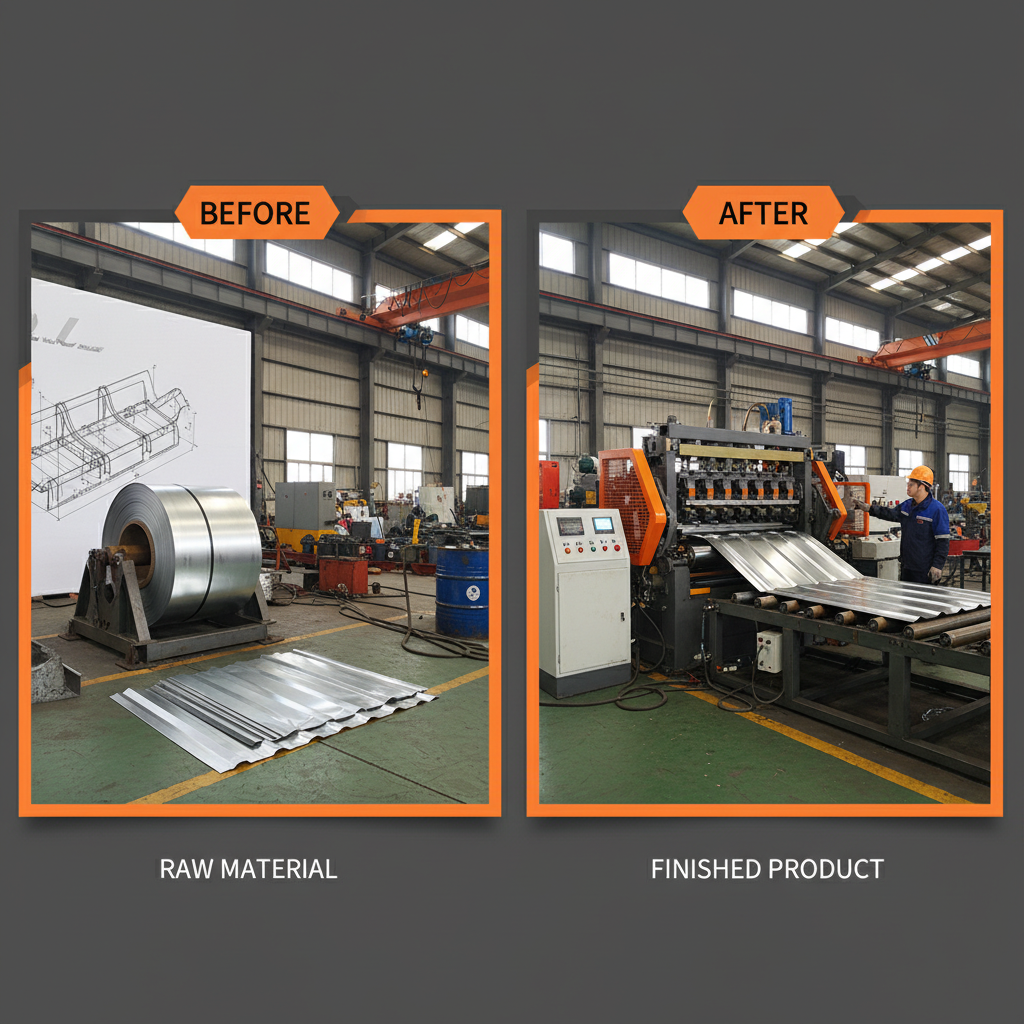
A furring channel roll forming machine is a specialized piece of manufacturing equipment designed to continuously bend sheet metal into the specific shape of a furring channel. These machines automate a process that was traditionally labor-intensive and prone to inconsistencies. The core function is to feed metal coils through a series of rollers, each carefully shaped to progressively form the channel's profile.
The ability to produce furring channels quickly and accurately using a roll forming machine has significant implications for the construction industry. It allows for on-demand production, reduced lead times, and a lower overall cost per unit compared to traditional manufacturing methods. This efficiency is crucial in large-scale construction projects where consistent supply and adherence to tight schedules are paramount.
Global Relevance and Industry Context
The construction industry globally represents a substantial portion of many national economies, accounting for approximately 13% of US GDP and similar figures in other developed nations (source: US Bureau of Economic Analysis). The demand for steel furring channels within this sector is directly correlated with building activity, particularly in residential, commercial, and industrial projects. The increasing prevalence of steel frame construction, especially in regions prone to earthquakes or hurricanes, further drives the need for high-quality furring channels.
According to a report by Allied Market Research, the global roll forming market is projected to reach $12.85 billion by 2027, growing at a CAGR of 4.6% from 2020 to 2027. The furring channel segment is a significant contributor to this growth, driven by the rising demand for lightweight, durable, and cost-effective building materials. This growth is especially pronounced in emerging economies experiencing rapid urbanization and infrastructure development.
A critical challenge the industry faces is ensuring construction quality and safety while managing costs and adhering to increasingly stringent building codes. A furring channel roll forming machine helps address this challenge by providing precise and consistent product quality, leading to more reliable and structurally sound buildings.
Defining furring channel roll forming machine
Simply put, a furring channel roll forming machine takes flat metal coils – typically galvanized steel or aluminum – and transforms them into the specific 'C' or 'Z' shaped profiles known as furring channels. These channels are then used as a secondary support system for attaching interior or exterior finishes to walls, ceilings, or roofs. The machine achieves this transformation through a continuous bending process, utilizing a series of rollers, each precisely engineered to incrementally form the metal into the desired shape.
The connection to modern industry is deeply rooted in the principles of mass production and automation. Before roll forming, furring channels were often individually cut and bent, a time-consuming and expensive process. The roll forming machine enabled a continuous and scalable manufacturing process, significantly reducing production time and costs. This technological advancement has been crucial in supporting the rapid growth of the construction industry.
Looking at humanitarian needs, fast and efficient building solutions are essential for disaster relief and affordable housing. A furring channel roll forming machine can be deployed to produce furring channels locally, enabling the quick construction of temporary shelters or more permanent housing solutions in affected areas. This localized production reduces reliance on external supply chains and accelerates the recovery process.
Key Factors of a furring channel roll forming machine
The performance and suitability of a furring channel roll forming machine depend on several critical factors. Durability is paramount, with robust construction and high-quality components ensuring long-term reliability and minimal downtime. The machine must withstand continuous operation and the stresses of metal forming.
Scalability is another key consideration. The machine should be capable of handling varying production volumes to meet changing demands. Features like adjustable speed controls and automatic coil loading contribute to scalability. Cost Efficiency, encompassing both the initial investment and ongoing operational expenses, is vital for maximizing return on investment. Energy-efficient motors and optimized material usage play a role here.
Furring Channel Roll Forming Machine Performance Metrics
Global Applications and Use Cases
Furring channel roll forming machine technology finds widespread application across diverse geographical regions and industries. In North America, it’s prevalent in commercial building construction and steel framing projects. Across Europe, particularly in countries with strict energy efficiency standards, these machines support the production of furring channels used for installing insulation and ventilated facades.
In developing nations, these machines are increasingly being utilized to address affordable housing shortages, providing a cost-effective means of producing the necessary building components. For example, in post-disaster relief operations, portable furring channel roll forming machine units can be deployed to quickly manufacture furring channels for constructing temporary shelters and emergency housing.
Furthermore, in remote industrial zones or construction sites lacking established supply chains, on-site roll forming capabilities significantly reduce transportation costs and lead times, enhancing project efficiency and minimizing logistical challenges. Industries like warehousing and agricultural buildings also heavily rely on these channels for structural support.
Advantages and Long-Term Value
The benefits of investing in a furring channel roll forming machine are multifaceted. Tangible benefits include significant cost savings through reduced material waste and labor costs. The increased production speed translates directly into faster project completion times, boosting profitability. Sustainability is enhanced through precise material usage and the ability to utilize recycled steel.
Beyond the financial and environmental advantages, there's a strong element of reliability and safety. Consistent product quality reduces the risk of structural failures and ensures the long-term durability of buildings. The technology fosters innovation by allowing for the creation of customized furring channel profiles to meet specific project requirements, instilling trust in both builders and end-users.
Future Trends and Innovations
The future of furring channel roll forming machine technology is poised for further advancements. Integration with digital technologies, such as Industrial Internet of Things (IIoT) sensors, will enable real-time monitoring of machine performance, predictive maintenance, and optimized production processes. Automation will continue to play a critical role, with robotic coil loading and unloading systems becoming increasingly common.
Research into new materials, such as high-strength lightweight alloys, will allow for the production of even more efficient and durable furring channels. A growing focus on sustainability will drive the development of machines that minimize energy consumption and maximize material recycling. Adapting to green building certifications and utilizing environmentally friendly materials will be increasingly important.
Furthermore, the development of flexible manufacturing systems capable of producing multiple profiles with quick changeovers will provide builders with greater adaptability and responsiveness to evolving project needs. These advancements solidify the role of the furring channel roll forming machine as a central element in the construction industry’s future.
Future Trends and Innovations
The future of furring channel roll forming machine technology is poised for further advancements. Integration with digital technologies, such as Industrial Internet of Things (IIoT) sensors, will enable real-time monitoring of machine performance, predictive maintenance, and optimized production processes. Automation will continue to play a critical role, with robotic coil loading and unloading systems becoming increasingly common.
Research into new materials, such as high-strength lightweight alloys, will allow for the production of even more efficient and durable furring channels. A growing focus on sustainability will drive the development of machines that minimize energy consumption and maximize material recycling. Adapting to green building certifications and utilizing environmentally friendly materials will be increasingly important.
Furthermore, the development of flexible manufacturing systems capable of producing multiple profiles with quick changeovers will provide builders with greater adaptability and responsiveness to evolving project needs. These advancements solidify the role of the furring channel roll forming machine as a central element in the construction industry’s future.
Challenges and Solutions in Furring Channel Roll Forming Machine Operation
| Challenge |
Impact on Production |
Potential Solution |
Implementation Cost (1-10) |
| Material Coil Alignment Issues |
Inconsistent profile formation, material waste. |
Automated coil centering and alignment system. |
6 |
| Roller Wear and Tear |
Gradual loss of profile accuracy, increased maintenance. |
Using hardened steel rollers, implementing a regular inspection schedule. |
4 |
| Speed and Throughput Limitations |
Reduced production capacity, inability to meet demand. |
Upgrading motor power and control system, optimizing roller design. |
7 |
| Lack of Skilled Operators |
Increased risk of machine damage, inconsistent product quality. |
Comprehensive operator training programs, incorporating remote diagnostics support. |
5 |
| Dust and Debris Accumulation |
Reduced roller life, potential for surface defects in furring channels. |
Implementing a dust collection system and regular cleaning schedule. |
3 |
| Material Compatibility Issues |
Difficulty processing certain metal types, potential for roller damage. |
Selecting rollers specifically designed for the intended material, adjusting roll forming parameters. |
5 |
FAQS
The lifespan of a furring channel roll forming machine largely depends on maintenance and usage. With regular maintenance—lubrication, inspection, and timely replacement of worn parts—a well-built machine can reliably operate for 10-15 years or even longer. Factors like production volume, material type, and the operator's skill level also contribute to the machine’s longevity. Prioritizing preventative maintenance is key to maximizing its lifespan and minimizing downtime.
Most furring channel roll forming machine are designed to handle galvanized steel, galvalume, and aluminum coils. However, some machines can be adapted to process other materials like stainless steel or even copper, though this usually requires specialized tooling and adjustments to the roll forming process. The material thickness is also a critical factor, with most machines capable of handling gauges ranging from 24 to 30. Always verify material compatibility with the machine manufacturer.
Automation levels vary significantly. Basic machines require manual coil loading and unloading. More advanced models include automatic coil feeders, stackers, and even integrated quality control systems. Fully automated systems can operate with minimal human intervention, increasing production efficiency and reducing labor costs. The choice depends on your production volume and budget. Many manufacturers offer customizable automation packages.
Safety is paramount. Essential features include emergency stop buttons readily accessible along the machine, safety guards around moving parts, and light curtains to prevent accidental access. Proper electrical grounding and adherence to relevant safety standards (like CE marking) are also critical. Operator training on safe operating procedures is non-negotiable. A risk assessment should be performed before operation.
Power consumption varies based on the machine's size, automation level, and production speed. Smaller, manually operated machines might consume around 10-15 kW. Larger, fully automated systems can require 30-50 kW or more. Energy-efficient motors and optimized control systems can help minimize power consumption. Consider the long-term operational costs when evaluating machine options and inquire about energy-saving features.
Regular maintenance is crucial for ensuring reliable operation. Key tasks include lubricating bearings and gears, inspecting rollers for wear, cleaning dust and debris, and checking electrical connections. Periodic inspections by a qualified technician are also recommended. Developing a preventative maintenance schedule and adhering to it will significantly reduce downtime and extend the machine’s lifespan. Maintaining a log of all maintenance performed is also recommended.
Conclusion
In conclusion, the furring channel roll forming machine has revolutionized the construction industry by providing an efficient, cost-effective, and reliable method for producing essential building components. From increasing production speeds and reducing material waste to improving product quality and supporting sustainable building practices, the benefits are undeniable. The ongoing integration of digital technologies and advancements in material science promise to further enhance the capabilities and value of these machines.
Looking ahead, embracing these innovations is crucial for construction companies seeking to remain competitive in a rapidly evolving market. Investing in a well-maintained furring channel roll forming machine is not merely a capital expenditure, but a strategic investment in long-term efficiency, sustainability, and future growth. Visit our website at www.lwrollformingmachine.com to learn more about our range of solutions.