The world faces increasing demands for rapid deployment of infrastructure, particularly in disaster relief, affordable housing, and remote construction projects. Batten roll forming machines offer a solution to these challenges by enabling the on-site production of lightweight, durable steel components – battens – essential for building modular structures quickly and efficiently. This technology is becoming increasingly vital as populations grow and the need for sustainable, rapidly deployable building solutions intensifies.
The global market for modular construction is experiencing substantial growth, driven by factors like urbanization, housing shortages, and the need for faster construction timelines. According to a report by Grand View Research, the global modular construction market size was valued at USD 85.77 billion in 2021 and is projected to reach USD 175.85 billion by 2030. Batten roll forming machines are a key enabler of this growth, allowing manufacturers and on-site construction teams to adapt to varying project needs and deliver high-quality structures.
Addressing critical infrastructure gaps and humanitarian needs requires innovative and scalable solutions. Traditional construction methods are often slow, costly, and generate significant waste. Batten roll forming machines provide a streamlined process that reduces construction time, minimizes material waste, and lowers overall project costs, making them a compelling alternative for a wide range of applications worldwide.
Introduction to batten roll forming machine
Batten roll forming machines represent a significant advancement in the field of building material production. These machines are specifically designed to continuously bend steel coils into batten profiles, which are then used as structural components in various construction applications. Their ability to create consistent, high-quality battens directly on or near the construction site dramatically reduces lead times and transportation costs.
The efficiency and versatility of batten roll forming machines make them ideal for a diverse range of projects, from large-scale industrial buildings to disaster relief housing. They facilitate rapid construction, allowing for quicker response times in emergency situations and faster completion of commercial and residential projects. The technology empowers both manufacturers and construction companies to maintain greater control over their supply chains and building processes.
Defining batten roll forming machine
A batten roll forming machine is a specialized piece of machinery used to create batten profiles from steel coils through a process known as roll forming. This process involves passing the steel coil through a series of rollers, each shaped to incrementally bend the metal until it achieves the desired batten shape. The resulting battens are typically used as structural supports, cladding components, or framing elements in building construction.
This technology is deeply connected to modern industry’s pursuit of efficiency and sustainability. By reducing material waste and enabling on-demand production, batten roll forming machines contribute to a more environmentally friendly construction process. The ability to produce custom batten profiles also allows for greater design flexibility, catering to a wider range of architectural styles and structural requirements.
Beyond construction, batten roll forming machines serve humanitarian needs by accelerating the production of shelters and temporary housing in disaster-stricken areas, offering a durable and rapidly deployable solution for affected populations. The portability of some models allows for direct on-site production, removing logistical bottlenecks and ensuring timely delivery of essential building materials.
Core Components and Functionality
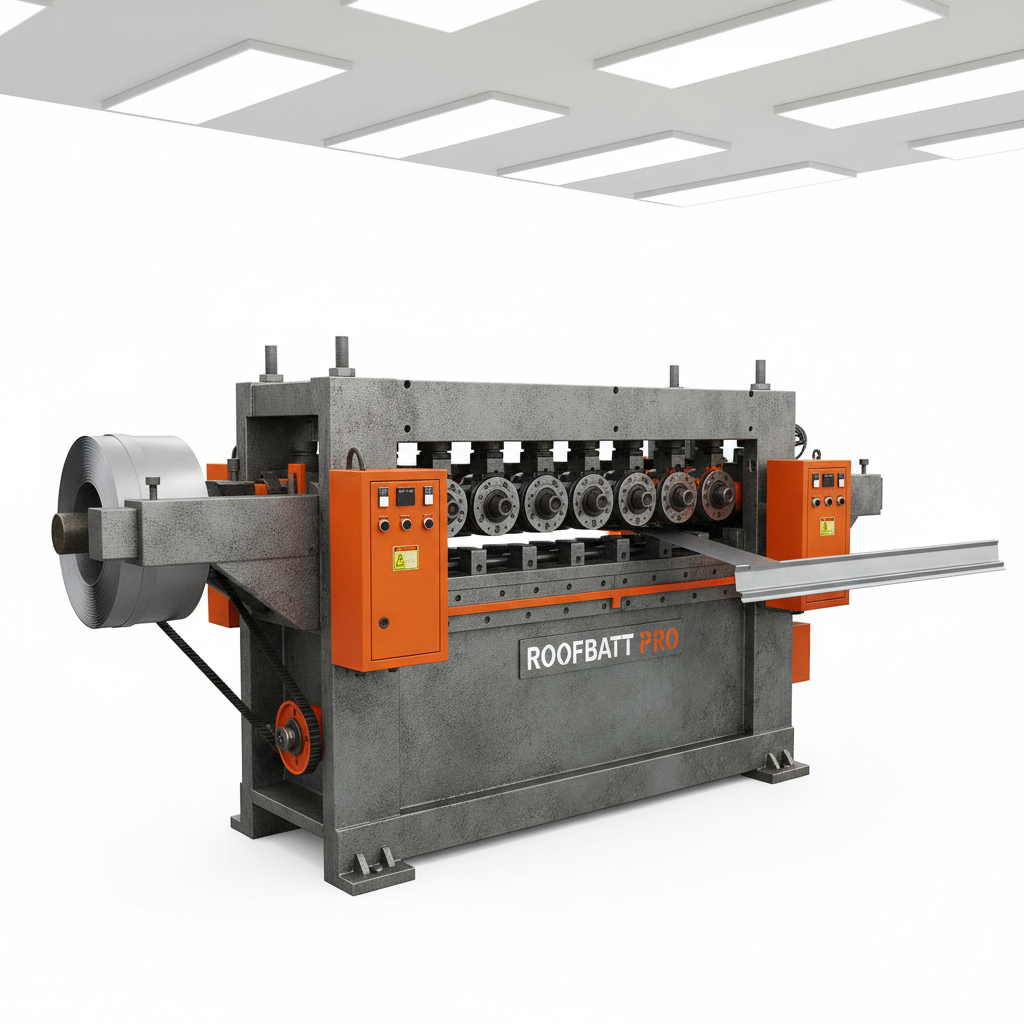
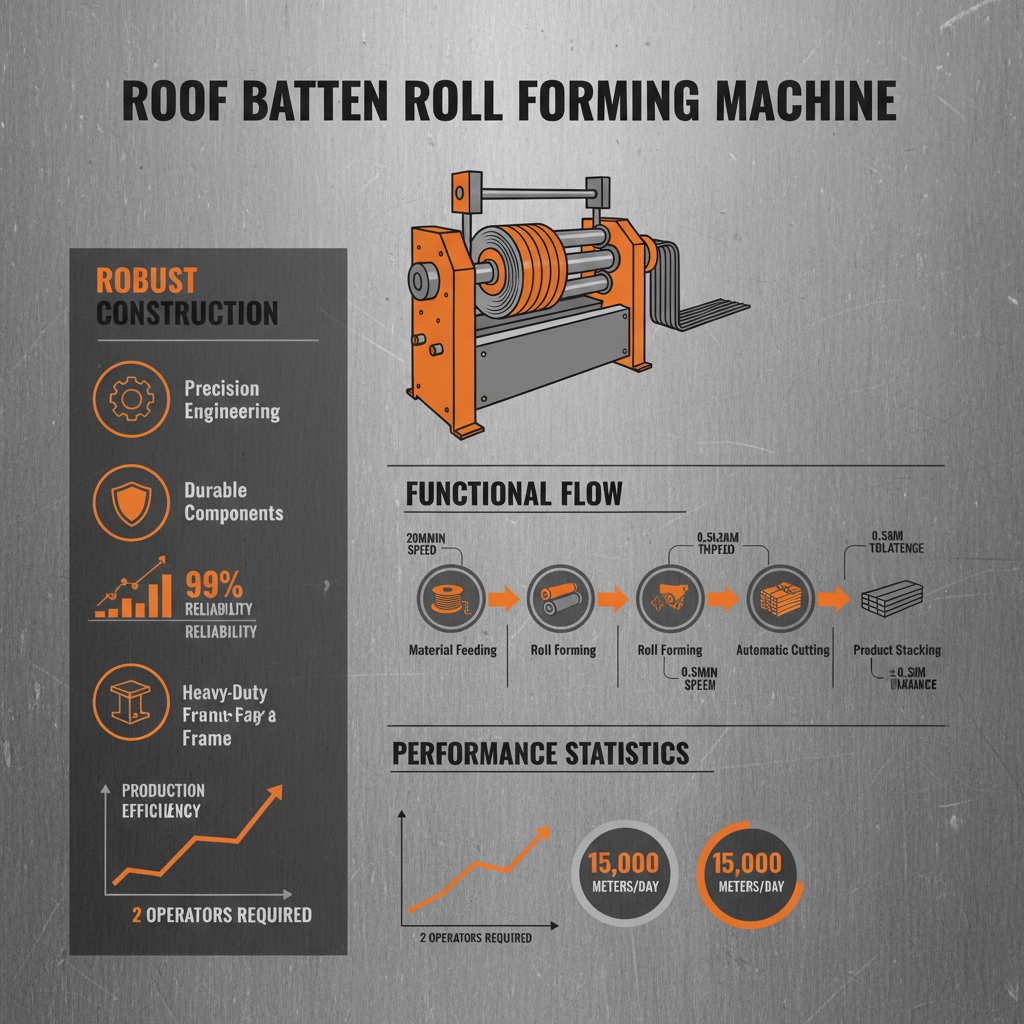
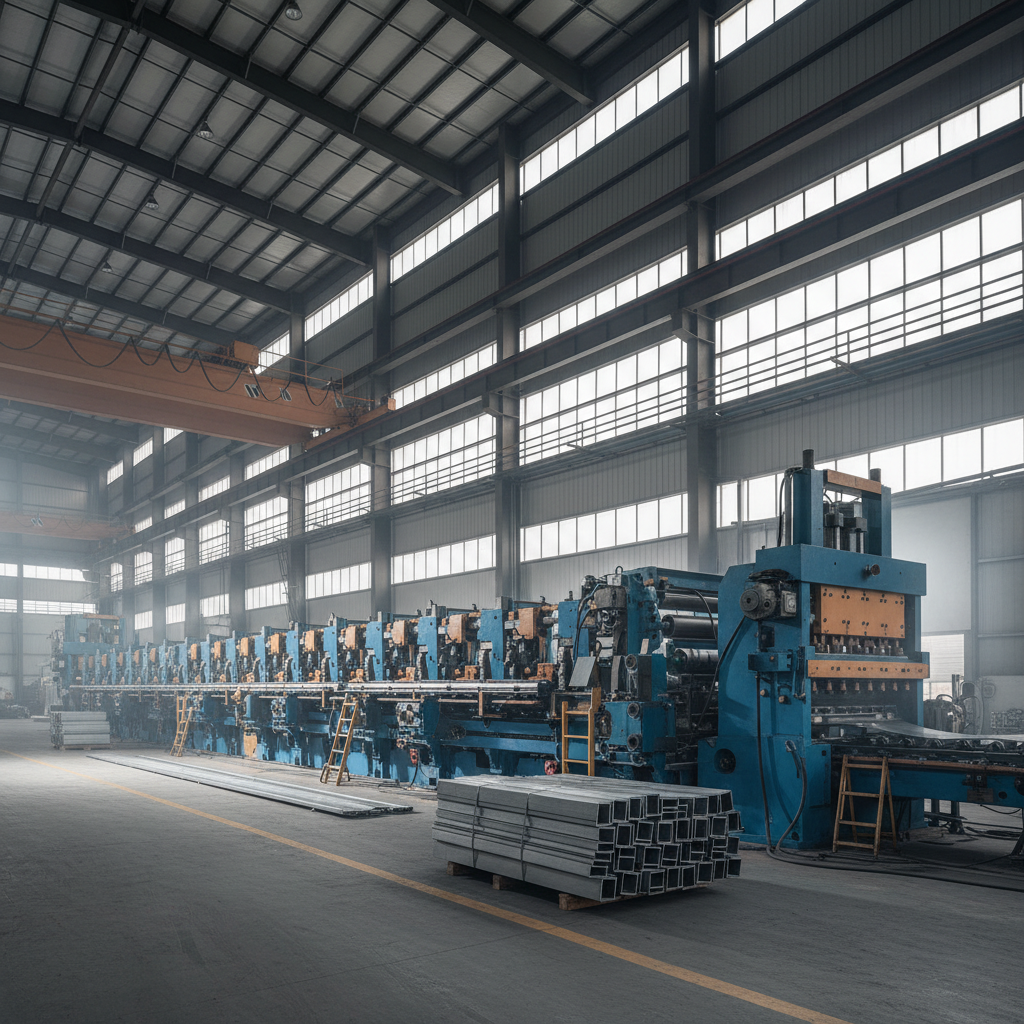
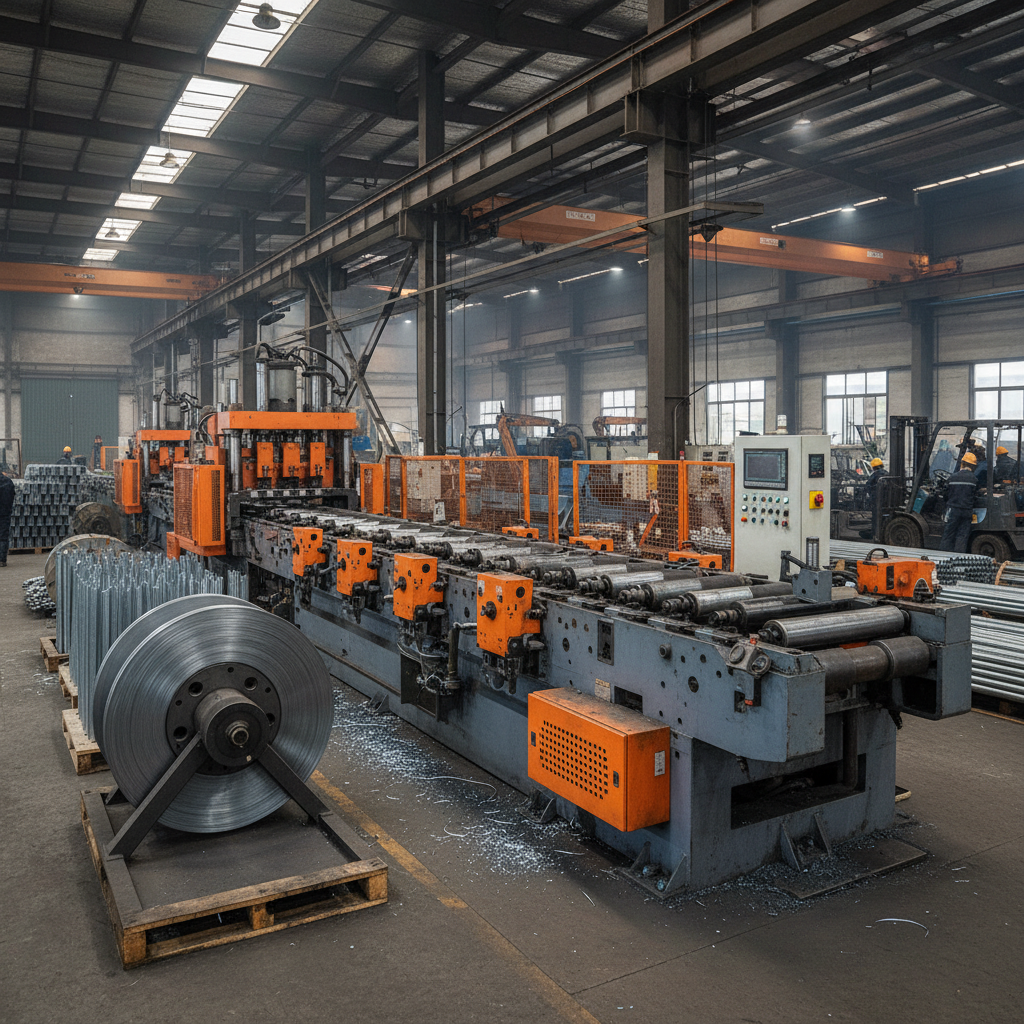
A typical batten roll forming machine consists of several key components working in concert. These include an uncoiler to hold and feed the steel coil, a leveling unit to ensure the coil is flat, a roll forming section with multiple rollers, a cutting mechanism to precisely cut the battens to length, and a stacking or conveying system to automatically collect the finished profiles.
The roll forming section is arguably the most critical part of the machine. Each roller is precisely engineered to impart a specific bend to the steel, gradually shaping it into the desired batten profile. The quality of these rollers directly impacts the accuracy and consistency of the final product. Advanced machines often feature programmable logic controllers (PLCs) allowing operators to adjust the roll forming process to create various batten profiles.
Functionally, the machine operates by continuously drawing the steel coil through the rollers, forming the batten profile in a sequential manner. The cutting mechanism, often a flying shear, cuts the profile to the programmed length while the machine is still running, ensuring a continuous production process. The finished battens are then automatically stacked or conveyed away, ready for use in construction.
Key Advantages of batten roll forming machine
Batten roll forming machines offer several compelling advantages over traditional construction methods. Foremost among these is cost efficiency. By utilizing steel coils as raw material and automating the production process, these machines significantly reduce material waste and labor costs.
Durability is another key benefit. The steel battens produced by these machines are strong, resistant to corrosion, and can withstand harsh environmental conditions. This ensures the longevity of structures built with these components, reducing the need for frequent repairs and replacements.
Comparison of Batten Roll Forming Machine Methods
Global Applications of batten roll forming machine
The applications of batten roll forming machines are incredibly diverse, spanning numerous industries and regions. In the construction sector, they are widely used for creating structural framing for warehouses, factories, and commercial buildings. They are also vital in the production of roofing and cladding materials, providing lightweight and durable solutions for building envelopes.
In post-disaster relief operations, portable batten roll forming machines can be deployed to quickly produce shelters and temporary housing for affected populations. This capability is particularly valuable in remote or inaccessible areas where transporting pre-fabricated structures is challenging. In remote industrial zones and developing countries, these machines facilitate local production of building materials, reducing reliance on expensive imports and fostering economic development.
Long-Term Value and Sustainability
The long-term value of investing in a batten roll forming machine extends beyond immediate cost savings. The durability of the steel battens produced ensures reduced maintenance costs and a longer lifespan for structures. Furthermore, the use of steel, a highly recyclable material, contributes to sustainable construction practices.
From a social impact perspective, these machines empower local communities by creating job opportunities and fostering self-sufficiency. They enhance safety by providing strong and reliable building components, and instill a sense of dignity by offering access to durable and affordable housing. The innovation inherent in this technology promotes trust and reliability in the construction industry.
Future Trends in batten roll forming machine Technology
The future of batten roll forming machine technology is poised for further innovation. Automation and digital integration are key trends, with machines becoming increasingly equipped with sensors, data analytics, and remote control capabilities. This will lead to greater efficiency, improved quality control, and reduced operator workload.
Sustainability is another driving force, with ongoing research into using more sustainable materials, such as high-strength low-alloy steels and recycled steel. Furthermore, the integration of renewable energy sources to power these machines will further reduce their environmental impact. The development of more portable and versatile machines will expand their applicability in disaster relief and remote construction scenarios.
We can also expect to see advancements in software that optimizes batten designs for specific structural requirements, ensuring maximum efficiency and minimizing material usage. The convergence of these technologies will position batten roll forming machines as an even more indispensable tool for the construction industry and beyond.
Summary of Challenges and Potential Solutions for batten roll forming machine
| Challenge |
Impact on Operation |
Potential Solution |
Implementation Cost (1-10) |
| Material Coil Quality |
Inconsistent batten profiles, production delays |
Implement stricter quality control measures for incoming coils |
4 |
| Roller Wear and Tear |
Reduced precision, increased maintenance |
Utilize high-quality roller materials, implement scheduled maintenance |
6 |
| Cutting Accuracy |
Batten length variations, scrap material |
Calibrate cutting mechanism regularly, upgrade to more precise cutting systems |
5 |
| Operator Skill Level |
Incorrect setup, inefficient operation |
Provide comprehensive training programs for operators |
3 |
| Dust and Debris |
Machine malfunction, reduced lifespan |
Implement dust extraction systems and regular cleaning schedules |
2 |
| Power Fluctuations |
Interrupted production, potential damage to electronics |
Install a reliable power supply with surge protection |
7 |
FAQS
Batten roll forming machines are primarily used to create lightweight steel framing for walls, roofs, and floors in buildings. They also find application in producing components for modular construction, agricultural buildings, and industrial facilities. The key benefit is the ability to create consistent, durable components quickly and on-site, reducing costs and lead times compared to traditional methods.
Most batten roll forming machines are designed to handle galvanized steel, galvalume steel, and prepainted steel coils. The gauge (thickness) of the coil will depend on the machine’s specifications and the desired strength of the finished batten. It's crucial to select a steel coil with consistent quality and the appropriate coating for the intended application.
Higher automation levels, including automatic coil loading, cut-to-length systems, and stacking mechanisms, significantly improve production efficiency. Automated machines require less manual labor, reduce the risk of errors, and can operate continuously for longer periods. This leads to increased output and lower overall production costs.
Regular maintenance is essential for ensuring optimal performance and longevity. This typically includes lubricating moving parts, inspecting rollers for wear and tear, checking the cutting mechanism, and cleaning the machine to remove dust and debris. A detailed maintenance schedule should be established and followed diligently, with routine inspections performed by qualified technicians.
Operating a batten roll forming machine requires strict adherence to safety protocols. Operators must wear appropriate personal protective equipment (PPE), including safety glasses, gloves, and ear protection. Guards and safety devices must be in place and functioning correctly, and operators should be thoroughly trained on the machine's operation and emergency procedures.
With proper maintenance and operation, a high-quality batten roll forming machine can have a lifespan of 10-20 years or even longer. The longevity depends on factors such as the quality of the machine's components, the frequency of use, and the thoroughness of the maintenance program. Investing in a well-built machine from a reputable manufacturer is crucial for maximizing its lifespan.
Conclusion
In conclusion, batten roll forming machines represent a transformative technology in the construction and manufacturing sectors. Their ability to produce durable, cost-effective, and customizable steel battens on-demand offers significant advantages in terms of efficiency, sustainability, and responsiveness to evolving project needs. From disaster relief efforts to large-scale commercial construction, these machines are proving to be invaluable assets for building a more resilient and efficient future.
Looking ahead, the continued advancement of automation, materials science, and digital integration will further enhance the capabilities of batten roll forming machines. Investing in this technology is not simply a matter of improving production processes; it’s a strategic move towards a more sustainable, resilient, and innovative construction landscape. Visit our website at www.lwrollformingmachine.com to learn more about our solutions and how we can help you optimize your batten production process.