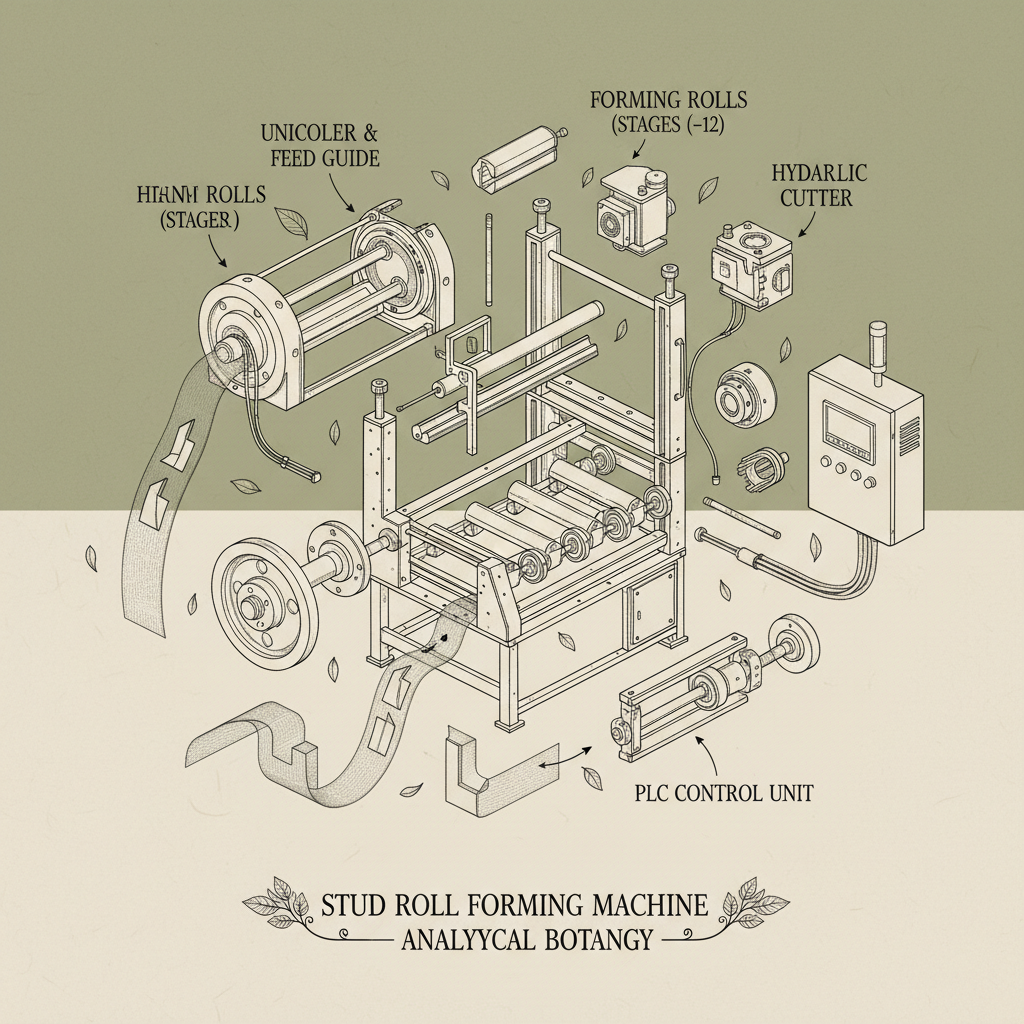
The efficient construction and maintenance of infrastructure relies heavily on specialized machinery, and the angle bar forming machine is a crucial component in this landscape. These machines are instrumental in producing angle bars, essential structural elements used across a vast range of industries, from construction and manufacturing to transportation and renewable energy. Understanding their functionality, applications, and future trends is vital for professionals seeking optimized building solutions and cost-effective production methods.
Globally, demand for steel structures, and therefore angle bars, is consistently high, driven by urbanization, infrastructure development, and the need for durable, sustainable building materials. According to the World Steel Association, global steel demand reached approximately 1.869 billion tonnes in 2023, with a significant portion dedicated to construction. Angle bar forming machines play a key role in meeting this demand, providing the capacity for large-scale production and customized solutions.
The challenge often lies in balancing production volume with precision and cost-effectiveness. Traditional methods can be labor-intensive and prone to inconsistencies. Modern angle bar forming machines offer automated, high-speed production, addressing these issues and paving the way for more streamlined and efficient construction processes worldwide. This technological advancement is critical for addressing the increasing demands of a rapidly developing global infrastructure.
The Core Principles of angle bar forming machine
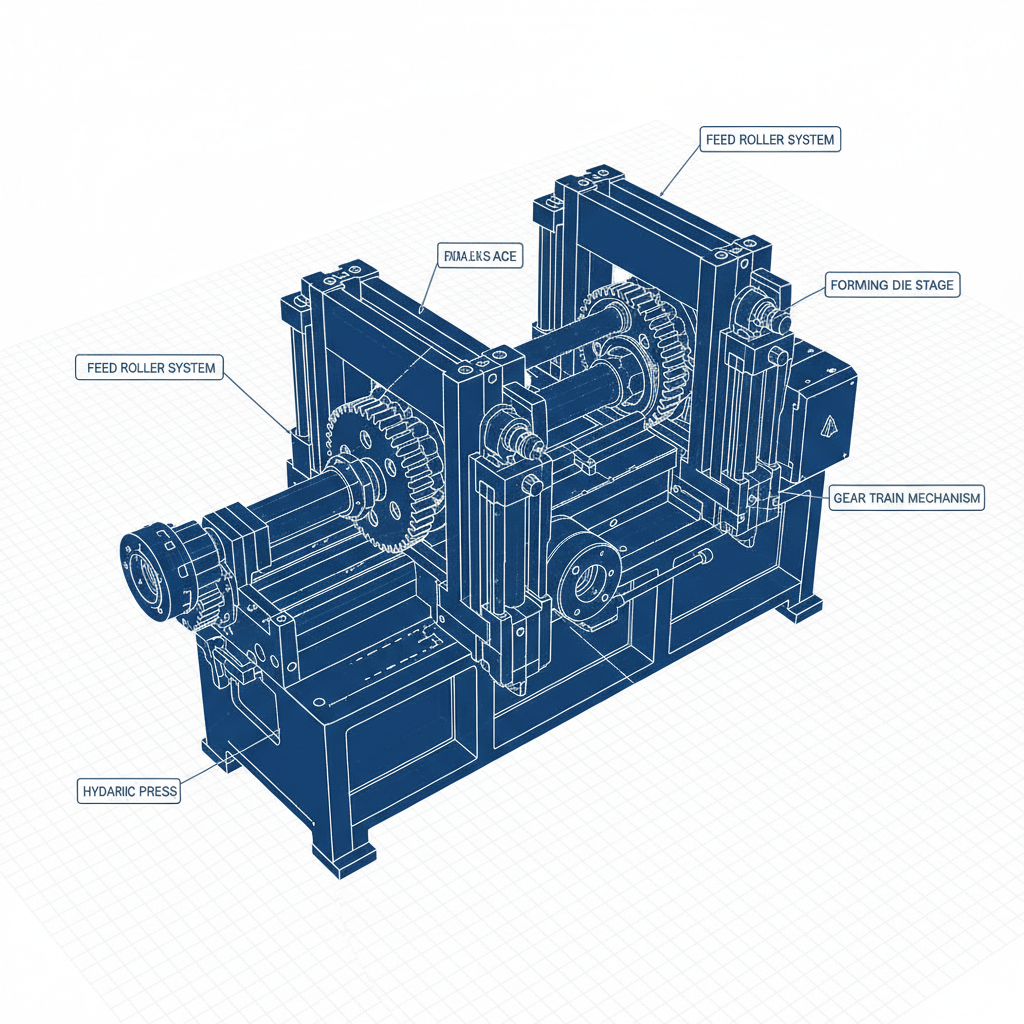
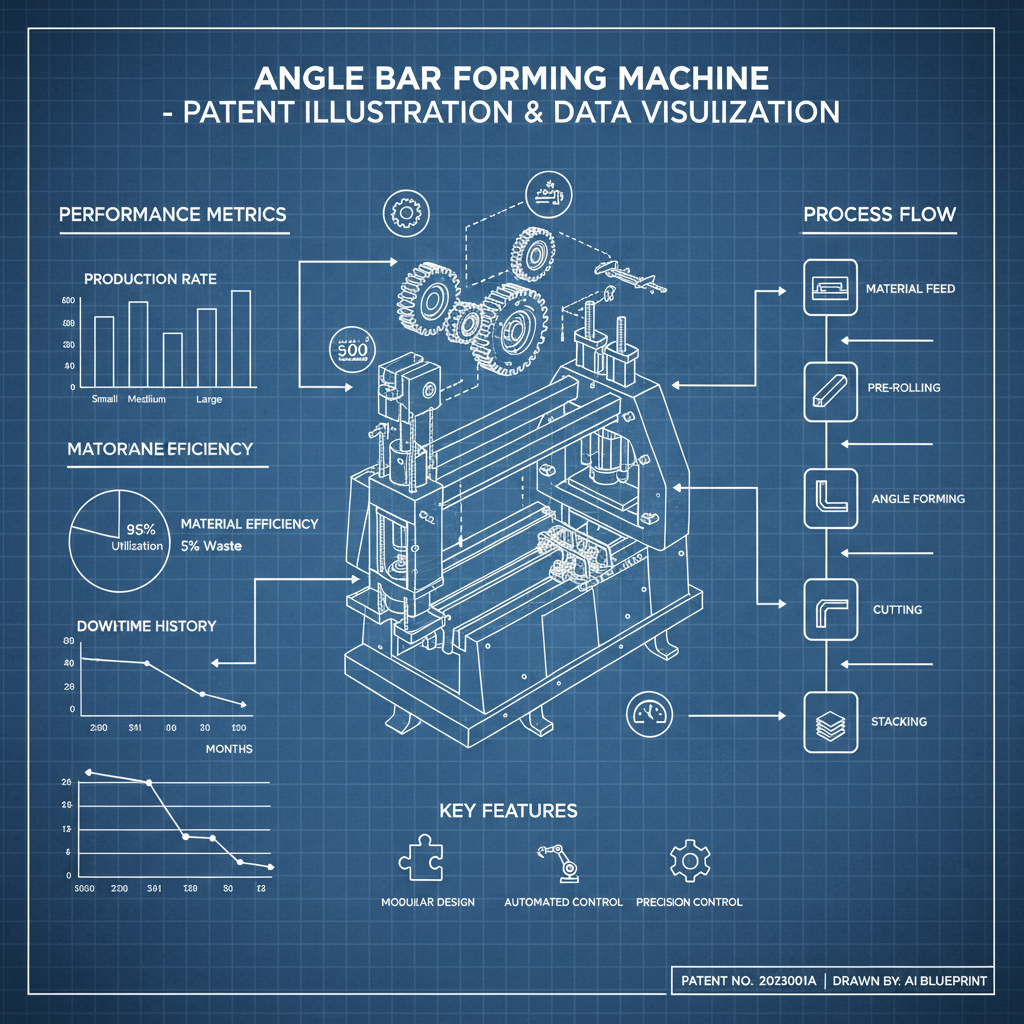
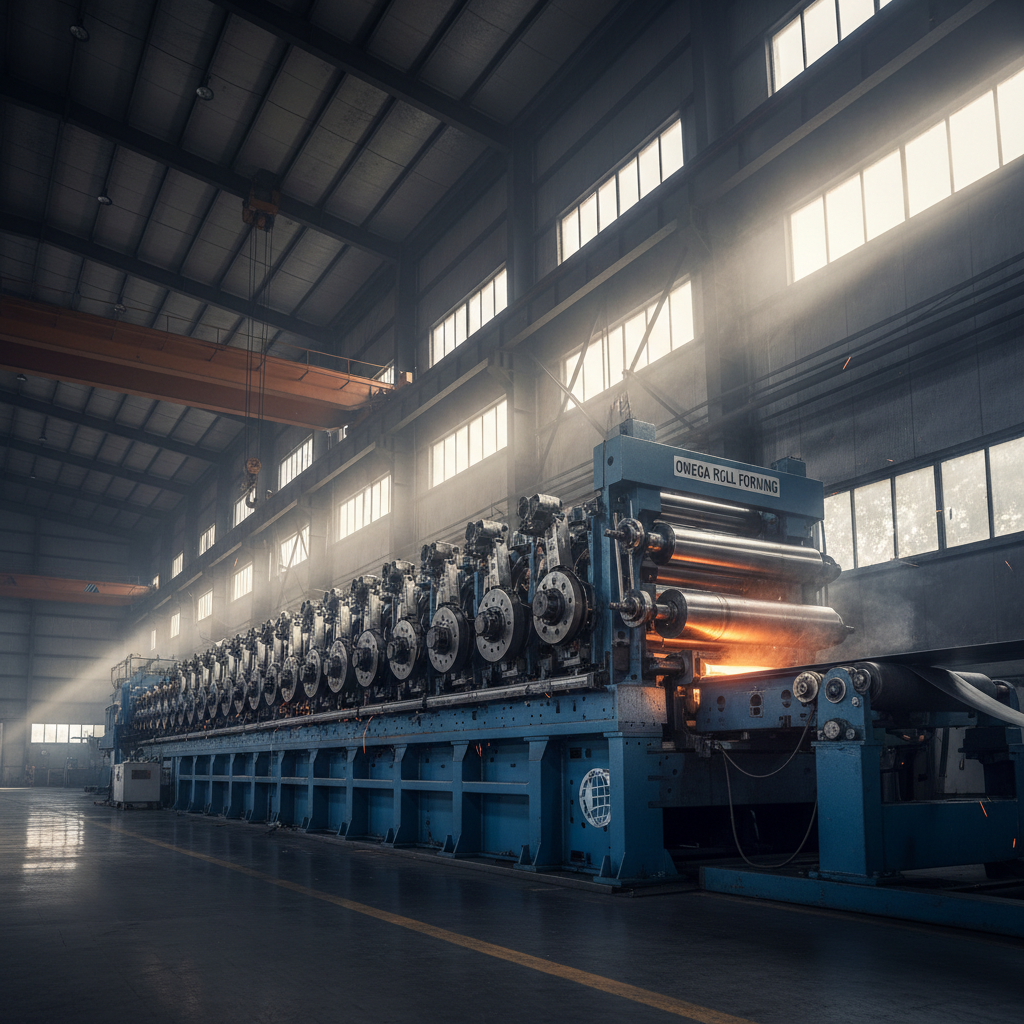
At its heart, an angle bar forming machine operates on the principle of metal forming, specifically roll forming. This process involves continuously bending and shaping a metal coil or strip through a series of rollers. Each roller incrementally changes the metal's shape until it achieves the desired angle bar profile. The precision and efficiency of this process are dependent on the machine’s design, the quality of the rollers, and the control systems employed.
The quality of the final angle bar is greatly influenced by several factors, including the material of the coil, the thickness of the metal, and the accuracy of the machine's settings. These machines are designed to accommodate different materials like carbon steel, stainless steel, and galvanized steel, making them incredibly versatile for diverse applications. Proper maintenance and calibration are also crucial for ensuring consistent and accurate production.
Defining the Angle Bar Forming Machine
An angle bar forming machine is a specialized industrial machine designed to efficiently and accurately produce angle bars from metal coils or strips. These angle bars are characterized by their L-shaped cross-section and are fundamental building blocks in countless construction, manufacturing, and engineering applications. They provide structural support, enhance stability, and contribute to the overall integrity of various projects.
The connection of the angle bar forming machine to modern industry is undeniable. Its capacity to mass-produce angle bars has fundamentally altered construction timelines and project costs. From high-rise buildings and bridges to vehicle frames and solar panel mounting systems, the widespread use of angle bars highlights the machine's significant contribution to modern infrastructure development.
Beyond commercial construction, these machines are vital for humanitarian efforts. They can produce materials for rapidly deployable shelters, disaster relief structures, and temporary housing, addressing critical needs in emergency situations. This dual role – supporting large-scale industrial projects and enabling rapid response to humanitarian crises – underscores the angle bar forming machine’s multifaceted importance.
Key Factors Influencing Angle Bar Forming Machine Performance
Durability: A robust machine construction, utilizing high-quality steel and components, ensures a long operational lifespan and minimizes downtime. The ability to withstand continuous use and heavy loads is paramount for maintaining consistent production levels. A durable machine also reduces maintenance costs and increases return on investment.
Precision: Accuracy in forming is critical for producing angle bars that meet stringent quality standards. Precise roller alignment, automated control systems, and regular calibration are essential for achieving consistent dimensions and angles. This precision translates directly to the structural integrity of the finished product.
Production Speed: The rate at which an angle bar forming machine can produce angle bars directly impacts profitability. Optimized roller designs, efficient drive systems, and streamlined material handling contribute to faster production cycles, meeting demanding project timelines.
Global Applications of the Angle Bar Forming Machine
Angle bar forming machines are utilized extensively in the construction industry for framing structures, creating supports, and reinforcing concrete. In Asia, particularly in rapidly developing countries like China and India, these machines are powering large-scale infrastructure projects, including bridges, high-speed rail networks, and urban developments.
The automotive industry relies on angle bars for chassis components, vehicle frames, and safety structures. In Europe and North America, angle bar forming machines are integral to the manufacturing of cars, trucks, and other vehicles, ensuring both safety and structural integrity.
Furthermore, in the renewable energy sector, angle bars are used extensively for mounting solar panels and constructing wind turbine towers. In regions like Australia and the Middle East, where solar energy adoption is growing rapidly, these machines are vital for supplying the necessary structural components for renewable energy installations.
angle bar forming machine Production Capacity by Region
Advantages and Long-Term Value Proposition
The primary advantage of employing an angle bar forming machine lies in its cost-effectiveness. Automated production significantly reduces labor costs, minimizes material waste, and accelerates project completion times, leading to substantial savings. Moreover, the high precision of these machines translates to fewer errors and rework, further reducing overall expenses.
From a sustainability perspective, these machines contribute to reduced environmental impact through efficient material utilization and the production of durable, long-lasting structures. Using locally produced angle bars minimizes transportation costs and carbon emissions, promoting a more sustainable supply chain. Investing in these machines showcases a commitment to responsible manufacturing practices.
Future Trends and Innovations in the Field
The future of angle bar forming machine technology is leaning towards increased automation and integration with Industry 4.0 principles. Expect to see machines equipped with advanced sensors, real-time monitoring systems, and predictive maintenance capabilities, optimizing performance and minimizing downtime.
Furthermore, research into new materials and forming techniques is driving innovation in angle bar production. The use of high-strength, lightweight materials and the development of more energy-efficient forming processes are becoming increasingly important, addressing the growing demand for sustainable and high-performance building solutions.
Challenges and Potential Solutions
One of the primary challenges associated with angle bar forming machines is the initial investment cost, which can be substantial, particularly for advanced models. However, financing options, leasing programs, and the long-term cost savings associated with automated production can mitigate this barrier.
Another challenge lies in the need for skilled operators and maintenance personnel. Investing in comprehensive training programs and providing ongoing technical support are essential for ensuring optimal machine performance and longevity. Remote diagnostics and automated troubleshooting systems can also help address this challenge.
Finally, adapting to evolving material specifications and customer demands requires continuous innovation and machine customization. Manufacturers must prioritize flexibility and modularity in their designs, enabling rapid adaptation to changing market needs and maintaining a competitive edge.
Summary of angle bar forming machine Challenges and Solutions
| Challenge |
Impact on Production |
Potential Solution |
Implementation Cost (1-10) |
| High Initial Investment |
Limits accessibility for smaller businesses |
Financing options, leasing programs |
6 |
| Skilled Operator Shortage |
Reduced machine efficiency, increased errors |
Comprehensive training programs |
7 |
| Material Variability |
Inconsistent product quality |
Automated material sensing and adjustment |
8 |
| Maintenance Downtime |
Lost production capacity |
Predictive maintenance systems |
5 |
| Changing Customer Demands |
Risk of obsolescence |
Modular machine designs |
6 |
| Energy Consumption |
Increased operating costs |
Energy-efficient drive systems |
4 |
FAQS
The lifespan of an angle bar forming machine generally ranges from 10 to 20 years, depending on the quality of construction, frequency of use, and the level of maintenance performed. Regular inspections, lubrication, and timely replacement of worn components are crucial for maximizing the machine’s longevity. Investing in a high-quality machine from a reputable manufacturer is also key to ensuring a long operational life.
Angle bar forming machines are versatile and can process a wide range of materials, including carbon steel, stainless steel, galvanized steel, and aluminum. The specific material compatibility depends on the machine’s rollers and drive system. It's important to select a machine designed to handle the desired material type and thickness to ensure optimal forming results and prevent damage to the equipment.
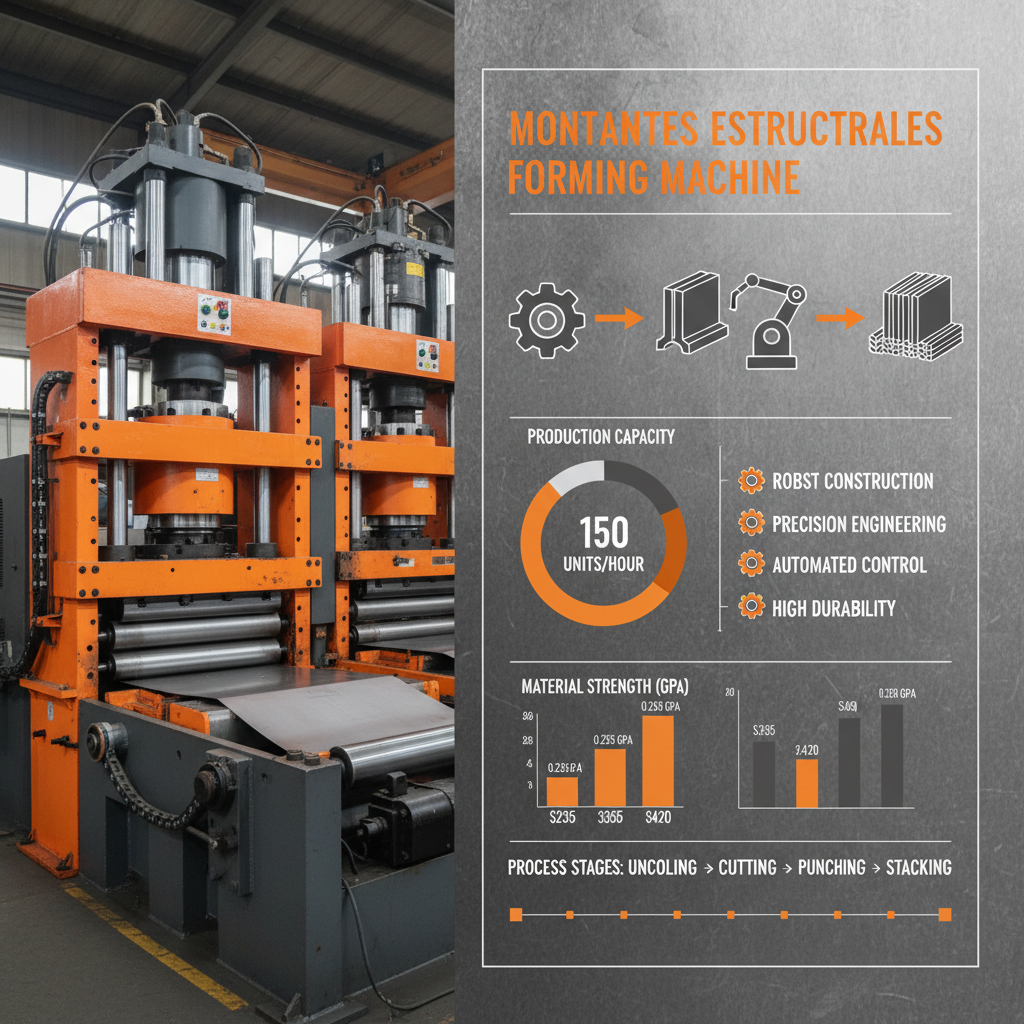
Angle bar forming machines offer varying degrees of automation, from semi-automatic models requiring manual feeding and control to fully automated systems with automatic coil feeding, forming, cutting, and stacking capabilities. Fully automated machines minimize labor costs, increase production speed, and improve consistency. The level of automation selected depends on the production volume and budget.
Essential safety features include emergency stop buttons, safety guards around moving parts, overload protection systems, and proper electrical grounding. Machines should also comply with relevant safety standards and regulations. Regular safety inspections and operator training are crucial for preventing accidents and ensuring a safe working environment.
Regular maintenance is vital for ensuring optimal performance and longevity. This includes lubricating moving parts, inspecting rollers for wear, checking electrical connections, and cleaning the machine regularly. Preventive maintenance schedules and prompt attention to any unusual noises or malfunctions can prevent costly repairs and downtime.
Production speed varies depending on the machine's specifications, material thickness, and angle bar size. Generally, production speeds can range from 10 to 60 meters per minute. More advanced machines with optimized drive systems and automatic controls can achieve even higher speeds, allowing for increased output and reduced production time.
Conclusion
In conclusion, the angle bar forming machine stands as a cornerstone of modern construction and manufacturing, delivering unparalleled efficiency, precision, and cost-effectiveness. Its applications are vast and continually expanding, driven by innovation and the growing need for durable, sustainable infrastructure. By understanding its core principles, key factors, and future trends, professionals can leverage this technology to achieve optimal results in their respective fields.
Looking ahead, continued investment in automation, material science, and predictive maintenance will further enhance the capabilities of these machines. Embracing these advancements will not only streamline production processes but also contribute to a more sustainable and resilient built environment. For those seeking reliable and high-performance angle bar forming solutions, we invite you to visit our website at www.lwrollformingmachine.com.