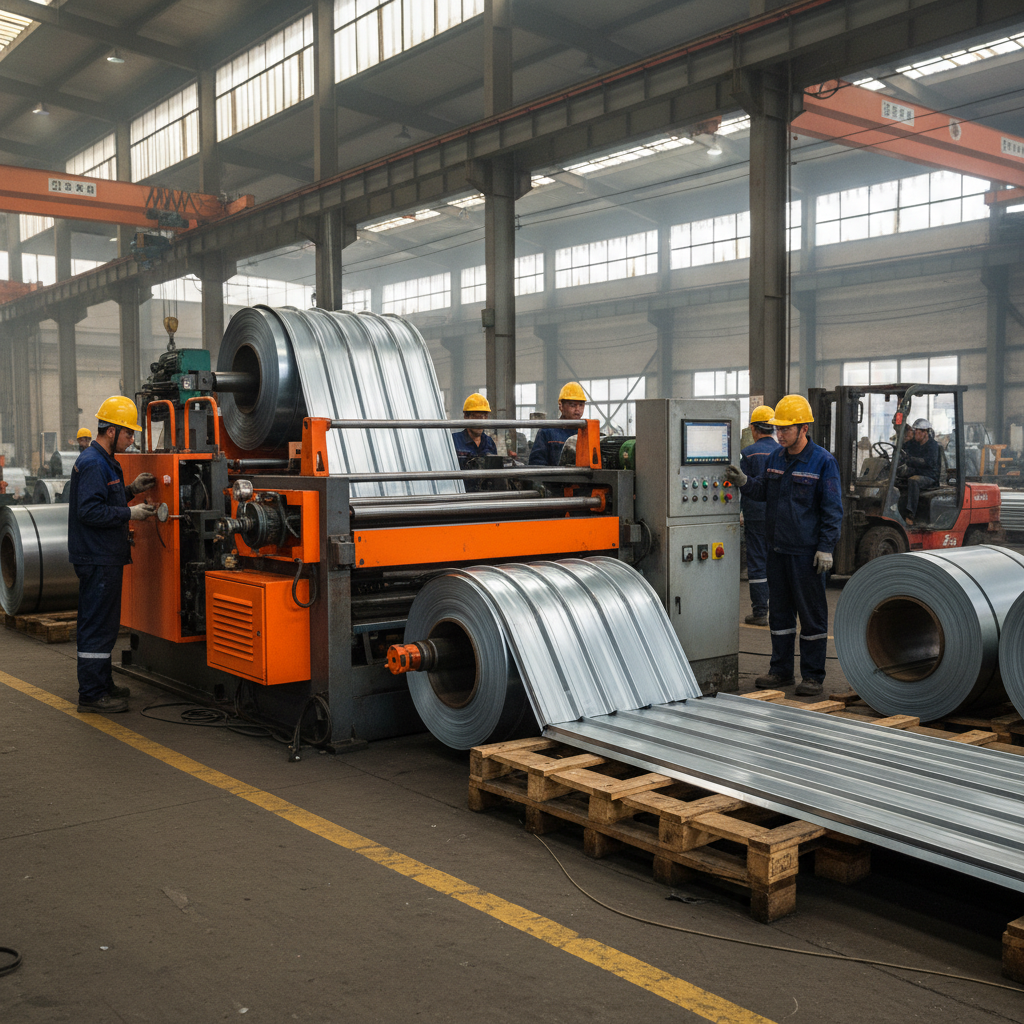
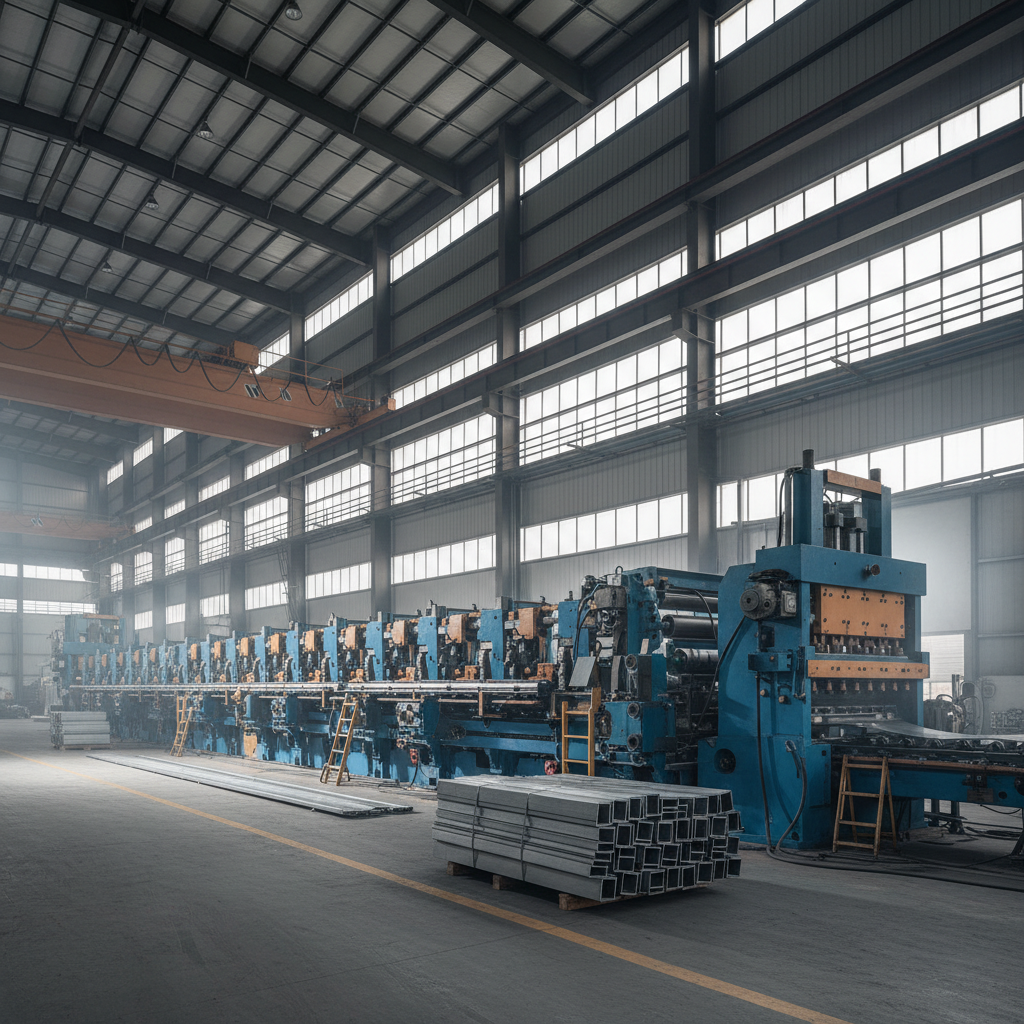
Omega roll forming machine technology represents a significant advancement in modern manufacturing, particularly in the production of structural components. These machines utilize a continuous bending process to create precise, consistent profiles from flat metal sheets, offering a cost-effective and efficient alternative to traditional fabrication methods. The global demand for omega profiles is driven by diverse industries, including construction, automotive, solar energy, and infrastructure development. Understanding the capabilities and applications of omega roll forming machine is crucial for engineers, manufacturers, and project managers seeking optimized solutions for their specific needs.
The increasing need for lightweight, high-strength materials is propelling the adoption of omega roll forming machine. Omega profiles offer an excellent strength-to-weight ratio, making them ideal for applications where minimizing material usage is paramount. Furthermore, the precision and repeatability offered by these machines ensure consistent product quality, reducing waste and improving overall project efficiency. The versatility of omega roll forming machine allows for the creation of complex shapes and customized designs, catering to a wide range of industrial requirements.
As sustainability becomes increasingly important, omega roll forming machine plays a vital role in promoting resource efficiency. The process generates minimal waste compared to conventional methods like cutting and welding, aligning with green manufacturing principles. Moreover, the ability to utilize recycled materials in the roll forming process further enhances its environmental credentials. The growing focus on infrastructure development and the need for durable, reliable structural components will continue to drive the demand for omega roll forming machine worldwide.
The Fundamentals of Omega Roll Forming Machine
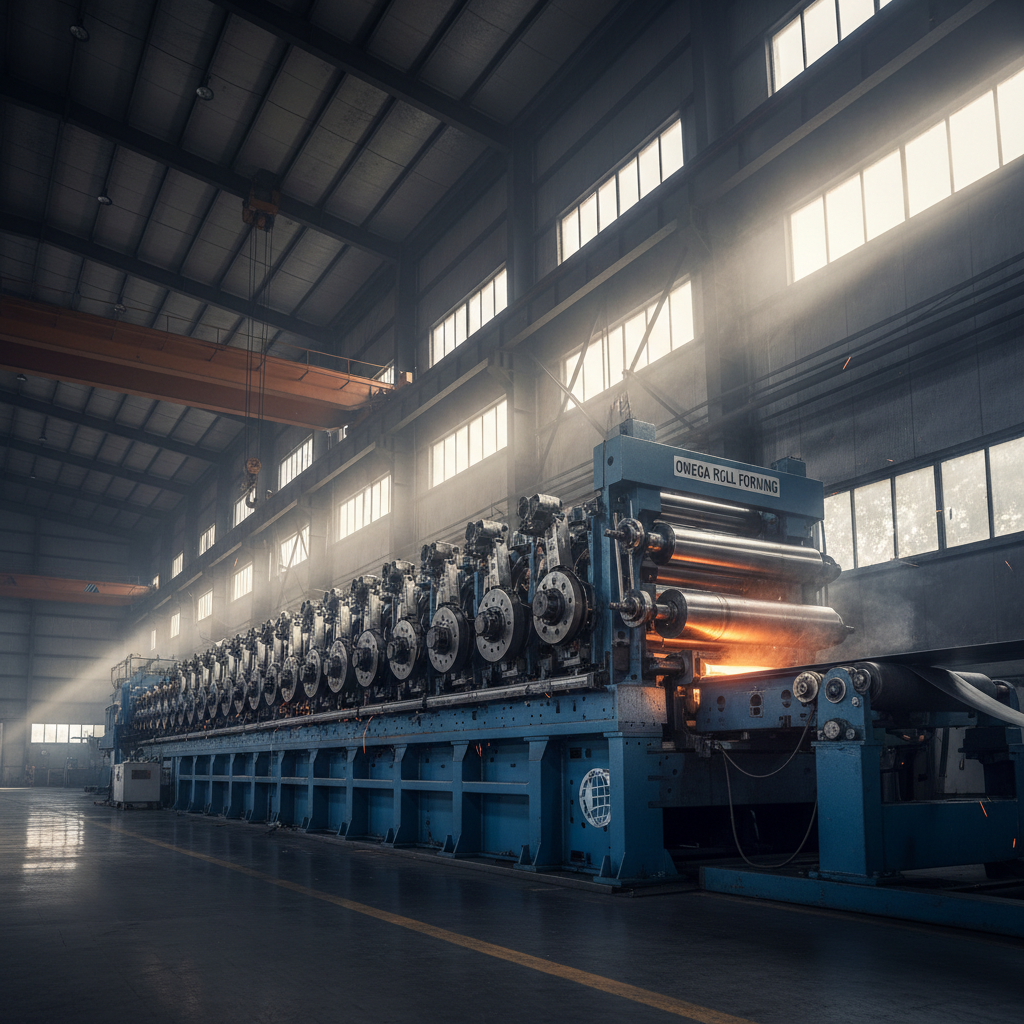
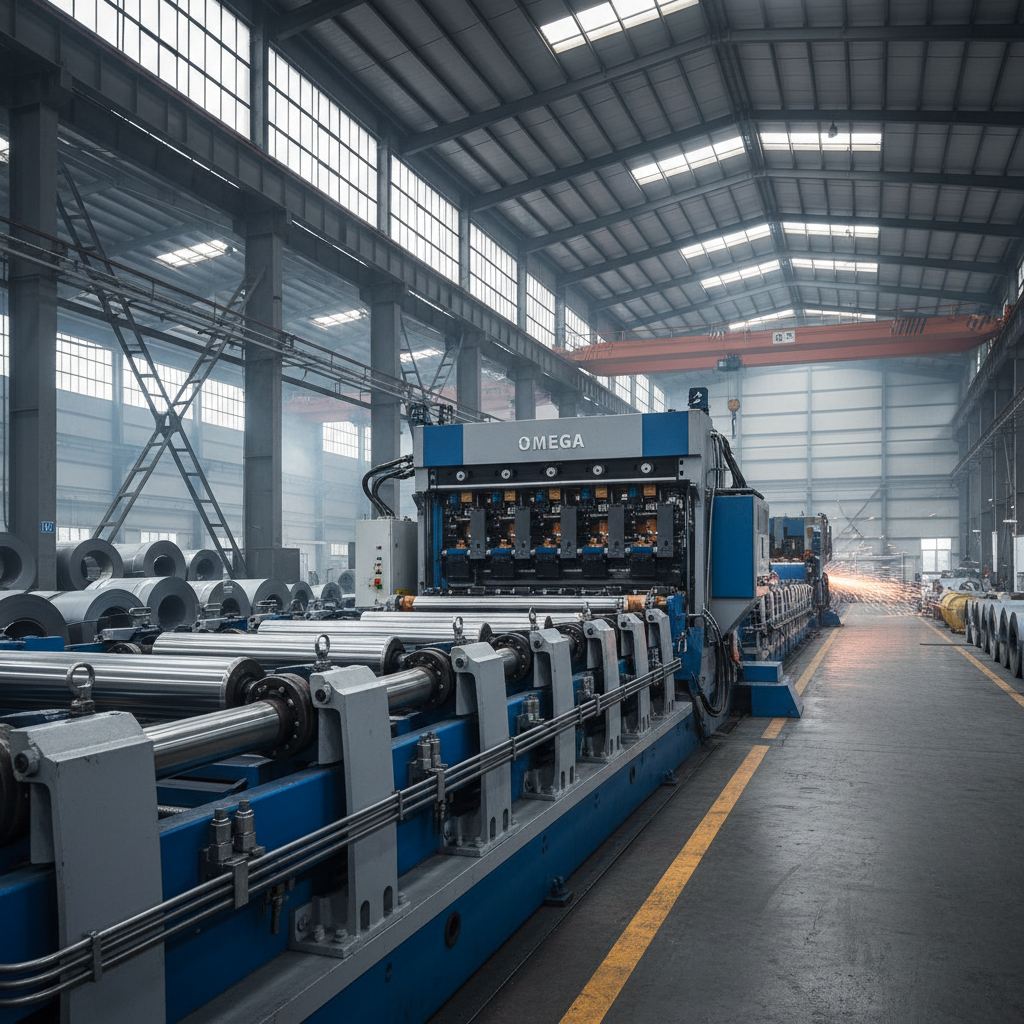
At its core, an omega roll forming machine utilizes a series of contoured rollers to progressively bend a flat metal strip into the desired omega profile. Each roller station applies a specific degree of bending, gradually transforming the material. The precision of these rollers is paramount, ensuring dimensional accuracy and consistent product quality. Understanding the sequence of roll passes and the material properties is essential for optimizing the roll forming process.
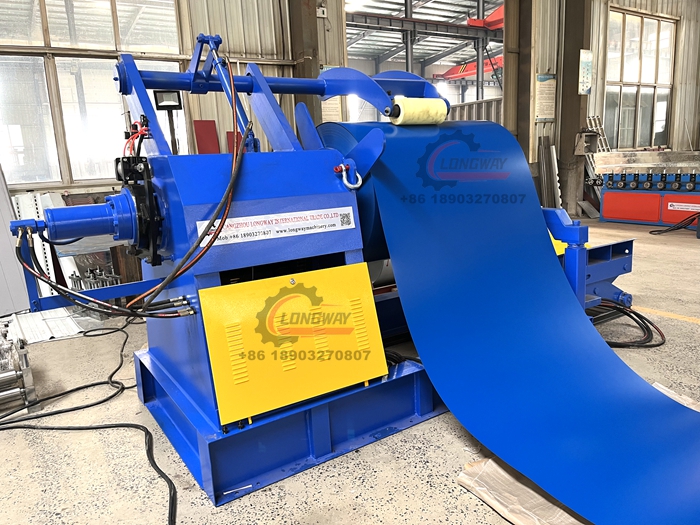
The selection of appropriate tooling – the rollers themselves – is crucial for achieving the desired omega profile. Tooling is typically made from hardened tool steel, designed to withstand the high stresses and continuous bending cycles. Modern omega roll forming machine often incorporate automated control systems, allowing for precise adjustments to roller pressure, feed speed, and other parameters, further enhancing efficiency and product consistency.
Global Relevance and Industry Impact
The global market for omega roll forming machine is experiencing significant growth, driven by increasing demand from various sectors. According to a report by Grand View Research, the global roll forming market was valued at USD 5.38 billion in 2022 and is projected to reach USD 7.94 billion by 2030, growing at a CAGR of 4.9%. This growth is largely attributable to the increasing adoption of roll formed profiles in construction, automotive, and other industries. Emerging economies in Asia-Pacific, particularly China and India, are major consumers of omega roll forming machine due to their rapid infrastructure development.
The construction industry is a key driver of demand for omega profiles, which are widely used in structural framing, roof purlins, and wall girts. The automotive industry utilizes omega profiles for reinforcement components, contributing to vehicle weight reduction and improved fuel efficiency. The renewable energy sector employs omega profiles in solar panel mounting systems, providing robust and durable support structures. The growth of these industries directly impacts the demand for efficient and reliable omega roll forming machine.
Furthermore, the increasing emphasis on sustainable construction practices is boosting the demand for lightweight, high-strength materials like those produced by omega roll forming machine. As governments worldwide prioritize infrastructure investments and green building initiatives, the market for omega roll forming machine is poised for continued expansion.
Defining Omega Roll Forming Machine
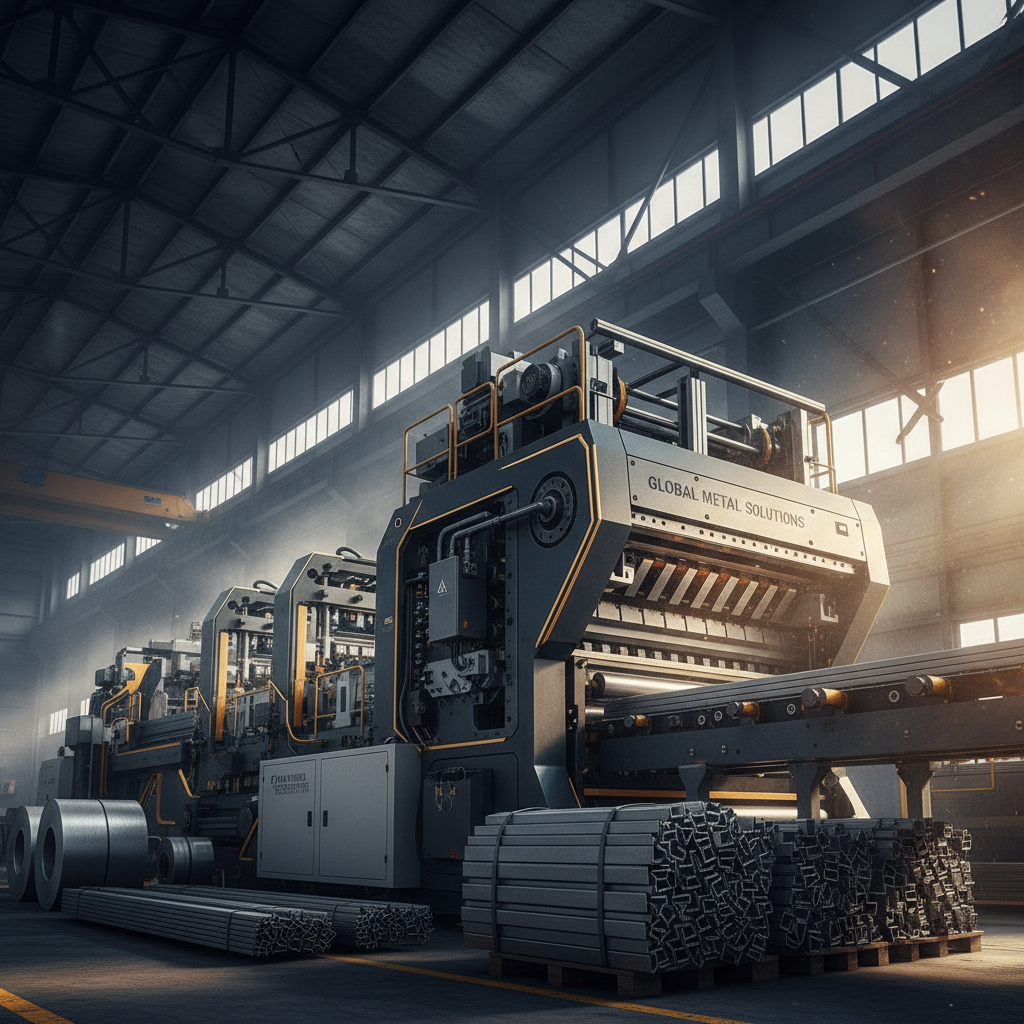
An omega roll forming machine is a specialized type of roll forming equipment designed to produce omega-shaped profiles from metal strips. These profiles, characterized by their distinctive cross-section resembling the Greek letter omega (Ω), are widely utilized in structural applications due to their high strength-to-weight ratio and efficient load-bearing capabilities. The process involves continuously feeding a flat metal strip through a series of rollers, each contoured to incrementally bend the material until the final omega shape is achieved.
The connection to modern industry is profound. Omega profiles offer a cost-effective and efficient alternative to traditional fabrication methods like welding and bolting, reducing labor costs and improving production speeds. They are integral to the construction of steel structures, providing superior support and stability. Beyond construction, omega roll forming machine contribute to the automotive industry, creating lightweight yet durable components, and to the renewable energy sector, building robust mounting systems for solar panels.
In essence, omega roll forming machine isn't just about shaping metal; it’s about enabling faster, more sustainable, and more cost-effective construction and manufacturing processes. This technology is essential for addressing the growing demand for infrastructure, transportation, and energy solutions globally, and contributes to the advancement of industrial efficiency and innovation.
Key Factors Influencing Omega Roll Forming Machine Performance
Several key factors significantly impact the performance and efficiency of an omega roll forming machine. Material properties, roller precision, and process control all play critical roles in achieving optimal results. Understanding these factors is essential for maximizing productivity and minimizing waste.
The quality of the steel used is paramount. Different grades of steel offer varying degrees of formability, strength, and corrosion resistance. Selecting the appropriate material for the intended application is crucial. The precision of the rollers – their contour, hardness, and surface finish – directly affects the accuracy and consistency of the omega profile.
Omega Roll Forming Machine Performance Metrics
Applications Across Diverse Industries
Omega roll forming machine find extensive applications across a wide spectrum of industries. In the construction sector, they are indispensable for creating structural elements like roof purlins, wall girts, and framework components, offering superior strength and dimensional accuracy. The automotive industry utilizes omega profiles for reinforcing structural parts, contributing to lighter vehicles and improved fuel efficiency.
The solar energy sector benefits from omega profiles in the construction of robust mounting systems for solar panels, ensuring long-term durability and performance. The transportation industry employs omega profiles in the manufacture of rail car components, truck trailers, and other structural elements. Additionally, industries like furniture manufacturing and shelving construction leverage omega profiles for creating sturdy and aesthetically pleasing products.
Advantages and Long-Term Value Proposition
The advantages of utilizing omega roll forming machine extend beyond mere cost savings. The process offers exceptional material utilization, minimizing waste and contributing to sustainable manufacturing practices. The high strength-to-weight ratio of omega profiles reduces material requirements without compromising structural integrity. The consistent product quality and dimensional accuracy ensure reliable performance and minimize the need for rework or repairs.
The long-term value proposition is further enhanced by the durability and corrosion resistance of omega profiles, reducing maintenance costs and extending the lifespan of structures and components. This translates into significant cost savings over the entire lifecycle of a project. The flexibility of omega roll forming machine allows for customization, enabling the creation of profiles tailored to specific application requirements.
Future Trends and Technological Advancements
The future of omega roll forming machine is poised for significant advancements driven by Industry 4.0 technologies and the increasing demand for sustainable manufacturing practices. Automation and robotics are playing an increasingly important role in enhancing efficiency and reducing labor costs. Advanced sensor technologies and real-time process monitoring systems enable precise control over the roll forming process, optimizing product quality and minimizing waste.
The integration of digital twin technology allows for virtual simulation and optimization of roll forming processes, reducing lead times and improving overall efficiency. The development of new materials, such as high-strength steels and lightweight alloys, will further expand the applications of omega roll forming machine. Furthermore, the focus on sustainability will drive the adoption of eco-friendly materials and energy-efficient roll forming processes.
FAQS
Omega roll forming machine offer significant advantages over traditional methods like welding and bolting, including reduced labor costs, increased production speed, improved material utilization, and consistent product quality. The continuous process minimizes waste and ensures dimensional accuracy, making it a more efficient and cost-effective solution. Furthermore, omega profiles offer a superior strength-to-weight ratio, reducing material requirements and enhancing structural performance.
Commonly used materials include various grades of steel, such as carbon steel, galvanized steel, and stainless steel. Aluminum is also increasingly used for applications requiring lightweight and corrosion-resistant profiles. The selection of the appropriate material depends on the specific application requirements, including strength, durability, and environmental factors. Newer materials like high-strength low-alloy (HSLA) steels are also gaining traction for their superior properties.
The lifespan of structures utilizing omega roll forming machine profiles is typically very long, often exceeding 50 years with proper maintenance. The durability and corrosion resistance of the materials used, combined with the inherent strength of the omega profile, contribute to the longevity of these structures. Regular inspections and protective coatings can further extend the lifespan and ensure continued structural integrity.
Automation significantly enhances the efficiency of omega roll forming machine by reducing labor costs, minimizing errors, and increasing production speed. Automated control systems allow for precise adjustments to roller pressure, feed speed, and other parameters, optimizing product quality and minimizing waste. Robotic systems can handle material loading and unloading, further streamlining the process and improving overall productivity.
Regular maintenance is crucial for ensuring the reliable operation of omega roll forming machine. This includes lubricating moving parts, inspecting rollers for wear and tear, and calibrating control systems. Periodic cleaning and inspection of the machine's components are also essential. Following the manufacturer’s recommended maintenance schedule will help prevent breakdowns and extend the lifespan of the equipment.
Omega roll forming machine offer several environmental benefits. The process generates minimal waste compared to traditional fabrication methods. The ability to utilize recycled materials in the roll forming process further reduces environmental impact. The lightweight nature of omega profiles reduces material consumption and transportation costs. Furthermore, the durability and longevity of these profiles minimize the need for replacements, contributing to a more sustainable lifecycle.
Conclusion
Omega roll forming machine represents a transformative technology in modern manufacturing, offering significant advantages in terms of cost-efficiency, material utilization, and product quality. Its versatility allows for widespread applications across diverse industries, including construction, automotive, and renewable energy. Understanding the principles of omega roll forming machine and its evolving advancements is crucial for engineers, manufacturers, and project managers seeking optimized solutions for their specific needs.
Looking ahead, the integration of automation, digital twin technology, and sustainable materials will further enhance the capabilities and value proposition of omega roll forming machine. Investing in this technology not only improves operational efficiency but also contributes to a more sustainable and resilient future. We encourage you to explore the possibilities and unlock the full potential of omega roll forming machine for your projects. Visit our website: www.lwrollformingmachine.com.