0%

Table of Contents

The global construction industry is constantly seeking efficient and cost-effective solutions for roofing systems. The roof batten roll forming machine plays a crucial role in meeting this demand, enabling the high-volume production of essential roofing components. Its impact extends from residential construction to large-scale industrial projects, providing a streamlined approach to building durable and reliable roofs. Understanding its functionality and benefits is essential for professionals in construction, engineering, and manufacturing.

The demand for robust roofing solutions is driven by increasing urbanization, infrastructure development, and a growing need for disaster-resistant structures. According to the United Nations, approximately 60% of the world’s population will live in urban areas by 2025, leading to a surge in construction activities. This growth necessitates innovative and efficient manufacturing processes, where the roof batten roll forming machine proves to be a pivotal technology.

Furthermore, the escalating frequency of extreme weather events necessitates roofing materials and systems capable of withstanding harsh conditions. A reliable roofing structure, facilitated by precise manufacturing using a roof batten roll forming machine, contributes to safety, property preservation, and sustainable building practices.
Advanced Roof Batten Roll Forming Machine for Efficient Construction

Introduction to roof batten roll forming machine

Advanced Roof Batten Roll Forming Machine for Efficient Construction

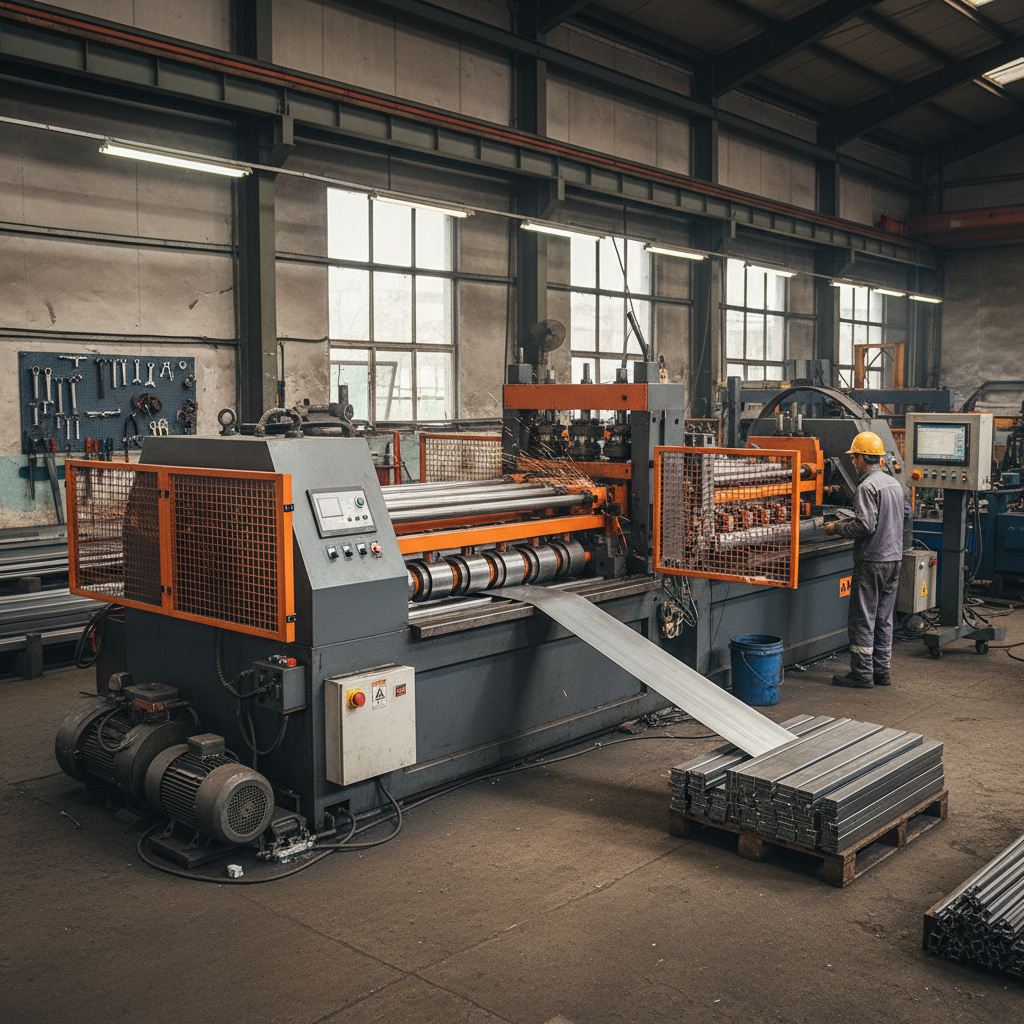
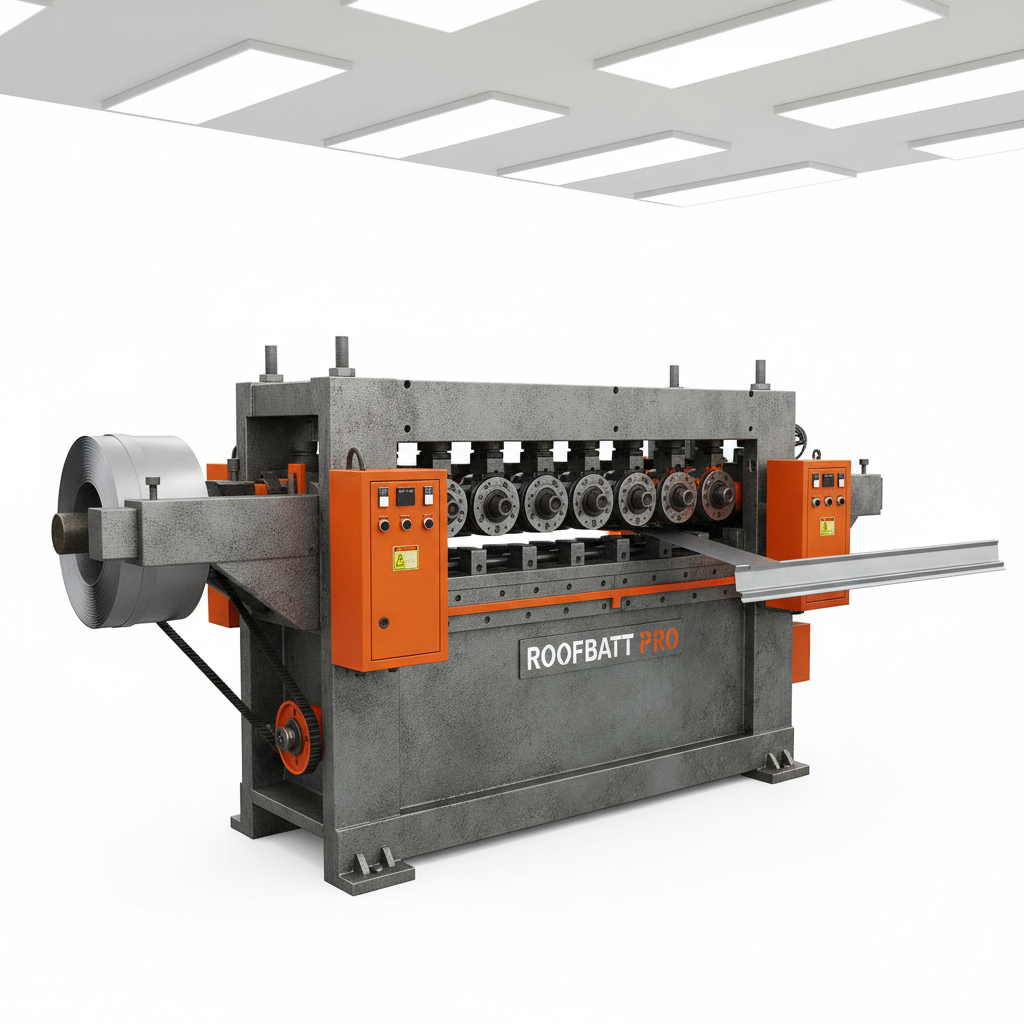
A roof batten roll forming machine is a specialized industrial equipment designed for the continuous bending of metal sheets into roof battens. These battens serve as essential structural components supporting roofing materials like tiles, shingles, or metal panels. The machine's efficiency stems from its ability to produce long lengths of consistent, accurately shaped battens, significantly reducing manufacturing time and labor costs.

This technology is integral to modern construction, enabling rapid and cost-effective roofing installations. The resulting battens provide a robust framework, enhancing the durability and weather resistance of roofs. Beyond traditional construction, these machines are increasingly utilized in prefabricated building systems and modular construction, offering versatility and scalability.

Defining a roof batten roll forming machine

Essentially, a roof batten roll forming machine takes flat metal coils or sheets and progressively shapes them into the desired batten profile by passing them through a series of contoured rollers. These rollers apply force to bend the metal incrementally, creating the final batten shape without cutting or welding. This continuous process ensures high production rates and minimal material waste.

The machine’s connection to modern industry is deeply rooted in the pursuit of automation and efficiency. It represents a shift from manual fabrication methods to a streamlined, mechanized approach. It isn’t merely a manufacturing tool; it's a facilitator of faster, more reliable construction processes.

The importance of this machine extends to humanitarian needs as well. In disaster relief scenarios, where rapid shelter construction is paramount, prefabricated roofing systems utilizing battens produced by these machines can provide quick and durable housing solutions.

Core Components & Functionality

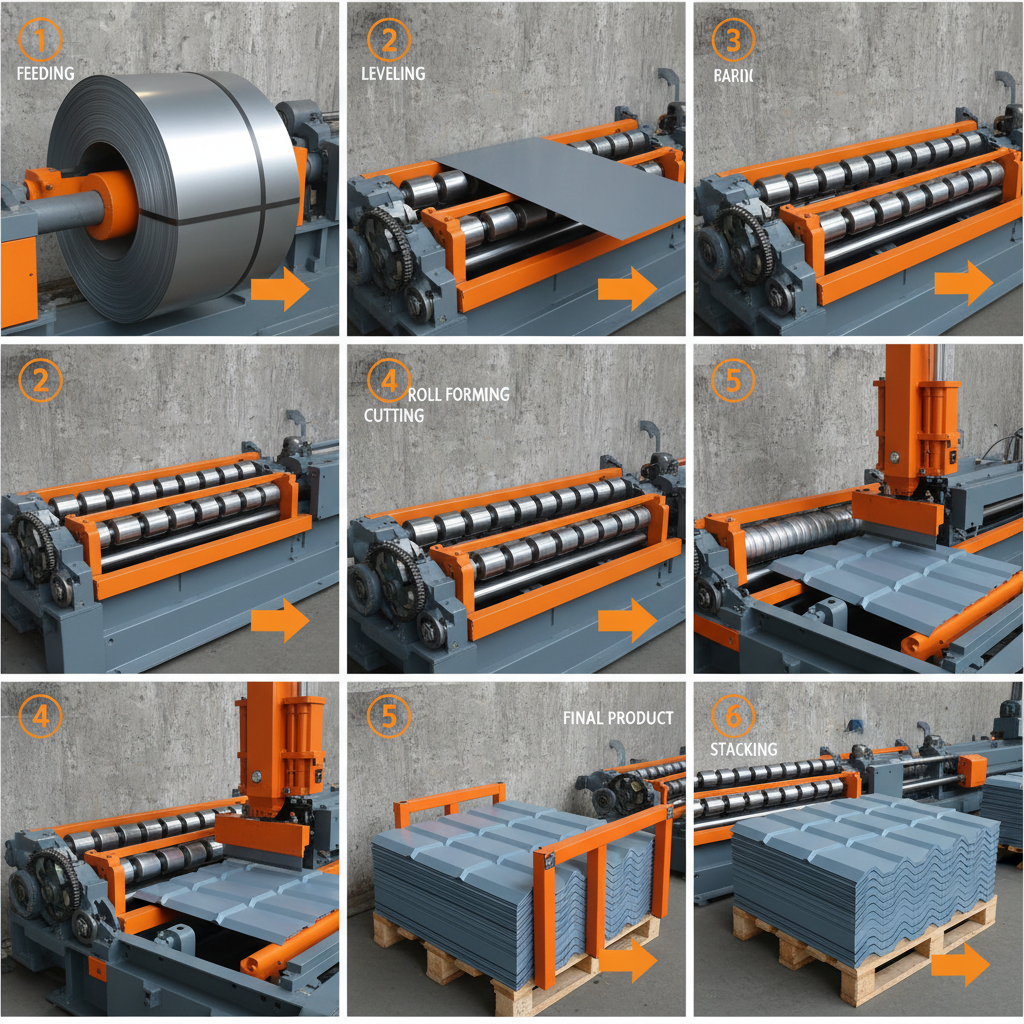
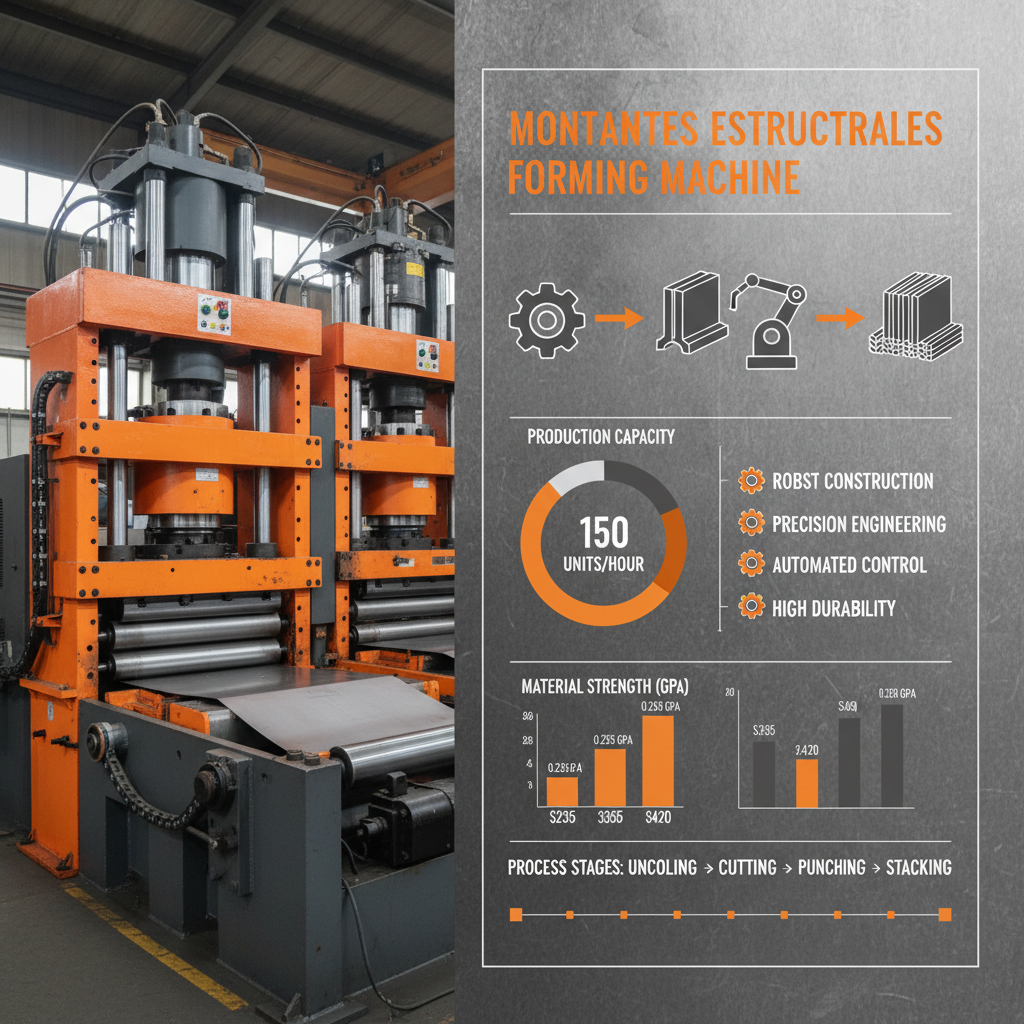
The functionality of a roof batten roll forming machine relies on several key components working in harmony. The uncoiler holds and feeds the metal coil into the machine. A leveling unit ensures the metal is flat before entering the roll forming section. The roll forming section, comprised of multiple roller stations, progressively shapes the metal into the batten profile. Finally, a cutting mechanism accurately shears the formed batten to the desired length.

Understanding these components is crucial for maintenance and troubleshooting. Regular inspection of rollers, bearings, and the cutting system ensures optimal performance and minimizes downtime. Moreover, advanced machines often incorporate PLC control systems, allowing for precise adjustments and automated operation, maximizing efficiency and product consistency.

The precision achieved by these machines is directly related to the quality of the rollers themselves. Rollers are typically made from high-grade tool steel, hardened and ground to exacting tolerances. The design of the roller profile dictates the final shape of the batten, necessitating careful engineering and manufacturing to meet specific project requirements.

Key Performance Indicators

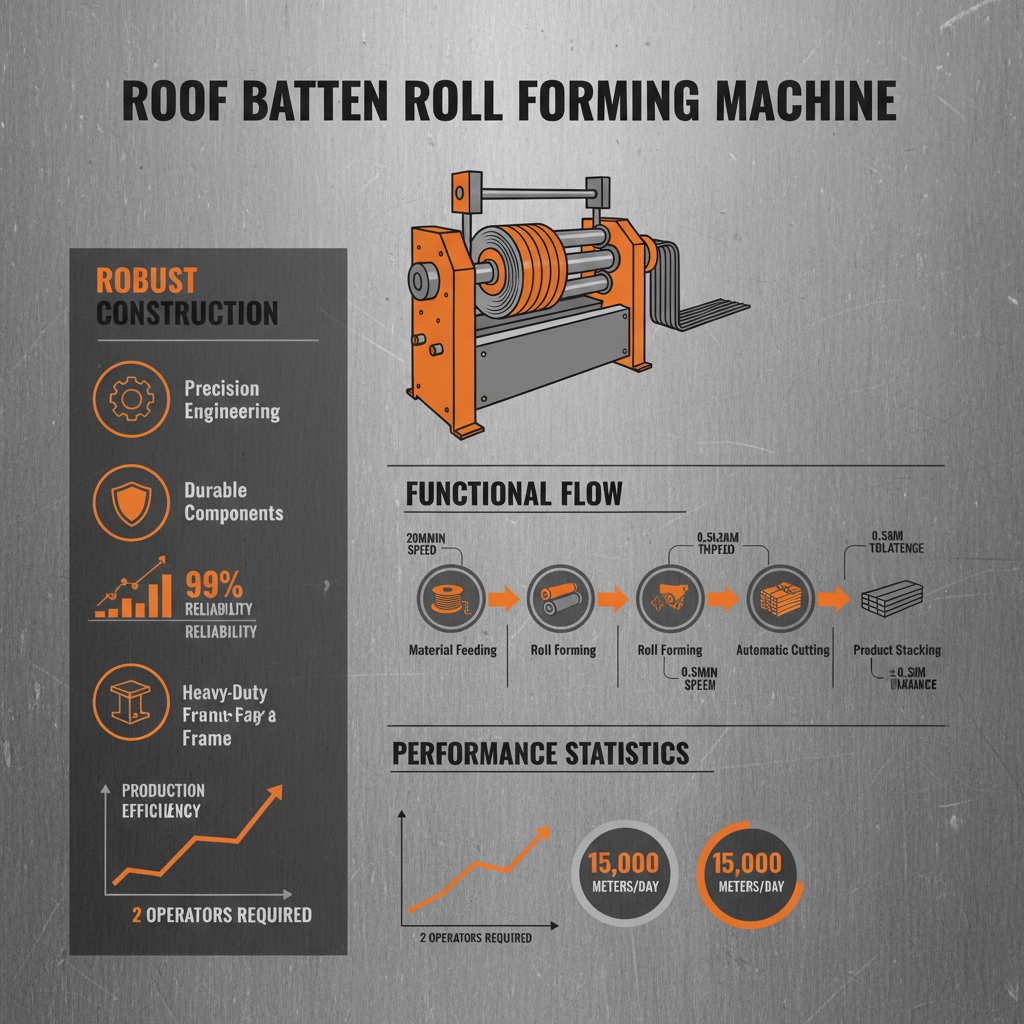
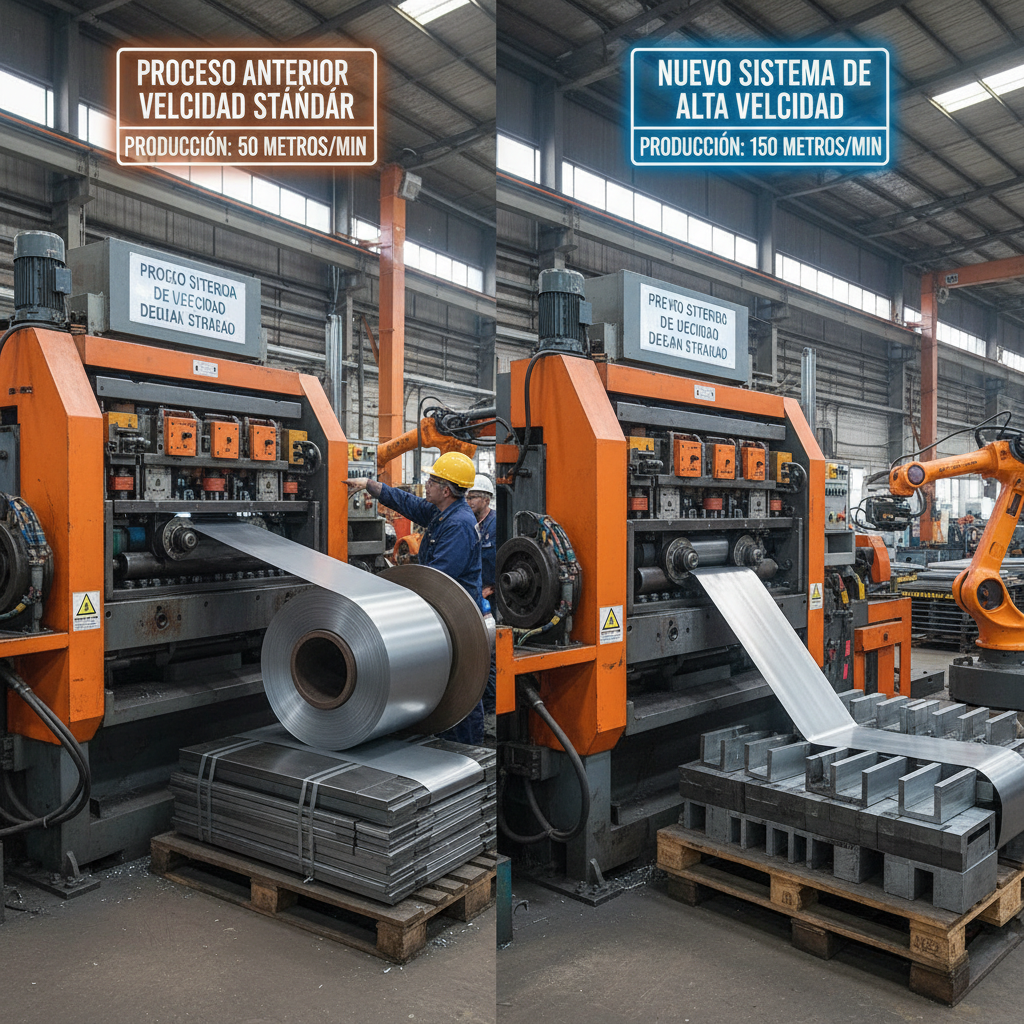
Evaluating the performance of a roof batten roll forming machine requires considering several key indicators. Production speed, measured in meters per minute, is a primary metric, indicating the machine’s overall efficiency. Accuracy, assessed by the dimensional consistency of the produced battens, is critical for ensuring proper roof installation.

Material utilization is another key factor. A well-maintained machine minimizes waste, reducing material costs and environmental impact. Finally, uptime and maintenance frequency are crucial indicators of reliability and long-term operating costs.

roof batten roll forming machine Performance Metrics


Global Applications & Market Reach

The applications of roof batten roll forming machine are global and diverse. They are widely used in residential roofing, commercial construction, and industrial building projects across continents. Demand is particularly strong in rapidly developing economies, where large-scale infrastructure projects are underway.

In regions prone to natural disasters, such as Southeast Asia and the Caribbean, these machines play a crucial role in providing the materials needed for quick and effective shelter construction. They are also utilized in remote industrial zones, where on-site batten production reduces transportation costs and logistical challenges.

Advantages & Long-Term Investment

Investing in a roof batten roll forming machine offers several tangible benefits. Reduced labor costs, increased production speed, and minimized material waste translate into significant cost savings. The enhanced precision and consistency of the produced battens contribute to higher-quality roofing systems, extending their lifespan and reducing maintenance requirements.

Beyond the economic advantages, these machines promote sustainability by reducing waste and enabling the use of recycled materials. Reliable roofing systems contribute to building safety and occupant well-being, fostering trust and confidence in the construction process.

Future Trends & Technological Advancements

The future of roof batten roll forming machine technology is focused on automation, digitalization, and sustainability. Integration with Industry 4.0 principles, such as remote monitoring, predictive maintenance, and data analytics, will optimize machine performance and reduce downtime.

The development of machines capable of handling a wider range of materials, including recycled and bio-based metals, will contribute to more environmentally friendly building practices. Furthermore, advancements in roller design and control systems will enable the production of more complex and customized batten profiles.

Expect to see more machines incorporating Artificial Intelligence (AI) for self-diagnosis and automated adjustments, minimizing human intervention and maximizing efficiency.

FAQS

What are the typical lead times for delivery of a roof batten roll forming machine?

Typical lead times for a roof batten roll forming machine range from 8 to 12 weeks, depending on the complexity of the machine and current order backlog. Customizations or specific component sourcing can extend the delivery timeframe. We provide detailed delivery schedules upon order confirmation, ensuring transparency and accurate planning for your production needs.

What kind of training and support is offered with the machine purchase?

We offer comprehensive training programs for your operators and maintenance personnel. This includes on-site installation assistance, detailed operation manuals, and video tutorials. Additionally, we provide ongoing technical support via phone, email, and remote diagnostics, ensuring you have the assistance needed to maintain optimal performance and resolve any issues promptly.

What materials can a roof batten roll forming machine typically process?

Our roof batten roll forming machine can process a wide range of materials, including galvanized steel, galvalume steel, aluminum, and stainless steel. The machine’s design and roller materials can be adapted to suit specific material properties and thicknesses, ensuring optimal forming quality and durability. We can also customize machines for specialized materials upon request.

What is the typical power consumption of a standard roof batten roll forming machine?

The power consumption of a standard roof batten roll forming machine typically ranges between 15 to 30 kW, depending on its size, speed, and automation features. We provide detailed power specifications for each machine model to assist with electrical infrastructure planning and energy efficiency considerations.

What warranty is offered on the roof batten roll forming machine and its components?

We offer a 12-month warranty on the entire roof batten roll forming machine, covering defects in materials and workmanship. Critical components, such as the roll forming rollers and control system, are often covered by extended warranties of up to 24 months. We provide prompt and efficient warranty service to minimize downtime and ensure your satisfaction.

Can the machine be customized to produce different batten profiles?

Yes, our roof batten roll forming machine is highly customizable. We can design and manufacture new roller sets to produce a wide variety of batten profiles based on your specific requirements. Our engineering team works closely with clients to develop solutions that meet their unique project needs and optimize performance for different roofing applications.

Conclusion

In conclusion, the roof batten roll forming machine represents a cornerstone of modern roofing manufacturing. Its efficiency, precision, and scalability have revolutionized the construction industry, enabling faster, more cost-effective, and sustainable building practices. From residential projects to large-scale infrastructure developments, this technology plays a vital role in providing durable and reliable roofing solutions.

Looking ahead, continued innovation in automation, digitalization, and material compatibility will further enhance the capabilities of these machines. Investing in a high-quality roof batten roll forming machine is not simply an expenditure; it’s a strategic investment in long-term efficiency, sustainability, and a competitive advantage. Visit our website at www.lwrollformingmachine.com to learn more about our solutions.
William Davis

William Davis

William Davis is a dedicated After-Sales Service Engineer at Cangzhou Longway International Trade. He provides technical support and installation assistance to customers primarily in Europe. William is proficient in diagnosing and resolving mechanical and electrical issues remotely, and is available for on-site support when required. He is known for his
Previous Montante Metalcon Forming Machine Revolutionizing Modern Construction Practices
Next Advanced Ceiling Channel Roll Forming Machine Technology for Efficient Construction