The global construction landscape has seen a tectonic shift toward prefabricated materials, where the roof panel machine stands as the cornerstone of modern industrial efficiency. By automating the complex process of bending, shaping, and cutting metal sheets, these machines allow for the rapid production of high-precision roofing systems that are essential for warehouses, factories, and residential projects worldwide.
Understanding the mechanics and capabilities of a professional roof panel machine is no longer just for engineers; it is a strategic necessity for developers looking to reduce lead times and minimize material waste. As urbanization accelerates, the demand for weather-resistant, durable, and aesthetically versatile metal roofing has skyrocketed, pushing the boundaries of roll-forming technology.
From improving thermal insulation through integrated sandwich panels to enhancing structural integrity with customized profiles, the impact of the roof panel machine is felt across the entire supply chain. This guide explores how these machines operate, their global economic significance, and the innovations driving the next generation of sustainable building envelopes.
The Global Significance of Roof Panel Machine Technology
In the current era of rapid infrastructure development, the roof panel machine has become an indispensable asset. According to trends observed in global industrialization, the move toward "green building" certifications (such as LEED) has mandated the use of materials that are both recyclable and energy-efficient. Steel and aluminum panels, produced with high precision, meet these criteria by providing superior longevity and thermal reflection compared to traditional roofing.
The global market for these machines is driven by the need for scalable housing and industrial shells. In emerging economies, where the World Bank highlights a critical need for affordable infrastructure, the ability to deploy a roof panel machine on-site or in a regional hub allows for the creation of weather-tight enclosures in a fraction of the time required for conventional masonry, drastically reducing labor costs and project timelines.
Defining the Modern Roof Panel Machine
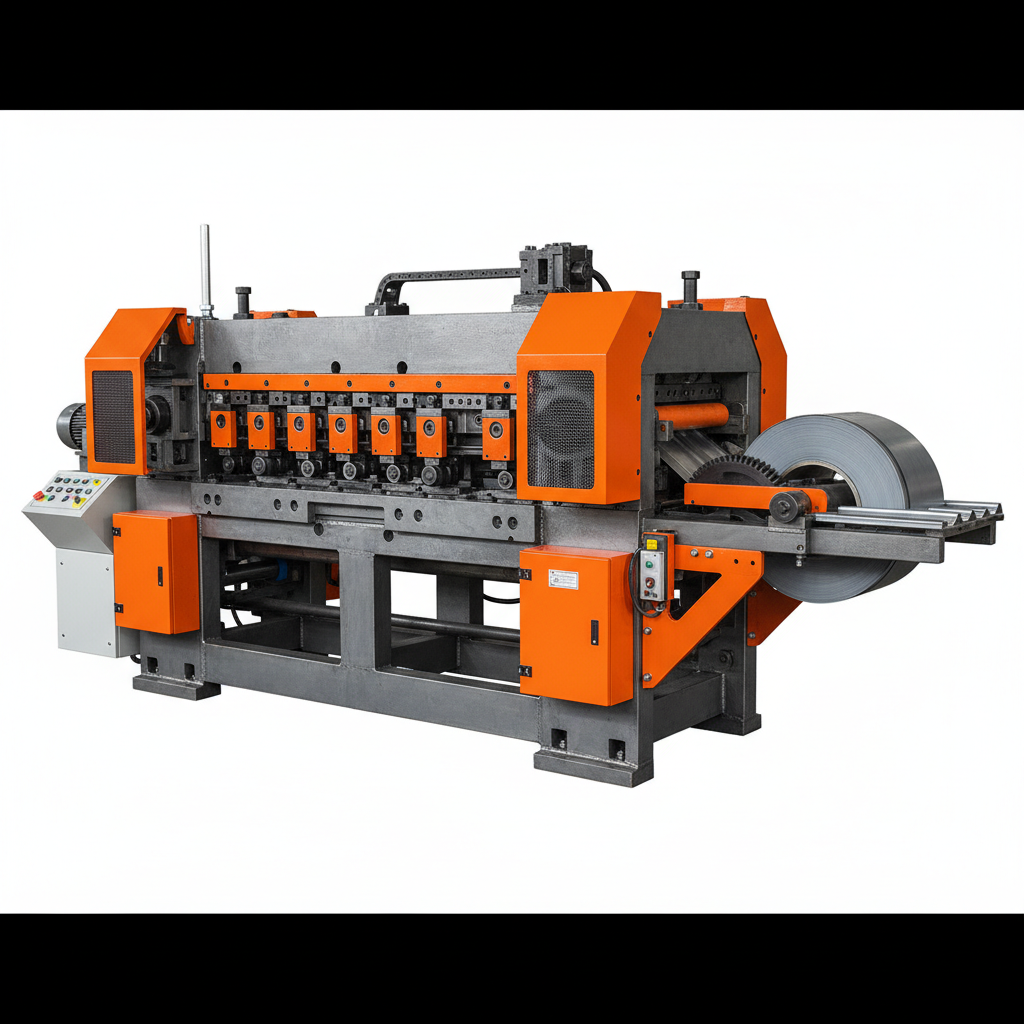
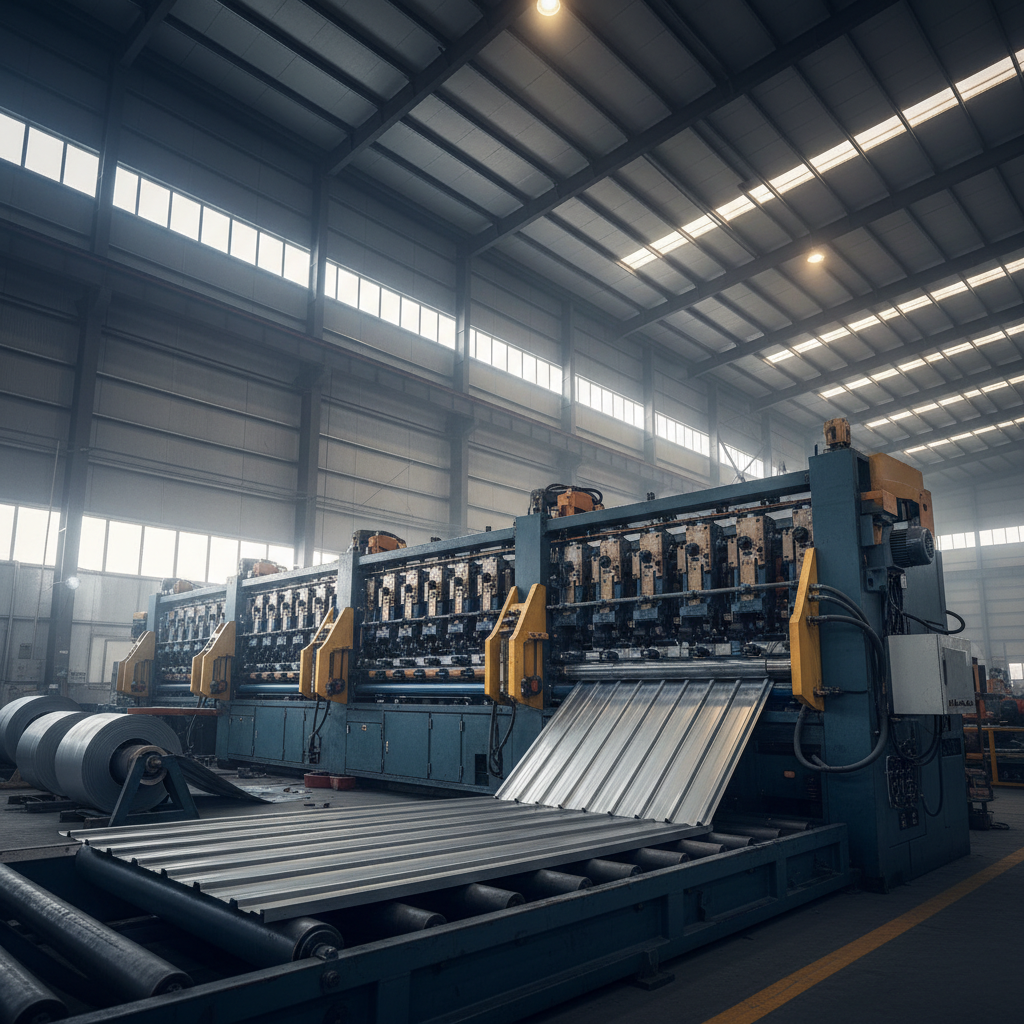
At its core, a roof panel machine is a specialized roll-forming system designed to transform flat metal coils into complex, structural profiles. Unlike stamping or pressing, roll forming uses a series of consecutive rollers to gradually bend the material. This process ensures that the metal is not stressed beyond its elastic limit, maintaining the structural integrity and coating quality of the panel.
Beyond simple bending, modern systems integrate advanced CNC (Computer Numerical Control) technology, allowing operators to input exact lengths and profiles. This precision ensures that every panel produced by the roof panel machine fits perfectly into the overall building design, eliminating the need for manual adjustments on-site and significantly reducing material scrap.
The connection to humanitarian and industrial needs is profound. In disaster-recovery zones, these machines can be used to create rapid-deployment shelters and medical clinics. By providing a reliable, waterproof shield against the elements, the roof panel machine facilitates the transition from emergency tents to semi-permanent, safe housing for displaced populations.
Core Components and Performance Factors
Durability and precision are the two primary pillars of any high-quality roof panel machine. The rollers themselves are typically crafted from high-grade alloy steel and treated with hard chrome plating to resist wear and tear. This ensures that even after millions of cycles, the profile remains consistent, preventing leaks or gaps in the final roof installation.
Scalability is achieved through modular design. A versatile roof panel machine can often be upgraded with additional forming stations to handle different gauges of steel or to create more complex rib designs. This flexibility allows manufacturers to pivot their production based on market demand—shifting from simple corrugated sheets to high-performance standing seam panels without replacing the entire line.
Cost efficiency in a roof panel machine is measured not just by the initial investment, but by the "cost per meter" produced. By optimizing the hydraulic cutting systems and automating the coil feeding mechanism, operators can achieve near-zero waste. When combined with energy-efficient motors, these machines lower the overall carbon footprint of the manufacturing process.
Industrial Applications and Regional Use Cases
The application of the roof panel machine varies significantly across different geographic and economic zones. In North America and Europe, the focus is often on high-end architectural profiles and energy-saving insulated panels. These machines are integrated into fully automated factories where robotic arms handle the finished panels, ensuring a level of precision that meets strict building codes.
Conversely, in Southeast Asia and Africa, the roof panel machine is frequently used for the mass production of affordable corrugated roofing. In these regions, the ability to produce lightweight yet strong panels is critical for rapid urbanization and the development of agricultural storage facilities, protecting harvests from tropical rain and extreme heat.
Operational Efficiency Analysis of Roof Panel Machine Methods
Long-Term Value and Sustainable Advantages
Investing in a high-quality roof panel machine provides immense tangible benefits in terms of sustainability. Unlike traditional asphalt shingles, which end up in landfills, the metal panels produced by these machines are 100% recyclable. This circular economy approach reduces the reliance on raw ore mining and lowers the overall environmental impact of the construction sector.
Beyond the ecological angle, there is a strong logical and emotional value in the reliability of these systems. For a business owner, knowing that their roof panel machine can produce panels with consistent thickness and perfect geometry translates to "trust" from the end consumer. This trust is built on the guarantee that the roof will not leak, will withstand high wind loads, and will protect the assets beneath it for decades.
Future Trends in Automated Roofing Production
The next frontier for the roof panel machine is the integration of Industry 4.0. We are seeing a shift toward "Smart Forming," where IoT sensors monitor roller wear in real-time and predict maintenance needs before a failure occurs. This predictive maintenance prevents costly downtime and ensures that the production line maintains its peak precision.
Digital transformation is also enabling "on-demand" customized profiles. Future roof panel machine systems will likely feature rapid-change roller technology, allowing a single machine to switch between five or six different profiles in minutes rather than hours. This will empower small-scale manufacturers to compete with industrial giants by offering highly bespoke roofing solutions.
Sustainability policies are also driving the adoption of new materials. We expect to see more roof panel machine models optimized for high-strength, low-gauge alloys and bio-composite coatings. These innovations will allow for thinner, lighter panels that do not sacrifice strength, further reducing the energy required for transportation and installation.
Overcoming Technical Challenges in Panel Forming
Despite the efficiency, users of a roof panel machine often face challenges such as "material springback"—where the metal attempts to return to its original flat shape after being bent. To solve this, expert engineers utilize "over-bending" techniques and precisely calculated roller diameters to ensure the final angle is locked in accurately.
Another common limitation is the risk of surface scratching, especially when working with pre-painted coils. The solution lies in the implementation of high-precision guides and the use of specialized lubricants that protect the coating without leaving residue. By optimizing the entry and exit points of the roof panel machine, manufacturers can ensure a flawless finish.
Finally, synchronizing the cutting speed with the forming speed is crucial to prevent "panel bowing." Advanced PLC (Programmable Logic Controller) systems now handle this synchronization with millisecond precision, ensuring that the hydraulic shear cuts the panel exactly where it should, without distorting the profile.
Technical Analysis of Roof Panel Machine Optimization Parameters
| Optimization Dimension |
Common Challenge |
Expert Solution |
Impact Score (1-10) |
| Geometric Accuracy |
Springback effect |
Over-bending rollers |
9 |
| Surface Quality |
Pre-paint scratching |
Polyurethane guides |
8 |
| Cutting Precision |
Length variance |
Encoder feedback loops |
10 |
| Production Speed |
Motor overheating |
Variable Frequency Drives |
7 |
| Material Waste |
Edge trimming loss |
Precision coil alignment |
8 |
| Tooling Life |
Roller abrasion |
Hard chrome plating |
9 |
FAQS
Waterproofing is achieved through the precision of the profile's "interlock." The machine ensures that the male and female joints of the panels are formed with absolute consistency. When these profiles are locked together on a roof, they create a tight, seamless seal that prevents water ingress, provided the machine is calibrated to avoid any gaps or "springback" at the edges.
Standard machines are usually designed for one specific profile. However, high-end modular systems allow for the replacement of the roller sets. By changing the rollers, a manufacturer can switch from a corrugated profile to a trapezoidal or standing seam profile. This requires high-precision shafts to ensure the new rollers align perfectly with the drive system.
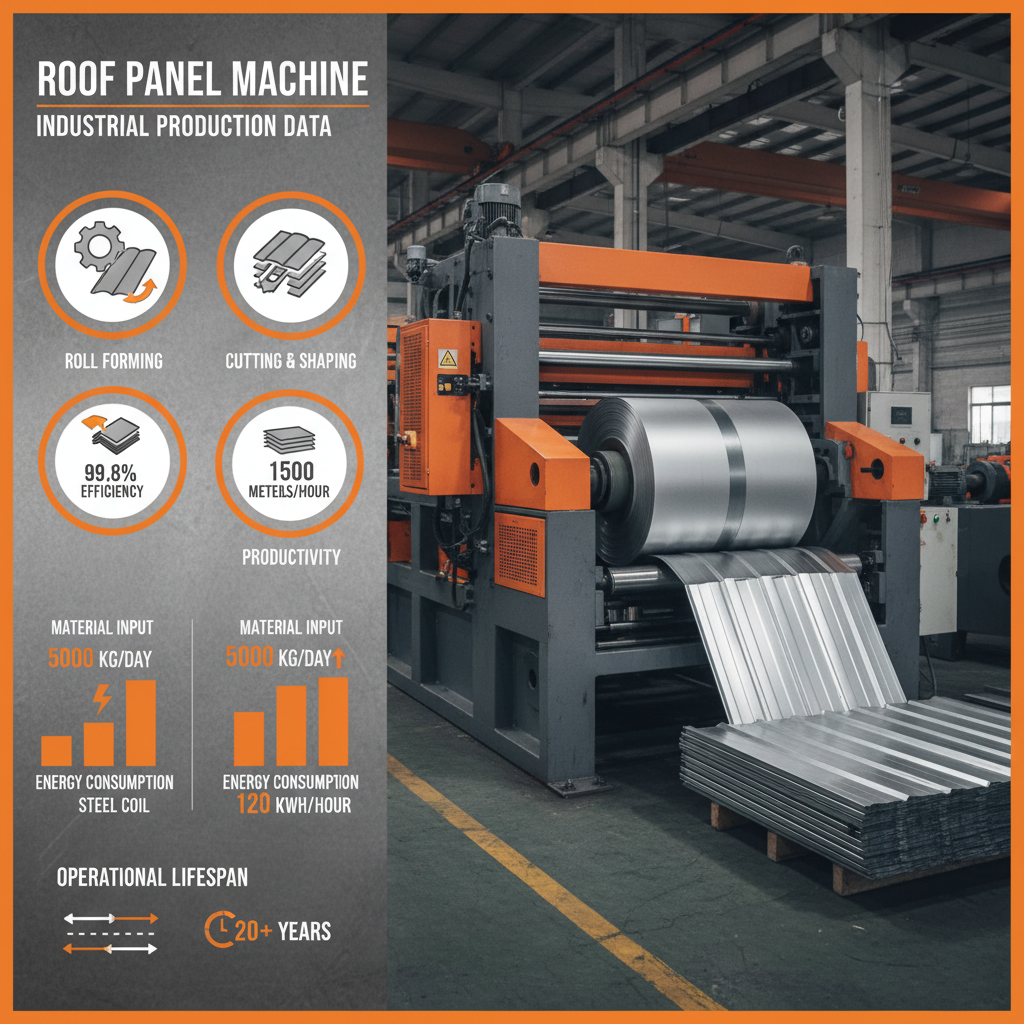
With proper maintenance, a professional-grade machine can last 15 to 20 years. The key is the care of the rollers and the hydraulic systems. Regularly lubricating the drive chains and re-plating the rollers every few years ensures the machine continues to produce high-quality panels without increasing the scrap rate.
Yes, most roof panel machines are designed to handle various metals including galvanized steel, galvalume, and aluminum. The main difference is the pressure required; aluminum is softer and requires different roller pressures to avoid over-stretching the material, while high-tensile steel requires more robust drive motors.
CNC integration allows for precise length control and automated cutting. Instead of manual measurements, the operator enters the desired length into a digital interface. The machine then uses an encoder to track the metal's movement and triggers the hydraulic cutter at the exact millisecond, ensuring every panel is identical and reducing waste to nearly zero.
Most industrial lines require 3-phase electricity to power the heavy-duty motors and hydraulic pumps. To reduce costs, many modern machines now incorporate Variable Frequency Drives (VFDs), which adjust the motor speed based on the load, significantly lowering energy consumption during the startup and slowing phases of production.
Conclusion
The evolution of the roof panel machine has fundamentally changed how we perceive the speed and quality of construction. By bridging the gap between raw metal coils and high-performance architectural shells, these machines have enabled the global construction industry to prioritize sustainability, precision, and rapid deployment. From the technical mastery of roller alignment to the integration of CNC automation, the value of these systems lies in their ability to deliver consistent, long-term protection for the structures they cover.
Looking forward, the synergy between smart manufacturing and eco-friendly materials will only deepen the importance of investing in advanced roll-forming technology. Whether you are an industrial manufacturer or a large-scale developer, upgrading to a modern roof panel machine is a strategic move toward operational excellence and environmental responsibility. For those seeking to lead in the competitive roofing market, the path forward is clear: embrace automation and precision. Visit our website: www.lwrollformingmachine.com