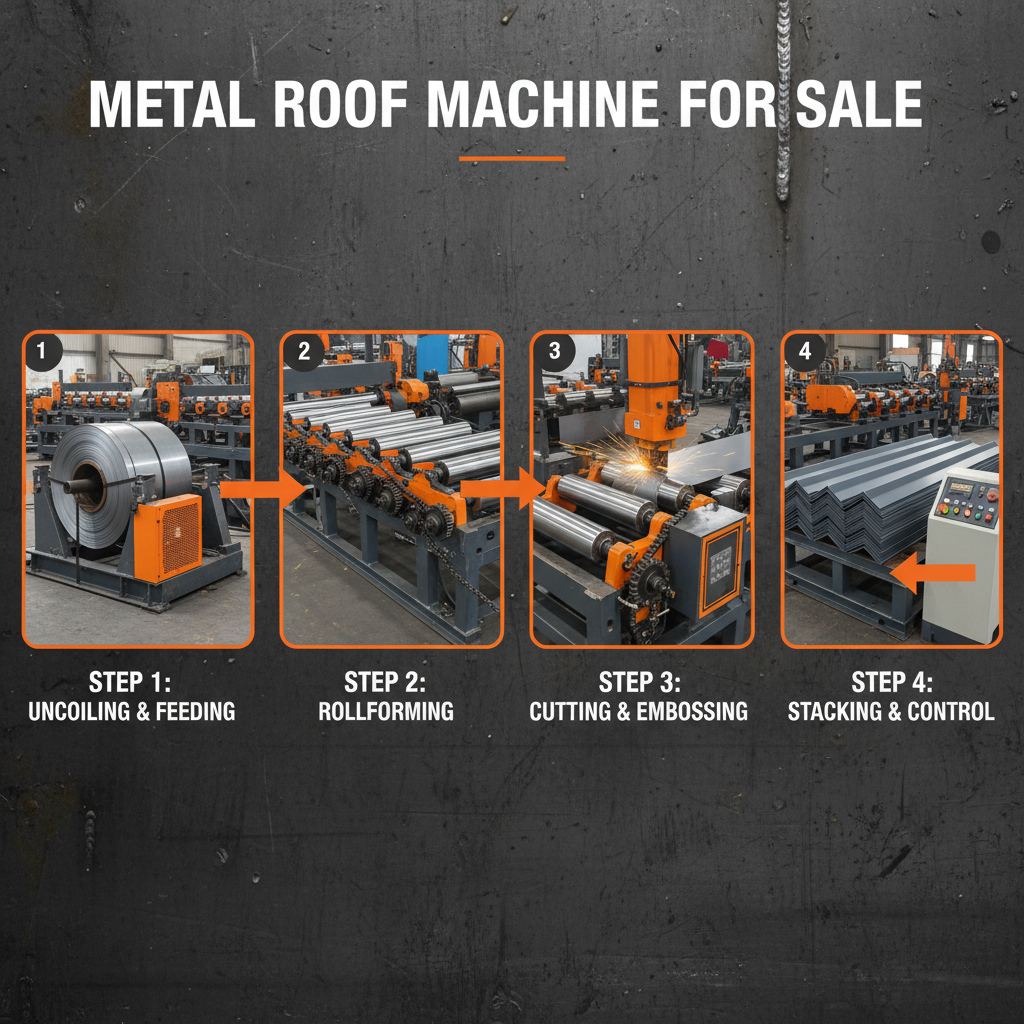
The global construction landscape has witnessed a significant shift toward sustainable and durable materials, placing the metal roofing sheet making machine at the center of modern industrialization. As urban expansion accelerates across Asia and Africa, the demand for rapid-deploy roofing solutions has surged, necessitating high-precision machinery that can transform raw steel coils into weather-resistant structural panels.
Investing in a high-quality metal roofing sheet making machine is no longer just about production capacity; it is about ensuring structural integrity and long-term cost-efficiency for large-scale infrastructure projects. By automating the roll-forming process, manufacturers can minimize material waste and ensure a level of consistency that manual fabrication simply cannot match, meeting the stringent requirements of ISO architectural standards.
Understanding the nuances of these machines—from the precision of the forming rollers to the integration of PLC control systems—allows business owners to optimize their supply chains. Whether producing corrugated sheets for residential homes or complex profiles for industrial warehouses, the right metal roofing sheet making machine provides the competitive edge needed in today's volatile construction market.
Global Industrial Context of Metal Roofing Sheet Making Machines
The global demand for steel-based roofing has seen a steady climb, driven by the need for fire-resistant and low-maintenance building envelopes. According to industrial trends aligned with World Steel Association data, the transition from traditional clay tiles to metal sheets is accelerating in developing economies due to the speed of installation and the recyclability of the materials. The metal roofing sheet making machine serves as the engine for this transition, allowing for localized production that reduces transportation costs and carbon footprints.
However, the industry faces the challenge of fluctuating raw material prices and the need for higher precision to avoid leaks in extreme weather conditions. This has pushed manufacturers to evolve their machinery, moving away from simple mechanical drives toward intelligent, sensor-based systems that can adjust to different material gauges in real-time, ensuring that every sheet produced meets rigorous safety and durability benchmarks.
Definition and Technical Meaning of Roll Forming Technology
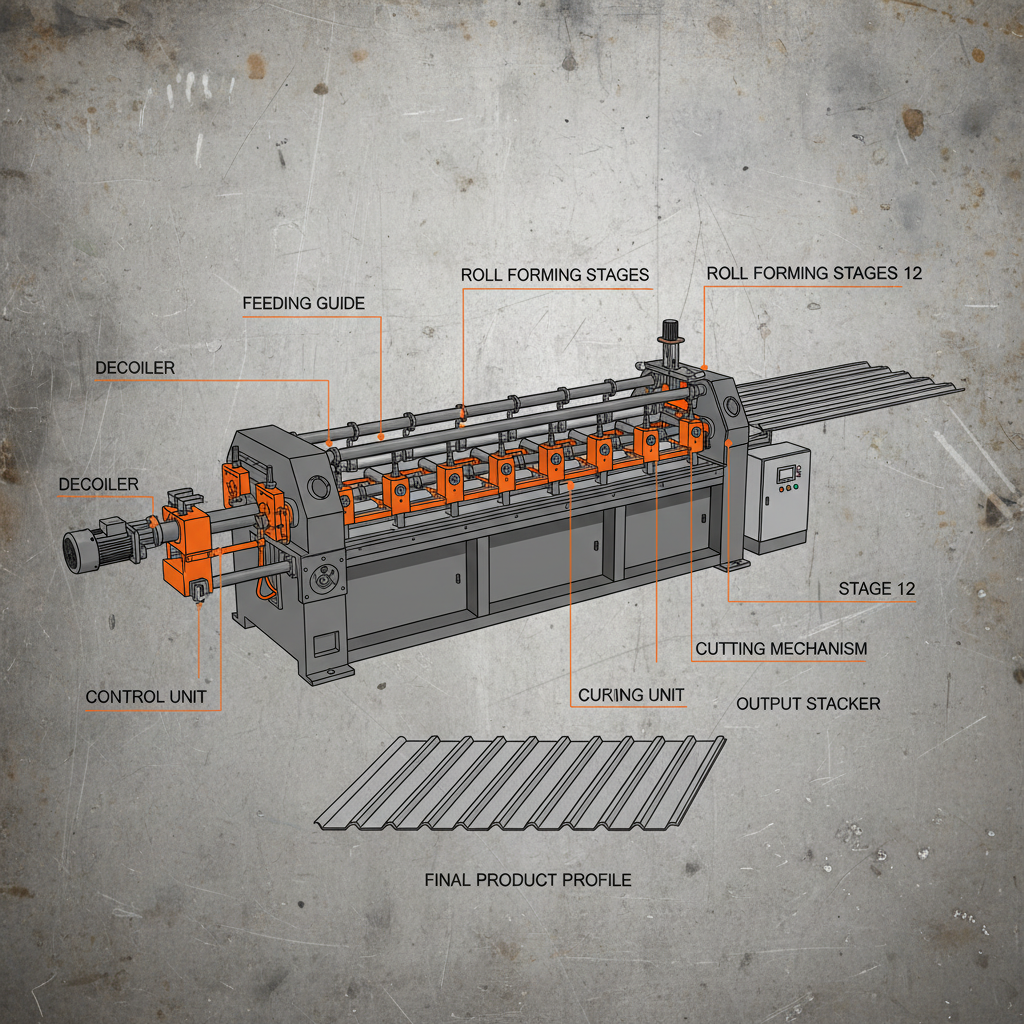
At its core, a metal roofing sheet making machine is a specialized piece of industrial equipment that uses a series of rollers to progressively bend a flat strip of metal into a specific desired profile. Unlike stamping or pressing, which forms the metal in a single hit, roll forming is a continuous process. This means the metal is guided through multiple stations, each adding a small amount of the final shape, which prevents the material from stretching or thinning excessively.
In the context of modern metallurgy, this process is vital because it allows for the creation of incredibly long panels—often customized to the exact length of a roof—which eliminates the need for overlapping joints. This seamless approach is critical for waterproofing and enhancing the structural rigidity of the roof, making it a preferred choice for industrial warehouses and agricultural sheds.
From a humanitarian and economic perspective, these machines enable the rapid creation of shelters and infrastructure in regions recovering from natural disasters. The ability to deploy a metal roofing sheet making machine on-site or in a nearby regional hub ensures that durable, weather-proof housing can be provided to displaced populations far more quickly than traditional masonry methods.
Core Components Driving Production Efficiency
The heart of any high-performance metal roofing sheet making machine lies in its forming rollers. These are typically crafted from high-grade alloy steel and precision-ground to ensure that the profile remains consistent across the entire width of the sheet. Any deviation in the roller alignment can lead to "banana bowing" or twisting, which renders the roofing sheets unusable.
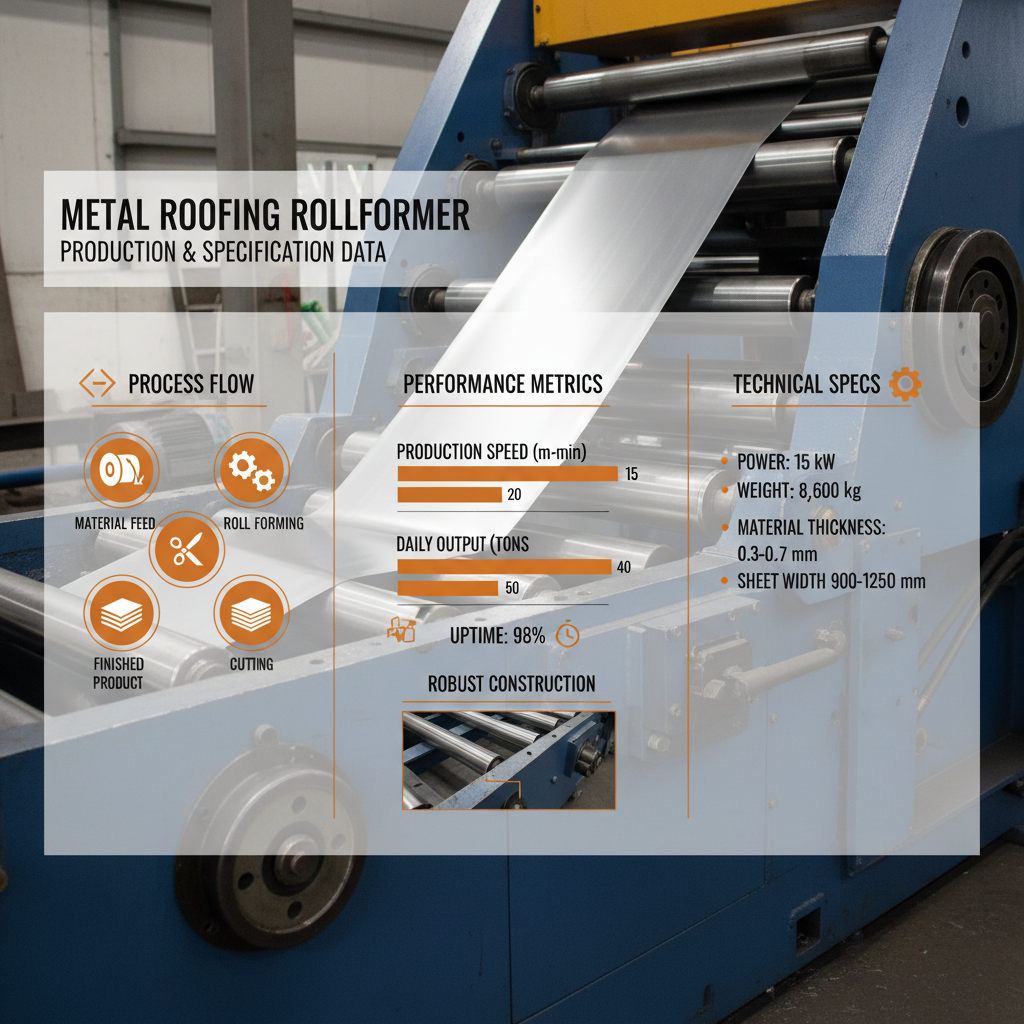
Equally important is the PLC (Programmable Logic Controller) system, which acts as the brain of the machine. Modern systems allow operators to input exact lengths and quantities, automatically triggering the hydraulic cutting blade once the desired length is reached. This integration of software and hardware minimizes human error and significantly increases the hourly output of the production line.
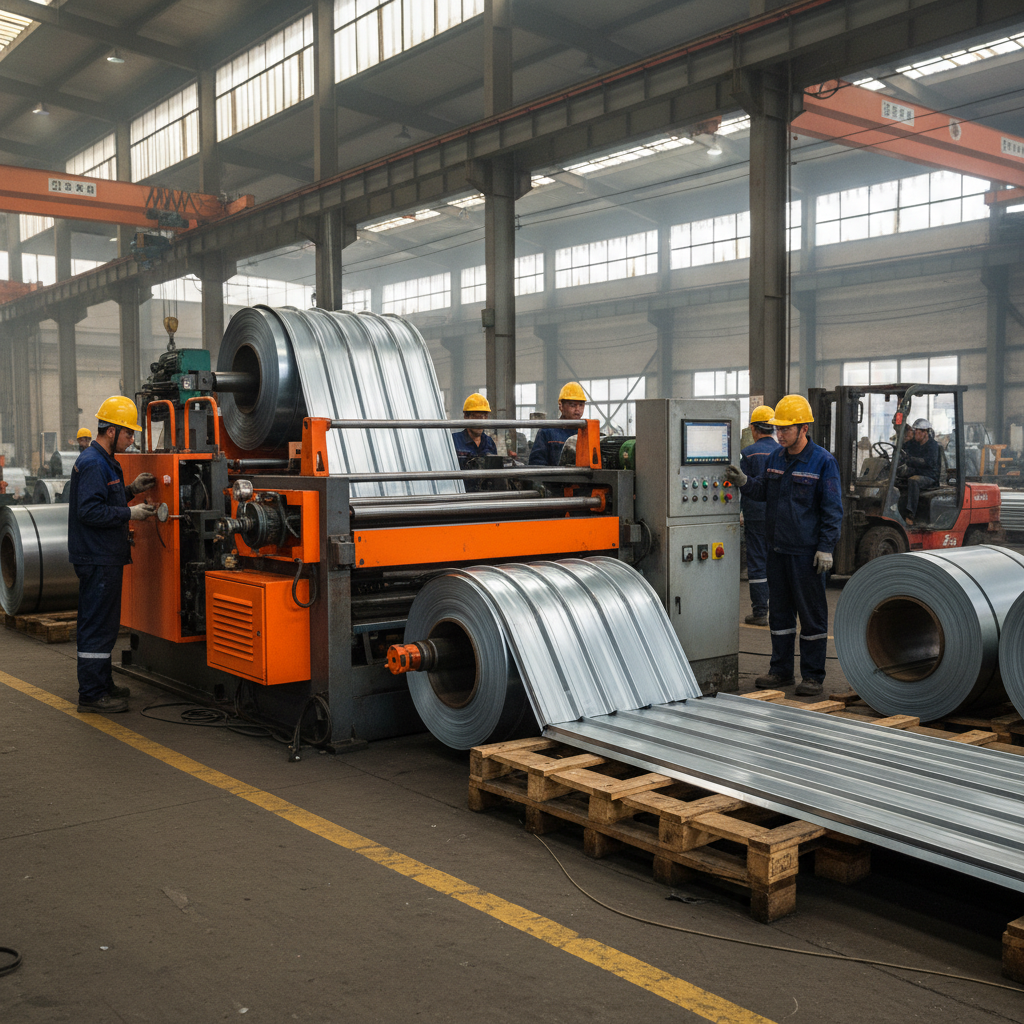
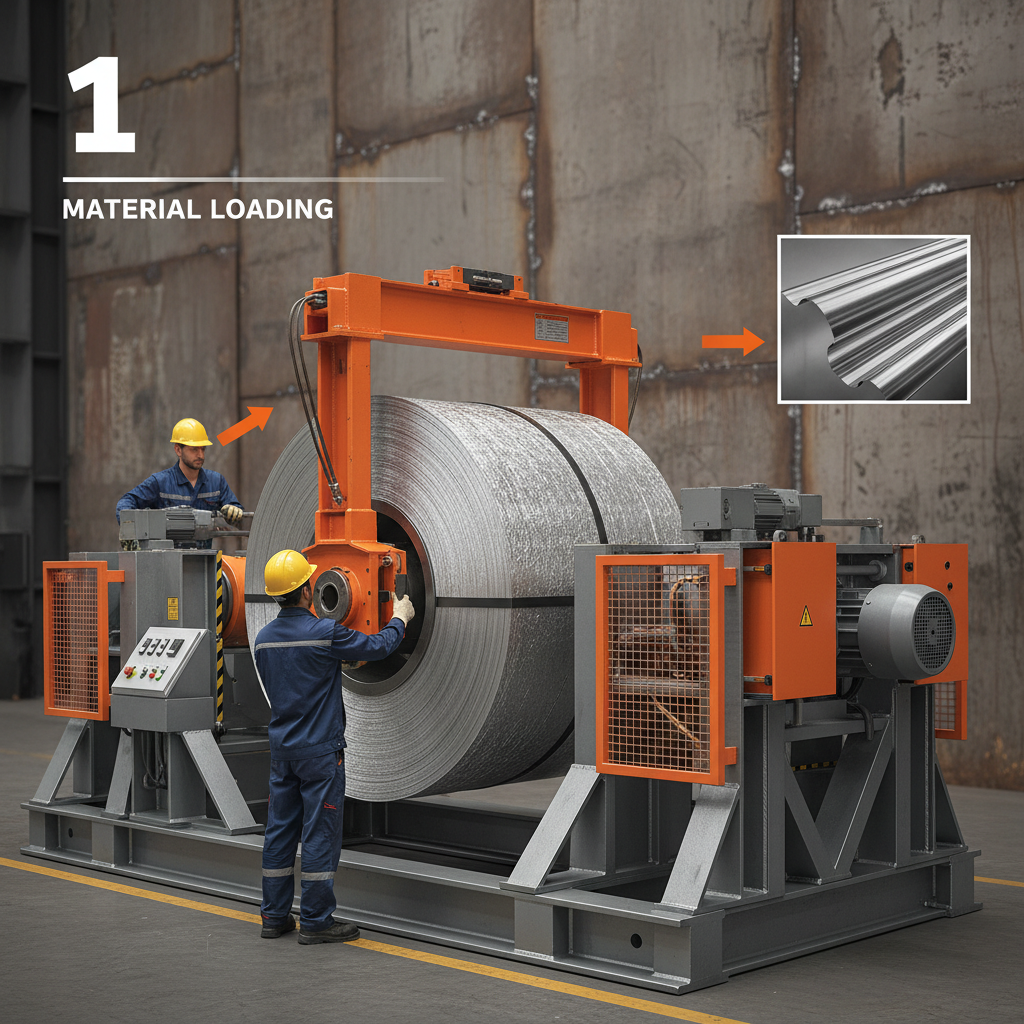
Finally, the decoiler and the hydraulic shearing system provide the necessary support and finishing. A heavy-duty decoiler ensures a smooth feed of the steel coil, preventing kinks or tension spikes that could damage the material. The hydraulic cutter, often a post-cutting or pre-cutting system, ensures clean edges without burrs, which is essential for the safety of the installers and the longevity of the roof's coating.
Global Applications and Regional Use Cases
The application of the metal roofing sheet making machine varies significantly by region. In Southeast Asia, where monsoon rains are prevalent, machines are often configured to produce deep-profile corrugated sheets that can handle high water volumes. In contrast, in North American and European markets, there is a higher demand for standing seam profiles, which offer a more contemporary aesthetic and superior leak protection for high-end residential and commercial buildings.
In remote industrial zones, such as mining camps in Australia or oil fields in the Middle East, these machines are used to create modular housing units. The speed of production allows for the rapid assembly of "flat-pack" structures that can be transported easily and assembled on-site, providing dignified and safe living conditions for workers in harsh environments.
Performance Comparison of Metal Roofing Sheet Making Machine Types
Economic Advantages and Long-Term Value
From a financial perspective, the implementation of a metal roofing sheet making machine drastically reduces the per-unit cost of roofing. By eliminating the need to purchase pre-cut sheets from distant suppliers, manufacturers can capture a larger margin and offer more competitive pricing to their end customers. The reduction in material waste—thanks to precision cutting—further enhances the bottom line.
Beyond the direct costs, there is a significant sustainability value. Metal is one of the most recycled materials on earth, and the efficiency of roll forming means that off-cuts are minimized. This aligns with global green building certifications (like LEED), as the end product is durable, recyclable, and often reflects solar heat, reducing the cooling load for the buildings it protects.
Future Trends in Automated Roofing Fabrication
The future of the metal roofing sheet making machine is inextricably linked to Industry 4.0. We are seeing a shift toward "Smart Factories" where machines are connected to the cloud via IoT (Internet of Things) sensors. This allows for predictive maintenance, where the machine can alert the operator that a specific roller is wearing down before it actually affects the product quality, reducing unplanned downtime.
Another emerging trend is the integration of advanced coating technologies directly into the production line. Future machines may incorporate online painting or coating modules that apply weather-resistant layers immediately after the forming process, further speeding up the delivery cycle and improving the bond between the paint and the metal.
Lastly, the push for carbon neutrality is driving the development of energy-efficient motors and regenerative braking systems in heavy machinery. This ensures that while production volumes increase, the energy consumption per meter of roofing sheet continues to drop, making the entire lifecycle of the building material more eco-friendly.
Challenges and Expert Solutions in Sheet Production
One of the most common challenges in operating a metal roofing sheet making machine is material inconsistency. Variations in the thickness or hardness of the steel coil can lead to dimensional inaccuracies in the finished profile. To solve this, expert manufacturers are implementing automatic tension control systems that adjust the feed speed based on the resistance felt by the rollers, ensuring a uniform finish regardless of the coil's variance.
Another hurdle is the wear and tear of the rollers, especially when working with high-strength alloys or abrasive coatings. The solution lies in advanced surface treatments, such as Chrome plating or Tungsten Carbide coating, which significantly extend the lifespan of the rollers and maintain the precision of the profile for millions of linear meters.
Lastly, labor shortages in skilled machine operation can lead to production errors. The industry is responding by developing more intuitive HMI (Human-Machine Interface) touchscreens with visual guides and presets. This lowers the barrier to entry for new operators and ensures that the machine runs at peak efficiency without requiring a master engineer to be present at all times.
Analysis of Metal Roofing Sheet Making Machine Operational Performance
|
Machine Configuration
|
Production Speed (m/min)
|
Precision Level (mm)
|
Durability Score (1-10)
|
| Entry-Level Mechanical |
5-8 |
±0.5 |
6 |
| Standard PLC Automatic |
12-20 |
±0.2 |
8 |
| High-Speed Servo Drive |
25-40 |
±0.1 |
9 |
| Heavy-Duty Industrial |
15-25 |
±0.2 |
10 |
| Custom Profile Versatile |
10-15 |
±0.3 |
7 |
| Eco-Energy Model |
12-18 |
±0.2 |
8 |
FAQS
These machines achieve waterproofing by creating precise, high-rib profiles and interlocking seams (such as standing seams). By ensuring the folds are tight and consistent, the machinery minimizes the need for fasteners that penetrate the metal, which are the most common points of leakage in traditional roofing.
Typically, a roll forming machine is designed for a specific profile based on its roller set. However, some advanced modular systems allow for the exchange of roller cassettes. For most businesses, it is more cost-effective to have dedicated machines for their most popular profiles, such as corrugated vs. trapezoidal.
Depending on the material being processed and the maintenance schedule, rollers can last from 5 to 10 years. Using hardened alloy steel and applying specialized coatings like chromium can significantly extend this lifespan, especially when producing sheets from high-tensile strength steel.
While manual machines are cheaper, a PLC system is highly recommended even for small businesses. It eliminates measuring errors and reduces labor costs by automating the cutting process, which leads to far less material waste and a more professional end product.
Most machines are compatible with galvanized steel, Galvalume, aluminum, and pre-painted steel coils. The key is to ensure the material thickness (gauge) matches the machine's design specifications to avoid damaging the rollers or under-forming the profile.
Regular calibration is essential. This includes checking the alignment of the rollers, lubricating the drive chains and bearings, and ensuring the hydraulic pressure for the cutter remains stable. Periodic audits of the finished sheets using a caliper will help identify when rollers need adjustment.
Conclusion
The metal roofing sheet making machine represents the intersection of metallurgical precision and construction efficiency. By transforming flat steel into high-strength structural profiles, these machines empower manufacturers to provide durable, sustainable, and cost-effective roofing solutions on a global scale. From the critical role of PLC automation to the durability of alloy rollers, every component is designed to maximize output while minimizing waste, ensuring that the resulting infrastructure is built to last.
As we move toward a future defined by green building standards and smart manufacturing, the evolution of roll forming technology will continue to play a pivotal role. For businesses looking to scale their production or enter the construction supply market, investing in high-precision machinery is the most reliable path to long-term growth. To explore the best equipment for your specific needs, visit our website: www.lwrollformingmachine.com.