The global demand for durable and efficient roofing solutions is steadily increasing, driven by factors like rapid urbanization, infrastructure development, and a growing awareness of building longevity. A key technology meeting this demand is the metal roof roll forming machine, a sophisticated piece of equipment transforming flat metal coils into precise roofing profiles. This technology is pivotal in constructing resilient buildings capable of withstanding diverse weather conditions, minimizing lifecycle costs and maximizing structural integrity.
The rising popularity of metal roofing globally isn't just about aesthetics; it’s rooted in practical advantages. Metal roofs offer superior fire resistance, are lightweight compared to traditional materials, and boast impressive lifespans – often exceeding 50 years. This longevity translates into reduced maintenance costs and fewer replacements, appealing to both commercial and residential sectors. The increasing affordability and accessibility of metal roof roll forming machine technology further contribute to this trend.
Beyond cost savings, metal roofing promotes sustainability. Metal is a highly recyclable material, reducing landfill waste and conserving resources. Moreover, reflective metal roofing can lower energy consumption by reducing heat absorption in warmer climates. The metal roof roll forming machine plays a critical role in enabling the mass production of these environmentally friendly roofing systems, contributing to greener building practices worldwide.
Understanding the Role of metal roof roll forming machine
The metal roof roll forming machine is more than just a manufacturing tool; it's a cornerstone of modern construction efficiency. By utilizing a continuous bending process, these machines transform metal coils into precisely shaped roofing panels, minimizing material waste and maximizing production speed. This is critical in meeting the demands of large-scale construction projects and ensuring timely project completion.
The evolution of roll forming technology has significantly reduced construction costs and improved building quality. Traditional methods of roofing fabrication were often labor-intensive and prone to inconsistencies. Today’s metal roof roll forming machine offer automated precision, ensuring uniform panel profiles and reliable performance. The adoption of advanced control systems and customization options further enhances their versatility and responsiveness to diverse project requirements.
Global Significance and Industry Context
The global construction industry is a multi-trillion-dollar market, with roofing representing a substantial segment. According to a report by Allied Market Research, the global metal roofing market size was valued at $25.5 billion in 2021 and is projected to reach $38.9 billion by 2031, growing at a CAGR of 4.3% from 2022 to 2031. This growth is fueled by the increasing demand for sustainable building materials and long-lasting roofing solutions, where metal roof roll forming machine play a critical role.
The demand for efficient roofing systems is particularly acute in regions prone to extreme weather events. Countries in the hurricane belt, for instance, are increasingly turning to metal roofing for its superior wind resistance. Similarly, areas with heavy snowfall require robust roofing materials that can withstand significant weight loads. metal roof roll forming machine enable the local production of these specialized roofing profiles, reducing reliance on imports and supporting regional economies.
Furthermore, initiatives promoting green building practices, such as LEED certification, are driving the demand for sustainable materials like metal. The energy efficiency benefits of metal roofing, coupled with its recyclability, make it an attractive option for environmentally conscious builders and developers. The metal roof roll forming machine is therefore essential in supporting these sustainable construction trends globally.
Defining the metal roof roll forming machine
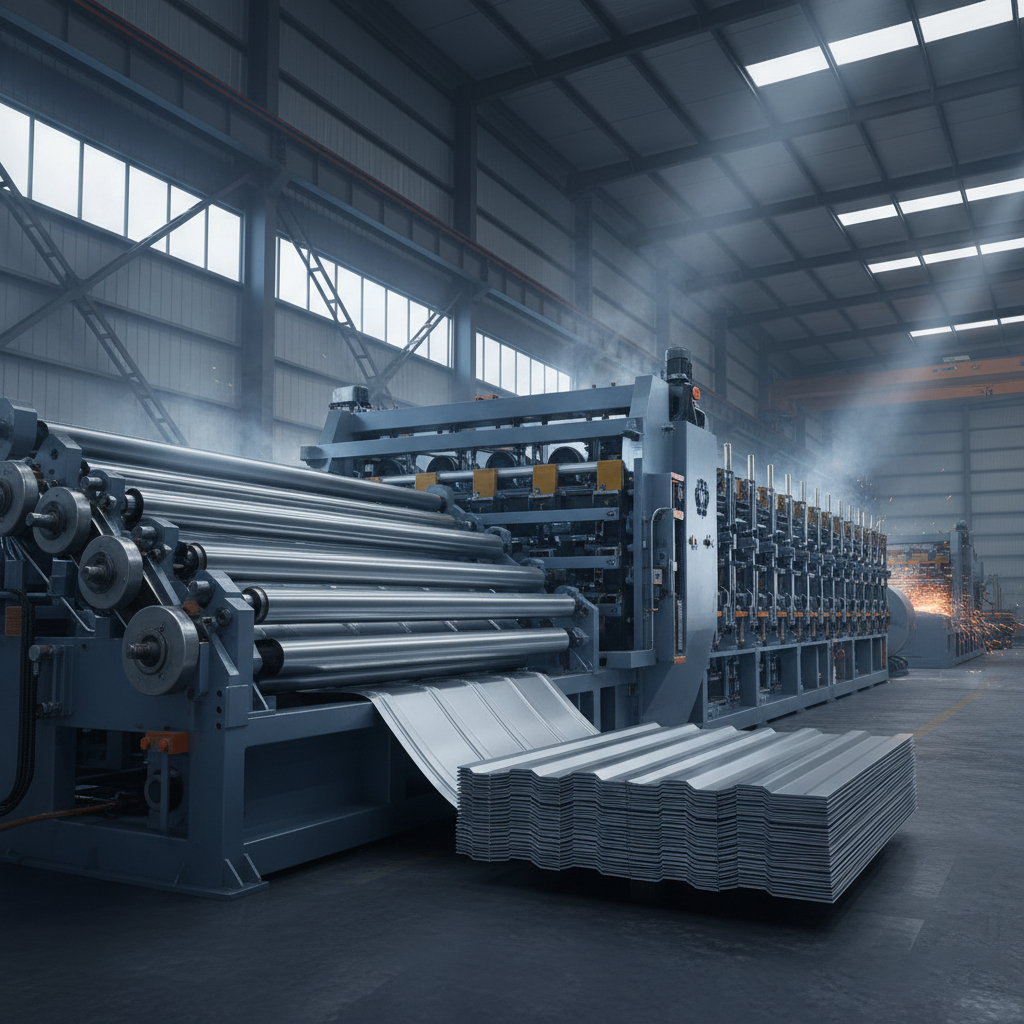
A metal roof roll forming machine is an industrial machine designed to continuously bend metal sheets into predetermined profiles, specifically for roofing applications. It utilizes a series of rollers, each shaped to incrementally deform the metal coil as it passes through the machine. This process eliminates the need for cutting, welding, and other labor-intensive fabrication techniques, resulting in a highly efficient and cost-effective manufacturing solution.
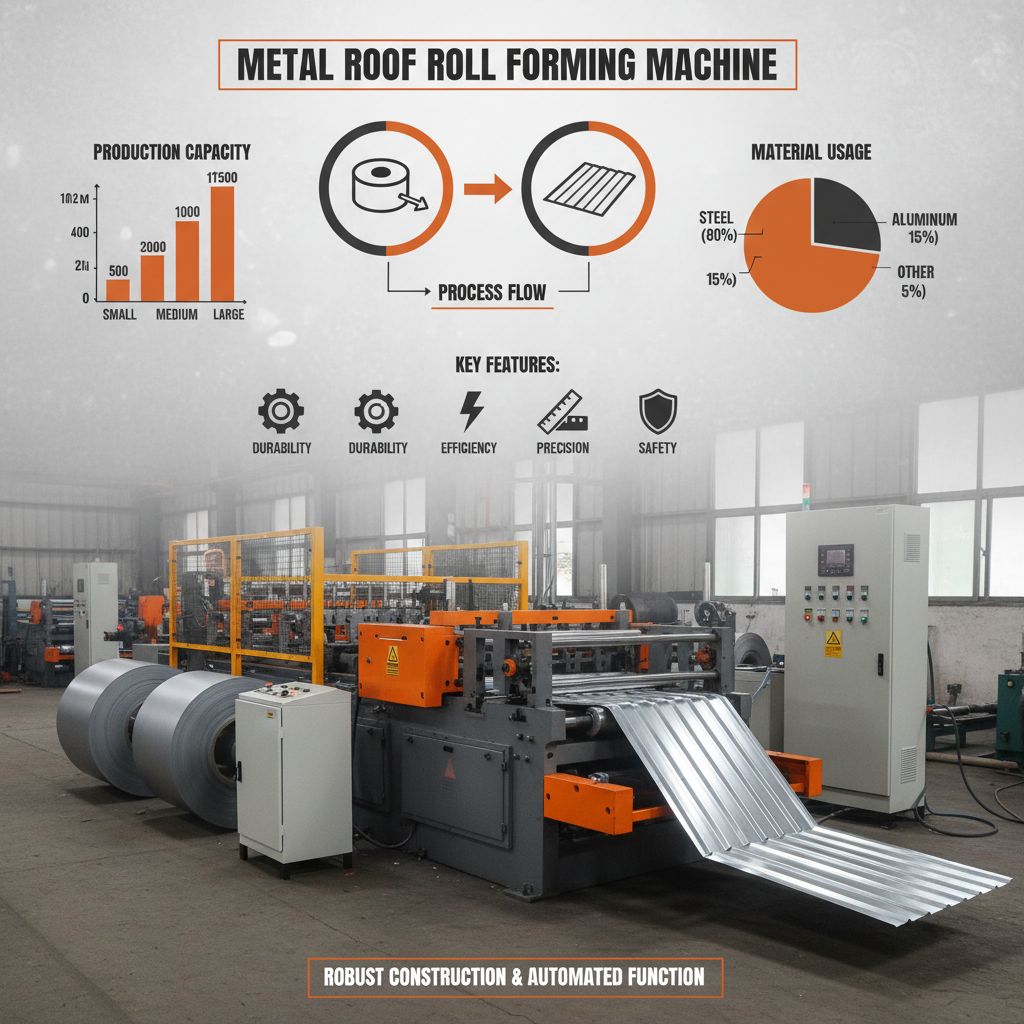
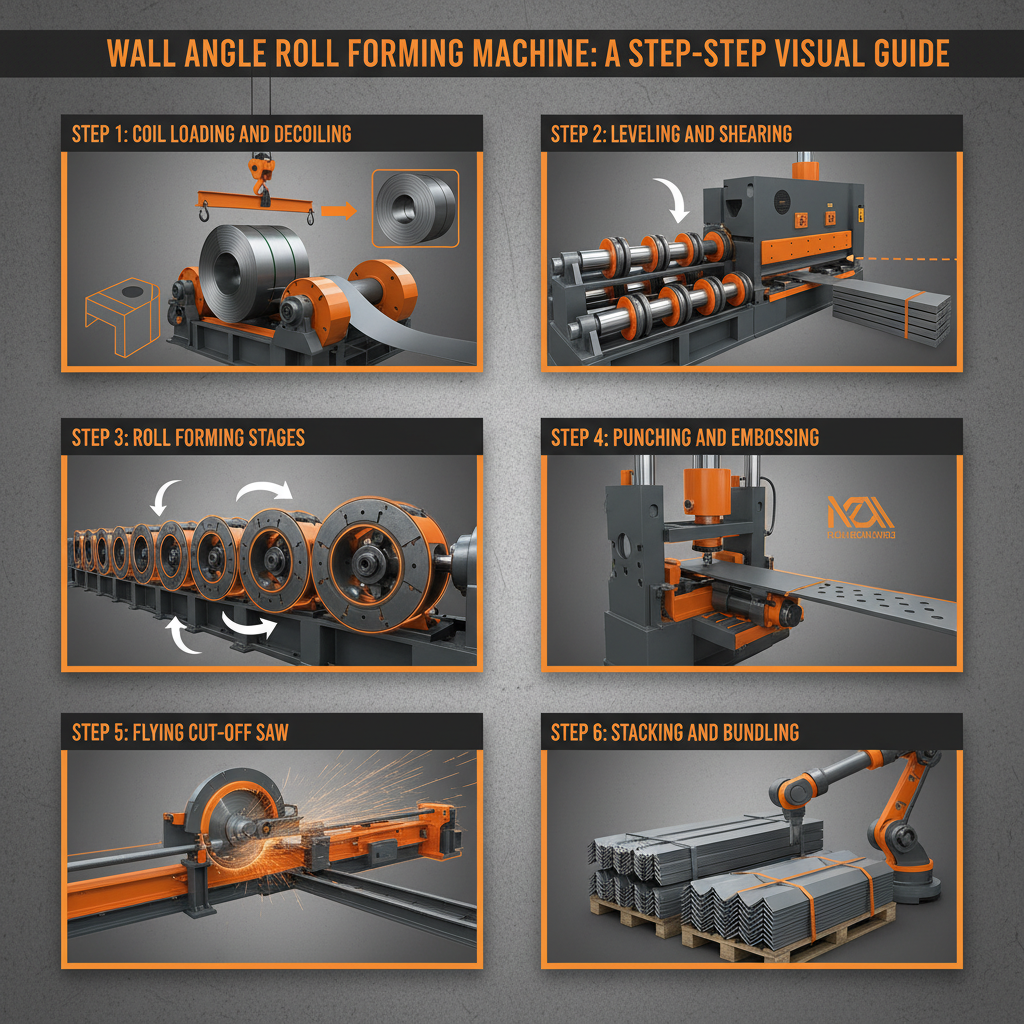
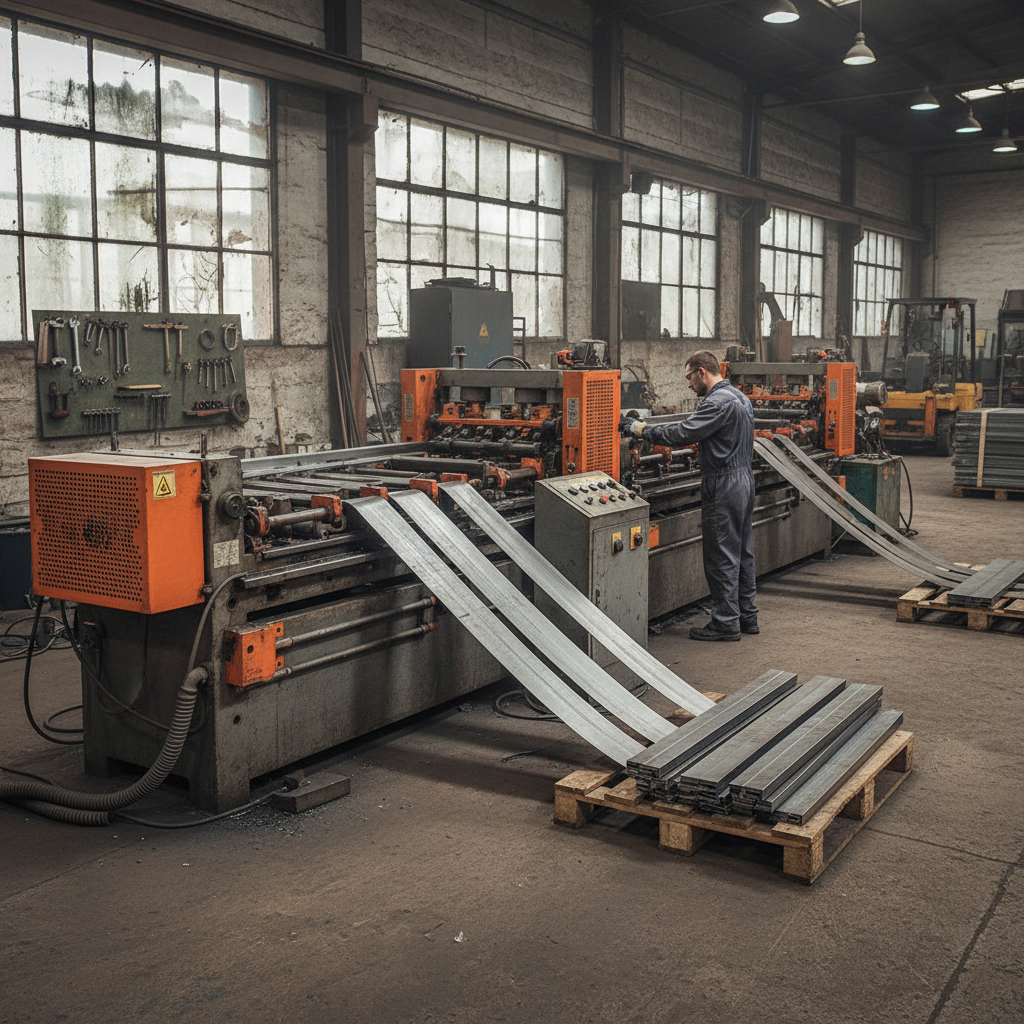
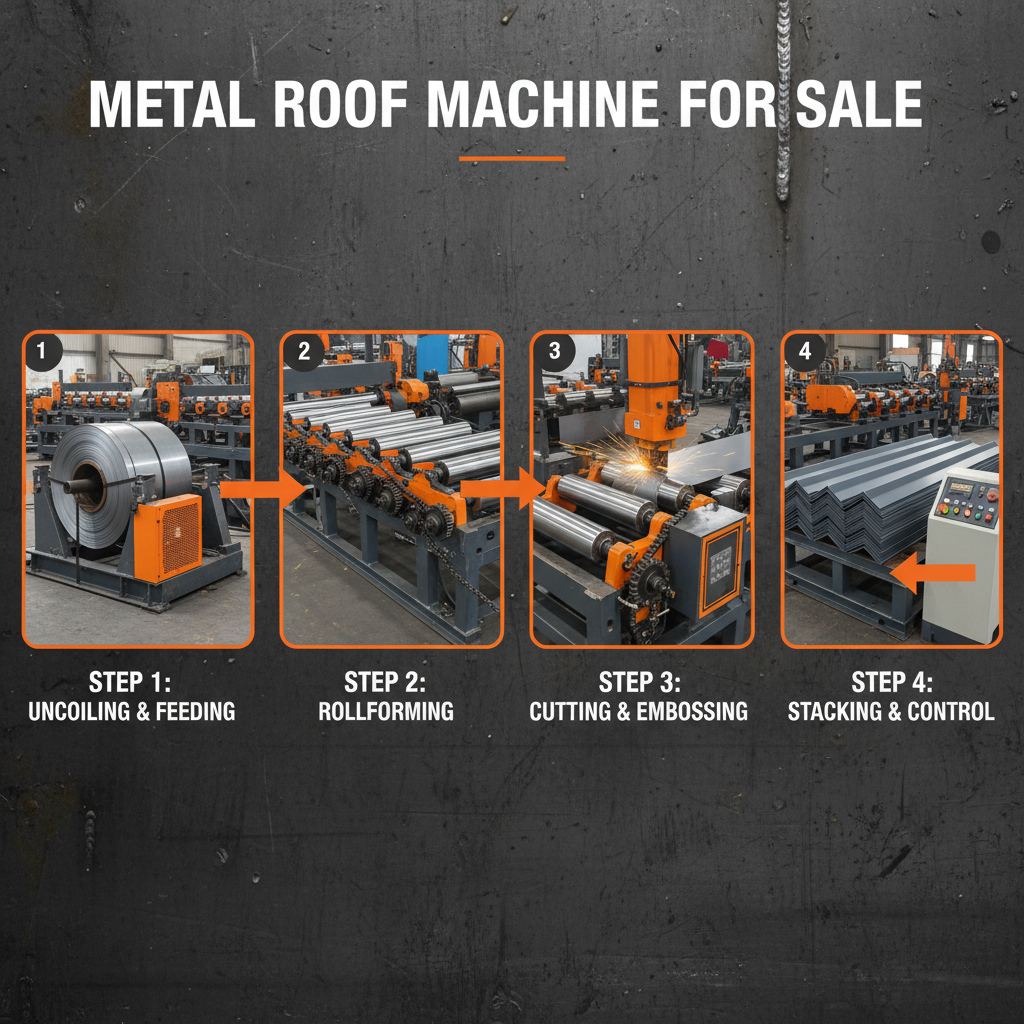
The machine operates on the principle of progressive deformation, where the metal coil is gradually shaped into the desired profile as it moves through a series of rollers. Key components include an uncoiler to feed the metal coil, a leveling system to ensure flatness, a roll forming section with multiple forming stands, a cutting mechanism to separate the panels, and a stacking system to collect the finished product.
Connecting this technology to modern industry and humanitarian needs lies in its ability to provide robust, cost-effective shelter. From rapid deployment housing after natural disasters to durable roofing for affordable housing projects, the metal roof roll forming machine empowers the construction of safe and reliable structures in diverse environments, addressing crucial societal needs.
Core Components and Operational Factors
The performance and reliability of a metal roof roll forming machine depend on several key components. These include the uncoiler, which manages the feeding of the metal coil; the leveling unit, ensuring material flatness for precise forming; and the forming stands, each equipped with rollers meticulously designed to shape the metal profile incrementally. A robust cutting system, typically utilizing flying shears, ensures clean and accurate panel separation.
Operational factors significantly impacting output include the material gauge (metal thickness), line speed, and roller precision. Thicker metal gauges require more powerful drive systems and robust roller designs. Optimizing line speed balances production volume with maintaining profile accuracy. Precise roller alignment and maintenance are critical for achieving consistent panel quality and minimizing material waste.
Metal Roof Roll Forming Machine Performance Metrics
Diverse Applications and Industry Use Cases
The applications of a metal roof roll forming machine are incredibly diverse, spanning residential, commercial, and industrial sectors. From traditional standing seam roofing to corrugated panels for warehouses and agricultural buildings, the technology can be adapted to create a wide range of profiles. The construction of self-storage facilities frequently relies on the efficient production of metal roofing panels.
In remote industrial zones, where access to prefabricated roofing materials is limited, portable metal roof roll forming machine enable on-site production, reducing transportation costs and logistical challenges. Similarly, in post-disaster relief operations, these machines can quickly manufacture temporary shelters and roofing materials for affected communities, providing immediate protection from the elements.
Long-Term Benefits and Value Proposition
The long-term benefits of investing in a metal roof roll forming machine extend far beyond initial cost savings. Reduced labor costs, minimized material waste, and increased production speed contribute to a significant return on investment. The durability and longevity of metal roofing translate into lower lifecycle costs for building owners, reducing the need for frequent repairs and replacements.
From a sustainability perspective, the machine supports environmentally responsible building practices through the production of recyclable metal roofing. The reduced energy consumption associated with metal roofing further enhances its environmental profile. The ability to produce customized roofing profiles on demand reduces the need for wasteful overstocking and minimizes transportation impacts, fostering a more circular economy.
Future Trends and Innovations in metal roof roll forming machine Technology
The future of metal roof roll forming machine technology is poised for significant advancements, driven by digitalization and automation. Integration with Building Information Modeling (BIM) software will enable seamless design and manufacturing workflows, optimizing material usage and reducing errors. Automated coil loading and unloading systems will further enhance efficiency and reduce labor requirements.
The development of new metal alloys with improved corrosion resistance and enhanced formability will expand the range of roofing profiles that can be produced. Smart sensors and predictive maintenance algorithms will enable proactive monitoring of machine performance, minimizing downtime and maximizing operational efficiency. Moreover, research into energy-efficient roll forming processes will further reduce the environmental footprint of metal roofing production.
The increasing demand for sustainable building materials will continue to drive innovation in metal roof roll forming machine technology, leading to more efficient, versatile, and environmentally friendly solutions for the construction industry.
Analysis of Key Factors Influencing metal roof roll forming machine Performance
| Roller Material Quality |
Automation Level |
Control System Sophistication |
Maintenance Schedule Adherence |
| High-grade alloy steel rollers enhance durability and profile accuracy. |
Full automation minimizes labor costs and increases production speed. |
Advanced PLC-based control systems enable precise adjustments and monitoring. |
Regular preventative maintenance extends machine lifespan and reduces downtime. |
| Lower-quality rollers lead to increased wear and tear, impacting profile consistency. |
Manual operation requires more skilled labor and reduces production efficiency. |
Basic control systems offer limited functionality and control. |
Lack of maintenance results in unexpected breakdowns and costly repairs. |
| Optimized roller geometry minimizes stress and improves material flow. |
Semi-automation balances efficiency with operator control. |
Data logging and analytics provide insights for process optimization. |
Proactive condition monitoring identifies potential issues before they escalate. |
| Regular roller inspection and polishing maintain surface finish and accuracy. |
Remote diagnostics enable efficient troubleshooting and support. |
Integration with ERP systems streamlines production planning and inventory management. |
Use of genuine replacement parts ensures optimal performance and compatibility. |
| Surface treatments enhance roller resistance to corrosion and abrasion. |
Safety features such as emergency stops and light curtains protect operators. |
User-friendly interfaces simplify operation and reduce training time. |
Detailed maintenance records facilitate informed decision-making. |
| Material selection based on specific metal types being formed. |
Customizable automation modules tailored to specific production needs. |
Cloud connectivity enables remote access and data sharing. |
Scheduled lubrication and cleaning prevent component failure. |
FAQS
Lead times for custom metal roof roll forming machine typically range from 12 to 20 weeks, depending on the complexity of the design and the current production schedule. This includes the design phase, component sourcing, manufacturing, assembly, and testing. We prioritize clear communication and provide regular updates throughout the process to ensure transparency and manage expectations.
While metal roof roll forming machine are designed for ease of use, proper operator training is crucial for maximizing efficiency and ensuring safety. We offer comprehensive training programs covering machine operation, maintenance, troubleshooting, and safety procedures. The duration of the training typically ranges from 3 to 5 days, depending on the machine's complexity and the operator's prior experience.
Most metal roof roll forming machine are versatile and can process a wide range of metals, including galvanized steel, galvalume steel, aluminum, and stainless steel. The specific metal type and gauge will depend on the machine's capabilities and the desired roofing profile. We provide guidance on material selection to ensure optimal performance and durability.
The energy consumption of a metal roof roll forming machine varies depending on its size, power, and operating speed. A typical machine may consume between 15 to 30 kilowatts of power during operation. We offer energy-efficient machine designs and optimized control systems to minimize energy consumption and reduce operating costs.
Regular maintenance is essential for ensuring the long-term reliability of a metal roof roll forming machine. This includes regular lubrication of moving parts, inspection of rollers for wear, cleaning of the machine, and periodic tightening of fasteners. We provide detailed maintenance manuals and offer preventative maintenance services to help our customers keep their machines in optimal condition.
Yes, we offer a comprehensive warranty on all of our metal roof roll forming machine. The standard warranty typically covers defects in materials and workmanship for a period of one year from the date of shipment. Extended warranty options are also available. Our warranty provides peace of mind and ensures that our customers are protected against potential issues.
Conclusion
In conclusion, the metal roof roll forming machine is a pivotal technology driving efficiency, sustainability, and innovation in the construction industry. Its ability to produce durable, cost-effective, and environmentally friendly roofing solutions addresses critical needs across diverse sectors. From rapid deployment housing to large-scale commercial projects, this technology empowers builders and developers to create resilient and sustainable structures.
Looking ahead, continued advancements in automation, digitalization, and material science will further enhance the capabilities of metal roof roll forming machine. Investing in this technology is not merely purchasing a machine; it is embracing a future of efficient, sustainable, and reliable building practices. Visit our website at www.lwrollformingmachine.com to explore our range of machines and discuss your specific roofing needs.