The global construction industry is undergoing a significant shift towards efficient and sustainable building methods. At the heart of this transformation lies the metal stud forming machine, a pivotal technology enabling the rapid and cost-effective production of light-gauge steel framing. This equipment is no longer confined to developed nations; it’s becoming increasingly vital in addressing housing shortages and infrastructure needs across the globe, especially in rapidly urbanizing regions and post-disaster scenarios. Understanding its capabilities and applications is crucial for architects, engineers, contractors, and policymakers alike.
The demand for durable, affordable, and quickly deployable building solutions is escalating, fueled by factors like population growth, climate change, and economic pressures. Traditional construction methods often struggle to meet these demands due to their labor-intensiveness, material waste, and lengthy timelines. A metal stud forming machine provides a compelling alternative by automating the process of creating precise, consistent steel components, drastically reducing construction time and costs while improving structural integrity.
This technology is not merely about building faster; it’s about building better. Modern metal stud forming machines offer advanced features such as automated gauging, precision cutting, and programmable profiles, enabling the creation of complex structures tailored to specific project requirements. This precision minimizes material waste, contributing to more sustainable building practices and a reduced environmental footprint.
The Global Impact of Metal Stud Forming Machine
The proliferation of metal stud forming machines has a substantial impact on global construction, particularly in addressing the increasing demand for affordable housing. According to the UN, approximately 1.6 billion people worldwide lack adequate housing. Light-gauge steel framing produced by these machines offers a viable solution, particularly in areas prone to natural disasters where quick and resilient construction is paramount. The World Bank estimates that the global construction market will reach $8 trillion by 2030, and technologies like metal stud forming are crucial to meeting this demand sustainably.
The challenge lies in providing robust, cost-effective building materials that can be rapidly deployed in diverse environments. Metal stud forming machines directly address this challenge by reducing construction time and labor costs, lowering the overall cost of building projects. This is especially critical in developing nations where affordability is a major barrier to adequate housing. Furthermore, the light-weight nature of steel framing simplifies transportation and handling, making it suitable for remote or difficult-to-access locations.
Defining Metal Stud Forming Technology
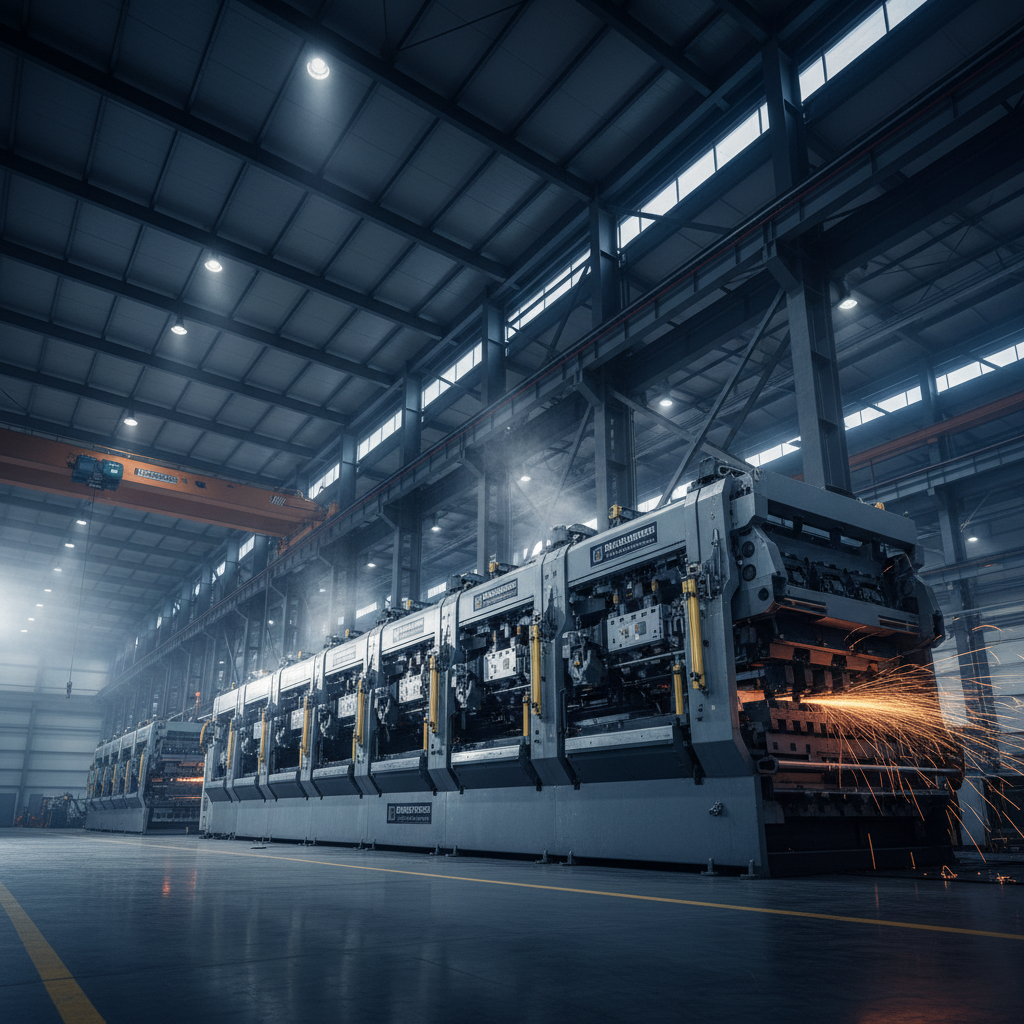
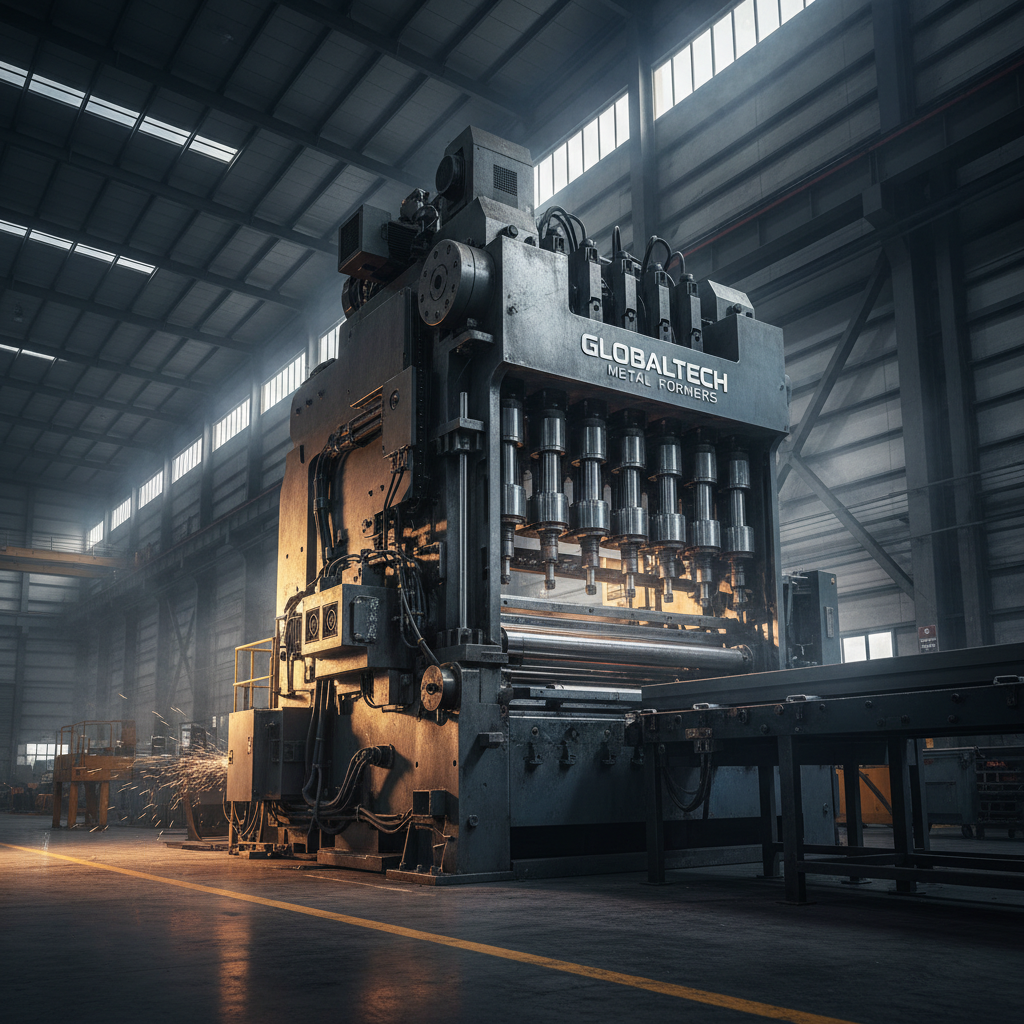
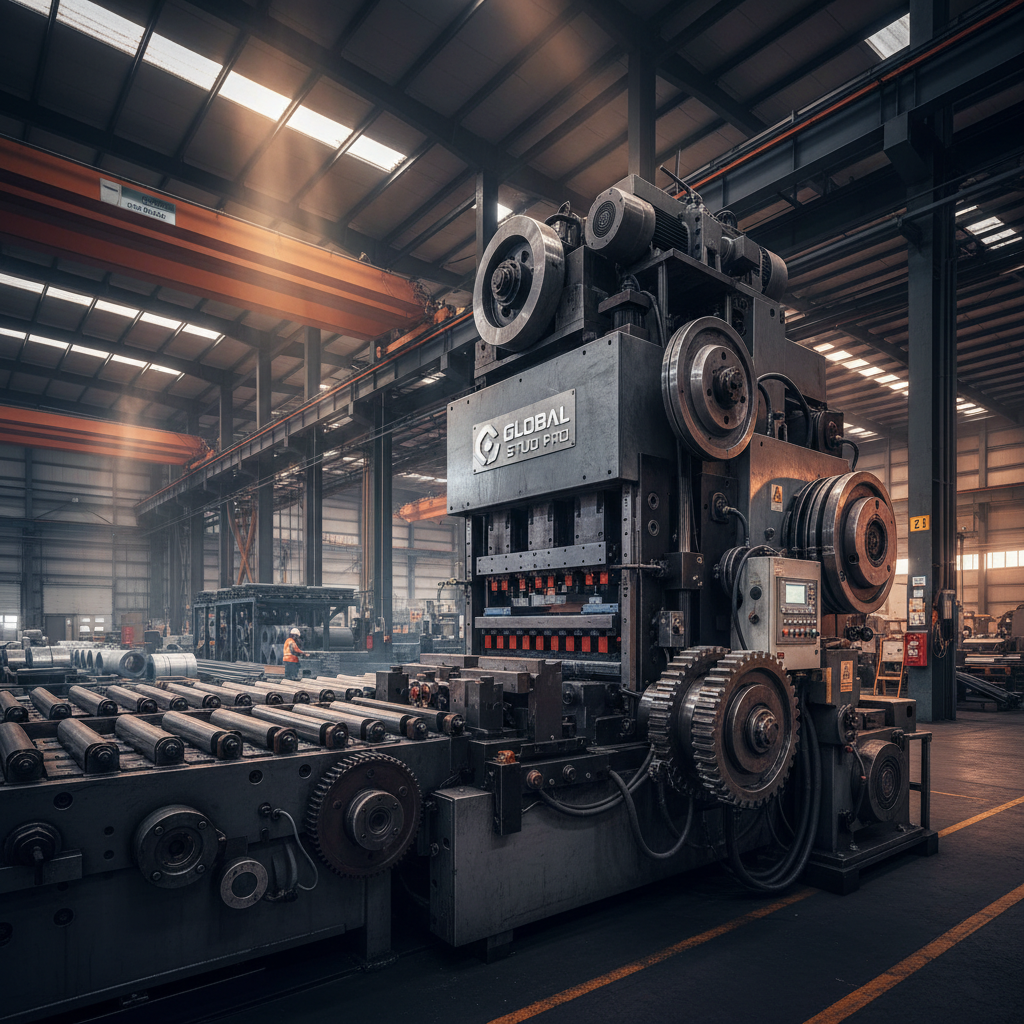
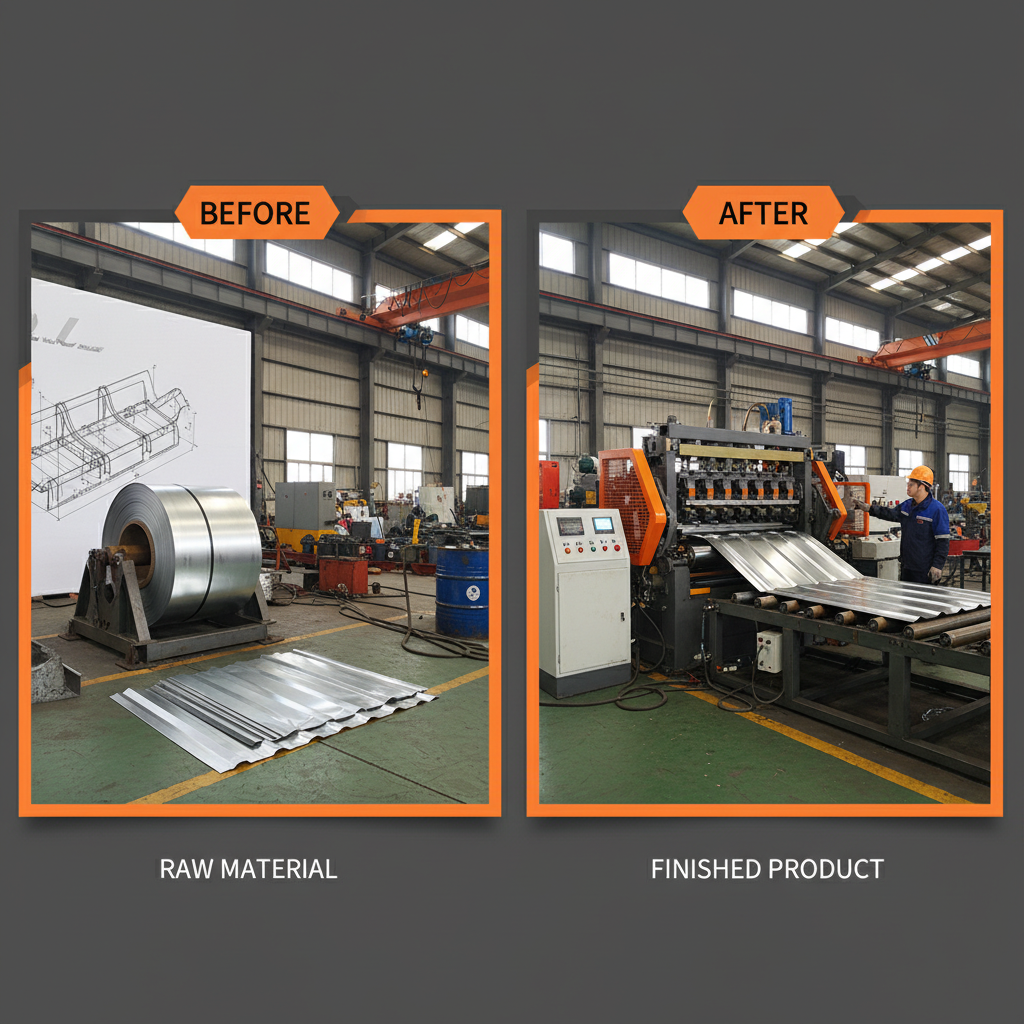
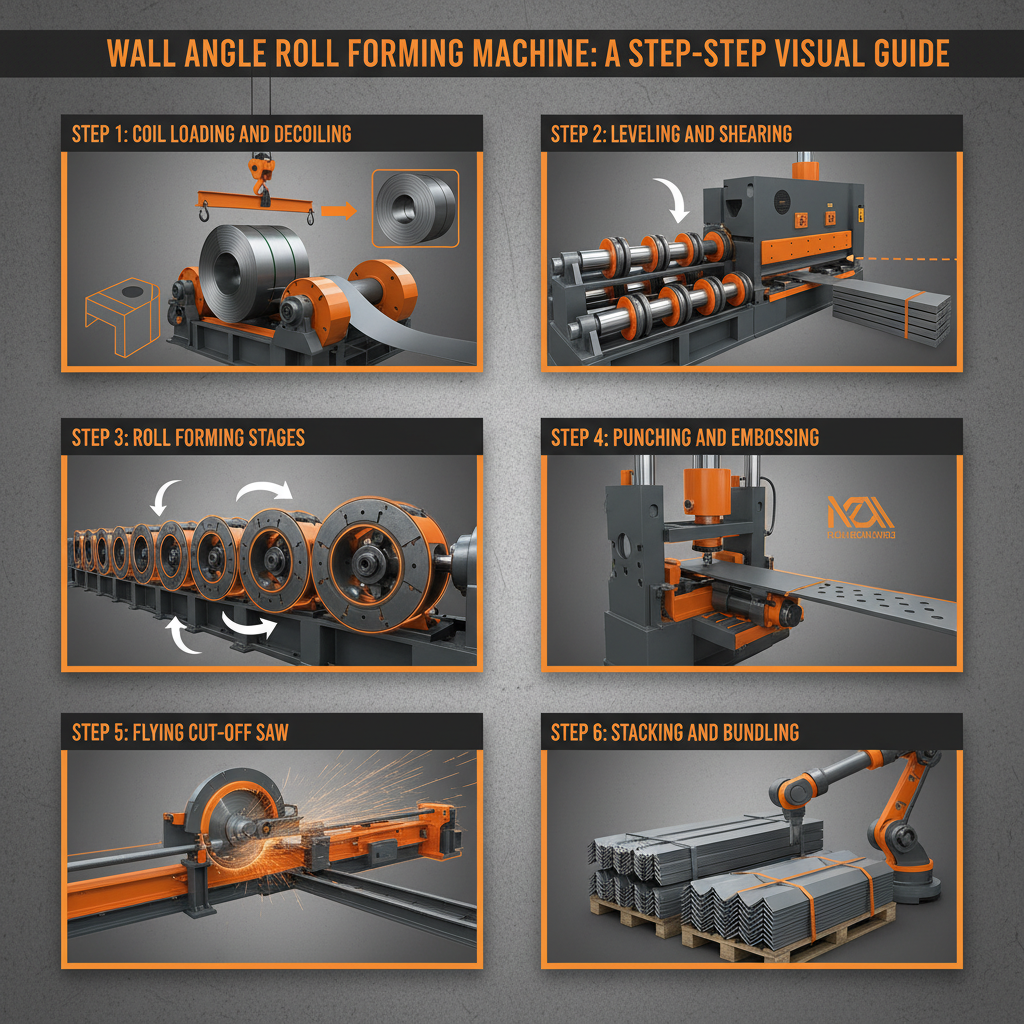
A metal stud forming machine is a specialized piece of equipment designed to continuously bend and shape flat coils of steel sheet into specific profiles, most commonly used for creating studs, tracks, and joists in light-gauge steel framing. This process, known as roll forming, involves passing the steel coil through a series of rollers, each incrementally shaping the metal until the desired profile is achieved. The resulting components are then cut to length and ready for assembly.
This technology is directly linked to modern industrial construction techniques, providing a precise and efficient alternative to traditional wood framing. The light-gauge steel framing produced is inherently dimensionally stable, non-combustible, and resistant to pests and rot, offering significant advantages in terms of durability and safety.
Beyond residential construction, these machines contribute to a broader range of applications, including commercial buildings, agricultural structures, and even modular housing solutions. The adaptability of the roll forming process allows for the creation of diverse profiles to meet specific design requirements and structural needs.
Core Components and Operational Factors
The core components of a metal stud forming machine typically include an uncoiler, a leveling unit, a roll forming station, a cutting system, and a stacking mechanism. The uncoiler feeds the steel coil into the machine, while the leveling unit ensures the material is flat and straight. The roll forming station, containing a series of precisely engineered rollers, gradually shapes the steel into the desired profile.
Operational factors impacting the efficiency and quality of production include the steel gauge (thickness), the steel grade, the roll forming speed, and the precision of the cutting system. Maintaining consistent material quality and performing regular maintenance on the machine are crucial for optimal performance. The complexity of the profile also influences the machine’s configuration and processing speed.
Furthermore, modern machines often incorporate programmable logic controllers (PLCs) for automated operation and precise control over the entire process. These PLCs allow for easy adjustment of parameters such as length, profile shape, and production volume, enhancing flexibility and reducing the risk of errors.
Real-World Applications of Metal Stud Framing
Metal stud forming machines are instrumental in constructing a wide array of structures. In the residential sector, they facilitate the rapid building of single-family homes, multi-story apartments, and townhouses. The consistent quality and dimensional accuracy of steel framing contribute to faster assembly times and reduced construction errors.
In the commercial sector, these machines enable the construction of warehouses, retail spaces, and office buildings. The inherent strength and durability of steel framing are particularly valuable in large-scale commercial projects. In post-disaster relief operations, quickly deployable shelters built with light-gauge steel offer a safe and reliable housing solution for displaced populations.
Metal Stud Forming Machine Application Breakdown
Advantages and Long-Term Value Proposition
The advantages of utilizing a metal stud forming machine extend beyond simple cost savings. Light-gauge steel framing is non-combustible, offering superior fire resistance compared to wood. It’s also impervious to pests, reducing the need for chemical treatments and extending the building’s lifespan. This inherent durability translates to lower maintenance costs over the long term.
From a sustainability perspective, steel is one of the most recycled materials globally. Utilizing recycled steel in framing reduces the environmental impact of construction. Furthermore, the precision of steel framing minimizes material waste during construction, promoting responsible resource management.
Future Trends in Metal Stud Forming
The future of metal stud forming machine technology is poised for further innovation. Advancements in automation and robotics will likely lead to increased production speeds and reduced labor requirements. Integration with Building Information Modeling (BIM) software will allow for seamless design and fabrication, minimizing errors and optimizing material usage.
There is a growing trend towards utilizing more sustainable steel production methods, such as electric arc furnaces powered by renewable energy sources. These advancements will further reduce the carbon footprint associated with steel framing, aligning with global sustainability goals.
Furthermore, research and development are focused on creating new steel alloys with enhanced strength and corrosion resistance, expanding the range of applications for light-gauge steel framing.
Challenges and Innovative Solutions
While metal stud forming machines offer numerous benefits, challenges remain. Initial investment costs can be substantial, especially for smaller businesses. However, leasing options and financing programs are becoming increasingly available to mitigate this barrier.
Another challenge is the need for skilled operators and maintenance personnel. Training programs and remote diagnostics can help address this issue, ensuring that machines are operated efficiently and maintained effectively.
Innovative solutions, such as modular and mobile metal stud forming machines, are also emerging, allowing for on-site production and reducing transportation costs.
Summary of Challenges and Solutions Related to Metal Stud Forming Machine
| Challenge |
Impact on Operation |
Proposed Solution |
Implementation Cost (Scale 1-10) |
| High Initial Investment |
Limits accessibility for small businesses. |
Leasing programs and financing options. |
4 |
| Skilled Operator Requirement |
Impacts production efficiency and quality. |
Comprehensive training programs and remote support. |
6 |
| Maintenance Costs |
Can disrupt production and increase downtime. |
Preventative maintenance schedules and readily available spare parts. |
5 |
| Material Supply Chain |
Fluctuations in steel prices can impact project costs. |
Long-term supply contracts and diversified sourcing. |
7 |
| Integration with Design Software |
Inefficiencies in transferring design data to production. |
Seamless BIM integration and automated data transfer. |
8 |
| Transportation of Finished Products |
Increases project costs and lead times. |
On-site or near-site mobile metal stud forming machine solutions. |
9 |
FAQS
While the initial investment in a metal stud forming machine can be significant, long-term cost savings are substantial. Steel framing requires less labor for installation, reduces material waste, and is more resistant to fire and pests, minimizing long-term maintenance and insurance costs. Furthermore, steel is often competitively priced with lumber, especially during periods of lumber scarcity.
Metal stud framing significantly accelerates construction timelines. The precision of the metal stud forming machine-produced components allows for faster assembly, reducing on-site labor hours. Moreover, steel framing isn't affected by moisture content like wood, eliminating delays associated with drying times. Projects can often be completed 30-50% faster.
Typical steel gauges range from 16 to 20 gauge, depending on the structural requirements of the project. Thicker gauges (16 gauge) are used for load-bearing walls and structural elements, while lighter gauges (20 gauge) are suitable for non-load-bearing partitions. The metal stud forming machine can be adjusted to accommodate various gauges and profiles.
Light-gauge steel framing is considered a sustainable building material. Steel is one of the most recycled materials globally, and utilizing recycled steel reduces the environmental impact. The precise cutting capabilities of the metal stud forming machine minimize material waste, and the durability of steel reduces the need for frequent replacements.
A moderate level of training is required. Operators need to understand the machine's controls, safety procedures, and basic maintenance tasks. Many manufacturers offer comprehensive training programs, and ongoing remote support is often available. Proficiency in reading technical drawings and using measuring tools is also beneficial.
While incredibly versatile, there are a few considerations. Complex architectural designs may require more intricate framing solutions, potentially increasing costs. However, the adaptability of metal stud forming machines is constantly improving, allowing for the creation of increasingly complex profiles. Proper detailing and connection design are crucial for ensuring structural integrity.
Conclusion
In conclusion, the metal stud forming machine represents a transformative technology in the construction industry. From its ability to address global housing shortages to its inherent sustainability and cost-effectiveness, this equipment offers a compelling solution for a rapidly changing world. Its adaptability to diverse projects and continuous technological advancements solidify its position as a cornerstone of modern building practices.
Looking ahead, continued investment in research and development, coupled with widespread adoption of best practices, will unlock the full potential of this technology. We encourage architects, engineers, and construction professionals to explore the benefits of light-gauge steel framing and consider incorporating metal stud forming machine technology into their projects. Visit our website at www.lwrollformingmachine.com to learn more and discover how we can help you build a more sustainable and efficient future.