The global construction landscape is undergoing a significant shift toward prefabricated and high-efficiency materials, where the roofing machine stands as a cornerstone of modern industrialization. By automating the process of shaping metal sheets into precise architectural profiles, these machines ensure that residential and commercial structures are built with unmatched speed and structural integrity.
In an era defined by rapid urbanization and the need for sustainable housing, the integration of an advanced roofing machine allows manufacturers to minimize material waste and maximize production throughput. This shift not only reduces the overall cost of construction but also provides a scalable solution for infrastructure projects across diverse geographic terrains.
Understanding the technical nuances and operational benefits of a roofing machine is essential for any stakeholder in the metal building industry. From selecting the right roll-forming profiles to optimizing the cutting precision, the right equipment transforms a simple coil of steel into a durable, weather-resistant shield for the buildings of tomorrow.
The Industrial Significance of the Roofing Machine
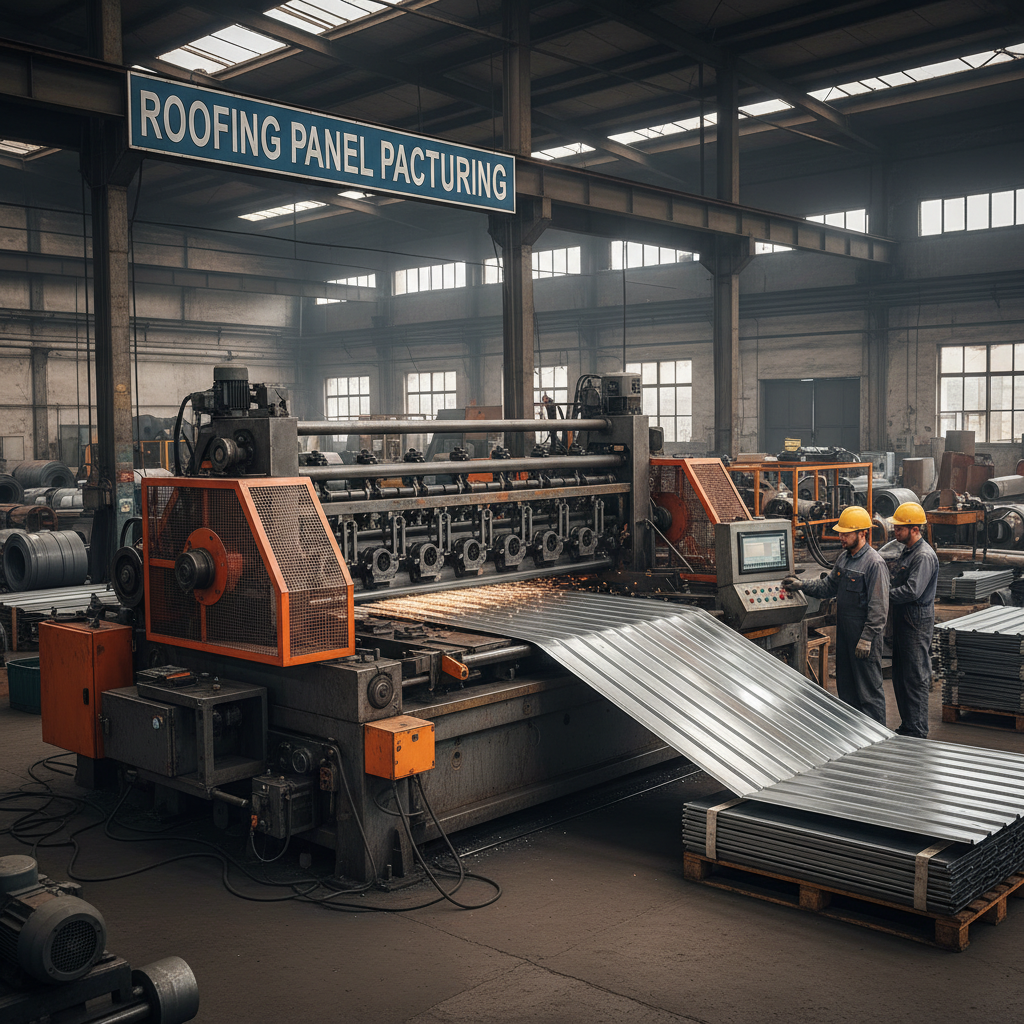
The adoption of the roofing machine has revolutionized how we perceive the speed of enclosure in the construction cycle. By utilizing cold-roll forming technology, these machines can produce consistent, high-strength profiles that are far superior to manually shaped alternatives, ensuring that every sheet fits perfectly regardless of the project's scale.
Beyond simple production, the industrial significance lies in the ability to customize profiles on the fly. Whether it is a corrugated sheet for an agricultural warehouse or a sophisticated standing seam for a modern corporate office, the versatility of a roofing machine ensures that architectural vision is never limited by manufacturing capabilities.
Core Components and Engineering Precision
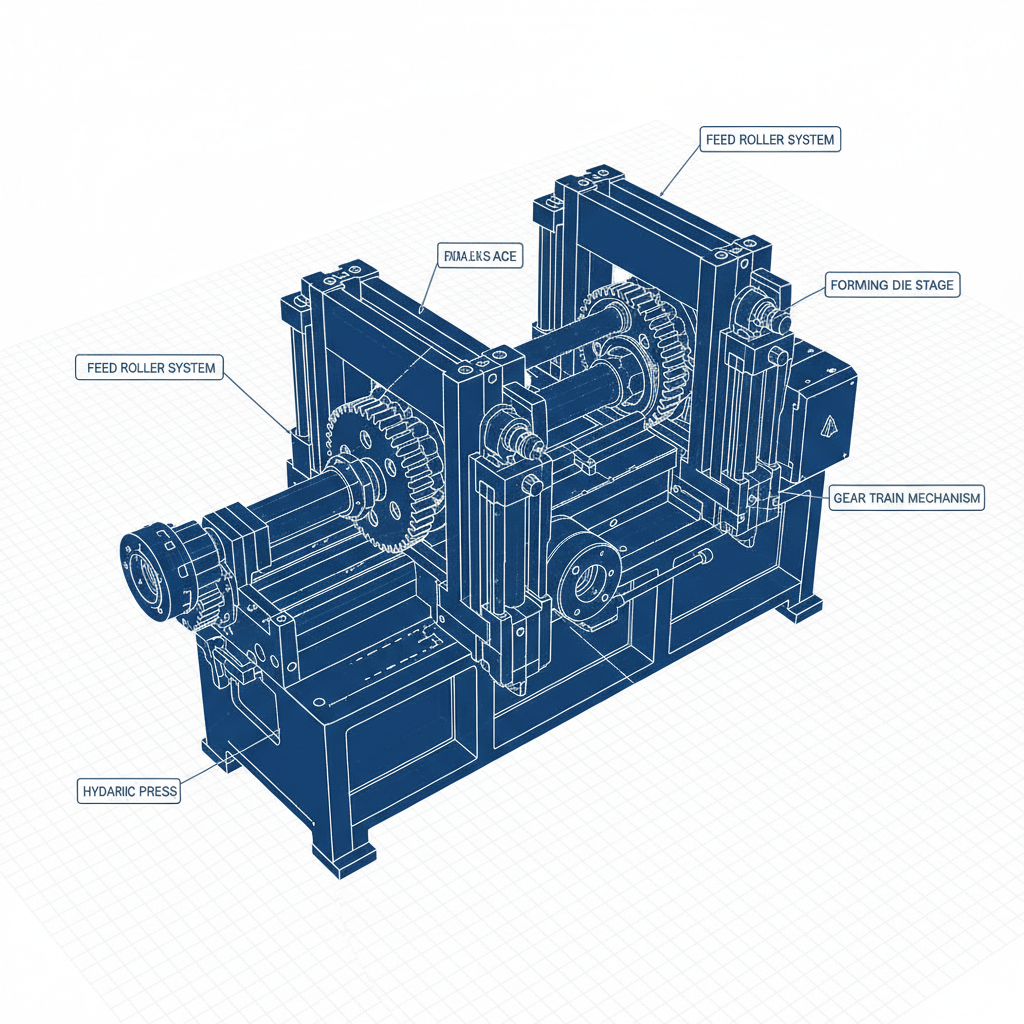
At the heart of every high-performance roofing machine is a series of precision-engineered rollers. These rollers are typically crafted from high-grade alloy steel and treated with chromium plating to resist wear and tear, ensuring that the metal coils are formed without surface scratches or structural deformations over thousands of cycles.
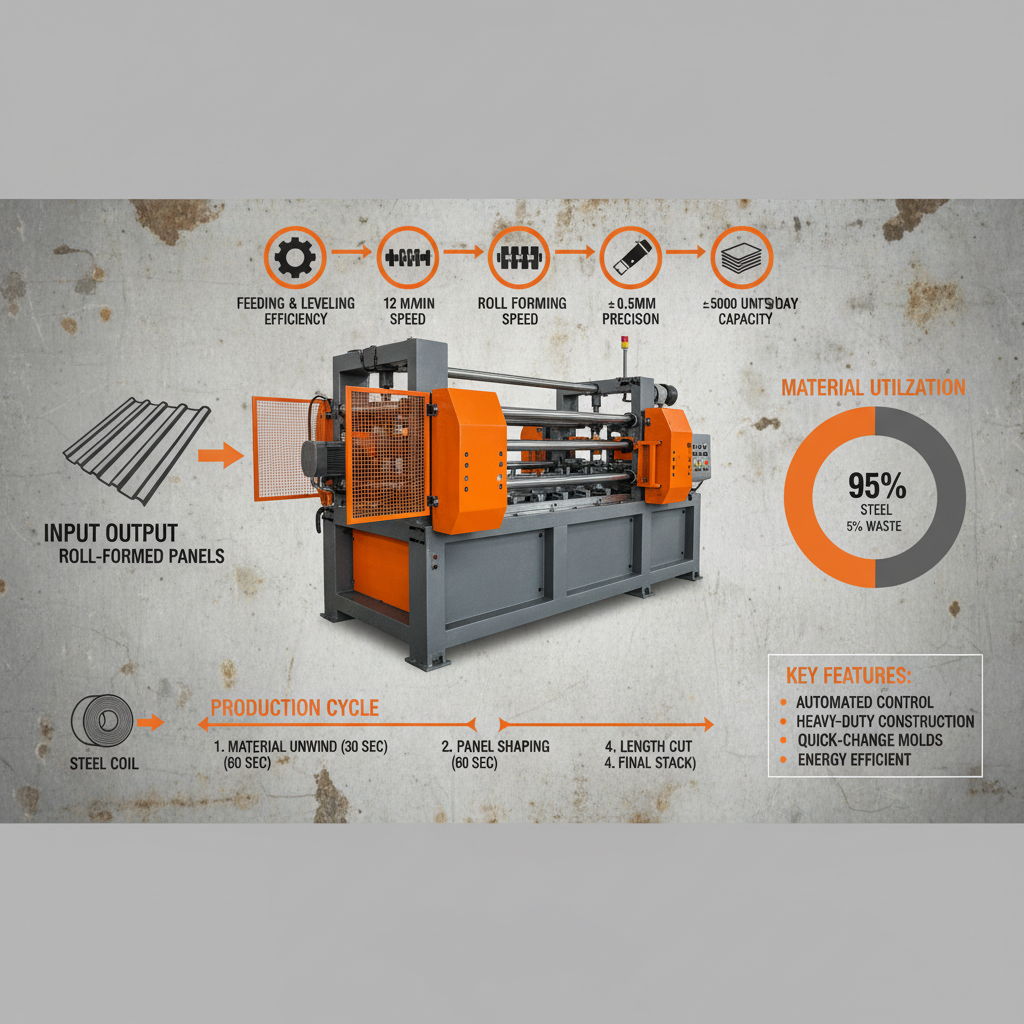
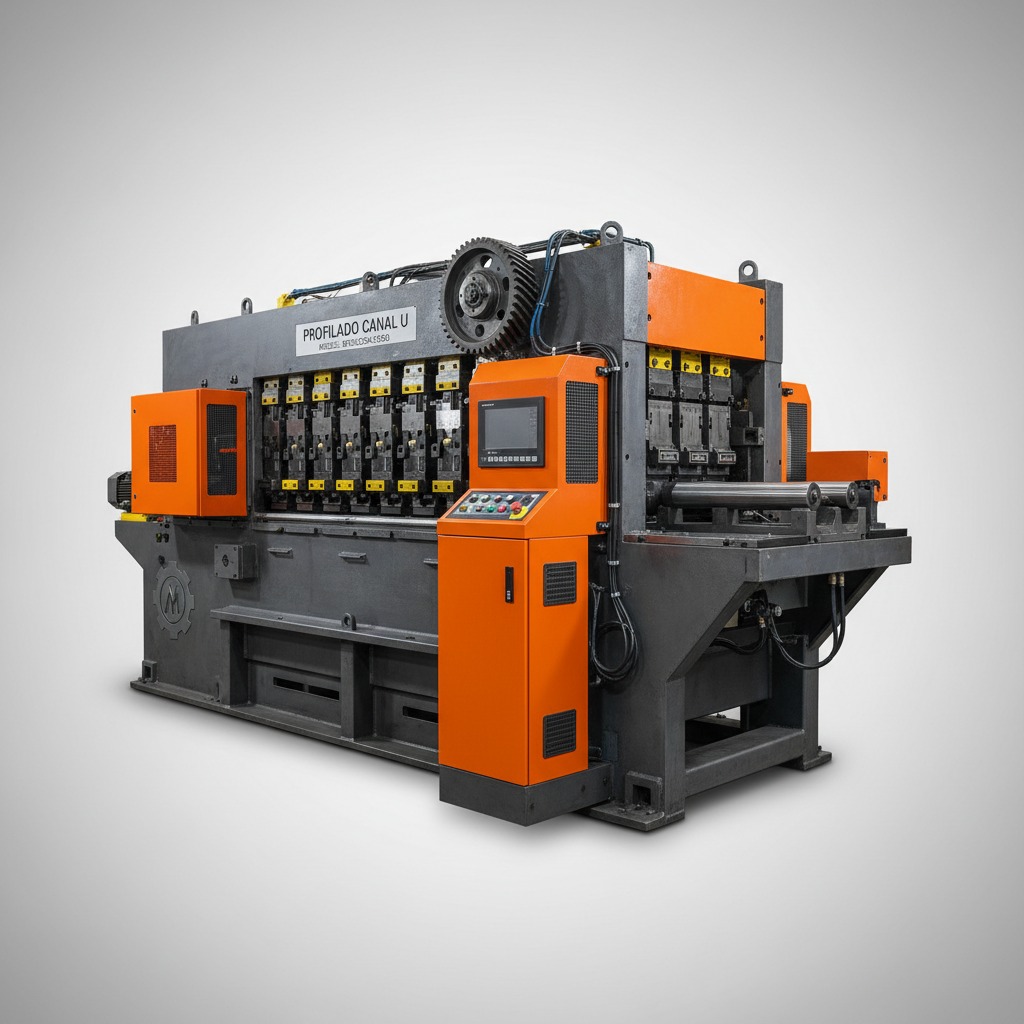
The control system, often utilizing PLC (Programmable Logic Controller) integration, acts as the brain of the operation. This allows operators to input exact length requirements, which the roofing machine then executes with millimeter precision through an automated hydraulic or mechanical shearing system, eliminating the need for manual measuring and cutting.
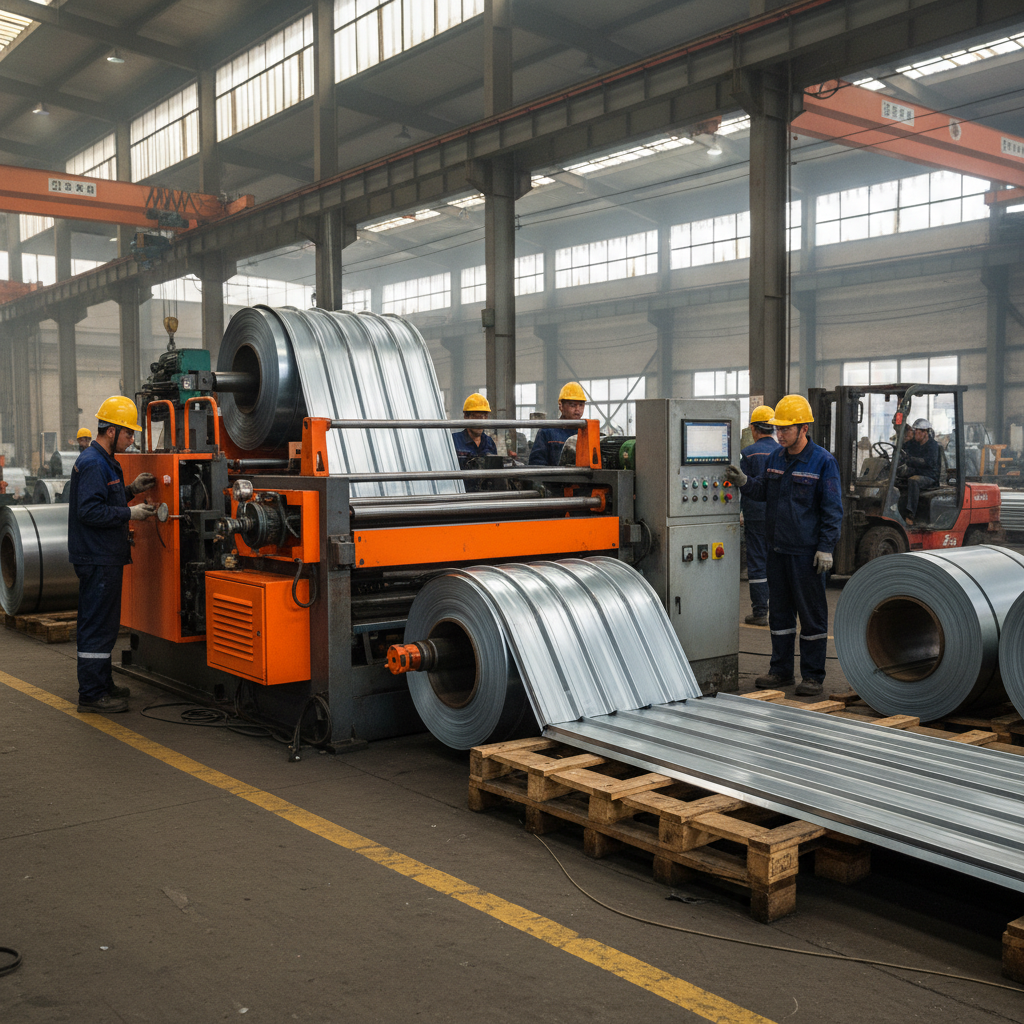
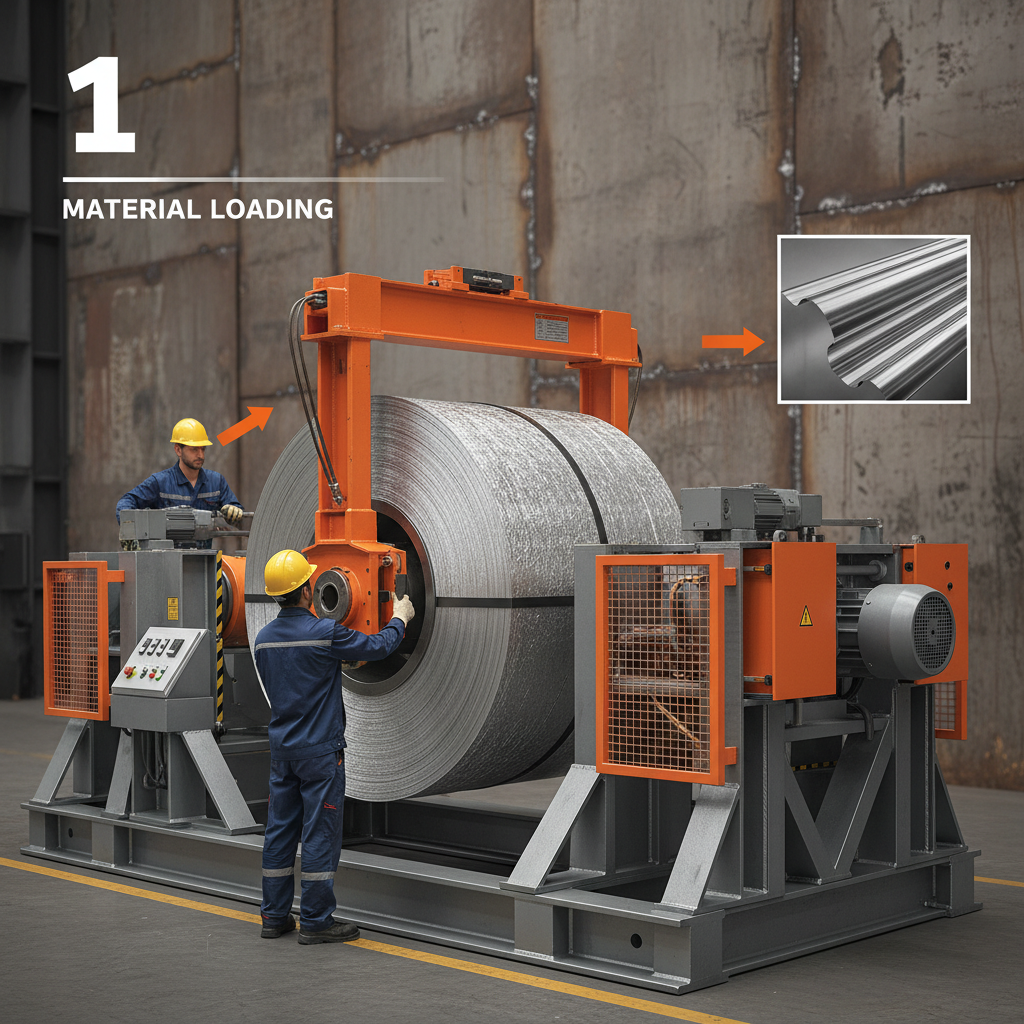
Finally, the feeding and decoiling mechanism ensures a steady flow of raw material into the forming stations. A robust roofing machine incorporates a tensioning system that prevents the coil from sagging or twisting, which is critical for maintaining the geometric accuracy of the final roofing profile.
Key Performance Factors for Optimal Production
When evaluating a roofing machine, durability is the primary metric. The ability of the frame to withstand high torsional stress during the forming process prevents "profile drift," ensuring that the panels remain perfectly straight over long spans.
Scalability and versatility are equally important. A premium roofing machine should be capable of handling various material gauges and widths, allowing a manufacturer to pivot between different product lines—such as corrugated and trapezoidal profiles—with minimal downtime for roller changes.
Cost efficiency is realized not just in the initial purchase, but in the reduction of scrap material. Advanced roofing machine systems utilize optimized cutting cycles that minimize the "end-piece" waste, directly increasing the profit margin per coil of steel.
Global Applications and Use Case Analysis
The application of the roofing machine spans across diverse environments, from the rapid deployment of industrial warehouses in Southeast Asia to the creation of weather-resistant shelters in remote Arctic regions. In these contexts, the ability to produce profiles on-site reduces transportation costs and logistics risks.
In post-disaster relief operations, mobile roofing machine units have become invaluable. They allow NGOs and governments to quickly create durable, temporary roofing for displaced populations, providing a level of safety and dignity that traditional tarpaulins cannot offer.
Comparative Efficiency of Roofing Machine Technologies
Long-Term Economic and Environmental Value
Investing in a high-quality roofing machine delivers tangible economic benefits through the reduction of labor costs. By automating the shaping process, a single operator can oversee a production volume that previously required an entire crew, significantly lowering the overhead for metal fabrication shops.
From a sustainability perspective, the roofing machine promotes a circular economy. Metal roofing produced by these machines is 100% recyclable at the end of its lifecycle, and the precision of the roll-forming process ensures that almost no raw steel is wasted during the manufacturing stage.
Future Innovations in Roll Forming Technology
The future of the roofing machine is leaning heavily toward Industry 4.0. We are seeing the integration of IoT (Internet of Things) sensors that can predict when a roller is wearing down before it affects the product quality, allowing for "predictive maintenance" that eliminates unplanned downtime.
Furthermore, the development of "smart alloys" is challenging roofing machine engineers to create machines that can handle higher-tensile materials without causing stress fractures. These new materials will allow for thinner, lighter roofs that maintain the same structural strength as traditional heavy-gauge steel.
Automation is also expanding into the "finish" phase. Future roofing machine lines will likely incorporate integrated coating and sealing stations, allowing a raw coil to enter the machine and emerge as a fully finished, weather-sealed architectural panel in one continuous motion.
Overcoming Common Operational Challenges
One of the most common challenges faced by operators of a roofing machine is "material spring-back," where the metal attempts to return to its original flat shape after forming. Experts solve this by implementing "over-bending" techniques within the roller design, precisely calculating the elastic recovery of the steel to ensure the final angle is exact.
Another hurdle is the synchronization between the forming speed and the cutting mechanism. If the roofing machine shears the metal while it is still moving, the cut will be slanted. The solution lies in high-speed encoders that signal the cutter to trigger only when the material has reached a momentary zero-velocity state.
Finally, maintaining the rollers against oxidation and debris is crucial. Implementing a scheduled lubrication system and utilizing self-cleaning rollers in a roofing machine prevents surface imperfections on the finished panels, ensuring that the aesthetic quality meets the highest architectural standards.
Technical Analysis of Roofing Machine Operational Parameters
| Parameter Dimension |
Manual Entry System |
PLC Automated System |
Performance Impact |
| Cutting Precision |
+/- 5mm |
+/- 0.5mm |
High |
| Production Speed |
Low (Manual) |
High (Linear) |
Critical |
| Material Waste |
8-12% |
1-3% |
Economic |
| Operator Skill Req. |
High (Craftsman) |
Low (Technician) |
Operational |
| Setup Time |
Slow |
Fast (Presets) |
Efficiency |
| Profile Consistency |
Variable |
Uniform |
Quality |
FAQS
Modern roofing machines use PLC-controlled encoders that measure the exact length of the material as it passes through the rollers. Once the target length is reached, a hydraulic shearing system is triggered instantly. This removes human error and ensures that every single panel is identical, which is crucial for seamless installation on site.
While most machines are designed for a specific profile (e.g., corrugated or standing seam), many high-end models feature interchangeable roller cassettes. This allows a manufacturer to switch the entire forming set, effectively transforming the machine's output to a different profile without needing to purchase a completely new system.
Most roofing machines are optimized for galvanized steel, galvalume, and aluminum. Some specialized machines are built to handle polypropylene or plastic-coated steels. The key is matching the roller hardness and machine torque to the tensile strength of the raw material to avoid deformation.
Maintenance depends on the production volume, but generally, rollers should be inspected weekly for debris and lubricated daily. For high-capacity industrial lines, a deep technical audit every six months is recommended to check for roller wear and realignment to ensure the profile remains within tolerance.
Yes, significantly. By using roll-forming technology, material waste is reduced to nearly zero. Furthermore, the metal panels produced are long-lasting and fully recyclable, unlike asphalt shingles or organic materials that end up in landfills after a few decades.
With proper maintenance and the use of high-grade chromium-plated rollers, an industrial roofing machine can last 15 to 20 years. The electronic components may require updates every 5-7 years to stay current with software advancements, but the mechanical chassis is built for decades of service.
Conclusion
The integration of a high-performance roofing machine is more than just an equipment upgrade; it is a strategic investment in production efficiency, material sustainability, and architectural precision. By bridging the gap between raw steel coils and finished structural panels, these machines enable the construction industry to meet the soaring demands of global urbanization while maintaining strict quality standards.
As we look toward a future of smarter, greener cities, the evolution of roll-forming technology will continue to play a pivotal role in reducing the carbon footprint of building processes. For companies seeking to scale their manufacturing capabilities and enhance their market competitiveness, adopting the latest in roofing machine technology is the most viable path forward. Visit our website for more information: www.lwrollformingmachine.com