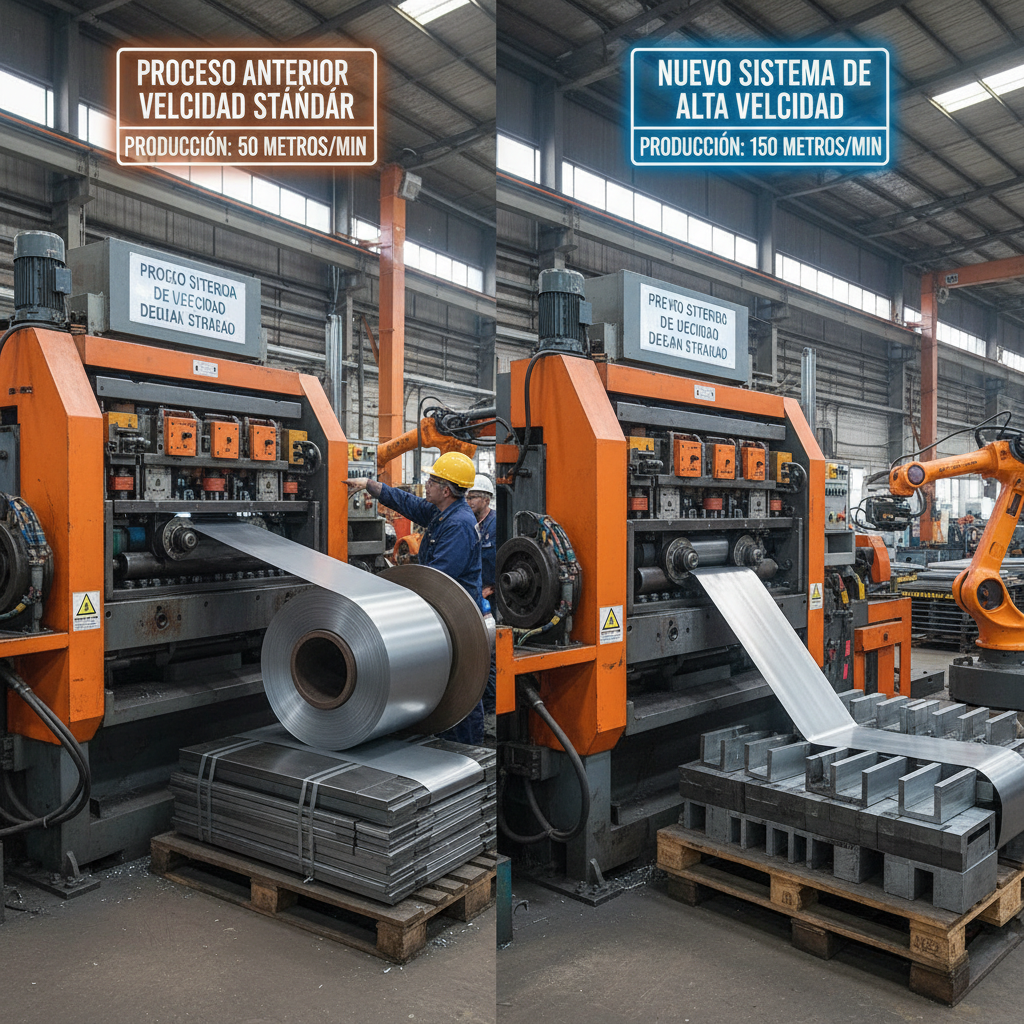
The global demand for durable and cost-effective roofing solutions is continually increasing, driving innovation in the metal roofing machine industry. These machines are central to providing materials for residential, commercial, and industrial construction projects worldwide, particularly as populations grow and infrastructure development accelerates. Understanding the nuances of these machines, from their core components to emerging technologies, is crucial for builders, manufacturers, and investors alike.
The widespread adoption of metal roofing is spurred by its longevity, resistance to extreme weather, and increasingly, its sustainability benefits. Metal roofing machines allow for efficient, high-volume production of these roofing materials, meeting the needs of a diverse range of building applications. As building codes evolve to prioritize energy efficiency and disaster resilience, the demand for metal roofing—and therefore, the machines that create it—is poised to grow substantially.
Beyond construction, advancements in metal roofing machine technology are influencing related sectors, such as prefabricated building components and modular construction, further solidifying their importance in modern building practices. This underscores the importance of staying informed about the latest advancements in machine design and operation for optimizing production processes and delivering high-quality roofing solutions.
The Core Functionality of metal roofing machine
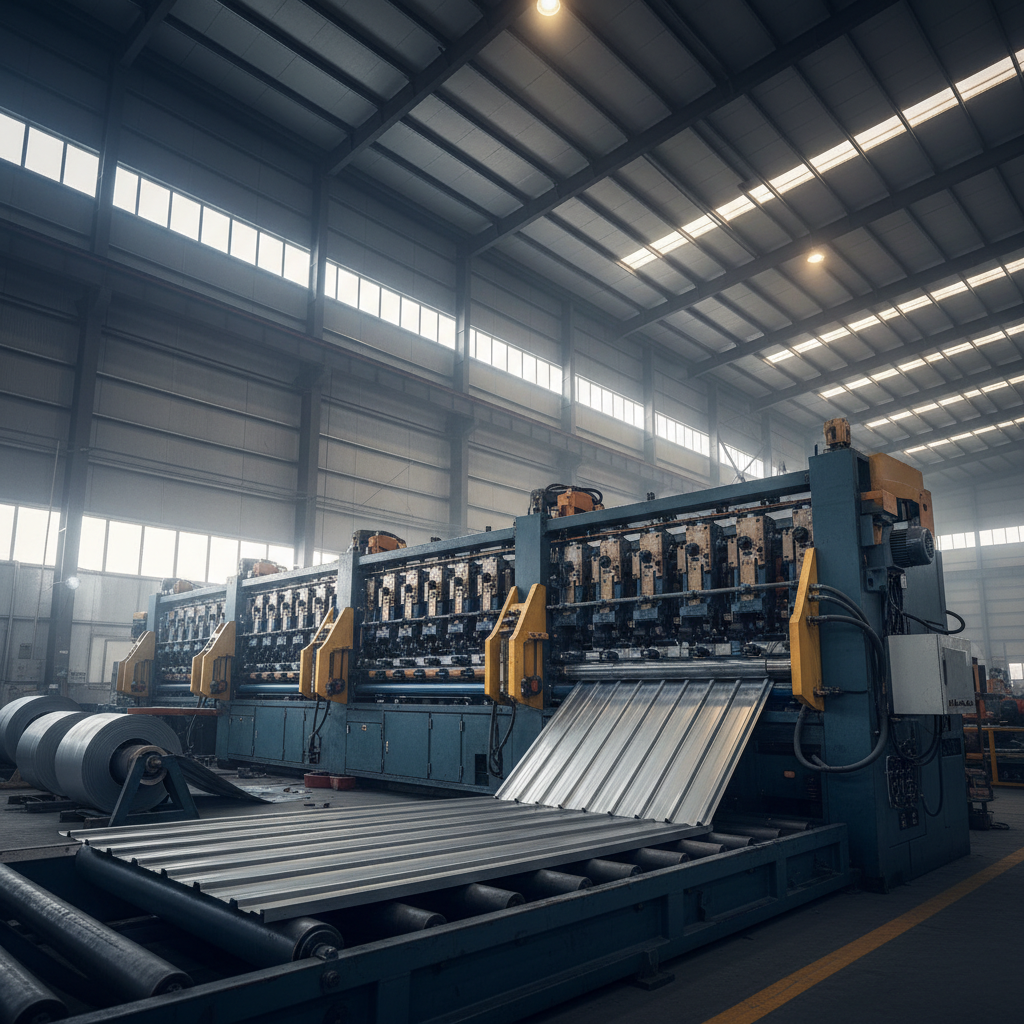
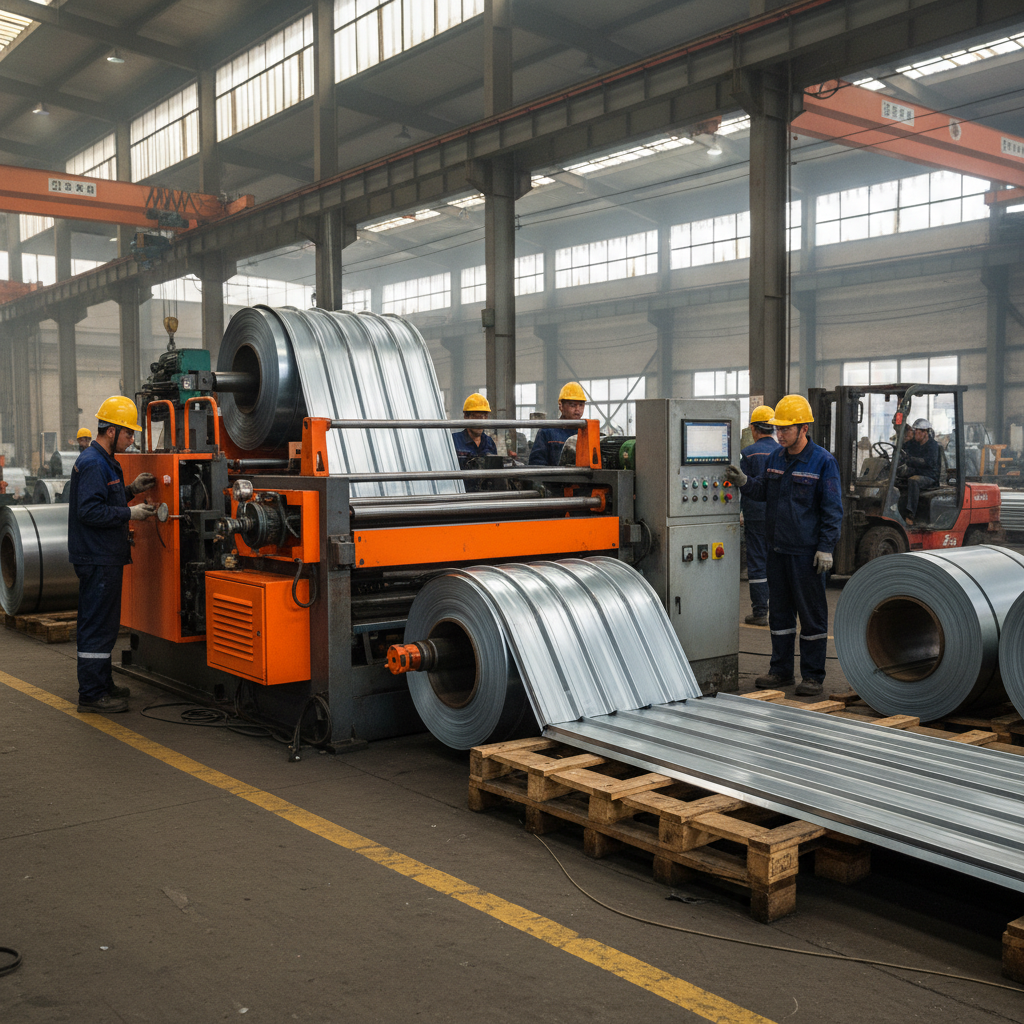
At its core, a metal roofing machine transforms flat metal coils into precisely shaped roofing panels. This process, known as roll forming, utilizes a series of rollers to gradually bend and shape the metal, creating interlocking profiles that provide superior strength and weather resistance. The accuracy and efficiency of this process directly impact the quality and cost-effectiveness of the finished roofing product.
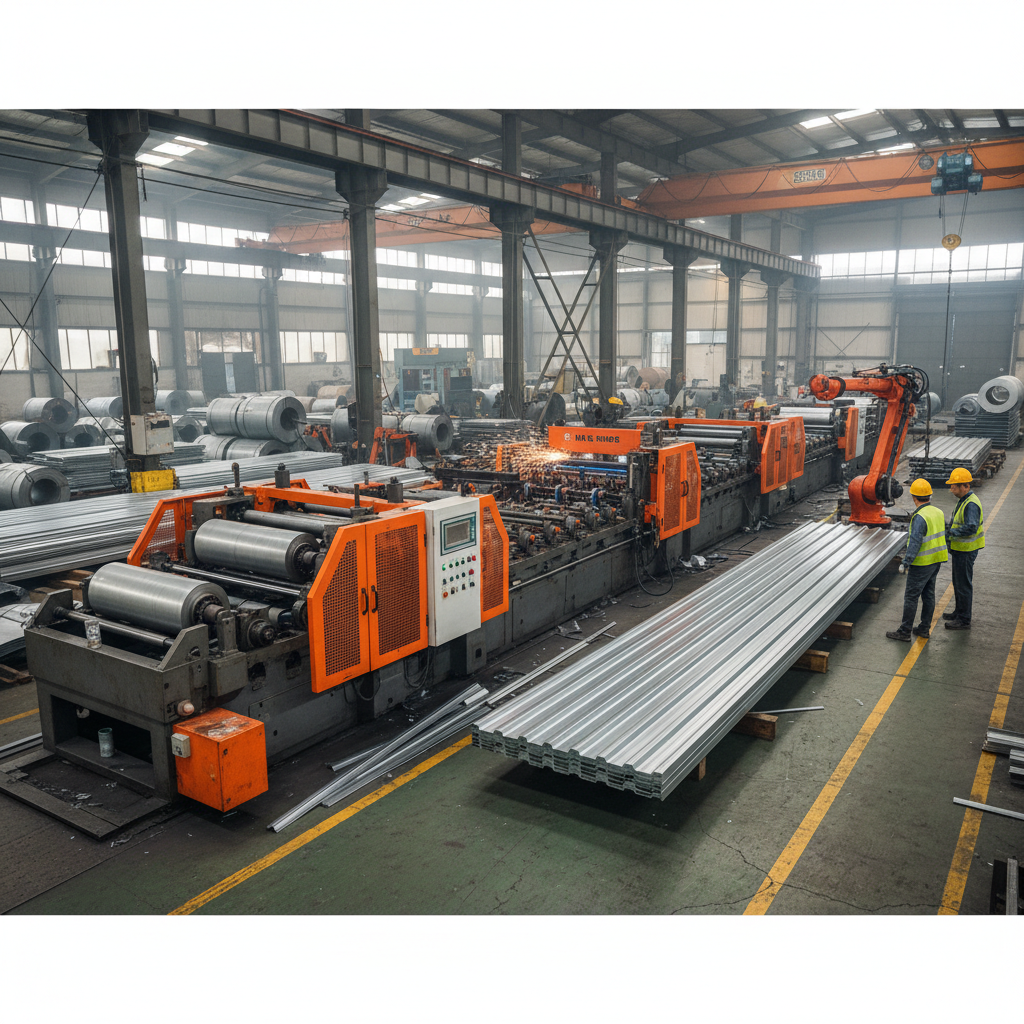
The functionality extends beyond simple shaping. Modern machines often incorporate cutting, punching, and coating capabilities, allowing for a complete production line that delivers ready-to-install roofing panels. Control systems, including programmable logic controllers (PLCs), manage these processes, ensuring consistent quality and minimal waste.
The Global Impact of metal roofing machine
The demand for metal roofing machines is intrinsically linked to global construction trends and the increasing need for durable, sustainable building materials. Rapid urbanization, particularly in developing nations, is driving substantial demand for affordable and quickly installed roofing solutions. According to the UN, the world population is projected to reach nearly 10 billion by 2050, further intensifying the need for robust housing infrastructure.
Furthermore, the growing awareness of climate change and the increasing frequency of extreme weather events are accelerating the adoption of metal roofing due to its superior resistance to wind, fire, and hail. This demand isn't limited to residential applications; industrial and commercial buildings are increasingly opting for metal roofing to minimize maintenance costs and ensure long-term protection. The World Bank reports significant investments in resilient infrastructure across numerous countries, directly benefiting the metal roofing machine market.
The impact extends beyond developed nations. In regions prone to natural disasters, metal roofing offers a viable solution for rapid reconstruction and provides a safer, more durable shelter option than traditional materials. This humanitarian aspect is contributing to the increased global demand and innovation within the industry.
Defining a metal roofing machine
A metal roofing machine is a specialized industrial apparatus designed to continuously shape metal coils – typically steel or aluminum – into interlocking panels suitable for roofing applications. Unlike traditional roofing material production, which often relies on manual processes and cutting, these machines automate the process, resulting in increased efficiency, consistency, and reduced material waste.
This technology is crucial to modern construction, enabling the mass production of roofing materials that meet stringent building codes and aesthetic requirements. It bridges the gap between raw material sourcing and the finished roofing product, streamlining the construction process and lowering overall building costs. The increasing emphasis on sustainable construction practices further elevates the importance of efficient and precise metal roofing machines.
The connection to modern industry is clear; these machines aren’t simply about creating roofing, but are integral to infrastructure development, disaster relief, and the long-term sustainability of the built environment.
Key Components of High-Performance metal roofing machine
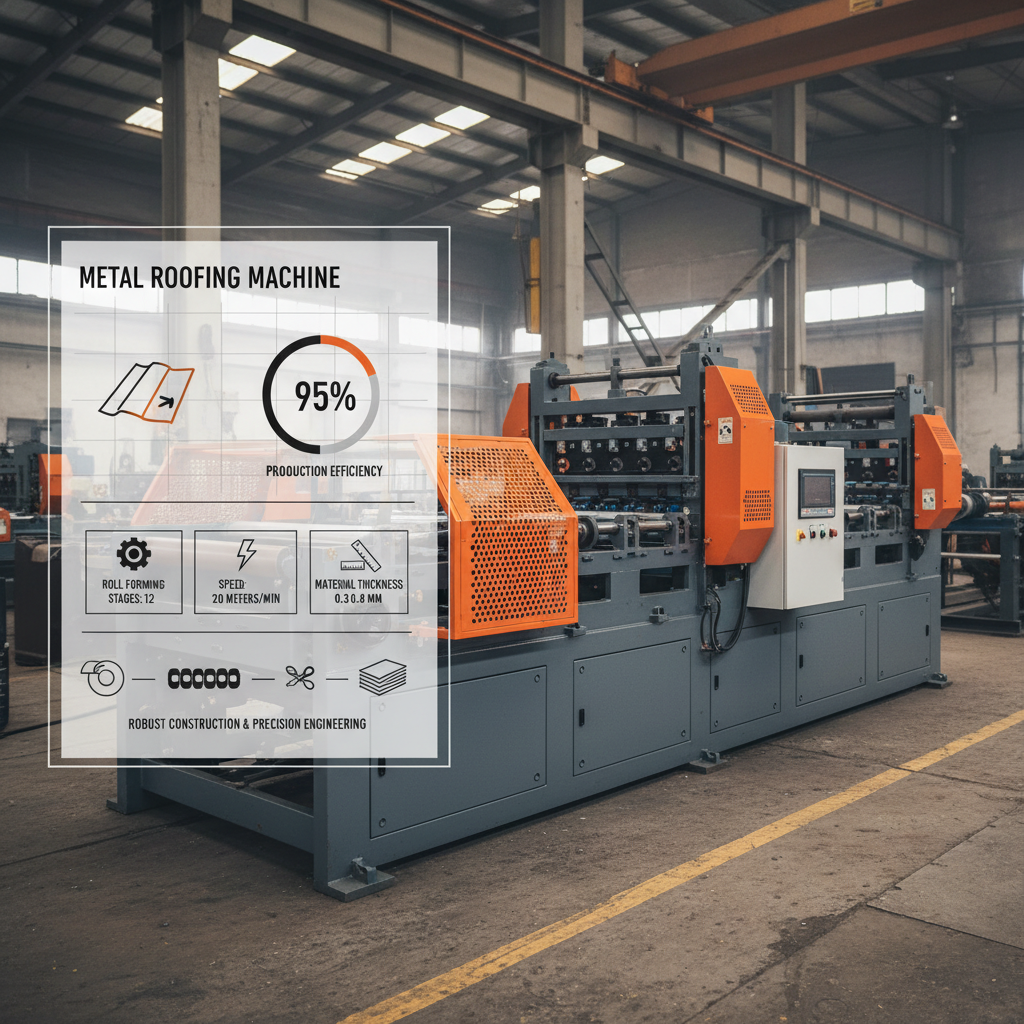
A high-performance metal roofing machine isn’t a single entity but a carefully orchestrated system. The uncoiler, a crucial first step, smoothly feeds the metal coil into the machine, preventing kinks and ensuring consistent tension. Following this is the roll forming section, comprising a series of contoured rollers that progressively shape the metal into the desired profile.
Next comes the cutting station, employing shear blades to precisely cut the formed panels to the required length. Many modern machines incorporate automated punching stations to create fastening holes, streamlining the installation process. Finally, the control system, often based on PLC technology, manages all these functions, ensuring synchronized operation and consistent product quality.
Performance Metrics of Leading metal roofing machine Models
Real-World Applications of metal roofing machine
Metal roofing machines are employed across a vast spectrum of construction projects. In the residential sector, they provide efficient production of roofing panels for new homes and renovations. Commercial applications include the roofing of warehouses, factories, and retail spaces, where durability and low maintenance are paramount.
Beyond typical building projects, these machines play a critical role in disaster relief efforts. Rapidly deployable metal roofing solutions can provide immediate shelter in the aftermath of hurricanes, earthquakes, or other natural disasters. Furthermore, the versatility of metal roofing machines allows for the creation of specialized roofing profiles tailored to unique architectural designs.
Advantages and Long-Term Value of metal roofing machine
Investing in a metal roofing machine offers a multitude of benefits. Cost efficiency is a key factor, as automated production significantly reduces labor costs and material waste. The durability of metal roofing translates to lower life-cycle costs for building owners, minimizing the need for frequent repairs or replacements.
Furthermore, metal roofing is a sustainable choice, often made from recycled materials and fully recyclable at the end of its lifespan. This aligns with growing environmental concerns and can contribute to LEED certification for building projects. The enhanced safety provided by metal roofing, due to its fire resistance and structural integrity, adds another layer of value.
The long-term value proposition stems not only from economic savings but also from the peace of mind knowing that the structure is protected by a durable, reliable, and environmentally responsible roofing system.
Future Trends in metal roofing machine Technology
The future of metal roofing machine technology is being shaped by several key trends. Automation is advancing, with the integration of robotics and AI to optimize production processes and minimize human error. Digital transformation is enabling real-time monitoring of machine performance and predictive maintenance, reducing downtime and maximizing efficiency.
Sustainable manufacturing practices are gaining prominence, with a focus on energy efficiency and the use of eco-friendly materials. The development of new metal alloys and coating technologies is expanding the range of roofing profiles and enhancing their performance characteristics. Furthermore, integration with Building Information Modeling (BIM) software is streamlining the design and fabrication process.
These advancements promise to deliver even more efficient, sustainable, and cost-effective metal roofing solutions, further solidifying the industry’s position as a leader in the construction materials sector.
Summary of Emerging Innovations in metal roofing machine Technology
| Innovation Category |
Description |
Impact on metal roofing machine Efficiency |
Implementation Cost (1-10) |
| AI-Powered Optimization |
Utilizing artificial intelligence to analyze production data and optimize machine settings. |
Improved material utilization, reduced waste, and increased production speed. |
7 |
| Remote Diagnostics |
Enabling remote monitoring and troubleshooting of machine performance. |
Reduced downtime, faster repairs, and minimized maintenance costs. |
5 |
| Advanced Sensor Integration |
Incorporating sensors to monitor key parameters like metal thickness and tension. |
Enhanced product quality, reduced defects, and improved consistency. |
6 |
| Automated Material Handling |
Implementing robotic systems to automate the loading and unloading of metal coils. |
Reduced labor costs, increased safety, and improved production flow. |
8 |
| Sustainable Coating Technologies |
Utilizing eco-friendly coatings that reduce environmental impact. |
Enhanced sustainability, improved product appeal, and compliance with environmental regulations. |
4 |
| BIM Integration |
Seamlessly integrating metal roofing machine data with Building Information Modeling platforms. |
Streamlined design and fabrication, reduced errors, and improved project coordination. |
7 |
FAQS
The lifespan of a metal roofing machine largely depends on maintenance and the quality of its components. However, with regular servicing—including lubrication, inspection of rollers, and software updates—a well-built machine can reliably operate for 15-20 years, or even longer. Factors like production volume and the type of metal processed also influence longevity. Choosing a reputable manufacturer with readily available spare parts is vital for extending the machine's life.
The cost of a metal roofing machine varies significantly based on its capacity, automation level, and features. Entry-level, manual machines can start around $50,000, while fully automated, high-capacity machines can exceed $500,000. Factors such as the thickness and type of metal the machine can process, the complexity of the profiles it can create, and the inclusion of features like automatic stacking also influence the price. Ongoing maintenance and operating costs should also be factored into the overall budget.
Regular maintenance is critical for ensuring optimal performance and extending the lifespan of a metal roofing machine. This includes daily lubrication of moving parts, regular inspection of rollers for wear and tear, and periodic cleaning of the machine to remove metal shavings and debris. Software updates and calibration checks are also important. Preventive maintenance schedules should be established and followed diligently, with more comprehensive servicing performed annually.
Operating a metal roofing machine requires strict adherence to safety protocols. Workers should always wear appropriate personal protective equipment (PPE), including safety glasses, gloves, and hearing protection. Emergency stop buttons should be readily accessible, and operators should be thoroughly trained on proper machine operation and safety procedures. Regular safety inspections and risk assessments should be conducted to identify and mitigate potential hazards.
Most metal roofing machines are designed to process a variety of metal types, including galvanized steel, galvalume steel, aluminum, and even copper. The specific gauge (thickness) of the metal the machine can handle depends on its design and capabilities. It's essential to ensure that the chosen machine is compatible with the intended metal type and gauge to achieve optimal results and avoid damage to the machine.
Choosing the right machine requires careful consideration of your specific requirements. Assess your production volume, the types of roofing profiles you need to create, your budget, and available floor space. Consider the level of automation required and the availability of after-sales support and spare parts. Consult with reputable manufacturers and request demonstrations to evaluate machine performance and ensure it meets your operational needs.
Conclusion
In conclusion, metal roofing machines are not merely pieces of equipment; they are fundamental components of modern construction and sustainable building practices. Their ability to efficiently produce durable, weather-resistant roofing materials addresses critical needs in a rapidly changing world, from providing shelter in disaster-prone areas to contributing to environmentally responsible building projects. As technology continues to evolve, these machines will undoubtedly play an increasingly important role in shaping the future of the built environment.
Looking ahead, investing in advanced metal roofing machine technology is a strategic move for any construction-related business. The combination of increased efficiency, reduced costs, and enhanced sustainability offers a compelling value proposition. To learn more about our range of machines and how we can help you optimize your roofing production, visit our website today.