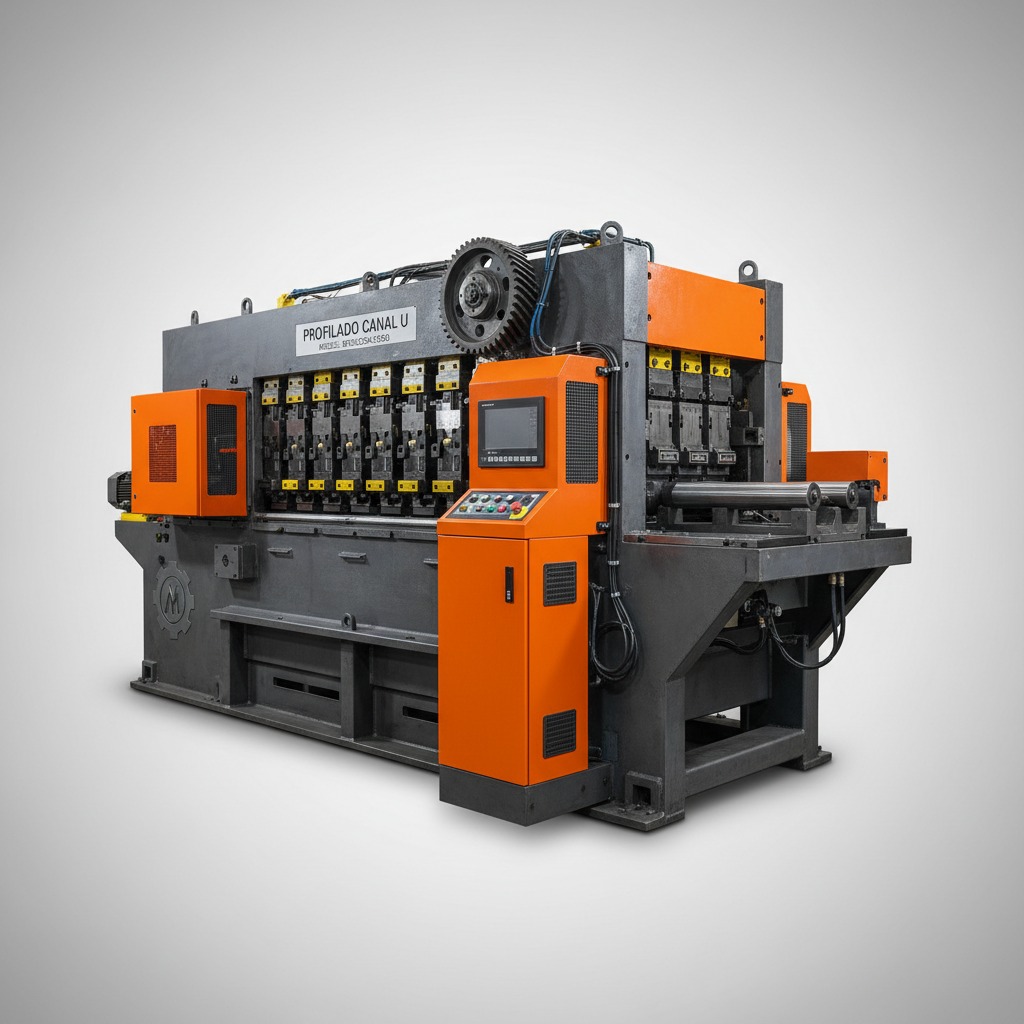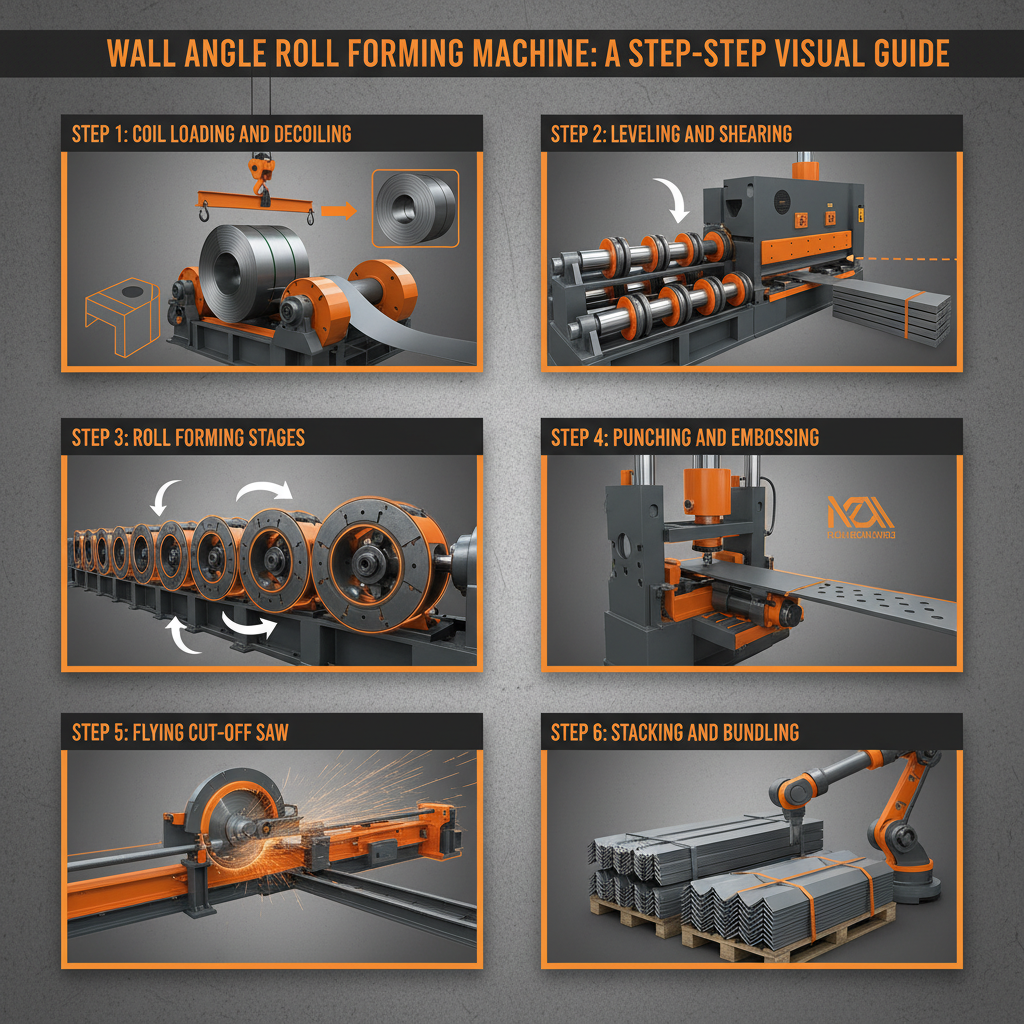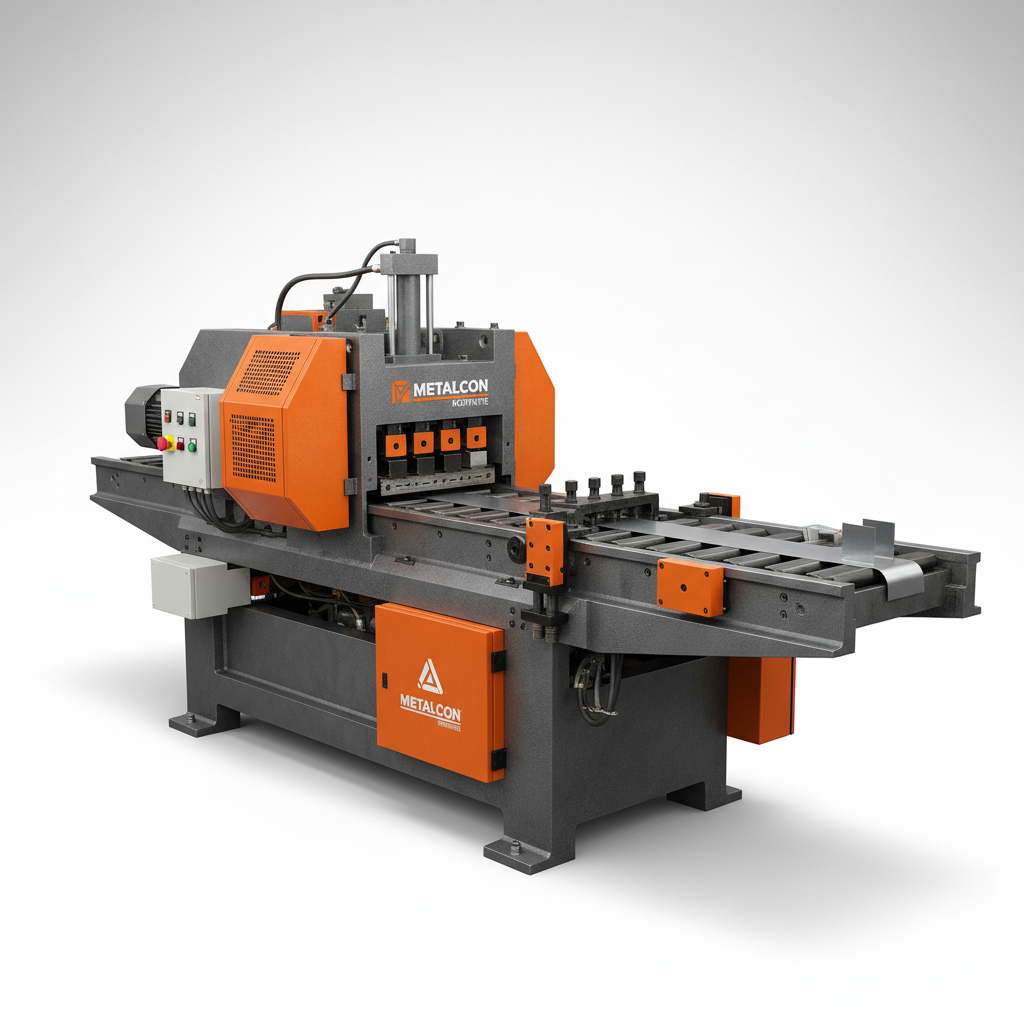
You know, I’ve been running around construction sites for, well, too many years to count. Lately, everyone’s talking about prefabrication, modular construction, and all that jazz. And at the heart of a lot of it? Steel stud roll forming machines. It’s not exactly glamorous, but it's fundamental. To be honest, the demand's gone through the roof. Everyone wants speed, efficiency…and frankly, less reliance on finding skilled labor.
I’ve seen a lot of machines come and go, and what always strikes me is how many companies fall into the same traps with design. They overcomplicate things. They try to build something that’s ‘everything to everyone’ and end up with a clunky, unreliable machine. Simplicity, that’s what I always tell the engineers. Simple, robust, and easy to maintain. You want something that can take a beating on a job site, not a delicate flower.
And it all starts with the steel, right? We mostly work with Q235 and Q345 – decent stuff. Q235 smells like…well, steel. A sort of metallic tang. It’s manageable, bends without too much fuss. Q345 is a bit tougher, needs a bit more force, but it holds its shape better. I've encountered this at a factory in Tianjin last time, they were using some cheap import steel and the whole thing was a disaster. Kept buckling under pressure. You can feel the difference in quality, believe me.
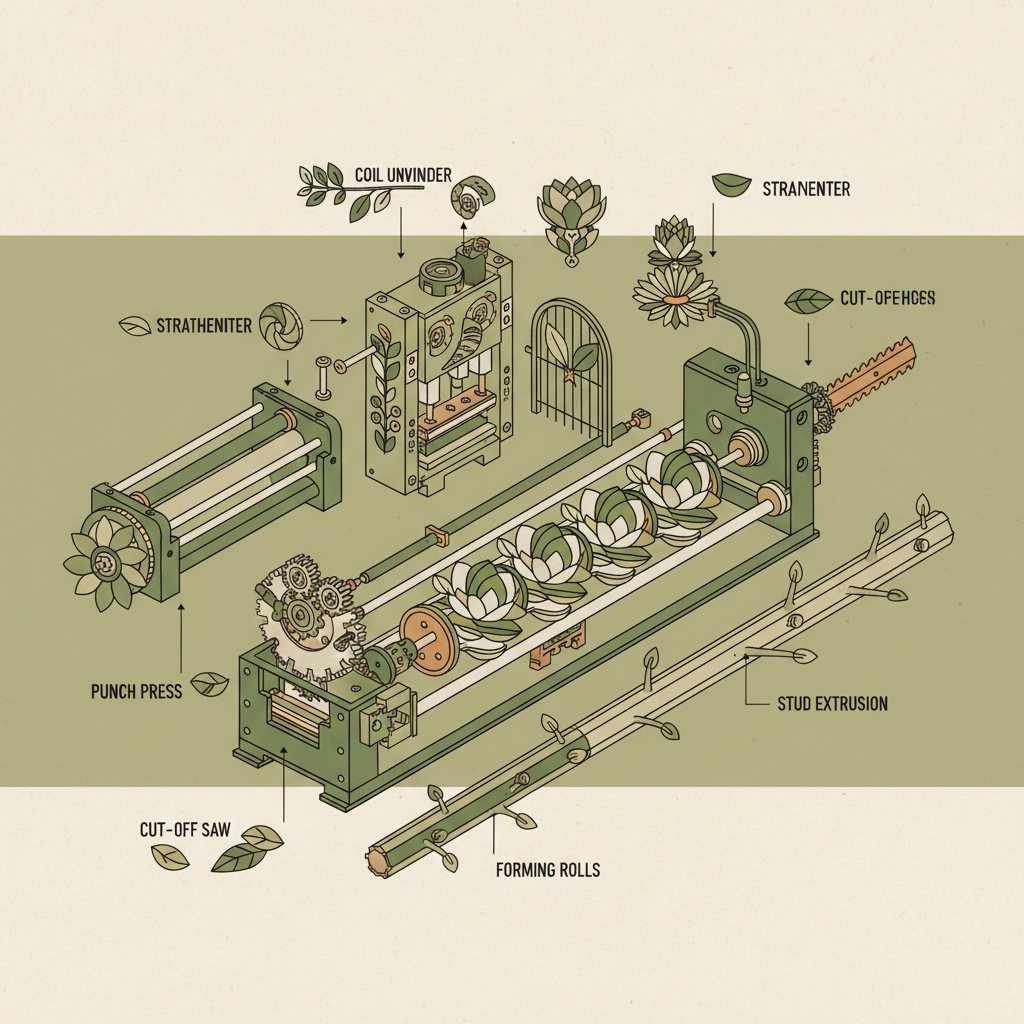
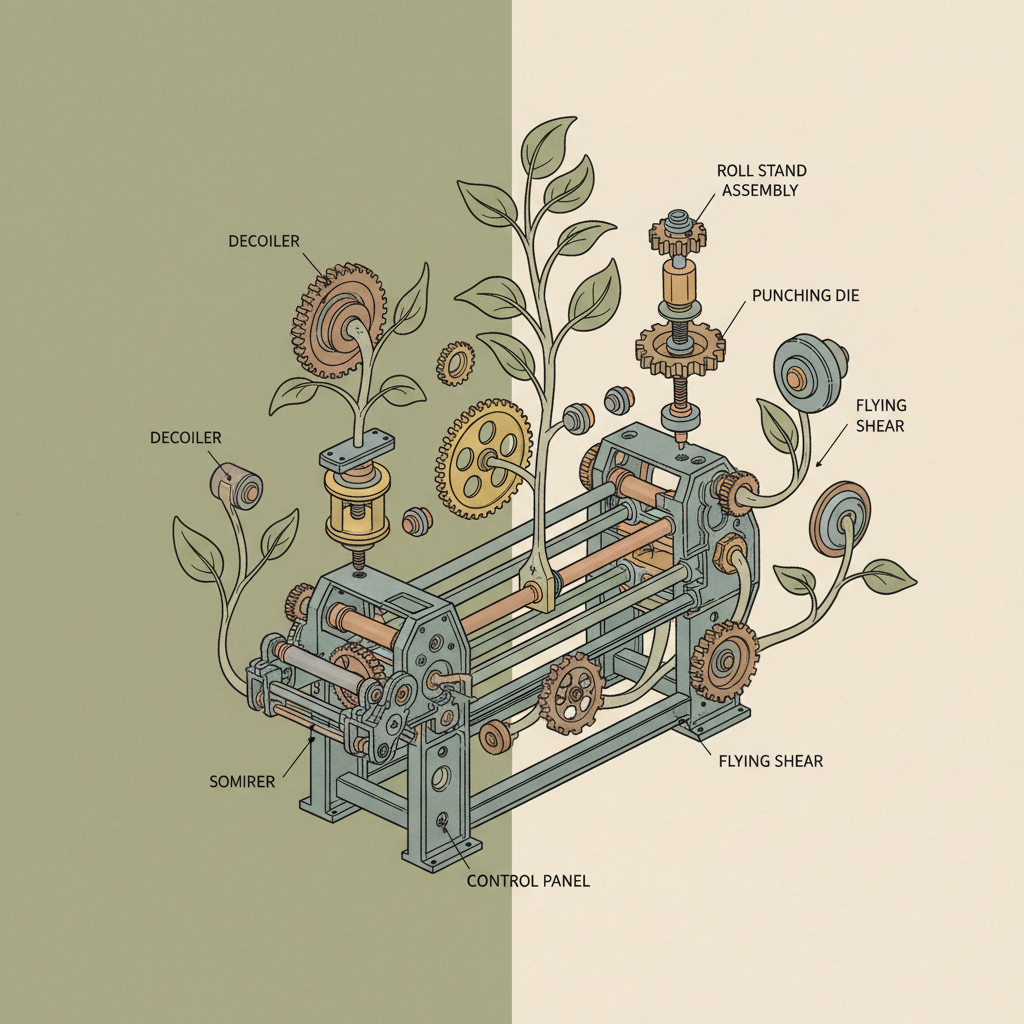
Have you noticed how much faster everything needs to be now? Construction timelines are shrinking, budgets are tighter, and everyone's scrambling for solutions. That's where these machines really shine. It’s not just about speed though. It’s about consistency. A machine can produce studs to the exact same specifications, day in and day out. Try getting a crew to do that manually!
The biggest drivers right now are the affordable housing crisis and the need for rapid deployment in disaster relief. Seriously, the demand is insane. Plus, with skilled tradespeople becoming harder to find, companies are looking for ways to automate and reduce their reliance on specialized labor. It’s a perfect storm, really.
That really depends on your production volume and the price of steel, but generally, you're looking at 18-36 months. It's not a quick return, but the long-term savings on labor and material waste usually make it worthwhile. It’s about the efficiency – less reliance on manual labor and more consistent output. But, honestly, if you're only running a small shop, it might take longer to see a return.
Regular maintenance is key. You’ll need to lubricate the rollers and bearings, check the alignment, and inspect the cutting blades. It’s not overly complicated, but it needs to be done consistently. A good operator will know what to look for. Neglect it, and you'll be looking at downtime and expensive repairs. I'd say budget at least a couple of hours a week for maintenance.
You’ll need to train operators on machine setup, operation, and basic maintenance. Safety is paramount, of course. They need to understand the potential hazards and how to avoid them. We usually offer a week-long training course that covers all the essentials. It's not rocket science, but it’s important to get it right.
Absolutely. Most machines can be adjusted to handle a range of steel gauges, but you'll want to specify your needs upfront. Thicker gauges require more powerful rollers and a more robust frame. We’ll work with you to configure the machine to meet your specific requirements. But don't just assume it can handle anything.
They're not silent, let's put it that way. The rolling process generates a fair amount of noise. We recommend providing hearing protection for operators. Some machines have enclosures to help reduce noise levels, but that adds to the cost. It’s something to consider if you’re operating in a sensitive environment.
Honestly? Material alignment is a big one. Get that wrong, and you'll have a whole lot of scrap. Roller wear is also common, especially with abrasive materials. And of course, the control system can sometimes be finicky. But a little preventative maintenance can go a long way toward avoiding these problems.
So, there you have it. Steel stud roll forming machines – they’re not glamorous, but they’re essential. They’re driving efficiency, reducing costs, and enabling faster construction. They're becoming increasingly important in a world that demands speed and affordability.
Ultimately, whether this thing works or not, the worker will know the moment he tightens the screw. But, you know, if you're looking for a reliable machine that'll get the job done, give us a shout. Visit our website: www.lwrollformingmachine.com