The realm of construction is constantly evolving, demanding innovative and efficient solutions. Central to this evolution is the metal stud machine, a vital component in modern building practices. These machines play a critical role in producing the structural framework for a vast array of buildings, ranging from residential homes to large-scale commercial complexes. Understanding the nuances of these machines—their capabilities, applications, and future trajectory—is paramount for professionals across the construction industry, architects, engineers, and even policymakers shaping building codes and sustainability standards.
Globally, the demand for efficient construction methods is surging, driven by rapid urbanization and a growing need for affordable housing. According to the UN, 68% of the world’s population is projected to live in urban areas by 2050, putting immense pressure on construction industries worldwide. The World Bank highlights the crucial role of infrastructure development in economic growth, with construction representing a significant portion of GDP in many nations. The metal stud machine directly addresses this challenge by enabling faster, more cost-effective, and more sustainable construction processes.
The increasing focus on sustainable building practices, spurred by ISO standards and international agreements, further elevates the importance of metal stud framing. These machines facilitate the use of lightweight steel, a recyclable material that reduces waste and lowers the carbon footprint of construction projects. Consequently, advancements in metal stud machine technology are no longer merely about efficiency, but also about contributing to a more sustainable future for the built environment.
Introduction to metal stud machine
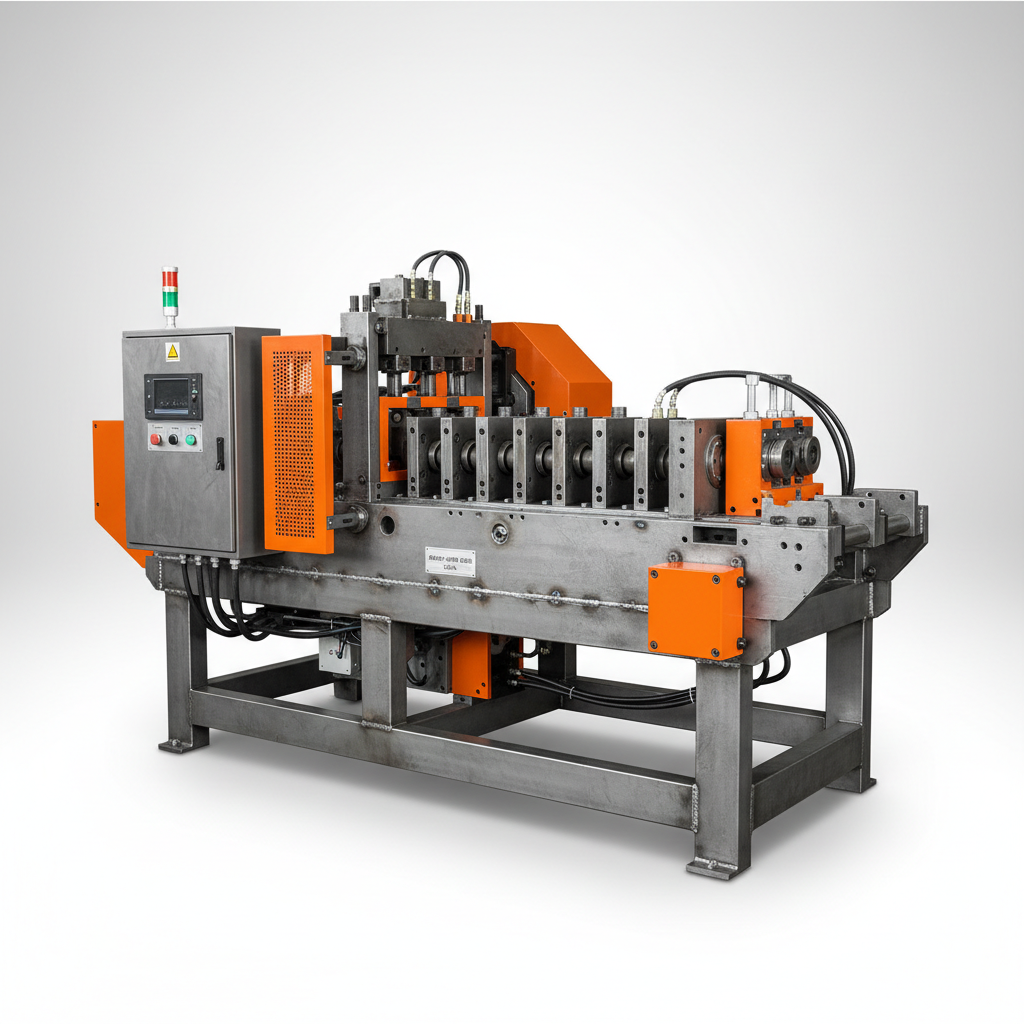
A metal stud machine is fundamentally a specialized piece of manufacturing equipment designed to continuously bend sheet metal into pre-determined shapes, specifically the studs used in light-gauge steel framing. This automated process significantly accelerates construction timelines compared to traditional wood framing methods.
The increasing adoption of light-gauge steel framing, and consequently, the demand for efficient metal stud machines, is rooted in several advantages. These include the material’s superior strength-to-weight ratio, fire resistance, termite resistance, and dimensional stability. These features are particularly valuable in regions prone to natural disasters or facing challenges with timber availability.
Defining the metal stud machine
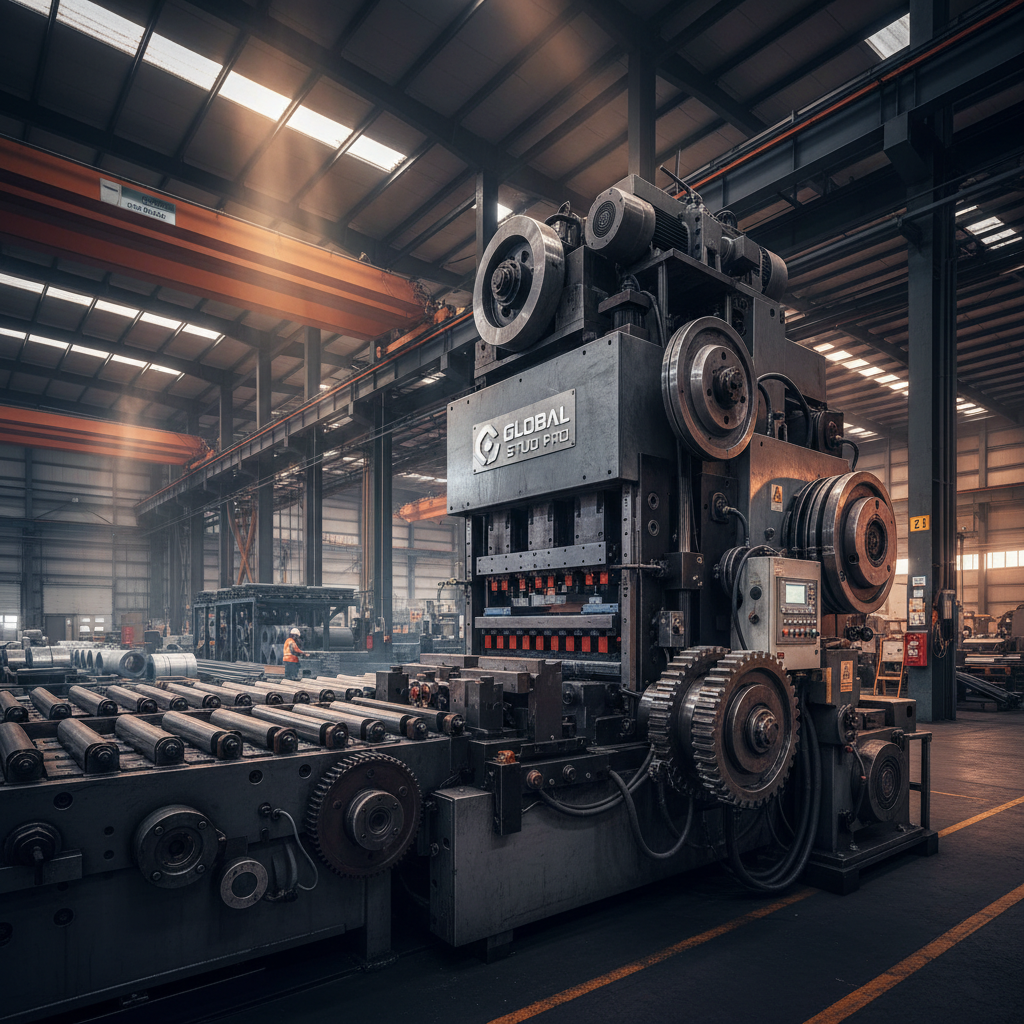
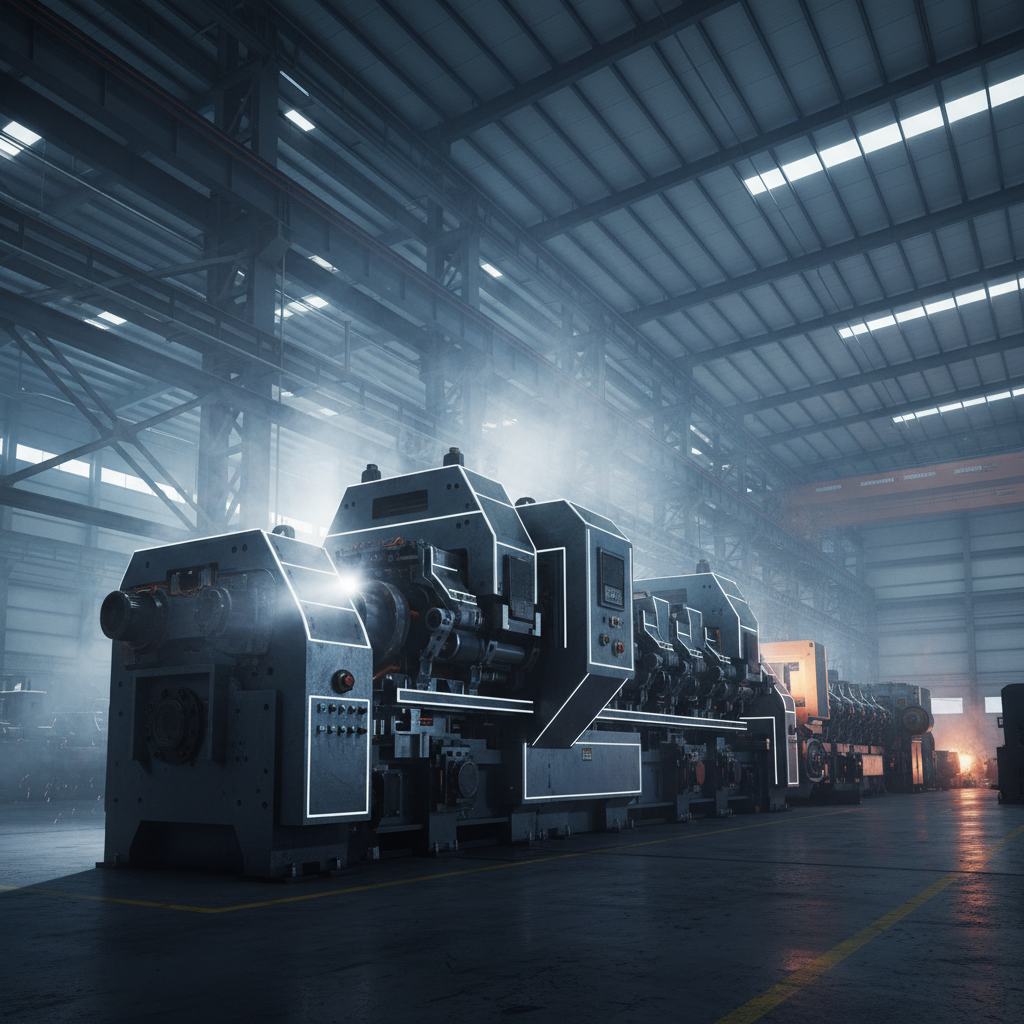
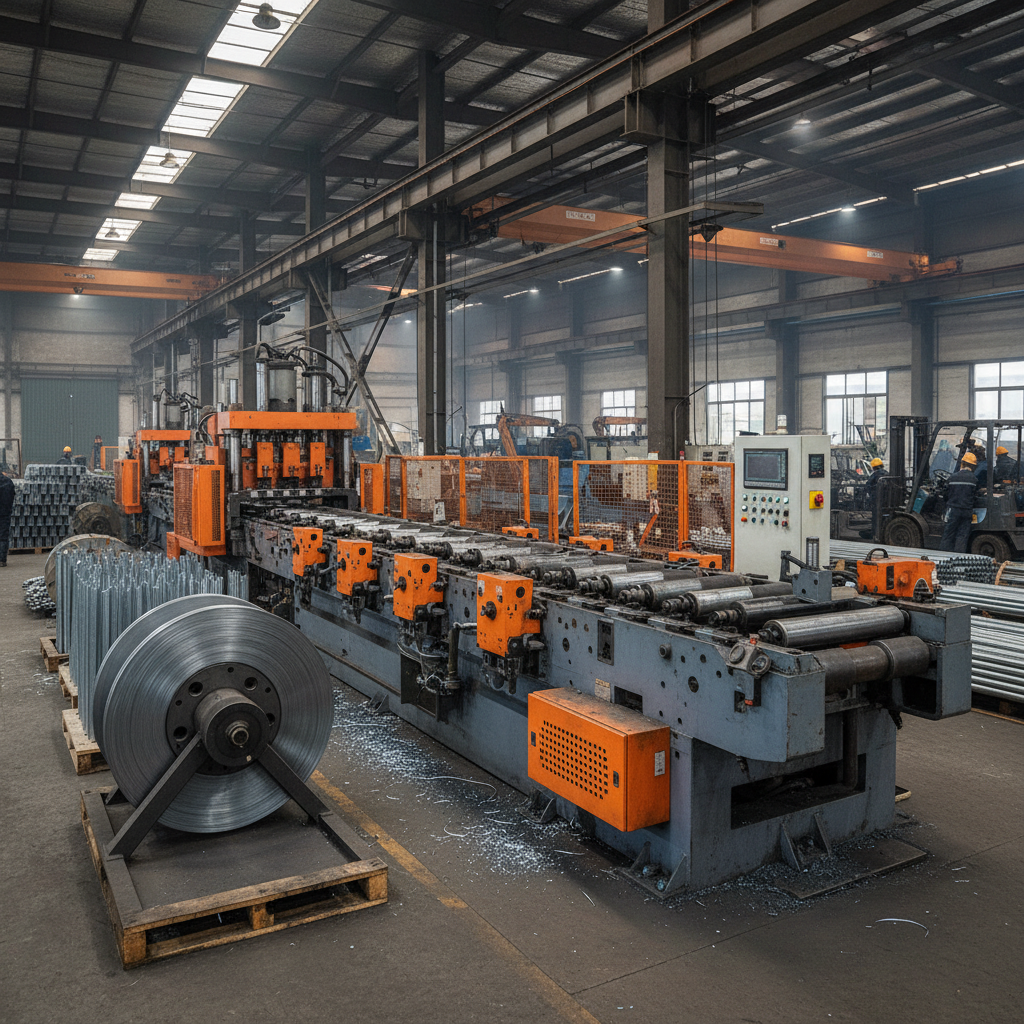
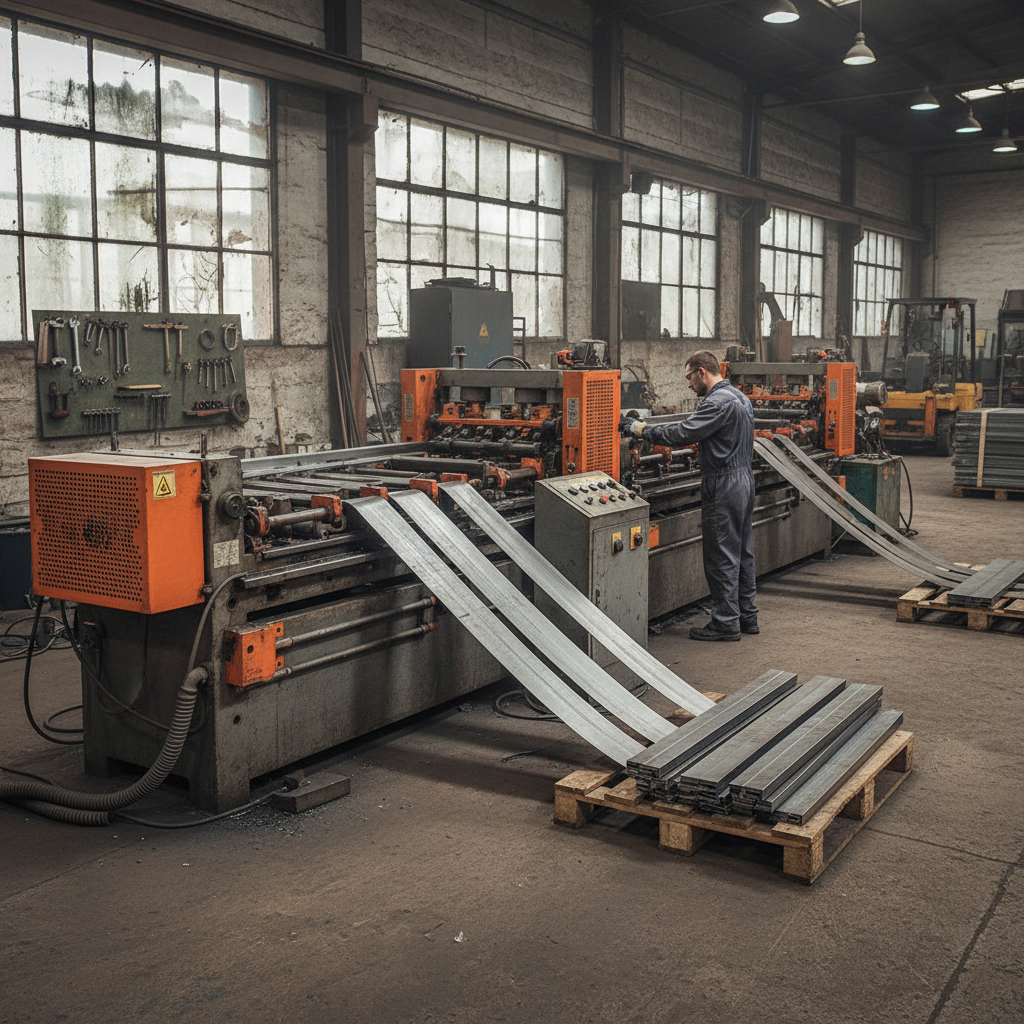
At its core, a metal stud machine is a roll forming machine specifically adapted for the production of light-gauge steel components used in wall framing, floor joists, and roof trusses. The machine takes a flat coil of steel and passes it through a series of rollers, each incrementally shaping the metal until it emerges as the desired stud profile.
Unlike traditional cutting and assembly processes, a metal stud machine offers continuous production, minimizing material waste and labor costs. This efficiency makes it an indispensable tool in modern construction, particularly for projects requiring repetitive stud lengths and consistent quality.
The connection to modern industry and humanitarian needs is significant. Rapid deployment housing, disaster relief shelters, and affordable housing initiatives all benefit from the speed and efficiency offered by these machines, providing safe and durable structures in a fraction of the time compared to conventional building methods.
Core Components of a metal stud machine
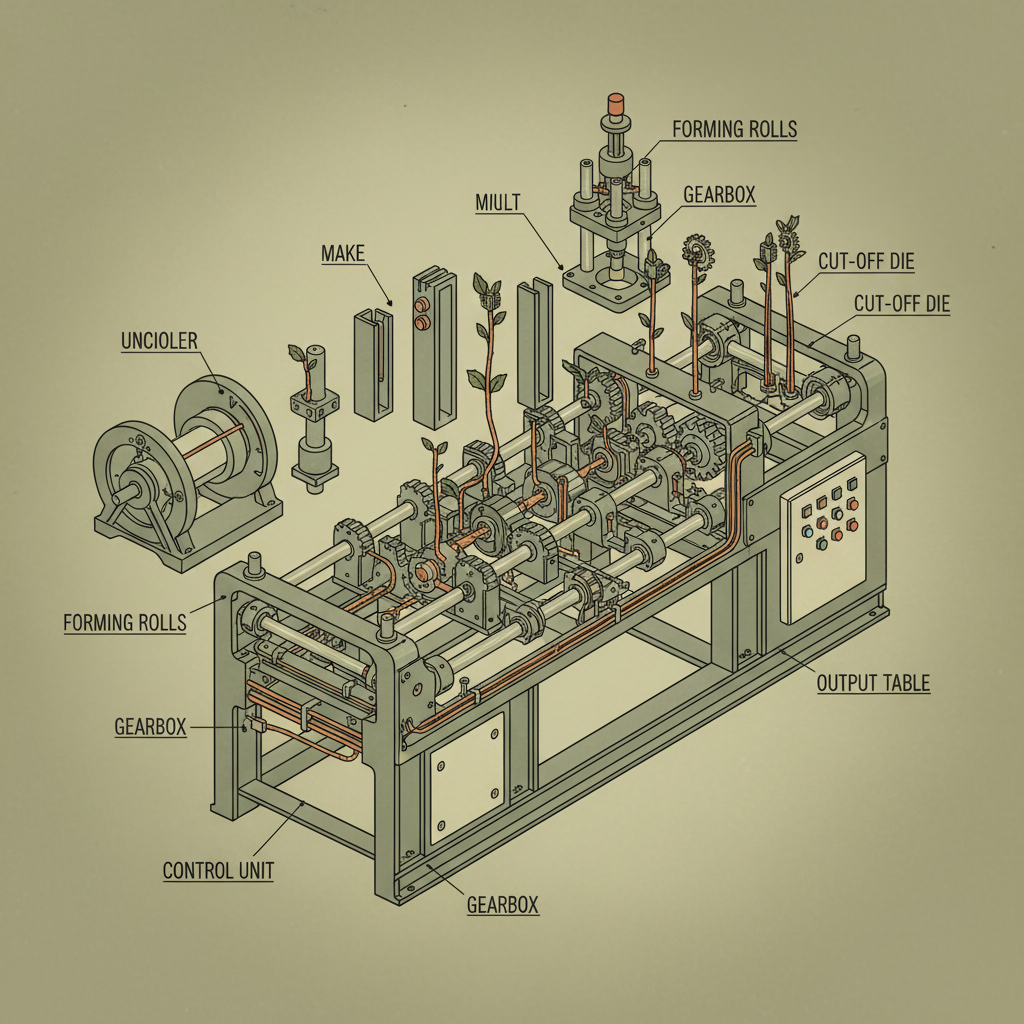
A typical metal stud machine consists of several key components working in concert. These include an uncoiler, which feeds the steel coil into the machine; a leveling system to ensure consistent material thickness; a roll forming section with a series of precisely engineered rollers; a cutting mechanism to shear the metal to the desired length; and a stacking or conveying system to handle the finished studs.
The control system, often PLC-based, is another vital component, allowing for precise adjustments to the roll forming parameters, cutting length, and overall production speed. Advanced machines incorporate automated gauging systems to monitor material thickness and ensure consistent product quality. The quality of the steel used and the precision of the rollers directly impact the strength and dimensional accuracy of the finished studs.
Further components can include embossing units to add features for screw holding, and punch units for creating knock-outs for electrical wiring or plumbing. The overall design and configuration of a metal stud machine are tailored to the specific stud profiles and production requirements of the user.
Key Benefits and Advantages of metal stud machine
The advantages of employing a metal stud machine are multifaceted. Firstly, they offer significantly increased production speed and efficiency compared to manual methods, leading to reduced labor costs and faster project completion.
Secondly, the precision of the roll forming process results in consistent stud dimensions, ensuring a higher quality build and minimizing waste. This precision also allows for optimized material usage, further reducing costs and environmental impact.
metal stud machine Performance Metrics
Global Applications of metal stud machine
The applications of metal stud machines are incredibly diverse. They are extensively used in residential construction, creating the framework for walls, floors, and roofs in both single-family homes and multi-story apartment buildings.
Commercial construction also heavily relies on metal stud framing for office buildings, retail spaces, and industrial facilities. Furthermore, these machines play a critical role in the construction of specialized structures such as hospitals, schools, and warehouses, where fire resistance and structural integrity are paramount. In post-disaster relief operations, portable metal stud machines can be deployed rapidly to produce emergency shelters and rebuilding materials.
Long-Term Value and Sustainability of metal stud machine
The long-term value of investing in a metal stud machine extends beyond immediate cost savings. The durability and longevity of steel framing, combined with the machine’s ability to produce consistent, high-quality studs, contribute to a building's overall lifespan and reduce maintenance costs.
From a sustainability perspective, the use of recycled steel and the minimization of construction waste align with growing environmental concerns. Metal stud framing offers a significantly lower carbon footprint compared to traditional wood framing, contributing to greener building practices and LEED certification. This aligns with the growing demand for sustainable and eco-friendly construction methods.
The inherent fire resistance of steel framing enhances building safety, providing occupants with increased protection and peace of mind. This safety aspect, coupled with the material’s resistance to pests and decay, translates into a more reliable and durable structure, making it a worthwhile long-term investment.
Future Trends in metal stud machine Technology
The future of metal stud machine technology is poised for significant advancements. Automation and robotics are being integrated to further enhance production efficiency and reduce labor requirements. Artificial intelligence (AI) is being employed to optimize roll forming parameters and predict maintenance needs, minimizing downtime and maximizing machine lifespan.
Digitalization is also playing a crucial role, with the development of cloud-based monitoring systems that allow for remote control and data analysis. These systems enable real-time adjustments to production processes and provide valuable insights into machine performance.
Furthermore, research into new steel alloys and coating technologies is focused on enhancing corrosion resistance and improving the material’s overall durability. This continuous innovation ensures that metal stud framing remains a competitive and sustainable building solution.
Key Performance Indicators for metal stud machine Operation
| Operating Parameter |
Measurement Unit |
Target Range |
Impact on Quality |
| Roll Forming Speed |
meters/minute |
15-30 |
Affects production rate and potential for deformation |
| Steel Coil Thickness |
millimeters |
0.75-1.2 |
Determines stud strength and compliance with standards |
| Cutting Accuracy |
millimeters |
+/- 0.5 |
Ensures proper fit and alignment during construction |
| Machine Uptime |
percentage |
95% or higher |
Maximizes production output and minimizes downtime |
| Material Waste Rate |
percentage |
Less than 2% |
Reduces material costs and environmental impact |
| Stud Straightness |
millimeters |
Deviation < 1mm |
Affects structural integrity and ease of installation |
FAQS
Light-gauge steel studs offer several advantages over wood, including superior strength-to-weight ratio, fire resistance, termite resistance, and dimensional stability. They don't warp or rot like wood, reducing long-term maintenance costs. Furthermore, steel is recyclable, making it a more sustainable building material. Metal stud machines enable efficient and precise production of these studs, accelerating construction timelines.
Modern metal stud machines are highly automated, significantly reducing the need for manual labor in stud production. This translates into lower labor costs and increased production efficiency. The continuous roll forming process minimizes material waste and allows for consistent product quality. Automated gauging systems and PLC controls further optimize performance and minimize downtime.
Regular maintenance is crucial for a metal stud machine. This includes lubrication of moving parts, inspection and replacement of worn rollers, cleaning of the machine, and calibration of the cutting mechanism. Preventative maintenance schedules, guided by the manufacturer’s recommendations, help minimize downtime and ensure consistent product quality. Regular inspection of the control system is also vital.
Most metal stud machines are versatile and can produce a variety of stud profiles, including C-studs, U-studs, and hat channels. The specific profiles that can be produced depend on the design of the roll forming tooling. Changing the tooling allows the machine to adapt to different project requirements and produce studs of varying widths and depths.
Safety is paramount when operating a metal stud machine. Operators should wear appropriate personal protective equipment (PPE), including safety glasses, gloves, and steel-toe boots. Emergency stop buttons should be readily accessible and regularly tested. Guards and safety interlocks should be in place and functioning correctly to prevent access to moving parts. Proper training on machine operation and safety procedures is essential.
While the initial investment in a metal stud machine is significant, the long-term costs are often lower than those associated with traditional wood framing. The machine’s efficiency reduces labor costs, minimizes material waste, and provides a faster return on investment. Furthermore, the durability and low maintenance of steel framing contribute to long-term cost savings.
Conclusion
In conclusion, the metal stud machine represents a cornerstone of modern construction. Its capacity to efficiently and sustainably produce high-quality steel studs addresses the growing global demands for faster, more cost-effective, and environmentally responsible building practices. From residential projects to large-scale commercial developments and disaster relief efforts, this technology delivers tangible benefits across diverse applications.
Looking ahead, continued innovation in automation, digitalization, and material science will further enhance the capabilities of metal stud machines. Investing in this technology is not merely about improving construction efficiency; it is about building a more sustainable, resilient, and secure future for the built environment. To learn more about our cutting-edge metal stud machine solutions, visit our website today: www.lwrollformingmachine.com