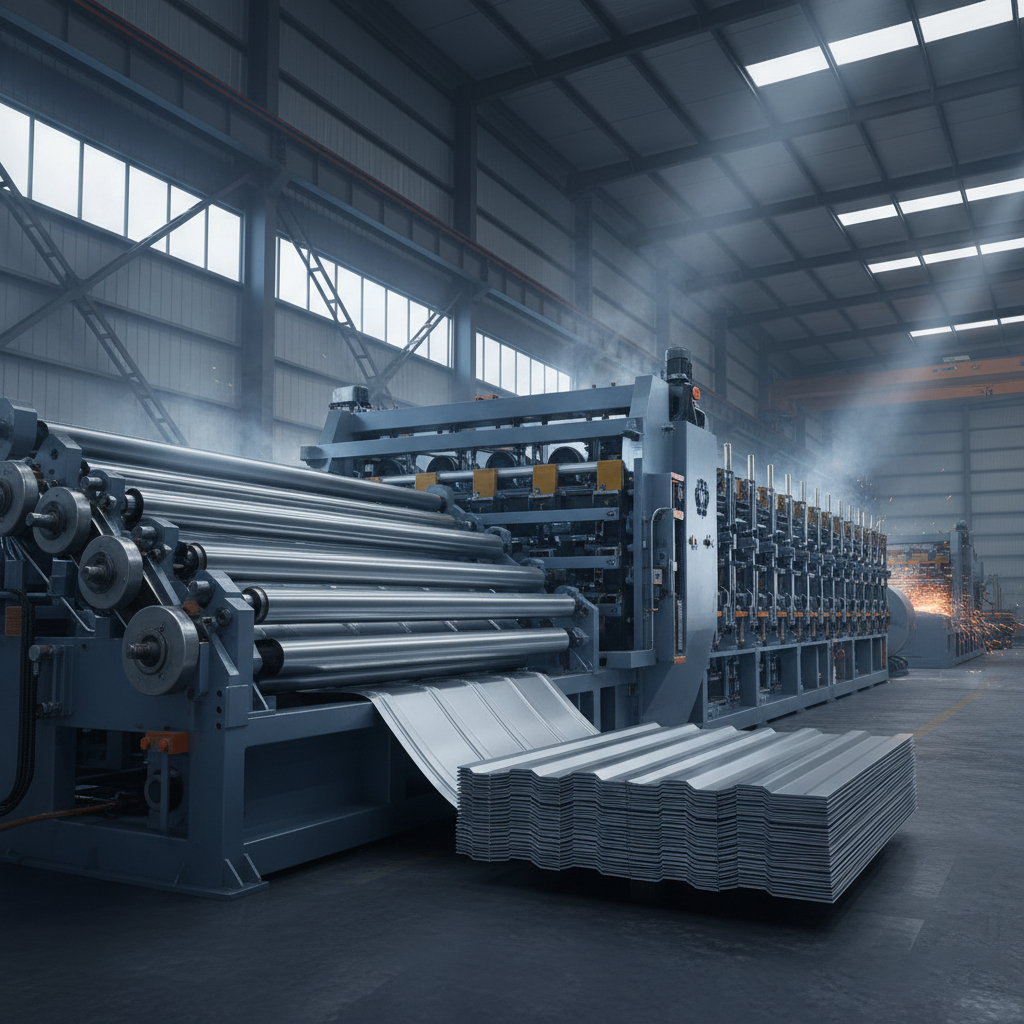
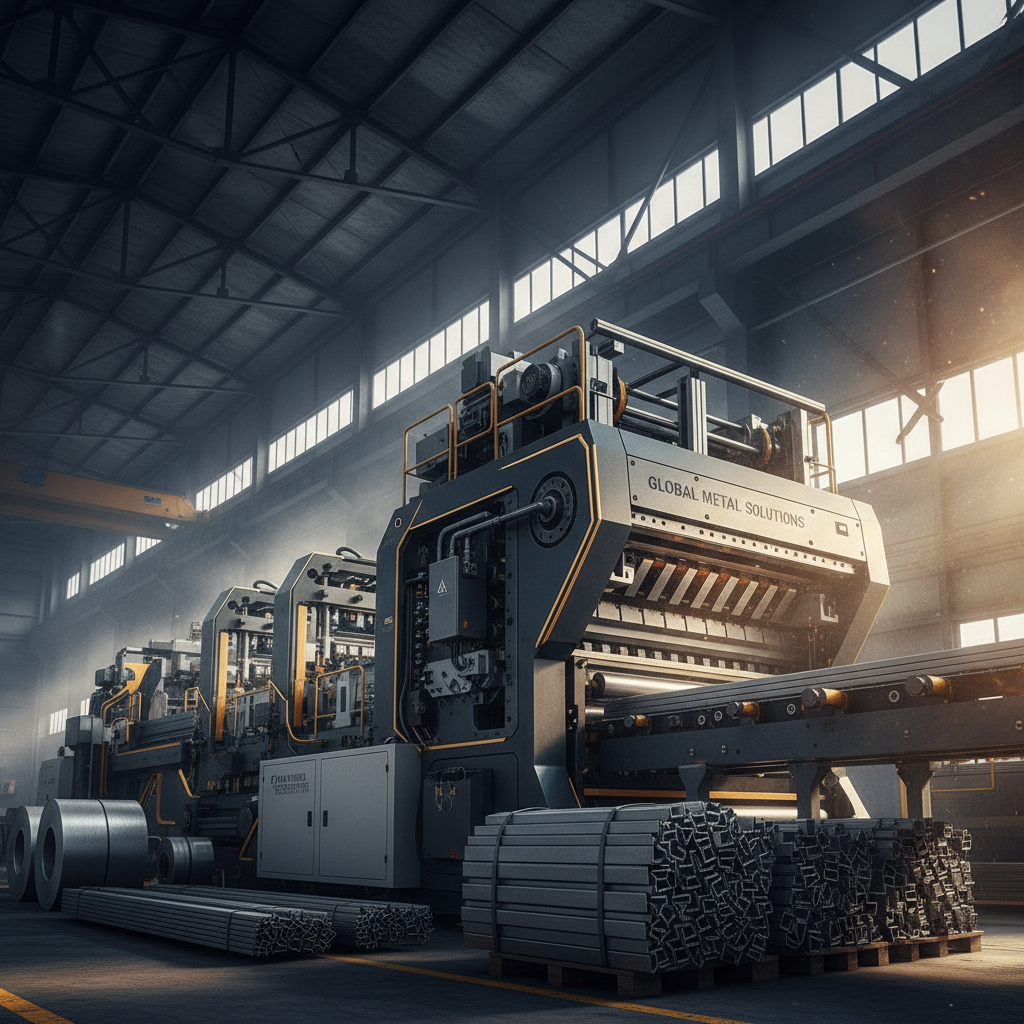
You know, lately everyone's talking about prefabrication. It's not exactly new, but the push for speed and cost savings... it's getting serious. Everyone wants everything faster, cheaper, and stronger. And honestly, that puts a lot of pressure on things like metal stud roll forming machines. It used to be, a simple frame was good enough. Now? Everything needs to be precisely measured, perfectly aligned, and capable of withstanding… well, everything.
I’ve been on sites where they’re trying to push these machines to their absolute limit. It’s a race against the clock, and sometimes corners get cut. That's where things get interesting, and sometimes... messy. It's not just about the machine itself, it's about the whole workflow. How the material is fed, how the finished studs are handled, even the humidity in the air can throw things off. I saw a whole shipment warped last summer because of that humidity. A whole shipment!
And let me tell you, there's a lot of variation in the steel itself. You think it's all the same, right? Wrong. I encountered this at a factory in Tianjin last time – different batches, different smells even. Some are oily, some are dry, some feel… fragile. It’s a constant battle to ensure consistency. It really is.
The Current Landscape of metal stud roll forming machine
To be honest, the biggest trend right now is automation. Everyone wants less manual labor. And that means more sophisticated machines, more sensors, and more reliance on software. But strangely, a lot of the guys on site still prefer a hands-on approach. They trust their own eyes and feel, and sometimes they're right to do so. These machines, they’re getting faster and more precise, that’s for sure. But they still need a skilled operator who understands the material and the process.
The demand for these machines is global, especially in developing countries where construction is booming. I’ve been getting calls from all over Southeast Asia lately. They're trying to build infrastructure quickly and efficiently, and metal stud framing is a big part of that. It’s a competitive market though, and manufacturers are constantly trying to innovate and offer better value.
Common Pitfalls in Design
Have you noticed how many designs are over-engineered? They try to make everything so complex that it becomes unreliable. Simple is often better, especially on a construction site. I’ve seen machines with so many moving parts that they’re constantly breaking down. And then you’re stuck trying to find replacement parts in the middle of nowhere. It’s a nightmare.
Another common mistake is neglecting the ease of maintenance. These machines get dirty, they get dusty, and they need to be regularly serviced. If it’s a pain to access key components, nobody’s going to bother. And then, inevitably, something will fail at the worst possible moment.
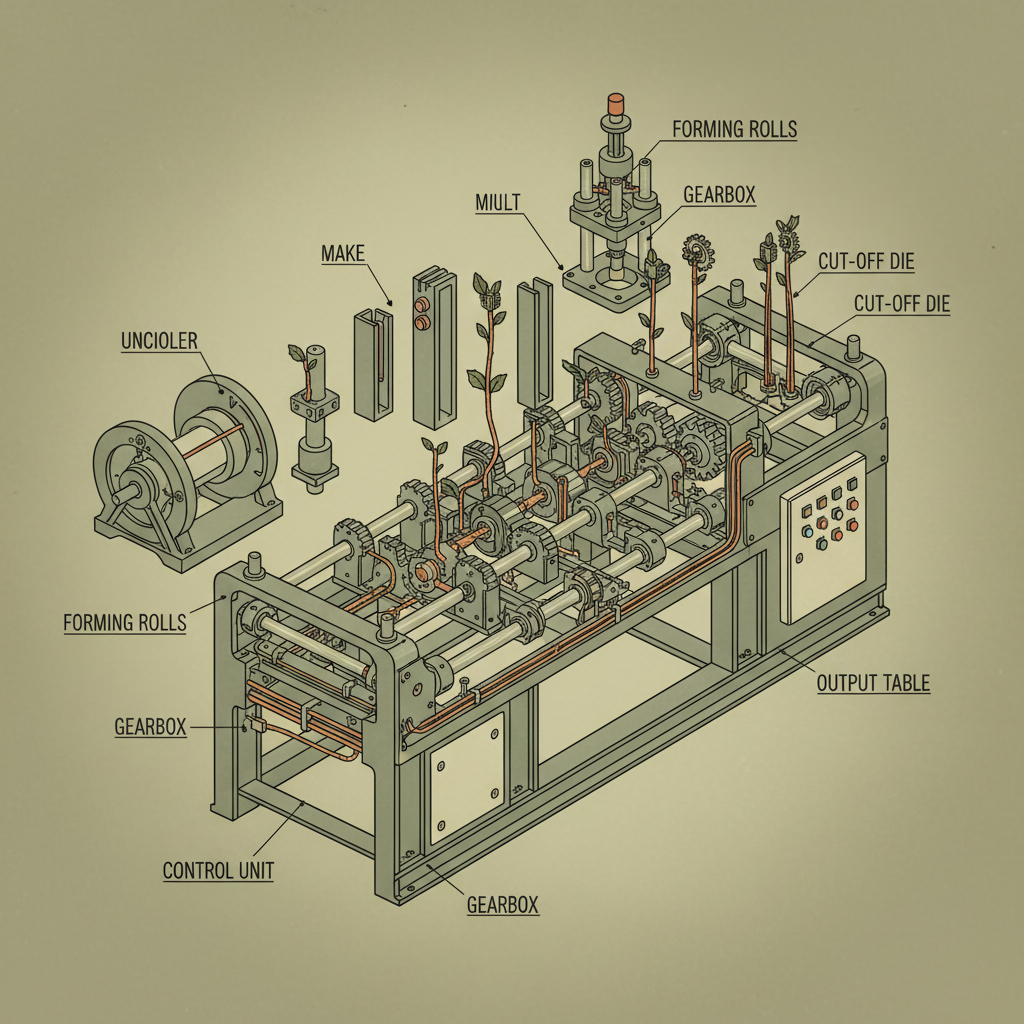
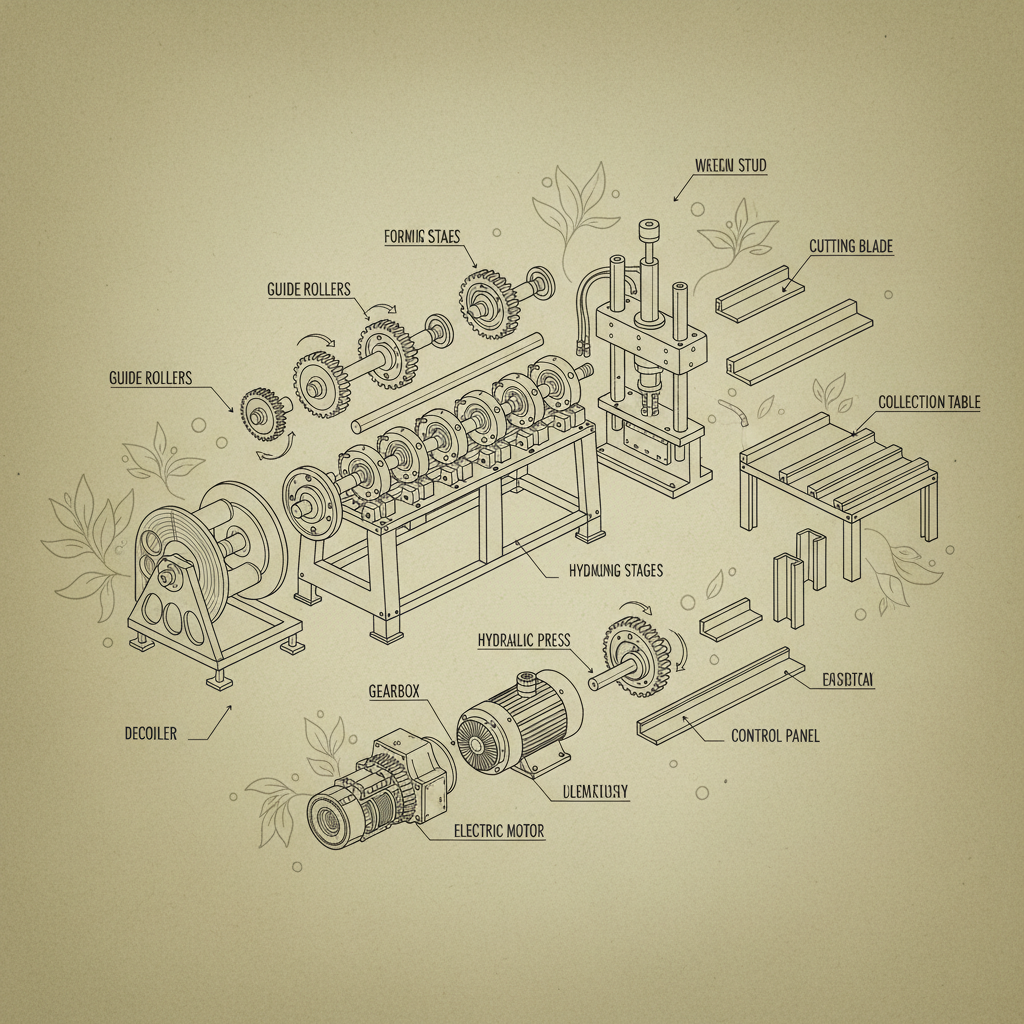
The roll forming dies, those are crucial. If the dies aren't properly designed or hardened, they’ll wear out quickly, leading to inconsistent stud profiles. And then you have to scrap a whole batch of material. It’s a costly mistake.
Material Choices and Handling
The steel, that’s everything. Galvanized steel is the standard, of course. It smells like… well, metal. A bit oily sometimes. But the quality varies. You can get stuff that's thin and flimsy, and you can get stuff that’s robust and durable. It’s about knowing your supplier.
I always tell the guys, handle the steel with care. Don't just throw it around. Dents and scratches can weaken the material. And make sure it's properly stored, protected from the elements. Rain and rust are your enemies. It sounds obvious, but you wouldn’t believe how many times I've seen it happen. I encountered one contractor who stacked the steel directly on the muddy ground!
And then there's the lubricant. You need to use the right lubricant to prevent the steel from sticking to the rollers. Too much lubricant, and you get a messy buildup. Too little, and you risk damaging the rollers. It’s a balancing act.
Some are starting to experiment with different materials, like high-strength steel, but that comes with its own set of challenges. It’s harder to form, requires more powerful machines, and is more expensive. Anyway, I think sticking with good quality galvanized steel is the best bet for most applications.
Real-World Testing Procedures
Forget the lab tests, honestly. Those are good for getting a baseline, but the real test is on the construction site. I like to see the studs get bent, twisted, and hammered. I know, it sounds brutal, but that's what they're going to be subjected to in the real world.
We also do load testing, of course. We attach the studs to a frame and apply increasing amounts of weight until they fail. It’s a good way to determine the structural integrity. But even that doesn't always tell the whole story. There's something about the dynamic loading of a real building, with wind and vibrations, that you can't replicate in a lab.
metal stud roll forming machine Testing Parameters
How Users Actually Interact with metal stud roll forming machine
You’d think they’d use them exactly as designed, right? Wrong. I've seen guys bypass the safety features just to speed things up. And I’ve seen others try to use the machine to form materials it wasn’t intended for. It's a constant source of frustration. Later... forget it, I won't mention it.
A lot of them are also surprisingly clueless about maintenance. They just assume it will keep running forever. And when it breaks down, they blame the machine, not their own negligence. It's a tough lesson to learn.
Advantages and Disadvantages
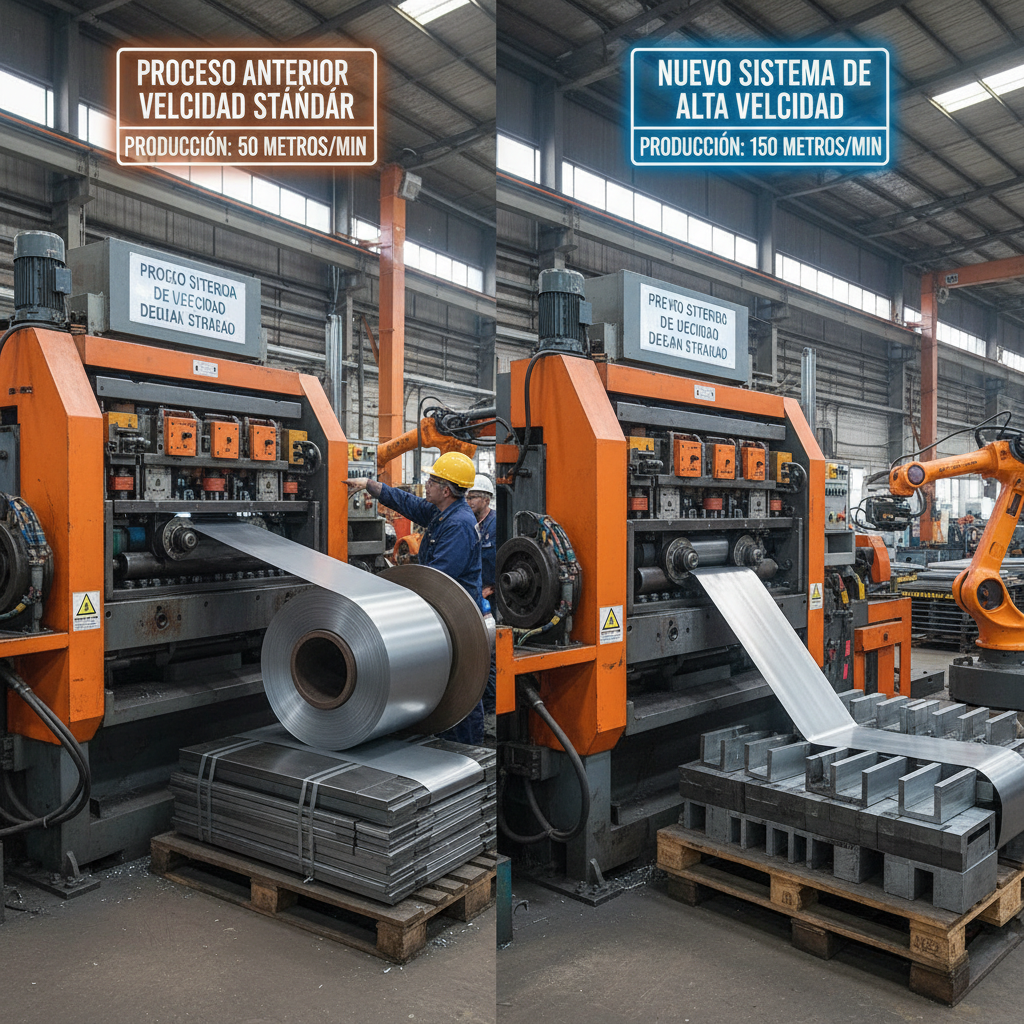
The biggest advantage, obviously, is speed. These machines can churn out studs much faster than any manual process. And the consistency is good too, when everything is set up correctly. But the cost… the initial investment is significant. And there’s the ongoing cost of maintenance and repairs.
The disadvantage? They’re inflexible. If you need a custom stud profile, it’s going to be expensive and time-consuming to change the dies. And if the machine breaks down, it can bring the whole project to a halt. It’s a trade-off.
Customization Capabilities
Customization is possible, but it’s not cheap. You can get custom dies made, but they’re expensive and take time to manufacture. I remember last month, that small boss in Shenzhen who makes smart home devices insisted on changing the interface to ... the result was a two-week delay and a lot of wasted money. He thought it would give his products a competitive edge, but it just created more headaches.
But sometimes, it's worth it. For example, we had a client who needed studs with a specific flange width to accommodate a particular type of insulation. We had custom dies made, and it solved their problem perfectly. It all depends on the application and the budget.
Summary of metal stud roll forming machine Customization Options
| Customization Type |
Complexity |
Cost Estimate |
Lead Time |
| Die Profile Modification |
High |
$5,000 - $15,000 |
4-8 Weeks |
| Material Thickness Adjustment |
Medium |
$1,000 - $3,000 |
1-2 Weeks |
| Coating Application |
Low |
$500 - $1,500 |
1 Week |
| Stud Length Adjustment |
Low |
$200 - $500 |
Same Day |
| Automation Integration |
High |
$10,000 - $50,000+ |
6-12 Weeks |
| Roll Former Speed Adjustment |
Medium |
$500-$2,000 |
1-3 Days |
FAQS
Die lifespan really depends on the steel gauge, the complexity of the profile, and how well it's maintained. A good set of dies, properly hardened and used with sufficient lubrication, can produce anywhere from 50,000 to 200,000 linear feet of studs before needing replacement or re-sharpening. Regular inspection for wear and tear is key. A little preventative maintenance goes a long way.
That’s a good question. Most manufacturers recommend lubricating the rollers every 8-12 hours of operation, but it really depends on the workload and the type of lubricant being used. You want a consistent film of lubricant to prevent friction and wear. I’ve seen guys just spray it on, but a proper lubrication system with timed dispensing is always better. You can't cheap out on this; it'll cost you more in the long run.
Misalignment is a huge headache. It can be caused by several things – improper setup, worn rollers, damaged dies, or even just vibrations from the surrounding environment. It’s crucial to regularly check the alignment of the rollers and dies, and make adjustments as needed. A laser alignment tool can be incredibly helpful for this.
Safety first, always! Make sure the machine is properly grounded, and that all safety guards are in place. Wear appropriate personal protective equipment – safety glasses, gloves, and hearing protection. And never, ever reach into the machine while it's running. I’ve seen accidents happen, and they’re not pretty.
Absolutely. With the right dies, you can produce a wide variety of metal profiles – track, furring channels, angle iron, and more. It's all about the flexibility of the machine and the availability of different die sets. But remember, changing dies takes time and money. It's not something you want to be doing every five minutes.
Power consumption varies depending on the size and capacity of the machine. A smaller, manual machine might consume around 5-10 kilowatts, while a larger, fully automated machine could easily draw 20 kilowatts or more. It’s important to factor this into your operating costs, especially if you're running the machine for long periods of time.
Conclusion
So, there you have it. Metal stud roll forming machines are complex pieces of equipment, but they're essential for modern construction. It's about balancing speed, cost, and quality. It’s about understanding the materials, the machines, and the people who operate them. And it's about being prepared for the unexpected.
Ultimately, whether this thing works or not, the worker will know the moment he tightens the screw. If it feels right, if it holds strong, then it's a good machine. If it feels flimsy, if it’s a struggle... well, then you know you've got a problem. Visit our website for more information: metal stud roll forming machine