The global demand for robust and efficient fencing solutions is consistently high, driven by agricultural needs, property security, and infrastructure development. Increasingly, the need for durable, rapidly deployable, and cost-effective fencing is met by advancements in fence post making machine technology. These machines offer a scalable solution for producing high-quality posts, addressing critical infrastructure demands across various industries and geographical locations. Understanding the capabilities and benefits of modern fence post manufacturing is essential for businesses and organizations seeking reliable and sustainable fencing options.
The modern fence post making machine has evolved significantly, from rudimentary manual processes to highly automated, computer-controlled systems. This evolution reflects a broader trend in manufacturing towards increased efficiency, precision, and customization. The ability to produce a large volume of consistent, high-quality fence posts reduces reliance on manual labor and minimizes material waste, leading to cost savings and environmental benefits. This technology is vital for industries experiencing growth in fencing requirements.
Furthermore, the development of portable and adaptable fence post making machine allows for on-site production, reducing transportation costs and logistical complexities, particularly in remote or challenging environments. This capability is increasingly important for projects in developing nations or disaster-stricken areas where access to materials and infrastructure is limited.
Understanding Fence Post Making Machine Technology
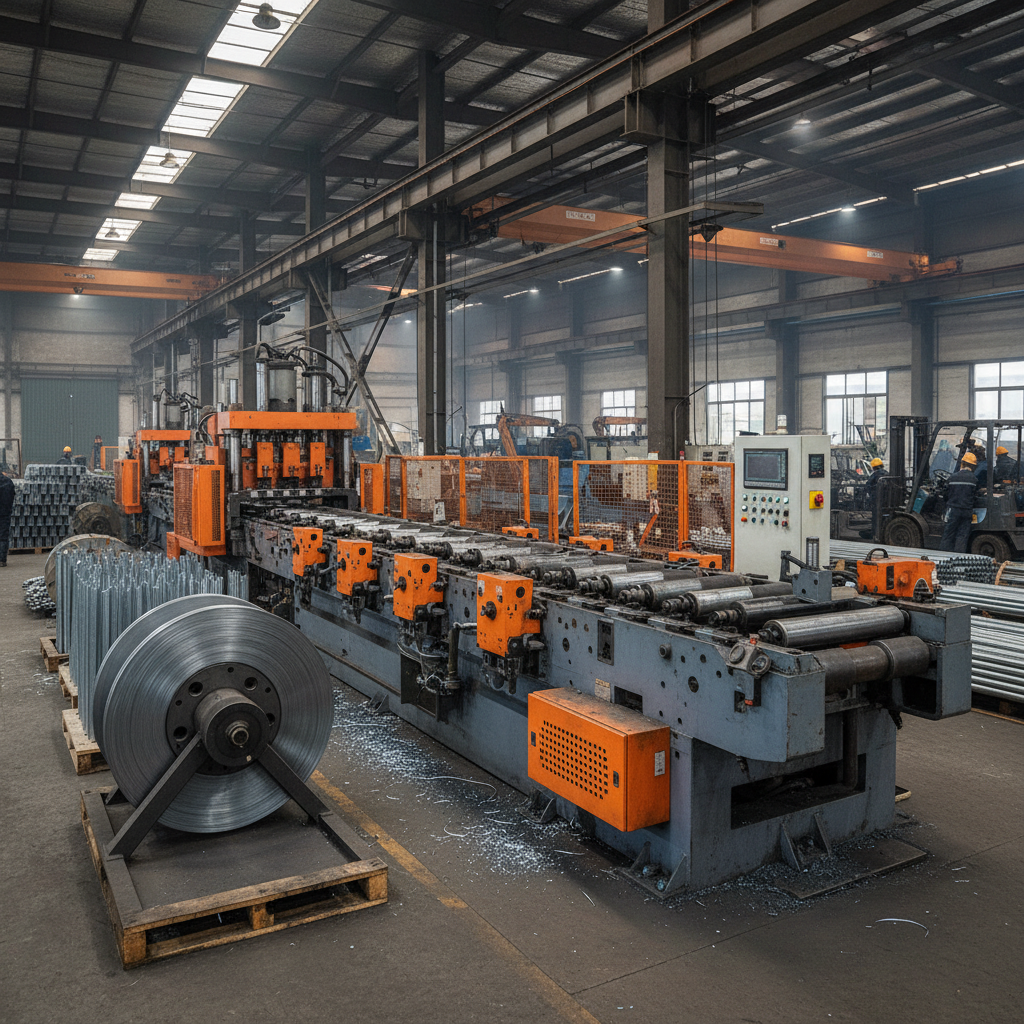
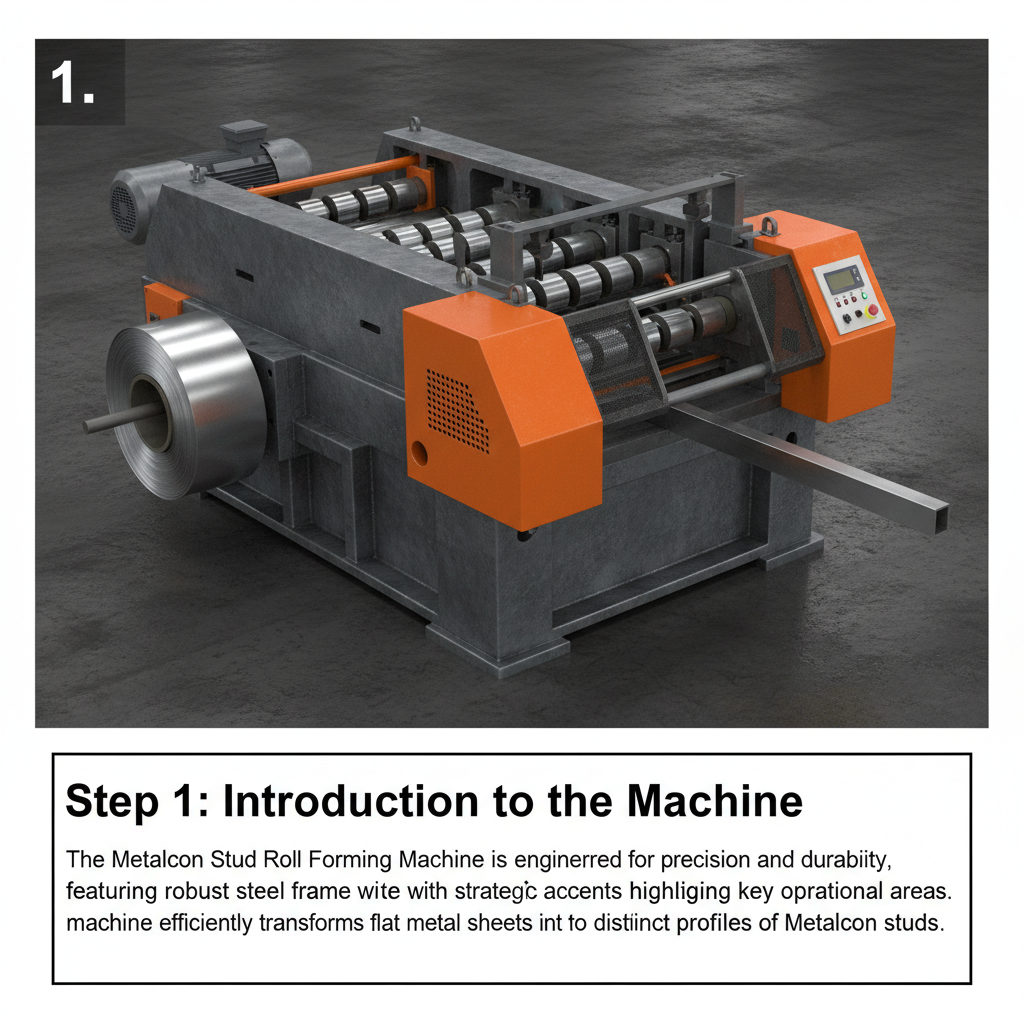
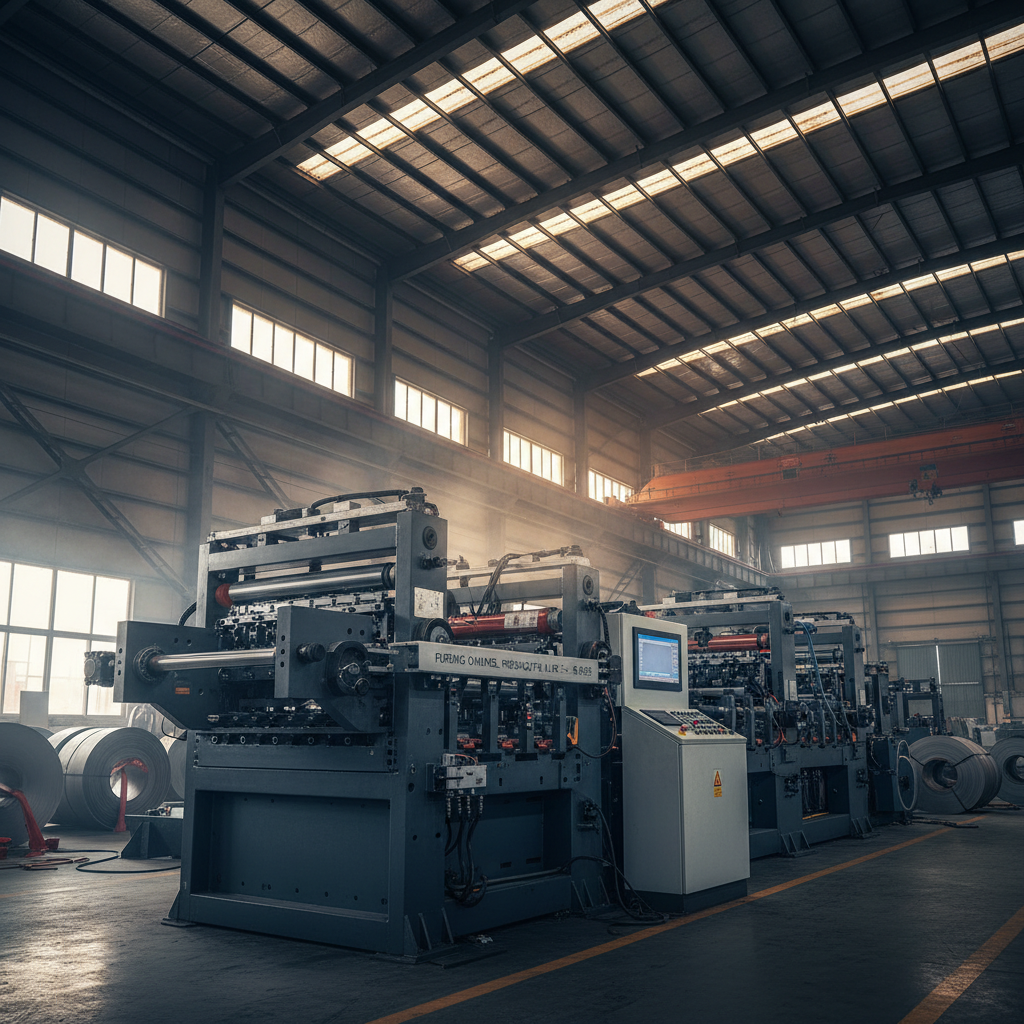
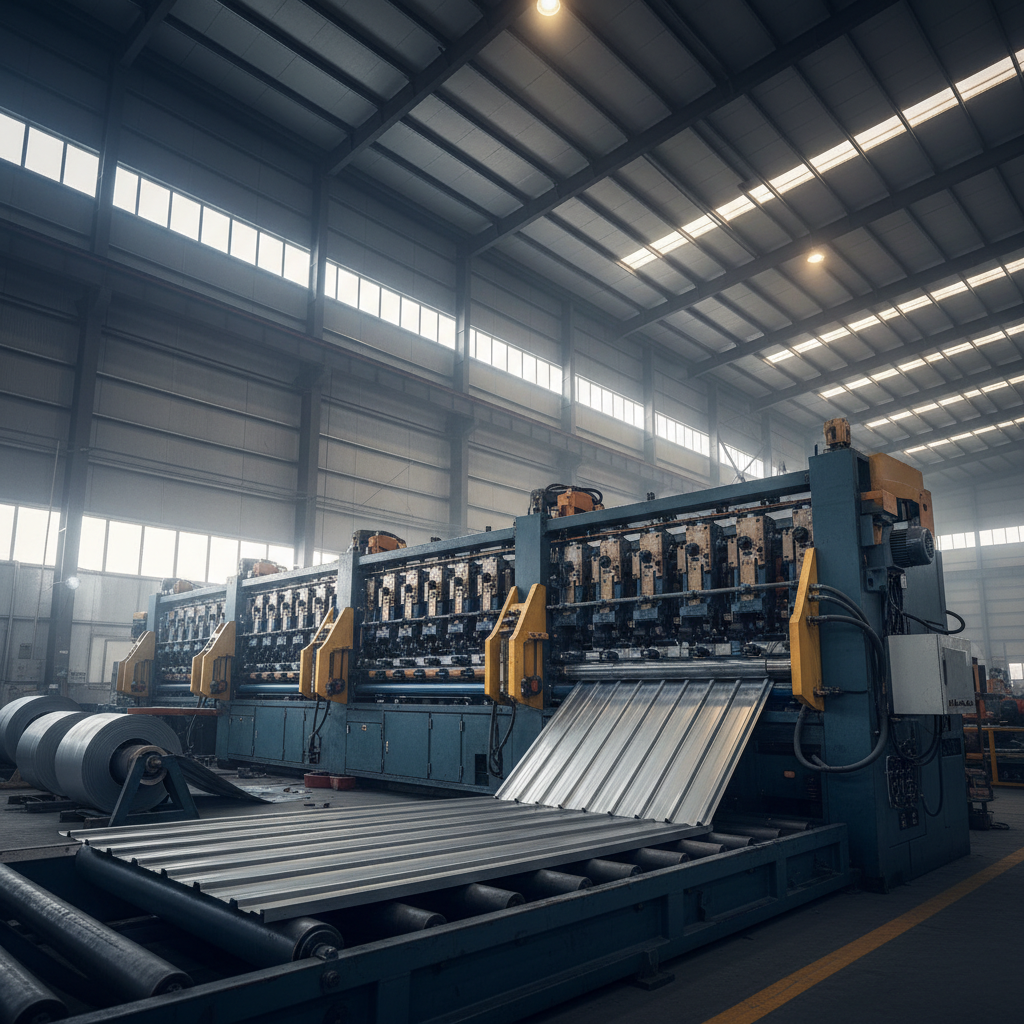
At its core, a fence post making machine utilizes roll forming technology to continuously bend sheet metal into the desired post profile. Modern machines employ automated feeding systems, precision cutting mechanisms, and computer numerical control (CNC) systems for accurate and repeatable production. The efficiency of these machines is paramount, reducing material waste and labor costs compared to traditional methods.
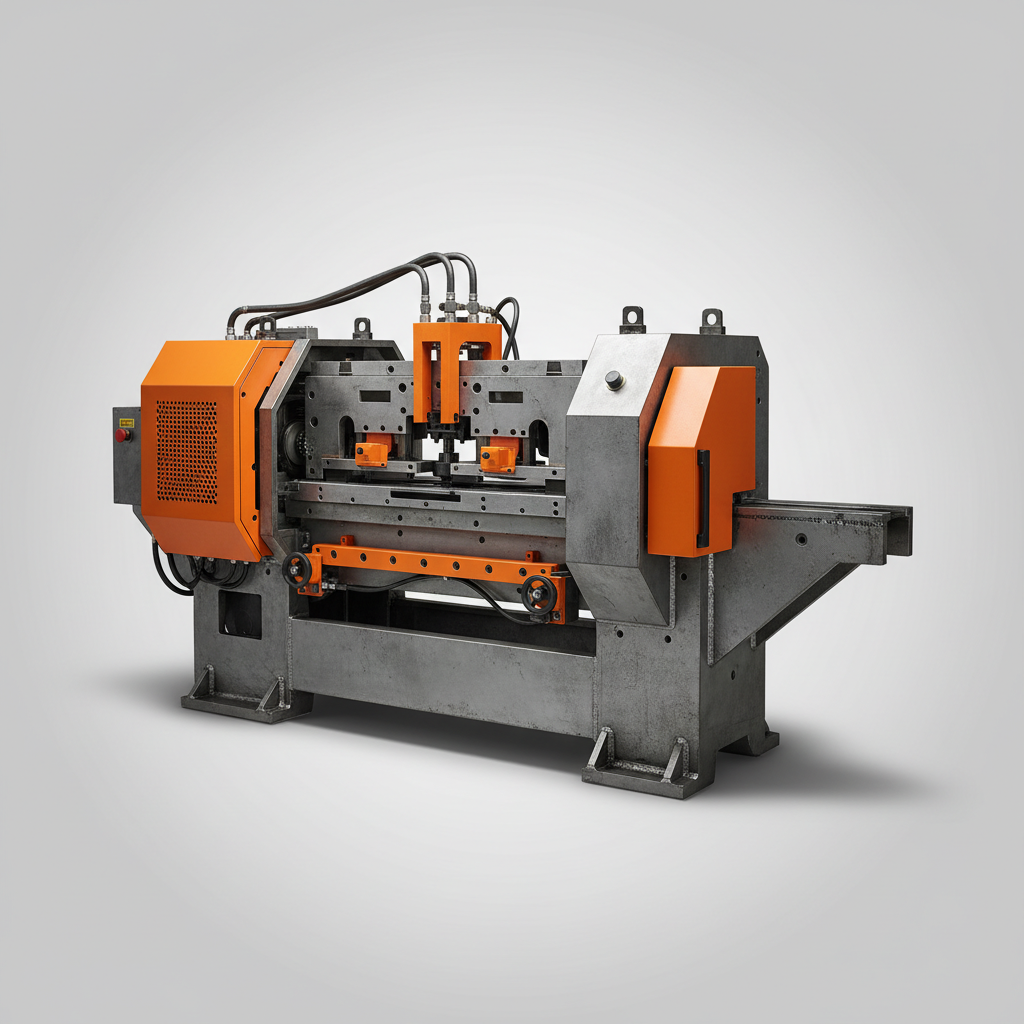
The technology extends beyond simple roll forming. Many machines integrate pre-punching capabilities, allowing for the creation of mounting holes and other features directly during the forming process. This level of automation streamlines production and ensures consistent quality, making the machines ideal for large-scale fencing projects.
Global Relevance and Industry Context
The global fencing market is a multi-billion dollar industry, spurred by agricultural expansion, infrastructure development, and increasing security concerns. According to reports by the UN and World Bank, sustainable agriculture and rural development are key priorities for many nations, driving the demand for effective fencing solutions to protect crops and livestock. Fence post making machines play a crucial role in meeting this demand by providing a scalable and cost-effective means of production.
The rapid urbanization and infrastructure projects in developing countries, particularly in Asia and Africa, further fuel the need for fencing. These projects often require large quantities of fencing for perimeter security, crowd control, and property delineation. The challenge lies in efficiently and sustainably meeting this demand, and advanced fence post making machine technology is a key component of the solution.
Furthermore, evolving international standards like those set by the ISO for material quality and dimensional accuracy are driving manufacturers to invest in precise and reliable machinery, enhancing the global competitiveness of fencing products. The need for durable and long-lasting fencing solutions in harsh environments also emphasizes the importance of high-quality manufacturing processes facilitated by these machines.
Defining a Fence Post Making Machine
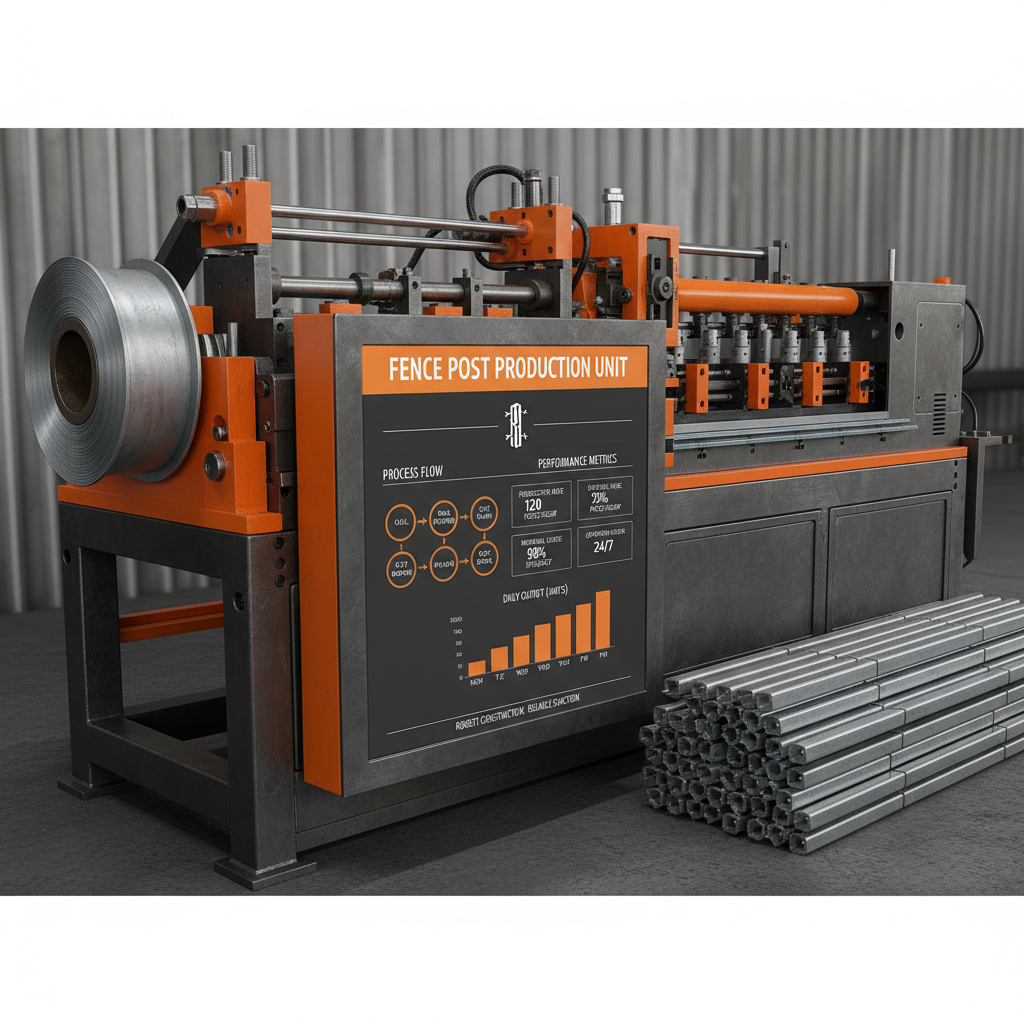
A fence post making machine is a specialized piece of manufacturing equipment designed to automatically produce fence posts from raw material, typically steel or aluminum. Unlike manual fabrication methods, these machines utilize a continuous roll forming process, where sheet metal is progressively shaped into the desired post profile as it passes through a series of rollers. This process ensures consistent dimensions and high production rates.
These machines are not merely metal benders; they are sophisticated systems integrating various components such as uncoilers (to feed the raw material), roll forming stations, cutting mechanisms, and often, automatic stacking or bundling systems. Advanced models utilize CNC controls for precise adjustments and customization, allowing for the production of diverse post profiles and lengths.
The connection to modern industry and humanitarian needs is direct. In agriculture, efficient fencing protects livestock and crops. In infrastructure, secure perimeters safeguard critical assets. Even in disaster relief, rapid fencing deployment can establish temporary shelters and security zones. The fence post making machine directly enables these applications through consistent, high-volume production.
Key Factors in Fence Post Machine Performance
Several core factors determine the overall performance and suitability of a fence post making machine. Durability is paramount, as the machine must withstand continuous operation and the demands of industrial environments. The quality of the steel used in the machine’s construction, along with robust components and proper maintenance, directly contribute to its longevity.
Scalability is another critical factor. The ability to easily adjust production capacity to meet fluctuating demand is crucial. Machines with adjustable forming speeds, quick changeover tooling, and automated material handling systems offer superior scalability.
Fence Post Making Machine Performance Metrics
Global Applications and Use Cases
Fence post making machines find widespread application in diverse sectors globally. In agriculture, they are crucial for creating secure perimeters for livestock grazing, crop protection, and farm security. Large-scale ranching operations in countries like Australia and Argentina rely heavily on these machines to maintain extensive fencing networks.
In post-disaster relief operations, portable fence post making machines can be rapidly deployed to establish temporary shelters, secure perimeters for aid distribution, and create safe zones for affected populations. This capability is especially valuable in regions prone to natural disasters, such as the Caribbean and Southeast Asia.
Advantages and Long-Term Value Proposition
The advantages of utilizing a fence post making machine extend beyond simply reducing production costs. The increased consistency and quality of manufactured posts lead to longer lifespan, reducing the need for frequent replacements. This translates to long-term savings and reduced environmental impact.
From a sustainability perspective, efficient material utilization and reduced waste contribute to a smaller carbon footprint. The reliability of the machine ensures consistent output, minimizing disruptions and maximizing operational efficiency, fostering trust with clients and partners.
Beyond the economic benefits, investing in this technology demonstrates a commitment to innovation and quality, enhancing a company’s reputation and fostering long-term relationships with customers.
Future Trends and Innovation in Manufacturing
The future of fence post making machine technology lies in increased automation, integration with Industry 4.0 principles, and the adoption of sustainable materials. We can expect to see more machines incorporating advanced sensors, real-time data analytics, and remote monitoring capabilities for predictive maintenance and optimized performance.
The development of machines capable of processing recycled materials, such as plastic or composite materials, will further enhance sustainability. Furthermore, the integration of artificial intelligence (AI) for automated quality control and process optimization will become increasingly prevalent, improving efficiency and reducing defects.
The trend toward customized fencing solutions will also drive innovation, with machines offering greater flexibility in terms of post profiles, lengths, and finishes to meet specific customer requirements.
Summary of Key Considerations for Fence Post Making Machine Selection
| Production Capacity |
Material Compatibility |
Automation Level |
Maintenance Requirements |
| Posts per hour/day |
Steel, aluminum, plastic |
Manual, semi-automatic, fully automatic |
Frequency of lubrication, parts replacement |
| Adjustability to demand fluctuations |
Gauge and type of material supported |
CNC control, sensor integration |
Availability of spare parts |
| Impact on overall production efficiency |
Compatibility with recycled materials |
Remote monitoring capabilities |
Ease of access to components |
| Scalability for future growth |
Cost of different material options |
Integration with existing manufacturing systems |
Training requirements for operators |
| Potential for increased output |
Impact on post strength and durability |
Data analytics for process optimization |
Warranty and support services |
| Long-term return on investment |
Environmental impact of materials |
Ability to adapt to changing market demands |
Preventive maintenance schedules |
FAQS
A high-end fence post making machine can typically produce between 50 and 150 fence posts per hour, depending on the post profile, material thickness, and level of automation. Fully automated machines with optimized material handling systems generally achieve higher production rates. Factors like machine setup time and operator skill also influence overall output. Understanding your specific project requirements is vital when selecting a machine that aligns with your production needs.
Most fence post making machines are designed to work primarily with galvanized steel, but many modern machines are also capable of processing aluminum, stainless steel, and even some types of plastic or composite materials. The choice of material depends on the desired post strength, corrosion resistance, and budget considerations. Confirming material compatibility with the machine manufacturer is crucial before commencing production.
Regular maintenance is essential for ensuring optimal performance and longevity. This typically includes daily lubrication of moving parts, periodic inspection of rollers and cutting blades, and preventative maintenance schedules as recommended by the manufacturer. Automated machines with advanced sensors often provide diagnostic information, facilitating proactive maintenance and minimizing downtime.
Power consumption varies depending on the machine’s size, automation level, and production rate. Generally, a mid-range fence post making machine can consume between 5 to 15 kilowatts of power. Implementing energy-efficient components and optimizing production schedules can help minimize energy consumption and reduce operational costs.
Modern fence post making machines are equipped with various safety features, including emergency stop buttons, safety guards, light curtains, and interlock systems. These features are designed to protect operators from potential hazards and ensure a safe working environment. Proper operator training and adherence to safety protocols are also critical.
The cost of a fence post making machine can range significantly, from $20,000 to $150,000 or more, depending on its size, automation level, and features. Fully automated, high-capacity machines with advanced CNC controls will generally be more expensive. It is important to consider the total cost of ownership, including installation, training, and maintenance, when evaluating different options.
Conclusion
In conclusion, the fence post making machine represents a crucial advancement in manufacturing technology, offering scalability, efficiency, and cost-effectiveness for fencing production. Its global relevance spans agriculture, infrastructure, security, and disaster relief, making it an indispensable tool for addressing diverse needs worldwide. Understanding its capabilities and future trends is vital for businesses aiming to optimize their fencing operations and remain competitive.
Looking ahead, the integration of advanced technologies like AI, Industry 4.0 principles, and sustainable materials will further enhance the performance and environmental friendliness of these machines. By embracing innovation and prioritizing quality, manufacturers can leverage the power of fence post making machine technology to create durable, reliable, and sustainable fencing solutions for a rapidly changing world. Visit our website: www.lwrollformingmachine.com to learn more.