Ceiling channel roll forming machine technology has revolutionized the construction industry, offering a cost-effective and efficient solution for creating lightweight steel framing components. These machines are instrumental in producing the metal channels used in suspended ceiling systems, drywall partitioning, and various other building applications. The demand for these systems is driven by a global push for faster, more sustainable construction methods, particularly in commercial and residential sectors. This technology impacts industries ranging from manufacturing and construction to interior design and infrastructure development.
The increasing urbanization and infrastructural development worldwide, particularly in emerging economies, are significant drivers for the ceiling channel roll forming machine market. As populations grow and demand for habitable spaces increases, the need for efficient building materials and techniques becomes paramount. Furthermore, the growing preference for non-corrosive and lightweight building materials fuels the adoption of cold-formed steel framing, boosting the demand for the machines that produce these components.
Understanding the capabilities and applications of a ceiling channel roll forming machine is crucial for businesses looking to optimize their building material production, reduce costs, and meet the evolving demands of the construction industry. The technology provides flexibility, scalability, and precision in manufacturing, making it a vital asset in modern construction projects.
Introduction to Ceiling Channel Roll Forming
Ceiling channel roll forming is a highly efficient manufacturing process used to create the lightweight steel components vital for constructing suspended ceilings and other building interiors. This process involves continuously bending a flat coil of steel into the desired channel shape using a series of rollers, offering significant advantages over traditional fabrication methods in terms of speed, consistency, and material utilization. ceiling channel roll forming machine are becoming essential for modern construction.
The resulting channels are used extensively in commercial buildings, residential construction, and industrial facilities. They provide a strong and reliable framework for supporting ceiling tiles, drywall, and other interior finishes. The technology allows for customized profiles and dimensions, catering to diverse architectural and engineering requirements.
Defining Ceiling Channel Roll Forming Machine
A ceiling channel roll forming machine is a specialized industrial machine designed to continuously shape flat metal coils – typically galvanized steel or stainless steel – into the distinct C-shaped channel profiles used in ceiling suspension systems. It automates the process of bending and forming the metal, resulting in consistent, high-quality components with minimal waste. These machines represent a significant improvement over manual fabrication techniques.
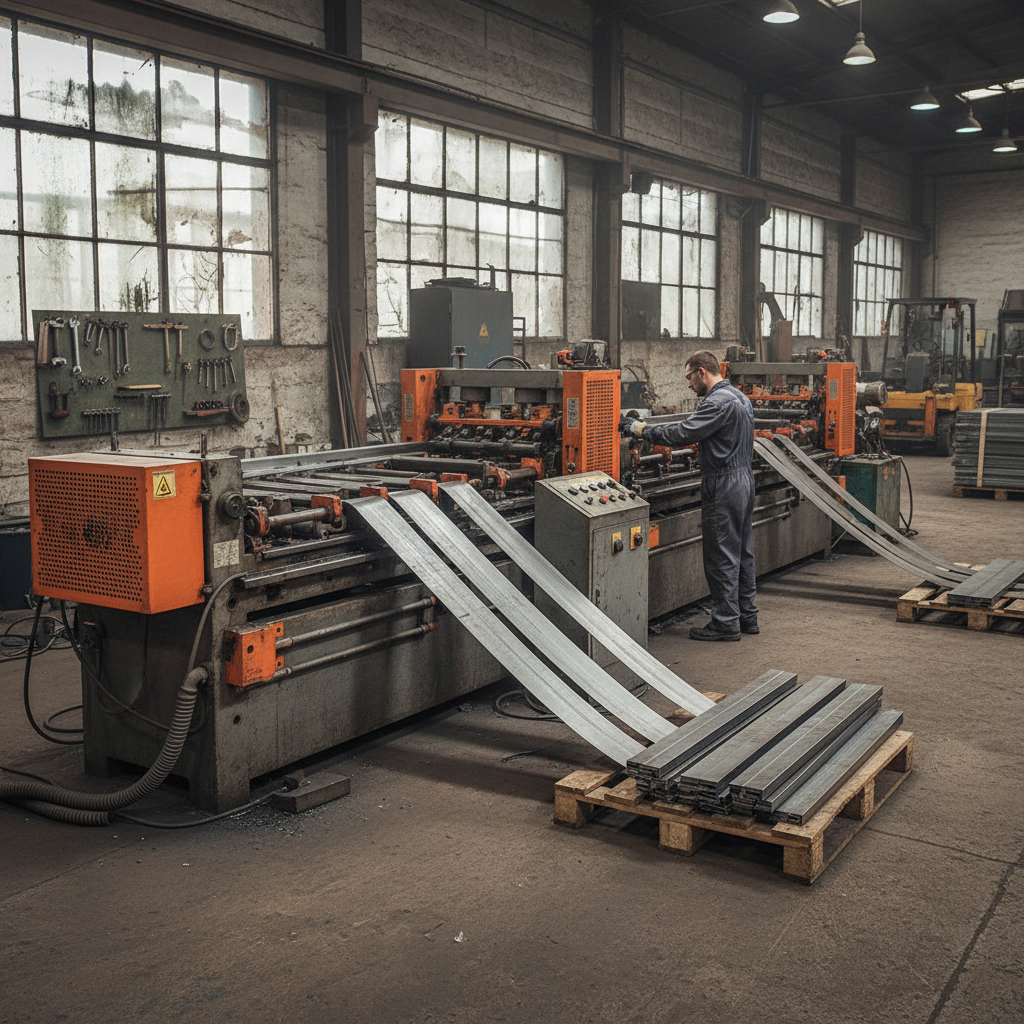
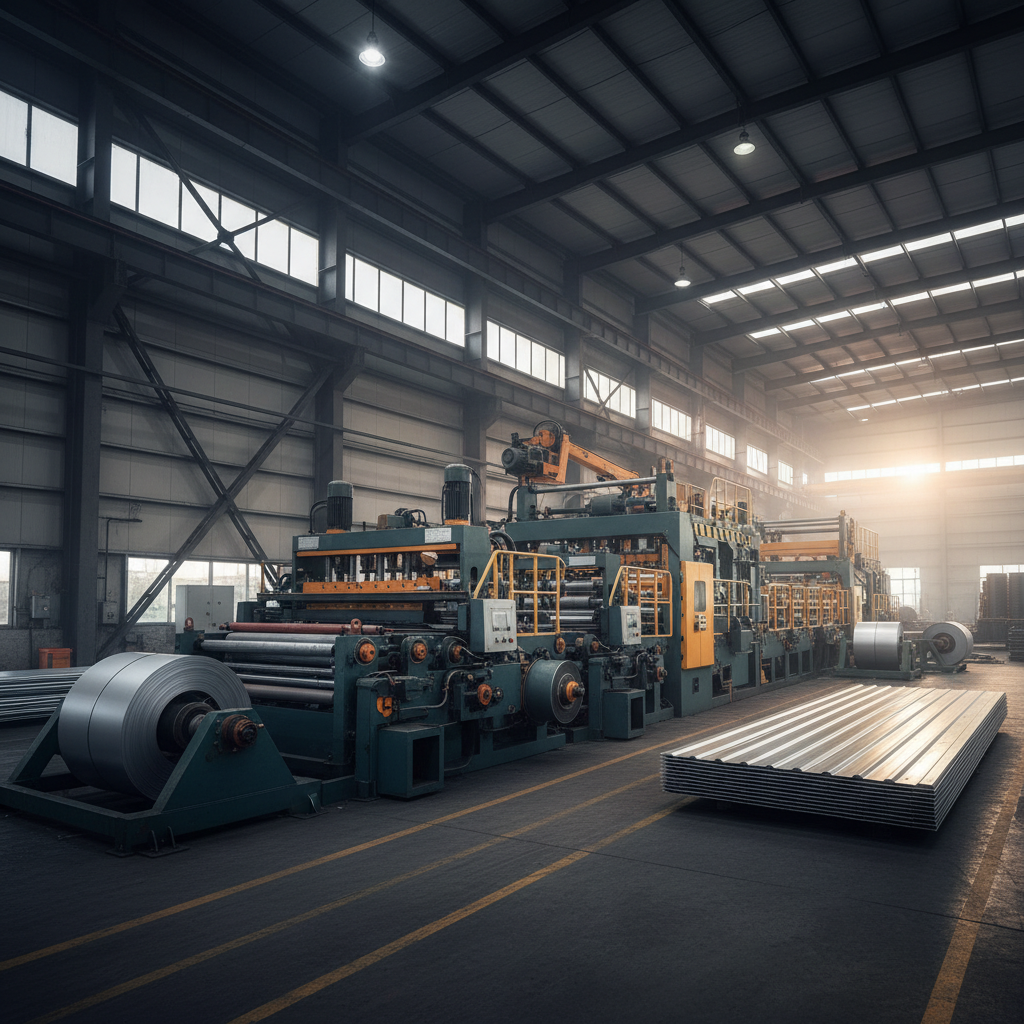
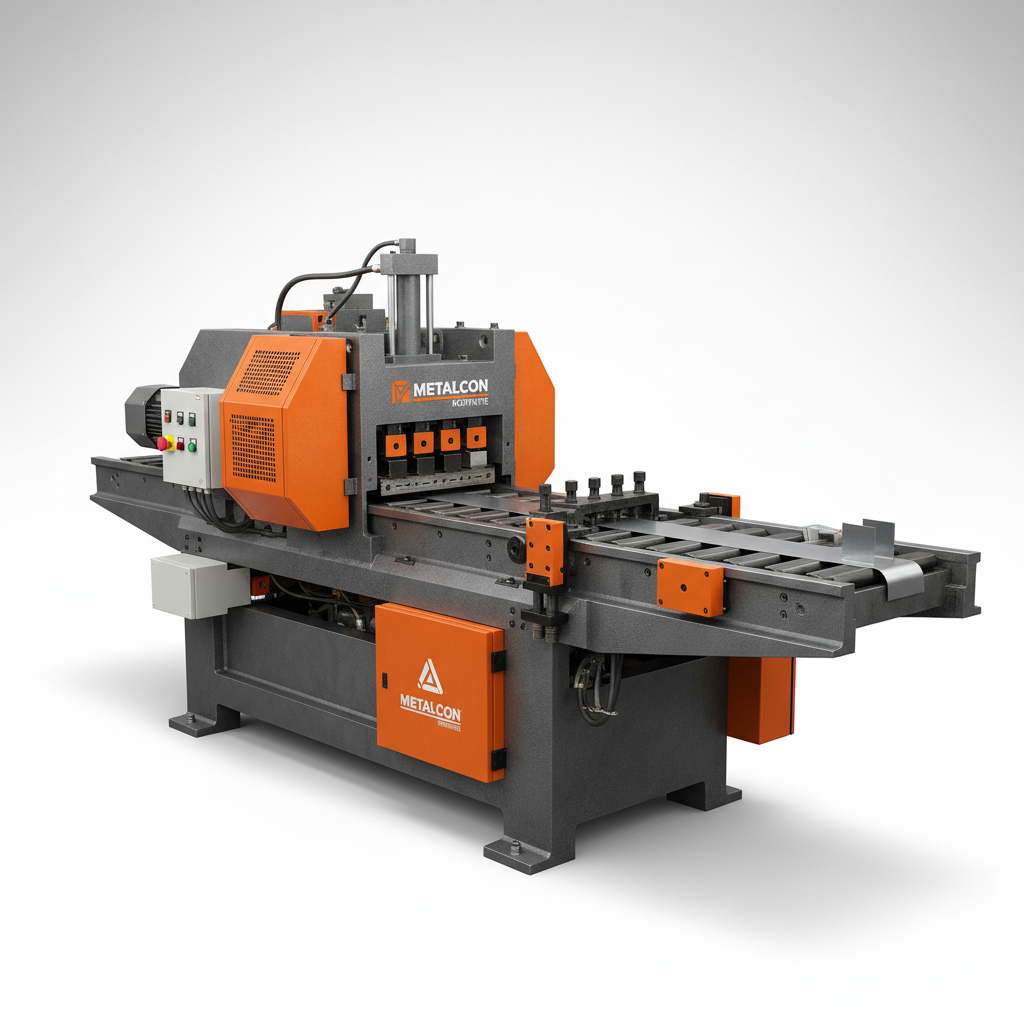
The machine's core components include an uncoiler to feed the metal coil, a leveling unit to ensure consistent material thickness, a roll forming section with a series of precisely engineered rollers, and a cutting mechanism to produce channels of the desired length. The whole process is driven by automated control systems.
The connection to modern industry and humanitarian needs lies in its ability to accelerate construction projects, reduce material costs, and enable the creation of durable and sustainable building structures. Faster construction translates to quicker access to housing and essential facilities, a critical need in disaster relief and rapid urbanization scenarios.
Core Components and Functionality
The functionality of a ceiling channel roll forming machine revolves around several core components working in unison. These include the uncoiler, which feeds the metal coil into the system; the leveling unit, ensuring a consistent and flat material input; the roll forming section, where a series of rollers progressively bend the metal into the desired channel shape; and finally, the cutting system, which precisely cuts the formed channel to the required length.
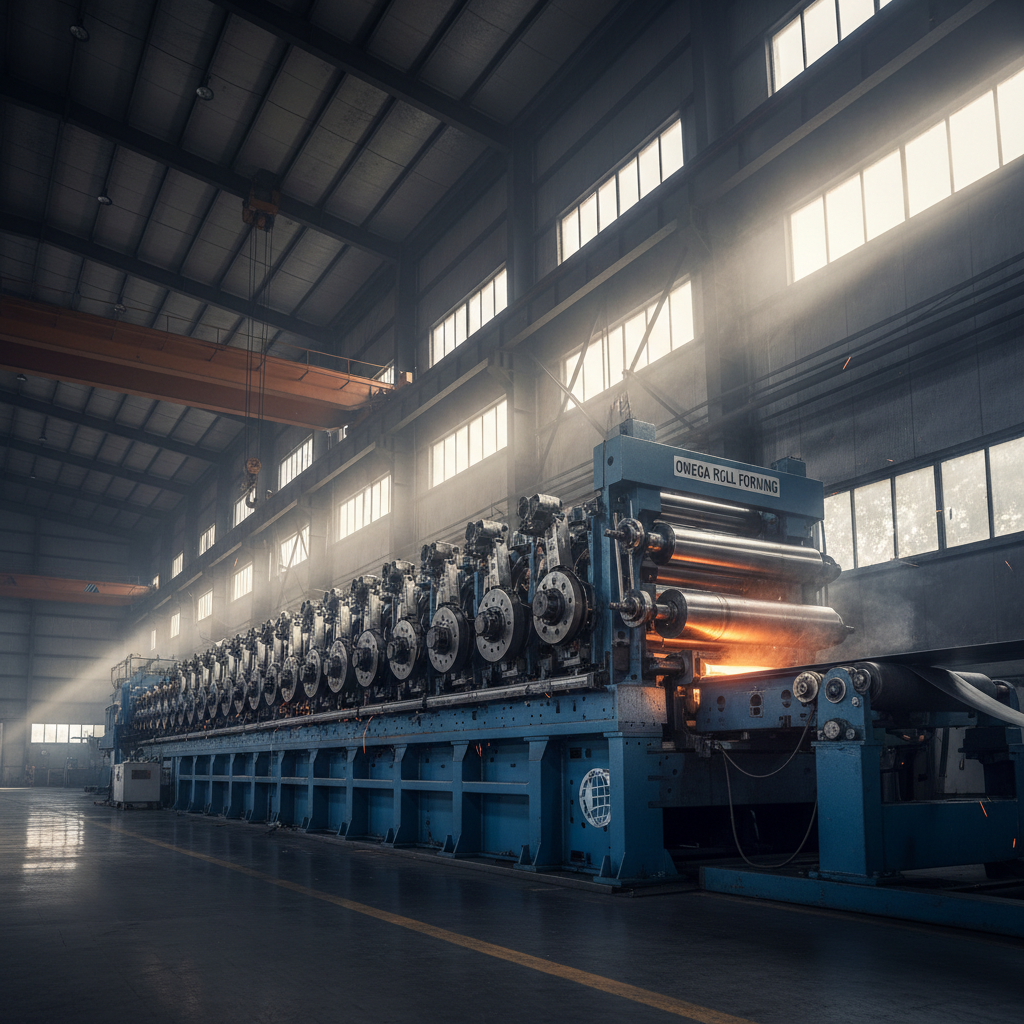
The roll forming section is arguably the most critical component. Each roller is carefully designed with a specific profile to incrementally bend the metal, achieving the final channel shape with high accuracy. The number of rollers varies depending on the complexity of the profile, but typically ranges from 10 to 20 or more. Automated control systems precisely manage the roller positioning and speed, ensuring consistent quality and minimal defects.
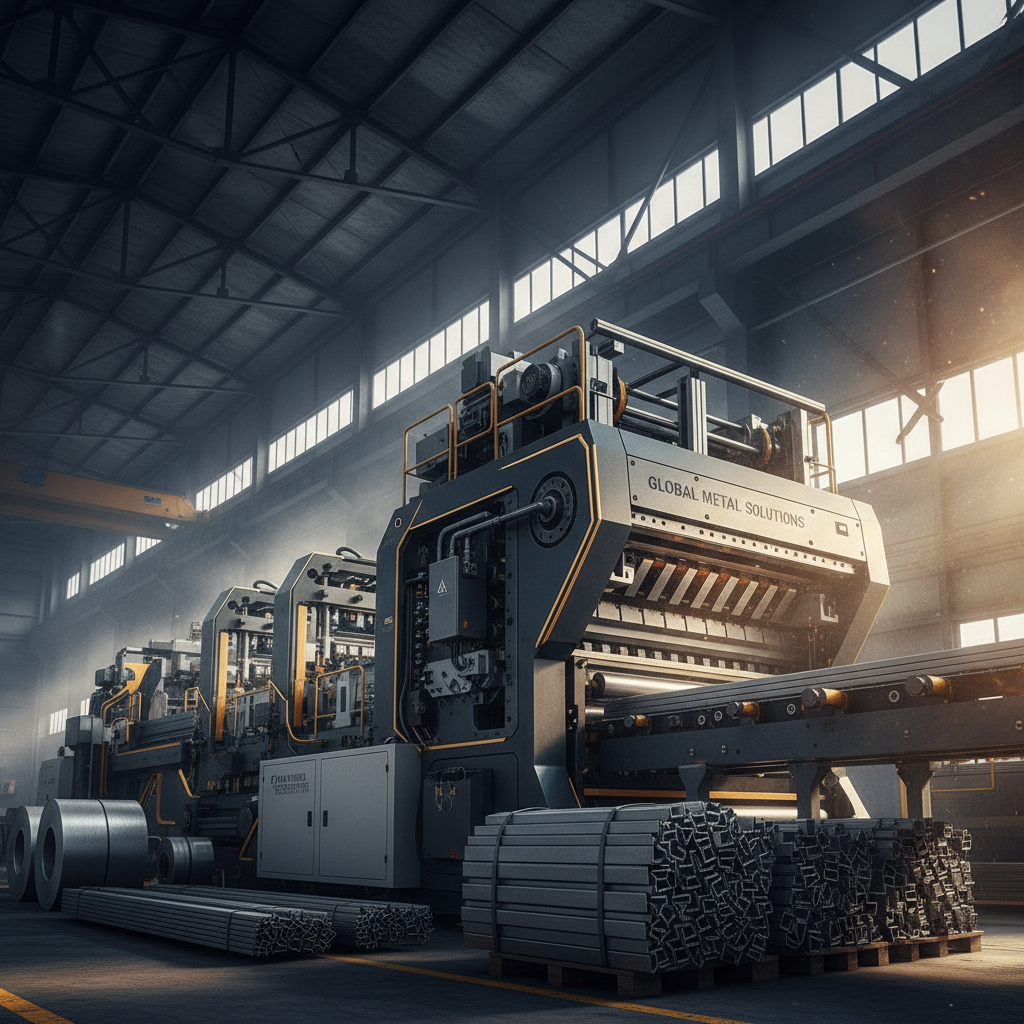
Modern machines often incorporate automated stacking systems to efficiently collect and organize the finished channels, further streamlining the production process. The precision and efficiency of these machines make them indispensable for manufacturers seeking to meet the growing demand for high-quality ceiling channel components.
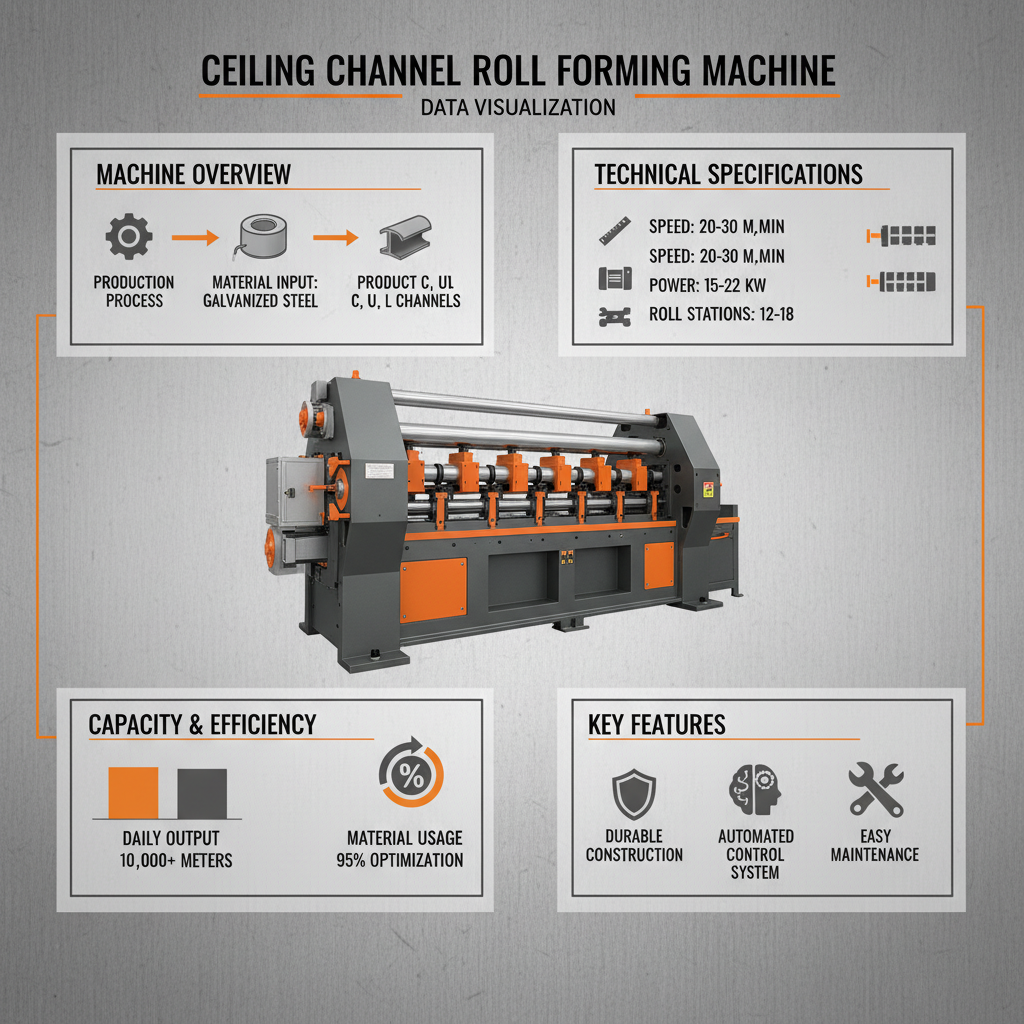
Key Performance Indicators of a ceiling channel roll forming machine
Evaluating the performance of a ceiling channel roll forming machine requires considering several key indicators. Production Speed is paramount, measuring the length of channel produced per minute. Material Utilization reflects the efficiency of the machine in minimizing waste during the forming and cutting processes.
Accuracy and Consistency refer to the precision of the formed channel dimensions and the uniformity of the product across the entire production run. Maintenance Requirements and Downtime are crucial for assessing the long-term cost of ownership and the machine's overall reliability.
ceiling channel roll forming machine Performance Metrics
Global Applications and Industries Served
Ceiling channel roll forming machines find application across a broad spectrum of industries and geographical regions. The construction industry is the primary consumer, utilizing the produced channels in commercial buildings, residential projects, and infrastructure development. Regions experiencing rapid urbanization, such as Asia-Pacific and the Middle East, demonstrate particularly high demand.
The interior design sector benefits from the versatility of these channels, enabling customized ceiling designs and efficient installation of various finishing materials. In post-disaster relief operations, quick assembly and lightweight nature of ceiling channels contribute to faster shelter construction and recovery efforts.
Advantages and Long-Term Value Proposition
The advantages of utilizing a ceiling channel roll forming machine are multifaceted. Cost efficiency is a primary benefit, as the automated process minimizes labor costs and material waste. Sustainability is enhanced through the use of recyclable steel and reduced energy consumption compared to traditional fabrication methods. ceiling channel roll forming machine are an investment in the future.
Reliability is ensured through consistent product quality and durability, contributing to the long-term integrity of building structures. Furthermore, the ability to customize profiles and dimensions allows for tailored solutions that meet specific project requirements, increasing efficiency and reducing installation time.
Future Trends and Technological Advancements
The future of ceiling channel roll forming is poised for significant advancements. Integration with Industry 4.0 technologies, such as IoT sensors and data analytics, will enable predictive maintenance, optimized production schedules, and improved quality control. Automation, including robotic material handling and automated tool changes, will further enhance efficiency and reduce labor costs.
The development of new materials, such as high-strength lightweight alloys, will allow for the production of even more efficient and sustainable ceiling channel systems. A growing emphasis on green building practices will drive the adoption of environmentally friendly manufacturing processes and materials.
Expect to see machines with greater flexibility, capable of producing a wider range of profiles and accommodating different material thicknesses with minimal setup time. These advancements will solidify the role of the ceiling channel roll forming machine as a critical component of the modern construction industry.
FAQS
The payback period for a ceiling channel roll forming machine varies depending on production volume, material costs, and labor rates, but typically ranges from 18 to 36 months. The significant reduction in material waste, labor costs, and improved production efficiency contribute to a relatively quick return on investment. Factors like machine utilization rate and market demand also play a critical role.
Modern ceiling channel roll forming machines are designed for relatively easy operation, but some level of training is necessary. Operators should be familiar with basic machine controls, safety procedures, and routine maintenance tasks. Manufacturers typically provide comprehensive training programs to ensure operators can efficiently and safely operate the machines. Skilled technicians are needed for more complex maintenance and repairs.
The most common material processed is galvanized steel, known for its corrosion resistance and cost-effectiveness. However, many machines can also handle stainless steel, aluminum, and other metals depending on the machine's specifications and the roller tooling used. The choice of material depends on the specific application and environmental requirements.
Safety is a paramount concern. Modern machines incorporate features such as emergency stop buttons, safety guards around moving parts, light curtains to prevent accidental entry, and overload protection systems. Proper training and adherence to safety protocols are essential for preventing accidents. Regular safety inspections and maintenance are also crucial.
Customization, such as specifying unique profile designs or automated stacking systems, will increase both the cost and lead time. The complexity of the customization determines the extent of the increase. Standard machines have shorter lead times and lower costs, while highly customized solutions require more engineering and manufacturing effort. Providing detailed specifications upfront helps minimize delays.
Regular maintenance includes lubrication of moving parts, inspection of rollers for wear, cleaning of the machine, and checking electrical connections. Preventative maintenance schedules provided by the manufacturer should be followed diligently. More extensive maintenance, such as roller replacement or gearbox servicing, may be required periodically depending on usage.
Conclusion
In conclusion, the ceiling channel roll forming machine represents a pivotal technology in the modern construction landscape. Its ability to deliver cost-effective, sustainable, and efficient production of essential building components makes it indispensable for businesses operating in diverse sectors. The adoption of these machines contributes to faster project completion times, reduced material waste, and improved building quality.
Looking ahead, continued innovation in automation, materials science, and data analytics will further enhance the capabilities of these machines, solidifying their importance in the future of construction. For businesses seeking to optimize their building material production, reduce costs, and embrace sustainable practices, investing in a ceiling channel roll forming machine is a strategic and forward-thinking decision. Visit our website at www.lwrollformingmachine.com to learn more about our range of solutions.