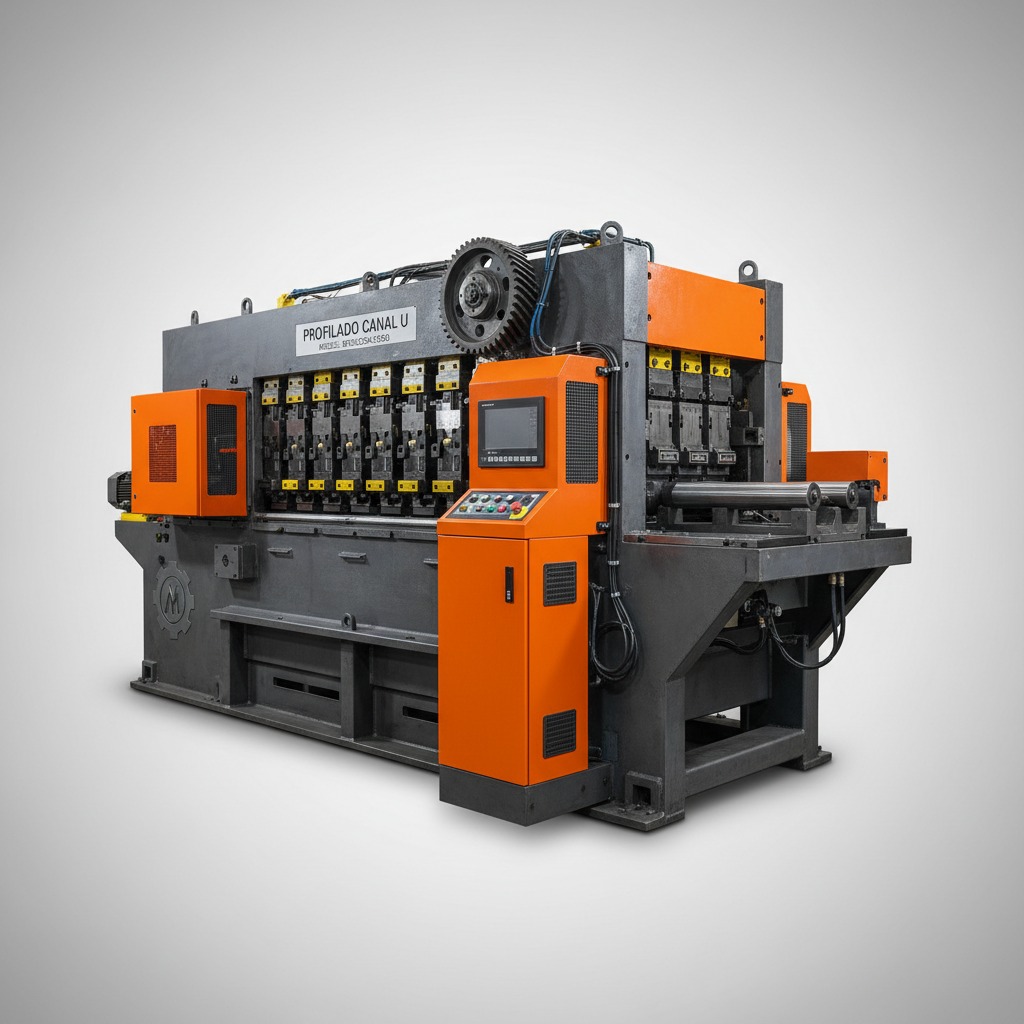
The demand for efficient and cost-effective building solutions is soaring globally, driven by rapid urbanization, disaster relief efforts, and the need for affordable housing. At the heart of this demand lies the china stud and track machine, a crucial component in the production of light-gauge steel framing – a revolutionary alternative to traditional wood and concrete construction. Understanding this technology is paramount for architects, engineers, construction companies, and humanitarian organizations alike, as it offers a sustainable and versatile building method.
The china stud and track machine is not merely a manufacturing process; it’s a foundational element in modern construction. It impacts project timelines, material costs, structural integrity, and environmental sustainability. Its global relevance stems from its ability to address challenges in diverse environments, from constructing disaster-resistant shelters to erecting high-rise buildings. The growth in the steel construction sector, reported by the World Steel Association, demonstrates the increasing adoption of light-gauge steel framing, directly fueled by advancements in and accessibility of these machines.
Moreover, the efficiency of these machines contributes directly to lowering construction costs and reducing reliance on diminishing timber resources. Investing in understanding the nuances of china stud and track machine technology is no longer just a strategic advantage but a necessity for businesses seeking to thrive in the evolving construction landscape.
The Significance of China Stud and Track Machine
The china stud and track machine represents a pivotal advancement in the construction industry, offering a streamlined and highly efficient method for producing light-gauge steel framing. This technology has dramatically reduced construction timelines and costs, especially in regions experiencing rapid urbanization or recovering from natural disasters. The widespread adoption of these machines demonstrates a shift toward more sustainable and resource-efficient building practices.
Beyond mere efficiency, the precision engineering inherent in these machines ensures structural integrity and durability. This is particularly critical in areas prone to seismic activity or extreme weather conditions. The ability to customize profiles and adapt to varying project requirements makes the china stud and track machine a versatile solution for a broad range of construction applications.
Defining China Stud and Track Machine
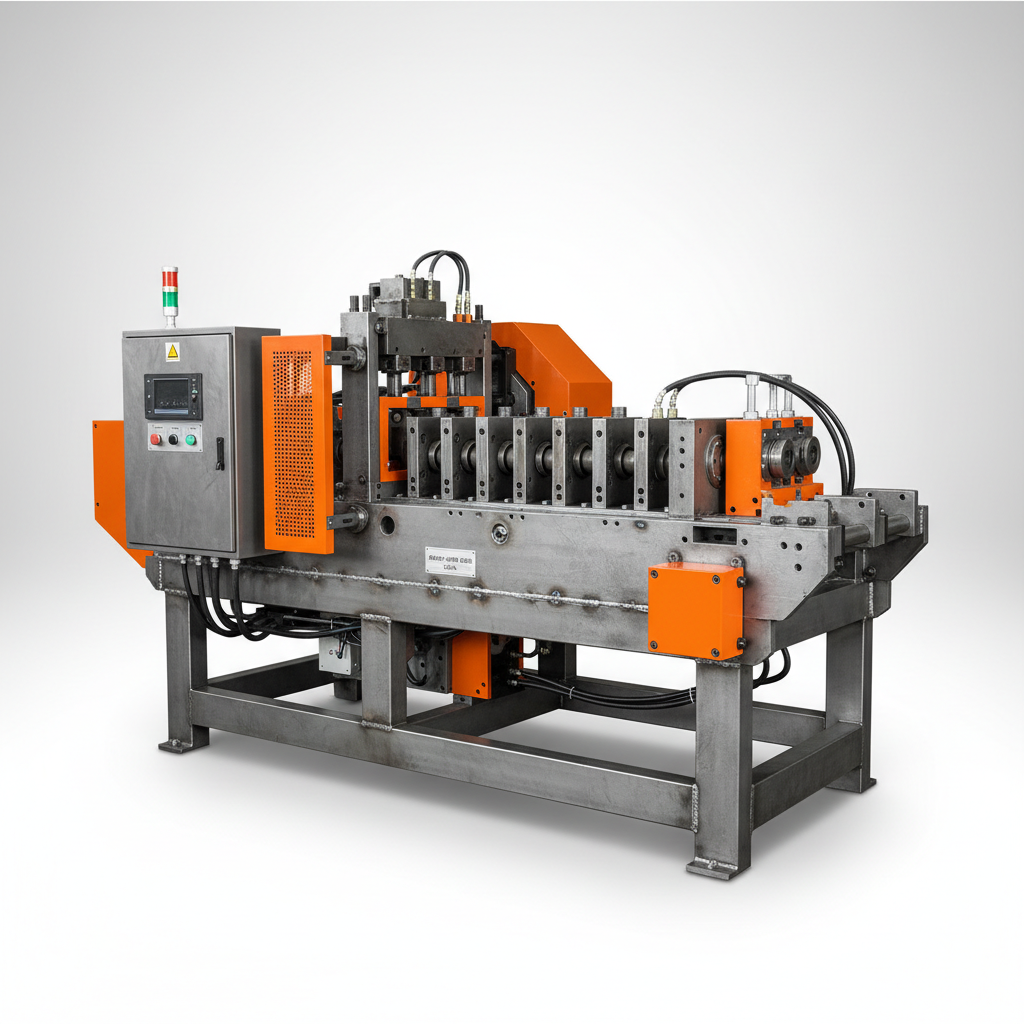
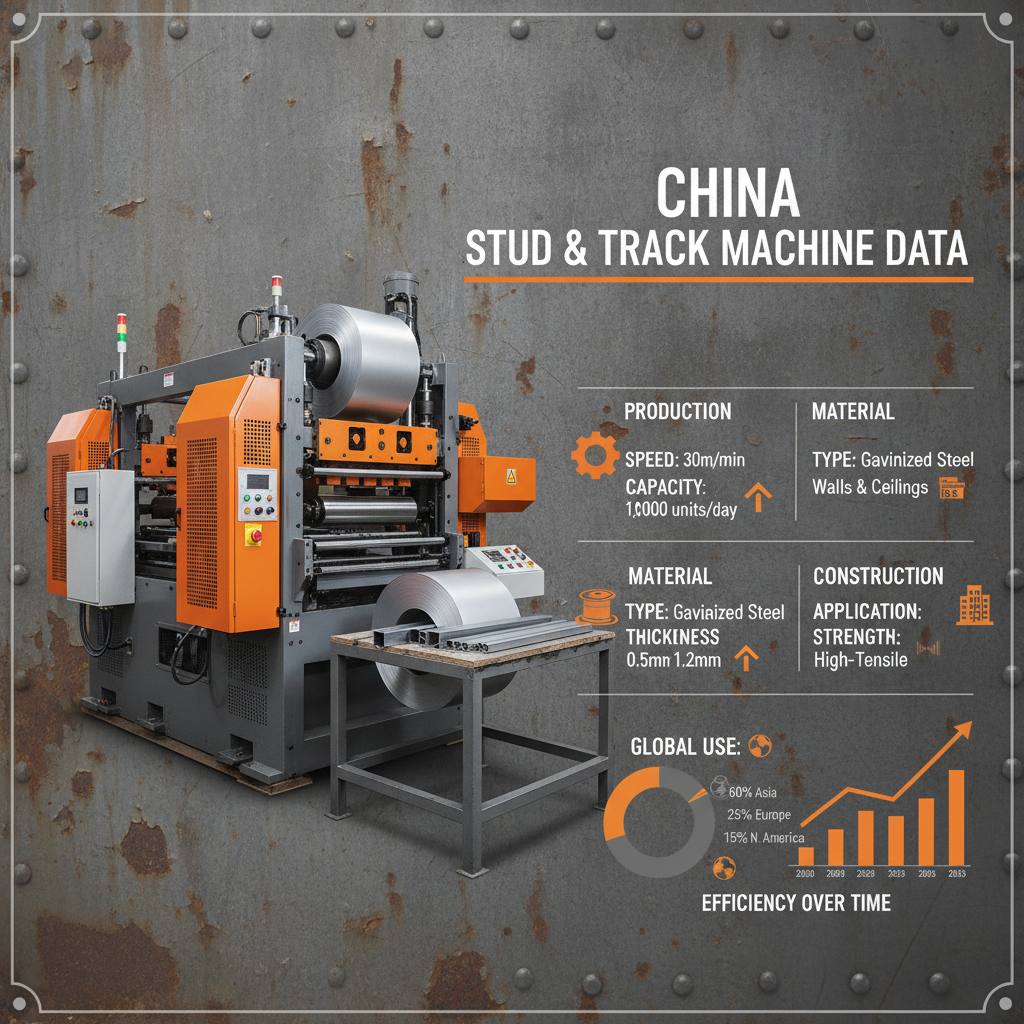
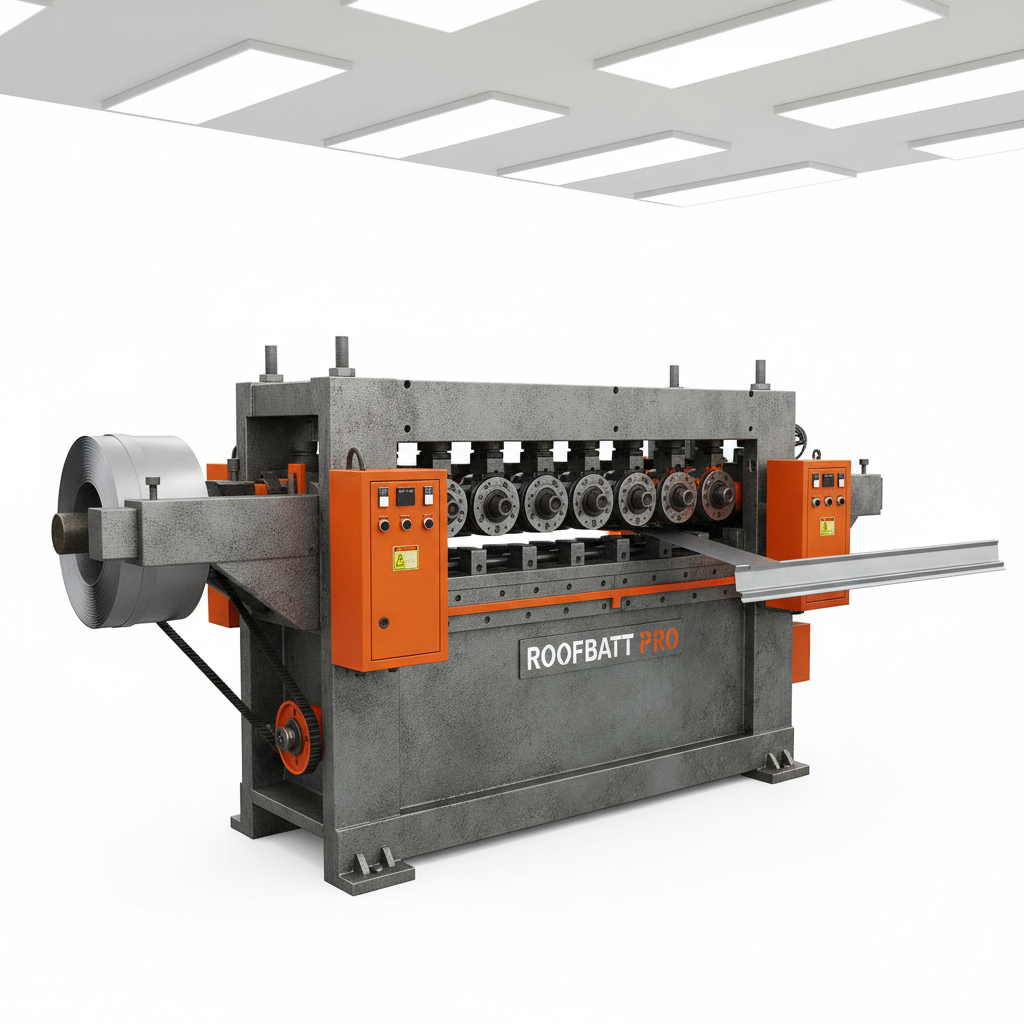
A china stud and track machine is an automated system designed to continuously cold-form light-gauge steel into specific profiles used for constructing wall framing, roof trusses, and other structural components. Essentially, it takes flat steel coils and shapes them into ‘studs’ (vertical structural members) and ‘tracks’ (horizontal supporting members). These machines are known for their high production speeds, precision, and adaptability.
The connection to modern industry lies in its contribution to prefabrication and modular construction, streamlining the building process and reducing on-site labor. These systems are increasingly valuable in addressing global housing shortages and infrastructure needs, providing a quicker, more affordable, and sustainable alternative to traditional construction methods.
Furthermore, the precision of these machines minimizes material waste, aligning with the growing demand for eco-friendly construction practices. This focus on resource efficiency and structural integrity makes the china stud and track machine a vital asset in building a more sustainable future.
Core Components and Operational Principles
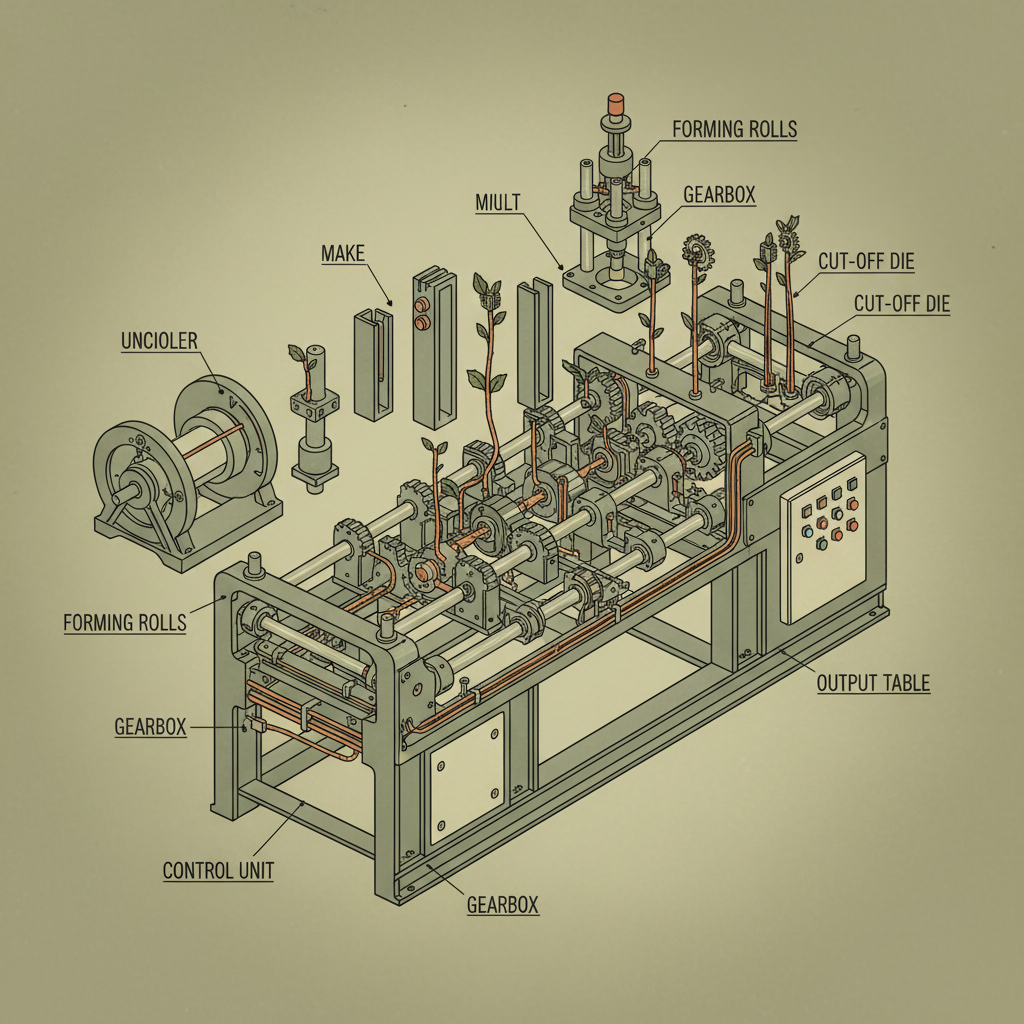
The core of a china stud and track machine lies in its series of roller dies. These precisely engineered dies progressively shape the steel coil as it passes through the machine. Other key components include an uncoiler to feed the steel, a leveling unit to ensure consistent material thickness, a forming station to create the desired profiles, and a cutting system to produce studs and tracks of the specified length.
The operational principle centers around cold-forming, a process that shapes metal without the use of heat. This maintains the steel’s strength and integrity while significantly reducing energy consumption compared to hot-forming methods. Sophisticated control systems allow for precise adjustments to the roller dies, enabling the production of a wide variety of stud and track profiles.
Modern machines often incorporate automated features like material handling systems and quality control sensors, further enhancing efficiency and minimizing the risk of errors. The integration of CNC technology allows for quick changeovers between profiles, making the china stud and track machine highly adaptable to diverse project requirements.
Advantages of Utilizing China Stud and Track Machine
Utilizing a china stud and track machine offers several key advantages. Primarily, it delivers significant cost savings through reduced material waste, lower labor costs, and faster construction times. Light-gauge steel is also lighter than traditional wood or concrete, reducing transportation expenses and simplifying handling on-site.
Furthermore, steel framing is inherently fire-resistant, termite-proof, and does not rot or warp, contributing to long-term durability and reduced maintenance costs. These machines’ capacity to create precise, consistent profiles enhances structural integrity and allows for greater design flexibility.
Comparative Analysis of China Stud and Track Machine Methods
Global Applications of China Stud and Track Machine
The china stud and track machine finds applications in a diverse range of construction projects globally. From residential housing and commercial buildings to industrial warehouses and agricultural structures, light-gauge steel framing is becoming increasingly prevalent. In the United States, for example, it's commonly used in mid-rise construction, offering a cost-effective and efficient alternative to concrete.
In regions prone to natural disasters, such as the Caribbean and Southeast Asia, these machines are instrumental in producing durable, disaster-resistant shelters. The speed and efficiency of production allow for rapid deployment of housing solutions following earthquakes, hurricanes, and other emergencies.
Long-Term Value and Sustainability
Investing in china stud and track machine technology yields significant long-term value. Reduced construction times translate to faster project completion and quicker return on investment. The durability of steel framing minimizes maintenance costs and extends the lifespan of buildings. Furthermore, steel is a highly recyclable material, reducing the environmental impact of construction and demolition.
The sustainability benefits are amplified by the reduced material waste generated by these machines’ precise manufacturing process. This aligns with growing global initiatives to promote green building practices and reduce carbon footprints, making it a responsible choice for environmentally conscious developers and builders.
Future Trends and Innovations in China Stud and Track Machine Technology
The future of china stud and track machine technology is poised for further innovation. We can expect to see increased automation, with more sophisticated robotic systems handling material loading, unloading, and quality control. Integration with Building Information Modeling (BIM) software will enable seamless design-to-fabrication workflows, minimizing errors and optimizing material usage.
The development of new high-strength steel alloys will further enhance the structural performance of light-gauge steel framing. Additionally, the incorporation of smart sensors into the framing itself will allow for real-time monitoring of structural integrity and environmental conditions, improving building safety and efficiency.
Research into sustainable steel production methods, such as using hydrogen in the steelmaking process, will further reduce the environmental impact of this technology, solidifying its role in a greener construction future.
Key Performance Indicators for China Stud and Track Machine Operations
| Machine Uptime (%) |
Material Wastage Rate (%) |
Production Output (tons/month) |
Profile Changeover Time (minutes) |
| 95% |
2% |
80 |
30 |
| 92% |
3% |
65 |
45 |
| 98% |
1% |
100 |
20 |
| 88% |
5% |
50 |
60 |
| 90% |
4% |
70 |
35 |
| 96% |
1.5% |
90 |
25 |
FAQS
A china stud and track machine reduces costs through minimized material waste (steel is precisely cut to length), lower labor expenses due to faster assembly, and reduced long-term maintenance. Steel doesn't rot, warp, or attract pests like wood, eliminating costly repairs. Furthermore, the lighter weight of steel can reduce transportation costs. Initial machine investment is offset by these long-term savings.
While modern machines are increasingly automated, some level of technical skill is needed. Operators require training on machine operation, safety protocols, and basic maintenance procedures. Maintenance typically involves lubrication, die inspections, and minor component replacements. Manufacturers often provide comprehensive training programs and ongoing support to ensure efficient operation.
Most china stud and track machines are designed to handle a range of galvanized steel coils, typically varying in thickness (gauge) and width. The specific coil specifications will depend on the machine's capabilities and the desired stud and track profiles. Common steel grades include DX51D and S250GD, ensuring adequate strength and corrosion resistance.
Safety is paramount. Operators must wear appropriate personal protective equipment (PPE), including safety glasses, gloves, and hearing protection. Emergency stop buttons should be readily accessible. Regular machine inspections are crucial to identify and address potential hazards. Strict adherence to manufacturer guidelines and safety training is essential to prevent accidents.
Quality control typically involves automated sensors that monitor material thickness, profile accuracy, and cut length. Manual inspections are also conducted to identify any defects or inconsistencies. Statistical process control (SPC) techniques may be used to track key performance indicators and ensure consistent product quality. Proper calibration of the machine is vital for accurate results.
Lead times for custom machines vary depending on the complexity of the design, the manufacturer's workload, and material availability. Generally, expect a lead time of 8-16 weeks for a fully customized machine. Standard models may have shorter lead times. It's recommended to place orders well in advance to ensure timely delivery and avoid production delays.
Conclusion
The china stud and track machine represents a transformative technology within the construction industry, offering a compelling blend of efficiency, cost-effectiveness, and sustainability. From streamlining building processes to providing durable and disaster-resistant structures, its impact is far-reaching. The ability to adapt to diverse project requirements and integrate with modern design tools positions it as a critical component of future construction endeavors.
Looking ahead, continued innovation in automation, materials science, and data analytics will further enhance the capabilities of these machines. Embracing this technology is not just a strategic advantage but a necessary step towards building a more resilient, sustainable, and affordable built environment. To learn more about our range of china stud and track machine solutions, visit our website today.