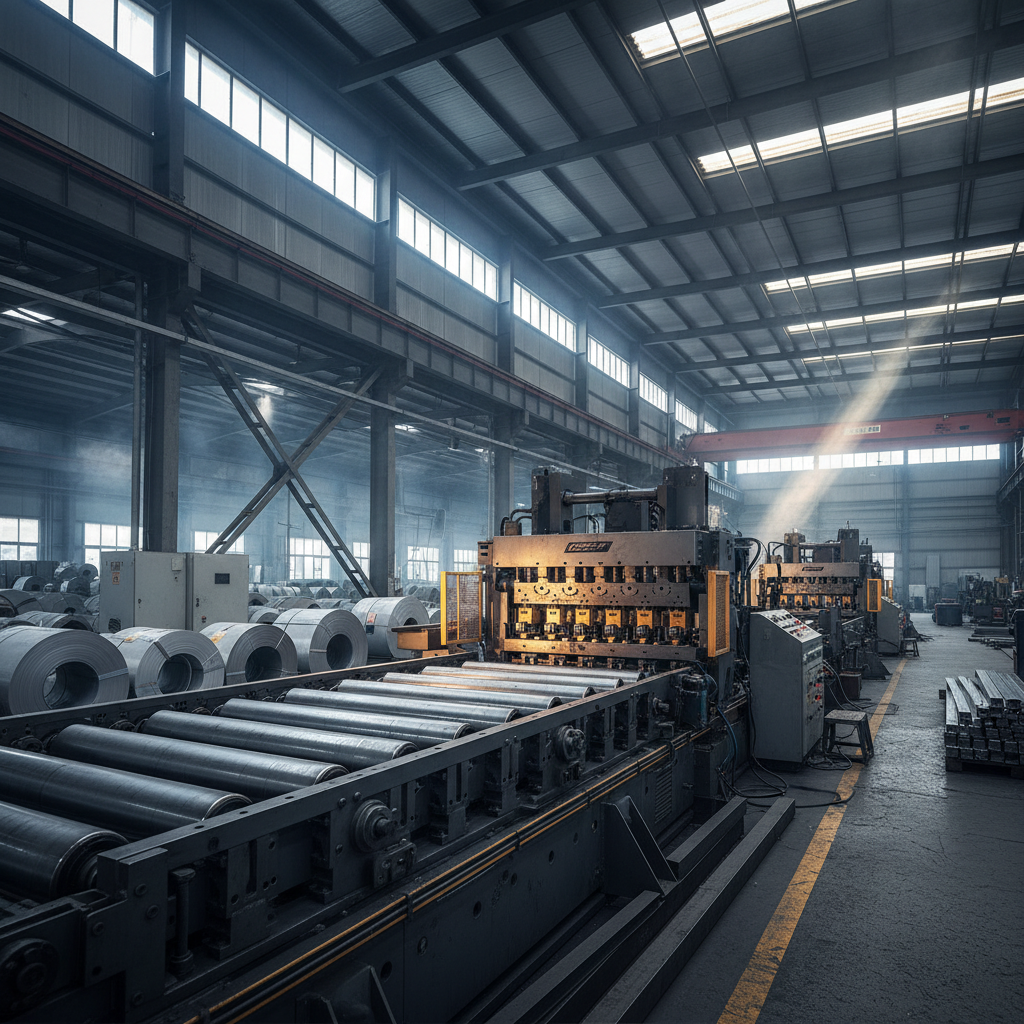
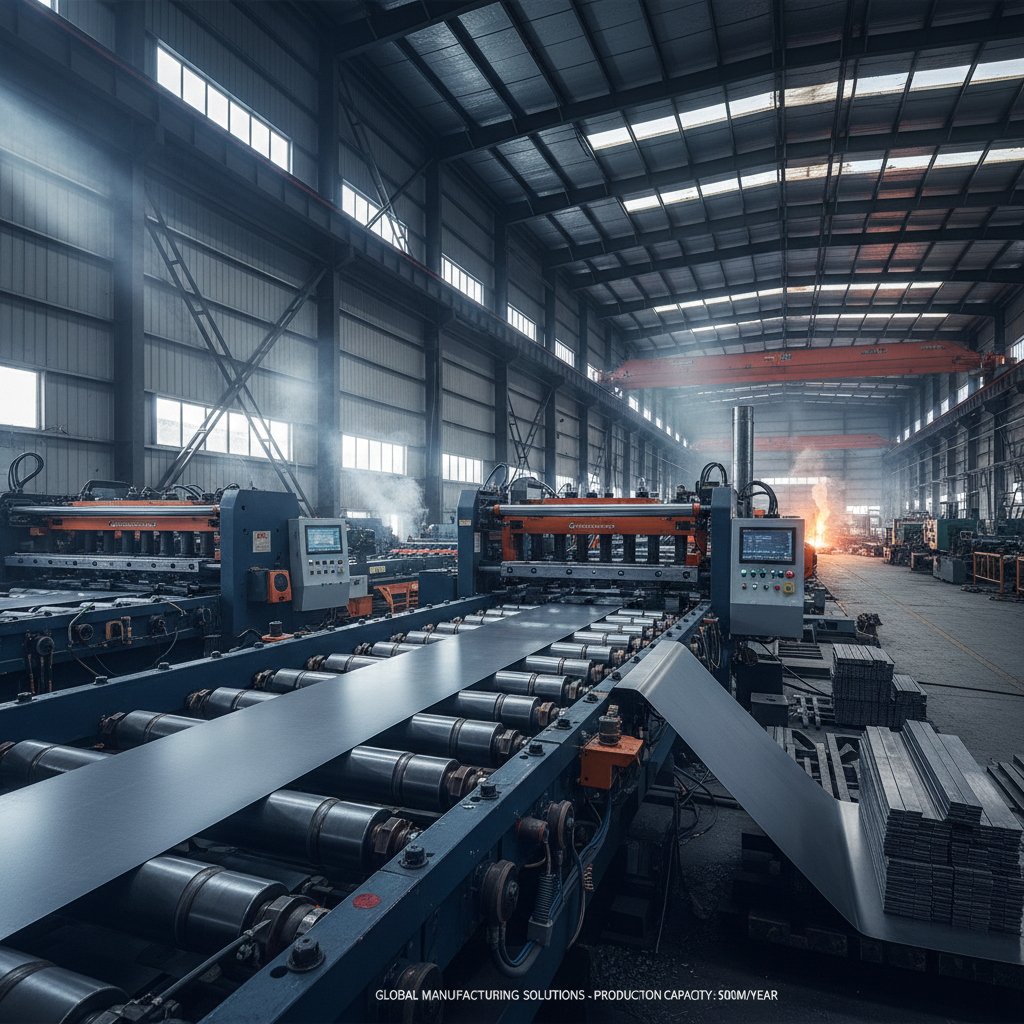
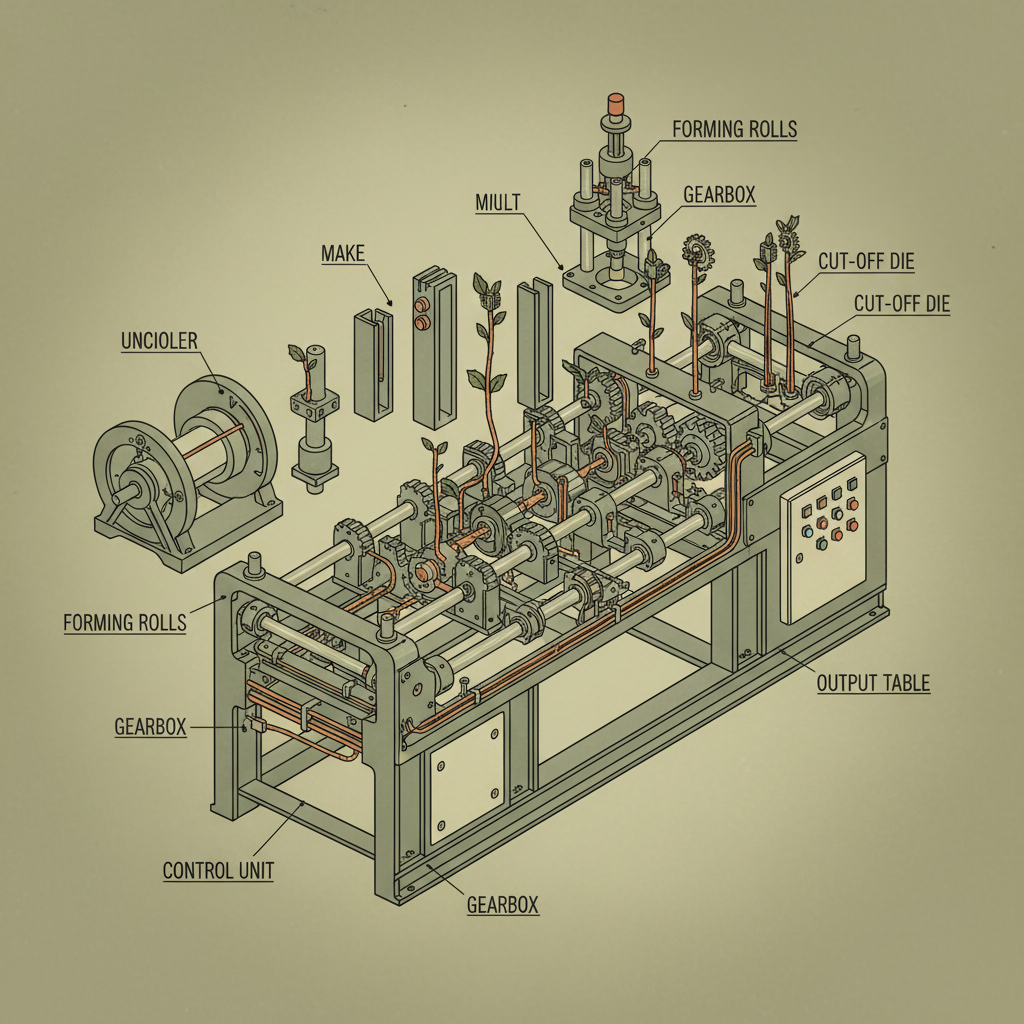
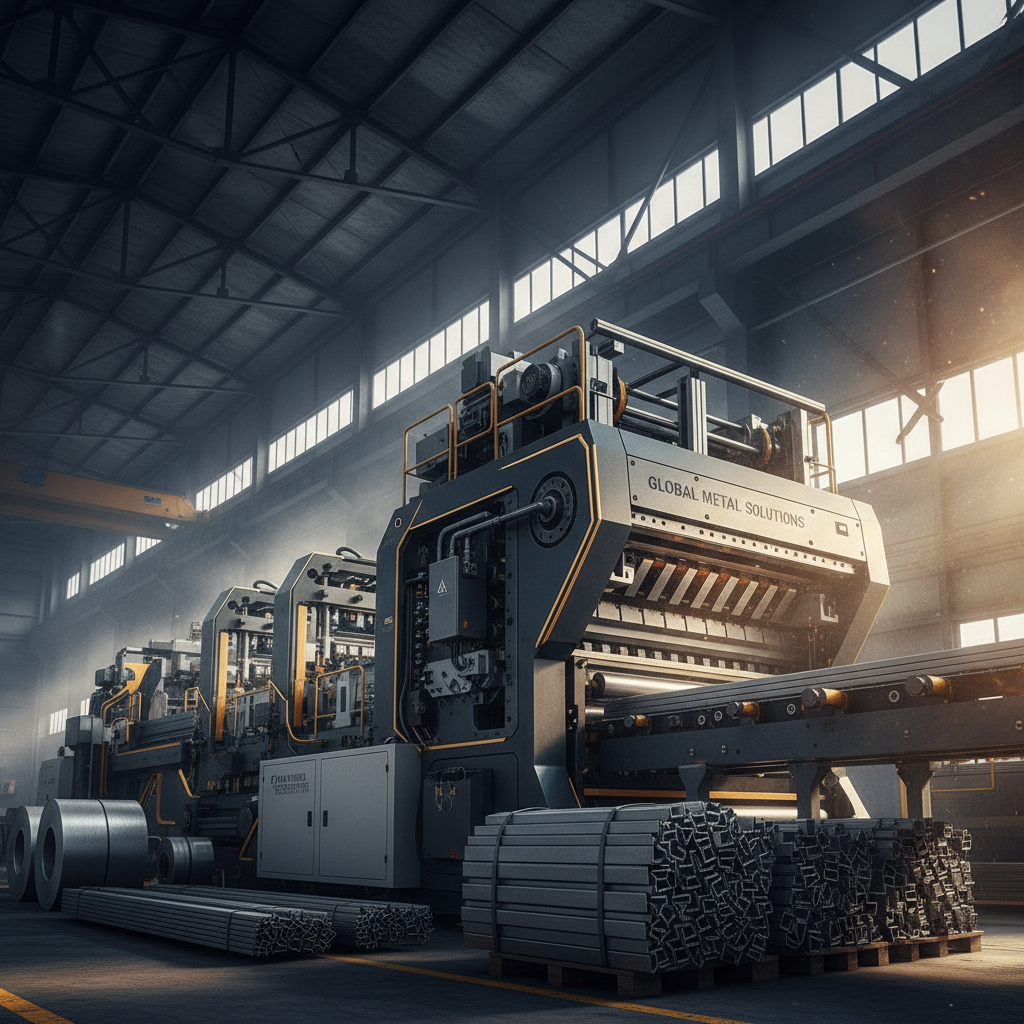
The global construction industry is increasingly turning to efficient and cost-effective building methods, and the metal stud and track roll forming machine plays a crucial role in this shift. These machines automate the production of light-gauge steel framing components, vital for residential, commercial, and industrial construction. Their impact is felt worldwide, from rapidly developing economies to disaster relief efforts, driven by a need for faster, more sustainable, and affordable building solutions.
The demand for faster construction timelines and more sustainable building materials is fueling the growth of the roll forming industry. According to reports from the World Bank, there’s a significant global housing deficit, particularly in developing nations. Metal stud and track roll forming machines offer a scalable solution to address this challenge by significantly reducing construction time and material waste. The ISO standards for light gauge steel framing further reinforce the need for precision and quality in production, directly addressed by these machines.
The increasing frequency of natural disasters also drives the need for rapid deployment housing, where the speed and efficiency of metal stud and track roll forming machines are invaluable. This underlines the vital contribution these technologies make to both economic development and humanitarian aid efforts globally.
Introduction to metal stud and track roll forming machine
A metal stud and track roll forming machine is a specialized industrial machine designed to continuously bend sheet metal into specific profiles, most commonly those used in light-gauge steel framing for buildings. This automated process provides a consistent, high-quality product significantly faster than traditional fabrication methods.
These machines are critical for modern construction techniques, allowing for faster project completion, reduced labor costs, and improved material utilization. The precision of roll forming also means less waste and a more structurally sound building frame.
Defining Metal Stud and Track Roll Forming
Roll forming is a continuous bending process where sheet metal passes through a series of shaped rollers, incrementally forming it into the desired profile. Metal stud and track roll forming machines are specifically configured with roller dies designed to create the C-shaped studs and U-shaped tracks that form the skeletal framework of walls, roofs, and floors.
This differs from traditional steel fabrication, which often involves cutting, welding, and assembling individual pieces. Roll forming is a more efficient, automated, and cost-effective approach, particularly for large-scale projects requiring consistent framing dimensions.
The resulting light-gauge steel framing is not only strong and durable, but also lightweight and easy to handle, further streamlining the construction process and reducing overall project costs. It's a fundamental element of modern building techniques focused on speed and affordability.
Key Factors of metal stud and track roll forming machine
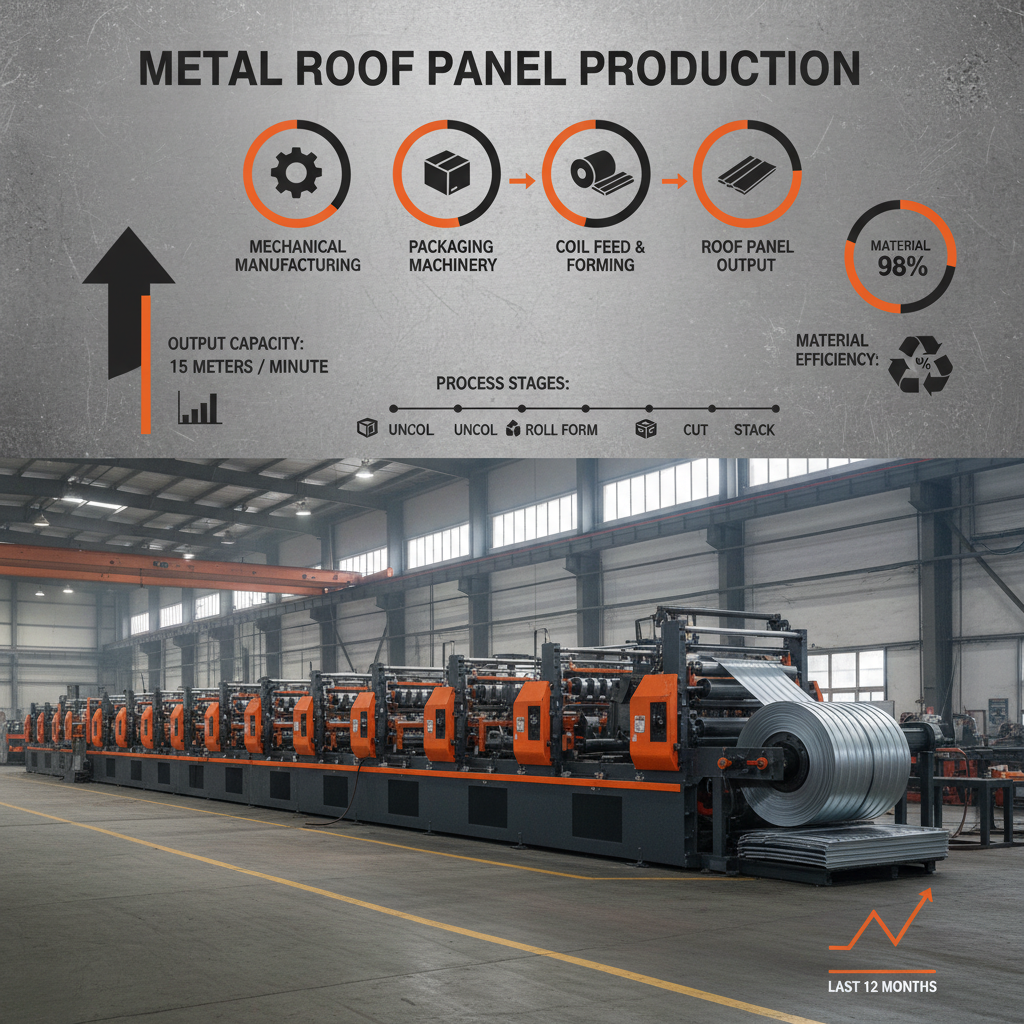
Production Speed: Metal stud and track roll forming machines boast impressive production speeds, capable of generating hundreds of feet of framing material per minute. This rapid output significantly shortens construction timelines, reducing labor costs and accelerating project completion.
Material Efficiency: Compared to traditional framing methods, roll forming minimizes material waste. The process uses the entire width of the steel coil, and precise cutting lengths further reduce scrap. This contributes to lower material costs and a more sustainable building process.
Profile Precision: The roller dies are engineered to create extremely accurate and consistent profiles. This precision ensures that the framing components fit together seamlessly, resulting in a structurally sound and stable building.
Global Applications of metal stud and track roll forming machine
The applications of metal stud and track roll forming machines are incredibly diverse, spanning residential construction, commercial buildings, industrial facilities, and even specialized structures like agricultural sheds and storage units.
In North America, light-gauge steel framing is a dominant construction method for residential housing, driven by its cost-effectiveness and speed. In regions prone to earthquakes, like Japan and California, the inherent flexibility and resilience of steel framing are highly valued.
Furthermore, in post-disaster relief operations, these machines can be deployed to rapidly produce framing materials for temporary shelters and emergency housing, offering a quick and efficient response to humanitarian crises. In remote industrial zones, where labor costs are high and skilled tradespeople are scarce, these machines provide an automated solution to maintain consistent build quality.
metal stud and track roll forming machine Performance Comparison
Advantages of metal stud and track roll forming machine
The primary advantage of utilizing a metal stud and track roll forming machine lies in its cost-effectiveness. Reduced labor requirements, minimized material waste, and faster project completion all contribute to significant savings.
Sustainability is another key benefit. Steel is highly recyclable, and the efficient use of materials inherent in roll forming reduces the environmental footprint of construction projects. The durability of steel framing also translates to longer-lasting buildings, reducing the need for frequent repairs or replacements.
Future Trends in metal stud and track roll forming machine
The future of metal stud and track roll forming machine technology is geared towards increased automation, integration with Building Information Modeling (BIM) software, and the development of more versatile and customizable roll forming systems.
We can anticipate machines that are capable of producing a wider range of profiles, adapting to diverse architectural designs with greater ease. The rise of sustainable building practices will also drive innovation in materials, potentially leading to the use of recycled steel and eco-friendly coatings.
Furthermore, the integration of AI and machine learning could enable predictive maintenance and optimize production processes, maximizing efficiency and minimizing downtime. Digital twin technology will allow for virtual simulations and testing of framing designs, further enhancing accuracy and reducing errors.
Challenges and Solutions for metal stud and track roll forming machine
One of the main challenges with metal stud and track roll forming machine operation is the initial investment cost. High-quality machines require a substantial upfront expenditure. However, this cost is often offset by long-term savings in labor and material expenses.
Another challenge is the need for skilled technicians to operate and maintain the machines. Proper training and preventative maintenance are crucial to ensure optimal performance and longevity. Manufacturers are increasingly offering comprehensive training programs and remote diagnostic services to address this need.
Finally, adapting to rapidly changing building codes and design trends requires flexibility in roll forming systems. Modular roll die designs and quick-change tooling systems are emerging as solutions, allowing for rapid adaptation to new profile requirements.
Summary of Challenges and Solutions for metal stud and track roll forming machine
| Challenge |
Impact on Operations |
Proposed Solution |
Implementation Cost (1-10) |
| High Initial Investment |
Limits accessibility for smaller businesses |
Leasing options, phased purchasing |
6 |
| Skilled Labor Shortage |
Increased maintenance costs, reduced uptime |
Comprehensive training programs, remote diagnostics |
7 |
| Adapting to Design Changes |
Production delays, increased tooling costs |
Modular roll die designs, quick-change tooling |
8 |
| Material Quality Control |
Compromised structural integrity, increased rejection rates |
Automated material inspection systems, rigorous supplier vetting |
5 |
| Machine Maintenance |
Unexpected downtime, reduced production capacity |
Preventative maintenance schedules, readily available spare parts |
6 |
| Integration with BIM Software |
Data silos, inefficient workflow |
Seamless data exchange protocols, API integrations |
7 |
FAQS
Metal stud and track roll forming machines offer significant advantages over traditional framing, including increased production speed, reduced labor costs, minimized material waste, and consistent quality. The automated process ensures precision and efficiency, ultimately leading to faster project completion and lower overall construction expenses. This efficiency is especially valuable in large-scale projects where time and cost savings are crucial.
With proper maintenance and care, a high-quality metal stud and track roll forming machine can have a lifespan of 15-20 years or even longer. Regular lubrication, die inspections, and timely replacement of worn parts are essential for maximizing its operational life. Investing in a machine from a reputable manufacturer with readily available spare parts and technical support is also crucial for long-term reliability.
Most metal stud and track roll forming machines are capable of processing a wide range of steel gauges, typically from 18 gauge to 12 gauge (approximately 1.2mm to 2.7mm thick). The specific gauge capacity depends on the machine's design and the power of its drive system. It's important to select a machine that can accommodate the gauges required for your specific construction projects.
While the machines are automated, operators require comprehensive training to ensure safe and efficient operation. Training should cover machine setup, die changes, material loading, basic maintenance, troubleshooting, and safety protocols. Reputable manufacturers offer training programs, and on-site training is highly recommended. Proper training minimizes the risk of accidents and ensures consistent product quality.
Modern machines incorporate numerous safety features, including emergency stop buttons, safety guards around moving parts, overload protection systems, and light curtains to prevent accidental access. Many machines also feature automated shutdown mechanisms in case of malfunctions. Regular safety inspections and adherence to established safety protocols are essential for maintaining a safe working environment.
Lead times can vary depending on the manufacturer, the complexity of the machine, and current demand. Generally, you can expect a lead time of 8-16 weeks from the date of order to delivery. Customized machines with specific configurations may require longer lead times. It's advisable to plan ahead and place your order well in advance of your project start date.
Conclusion
In conclusion, metal stud and track roll forming machines represent a transformative technology in the construction industry. Their ability to deliver speed, cost-effectiveness, material efficiency, and precision makes them essential for meeting the growing demands of a rapidly evolving global construction landscape. By embracing this technology, businesses can enhance their competitiveness, reduce their environmental impact, and contribute to more sustainable building practices.
Looking ahead, continued innovation in automation, materials science, and digital integration will further unlock the potential of these machines. Investing in this technology is not merely a matter of adopting a new tool, but rather embracing a future where construction is faster, more efficient, and more sustainable. Visit our website at www.lwrollformingmachine.com to learn more about how we can help you implement this transformative technology in your operations.