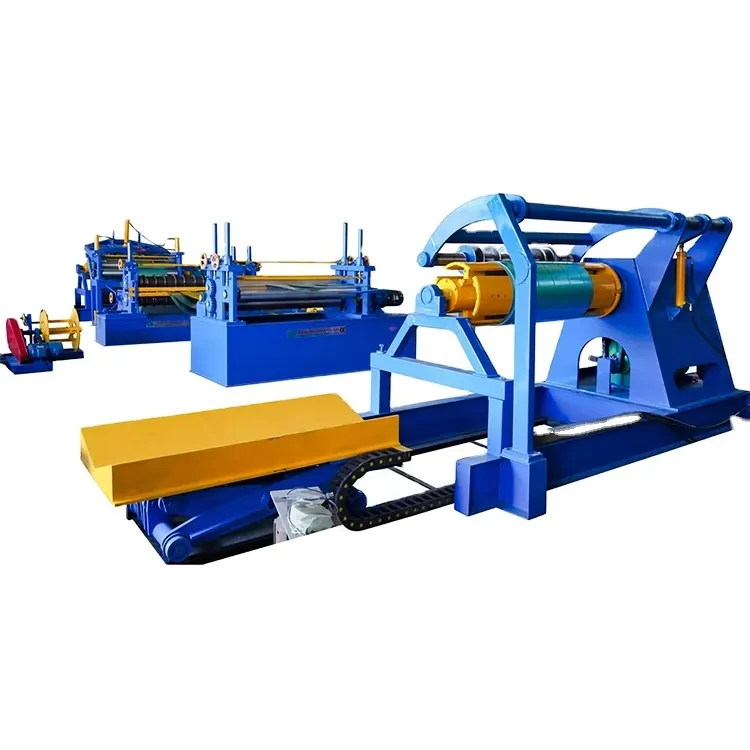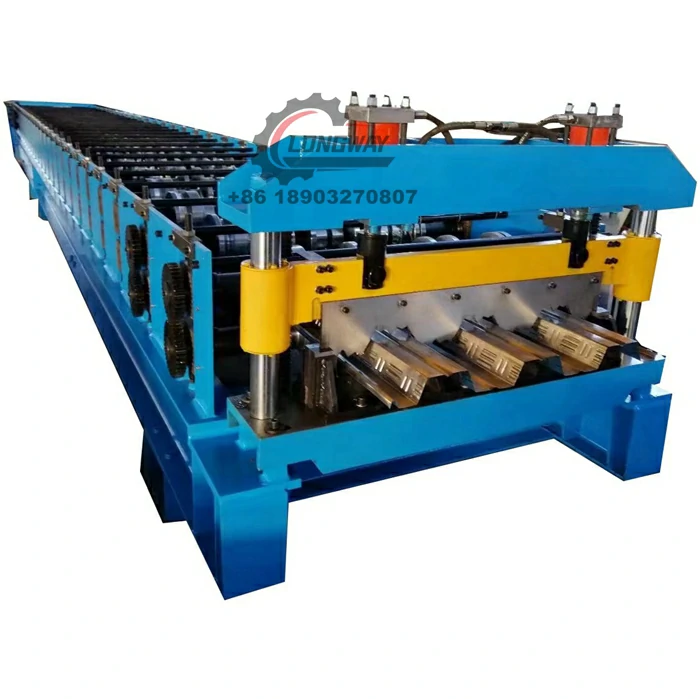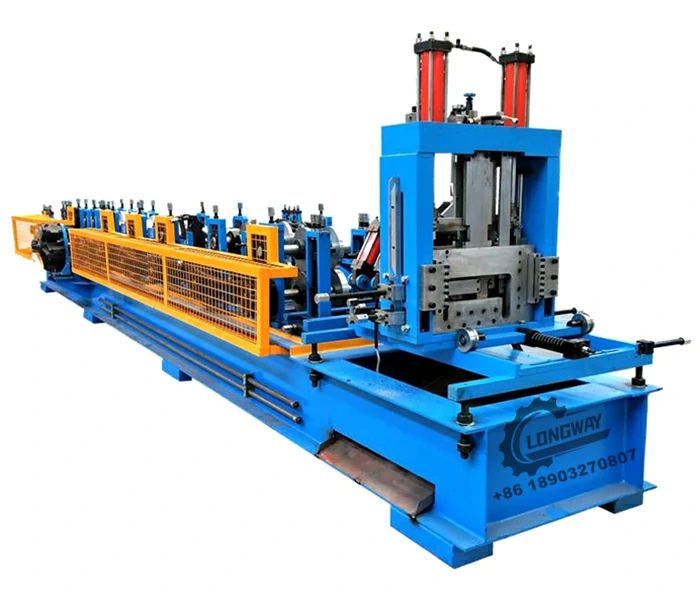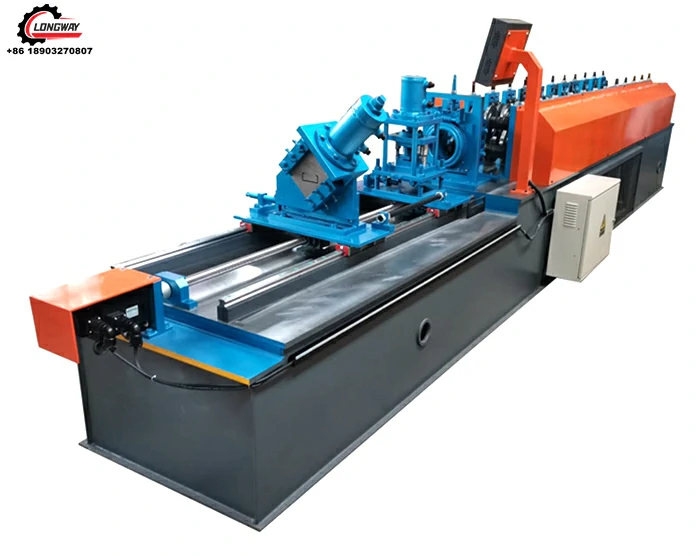
Roof Sheet Forming Machine – Durable, Efficient Roofing Solutions Worldwide
Understanding Roof Sheet Forming Machines: A Global Perspective
If you’ve ever marveled at the way steel roof sheets snap into place on warehouses, factories, or even emergency shelters, chances are a roof sheet forming machine had a hand in it. These machines shape flat metal coils into the corrugated or ribbed roof panels we rely on every day. Why is this important? Because they directly influence construction speed, affordability, and—even more critically—the quality of shelter solutions worldwide.
Globally, the construction industry accounts for nearly 40% of carbon emissions and has a voracious appetite for raw materials (IEA Buildings Report). Technologies like roof sheet forming machines help mitigate waste by creating uniform, resilient materials with minimal scrap. Plus, they enable rapid deployment of structures—think post-disaster housing or remote site shelters. That’s no small thing at all.
Global Context: Why Roof Sheet Forming Machines Matter
In 2023, the construction industry worldwide was expected to grow by about 5%, a number driven largely by urbanization and infrastructure projects in Asia and Africa (World Bank, 2023). However, challenges persist—material shortages, high energy costs, and labor inefficiencies slow down projects. Metal roofing, thanks to its longevity and recyclability, is a favored solution but requires specialized machinery to produce cost-effectively.
Roof sheet forming machines answer this challenge. By automating sheet production and ensuring consistent profile shapes, they reduce labor requirements and enable on-demand manufacturing, even on-site in some cases. In developing regions, this can mean the difference between a quickly habitable disaster shelter and prolonged displacement.
Defining the Roof Sheet Forming Machine
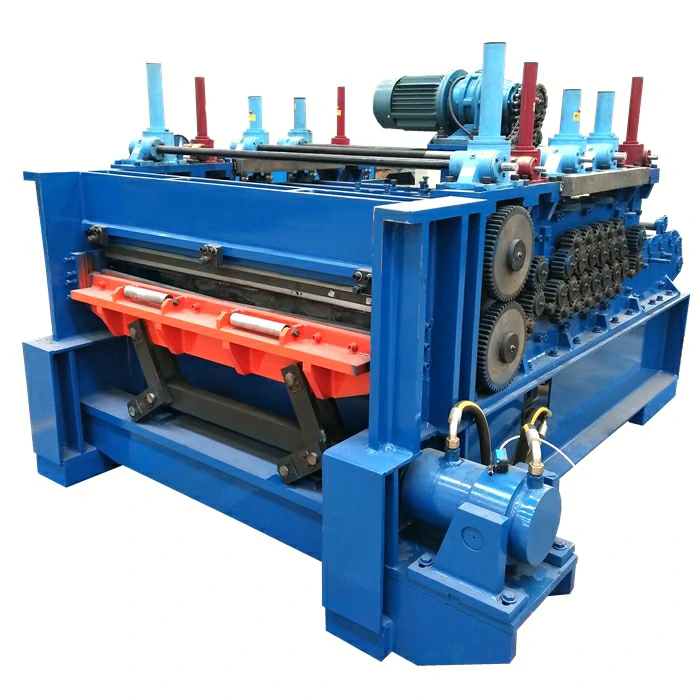
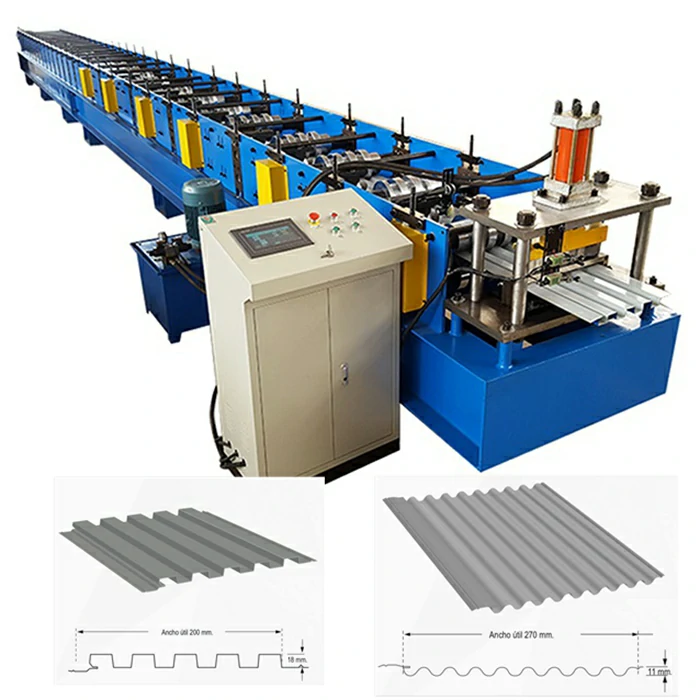
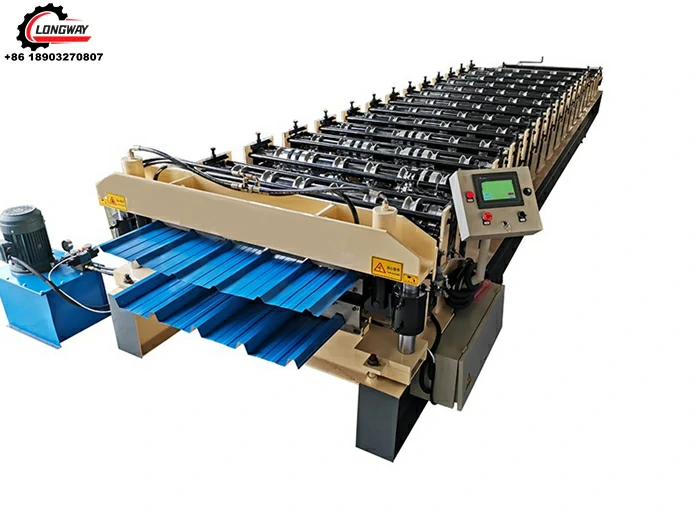
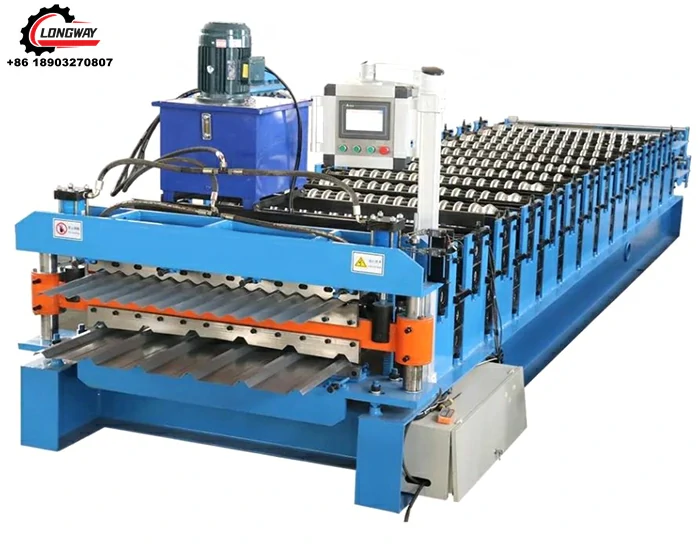
Simply put, a roof sheet forming machine is equipment that transforms flat steel coils or aluminum strips into corrugated or ribbed roofing panels through a series of rollers and shaping stations. The process is continuous—metal feeds in one end, shaped sheets emerge the other, ready for cutting and installation.
These machines bridge industrial manufacturing and real-world demands by enabling scalable, high-quality roofing production. Their output supports everything from agricultural barns in the Midwest to emergency shelters after hurricanes in the Caribbean, underscoring a versatile and vital role.
Core Components Explained
- Durability: The machines must withstand constant operation under high pressure, often in dusty or damp environments.
- Scalability: From small batch runs to large industrial volumes, flexibility is key for diverse client needs.
- Cost Efficiency: Automated forming reduces manpower days and scrap rates, driving down expenses.
- Precision Control: Accurate shaping ensures that roofing panels fit tight and resist weathering.
- Material Compatibility: Ability to handle different metals broadly expands usability.
- User-Friendly Operation: Modern CNC controls allow easier setup and adjustment.
Where Are Roof Sheet Forming Machines Used Globally?
You’ll find these machines in bustling factories in China, small workshops in Eastern Europe, and mobile units aiding relief efforts in Africa. For example, after the 2022 floods in Pakistan, NGOs used on-site forming machines to produce temporary roofing panels within days (Wikipedia: 2022 Pakistan floods). Similarly, mining companies in Australia rely on these machines to produce durable shelter materials right at remote sites, cutting delivery time and costs.
Even governments investing in affordable housing schemes have seen the benefits—standardized roof panel production allows for bulk purchasing and rapid site deployment, reducing project backlog.
A Snapshot of Roof Sheet Forming Machine Specifications
| Specification | Typical Range | Comments |
|---|---|---|
| Material Thickness | 0.3mm – 1.2mm | Suitable for steel and aluminum sheets |
| Sheet Width | 600mm – 1250mm | Dependent on coil source and end use |
| Forming Speed | 15 – 40 m/min | Higher speeds for industrial model lines |
| Power Requirement | 7 – 15 kW | Varies by model and motor type |
| Automation Level | Semi-automatic to fully automatic | CNC controls increasingly common |
Advantages & Long-Term Value of Using Roof Sheet Forming Machines
Aside from streamlining production, these machines support sustainability by ensuring consistent material use with minimal waste. The quality control inherent in roll forming means roofs that last decades, reducing costly repairs or early replacements. For homeowners or facility managers, that’s trust and reliability.
Socially, rapid manufacturing facilitates faster shelter provision after natural disasters, helping communities regain normalcy quicker. Emotionally, there’s something reassuring about a sturdy roof over your head—safety, dignity, peace of mind. It’s innovation serving basic human needs.
Comparing Leading Manufacturers of Roof Sheet Forming Machines
| Manufacturer | Model Range | Automation | Price (Approx.) | Key Feature |
|---|---|---|---|---|
| LW Roll Forming Machine | Compact, Industrial, Mobile | Semi to Full CNC | $15,000 – $45,000 | Flexible profiles, on-site production |
| Dahua Machinery | Industrial High-Speed | Full Automation | $25,000 – $60,000 | High throughput, energy efficient |
| Shanghai Mingle | Economy Range | Semi-Automatic | $10,000 – $30,000 | Cost-effective for small workshops |
Looking Ahead: Innovations & Future Trends
Automation continues to push the envelope. More sophisticated CNC controls and IoT integration mean operators can monitor wear and quality in real-time, preventing costly downtime. The emergence of eco-friendly, coated metals also affects roll forming—machines must adapt to handle new textures and thicknesses.
Interestingly, some companies are experimenting with solar-integrated roofing panels, meaning future roof sheet forming machines might incorporate electrical components or novel materials. Sounds futuristic, sure, but backed by serious R&D.
Challenges & Practical Solutions
Common hurdles include energy consumption and machine maintenance. Older models can be power-guzzlers or require frequent adjustments, hurting efficiency. The good news? Modern upgrades and modular component designs reduce this impact. Also, skilled operators are sometimes scarce in emerging markets, but online training and remote diagnostics are closing that gap.
FAQ: Your Questions About Roof Sheet Forming Machines
-
Q: How adaptable are roof sheet forming machines to different metal types?
A: Most machines handle a range of materials like galvanized steel, aluminum, and sometimes stainless steel. The key is adjustable roller stations and compatible forming speeds that prevent metal fatigue or cracking. -
Q: Can these machines be operated onsite for disaster relief?
A: Yes, mobile or compact models exist that can be transported and set up quickly, allowing rapid production right where it’s needed most—saving precious time. -
Q: What maintenance does a roof sheet forming machine typically require?
A: Regular lubrication, roller alignment checks, and electrical inspections form the core of maintenance. Scheduled servicing every 3–6 months keeps machines running smoothly. -
Q: How energy intensive are these machines?
A: Energy use varies by size, but modern designs target 7–15 kW, often incorporating variable frequency drives for efficiency. This is moderate compared to other manufacturing equipment. -
Q: Where can I learn more or get a machine tailored to my needs?
A: Visit specialized manufacturers like LW Roll Forming Machine — they offer consultation and custom solutions.
Wrapping Up: Why Investing in Roof Sheet Forming Machines Makes Sense
If you build, supply, or rely on metal roof sheets, the forming machine is the cornerstone of quality and efficiency. They’re quietly revolutionizing construction worldwide—not by flashy breakthroughs but by steady, reliable craftsmanship.
In a world leaning toward sustainability and smart infrastructure, these machines embody progress. And if you’re looking to stay ahead or simply upgrade your production line, checking out roof sheet forming machine options today might be your smartest move yet.
Because, when all’s said and done, a sturdy roof is about more than metal. It’s about safety, dignity, and building lasting futures.
References:
1. IEA Buildings Report 2023
2. Wikipedia: 2022 Pakistan floods
3. World Bank: Urban Growth Overview
-
High Precision Customized Z Purlin Roll Forming Machine GuideNewsApr.16, 2026
-
High Precision customized steel structure floor deck roll forming machineNewsApr.09, 2026
-
Comprehensive Guide to Customized Roof Tile Roll Forming Machine SolutionsNewsApr.07, 2026
-
Optimizing Metal Fabrication with a Customized Roll Forming Machine SolutionNewsApr.04, 2026
-
Comprehensive Guide to Customized Profile Roll Forming Machine SolutionsNewsMar.31, 2026
-
Customized Light Steel Keel Roll Forming Machine Solutions and ApplicationsNewsMar.28, 2026
-
Optimized Production with a Customized Double Layer Roll Forming Machine SolutionNewsMar.26, 2026