Portable Standing Seam Machine: The Future of On-Site Metal Roofing Fabrication
What Exactly Is a Portable Standing Seam Machine—and Why Do We Care?
Standing seam roofing is a staple in modern construction, known for durability and clean aesthetics. But how do you make that durable roofing on-site, fast, and adaptable? That’s where a portable standing seam machine steps in. In a world increasingly focused on efficiency and flexibility—whether in urban developments or remote infrastructure projects—these machines allow professionals to fabricate roofing panels directly where they’re needed. This means less waste, faster installation, and often better quality control.
Globally, construction industries are evolving fast, and portable solutions align neatly with trends like modular buildings and sustainable practices. So understanding portable standing seam machines isn’t just a niche curiosity — it's pragmatic knowledge for anyone involved in roofing, metalworking, or construction logistics.
The Global Context: Why Portable Standing Seam Machines Matter Today
Construction demands keep rising all over the world—gigantic in Asia and Africa, but also steadily growing in developed markets. According to the United Nations, urban populations are expected to grow by 2.5 billion people by 2050 (UN Urbanization Report), pushing demand for quick, reliable building solutions.
In that light, the portable standing seam machine answers several pain points simultaneously. Steel roofs, fabricated on-site, mean less dependence on large warehouses or transportation of bulky pre-made panels. This is especially critical in areas where roads are rough or infrastructure is limited—think remote industrial zones or disaster-stricken locations.
One statistic worth noting from the World Bank: transport costs can add up to 40% to construction material expenses in poorer regions (World Bank Transport). Portable fabrication machinery helps slash those costs remarkably.
Portable Standing Seam Machine: Definition & Meaning
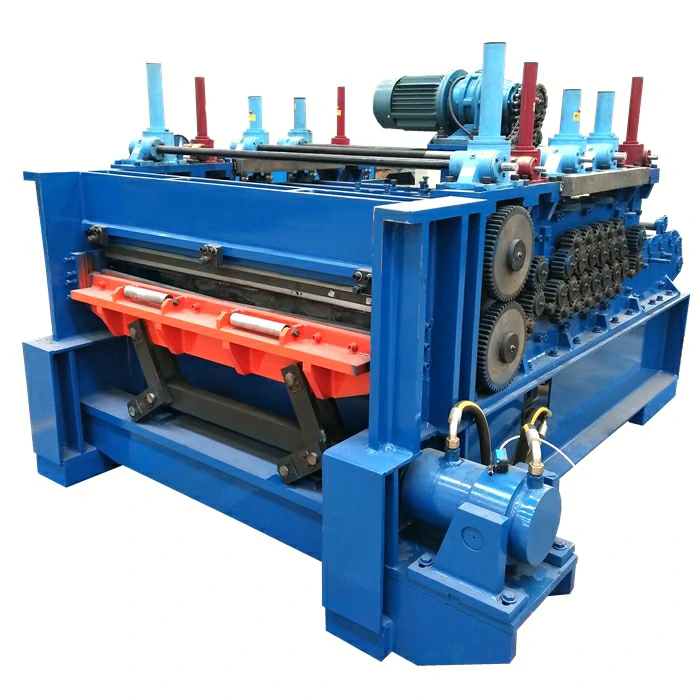
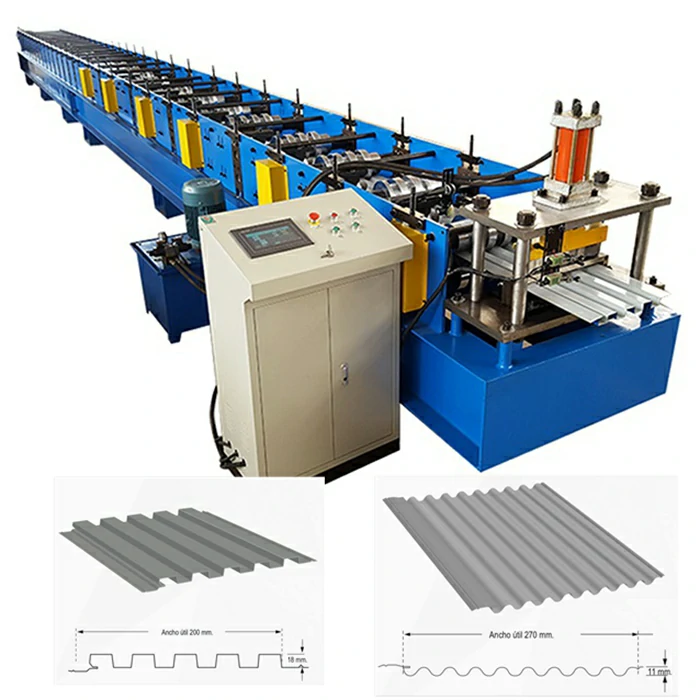
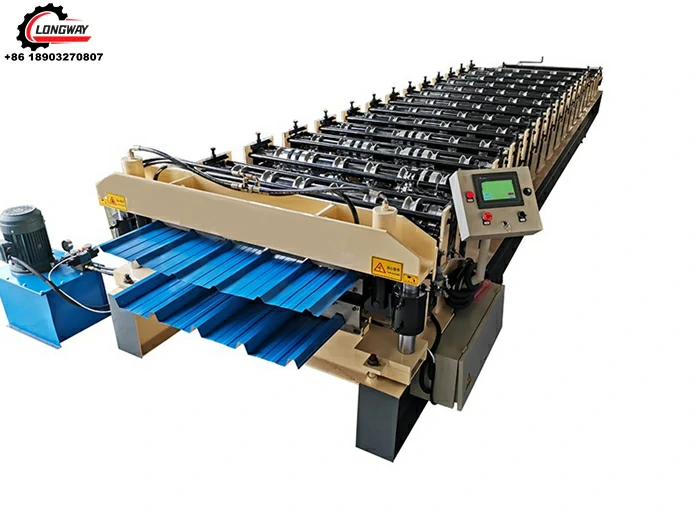
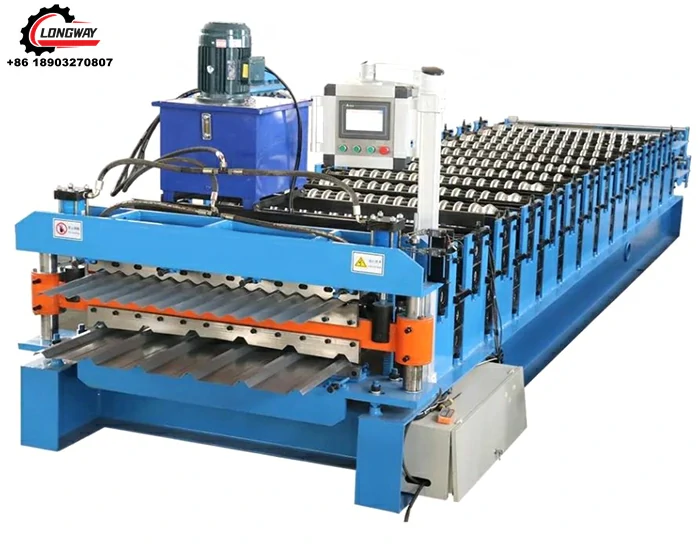
Simply put, a portable standing seam machine is a compact, mobile rollforming system designed to shape metal coils into standing seam roof panels right at the job site. It’s often mounted on trailers or trucks, enabling easy transport and setup.
These machines automate the otherwise labor-intensive process of bending and locking metal sheets into interlocking seams that resist harsh weather and wear over years. While obviously vital for commercial and residential roofs, this innovation also profoundly impacts humanitarian efforts, where swift shelter creation can save lives after disasters.
Core Features That Make These Machines Tick
1. Durability & Build Quality
Manufacturers typically use robust steel and heavy-duty components to ensure machines withstand rough handling and varied environments. After all, these machines often work in dusty, rainy, or otherwise tough conditions.
2. Scalability & Portability
How easily the machine can be transported affects budgets and project timelines. Compact designs mean a single crew can deploy a machine rapidly — almost like magic. Some models weigh under a ton, which helps with agile projects or emergency setups.
3. Power Source Flexibility
Most models operate via electric motors but can adapt to diesel generators or alternative power sources—key for sites without reliable electricity.
4. Cost Efficiency
By fabricating panels on location, waste is reduced, and shipping costs plummet. It also shortens project schedules, which often translates to savings far beyond upfront equipment fees.
5. User Interface & Automation
Modern machines feature automated controls with pre-programmed profiles for different panel sizes—so even smaller teams can get consistent results without expert operators.
Portable Standing Seam Machine in Action: Global Applications
Where are these machines actually used? The answer: almost everywhere metal roofing is preferred or necessary.
- Disaster Relief and Humanitarian Housing: NGOs set up portable machines to offer quick roofing solutions after earthquakes or hurricanes, allowing safe, weatherproof shelters in weeks, not months.
- Remote Industrial Zones: Mining and energy fields often lack infrastructure. On-site fabrication machines make roofing onsite cheaper and faster, circumventing logistical bottlenecks.
- Urban Construction: Even in cities, contractors use portable standing seam systems to reduce project delays and improve quality, especially on buildings with complex rooflines.
- Modular Building Manufacturing: Factories adopt these systems to customize panel sizes and colors quickly based on client needs.
In fact, a mining company in Chile recently reported a 30% reduction in roofing project costs after adopting a portable device — the savings came from both material reduction and faster on-site assembly.
Mini takeaway:
Portable standing seam machines are becoming the Swiss Army knife of metal roofing—versatile, efficient, and indispensable across sectors.
Advantages & The Long-Term Value of Going Portable
Why pick a portable solution? Cost and speed are obvious, but there’s more.
- Sustainability: Less shipping and less waste align with modern green building standards.
- Reliability: Interlocking seams created by these machines resist rain and wind better than many alternatives.
- Safety & Dignity: In relief operations, providing durable shelter quickly restores people's sense of security.
- Innovation: Integrating digital controls means even small teams deliver professional-quality roofing.
Honestly, it feels like these machines are part of a quiet revolution in how we build for tomorrow—smart, sustainable, and adaptive.
Spotlight on Specs: A Typical Portable Standing Seam Machine
| Spec | Description |
|---|---|
| Panel Width | 500 mm to 610 mm (adjustable) |
| Material Thickness | 0.4 mm to 0.7 mm (steel, aluminum) |
| Roller Stations | 7-9 stations for forming and locking seams |
| Power Supply | 110/220 V AC or diesel generator-compatible |
| Weight | 800–1200 kg depending on model |
| Speed | Up to 10 meters per minute |
Vendor Comparison: Finding the Right Portable Standing Seam Machine
| Brand | Portability | Automation Level | Price Range (USD) | Warranty (Years) |
|---|---|---|---|---|
| Alutech Flex | Highly portable trailer setup | Semi-automatic, programmable | $28,000 - $35,000 | 2 |
| SteelRoll Pro | Compact, truck-mounted | Fully automatic with touch screen | $40,000 - $47,000 | 3 |
| MetalCraft Mobile | Lightweight; can be air-lifted | Manual with motor assist | $15,000 - $20,000 | 1 |
Looking Ahead: Innovations & Trends on the Horizon
The future’s looking bright for portable standing seam technologies. Digitalization is creeping in—imagine AI-assisted panel design software that automatically adjusts for local climate or sunlight angles. Some vendors already experiment with solar power-compatible machines, reducing reliance on generators.
And material science isn’t sleeping either. We’re seeing lighter metals and coatings that resist corrosion far longer, which means maintenance is less often, and roofs last decades more.
Lastly, sustainability is no longer optional. UN SDG standards increasingly shape construction policies worldwide (UN Sustainable Development Goals), encouraging companies to adopt greener practices; portable machines that lower transport emissions fit perfectly.
Real Talk: Challenges & How to Overcome Them
Don’t get me wrong—portable standing seam machines aren’t a cure-all. Common hurdles include:
- Learning Curve: Operators need some training, even if the controls are intuitive.
- Power Needs: Many sites lack stable electricity, so you need reliable generators or renewable options.
- Initial Investment: Despite long-term savings, upfront costs can be steep.
Solutions? Training programs via manufacturers or online tutorials. Hybrid power systems combining solar and diesel. And leasing options that lower the entry barrier.
FAQs About Portable Standing Seam Machines
- Q: How long does it take to set up a portable standing seam machine on site?
- A: Usually 1–2 hours for initial setup. Experienced teams sometimes do it in under an hour, including calibration and testing.
- Q: Can these machines handle different metal types?
- A: Yes, typically steel and aluminum are common. Some machines also work with copper or zinc, but specs vary by manufacturer.
- Q: Are portable standing seam roofs weather resistant?
- A: Absolutely. The interlocking seams are specifically designed to resist heavy rain, snow, and high winds, often better than traditional roofing.
- Q: Can small companies afford these machines?
- A: While initial costs might seem high, many vendors offer flexible financing, leasing plans, and the machines quickly offset costs through time and material savings.
Wrapping Up: Why This Matters to You
If you’re in construction, roofing, or even disaster relief, the versatile portable standing seam machine offers a straightforward but powerful way to increase efficiency, sustainability, and quality. Knowing how to leverage these tools means faster projects, less waste, and that little edge where innovation meets practical need.
Curious to explore models or vendors? Visit our portable standing seam machine page for details tailored to your project’s needs. Sometimes, the right equipment makes all the difference—kind of like a good compass on a tough hike.
Final mini takeaway:
In construction's fast-paced world, the mobility and precision of portable standing seam machines might just be your smartest bet this decade.
Reference List
-
High Precision Customized Z Purlin Roll Forming Machine GuideNewsApr.16, 2026
-
High Precision customized steel structure floor deck roll forming machineNewsApr.09, 2026
-
Comprehensive Guide to Customized Roof Tile Roll Forming Machine SolutionsNewsApr.07, 2026
-
Optimizing Metal Fabrication with a Customized Roll Forming Machine SolutionNewsApr.04, 2026
-
Comprehensive Guide to Customized Profile Roll Forming Machine SolutionsNewsMar.31, 2026
-
Customized Light Steel Keel Roll Forming Machine Solutions and ApplicationsNewsMar.28, 2026
-
Optimized Production with a Customized Double Layer Roll Forming Machine SolutionNewsMar.26, 2026