The demand for robust and efficient roofing solutions is constantly rising globally, driven by factors like increasing construction activity, the need for durable infrastructure, and the growing awareness of energy efficiency. Metal roofing, in particular, is gaining significant traction, and that’s where a reliable metal roof making machine comes into play. It's not just about cranking out metal panels; it’s about providing quality, speed, and cost-effectiveness to builders and developers worldwide. I've seen firsthand how a good machine can streamline a project, reduce waste, and ultimately, deliver a better roof over people’s heads. The industry isn't just about aesthetics anymore; it's about longevity and sustainable building practices.
From sprawling commercial complexes to individual residential projects, the need for efficient and reliable roofing fabrication is paramount. I’ve spent years on-site, seeing projects held up by delays in material delivery, and the impact it has on budgets and timelines. A robust metal roof making machine directly addresses these challenges. The initial investment might seem substantial, but the long-term savings on labor, material waste, and project delays are undeniable. It’s a shift in thinking, moving away from solely relying on external suppliers to bringing production in-house.
What I’ve learned over the years is that the quality of the roofing dictates the longevity of the structure. The weather is only getting more unpredictable, and customers demand a reliable, long-lasting roof. A properly calibrated and maintained metal roof making machine, coupled with skilled operators, directly contributes to that quality and peace of mind. It's a core component of modern construction, and its importance will only continue to grow.
The Importance of Metal Roof Making Machines
Let’s be frank: roofing is a critical component of any building. A failure up there impacts everything below. I've been on sites where a compromised roof led to catastrophic water damage, and the cost of remediation far outweighed the investment in quality materials and fabrication. That's where the efficiency and precision of a metal roof making machine become invaluable. It's not just about speed, it's about consistency, minimizing errors, and ensuring a watertight seal.
I’ve seen crews struggle with manual cutting and shaping of metal roofing, the waste is immense, and the quality varies wildly depending on the skill of the individual. A well-designed machine eliminates much of that human error, ensuring uniform panels that fit perfectly and perform reliably for decades. It's about building with confidence, knowing the roof is solid and built to last.
Understanding Metal Roof Making Machines
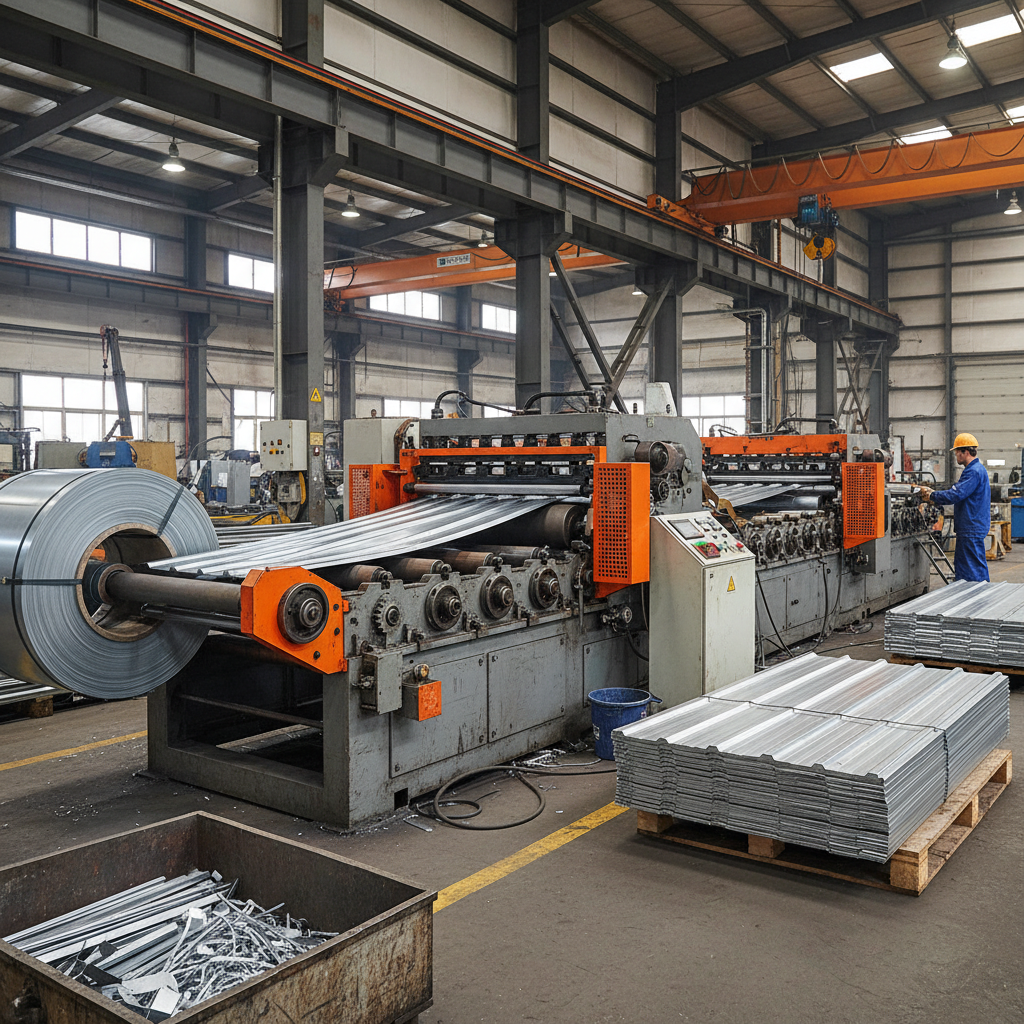
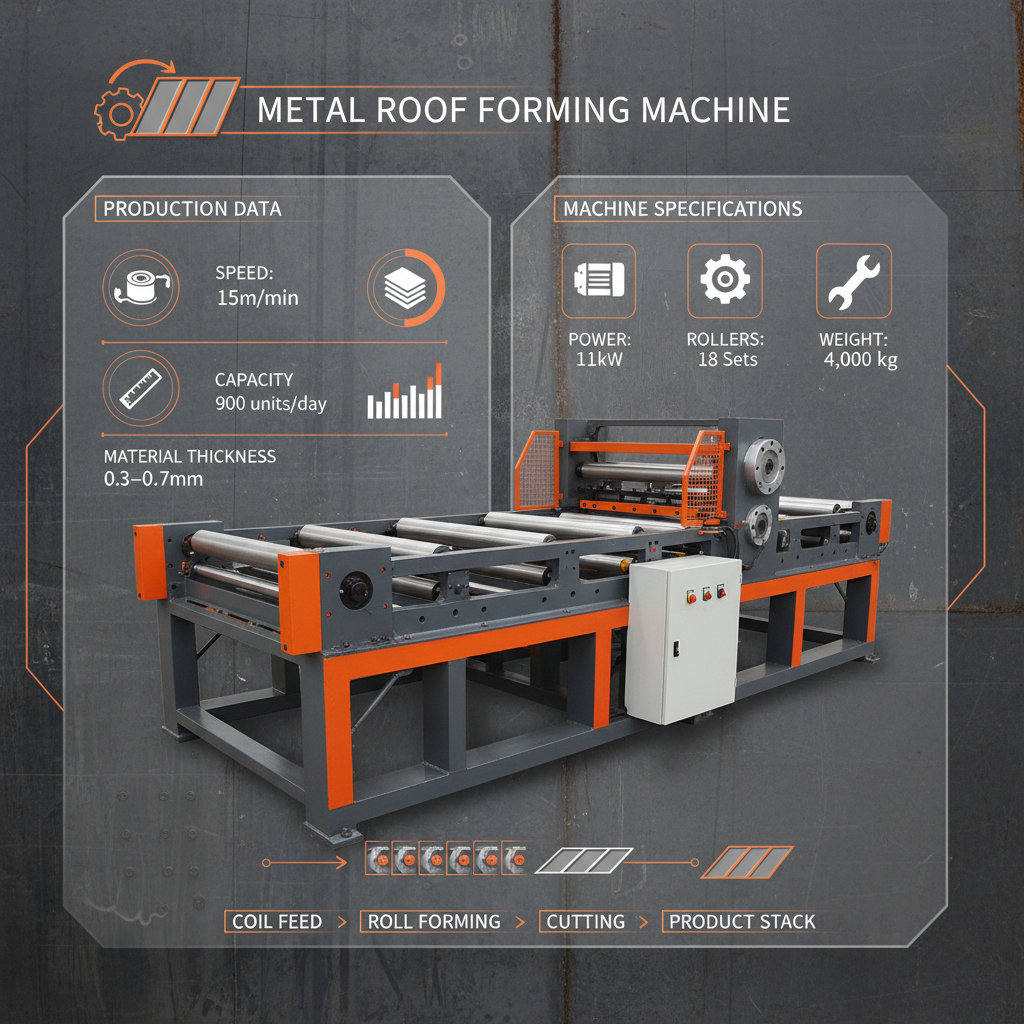
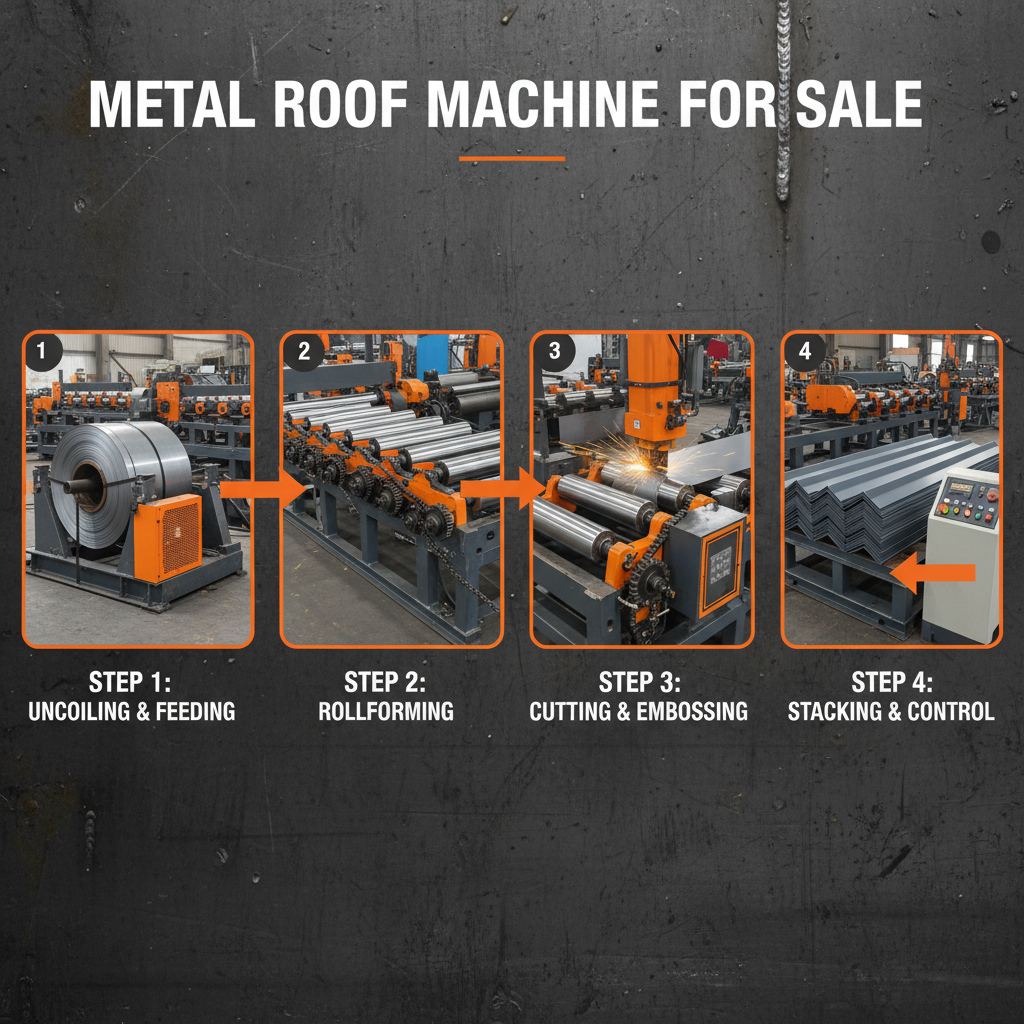
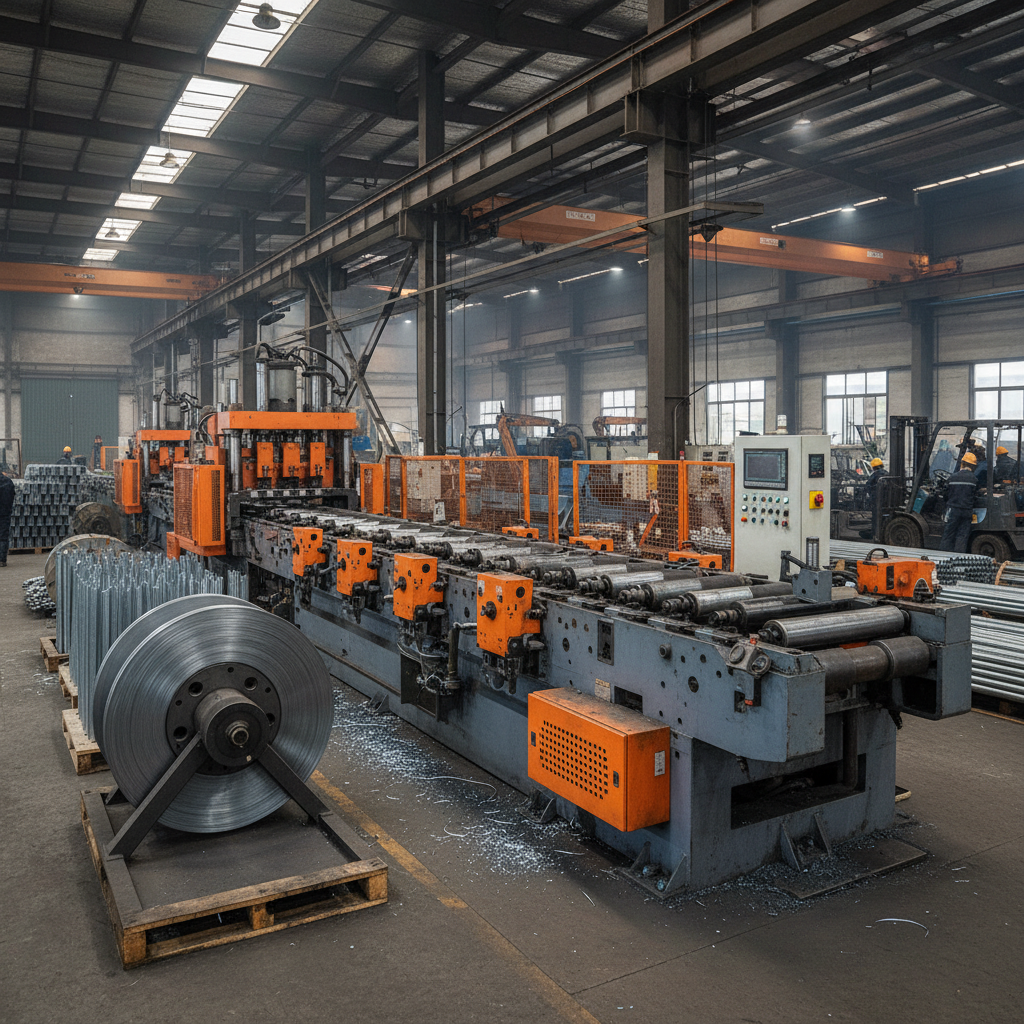
Essentially, a metal roof making machine takes coils of sheet metal – typically steel or aluminum – and transforms them into the various profiles used in roofing applications. Think standing seam, corrugated, tile-effect – the machine is configured to produce the desired shape. The process involves uncoiling the metal, feeding it through a series of rollers that progressively form the profile, and then cutting it to length. It’s a continuous process, and a good machine will do this quickly and accurately.
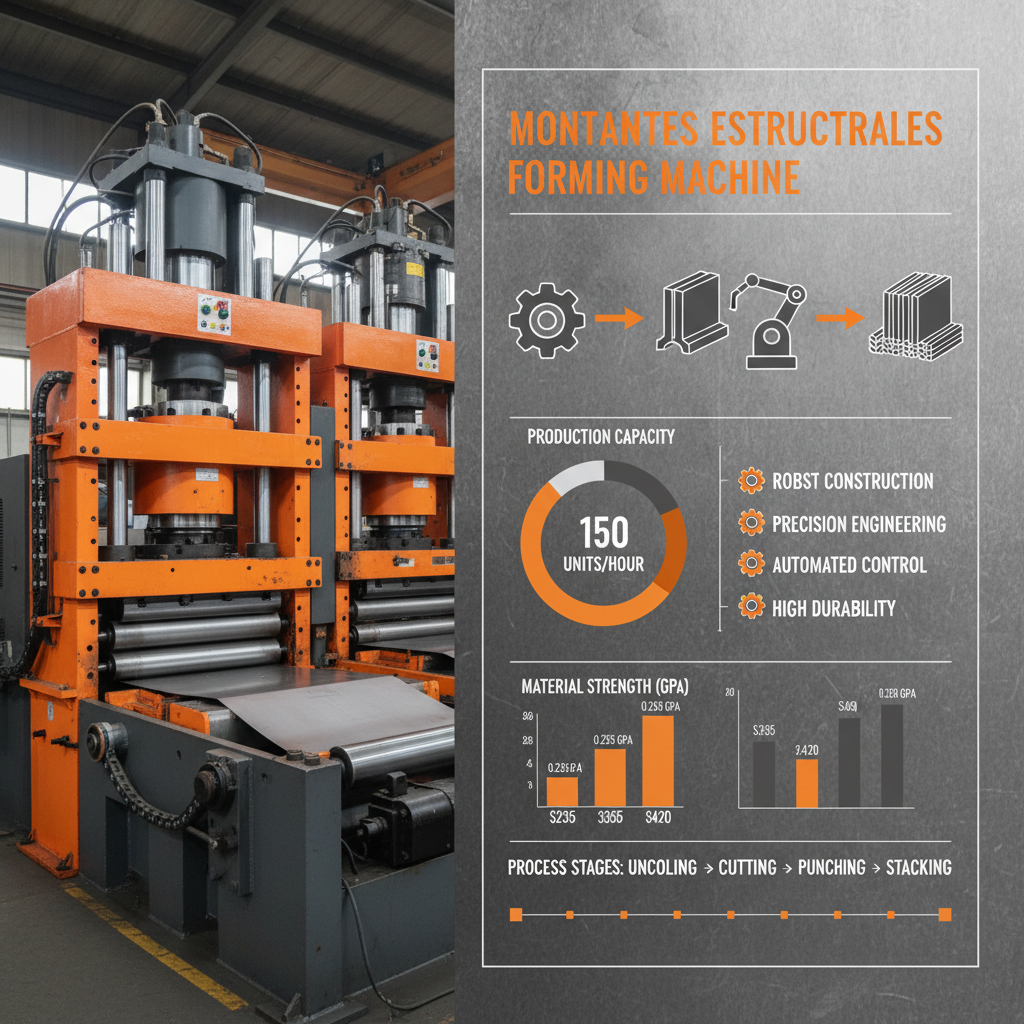
Now, it’s not just a single ‘machine’. It's a system. It includes the uncoiler, the roll forming section, the cutting mechanism, and the output conveyor. There’s also the control system, which is increasingly sophisticated, with options for automated adjustments and remote monitoring. The better the control system, the more precise and efficient the operation.
What I’ve seen is a shift towards portability as well. Contractors want machines they can easily transport to job sites, eliminating the need for off-site fabrication and reducing transportation costs. These mobile machines are becoming increasingly popular, providing flexibility and control directly where it's needed.
Key Components and Factors
Durability is paramount. These machines operate in tough environments, and they need to withstand constant use and exposure to the elements. The quality of the steel used in the construction, the robustness of the rollers, and the reliability of the cutting mechanism are all crucial factors. I’ve seen machines fall apart after just a few projects because corners were cut on material quality.
Scalability is another key consideration. Can the machine handle different metal thicknesses and widths? Can it be easily adjusted to produce different profiles? A versatile machine is an investment that will pay off in the long run. A contractor needs to be able to adapt to different project requirements without having to invest in multiple machines.
Cost efficiency isn't just about the initial price tag. It’s about the total cost of ownership, including maintenance, repairs, and downtime. A machine that requires frequent repairs or suffers from frequent breakdowns will quickly become a financial drain. I always advise clients to look at the long-term costs, not just the upfront investment. And don't underestimate the value of readily available spare parts and reliable technical support.
Global Applications and Industry Use Cases
The applications for metal roofing, and consequently metal roof making machines, are incredibly diverse. You see them used extensively in commercial buildings, industrial facilities, agricultural structures, and residential housing across the globe. In areas prone to extreme weather – hurricanes, heavy snow, wildfires – metal roofing is often the preferred choice due to its durability and fire resistance.
I've worked on projects in developing countries where a portable metal roof making machine has been a game-changer, enabling local communities to build affordable and durable housing quickly. In remote industrial zones, where transporting materials is expensive and time-consuming, these machines provide a critical self-sufficiency.
The demand is particularly strong in regions experiencing rapid urbanization. The need for fast, efficient, and cost-effective building solutions drives the adoption of metal roofing and the machines that produce it. We’ve seen strong growth in markets throughout Asia, Africa, and South America.
Metal Roof Making Machine Profile Demand
Advantages and Long-Term Value
The tangible benefits of investing in a quality metal roof making machine are clear: reduced material waste, lower labor costs, faster project completion times, and improved product quality. But the value extends beyond the bottom line. Metal roofing is incredibly durable, often lasting 50 years or more with minimal maintenance. That’s a significant cost savings over time.
There's also the sustainability aspect. Metal roofing is recyclable, reducing its environmental impact. It’s a responsible choice for builders and developers who are committed to green building practices. And let’s not forget the safety aspect. A properly installed metal roof provides excellent protection against fire, wind, and other natural disasters, giving building occupants peace of mind.
Future Trends and Innovation
We're seeing a trend towards more automation in metal roof making machines, with features like automatic coil loading and unloading, and integrated quality control systems. Digitalization is also playing a major role, with remote monitoring and diagnostic capabilities becoming increasingly common.
The development of new metal alloys with enhanced corrosion resistance and improved formability is also driving innovation in this field. And there's a growing focus on energy efficiency, with manufacturers developing metal roofing profiles that incorporate insulation and reflective coatings to reduce heat gain and lower energy consumption.
Challenges and Solutions
One of the biggest challenges is operator training. These machines are complex, and it takes time and expertise to operate them effectively. Providing comprehensive training programs is crucial to ensuring optimal performance and minimizing downtime.
Another challenge is maintaining the machines in harsh environments. Regular maintenance and preventative care are essential to prevent breakdowns and extend the lifespan of the equipment. Investing in high-quality spare parts and establishing relationships with reliable service providers is also critical.
Finally, keeping up with evolving building codes and industry standards requires ongoing vigilance. Manufacturers need to stay ahead of the curve, adapting their machines to meet the latest requirements and ensuring that their products comply with all applicable regulations.
Key Performance Indicators for Metal Roof Making Machine Efficiency
| Machine Uptime (%) |
Material Waste (%) |
Production Rate (meters/hour) |
Operator Skill Level (1-10) |
| 95% |
2% |
20 |
8 |
| 88% |
5% |
15 |
6 |
| 92% |
3% |
18 |
7 |
| 98% |
1% |
22 |
9 |
| 85% |
7% |
12 |
5 |
| 90% |
4% |
16 |
7 |
FAQS
When selecting a machine, focus on build quality, the range of profiles it can produce, automation features, ease of maintenance, and the availability of spare parts. Don't skimp on the control system; it's the brain of the operation. Consider your long-term needs and potential growth when making your decision. A machine that can adapt to different metal types and thicknesses will provide greater flexibility. I always recommend speaking to other users and getting their real-world feedback.
With regular maintenance and proper operation, a quality machine can easily last 15-20 years, or even longer. The key is preventative care: lubrication, cleaning, and timely replacement of worn parts. Invest in a good maintenance schedule and stick to it. Pay attention to the cutting mechanism and the rollers, as these are the components most prone to wear and tear.
While modern machines are becoming more user-friendly, comprehensive training is still essential. Operators need to understand the machine's controls, safety procedures, and basic maintenance tasks. A good training program will cover troubleshooting common issues and optimizing performance. Expect a learning curve, but with proper training, operators can become proficient in a relatively short amount of time.
Automation significantly boosts efficiency by reducing manual labor, minimizing errors, and increasing production speed. Features like automatic coil loading, length measurement, and cutting dramatically streamline the process. Automated quality control systems can also detect and correct defects, ensuring consistent product quality. The initial investment in automation can be substantial, but the long-term benefits in terms of productivity and cost savings are well worth it.
Safety is paramount. Always wear appropriate personal protective equipment (PPE), including safety glasses, gloves, and hearing protection. Never operate the machine without proper training. Be aware of moving parts and potential pinch points. Follow all safety guidelines provided by the manufacturer. Regularly inspect the machine for any signs of damage or wear and tear.
The ROI varies depending on production volume, material costs, and labor rates, but it's generally quite attractive. The ability to reduce material waste, lower labor costs, and increase production speed can lead to significant cost savings. Many companies see a full return on their investment within 2-3 years. However, it’s crucial to factor in maintenance costs and potential downtime when calculating the ROI.
Conclusion
In conclusion, a well-chosen and expertly maintained metal roof making machine is a game-changer for roofing businesses. It delivers tangible benefits in terms of cost savings, efficiency, and product quality. From streamlining production to enabling on-site fabrication, these machines are essential for meeting the growing global demand for durable and sustainable roofing solutions. It's an investment that pays dividends for years to come.
Looking ahead, the future of metal roofing fabrication lies in automation, digitalization, and the development of innovative materials. Embracing these trends will be crucial for staying competitive and delivering the best possible results. If you're serious about roofing, investing in a reliable metal roof making machine is not just a good idea – it's a necessity. Visit our website at www.lwrollformingmachine.com to learn more about our range of solutions.