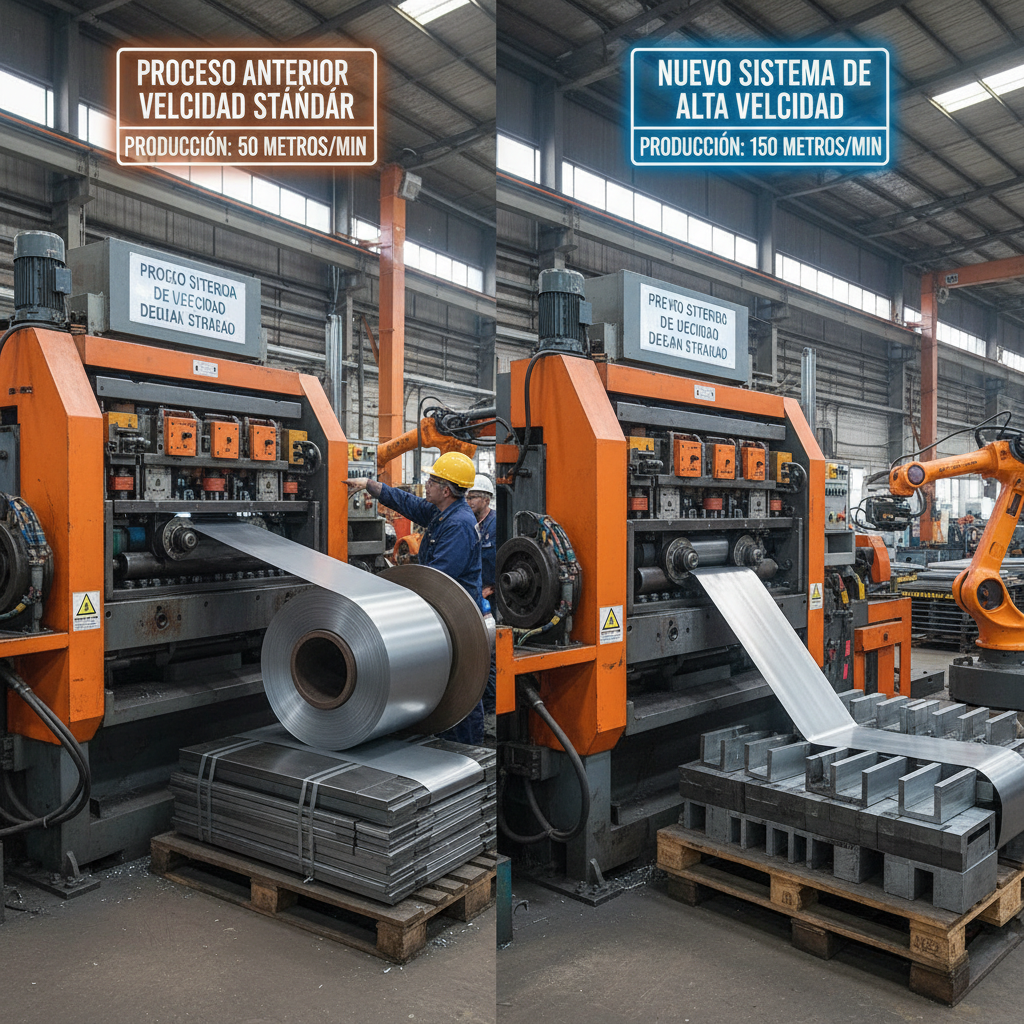
Let's talk metal roof panel making machines. I’ve spent the last fifteen years on construction sites, dealing with everything from hurricane-force winds to scorching sun, and I can tell you firsthand – the roof is where everything starts and ends. A solid, reliable roof is non-negotiable. What’s changed over that time is how we build those roofs. And increasingly, that means using machines like these – metal roof panel making machines – to deliver faster, more consistent results. It’s not just about speed though, it's about getting a quality product that lasts, and it’s changing the game for contractors and building owners alike.
For a long time, metal roofing was considered a premium option, something you saw on high-end homes or commercial buildings. But with advancements in manufacturing, particularly through the use of dedicated metal roof panel making machine, the cost has come down significantly. We're seeing metal roofs becoming more and more commonplace, from residential projects to large-scale industrial complexes. That’s because metal provides a lot of advantages – durability, fire resistance, energy efficiency – and these machines are making it accessible to a wider market.
These aren’t your grandfather’s roll formers either. Modern metal roof panel making machines are highly automated, capable of producing a wide variety of profiles and finishes. The precision is incredible, minimizing waste and ensuring a tight, weather-resistant seal. From my perspective, standing in the rain inspecting a newly installed roof, knowing it was made with consistent quality from a machine like this… that's peace of mind.
Introduction to Metal Roof Panel Making Machines
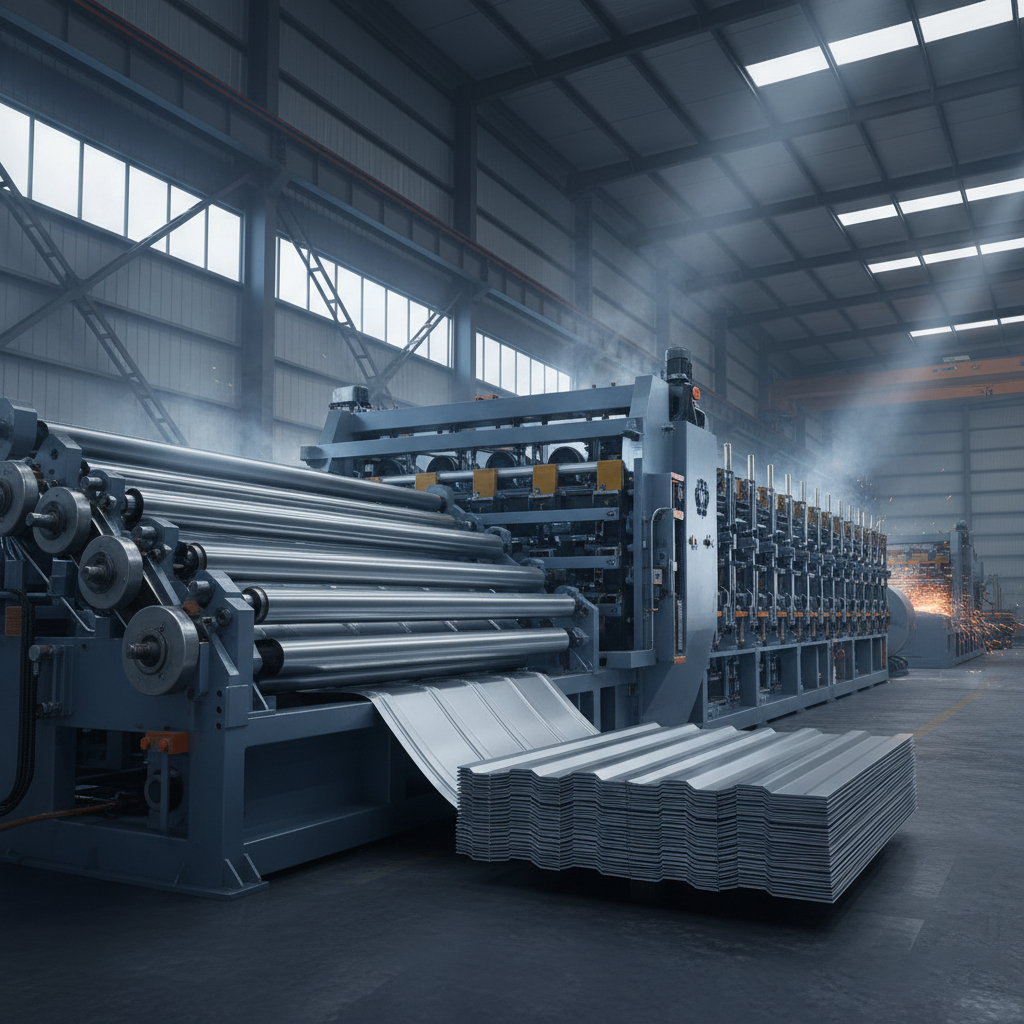
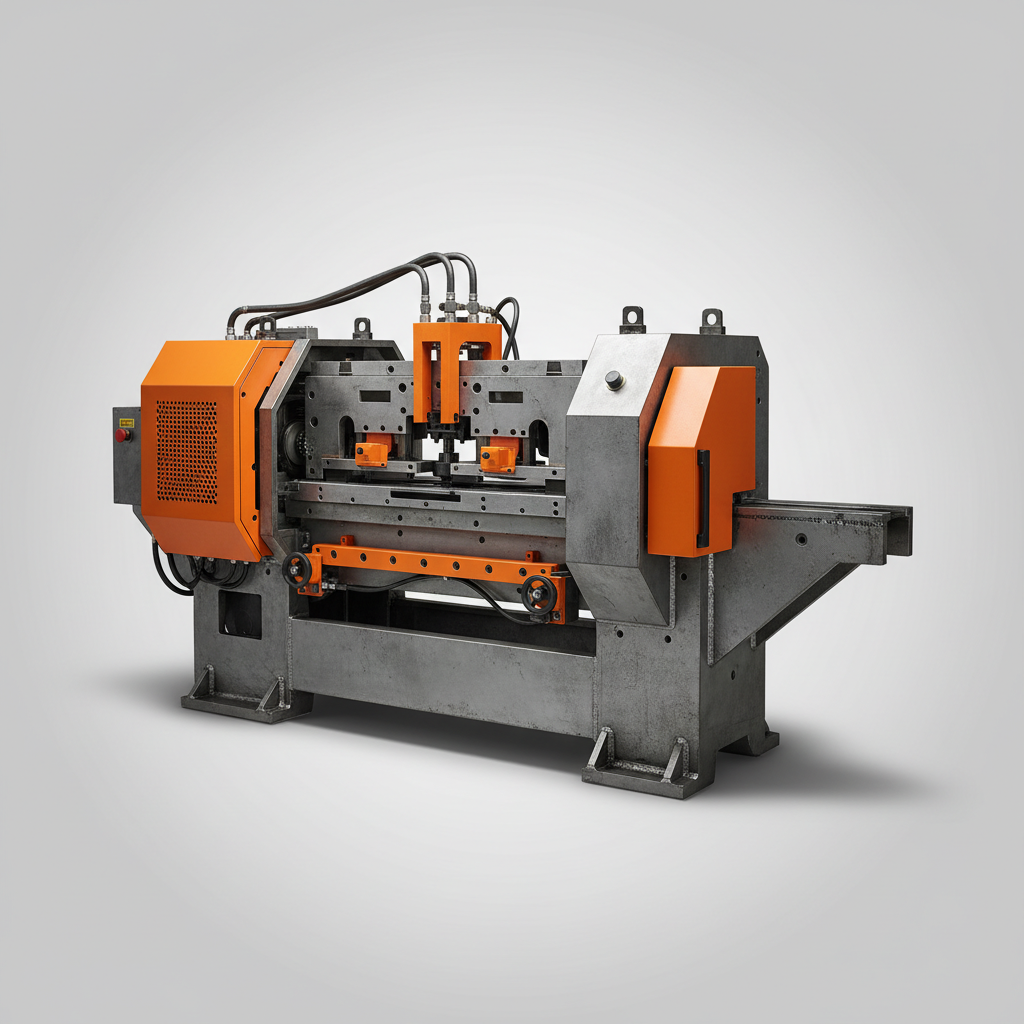
I’ve seen a lot of changes in roofing over the years, but the rise of metal and the machines that make it accessible has been particularly impactful. A metal roof panel making machine isn’t just a piece of equipment; it’s a complete system designed to take coils of steel or aluminum and turn them into durable, weather-tight roofing panels. These machines have evolved dramatically, going from bulky, manually operated systems to sophisticated, computer-controlled lines.
What’s really struck me is how this technology is empowering smaller contractors. They can now compete with larger companies by producing high-quality metal roofing on-site or in a small shop, reducing lead times and transportation costs. That’s a big deal in an industry where time is money and reliability is key.
Global Relevance and Industry Context
The demand for durable, sustainable building materials is only increasing worldwide. According to reports from the World Bank, infrastructure spending is projected to reach trillions of dollars in the coming decades, and metal roofing is a significant component of that growth, especially in regions prone to severe weather events. You’re seeing this in everything from post-disaster reconstruction to large-scale commercial developments. Metal roofing’s lifespan, recyclability, and resistance to fire and corrosion make it an increasingly attractive option.
The ISO standards for metal roofing materials are becoming more stringent, pushing manufacturers to adopt more precise and reliable production methods. This is where metal roof panel making machine technology comes into play. They allow manufacturers to consistently meet these standards, ensuring that the roofing panels they produce are of the highest quality.
The challenge, as I see it, is keeping up with that demand while maintaining quality and affordability. That’s why innovation in machine design – focusing on efficiency, automation, and versatility – is so critical.
Defining Metal Roof Panel Making Machines
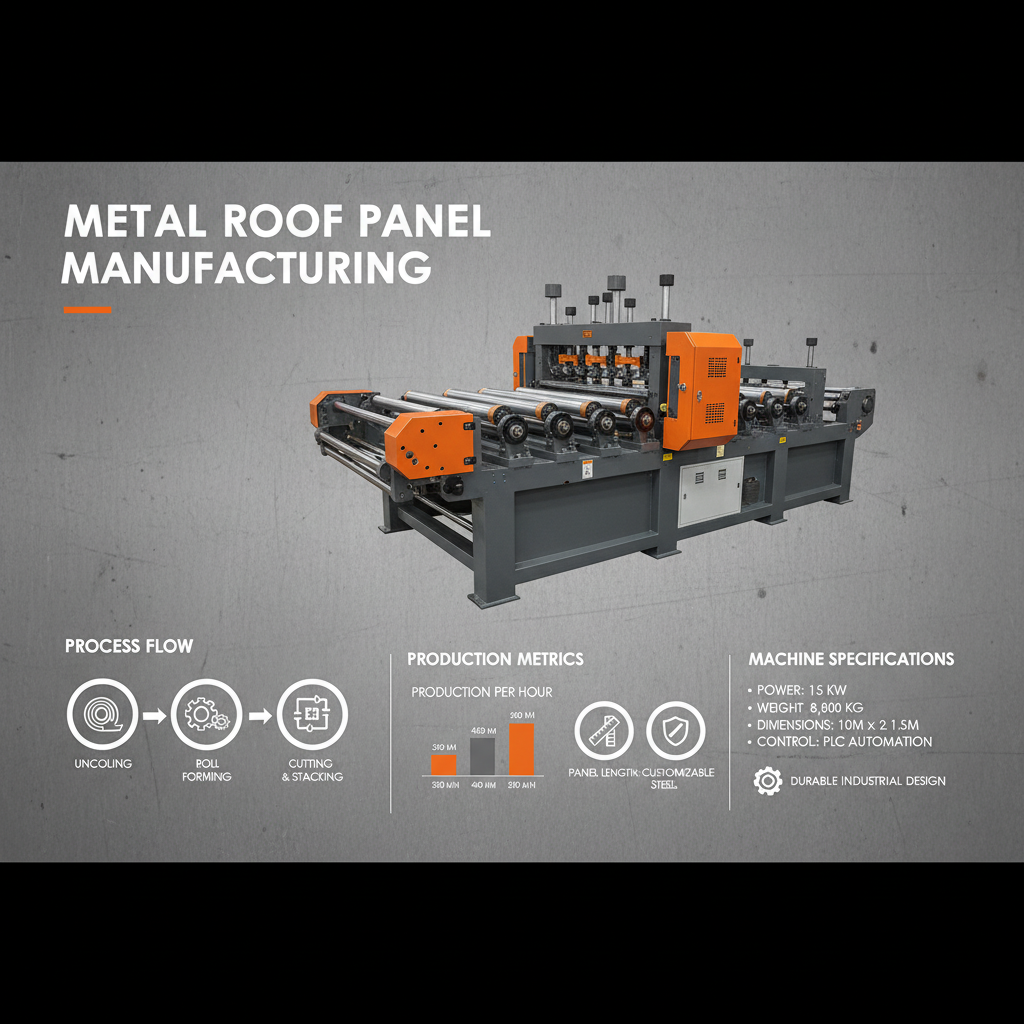
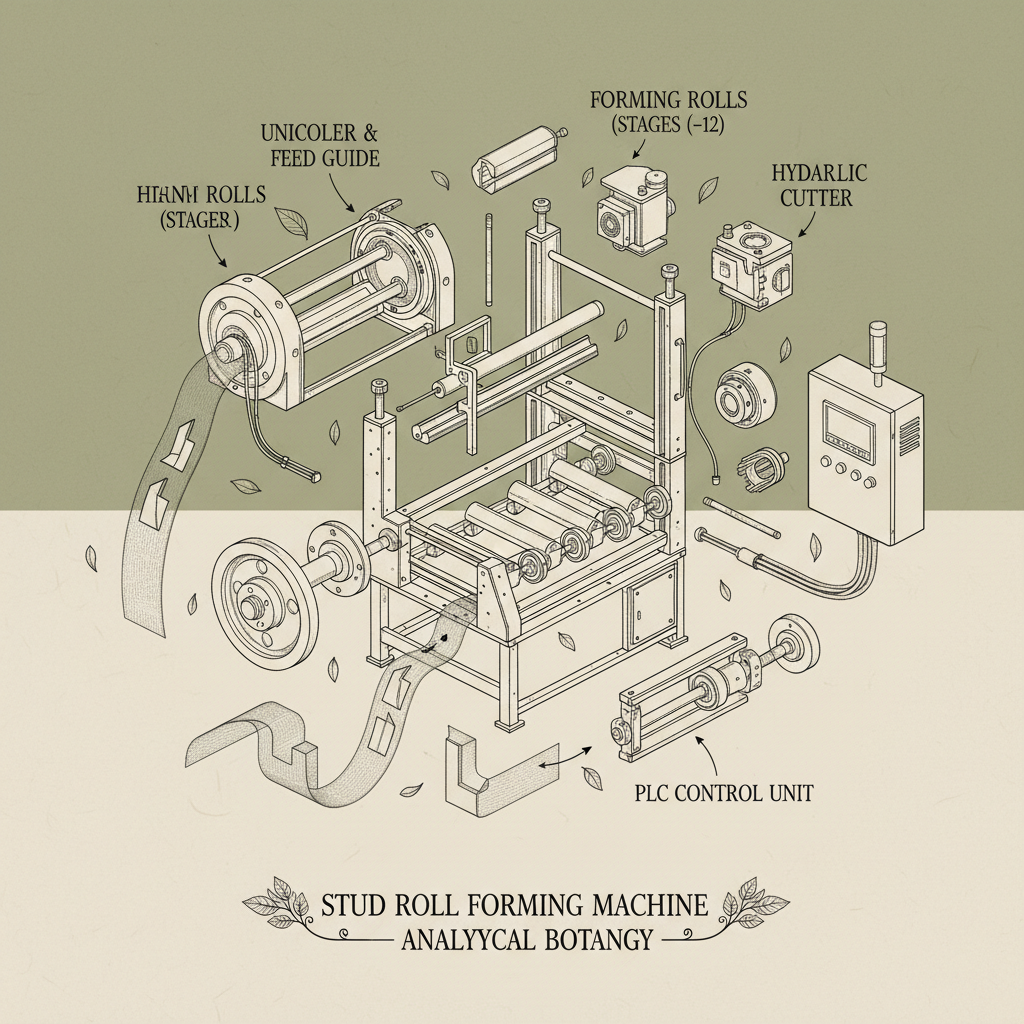
Simply put, a metal roof panel making machine, often called a roll forming machine, takes flat metal coils – typically steel or aluminum – and progressively bends them into the desired shape using a series of rollers. It’s a continuous process, creating long, consistent panels that can be cut to length. But it's far more than just bending metal.
Modern machines incorporate features like automatic coil loading, precision cutting systems, and even inline coating and painting capabilities. This means a single machine can handle the entire production process, from raw material to finished roofing panel. It's about streamlining the entire process to create high quality and reduce waste.
These machines are directly tied to the modern construction industry's need for speed, efficiency, and customization. They allow for on-demand production, reducing the need for large inventories and allowing contractors to quickly respond to changing project requirements.
Key Factors: What Makes a Good Machine?
Having worked alongside these machines on countless sites, I’ve learned what separates a good one from a great one. Durability is paramount. These machines need to withstand the rigors of a construction environment – dust, vibration, and continuous operation. Secondly, versatility. A machine that can produce multiple profiles is invaluable, allowing contractors to handle a wider range of projects.
Scalability is another key factor. Can the machine be easily upgraded or expanded to increase production capacity as demand grows? And, of course, cost-efficiency. While the initial investment can be significant, a reliable, efficient machine will pay for itself over time through reduced labor costs, less waste, and improved product quality.
Metal Roof Panel Making Machine - Key Performance Indicators
Global Applications and Real-World Use Cases
I’ve seen these machines in operation everywhere, from large-scale manufacturing facilities in China to small workshops in rural America. In post-disaster relief operations, the ability to quickly produce durable roofing materials on-site is a game-changer. In remote industrial zones, where transportation costs are high, local production using a metal roof panel making machine makes economic sense.
They’re also crucial for specialized projects – curved roofs, custom profiles, and architectural designs that require precise metal forming. The flexibility these machines offer allows builders to meet unique design challenges without sacrificing quality or cost-effectiveness.
Advantages and Long-Term Value
The benefits are clear. Metal roofs last longer than traditional materials, reducing life-cycle costs. They're more fire-resistant, providing increased safety. They're energy-efficient, reflecting sunlight and reducing cooling costs. And, crucially, they're sustainable, with a high percentage of recycled content and a long lifespan. But it's not just about the material itself; it’s about the process.
The use of these machines creates a more reliable supply chain, reduces waste, and empowers local businesses. It fosters innovation, driving down costs and improving quality. It builds trust – knowing that the roof over your head is made with precision and built to last.
Future Trends and Innovations
We’re seeing a move towards even greater automation, with machines that can automatically adjust to different profiles and materials. Integration with Building Information Modeling (BIM) software is becoming more common, allowing for seamless design and production workflows. And there’s growing interest in using more sustainable materials, like recycled aluminum and bio-based coatings.
I also expect to see advancements in machine learning and artificial intelligence, allowing these machines to self-diagnose problems, optimize performance, and even predict maintenance needs. The goal is to create a truly smart manufacturing system that maximizes efficiency and minimizes downtime.
Key Considerations for Optimizing Metal Roof Panel Making Machine Performance
| Material Quality |
Maintenance Schedule |
Operator Training |
Production Volume |
| Consistent coil quality directly impacts panel uniformity. |
Regular lubrication and component checks prevent breakdowns. |
Proper training ensures optimal machine operation and safety. |
Balancing output with maintenance minimizes downtime. |
| Supplier audits are critical for quality control. |
Following manufacturer’s guidelines extends machine life. |
Certified training programs improve operator skills. |
Capacity planning avoids bottlenecks and delays. |
| Choosing the right alloy for the application is essential. |
Preventative maintenance reduces costly repairs. |
Continuous learning keeps operators up-to-date. |
Adjusting settings for different panel profiles is crucial. |
| Consistent material thickness ensures structural integrity. |
Record keeping helps track maintenance history. |
Safety protocols protect operators from hazards. |
Optimizing feed rates maximizes efficiency. |
| Inspecting coils for damage prevents production errors. |
Scheduled inspections identify potential problems early. |
Understanding machine diagnostics enables quick troubleshooting. |
Monitoring production data identifies areas for improvement. |
| Proper storage protects coils from corrosion. |
Establishing a spare parts inventory minimizes downtime. |
Regularly reviewing safety procedures reinforces best practices. |
Implementing quality control checks ensures consistent product quality. |
FAQS
Lead times can vary significantly depending on the machine's complexity, customization options, and the manufacturer’s current workload. Generally, expect anywhere from 8 to 16 weeks for standard machines, and potentially longer for highly customized setups. It’s best to discuss your specific needs with the supplier to get an accurate estimate. Planning ahead is key, especially during peak construction seasons.
Space requirements depend heavily on the machine’s size and features. You'll need adequate floor space for the machine itself, plus room for coil storage, panel handling, and maintenance access. Consider a minimum of 500-1000 square feet for a basic line, and factor in ceiling height for coil loading. Proper ventilation and lighting are also crucial for safe and efficient operation.
While modern machines are increasingly automated, some level of technical skill is still required. Operators should be comfortable with basic mechanical principles, electrical systems, and computer controls. Most manufacturers offer training programs, and ongoing maintenance often requires a qualified technician. It's a good investment to have someone on staff who can handle routine maintenance and troubleshooting.
Material costs are primarily driven by the price of steel or aluminum coils, which fluctuate with market conditions. The type of coating, paint, and fasteners also contribute to the overall cost. Efficient material handling and waste reduction are crucial for minimizing expenses. Sourcing materials from reputable suppliers and negotiating bulk discounts can help keep costs down.
Safety is paramount. Operators should always wear appropriate personal protective equipment (PPE), including safety glasses, gloves, and hearing protection. The machine should be equipped with safety guards and emergency stop buttons. Regular safety training and adherence to lockout/tagout procedures are essential to prevent accidents.
When properly operated and maintained, a metal roof panel produced by a modern machine is often superior in quality to traditionally manufactured panels. The precision of the roll forming process ensures consistent dimensions, tight tolerances, and a uniform finish. This results in a more reliable, weather-tight, and aesthetically pleasing roof. It really comes down to the quality of the machine and the skill of the operator.
Conclusion
Metal roof panel making machines are transforming the construction industry, offering a compelling combination of efficiency, sustainability, and quality. From reducing lead times and transportation costs to empowering local businesses and creating durable, long-lasting roofs, the benefits are substantial. These aren’t just machines; they're enablers, allowing us to build better, faster, and more responsibly.
Looking ahead, continued innovation in automation, materials science, and digital integration will further enhance the capabilities of these machines. If you're considering investing in a metal roof panel making machine, do your research, choose a reputable supplier, and prioritize training and maintenance. The long-term value – and peace of mind – will be well worth the investment. For more information and to explore our range of machines, visit our website: www.lwrollformingmachine.com