Look, I spend my days knee-deep in dust and steel, talking to the guys actually building things. A corrugated metal roofing machine isn't some abstract piece of equipment to me; it’s the difference between a project staying on schedule and bleeding money. It's about getting a weatherproof, reliable roof over people’s heads quickly and efficiently. We're talking everything from agricultural buildings to warehouses, even residential homes. The demand for durable, cost-effective roofing solutions is only going up, driven by population growth and the need for resilient infrastructure.
I've seen a lot of roofing go up over the years, and frankly, a lot of headaches avoided when a solid machine is on the job. It’s not just about speed – it's about consistency. Hand-forming metal sheets? Forget about it. Too much variation, too much waste. A good machine delivers a uniform product, reducing install time and minimizing long-term maintenance.
These machines aren’t just for big developers either. I’m seeing more and more smaller contractors investing in portable roll formers to tackle projects where hauling pre-fabricated panels just isn't feasible. It's democratizing access to quality roofing, which is a huge win for everyone involved. That’s why understanding the nuances of these machines – the good, the bad, and the ugly – is crucial for anyone involved in the construction industry.
The Core Functionality of a corrugated metal roofing machine
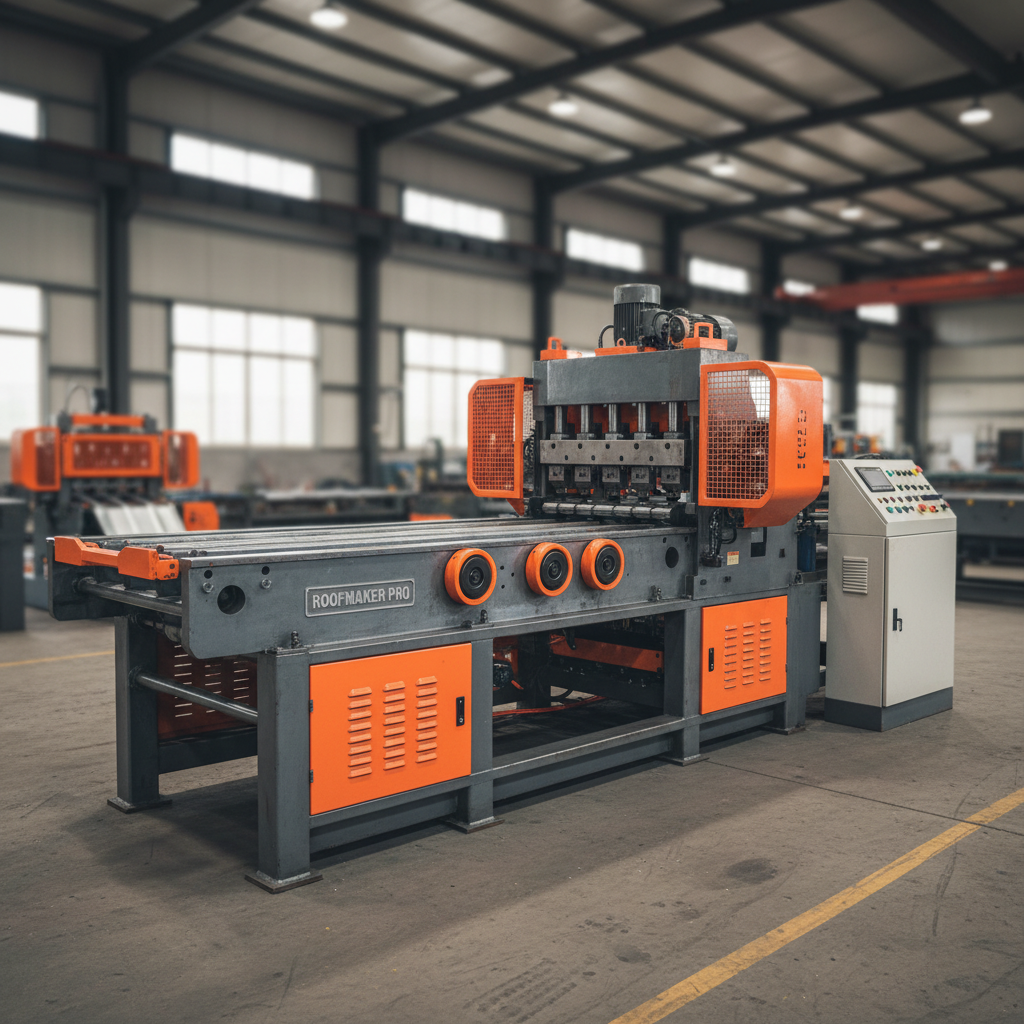
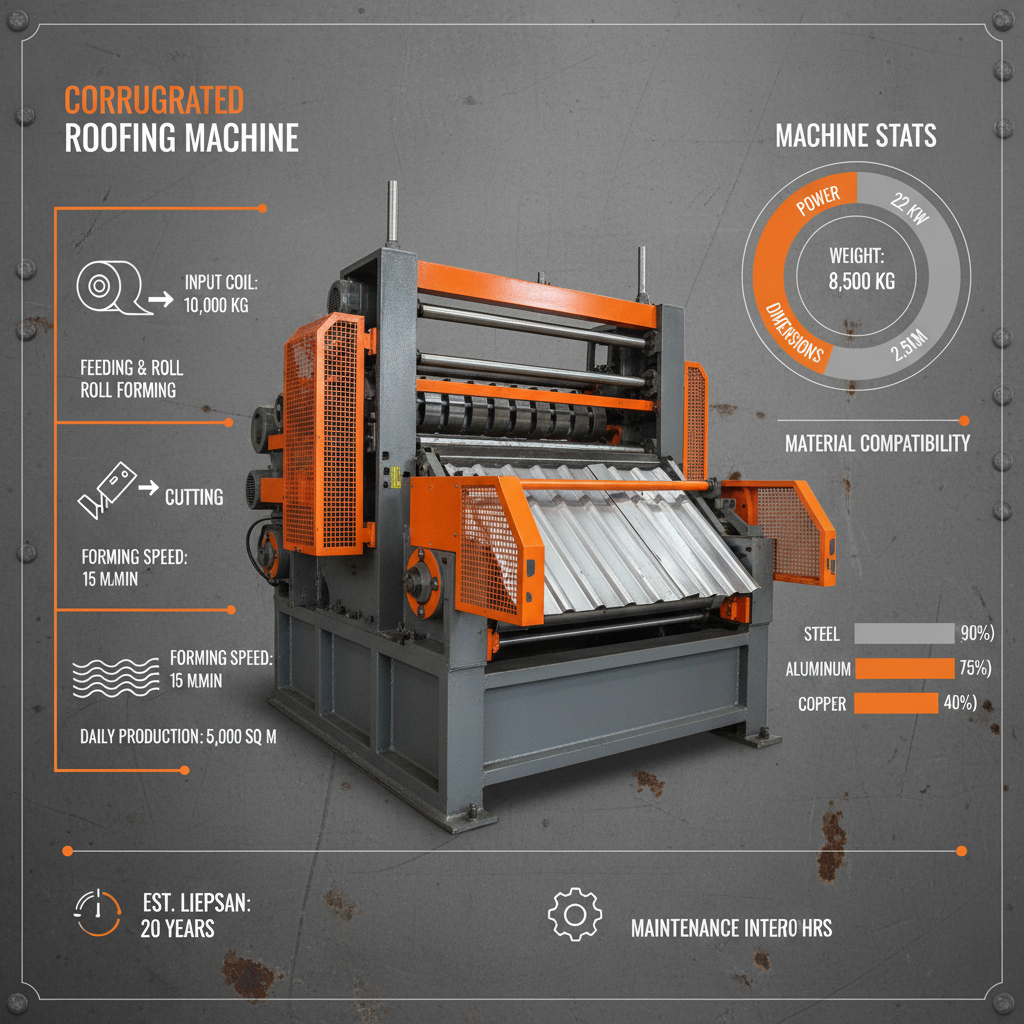
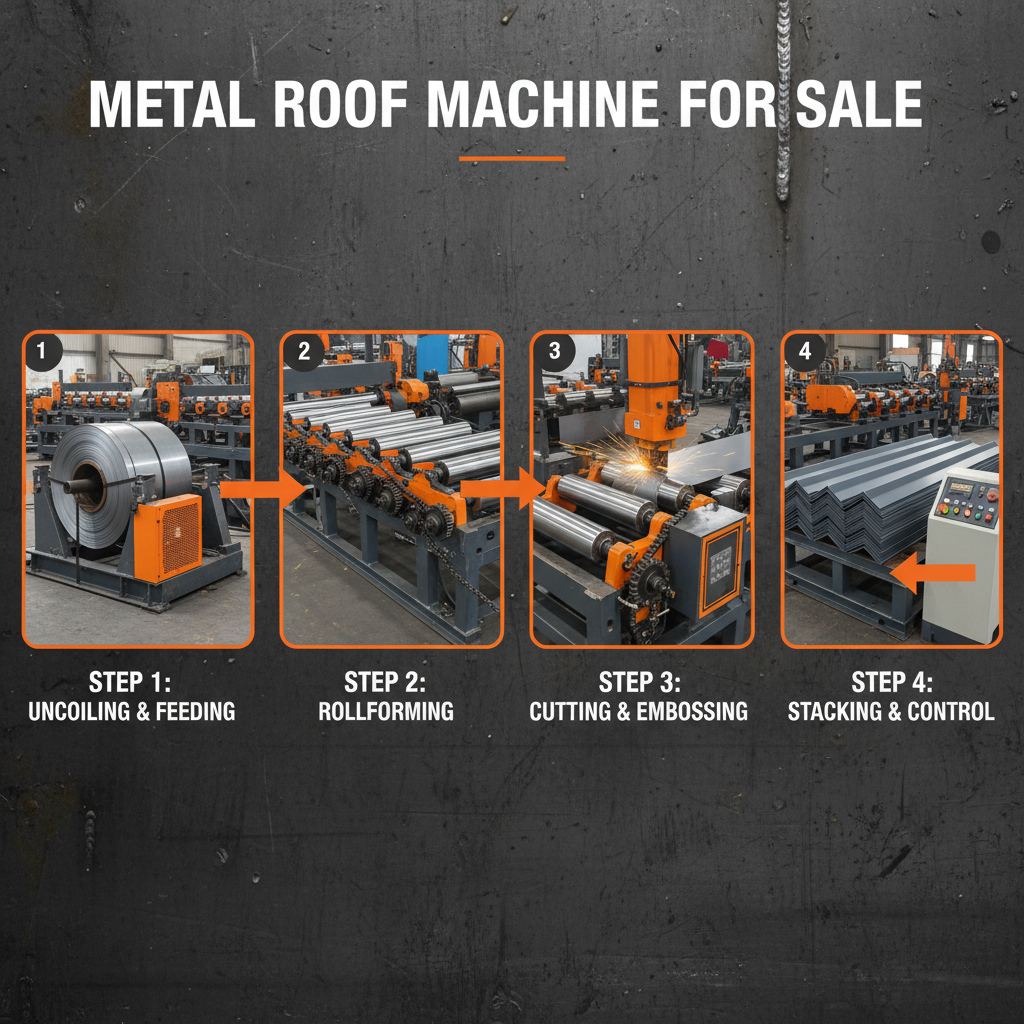
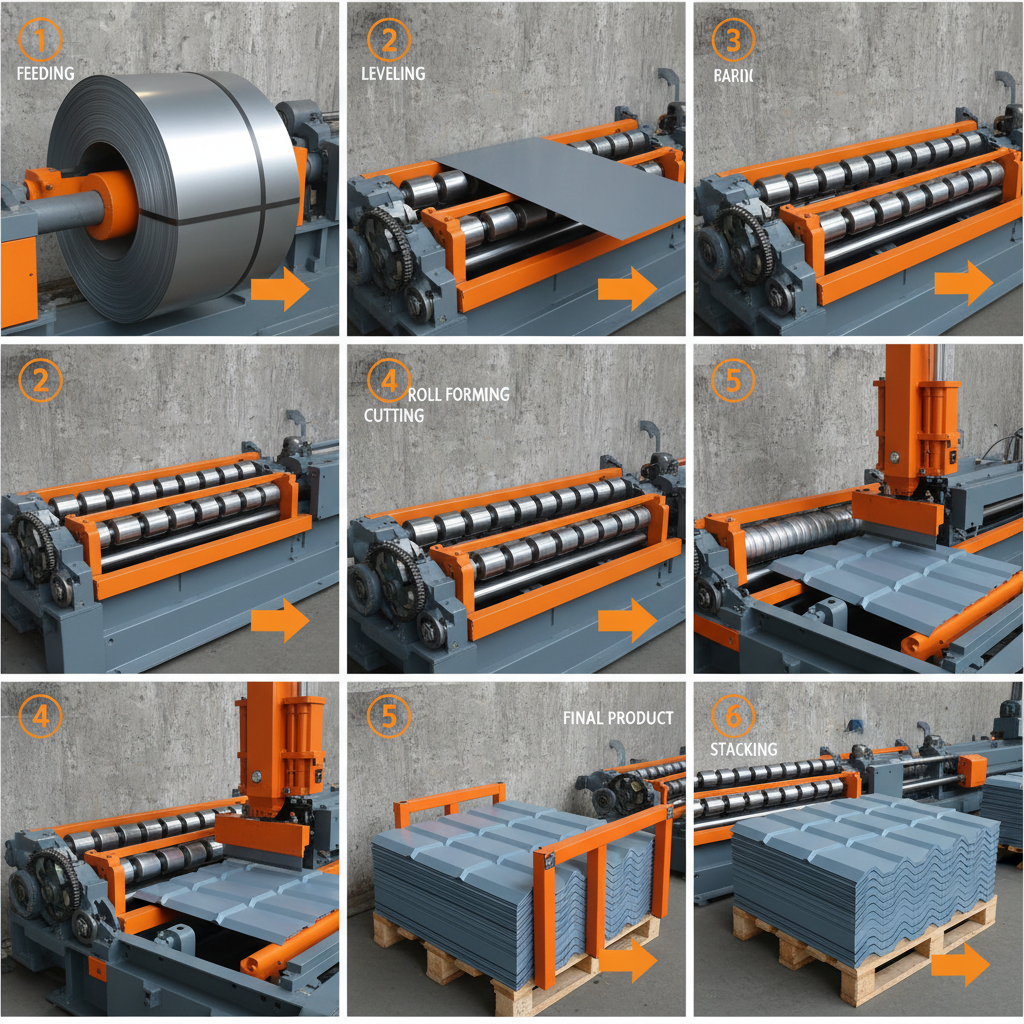
At its heart, a corrugated metal roofing machine takes flat sheet metal and continuously bends it into that signature wave pattern. Seems simple, right? But there’s a lot going on under the hood. You've got your uncoiler, feeding the metal into the machine. Then the forming rolls – these are the heart of the operation, progressively shaping the metal. Cutters shear it to length, and then it’s ready to go. The efficiency of each of these stages dictates the overall output.
I've seen machines where the uncoiler constantly jams, causing delays and wasted material. And rollers that aren’t precisely aligned create inconsistent corrugation. Those little inconsistencies add up, making installation a nightmare. A quality machine is built with precision and designed for continuous operation. That’s what separates the good ones from the ones that end up gathering dust in the yard.
Durability and Material Considerations
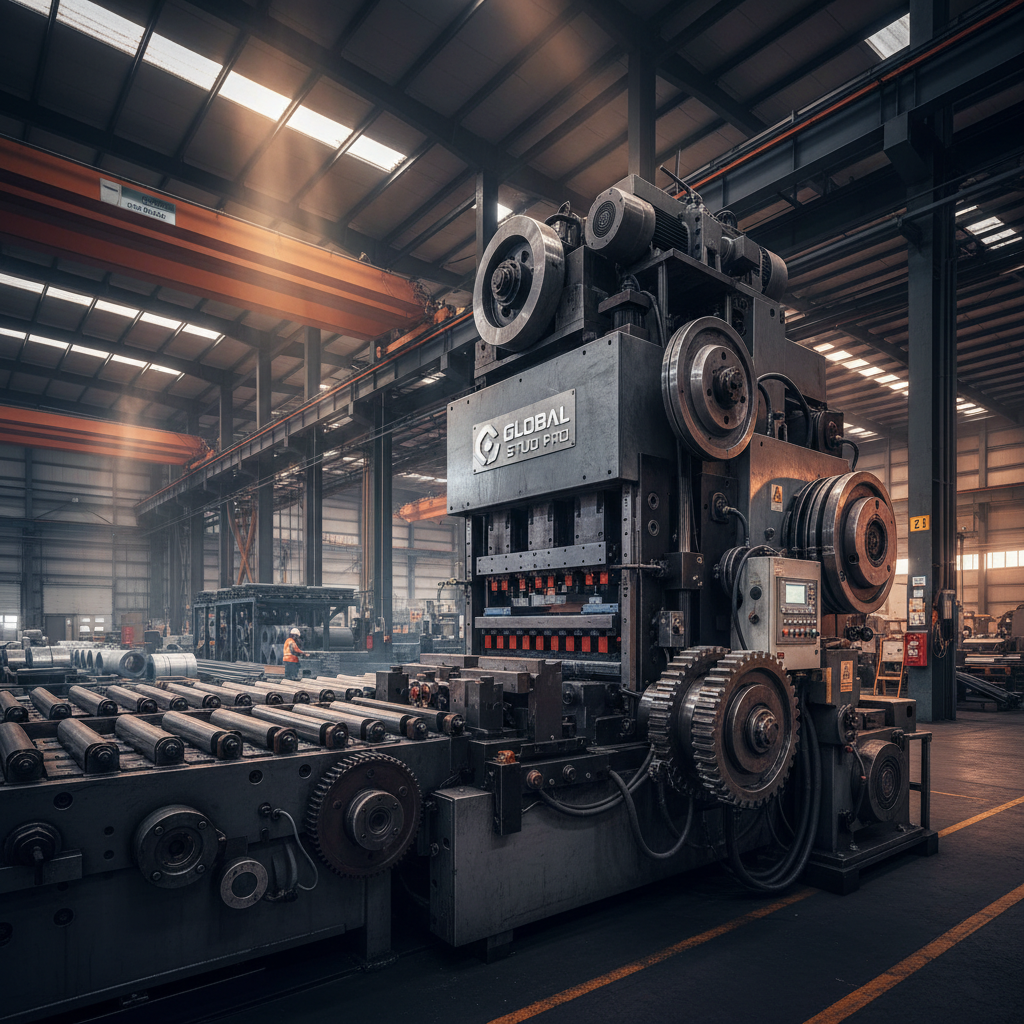
Don’t think just about the machine; think about what it’s working with. The type of steel you use – galvanized, galvalume, or even painted steel – impacts the machine’s wear and tear. Thicker gauges require more powerful motors and stronger rollers. We’re talking about tons of force here. A machine built for lighter-gauge steel won’t last long if you try to push it beyond its limits.
And the environment matters. Salt air near the coast? Dusty conditions in a quarry? These things accelerate corrosion. The best machines are built with corrosion-resistant materials and sealed to protect internal components. Regular maintenance – lubricating rollers, checking bearings – is non-negotiable, especially in harsh environments.
I’ve seen too many machines sidelined because someone skipped a simple maintenance check. A little preventative work saves a lot of downtime and expensive repairs. It's like servicing your truck – you wouldn't run it into the ground without oil changes, would you? Same principle applies here.
The Economics of Corrugated Metal Roofing
Let's talk dollars and cents. A corrugated metal roofing machine represents a significant investment, no question. But the return on investment can be substantial. You're reducing material waste, decreasing labor costs, and increasing production speed. All of that adds up to a lower overall cost per square foot of roofing.
Don’t just look at the initial price tag. Consider the long-term operating costs – electricity, maintenance, replacement parts. A more efficient machine might have a higher upfront cost, but it could save you money in the long run. And think about the value of being able to respond quickly to customer demands. No more waiting weeks for pre-fabricated panels – you can produce what you need, when you need it. That flexibility is priceless.
I’ve seen contractors land bigger projects simply because they had the in-house capability to produce their own corrugated metal roofing. It gives them a competitive edge. It also helps with precise customization, catering to unique project requirements without exorbitant added costs.
Performance Metrics for corrugated metal roofing machine
When I’m evaluating a machine, I’m not just looking at specs on a datasheet. I want to see it perform. Here's what I’m paying attention to: Production speed (feet per minute), material thickness capacity (gauge), profile accuracy (wave consistency), waste percentage (scrap rate), and maintenance frequency.
These aren't just numbers; they directly impact profitability. A machine that can consistently produce high-quality corrugated metal quickly and efficiently is worth its weight in gold.
Comparative Performance of corrugated metal roofing machine Methods
Global Applications in Construction
You see corrugated metal roofing everywhere. From barns in Iowa to industrial warehouses in China, it's a globally recognized solution. It's popular in disaster relief efforts because it’s lightweight, easy to transport, and provides a quick, durable shelter. I’ve seen portable corrugated metal roofing machine deployed in remote areas after hurricanes and earthquakes, allowing local communities to rebuild quickly.
It’s also a go-to for agricultural buildings – barns, storage sheds, poultry houses. And increasingly, architects are incorporating it into residential designs for its modern aesthetic and durability. The versatility is a major selling point.
Long-Term Value and Sustainability
Let’s be real, construction generates a lot of waste. But corrugated metal roofing, and especially using an on-site roll forming machine, can minimize that. You’re only producing what you need, reducing transportation waste and minimizing scrap.
And metal roofing is incredibly durable. A properly installed metal roof can last 50 years or more, significantly reducing the need for replacements. That’s a huge environmental benefit. Plus, metal is highly recyclable at the end of its life, closing the loop and promoting a circular economy. That’s something I care about.
Future Trends in Roll Forming Technology
We’re seeing a lot of innovation in this space. Automation is a big one – machines are becoming more automated, requiring less manual labor. Digital controls and remote monitoring are also becoming increasingly common, allowing for greater precision and efficiency.
There’s also a growing focus on energy efficiency. New materials and coatings are being developed to improve thermal performance and reduce energy consumption.
And I expect to see more portable, self-contained roll forming units that can be easily transported to remote job sites. That’ll be a game-changer for disaster relief and construction in developing countries.
Overview of Challenges and Solutions in corrugated metal roofing machine Implementation
| Challenge |
Impact on corrugated metal roofing machine Performance |
Proposed Solution |
Implementation Cost (Scale 1-10) |
| Material Handling Issues |
Reduced production speed, increased downtime. |
Automated coil loading systems, improved conveyor designs. |
7 |
| Roller Alignment Problems |
Inconsistent corrugation, increased waste. |
Laser alignment systems, precision roller manufacturing. |
8 |
| Dust and Debris Accumulation |
Reduced roller lifespan, decreased product quality. |
Enclosed machine designs, dust extraction systems. |
6 |
| Lack of Skilled Operators |
Increased error rates, reduced efficiency. |
Comprehensive training programs, user-friendly interfaces. |
5 |
| Maintenance Scheduling |
Unexpected downtime, increased repair costs. |
Predictive maintenance systems, automated maintenance reminders. |
7 |
| Material Compatibility |
Roller wear, inconsistent forming. |
Material-specific roller sets, automated material detection. |
6 |
FAQS
The lifespan really depends on how well it’s maintained and the intensity of use. A well-maintained machine can easily last 15-20 years, even with heavy daily operation. Key is regular lubrication, bearing checks, and prompt replacement of worn parts. Ignoring maintenance will drastically shorten its life, even with a high-quality machine. Proper storage during periods of inactivity also adds to the longevity.
Most machines require three-phase electrical power, and the voltage requirements vary depending on the machine’s size and power consumption. Smaller, portable machines might run on single-phase, but larger, industrial models will definitely need three-phase. It’s crucial to have a qualified electrician assess your facility’s power supply to ensure it can handle the machine's load. Underpowering a machine can lead to damage and premature failure.
I always recommend comprehensive training. It's not just about pressing buttons. Operators need to understand how the machine works, how to identify potential problems, and how to perform basic maintenance. A good training program should cover safety procedures, troubleshooting, and proper material handling. Expect at least a few days of hands-on training, and ongoing refresher courses are always a good idea.
Lead times can vary significantly depending on the manufacturer, customization options, and current demand. Generally, expect a lead time of 8-16 weeks for a standard machine. If you require custom tooling or specific configurations, it could take longer. It’s always best to plan ahead and place your order well in advance of your project start date, especially during peak season.
Safety is paramount. Look for machines with emergency stop buttons, safety guards over moving parts, and overload protection. Proper grounding is essential to prevent electrical hazards. Operators should always wear appropriate personal protective equipment (PPE), including safety glasses, gloves, and hearing protection. A machine with a well-designed safety system will minimize the risk of accidents and injuries.
Warranties vary between manufacturers, but typically you’ll find a warranty covering defects in materials and workmanship. Common warranty periods are 12-24 months for the entire machine, with longer warranties on specific components like the forming rollers. Be sure to read the warranty terms carefully to understand what’s covered and what’s not. A reputable manufacturer will stand behind their product with a solid warranty.
Conclusion
So, there you have it. A corrugated metal roofing machine isn't just a piece of equipment; it’s an investment in efficiency, durability, and long-term cost savings. Understanding its core functionality, material considerations, and future trends is critical for anyone involved in the construction industry. From minimizing waste and increasing production speed to providing a sustainable roofing solution, these machines are shaping the future of construction.
The right machine, coupled with proper training and maintenance, can be a game-changer. Don’t just chase the lowest price; focus on quality, reliability, and the total cost of ownership. If you're serious about corrugated metal roofing, visit www.lwrollformingmachine.com to learn more and find the perfect machine for your needs.