The global demand for rapid deployment housing and industrial structures is surging, driven by factors like increasing disaster frequency, urbanization, and the need for flexible manufacturing solutions. Stud and track machine technology is at the forefront of meeting this demand, offering a cost-effective and efficient method for producing the light-gauge steel framing crucial for these applications. Understanding the capabilities and advancements in stud and track machine technology is vital for construction professionals, disaster relief organizations, and industrial planners alike.
The versatility of a stud and track machine extends beyond simple construction. They facilitate the creation of modular buildings, prefabricated components, and customized steel framing for diverse applications. The rising need for sustainable and rapid construction solutions globally is propelling the innovation and adoption of these machines.
From quick-erect shelters in disaster zones to efficient production lines for prefabricated building elements, stud and track machines are revolutionizing the construction landscape. The ability to automate and customize steel framing production is reshaping industries and offering new possibilities for resilient and adaptable infrastructure.
The Core Principles of stud and track machine
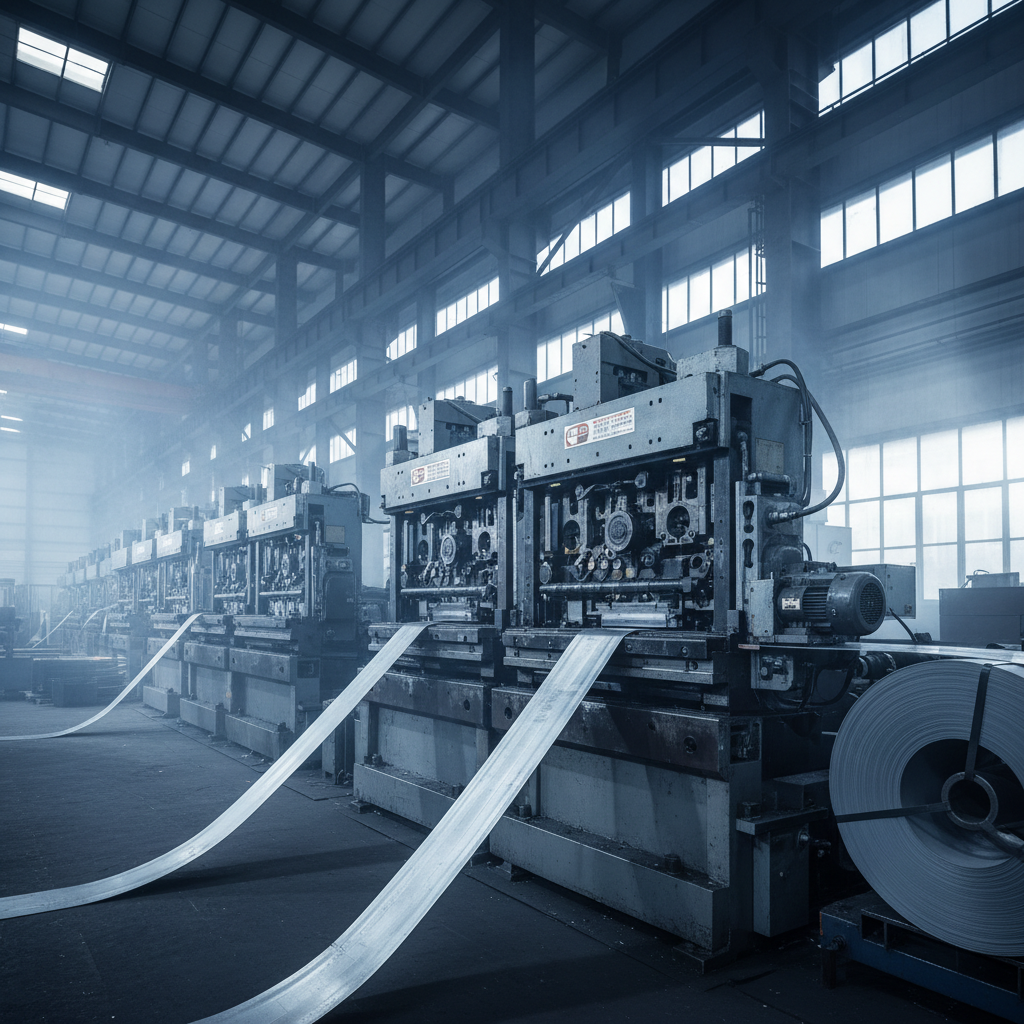
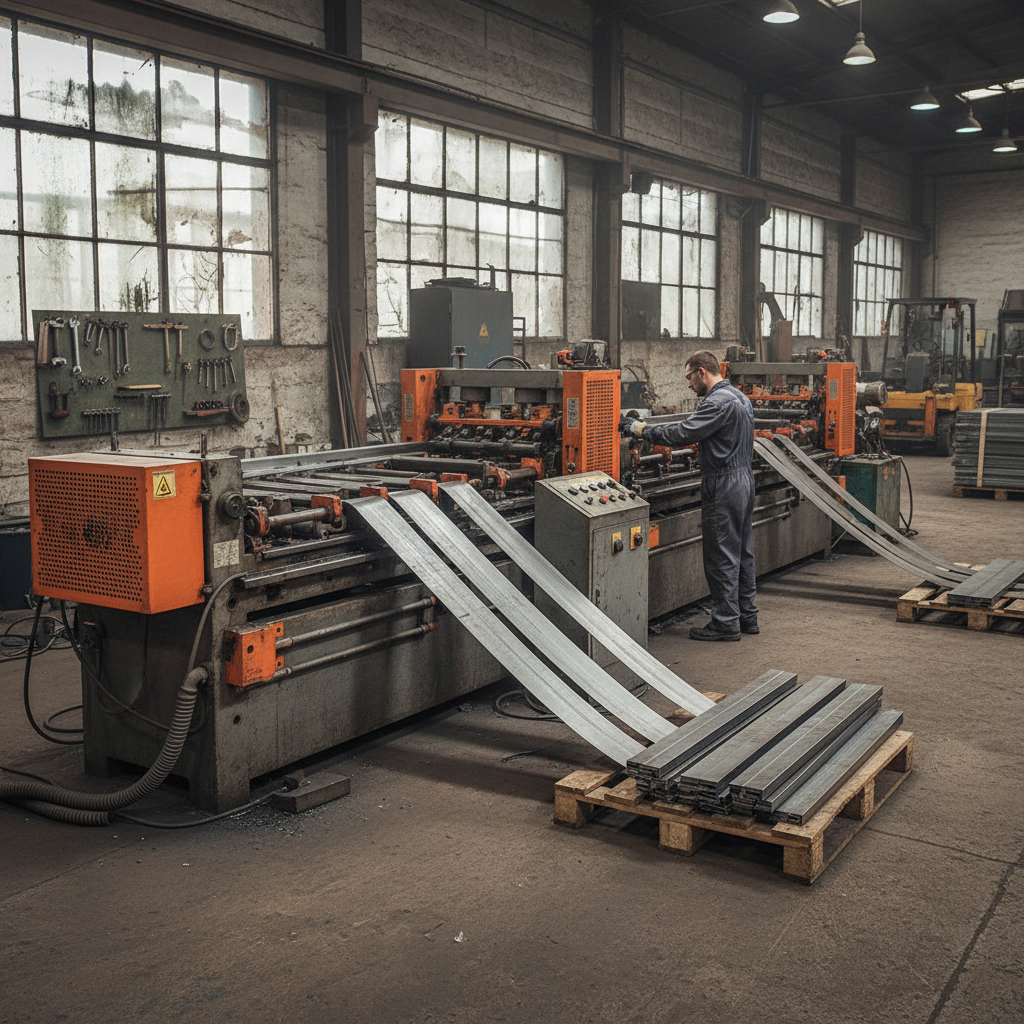
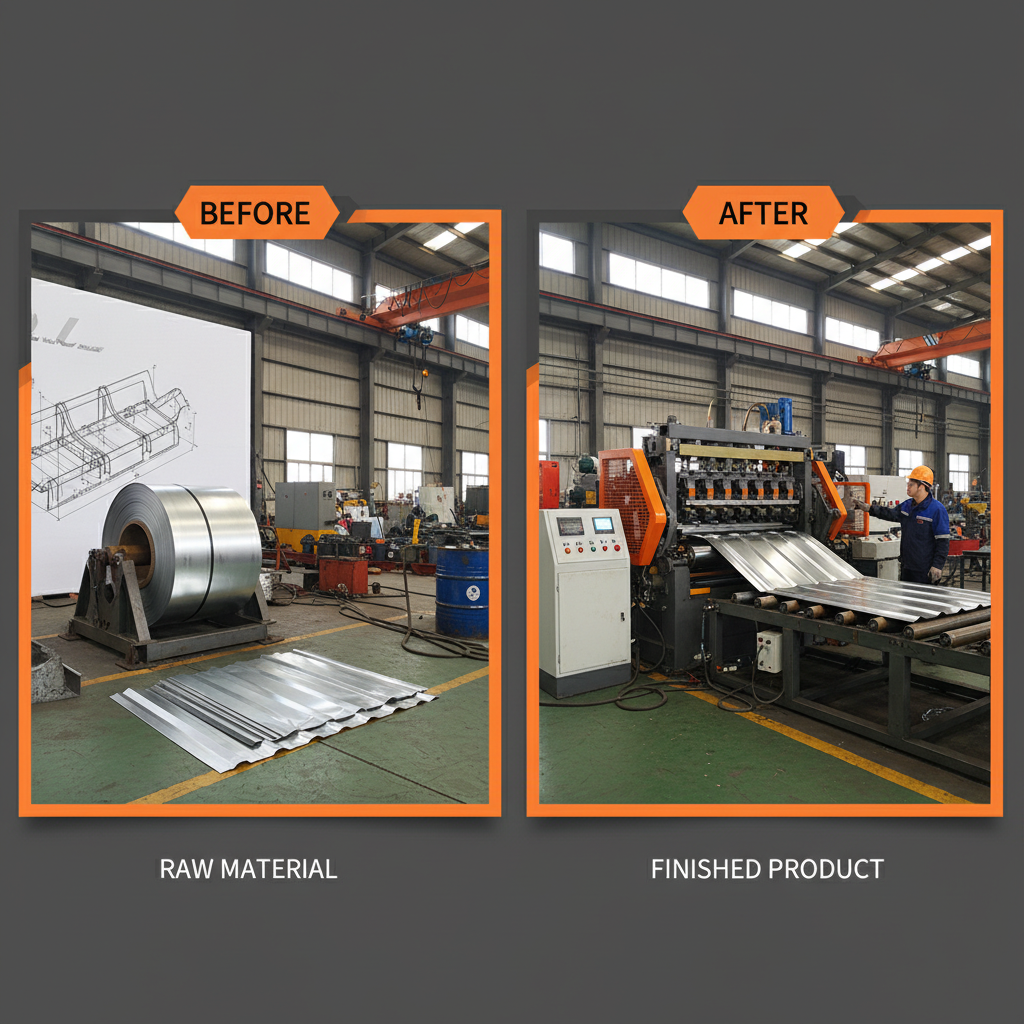
At its core, a stud and track machine operates on the principles of roll forming, taking flat coils of steel and continuously bending them into the desired stud and track profiles. This process delivers consistent dimensions and material properties, essential for structural integrity. The automation offered by these machines significantly reduces labor costs and production time.
The fundamental advantage of this technology lies in its precision and repeatability. Unlike manual fabrication methods, a stud and track machine minimizes material waste and ensures a high level of quality control. This consistency is crucial for achieving building code compliance and ensuring the long-term durability of structures.
The Global Impact of stud and track machine
The demand for stud and track machine technology is intrinsically linked to global construction trends. Rapid urbanization in developing nations, coupled with a growing awareness of the need for sustainable building practices, are driving the adoption of light-gauge steel framing produced by these machines. Regions experiencing frequent natural disasters, like Southeast Asia and the Caribbean, are also key markets.
Data from the United Nations indicates a significant increase in the global demand for housing, projected to reach over 1.6 billion units by 2030. Meeting this demand sustainably requires innovative construction techniques, and stud and track machines provide a viable solution for efficient and scalable production of building materials.
The impact of stud and track machine extends beyond residential construction. They are increasingly utilized in industrial facilities, commercial buildings, and agricultural structures, offering a versatile and cost-effective alternative to traditional construction methods, especially in areas with limited access to skilled labor.
Defining stud and track machine Technology
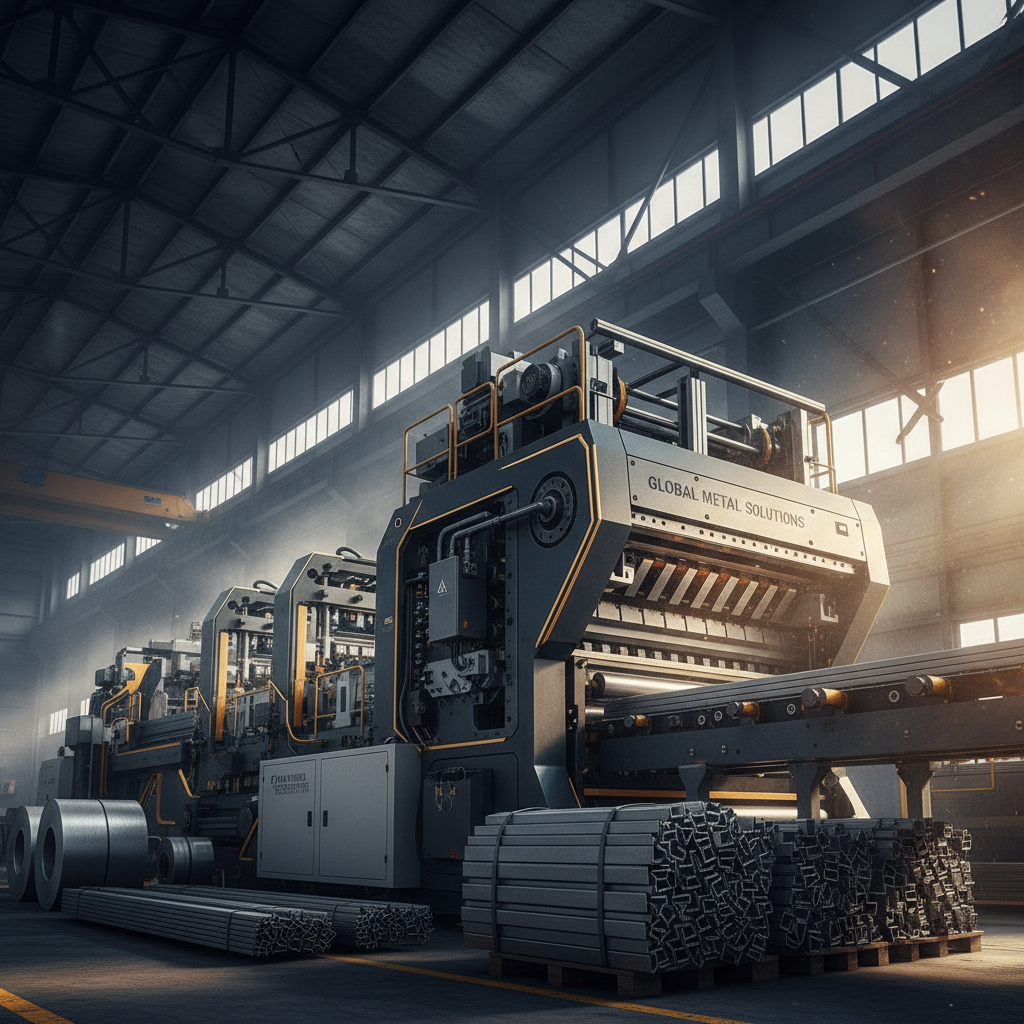
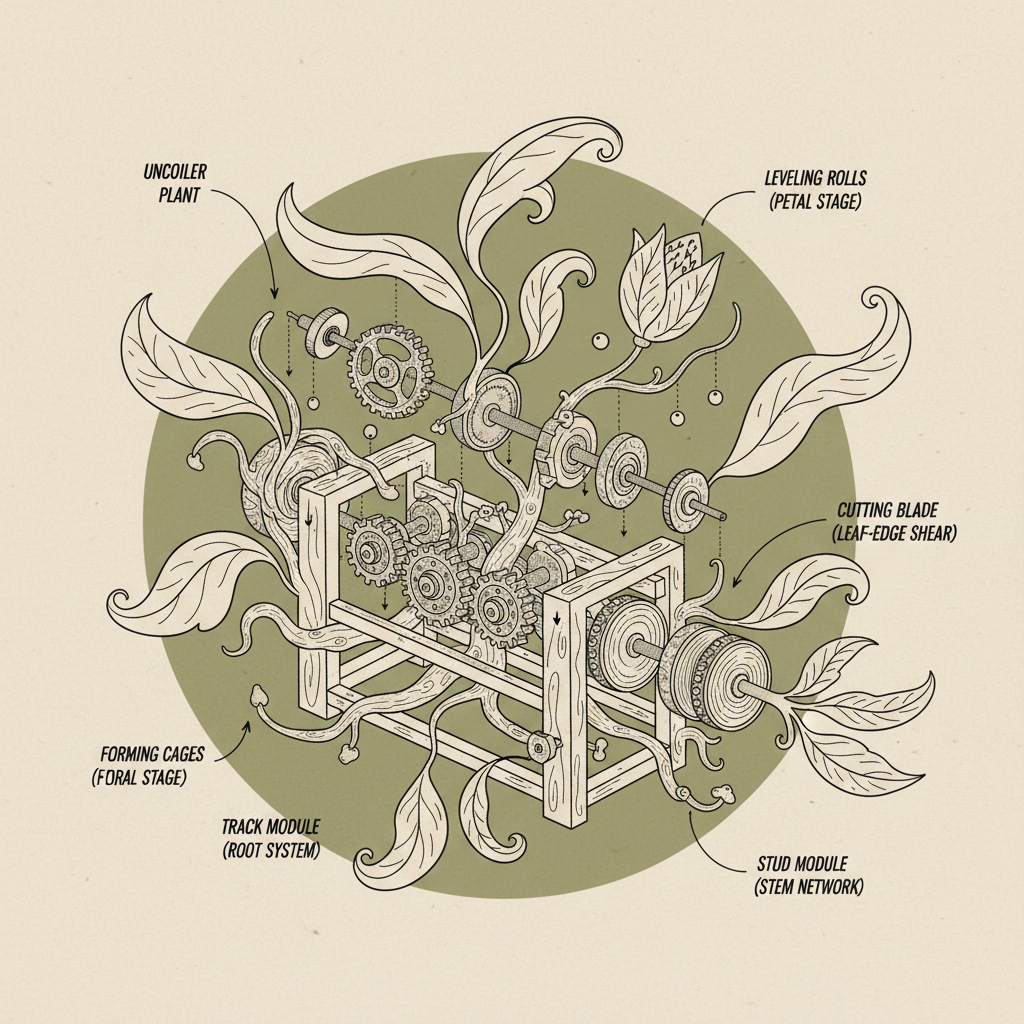
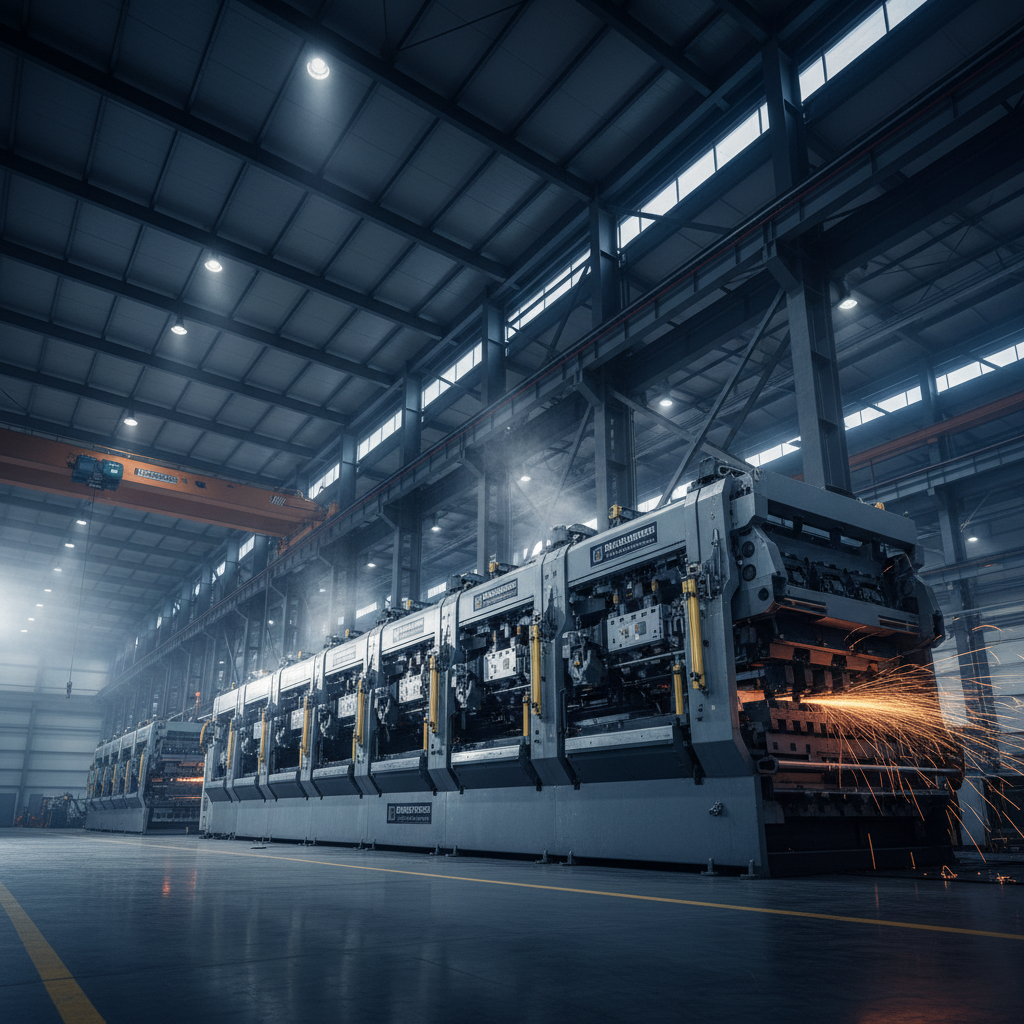
A stud and track machine is an automated production line designed to continuously form light-gauge steel into the C-shaped studs and U-shaped tracks that constitute the skeletal framework of many modern buildings. These machines typically include coil loading systems, leveling units, roll forming stations, cutting mechanisms, and automated stacking or bundling systems.
The connection to modern industry and humanitarian needs is direct. Light-gauge steel framing is lighter, stronger, and more durable than traditional wood framing, offering resistance to fire, pests, and seismic activity. This makes it ideal for construction in challenging environments. Moreover, the speed and efficiency of stud and track machines allow for rapid response in disaster relief situations, providing quickly deployable shelter solutions.
The entire process is controlled by computer numerical control (CNC) systems, allowing for precise adjustments and customization of the steel profiles. This adaptability allows manufacturers to produce a wide range of stud and track dimensions to meet specific project requirements.
Key Performance Factors in stud and track machine
Several key factors determine the efficiency and effectiveness of a stud and track machine. Firstly, Production Speed dictates the volume of material that can be produced within a given timeframe. Secondly, Material Versatility refers to the machine's ability to handle various gauges and types of steel.
Thirdly, Accuracy and Precision are paramount for ensuring structural integrity and adherence to building codes. Fourthly, Automation Level impacts labor costs and overall efficiency. Finally, Maintenance Requirements directly affect the machine's uptime and long-term cost of ownership.
Performance Metrics for Different stud and track machine Types
Global Applications and Real-World Use Cases
Stud and track machine technology is being deployed worldwide in a multitude of applications. In post-disaster relief operations, these machines are used to quickly manufacture framing for temporary shelters, providing safe and dignified housing for displaced communities.
In remote industrial zones, where access to traditional construction resources is limited, these machines enable the local production of steel framing for warehouses, workshops, and other essential infrastructure. The modular construction sector is also heavily reliant on stud and track machines, allowing for the efficient production of prefabricated wall panels and building components.
From large-scale residential developments in rapidly growing cities to specialized agricultural structures, the versatility of stud and track machines makes them a valuable asset for construction professionals across diverse industries and geographic locations.
Advantages and Long-Term Value Proposition
The advantages of utilizing a stud and track machine are multifaceted. Cost savings are realized through reduced labor requirements, minimized material waste, and faster construction timelines. Sustainability is enhanced by utilizing a recyclable material (steel) and minimizing environmental impact.
Beyond the tangible benefits, there is a significant long-term value proposition associated with this technology. Structures built with light-gauge steel framing offer increased durability, fire resistance, and pest control, providing enhanced safety and peace of mind. The reliability and longevity of these structures contribute to a more resilient and sustainable built environment.
Future Trends and Innovations in stud and track machine
The future of stud and track machine technology is characterized by advancements in automation, digitalization, and sustainable materials. We are seeing a growing trend towards incorporating robotics and artificial intelligence (AI) to optimize production processes and improve quality control.
The integration of Building Information Modeling (BIM) with stud and track machines allows for seamless design-to-fabrication workflows, reducing errors and streamlining project delivery. Furthermore, research is focused on developing new, high-strength steel alloys that further enhance the performance and sustainability of light-gauge steel framing.
The drive towards green building practices is also fueling innovation in this sector, with a focus on reducing energy consumption and minimizing waste throughout the entire production and construction process.
FAQS
The payback period for a stud and track machine varies depending on factors like production volume, labor costs, and material prices. However, most businesses see a return on investment within 2-5 years due to reduced labor costs, increased production efficiency, and minimized material waste. Utilizing a machine from a reputable provider like LW Roll Forming Machine can also expedite this process.
While modern stud and track machines are highly automated, some technical expertise is necessary for operation and maintenance. Basic training is usually provided by the manufacturer, covering machine setup, operation, and routine maintenance procedures. More specialized repairs may require skilled technicians. LW Roll Forming Machine offers comprehensive training programs and ongoing support.
Yes, most stud and track machines are designed to be versatile and can produce a wide range of stud and track profiles by simply changing the roll forming dies. This allows manufacturers to cater to diverse project requirements and offer customized solutions. LW Roll Forming Machine offers machines with quick-change die systems for maximum flexibility.
With proper maintenance and care, a high-quality stud and track machine can have a lifespan of 15-20 years or even longer. Regular lubrication, cleaning, and timely replacement of wear parts are essential for maximizing the machine's longevity. Selecting a durable machine from a reputable manufacturer like LW Roll Forming Machine is crucial.
While the initial investment in a stud and track machine is significant, the long-term costs are typically lower than traditional steel fabrication methods. This is due to reduced labor costs, minimized material waste, and increased production efficiency. A stud and track machine can be a cost-effective solution for businesses with high production volumes.
Safety is paramount when operating a stud and track machine. Operators should always wear appropriate personal protective equipment (PPE), such as safety glasses, gloves, and hearing protection. Emergency stop buttons should be readily accessible, and all safety guards should be in place. Regular safety training is essential. LW Roll Forming Machine provides comprehensive safety guidelines with all its machines.
Conclusion
In conclusion, stud and track machine technology represents a significant advancement in the construction and manufacturing industries. Their ability to deliver efficient, cost-effective, and sustainable solutions addresses critical global challenges related to housing, infrastructure, and disaster relief. By embracing innovation and investing in these technologies, we can build a more resilient and adaptable future.
Looking ahead, continued research and development in automation, materials science, and digital integration will further enhance the capabilities of stud and track machines. We encourage stakeholders across the construction value chain to explore the potential of this technology and contribute to its ongoing evolution. Visit our website at www.lwrollformingmachine.com to learn more about our comprehensive range of stud and track machine solutions.