Reliable Corrugated Sheet Rolling Machines for Durable Metal Roofing & Siding
Understanding the Corrugated Sheet Rolling Machine: Why It Matters Globally
If you’ve ever admired the sturdy roofs on warehouses, the reliable siding on factories, or the rugged shelters in remote places, there’s a good chance a corrugated sheet rolling machine played a role. At first glance, it might seem like just another piece of industrial equipment, but in reality, these machines underpin a global supply chain that balances speed, cost-efficiency, and durability in metal fabrication. Whether it’s creating affordable housing roofs or industrial panels, knowing a bit about these machines helps us appreciate how industries tackle challenges like rapid urbanization, disaster recovery, and sustainable building practices worldwide.
Put plainly: these rolling machines are more than just factory workhorses—they’re vital in delivering infrastructure quickly and reliably, sometimes in the places that need it the most.
The Big Picture: Corrugated Sheet Rolling Machines in Global Industry
Worldwide, metal roofing and wall cladding production is growing fast. The International Organization for Standardization (ISO) estimates that steel structures constitute over 50% of industrial constructions globally, a trend projected to keep climbing. Meanwhile, emerging economies like India and Indonesia are expanding their industrial bases, creating booming demand for cost-effective, durable building materials.
Yet here’s the rub: traditional roofing methods can be slow, costly, and sometimes vulnerable to material wastage. This is precisely why corrugated sheet rolling machines have become essential. They streamline production, improve quality control, and allow flexible design adjustments all while keeping costs in check. For example, when natural disasters strike and quick shelter construction is paramount, corrugated sheets produced by these machines can be dispatched in days, not weeks.
What Exactly Is a Corrugated Sheet Rolling Machine?
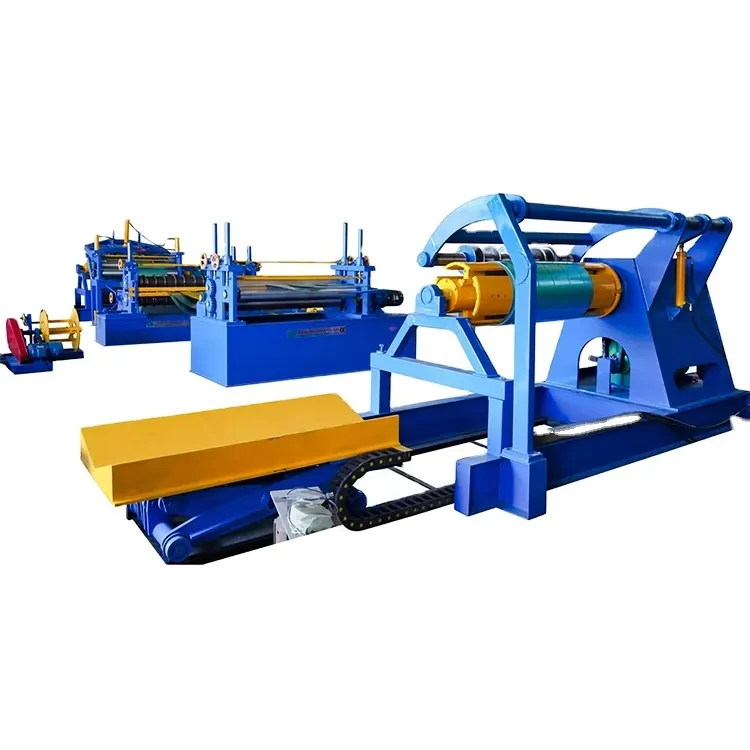
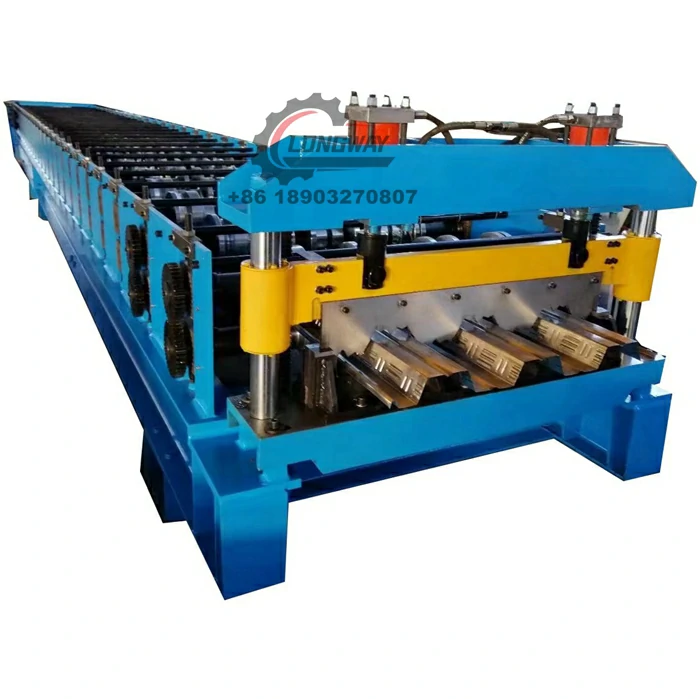
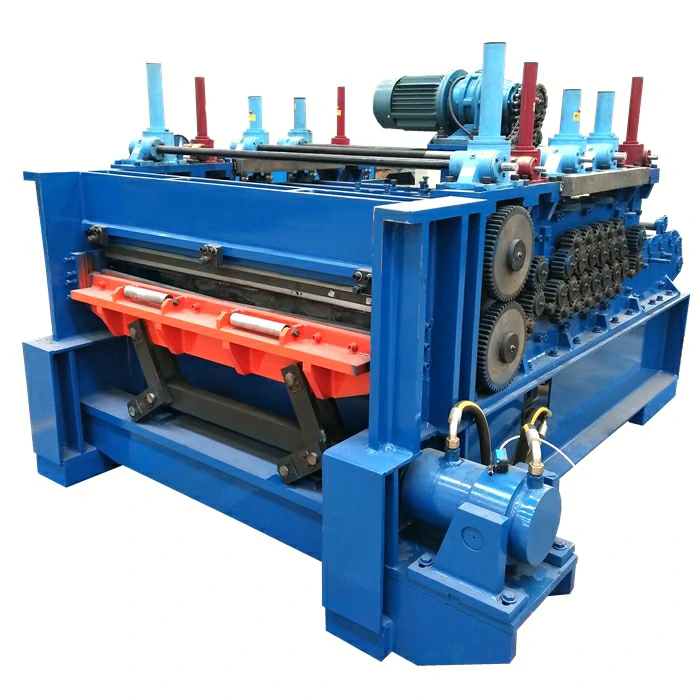
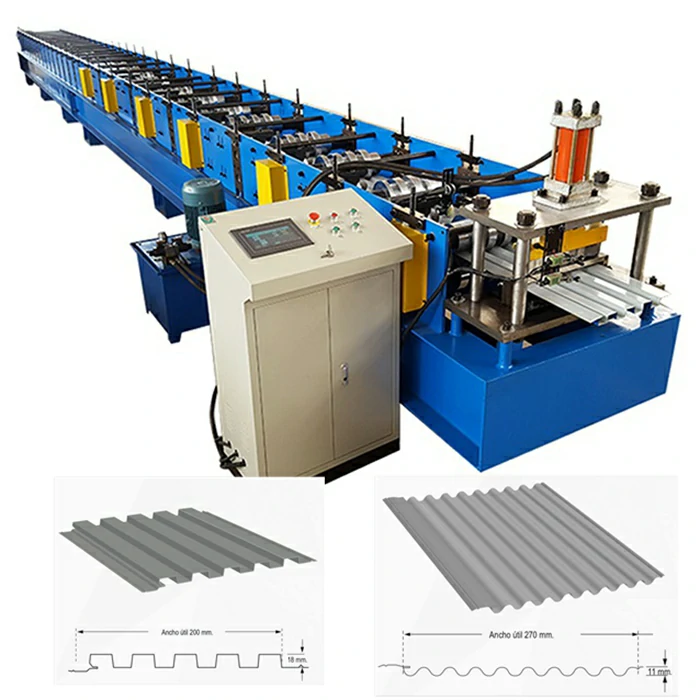
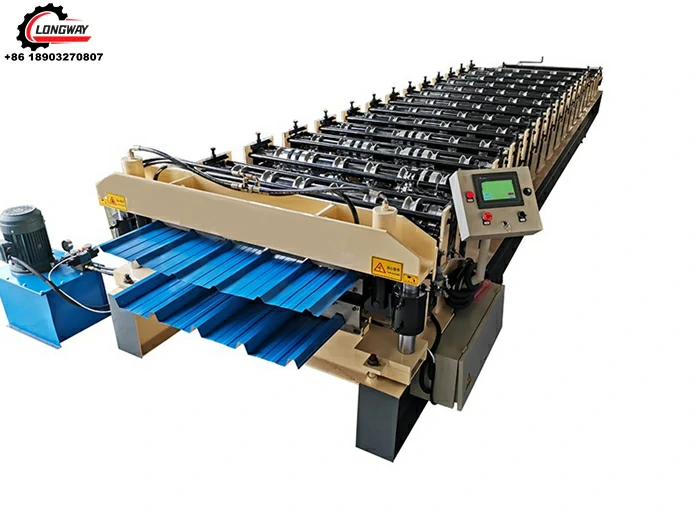
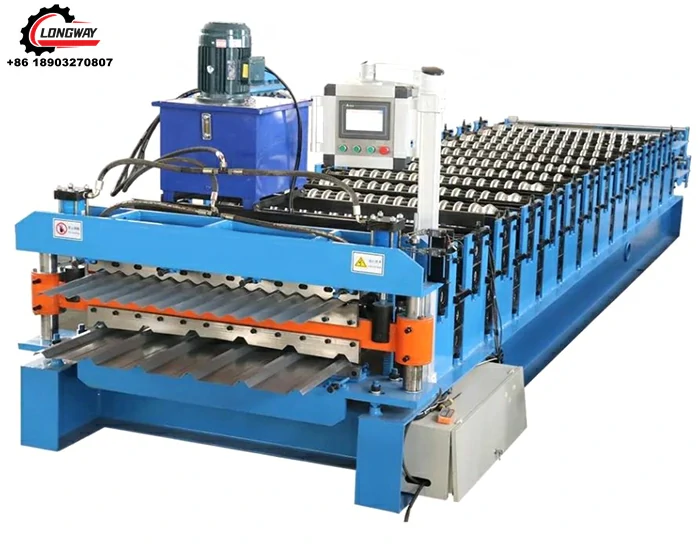
Simply put, a corrugated sheet rolling machine is a piece of precision equipment designed to shape flat metal coils—typically steel or aluminum—into fluted, wave-like profiles. Imagine pushing dough through a patterned roller to get those ridges on a pasta sheet—but for metal. This corrugation increases strength and stiffness without adding much weight, making for lightweight yet tough roofing and siding panels.
From an industrial perspective, these machines are at the crossroads of metallurgy, mechanical engineering, and design. Oddly enough, they also have humanitarian significance: the ability to produce strong, modular metal sheets onsite or nearby can accelerate relief efforts and infrastructure rebuilds post-disaster.
Core Components and Essential Features
1. Rolling Station and Rollers
The heart of the machine, this setup uses grooved rollers to gradually bend the sheet into its characteristic wave. Rollers must be durable, often made of hardened steel, to maintain profile accuracy through thousands of cycles.
2. Material Feeding System
Precision feeding mechanisms ensure consistent sheet alignment and speed, reducing defects. Some advanced models use sensors to detect sheet edges automatically.
3. Cutting & Shearing Unit
Once sheets achieve the correct length and profile, hydraulic or mechanical shears cut them cleanly to size—a crucial step for quick installation later.
4. Controller System
Modern machines integrate programmable logic controllers (PLCs) for automation, allowing operators to customize profiles, adjust speeds, and monitor performance remotely.
5. Frame & Durability
Given constant mechanical strain, the machine's chassis and frame are engineered for longevity, often using welded steel so tolerances don’t shift even under heavy use.
Practical Uses Around the World
The corrugated sheet rolling machine isn’t just factory fodder; its products show up everywhere, from the urban high rises to the rural outposts. Here are some notable applications:
- Disaster Relief: NGOs often require quick-to-install roofing and wall materials. Corrugated sheets easily fit the bill to build durable emergency shelters in places like Haiti or the Philippines after earthquakes or typhoons.
- Agricultural Buildings: In parts of Africa and South America, farmers use corrugated panels for animal shelters and storage facilities — affordable and weather-resistant.
- Industrial Roofing: Manufacturing hubs in Southeast Asia rely heavily on these sheets to cover factories and warehouses that need strength without excessive weight.
- Residential Construction: Emerging economies increasingly adopt metal roofing over traditional clay tiles for better durability and lower cost.
Why Invest in a Corrugated Sheet Rolling Machine?
On the surface, it’s about making metal sheets. But digging deeper, consider these advantages:
- Cost Efficiency: High-speed rolling reduces labor and raw material waste.
- Sustainability: Using recyclable metals aligns with green building initiatives.
- Longevity: Corrugated metal resists corrosion and weathering, ensuring decades of service, which means less frequent replacements and less environmental strain.
- Emotional Value: Stable roofs and walls foster a sense of safety and dignity in vulnerable communities.
- Innovation: Programmable machines enable bespoke profiles that meet unique architectural or environmental specifications.
So, beyond simple economics, these machines help build trust — between a construction firm and its customers, or an NGO and people they serve.
Product Specifications: Typical Corrugated Sheet Rolling Machine
| Specification | Details |
|---|---|
| Material Compatibility | Galvanized steel, Aluminum, GI/PPGI sheets |
| Sheet Thickness Range | 0.3mm - 0.7mm |
| Max Sheet Width | 1250mm |
| Forming Speed | 10-15 meters/minute |
| Power Supply | 380V, 50Hz, 3-phase |
| Cutting Method | Hydraulic Shear |
| Control System | PLC with Touch Screen |
How Vendors Stack Up: Key Comparisons
| Vendor | Machine Speed | Customization Options | Price Range | After-Sales Support |
|---|---|---|---|---|
| LW Roll Forming | 12 m/min | High (Profile & Length) | $$$ | Excellent (Global) |
| Global Form Tech | 15 m/min | Medium | $$$$ | Good (Regional) |
| SteelWave Machines | 10 m/min | Low | $$ | Limited |
Looking Ahead: Innovations and Sustainability in Corrugated Sheet Rolling
The future looks quite exciting here. With rising environmental concerns, many manufacturers are pushing corrugated sheet rolling machines towards greater energy efficiency, often powered by green electricity sources. Plus, integration with IoT (Internet of Things) means real-time monitoring for preventive maintenance—something many engineers say will reduce costly downtime and improve yield.
Materials science also plays a role: lightweight alloys and new coatings are extending panel life and corrosion resistance. And automation? Definitely increasing. We’re talking robotic coil loading, automated defect inspections, and adaptive control systems that self-correct on the fly.
Common Challenges and How to Tackle Them
Of course, no machine is perfect. Current challenges include:
- Material Variability: Different batches of metal sometimes cause inconsistent corrugation.
- Machine Wear: Rollers degrade over time, which can affect profile sharpness.
- Energy Consumption: High-power machines can add up on costs.
Experts recommend routine maintenance schedules, investing in higher-grade roller materials, and incorporating energy recovery systems. Plus, training operators well reduces human error—a surprisingly common source of defects.
FAQ: Answers to Your Corrugated Sheet Rolling Machine Questions
1. How does a corrugated sheet rolling machine improve production speed compared to traditional methods?
Rolling machines automate the shaping process, eliminating manual bending and forming steps. This means producers can achieve continuous, uniform profiles at speeds up to 15 meters per minute, drastically reducing labor hours and increasing throughput.
2. Can these machines handle custom corrugation profiles?
Yes, most modern rolling machines come with adaptable rollers or modular roller sets allowing customization. This flexibility enables manufacturers to meet specific architectural needs or regional standards with varying corrugation pitches and heights.
3. What maintenance is typically required to keep a corrugated sheet rolling machine in top shape?
Routine tasks include cleaning rollers to avoid metal build-up, lubricating moving parts, checking hydraulic systems for leaks, and periodically inspecting roller surfaces for wear or damage to ensure profile consistency.
4. Is it feasible to deploy these machines in remote, post-disaster areas?
Absolutely. Some manufacturers offer mobile or semi-portable corrugated sheet rolling machines designed for quick setup onsite, making them an excellent resource for NGOs and agencies working in disaster zones.
5. How eco-friendly are corrugated sheets produced by these machines?
Very eco-friendly, particularly when made from recycled steel or aluminum. Moreover, the efficiency of the rolling process minimizes waste. Many corrugated panels are recyclable, fitting well within circular economy goals.
Wrapping Things Up
At the intersection of engineering precision, industrial needs, and social impact sits the humble but mighty corrugated sheet rolling machine. Its long-term benefits — from cost savings to supporting disaster relief — make it a worthy investment for many sectors. If you’re looking to enhance your manufacturing capability or explore reliable metal profiling, you’ll want to check out what LW Roll Forming offers — they’re known for quality and innovation in this space.
In a world increasingly hungry for fast, durable, and sustainable building materials, these machines quietly roll metal into the future one wave at a time.
References
-
High Precision Customized Z Purlin Roll Forming Machine GuideNewsApr.16, 2026
-
High Precision customized steel structure floor deck roll forming machineNewsApr.09, 2026
-
Comprehensive Guide to Customized Roof Tile Roll Forming Machine SolutionsNewsApr.07, 2026
-
Optimizing Metal Fabrication with a Customized Roll Forming Machine SolutionNewsApr.04, 2026
-
Comprehensive Guide to Customized Profile Roll Forming Machine SolutionsNewsMar.31, 2026
-
Customized Light Steel Keel Roll Forming Machine Solutions and ApplicationsNewsMar.28, 2026
-
Optimized Production with a Customized Double Layer Roll Forming Machine SolutionNewsMar.26, 2026