China Automatic Roll Forming Machine | Quality & Affordability in Metal Forming
China Automatic Roll Forming Machine: A Workhorse in Industrial Equipment
If you’ve ever been around industrial manufacturing, you’ll know the magic behind roll forming machines — especially the automatic ones from China. Frankly, having spent a good chunk of my career in this sector, I can tell you these machines have changed the way we think about metal forming. They’re quick, versatile, and often come packed with features that frankly surprise even seasoned engineers.
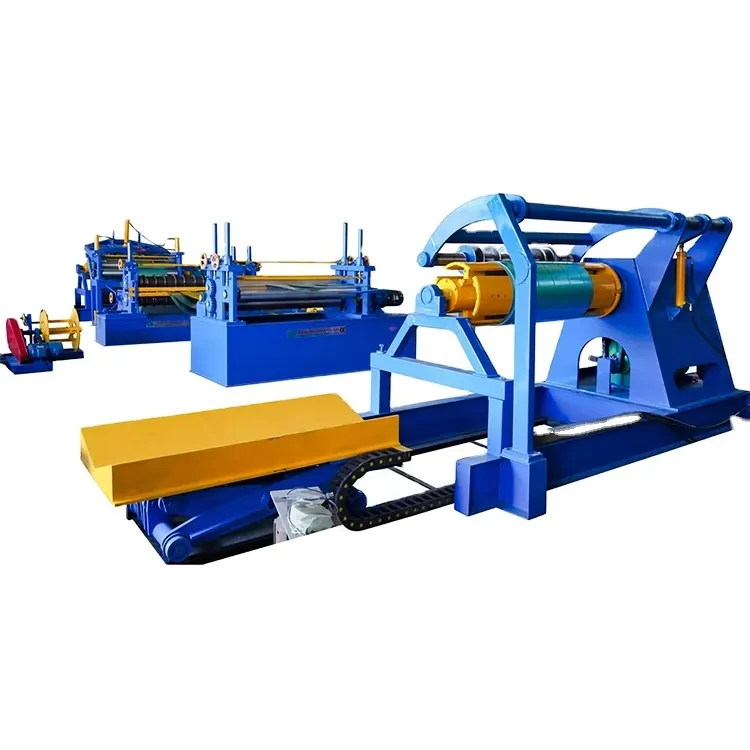
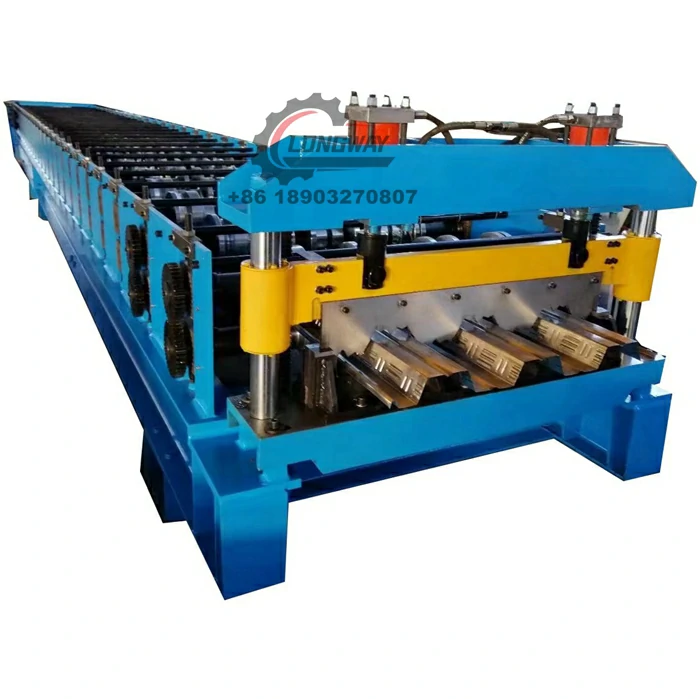
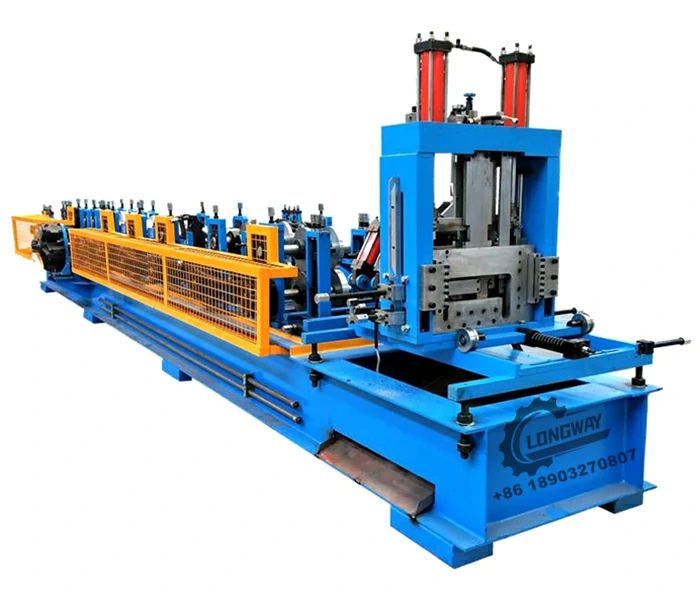
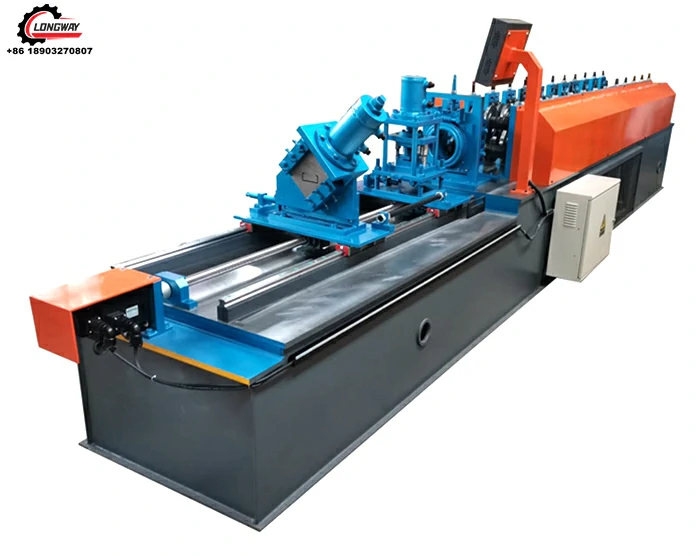
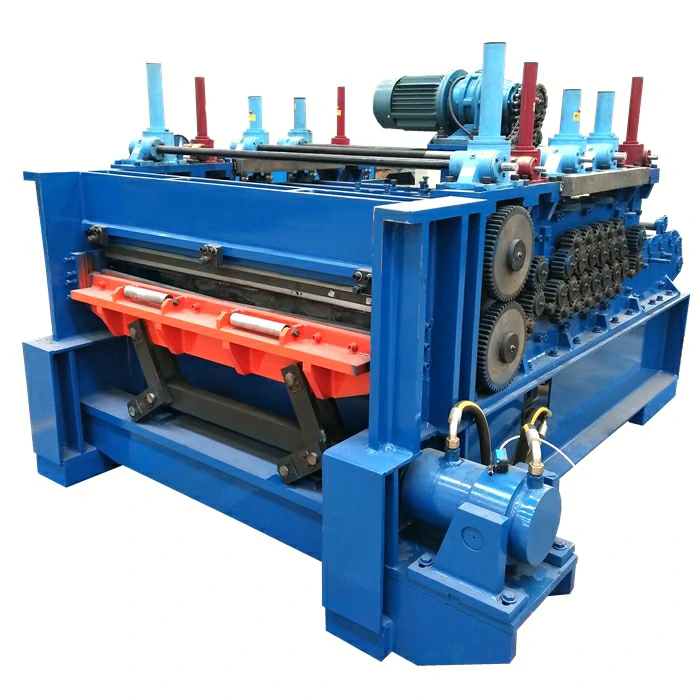
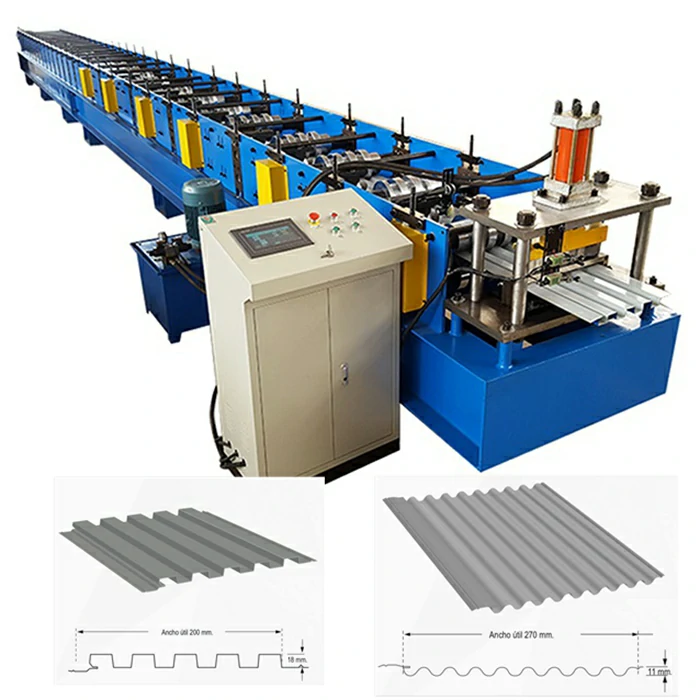
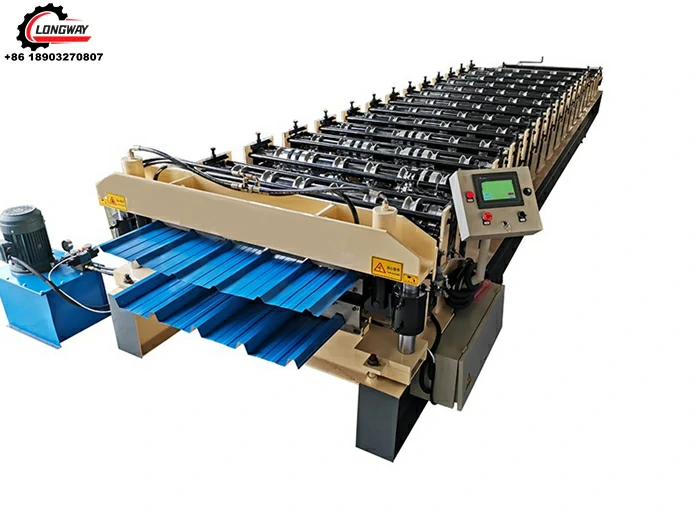
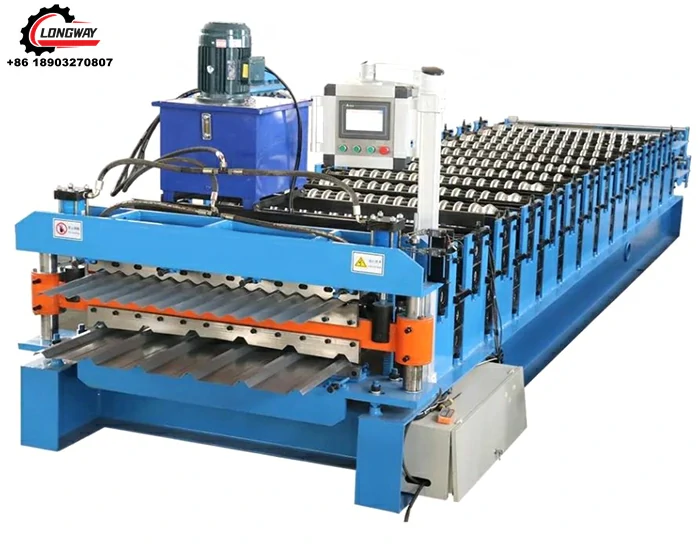
Now, for those not familiar, an automatic roll forming machine is designed to continuously bend metal sheet or strips into specific profiles or shapes. China’s manufacturers have really upped the ante lately — pushing innovation, quality control, and affordability all at once. That’s a combo that businesses worldwide, from construction to automotive suppliers, appreciate deeply.
One thing I’ve noticed is how diverse these machines can be. Depending on the client’s needs, you might get a system tailored to produce roofing sheets, gutters, door frames, or even complex multi-profile parts. The level of customization is impressive. For instance, you can specify the thickness of steel it handles, the speed, and even integrate it with automatic cutting and stacking units. This is less about off-the-shelf equipment and more about tailored industrial solutions nowadays.
Here’s a quick rundown of typical specs for a mid-range China automatic roll forming machine. This one in particular caught my eye during a recent site visit:
| Specification | Details |
|---|---|
| Material Thickness | 0.3mm – 1.2mm (Cold Rolled Steel) |
| Forming Stations | 14 to 18 roll stands |
| Production Speed | 10 – 20 meters per minute |
| Cutting Method | Hydraulic flying shear |
| Control System | PLC with touch screen interface |
| Power Supply | 380V / 50Hz / 3 Phase |
What impresses me most is the precision you get with these setups. In real terms, mistakes are rare because the machines come with feedback loops and sensors to ensure each profile stays within tolerance. I remember visiting a plant where a particularly tight roofing sheet profile was produced with almost zero scrap over weeks. That kind of consistency? You don’t just buy it—you earn it.
That said, not all suppliers are created equal, and China has a range from budget models to near-high end equipment. To help you get your bearings, here’s a very informal, no-nonsense side-by-side comparison of three leading vendors I’ve observed:
| Feature | Vendor A (Economy) | Vendor B (Mid-range) | Vendor C (Premium) |
|---|---|---|---|
| Price ($) | 15,000 – 20,000 | 25,000 – 35,000 | 45,000 – 60,000 |
| Customization | Limited | Moderate options | Extensive, bespoke |
| Build Quality | Basic steel components | Improved materials, better welding | High-grade steel, advanced fabrication |
| After-Sales Support | Minimal, parts only | Good technical support | Comprehensive, training included |
| Lead Time | 2-3 weeks | 3-5 weeks | 5-8 weeks |
One tale I recall is of a client who switched to a mid-range Chinese automatic roll forming machine after struggling for years with older European equipment. The difference? Almost immediately, their downtime shrank and throughput nearly doubled. It’s odd how adopting the right machine changes the entire workflow — the engineers sounded genuinely relieved and excited. This sort of feedback isn’t unusual...
So, what should you watch out for? Obviously, quality assurance. Many respected Chinese manufacturers implement rigorous testing before shipment, using simulation software and physical trial runs. But it’s still wise to insist on samples or trial runs with your specifications.
All in all, the China automatic roll forming machine market presents some excellent options, especially if you value balance between cost and capability. The machines are no longer just “good for the price” but often genuinely competitive globally.
I suppose the best advice is to keep an open mind, do your homework, and if possible, visit a factory firsthand. There’s nothing quite like seeing these machines hum to life, and honestly, you get a sense of the engineering pride that goes into them.
Ultimately, these machines are the backbone of modern metal profile production. Whether it’s for large volume roofing or specialized components, the ever-evolving Chinese offerings hold their own—and then some.
Sources and inspiration:
- Industry reports on roll forming technology (Fabricated Metal Weekly, 2023)
- Factory visits and interviews with Chinese roll forming machine manufacturers
- Customer testimonials in industrial manufacturing forums
-
High Precision Customized Z Purlin Roll Forming Machine GuideNewsApr.16, 2026
-
High Precision customized steel structure floor deck roll forming machineNewsApr.09, 2026
-
Comprehensive Guide to Customized Roof Tile Roll Forming Machine SolutionsNewsApr.07, 2026
-
Optimizing Metal Fabrication with a Customized Roll Forming Machine SolutionNewsApr.04, 2026
-
Comprehensive Guide to Customized Profile Roll Forming Machine SolutionsNewsMar.31, 2026
-
Customized Light Steel Keel Roll Forming Machine Solutions and ApplicationsNewsMar.28, 2026
-
Optimized Production with a Customized Double Layer Roll Forming Machine SolutionNewsMar.26, 2026