China Automatic Trapezoid Roll Forming Machine: Expert Insights & Comparison
China Automatic Trapezoid Roll Forming Machine: A Veteran’s Take
Having spent quite a number of years in the industrial equipment sector, I can say one thing for sure: finding a reliable China automatic trapezoid roll forming machine isn’t just about specs or price. It’s also about knowing what goes into the machine, how it performs day after day, and whether the support behind it measures up.
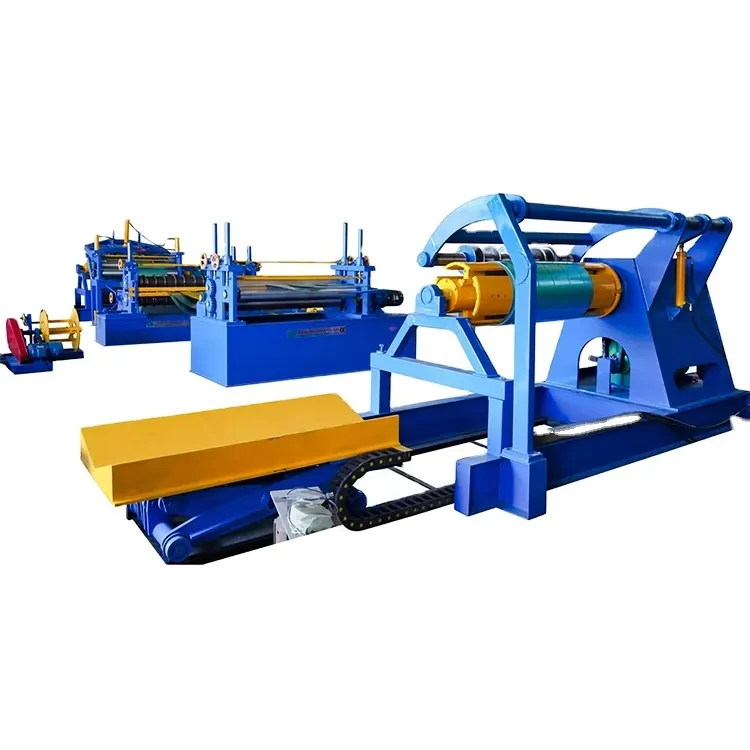
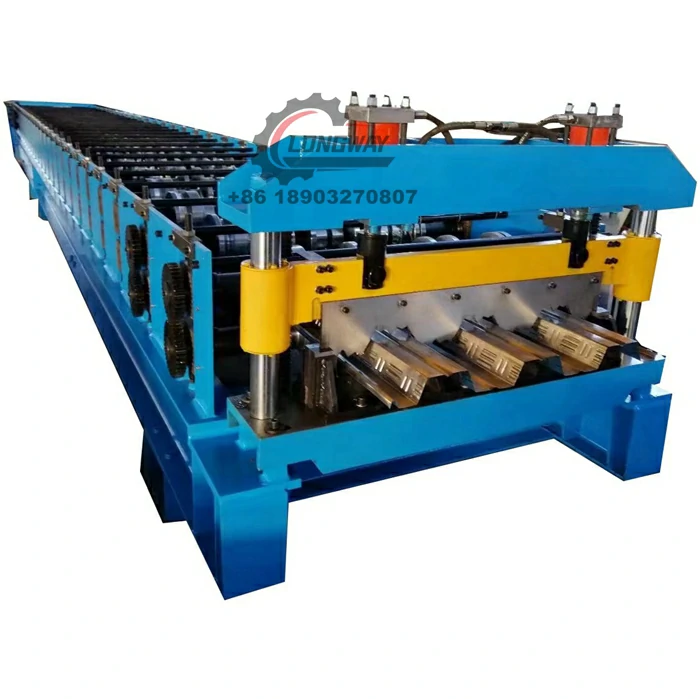
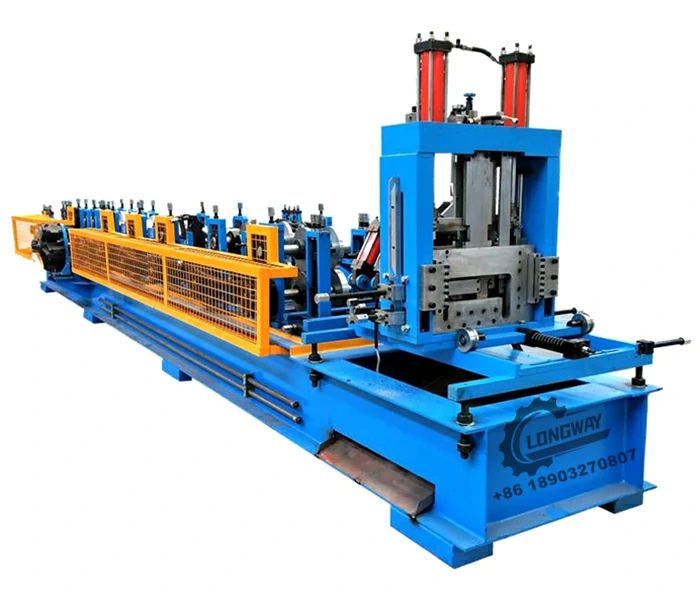
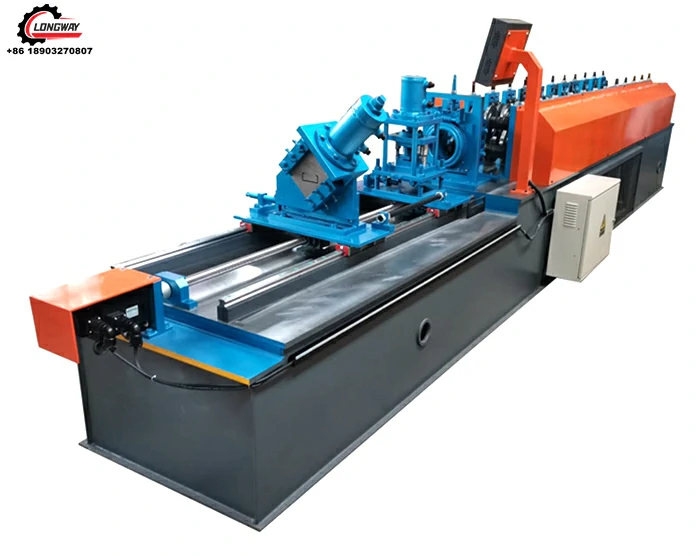
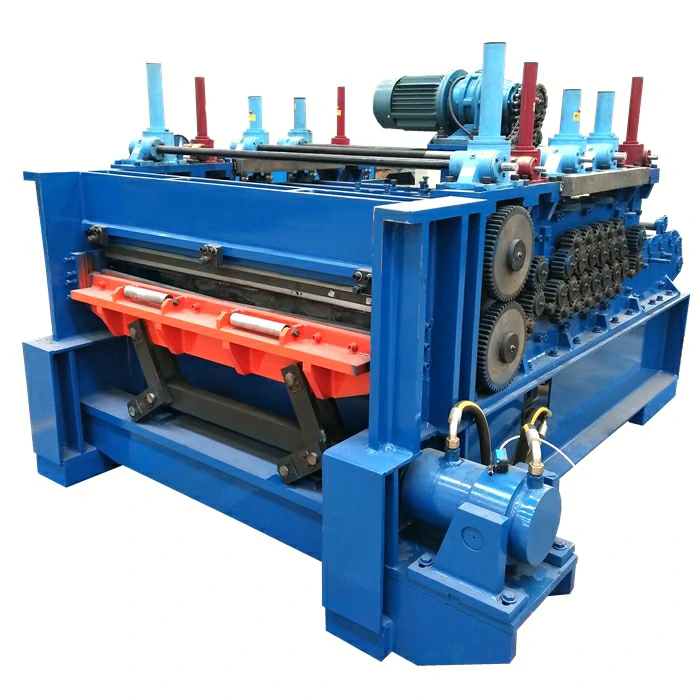
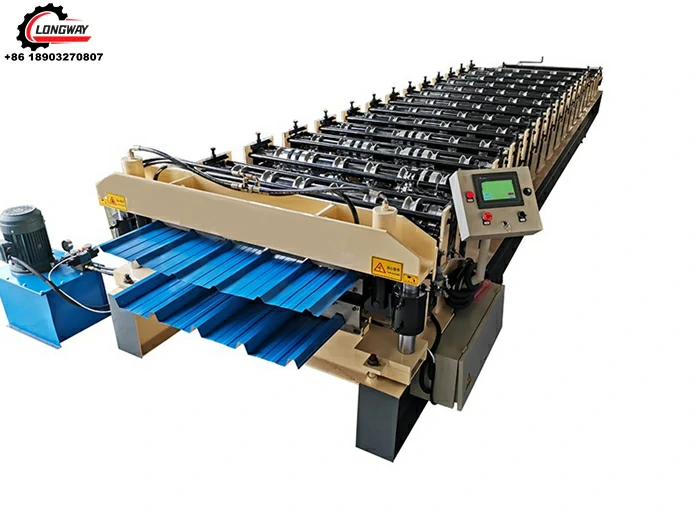
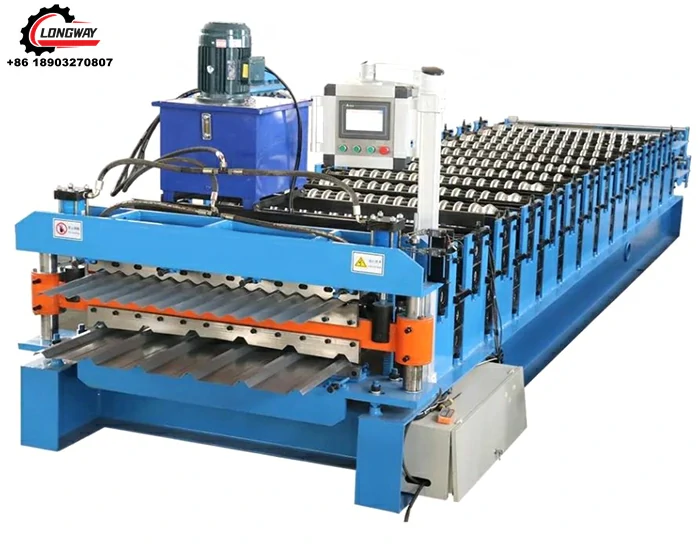
Roll forming machines — especially the automatic trapezoid types widely used for roof panel fabrication — are a staple to many structural metal projects. For years, Chinese manufacturers have been pushing out machines that, frankly, have evolved impressively in build quality and automation. I’ve seen the transition from clunky setups requiring frequent fiddling to near-seamless systems with smart PLC controls and stable mechanical parts. It feels like we’re getting closer to plug-and-produce, which is great news if you want to avoid downtime.
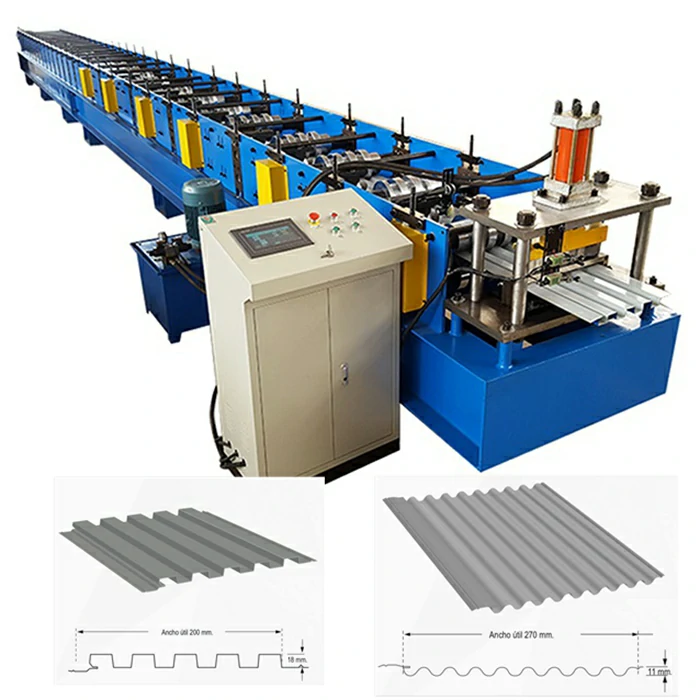
The trapezoid profile—characterized by its sharp, angular shape—has a clever structural role. It’s sturdy yet lightweight, making it a favorite for roofing panels and siding in commercial or agricultural builds. What I often notice during inspections is how the precision of the roll forming line directly affects the panel’s integrity and ease of installation. A machine made or sourced from China nowadays typically comes with servo-driven decoilers, hydraulic cutting systems, and digital thickness gauges that keep tolerances tight. For someone in the trade, that’s a big deal.
Key Product Specifications
| Specification | Details |
|---|---|
| Material Thickness | 0.3mm – 0.8mm |
| Roll Stations | 18-22 stations |
| Production Speed | 10-20 m/min |
| Cutting Type | Hydraulic Guillotine |
| Control System | PLC with Touch Screen |
| Decoiler Type | Hydraulic/manual optional |
Oddly enough, a feature that often surprises newcomers is the degree of customization these machines offer. For example, some Chinese suppliers tailor roll profiles, thickness ranges, or even power supply settings based on export regions. I remember working with a manufacturer who adjusted the electrical specs and PLC programming for a project in South America – it saved a ton of headaches during installation.
But equipment isn’t just about hardware. The vendor relationship matters, too, as anyone who’s ever dealt with post-installation glitches can attest. Warranty terms, availability of spare parts, and technical support responsiveness can make or break your whole investment. In that regard, Chinese suppliers have come a long way but remain uneven — some are exceptionally professional, while others lag behind, particularly the smaller outfits. So be sure to vet your vendor thoroughly.
Vendor Comparison Snapshot
| Vendor | Machine Quality | Support | Customization | Price |
|---|---|---|---|---|
| Vendor A | High | Excellent | Strong | $$$ |
| Vendor B | Medium | Moderate | Limited | $$ |
| Vendor C | Variable | Poor | None | $ |
One customer, a roofing fabricator I know in Southeast Asia, recently upgraded to a fully automatic Chinese trapezoid roll forming line from a mid-tier supplier. They reported a nearly 30% boost in throughput and a big reduction in manual handling errors. The PLC system allowed quick recipe changes between panel sizes, which gave their small factory a welcome edge in flexibility. That’s not always typical, but it’s the kind of real-world outcome that proves the technology is maturing.
In real terms, if you’re exploring options for a China automatic trapezoid roll forming machine, weigh durability, automation features, and vendor support equally. Sure, price matters, but consider total lifecycle cost and uptime — those often tell a truer story.
So yeah, I suppose with the right research, these machines can be a solid foundation for your metal roofing projects. Frankly, it’s a fascinating market to watch — with better electronics and smarter designs creeping in regularly. For anyone in manufacturing or construction, staying ahead means embracing this wave of automation intelligently. And I trust you’ll appreciate the value once you test one out on your shop floor.
Reflection: The industrial landscape in Asia is rapidly evolving, and machines like these symbolize a shift not just in tech, but culture—where reliability and innovation from China are increasingly the norm. It’s good to see, frankly.
References
- Industry reports on roll forming machine trends, 2023
- LW Roll Forming Machine official website
- Interviews with manufacturing operators in Southeast Asia, 2022
-
High Precision Customized Z Purlin Roll Forming Machine GuideNewsApr.16, 2026
-
High Precision customized steel structure floor deck roll forming machineNewsApr.09, 2026
-
Comprehensive Guide to Customized Roof Tile Roll Forming Machine SolutionsNewsApr.07, 2026
-
Optimizing Metal Fabrication with a Customized Roll Forming Machine SolutionNewsApr.04, 2026
-
Comprehensive Guide to Customized Profile Roll Forming Machine SolutionsNewsMar.31, 2026
-
Customized Light Steel Keel Roll Forming Machine Solutions and ApplicationsNewsMar.28, 2026
-
Optimized Production with a Customized Double Layer Roll Forming Machine SolutionNewsMar.26, 2026