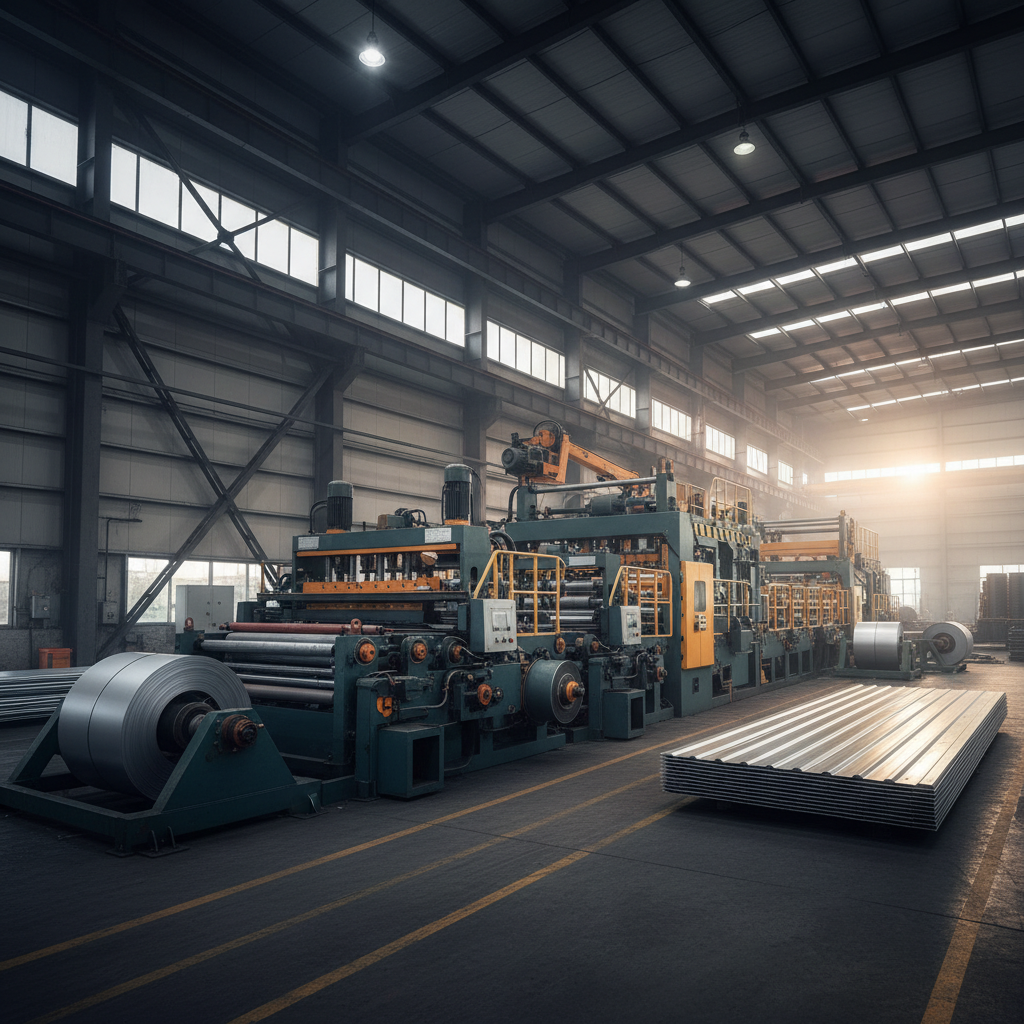
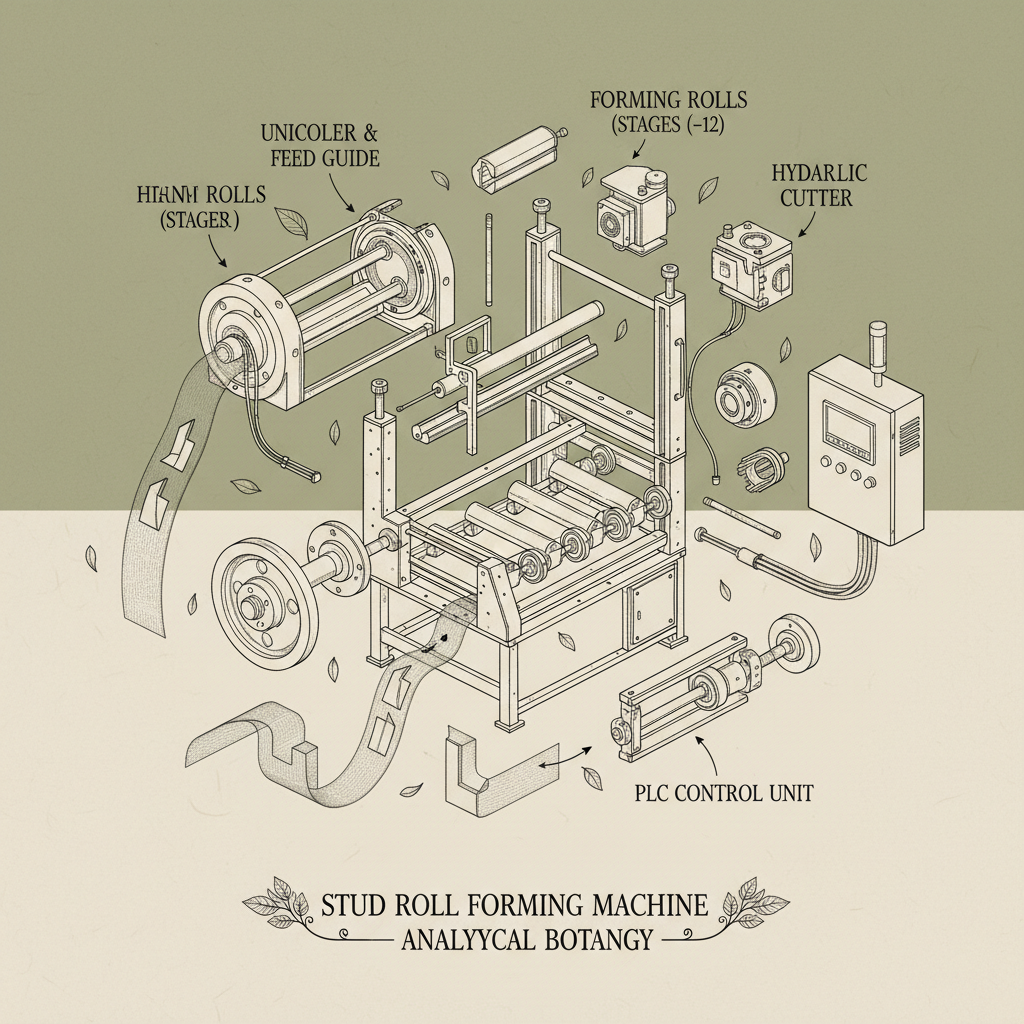
Look, I've been running around construction sites all year, dealing with steel, seeing how things actually work. Stud and track roll forming machines… they're having a moment, you know? Not exactly new, but the demand's seriously picked up. Everyone's talking about prefabrication, modular construction, quick builds. It’s not just about speed, though – it's about controlling costs, reducing waste… and honestly, finding enough skilled labor is getting harder every year. That's where these machines come in.
To be honest, there’s a lot of hype. I’ve seen too many folks jump in, thinking it’s just about buying a machine and cranking out product. Have you noticed? They get hung up on the automation, the fancy controls, and forget about the basics: material quality, consistent tooling, and knowing your steel. It’s a system, not just a machine, and a lot of people treat it like a vending machine.
Anyway, I think what's really driving it is the need for affordable housing, disaster relief… places where you need to build quickly and reliably. It's moved past just warehouses. It's about providing shelter, quickly. And frankly, it’s getting noticed by investors. They're seeing the potential to disrupt the traditional building process.
The Rising Tide: Industry Trends in Stud and Track Roll Forming
It's all about speed to market, really. Prefabrication is booming, and stud and track is a core component of that. We're seeing a big push from the housing sector, obviously, but also in commercial builds – think data centers, warehouses, even schools. They're all looking for ways to cut down on build time and labor costs. And strangely, a lot of the growth is coming from smaller companies that are willing to invest in the equipment and specialize. It's not just the big boys anymore.
I encountered this at a factory in Tianjin last time – they're using these machines to produce components for modular homes that they're exporting to Australia. Australia! They've got a huge housing shortage and are looking for alternative building solutions. The quality was surprisingly good, I gotta say. But it’s not just about building faster, it’s about building smarter and more sustainably.
Design Pitfalls and Lessons Learned
People often underestimate the importance of tooling. You can buy the fanciest machine, but if your rollers aren’t precision-made and properly maintained, you're going to get inconsistent profiles. It's like trying to bake a cake with a warped pan. Also, they tend to overcomplicate the designs. Simpler profiles are easier to produce, more reliable, and frankly, cheaper. I’ve seen guys designing track systems with all sorts of unnecessary flanges and bends… it adds cost and complexity for no real benefit.
Another common mistake is not considering the logistics. How are you going to transport these long lengths of track? What about storage? You need to factor these things in from the start. Later... Forget it, I won't mention the guy who tried to ship 12-meter track on an open truck bed. Just… don’t do that.
And honestly, the software interfaces on some of these machines are terrible. They’re designed by engineers who clearly don’t spend much time on the shop floor. They need to be intuitive and easy to use, especially for operators who aren't tech-savvy.
The Heart of the Matter: Materials and Their Quirks
The steel, of course, is crucial. Most folks are using galvanized steel – it's durable, corrosion-resistant, and relatively affordable. But the quality varies wildly. You want to make sure it's consistent in thickness and yield strength. I’ve smelled some batches of steel that just… didn’t feel right. Like it had too much sulfur or something. You learn to trust your nose.
Then there’s the handling. Galvanized steel can be sharp, especially after it’s been formed. You need to make sure your operators are wearing proper gloves and handling the material carefully. And don't even get me started on the dust. Galvanizing creates a lot of dust, and it's not something you want to be breathing in all day. Proper ventilation is a must.
We've started experimenting with high-strength steel for certain applications – it allows for lighter profiles and reduces material costs. But it's more expensive upfront and requires more precise tooling. It’s a trade-off.
Real-World Testing: Beyond the Lab
Look, lab tests are important, but they don't tell you everything. You need to see how these components perform in real-world conditions. We've started doing on-site pull tests, checking for deflection and yield strength. We’ve also been subjecting completed structures to wind load simulations – basically, throwing everything we’ve got at them.
One thing I’ve noticed is that the connections are often the weakest link. It's not enough to have strong steel; you need to make sure the fasteners are properly installed and can withstand the stress. That’s where a lot of failures occur.
Stud and Track Roll Forming Machine Component Failure Rates
User Behavior: How Things Actually Get Done
This is where it gets interesting. You design a system to be used in a certain way, but users always find a way to do things differently. We’ve found that a lot of installers will modify the track slightly to make their job easier. It’s not necessarily a bad thing, as long as it doesn’t compromise the structural integrity.
They’ll cut corners, add extra support, whatever it takes to get the job done quickly. You have to design for that. You have to anticipate those modifications and make sure they don't create weak points.
The Good, The Bad, and The Customizable
The biggest advantage? Speed, without a doubt. You can produce a lot of material quickly and efficiently. It’s also very cost-effective, especially for large-scale projects. But the downside is the upfront investment. These machines aren’t cheap, and you need skilled operators and maintenance personnel.
As for customization, we've had customers request different track widths, different flange heights, even integrated cable management channels. We did one job for a data center in Singapore where the client wanted a custom track system with built-in grounding strips. It was a pain to tool up for, but it solved their problem and they were happy to pay for it.
A Factory Tale and Material Breakdown
Last month, that small boss in Shenzhen who makes smart home devices insisted on changing the interface to , and the result was a three-week delay while we re-tooled. He thought it would give him a marketing edge. Honestly, it was a waste of time and money. But you know, you gotta try and please the customer.
Anyway, here's a quick breakdown of the typical materials you'll find in a stud and track system:
The steel itself is the biggest cost, obviously. Then you've got the galvanizing zinc coating, the fasteners, and the packaging materials.
Typical Stud and Track System Material Composition
| Material Component |
Typical Percentage (%) |
Key Properties |
Cost Considerations |
| Galvanized Steel |
70-80% |
High Strength, Corrosion Resistance, Ductility |
Major Cost Driver, Fluctuates with Market Prices |
| Zinc Coating |
5-10% |
Corrosion Protection, Sacrificial Layer |
Dependent on Coating Thickness, Zinc Prices |
| Fasteners (Screws, Bolts) |
5-10% |
Shear Strength, Corrosion Resistance |
Material Type (Steel, Stainless Steel) Influences Cost |
| Packaging Materials (Strapping, Pallets) |
2-5% |
Protection During Transport, Stackability |
Material Choice (Wood, Plastic) Impacts Cost |
| Tooling & Maintenance |
1-3% (Amortized) |
Profile Accuracy, Production Efficiency |
Significant Initial Investment, Ongoing Costs |
| Quality Control |
1-2% |
Ensures Compliance, Reduces Defects |
Labor Costs, Testing Equipment |
FAQS
Honestly, it’s underestimating the tooling costs. Everyone focuses on the machine itself, but the rollers are where the magic happens. Cheap rollers = cheap results. You need precision tooling, and it's not cheap to design, manufacture, and maintain. Plus, you need to factor in wear and tear, and the cost of replacing them. It adds up faster than you think. Also, not accounting for proper material handling and storage.
Regular lubrication is key. Those rollers need to be kept well-greased to prevent wear. You also need to inspect the rollers for damage, check the alignment of the machine, and make sure the drive system is functioning properly. And don't forget to clean it! Dust and debris can wreak havoc on the machine. A good preventative maintenance schedule is critical.
Thickness is huge. You need to select the right rollers and adjust the machine settings accordingly. Thicker material requires more force and can lead to increased wear on the rollers. Thinner material can be more prone to buckling or deformation. It's a balancing act. Too thick and you strain the machine, too thin and you get a weak product. Find the sweet spot based on your application.
Absolutely! That's the beauty of roll forming. You just need to design the rollers to match the desired profile. It’s not always cheap to tool up for custom profiles, but it's definitely possible. We’ve done everything from hat channels to custom cladding profiles. The flexibility is a major advantage.
Right now, with supply chain issues, expect at least 6-8 months. The rollers themselves can take a long time to manufacture, especially if they’re custom-designed. And then there’s shipping and installation. Don't wait until you need it to order it! Plan ahead. Seriously, plan ahead.
Critically important. You can have the best machine in the world, but if the operator doesn't know what they're doing, you're going to have problems. Proper training covers everything from machine setup and operation to troubleshooting and maintenance. You need to make sure your operators understand the process and can identify potential issues before they become major problems.
Conclusion
So, stud and track roll forming is booming, driven by the need for speed, efficiency, and affordability in construction. But it's not a magic bullet. It requires careful planning, quality materials, skilled operators, and a commitment to ongoing maintenance. It’s a system, not just a machine.
Ultimately, whether this thing works or not, the worker will know the moment he tightens the screw. If it feels solid, if it lines up right, if it just feels right… that's when you know you've got a good system. And if you’re looking to invest in a stud and track roll forming machine, feel free to visit our website: www.lwrollformingmachine.com. We're here to help you build something solid.