The demand for durable and aesthetically pleasing roofing solutions is continually rising globally, driven by factors like urbanization, infrastructure development, and a growing preference for long-lasting materials. Metal roof tile making machines address this demand by providing efficient and cost-effective methods for producing high-quality roofing tiles, significantly impacting the construction industry. Understanding the capabilities and advancements in this technology is crucial for businesses seeking to capitalize on these growing market opportunities.
The metal roofing tile industry is experiencing significant growth, particularly in developing nations where affordable and robust housing solutions are paramount. These machines enable localized production, reducing reliance on imports and creating employment opportunities. Furthermore, advancements in roll forming technology contribute to more sustainable building practices, aligning with global initiatives for eco-friendly construction. The quality and efficiency of a metal roof tile making machine directly influences the cost-effectiveness and scalability of roofing projects.
The importance of investing in a reliable and technologically advanced metal roof tile making machine cannot be overstated. It’s about more than just producing tiles; it's about ensuring long-term durability, architectural appeal, and a competitive edge in the market. Modern machines offer precision, automation, and the ability to create a diverse range of tile profiles to meet evolving architectural trends and customer demands.
The Global Rise of Metal Roof Tile Manufacturing
The global construction industry is witnessing a significant shift towards durable and sustainable roofing materials. Metal roof tiles, known for their longevity, weather resistance, and aesthetic appeal, are rapidly gaining popularity. This trend is fueled by increasing demand in both residential and commercial sectors, particularly in regions prone to harsh weather conditions. The accessibility of efficient metal roof tile making machines is a crucial factor driving this expansion.
According to a report by Grand View Research, the global metal roofing market size was valued at USD 10.89 billion in 2022 and is projected to reach USD 17.59 billion by 2030, exhibiting a compound annual growth rate (CAGR) of 6.2% from 2023 to 2030. This growth is largely attributed to the rising adoption of metal roofing in building construction, driven by its superior performance characteristics and increasing environmental awareness.
Defining the Metal Roof Tile Making Machine
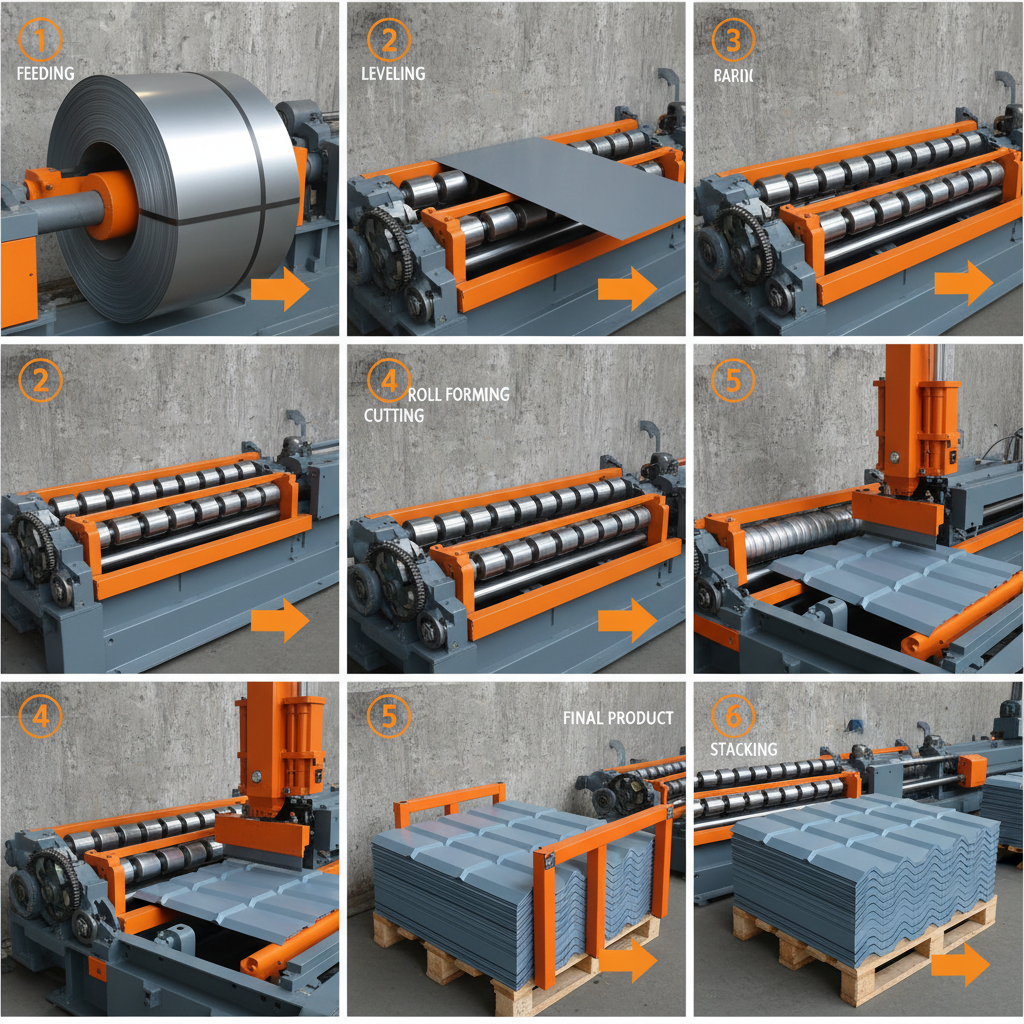
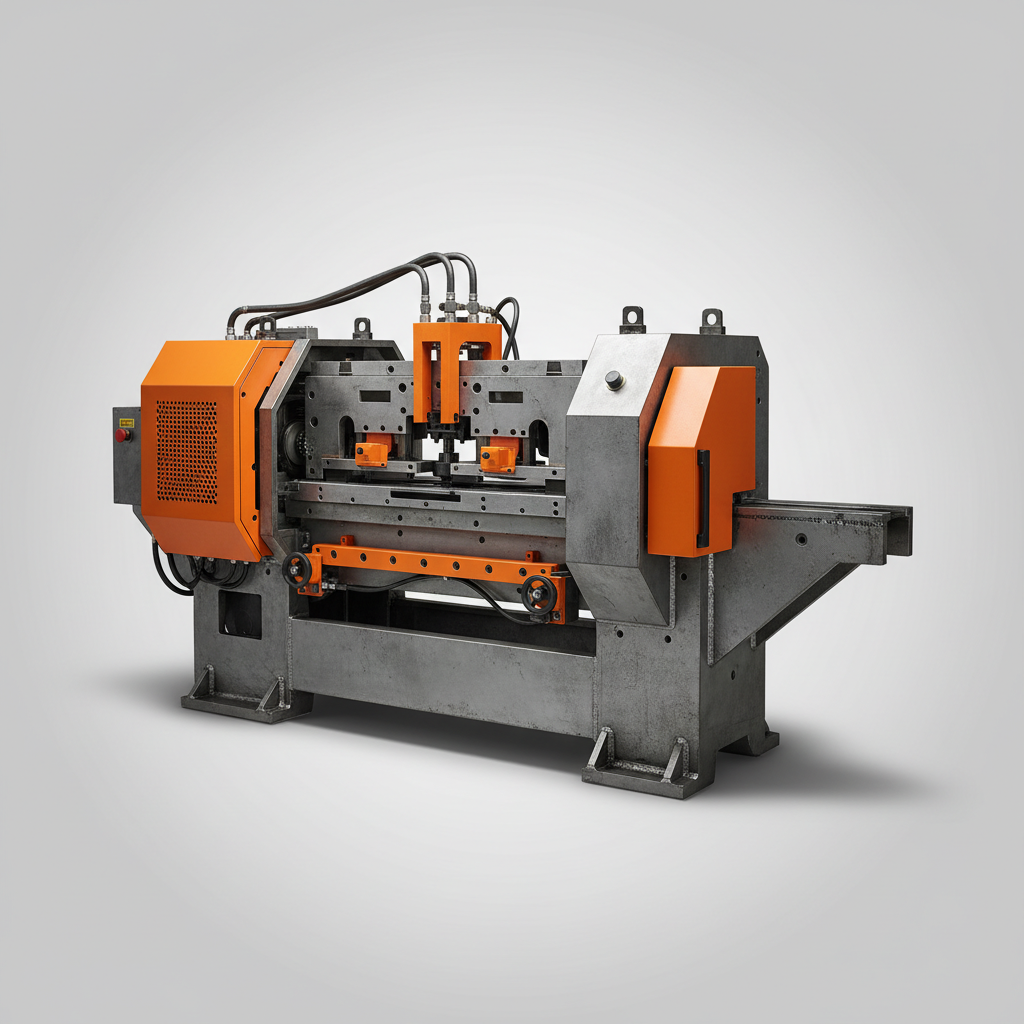
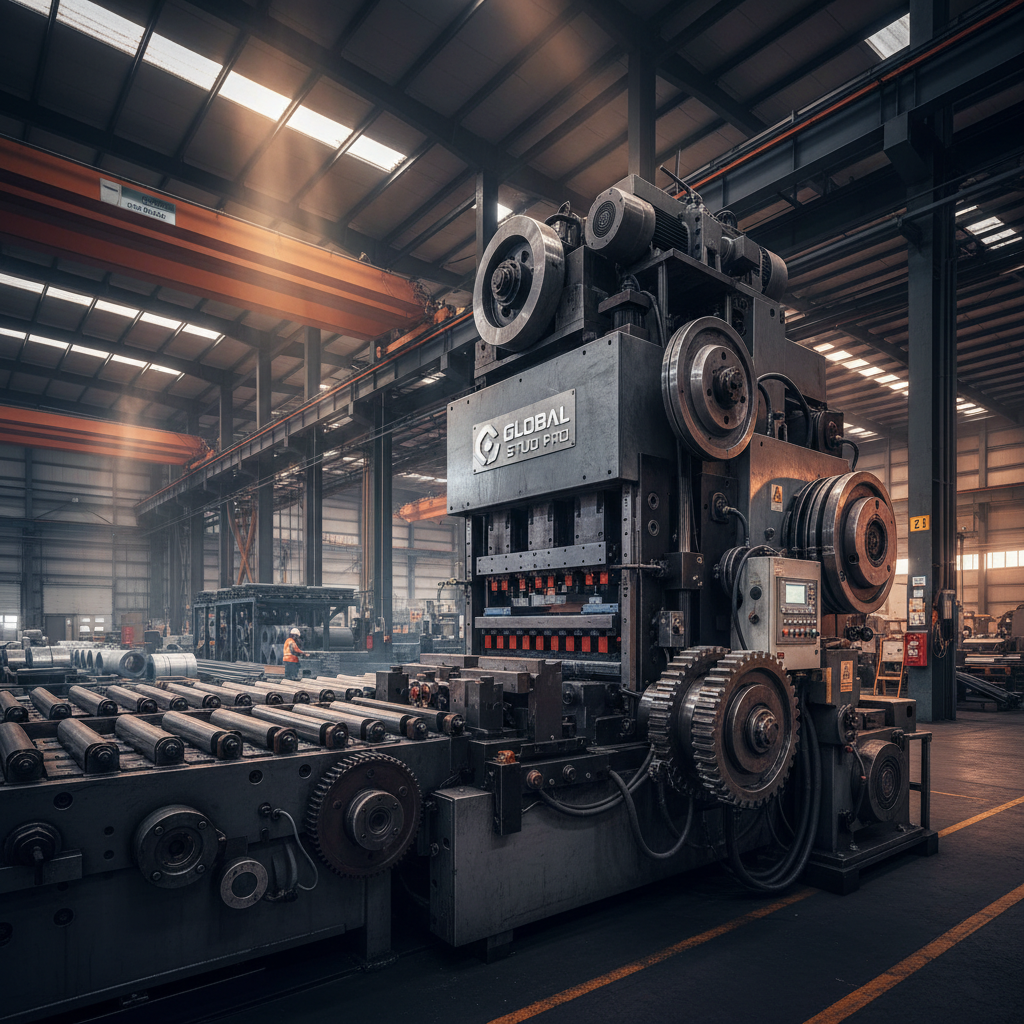
A metal roof tile making machine is a specialized piece of equipment designed for the continuous roll forming of metal sheets into interlocking roof tiles. These machines utilize a series of rollers, each shaped to progressively bend and form the metal into the desired tile profile. They are typically automated, incorporating features like coil loading, straightening, cutting, and stacking to ensure high-volume production with minimal manual intervention.
Essentially, the machine takes flat metal coils (typically steel or aluminum) and transforms them into aesthetically pleasing and structurally sound roofing tiles. The process is highly efficient and repeatable, ensuring consistent product quality. Modern machines offer flexibility in terms of tile profile design, allowing manufacturers to cater to diverse architectural styles and customer preferences. This makes the metal roof tile making machine a pivotal element in modern construction.
The connection to modern industry and humanitarian needs stems from the provision of affordable, durable, and quickly deployable housing and infrastructure. Metal roofing is exceptionally resistant to fire, wind, and corrosion, making it ideal for disaster-prone areas or regions with challenging climates. Its relatively lightweight nature also simplifies transportation and installation.
Key Components and Operational Principles
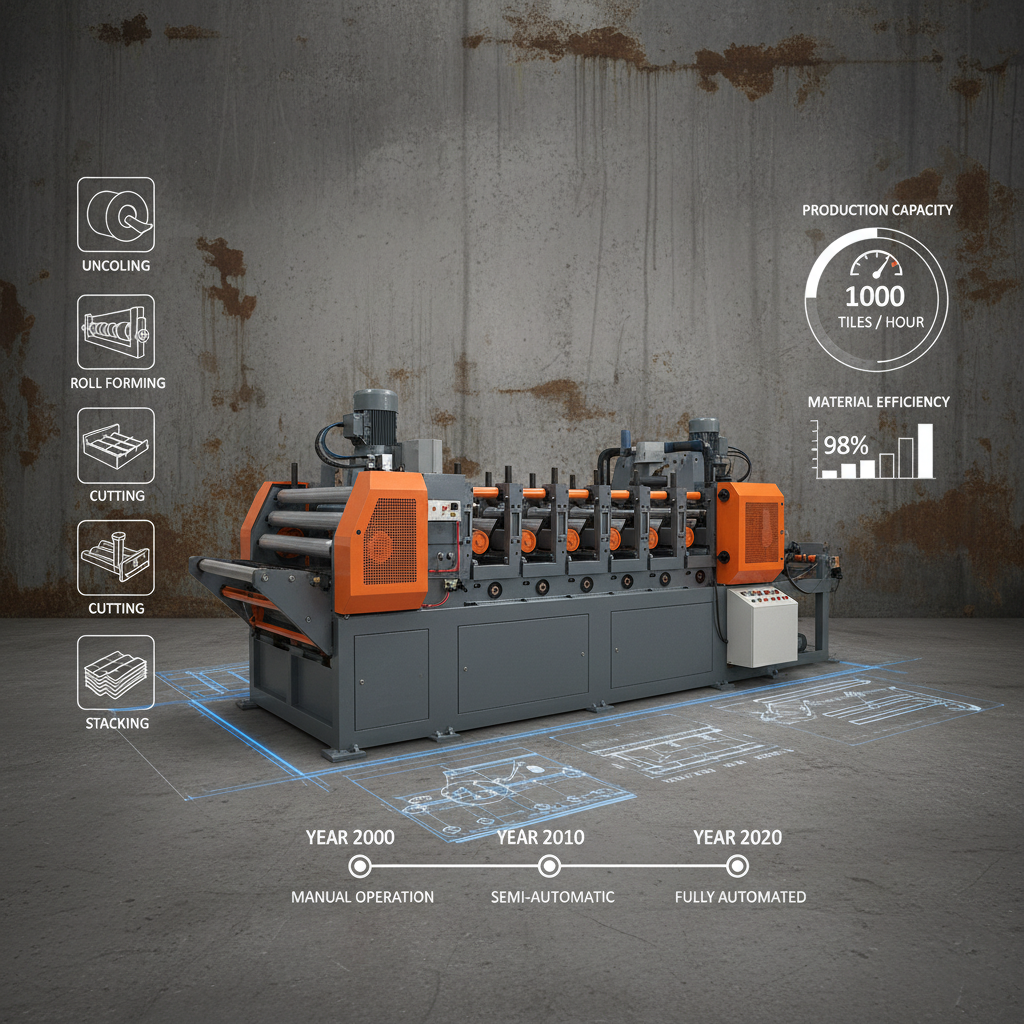
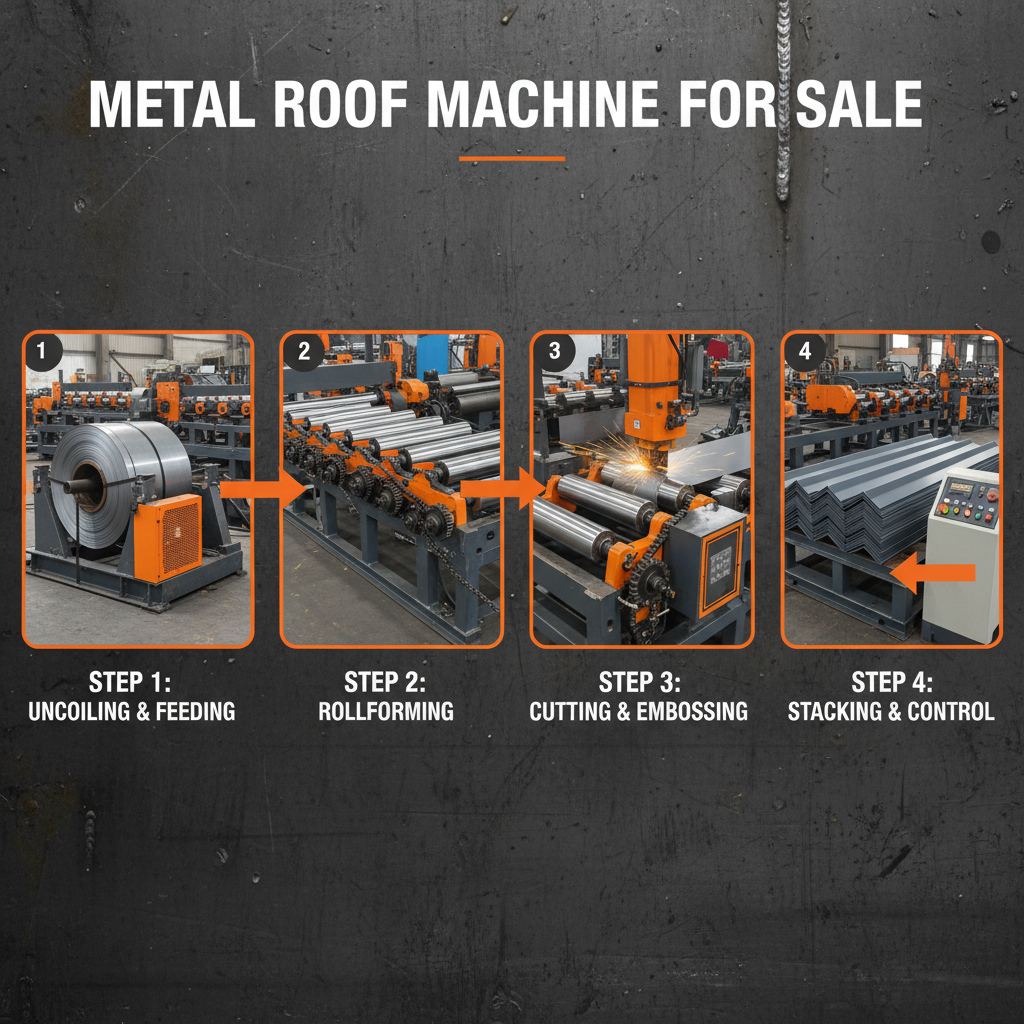
The core of a metal roof tile making machine lies in its roll forming section. This consists of a series of precisely engineered rollers that progressively shape the metal sheet. Other critical components include an uncoiler (to unwind the metal coil), a straightener (to ensure flat material feed), a forming station (where the tile profile is created), a cutting unit (to shear the tile to the required length), and a stacking system (to automatically arrange the finished tiles).
The operational principle is based on continuous roll forming. The metal coil is fed through the machine, and as it passes through each roller station, the metal is incrementally bent and shaped until it achieves the final tile profile. The cutting unit then precisely shears the formed tile, and the stacking system organizes them for efficient handling and transportation. Control systems, often PLC-based, coordinate the entire process, ensuring accuracy and consistency.
Beyond the primary components, many machines incorporate features like automatic thickness adjustment, pattern changing capabilities, and even in-line coating systems to enhance the versatility and functionality of the produced tiles. These features contribute to increased efficiency, reduced waste, and a wider range of product offerings.
Global Applications and Market Sectors
Metal roof tiles manufactured using these machines are utilized across a diverse range of applications, including residential roofing, commercial building construction, industrial facilities, and agricultural structures. Their durability and resistance to extreme weather conditions make them particularly well-suited for regions prone to hurricanes, heavy snowfall, or intense heat.
Geographically, significant demand exists in North America, Europe, Asia-Pacific, and Latin America. Developing nations, such as India and China, are experiencing rapid growth in their construction sectors, further driving the demand for metal roofing solutions. The machine is used in both large-scale manufacturing facilities and smaller, localized workshops, catering to varying production needs.
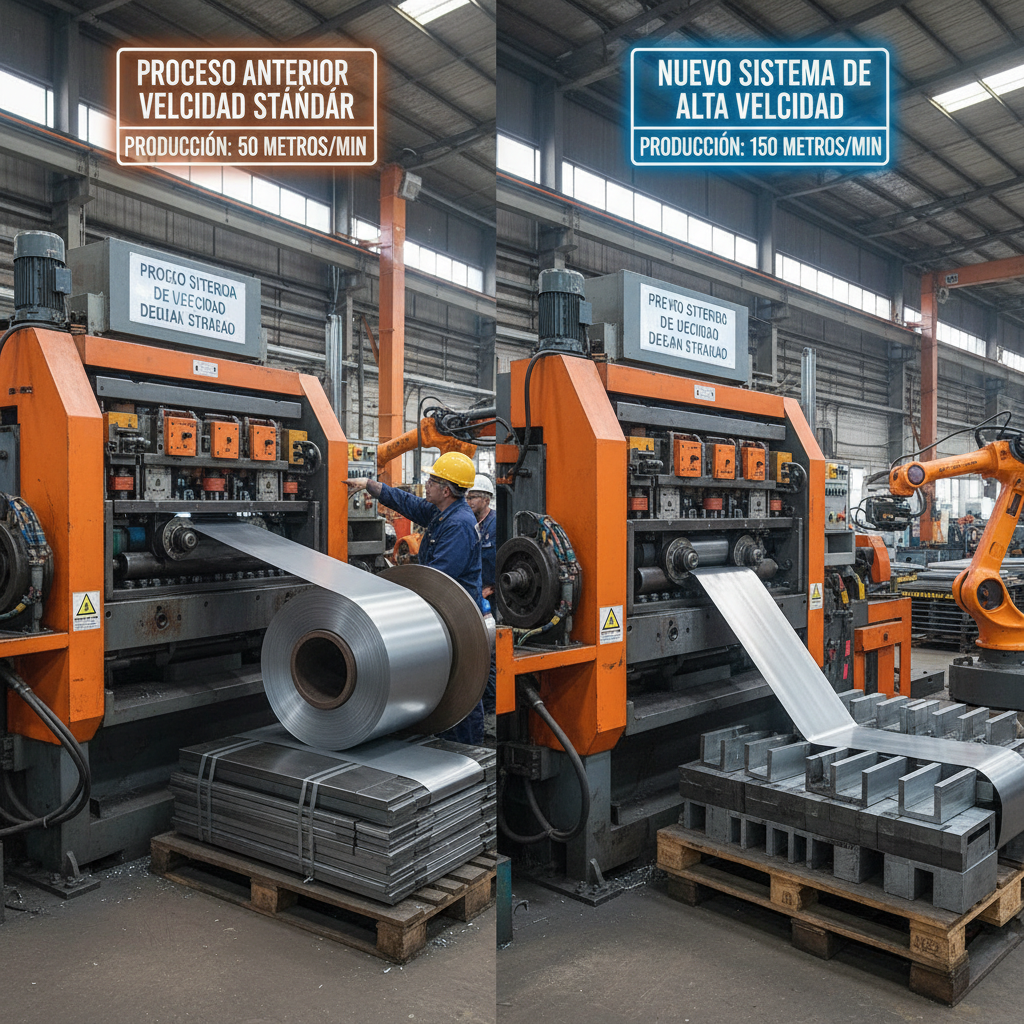
Metal Roof Tile Making Machine – Production Efficiency by Method
Advantages and Economic Impact
The advantages of utilizing a metal roof tile making machine are numerous. Primarily, it offers significant cost savings compared to traditional roofing tile manufacturing methods. Automated production reduces labor costs and minimizes material waste. The durability of metal roofing translates to lower lifecycle costs for building owners, reducing the need for frequent repairs or replacements.
Furthermore, metal roofing contributes to sustainability by being 100% recyclable. The long lifespan of metal tiles also reduces landfill waste. Economically, investing in a metal roof tile making machine can create local jobs, stimulate economic growth, and reduce reliance on imported roofing materials.
Future Trends and Technological Innovations
The future of metal roof tile making machine technology is focused on increased automation, improved efficiency, and the integration of smart manufacturing principles. We are witnessing a trend toward machines capable of producing more complex tile profiles with greater precision and speed.
Digitalization plays a crucial role, with the incorporation of IoT sensors for real-time monitoring of machine performance and predictive maintenance. The use of advanced materials, such as high-strength steel and aluminum alloys, is also gaining traction, enabling the production of lighter and more durable roofing tiles.
The integration of robotic systems for material handling and stacking will further enhance efficiency and reduce the need for manual labor. The development of eco-friendly coating technologies is another key area of innovation, contributing to more sustainable roofing solutions.
Challenges and Solutions in Metal Roof Tile Production
Despite the many advantages, metal roof tile production faces certain challenges. These include the initial capital investment required for a high-quality machine, the need for skilled operators and maintenance personnel, and the potential for material price fluctuations.
To address these challenges, manufacturers are focusing on offering flexible financing options, providing comprehensive training programs, and establishing strategic partnerships with material suppliers. The development of more user-friendly and automated machines is also reducing the skill requirements for operation and maintenance.
Another challenge is ensuring consistent product quality and minimizing waste. This is being addressed through the implementation of advanced quality control systems and the optimization of machine parameters. Regular maintenance and proactive troubleshooting are crucial for preventing downtime and maintaining optimal performance.
Summary of Key Challenges and Solutions in Metal Roof Tile Production
| Challenge |
Impact |
Solution |
Implementation Cost (USD) |
| High Initial Investment |
Barrier to entry for small businesses. |
Flexible Financing Options & Leasing |
5,000 - 10,000 |
| Skilled Operator Shortage |
Reduced efficiency and potential for errors. |
Comprehensive Training Programs |
2,000 - 5,000 |
| Material Price Volatility |
Fluctuating production costs. |
Strategic Supplier Partnerships & Long-Term Contracts |
1,000 - 3,000 |
| Quality Control Issues |
Product defects and customer dissatisfaction. |
Advanced Quality Control Systems & Real-Time Monitoring |
3,000 - 7,000 |
| Machine Downtime |
Lost production and increased costs. |
Preventative Maintenance Schedules & Remote Diagnostics |
1,500 - 4,000 |
| Waste Material Management |
Environmental impact and disposal costs. |
Optimized Cutting Algorithms & Material Recycling Programs |
500 - 2,000 |
FAQS
A well-maintained metal roof tile making machine can typically last for 10-15 years, or even longer, depending on the quality of the machine, the frequency of use, and the preventative maintenance schedule followed. Regular lubrication, timely replacement of wear parts, and adherence to the manufacturer’s recommendations are crucial for maximizing the machine’s lifespan and ensuring consistent performance.
While modern machines are increasingly automated, some level of operator skill is still required. Operators need to be trained on machine setup, material loading, basic troubleshooting, and quality control procedures. However, with proper training, even individuals without extensive mechanical experience can effectively operate these machines. Many manufacturers offer comprehensive training programs to ensure operator competency.
Most metal roof tile making machines are designed to work with galvanized steel, galvalume steel, and aluminum. The thickness of the metal typically ranges from 0.3mm to 0.6mm, depending on the desired tile profile and the application. Some machines can also handle other metal types, such as stainless steel, but this often requires specific modifications or attachments.
The production speed of a metal roof tile making machine varies depending on the machine’s specifications, the tile profile, and the metal thickness. However, a typical machine can produce between 80 and 200 tiles per hour. Advanced machines with optimized automation features can achieve even higher production rates.
The power consumption of a metal roof tile making machine typically ranges from 15 to 30 kilowatts, depending on the machine’s size and features. Energy-efficient models are available that can reduce power consumption and lower operating costs. Regular maintenance and optimization of machine parameters can also contribute to energy savings.
Safety is paramount when operating a metal roof tile making machine. Operators should always wear appropriate personal protective equipment (PPE), including safety glasses, gloves, and steel-toe boots. Emergency stop buttons should be readily accessible, and operators should be trained on proper lockout/tagout procedures. Regular machine inspections and maintenance are crucial for identifying and addressing potential safety hazards.
Conclusion
In conclusion, the metal roof tile making machine represents a pivotal technology in the modern construction landscape. Its ability to efficiently produce durable, sustainable, and aesthetically pleasing roofing materials is driving its increasing adoption globally. From its core components and operational principles to its diverse applications and future innovations, understanding this technology is essential for businesses seeking to capitalize on the growing demand for metal roofing solutions.
Looking ahead, continued advancements in automation, digitalization, and material science will further enhance the efficiency and versatility of these machines. Investing in a high-quality machine and prioritizing operator training and maintenance will be key to maximizing return on investment and ensuring long-term success. Visit our website at www.lwrollformingmachine.com to explore our range of metal roof tile making machines and discover how we can help you meet your roofing production needs.