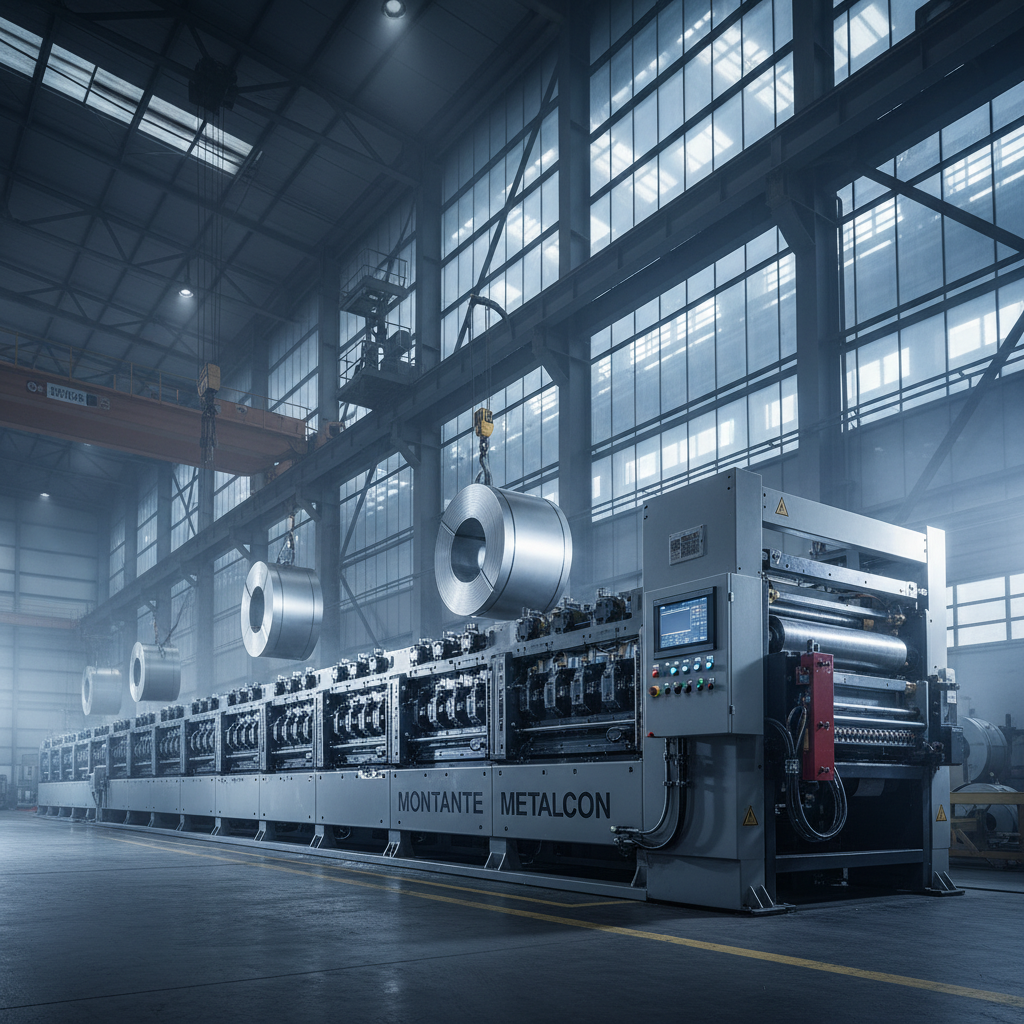
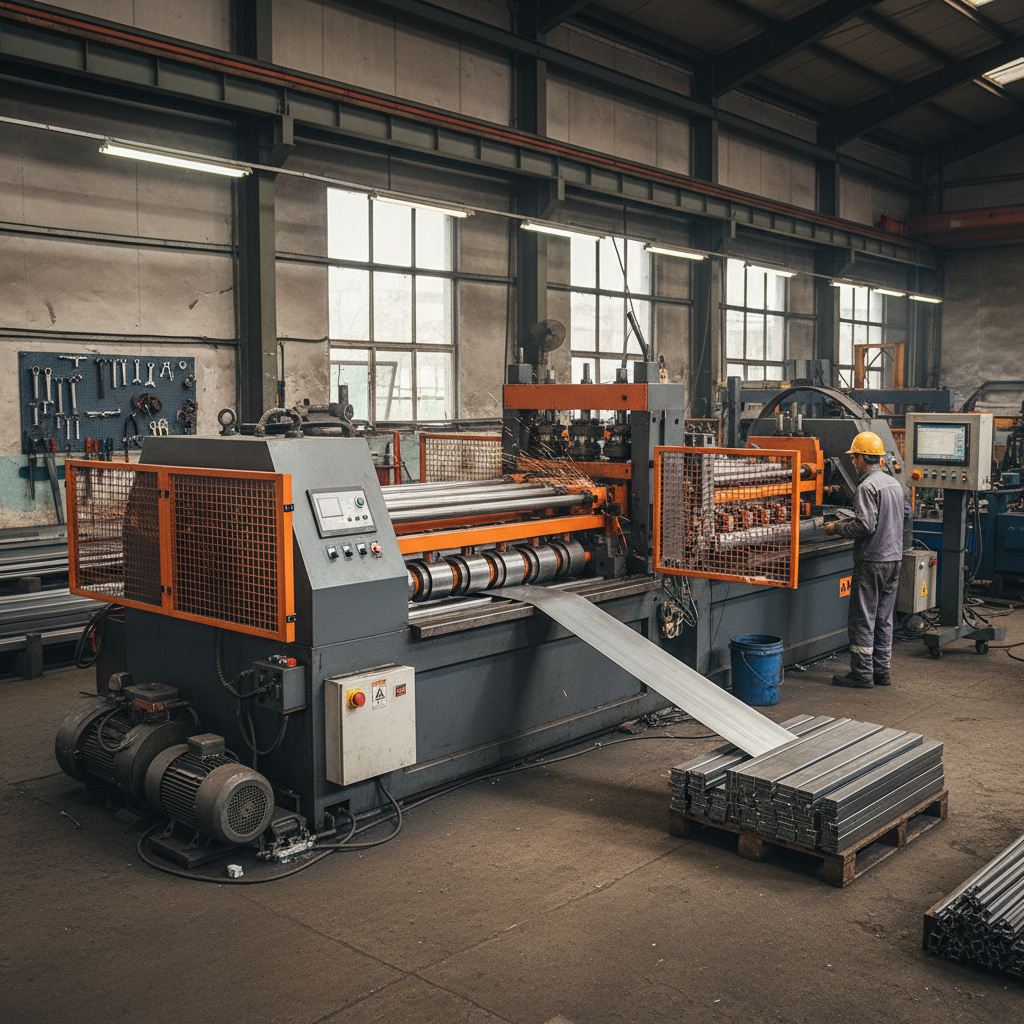
Look, I've spent the last twenty years knee-deep in dust and steel on construction sites, watching how things actually get built. And let me tell you, the biggest headaches aren’t always the complex engineering – it’s the inefficiencies in getting materials where they need to be, when they need to be there. That’s where a good metal roof panel roll forming machine comes in. It’s not just about making metal roofs; it’s about streamlining a critical part of the construction process, saving time, money, and a whole lot of frustration. We're talking about reducing lead times, minimizing waste, and getting projects done faster and safer.
What I’ve seen is a shift away from relying on pre-fabricated panels that require long-distance transport and are susceptible to damage. Sites are getting tighter, timelines are getting shorter, and the demand for customized solutions is going up. A roll forming machine allows you to produce the panels on-site, or nearby, exactly to the specifications you need. It’s about taking control of your supply chain and responding quickly to changes in design or delivery schedules. It’s a game changer for projects of all sizes, but especially for those with unique requirements.
Frankly, it’s about more than just metal. It’s about embracing a more agile, responsive approach to construction. It allows for just-in-time production, reducing the need for massive on-site storage and minimizing the risk of material loss or damage. And, increasingly, it's about sustainability – reducing transportation costs and associated carbon emissions. This isn’t some fancy tech gimmick; it's a practical solution to real-world problems that I've witnessed firsthand for years.
The Core Benefits of a metal roof panel roll forming machine
The biggest thing I’ve seen is the speed. You’re cutting down on lead times dramatically. Instead of waiting weeks for panels to arrive, you can produce them as needed. This translates directly into faster project completion. But it's not just speed. It’s also the ability to customize. I've worked on projects where the design changed mid-stream, and having a metal roof panel roll forming machine on-site meant we could adapt without major delays or cost overruns.
And let's not forget the waste reduction. With pre-fab panels, you often end up with a lot of scrap. Roll forming allows you to produce exactly what you need, minimizing waste and saving on material costs. That's a win for both your budget and the environment. Plus, reduced transportation also means less damage during shipping, another significant cost saver.
Global Relevance and Increasing Demand
The need for durable, cost-effective roofing solutions is universal. From sprawling industrial complexes to residential developments, metal roofing is gaining popularity worldwide. The UN reports increased urbanization in developing nations, driving demand for faster, more efficient construction methods, and metal roof panel roll forming machine fit that bill perfectly.
I’ve seen the demand particularly surge in regions prone to extreme weather – hurricanes, heavy snow, earthquakes. Metal roofing, produced by these machines, offers superior resistance to these forces. The World Bank is actively promoting resilient infrastructure in vulnerable countries, which translates into increased demand for robust roofing solutions.
The ISO standards for metal roofing materials are becoming increasingly stringent, focusing on durability and sustainability. Roll forming machines, when properly calibrated and maintained, can consistently produce panels that meet these rigorous standards. This isn’t just about building roofs; it's about building structures that can withstand the test of time.
Understanding metal roof panel roll forming machine : A Definition
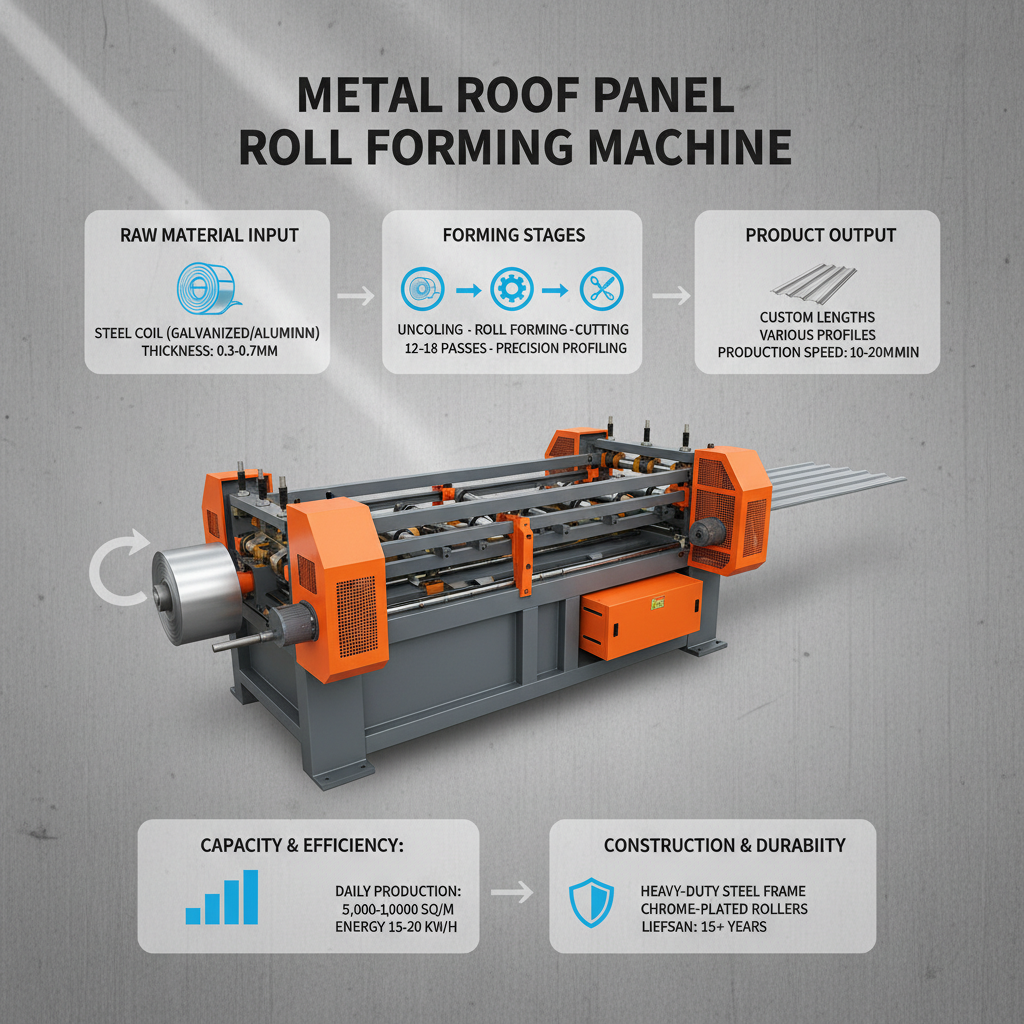
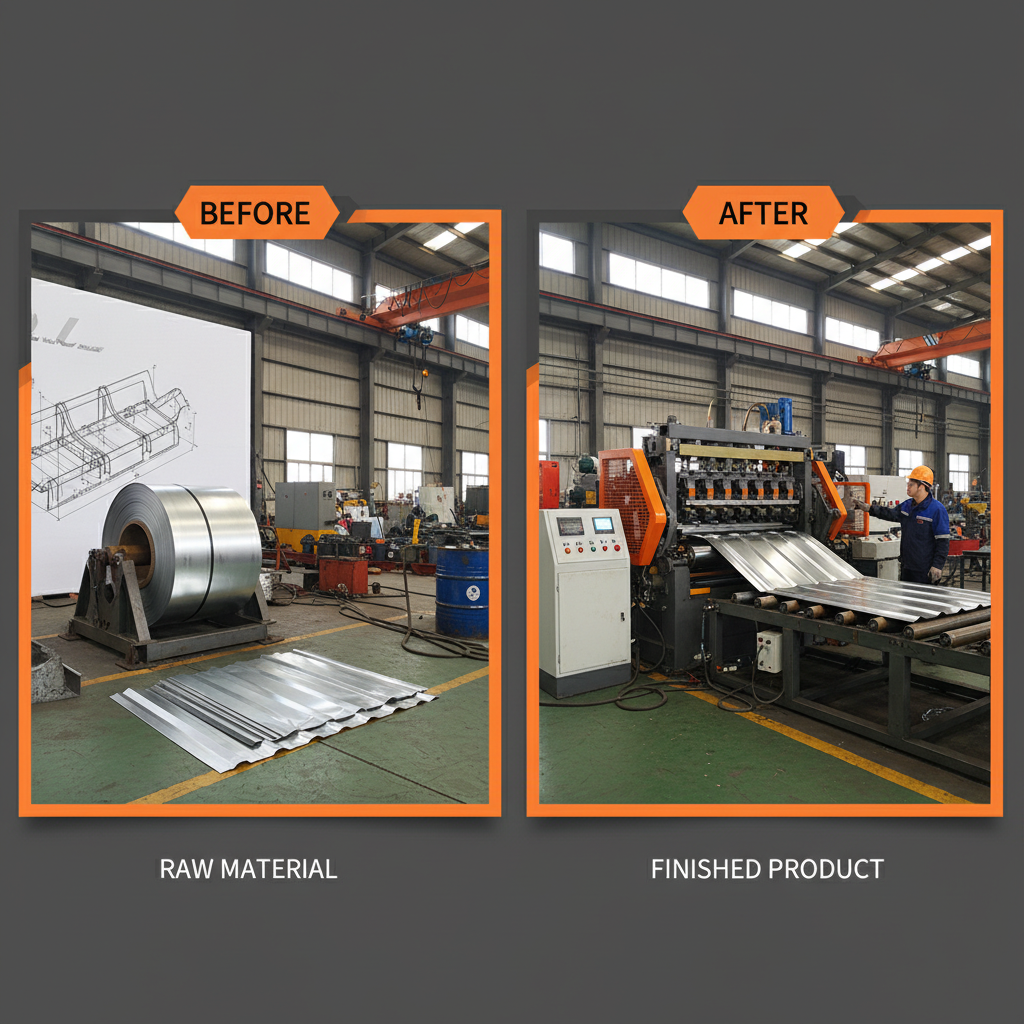
Simply put, a metal roof panel roll forming machine takes a flat sheet of metal and, through a series of rollers, progressively bends and shapes it into the desired panel profile. Think of it like a pasta maker, but for metal. It’s a continuous process that allows for high-volume production of consistent, high-quality panels.
It’s a far cry from the old days of manual bending and cutting. These machines are computer-controlled, offering precision and repeatability. They’re adaptable, capable of producing a wide variety of panel profiles – from traditional corrugated sheets to more complex standing seam designs.
Its connection to modern industry is undeniable. It’s a core technology in modern construction, enabling faster, more efficient building practices. It also addresses a critical humanitarian need – providing shelter in disaster-affected areas. Being able to quickly produce roofing materials on-site can significantly speed up recovery efforts.
Key Components and Operational Factors
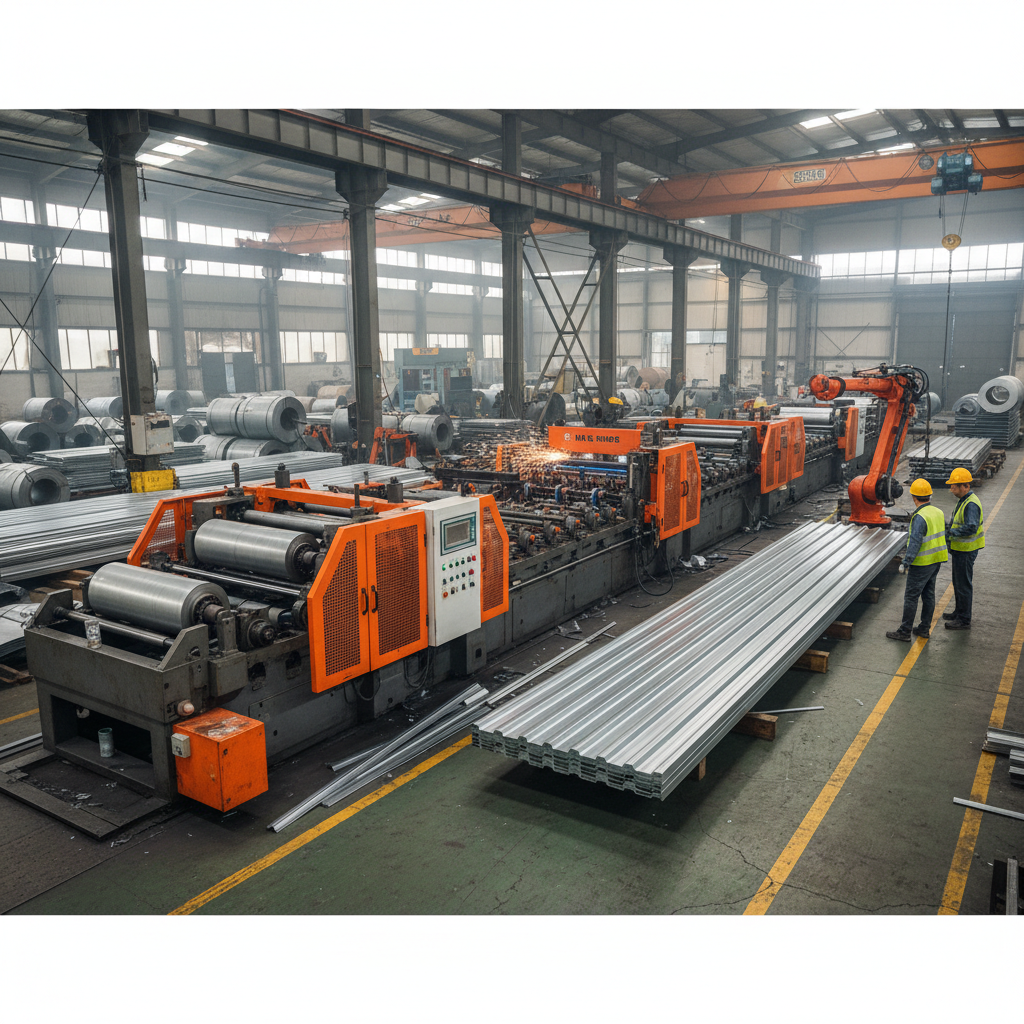
You've got your uncoiler, which feeds the metal sheet into the machine. Then there’s the leveling unit, ensuring the metal is flat and consistent. The core of the system is the roll forming section itself, with its series of rollers – each shaping the metal a little more until you get the final profile. Finally, you have the cut-to-length saw that precisely cuts the panels to the required size.
But it's not just about the hardware. Operator skill is crucial. You need someone who understands metal properties, machine calibration, and quality control. Regular maintenance is also key. Keeping those rollers clean and properly aligned is what ensures consistent, high-quality output. A poorly maintained machine will produce panels with imperfections and inconsistencies.
Factors Impacting metal roof panel roll forming machine Efficiency
Real-World Applications Across Industries
I've seen these machines in action everywhere. From massive industrial warehouses to agricultural buildings, even residential roofing contractors are investing in them. In remote areas, where transporting materials is expensive and difficult, having a roll forming machine on-site is a huge advantage.
In post-disaster relief operations, I've worked with teams using portable roll forming machines to quickly produce roofing materials for temporary shelters. That speed and flexibility are critical when people have lost everything. Even in urban construction zones with limited space, these machines allow for just-in-time production, reducing the need for large storage areas.
Long-Term Advantages and Value Proposition
The initial investment in a metal roof panel roll forming machine can seem substantial, but the long-term cost savings are significant. Reduced material waste, lower transportation costs, faster project completion – these all add up. Plus, metal roofing is incredibly durable, requiring minimal maintenance over its lifespan.
It’s a sustainable solution, too. Reducing transportation means lowering your carbon footprint. And metal roofing is recyclable at the end of its life, contributing to a circular economy. It builds trust with clients, knowing you're delivering a high-quality, long-lasting, and environmentally responsible solution.
Future Trends and Innovations in Roll Forming
We’re seeing a push towards more automated systems, with robots handling material loading and unloading. There’s also a growing focus on developing new metal alloys with enhanced durability and corrosion resistance. And the integration of digital technologies – like remote monitoring and predictive maintenance – is becoming increasingly common.
The rise of green building practices is driving demand for more sustainable roofing materials. Roll forming machines can play a key role in this by efficiently producing panels made from recycled metals. And, as the cost of renewable energy continues to fall, we may see more machines powered by solar energy, further reducing their environmental impact.
The biggest trend I see is towards customization. Clients are demanding more unique designs and profiles, and roll forming machines are becoming more flexible to meet these demands. We're going to see even more sophisticated software and control systems that allow for intricate designs and precise production.
FAQS
The payback period varies based on production volume, material costs, and labor rates, but most operators see a return on investment within 18-36 months. The key savings come from reduced material waste, lower transportation costs, and faster project completion times. Considering the increasing demand for metal roofing, it’s a pretty solid investment.
While modern machines are becoming more user-friendly, some technical training is essential. You’ll need someone who understands basic mechanics, electrical systems, and computer controls. Regular maintenance – lubrication, alignment checks, and roller cleaning – is crucial for optimal performance. Manufacturers typically offer training programs.
Absolutely. The beauty of roll forming is its versatility. By changing the rollers, you can produce a wide variety of panel profiles – corrugated, standing seam, trapezoidal, and more. Most manufacturers offer a range of roller sets to accommodate different project requirements. Quick-change roller systems are also available for faster setup times.
Most machines can handle galvanized steel, galvalume, aluminum, and even copper. The choice of metal depends on the specific application and budget. Galvanized steel is the most common and cost-effective option, while aluminum is lighter and more corrosion-resistant. Copper offers a premium look and exceptional durability.
Safety is paramount. Operators should always wear appropriate personal protective equipment (PPE), including safety glasses, gloves, and steel-toe boots. Machines should be equipped with safety guards and emergency stop buttons. Regular safety training and adherence to manufacturer’s guidelines are essential.
Power requirements vary depending on the size and capacity of the machine, but most machines require a three-phase electrical connection. A typical machine might require 10-20 kW of power. It’s essential to ensure your electrical system can handle the load and that the machine is properly grounded.
Conclusion
Ultimately, a metal roof panel roll forming machine isn’t just a piece of equipment; it's a strategic investment that can transform your construction process. It's about gaining control, increasing efficiency, reducing costs, and delivering higher-quality results. It's a solution I've seen consistently improve project outcomes on sites around the globe.
Looking ahead, the demand for sustainable, durable, and customizable roofing solutions will only continue to grow. Investing in a roll forming machine now positions your business to capitalize on these trends and remain competitive in the years to come. If you’re serious about roofing, it's time to consider bringing production in-house. Visit our website at www.lwrollformingmachine.com to learn more.