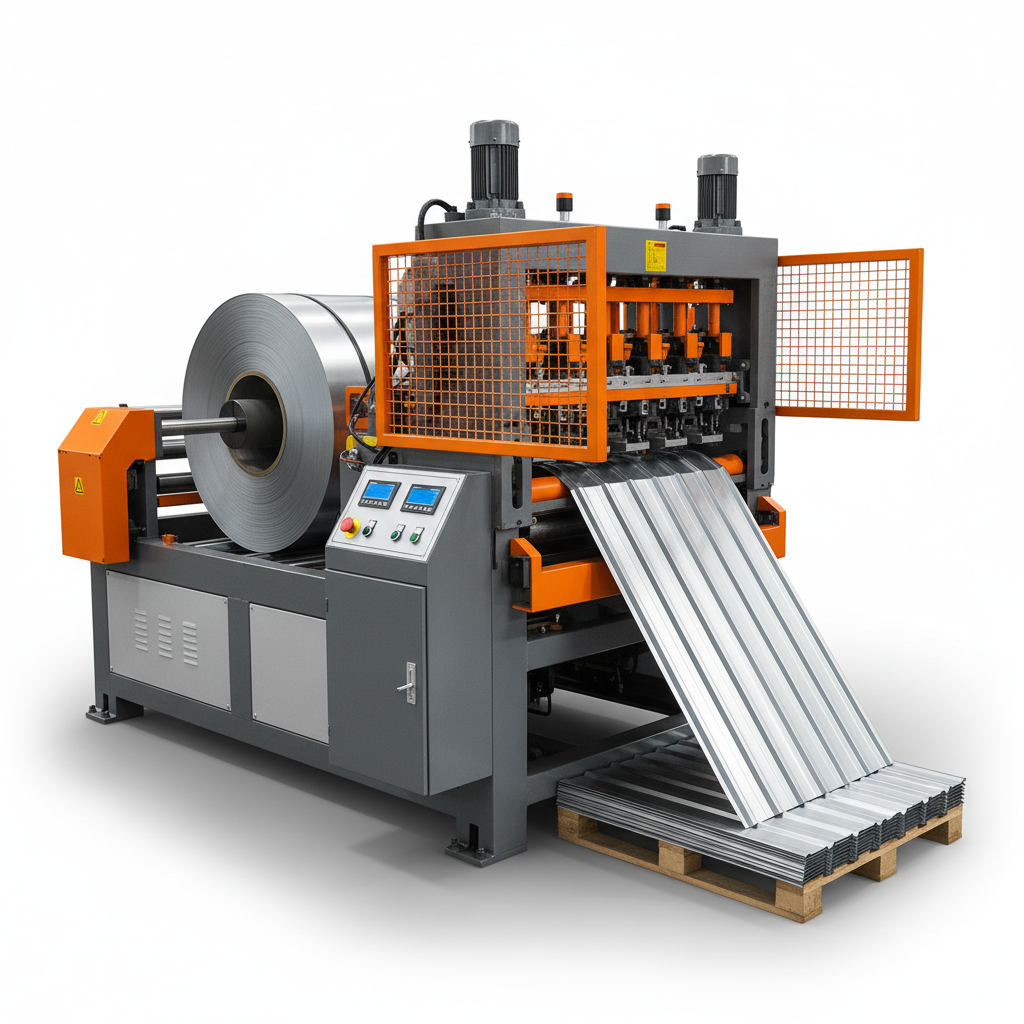
Wall angle roll forming machine technology is rapidly evolving, impacting numerous industries globally. These machines provide a cost-effective and efficient method for producing high-quality metal profiles used in construction, infrastructure, and manufacturing. The increasing demand for pre-engineered metal building systems and lightweight construction materials is driving the growth of the wall angle roll forming machine market worldwide. Understanding this technology is crucial for businesses seeking to optimize production processes and gain a competitive edge.
The global construction industry, valued at trillions of dollars, heavily relies on structural components produced by roll forming. The United Nations estimates that 68% of the world's population will live in urban areas by 2050, creating a massive demand for sustainable and affordable housing and infrastructure. Wall angle roll forming machine technology plays a vital role in meeting this demand by enabling the efficient production of building materials. The ISO standards for metal product quality further emphasize the need for precision and reliability in manufacturing processes.
The challenge lies in adapting to the diverse requirements of various construction projects and maintaining consistently high production standards. Innovations in wall angle roll forming machine technology, such as automated controls and advanced material processing techniques, are crucial to address these challenges.
Introduction to Wall Angle Roll Forming Machine
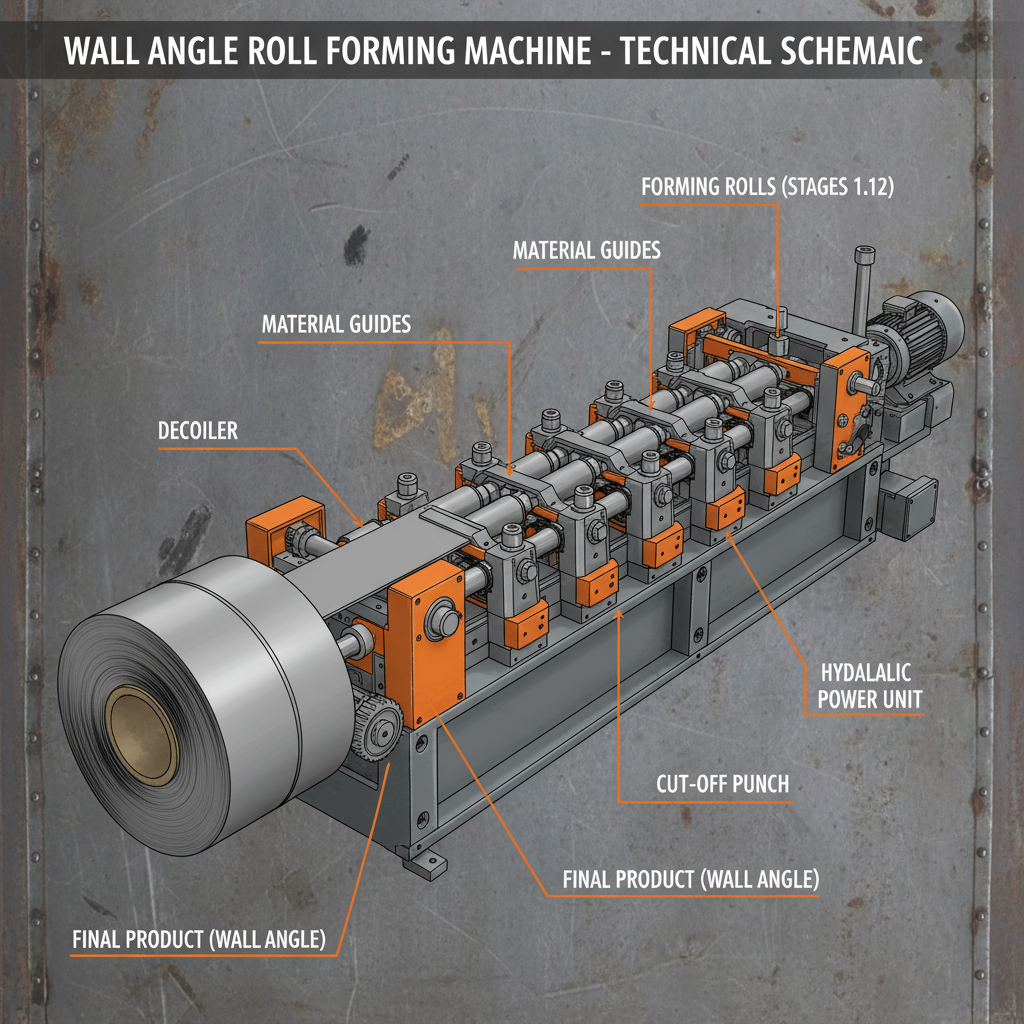
A wall angle roll forming machine is a specialized type of roll forming equipment designed to continuously bend sheet metal into specific angle shapes. These angles are commonly used as structural supports in building construction, particularly for wall framing, roofing, and cladding. The process involves passing the metal sheet through a series of rollers, each progressively shaping the metal until the desired angle is achieved. wall angle roll forming machine provides superior strength-to-weight ratios.
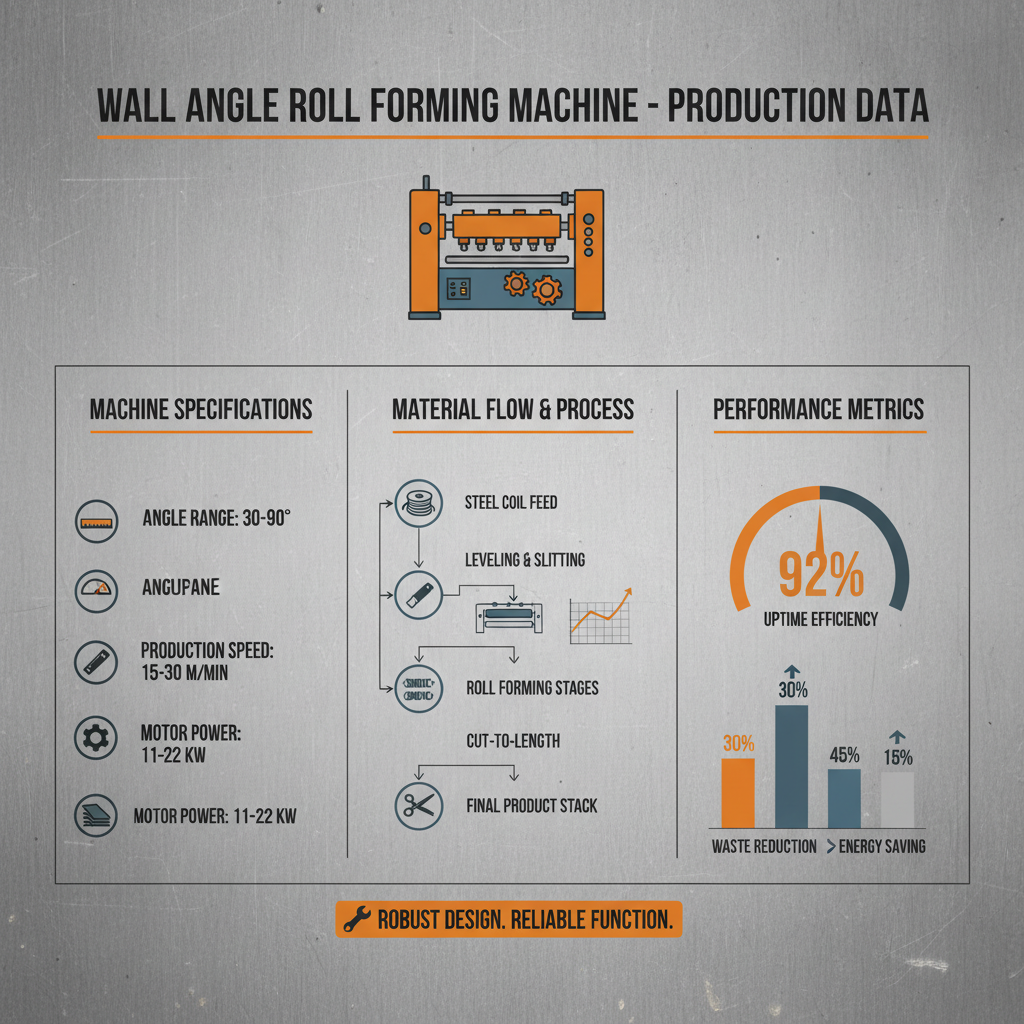
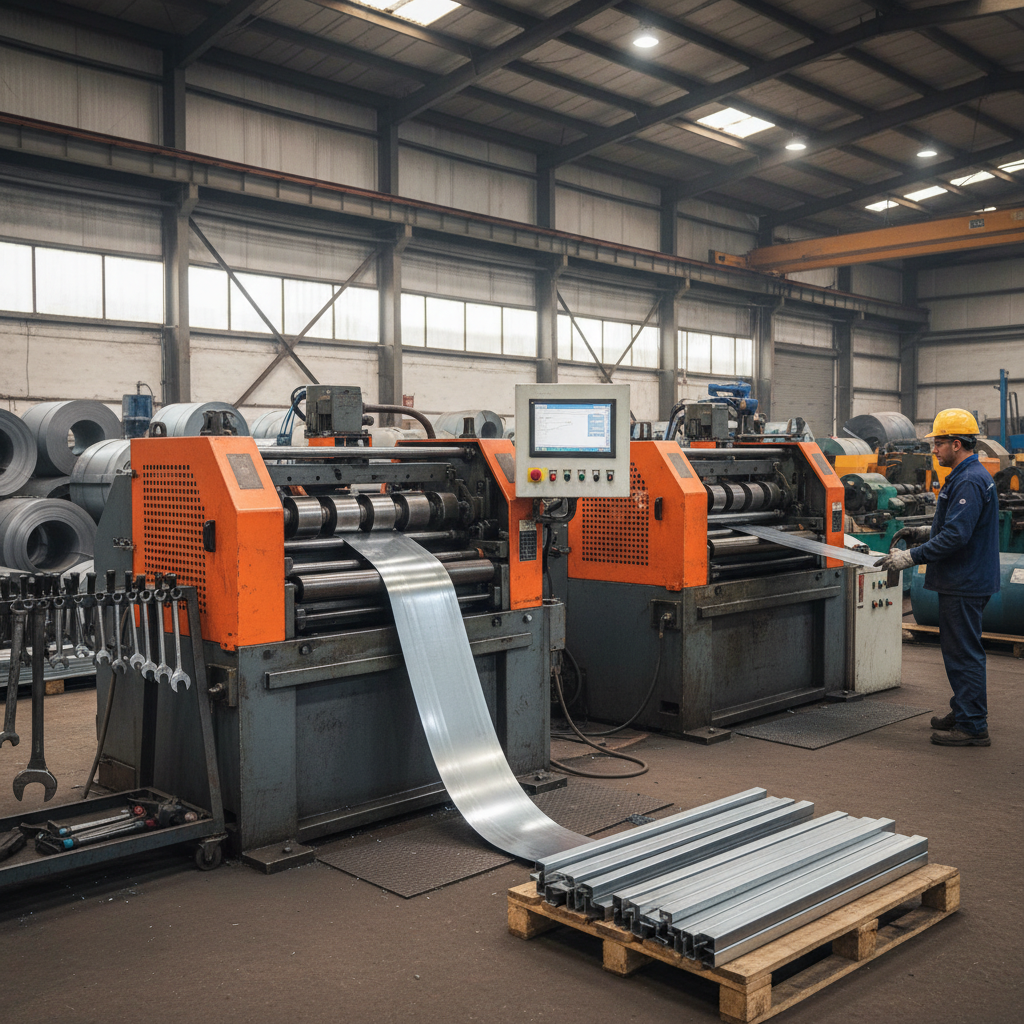
These machines are favored for their high production speeds, material efficiency, and ability to create consistent, precise angles. The automation capabilities reduce labor costs and minimize material waste, making them an economical solution for large-scale projects. They’re integral to the pre-engineered building (PEB) industry, streamlining the production of steel structures.
Defining Wall Angle Roll Forming Machine
A wall angle roll forming machine is a manufacturing process that uses a series of rollers to progressively shape a long strip of sheet metal into a specific angular profile. The metal passes through multiple sets of rollers, with each set bending the material slightly closer to the final desired shape. This continuous process allows for the efficient and economical production of consistent and accurate wall angles.
The connection to modern industry is profound. The demand for lightweight, durable, and cost-effective building materials is escalating. Wall angles produced by these machines are integral components in steel frame structures, offering a strong and versatile alternative to traditional construction methods. They are utilized extensively in commercial, industrial, and residential construction.
Furthermore, the roll forming process aligns with sustainable manufacturing practices by minimizing material waste and reducing energy consumption compared to other metal shaping techniques. This makes the wall angle roll forming machine a valuable asset in promoting eco-friendly construction.
Key Factors & Core Components
Durability: Wall angle roll forming machine-produced angles offer exceptional strength and resistance to deformation. The cold-forming process actually increases the material’s yield strength. These angles maintain structural integrity over extended periods, making them ideal for long-lasting constructions.
Cost Efficiency: Compared to welding or other fabrication methods, roll forming dramatically reduces labor costs and material waste. The continuous process enables high-volume production with minimal operator intervention, resulting in significant savings. wall angle roll forming machine contribute to lower construction budgets.
Design Flexibility: Wall angle roll forming machines can be adapted to produce angles with varying widths, thicknesses, and lip lengths. This versatility allows for customized solutions tailored to specific project requirements, ensuring compatibility with diverse architectural designs.
Global Applications & Use Cases
Wall angle roll forming machine applications are widespread across the globe. In North America, they are heavily used in the construction of steel frame buildings, warehouses, and self-storage facilities. Europe utilizes them for creating structural elements in industrial buildings and roofing systems.
In developing regions, they are increasingly adopted for affordable housing projects and infrastructure development. For instance, in post-disaster relief operations, quickly deployable shelters utilizing roll-formed steel angles can provide immediate housing solutions. These machines are also pivotal in remote industrial zones where pre-fabricated structures are favored for efficient setup.
Furthermore, in Australia, where bushfire resistance is paramount, roll-formed steel angles are utilized in constructing fire-resistant building frameworks. The precise dimensions and structural integrity provide a safe and reliable alternative to traditional timber framing.
Wall Angle Roll Forming Machine Application by Industry
Advantages & Long-Term Value
The tangible benefits of utilizing a wall angle roll forming machine are substantial. Cost savings through reduced material waste and labor are immediate. Sustainability is enhanced through efficient material utilization and reduced energy consumption. Reliability is ensured by the consistent quality and precision of the formed angles.
Beyond the practical advantages, there's a long-term value proposition. Investing in this technology demonstrates a commitment to innovation and efficiency. The structural integrity of buildings constructed with these angles provides lasting safety and peace of mind. It fosters trust with clients and stakeholders, signaling a commitment to quality and responsible building practices.
Future Trends & Innovations
The future of wall angle roll forming machine technology is characterized by increased automation, integration with Building Information Modeling (BIM), and the adoption of advanced materials. The development of servo-driven roll forming machines offers greater precision and flexibility in shaping complex profiles.
Digital transformation is leading to smart manufacturing processes, with real-time monitoring and data analytics enabling predictive maintenance and optimized production scheduling. Furthermore, the exploration of lighter, stronger alloys and sustainable materials, like recycled steel, is gaining momentum, enhancing the environmental footprint of the industry.
Challenges & Solutions
One common challenge is ensuring consistent quality control across different material thicknesses and widths. Another is maintaining machine uptime and minimizing downtime due to maintenance or repairs. Adapting machines to handle specialized angles or custom profiles can also be complex.
Solutions include implementing advanced sensor technologies for real-time quality monitoring, utilizing predictive maintenance algorithms to anticipate and prevent equipment failures, and developing modular roll forming systems that allow for quick and easy changeovers between different profiles. Investment in operator training and ongoing technical support is also critical.
Furthermore, collaborations between machine manufacturers, material suppliers, and end-users are driving innovation and addressing industry-specific challenges, paving the way for more efficient and reliable wall angle roll forming processes.
Summary of Common Challenges and Solutions for Wall Angle Roll Forming Machine
| Challenge |
Impact on Production |
Proposed Solution |
Implementation Cost (1-10) |
| Material Thickness Variation |
Inconsistent Angle Formation |
Advanced Sensor Integration |
6 |
| Machine Downtime |
Reduced Production Capacity |
Predictive Maintenance Algorithms |
7 |
| Custom Profile Complexity |
Increased Setup Time |
Modular Roll Forming Systems |
8 |
| Operator Skill Gap |
Quality Control Issues |
Comprehensive Training Programs |
5 |
| Material Waste |
Increased Costs |
Optimized Roll Design |
4 |
| Lack of Real-Time Data |
Difficulty in Process Optimization |
Integration with IIoT Platforms |
9 |
FAQS
The lifespan of a wall angle roll forming machine varies depending on usage, maintenance, and the quality of the machine itself. However, with proper care, a well-built machine can operate reliably for 15-20 years or even longer. Regular lubrication, timely replacement of worn parts, and adherence to manufacturer’s guidelines are crucial for maximizing its lifespan. Investing in high-quality components initially also extends the machine's operational life.
Wall angle roll forming machines are versatile and can process a wide range of metallic materials, including galvanized steel, galvalume, stainless steel, and aluminum. The choice of material depends on the specific application and required properties, such as corrosion resistance, strength, and cost. Thickness is also a factor, as machines are designed for specific material gauges.
Production speed varies depending on factors like material thickness, angle complexity, and machine automation level. Generally, a well-optimized machine can produce between 20 to 100 feet of wall angle per minute. Modern, servo-driven machines offer faster speeds and greater precision, while older mechanical machines tend to be slower.
Regular maintenance is essential for optimal performance. This includes daily lubrication of moving parts, weekly inspections for wear and tear, and annual servicing by a qualified technician. Preventive maintenance, such as cleaning rollers and checking alignment, can significantly reduce downtime and extend the machine’s lifespan. Implementing a scheduled maintenance program is highly recommended.
Safety is paramount. Operators should always wear appropriate personal protective equipment (PPE), including safety glasses, gloves, and hearing protection. Machines should be equipped with safety guards and emergency stop buttons. Proper training on machine operation and safety procedures is essential. Regular safety audits should be conducted to identify and mitigate potential hazards.
The cost of a new wall angle roll forming machine can vary significantly based on its size, automation level, and features. A basic manual machine might cost between $50,000 and $100,000, while a fully automated, high-speed machine with advanced controls could cost upwards of $300,000 or more. Factors such as material handling systems and custom tooling also contribute to the overall cost.
Conclusion
Wall angle roll forming machine technology has revolutionized the construction industry by providing a cost-effective, efficient, and sustainable method for producing essential structural components. From streamlining production processes to enhancing material utilization and promoting safety, the benefits are undeniable. Understanding its capabilities and future trends is vital for businesses looking to remain competitive.
Looking ahead, continued innovation in automation, materials science, and digital integration will further elevate the role of wall angle roll forming machines in shaping the built environment. By embracing these advancements, manufacturers and construction professionals can unlock new levels of efficiency, sustainability, and resilience. For more information and to explore our range of wall angle roll forming machines, visit our website: www.lwrollformingmachine.com