Roll former for parantes y rieles, also known as roll forming machines for support systems, are becoming increasingly vital in modern construction and industrial applications globally. They are specialized machines designed to continuously bend long strips of sheet metal into standardized, consistent profiles, specifically those used for supporting rails and brackets (parantes). This technology is crucial for efficient and cost-effective production of these essential components, impacting industries ranging from solar energy to logistics and warehousing.
The demand for robust and scalable support systems is rising with the growth of infrastructure projects worldwide. According to the World Bank, global infrastructure investment needs are projected to reach $94 trillion by 2040. A significant portion of this investment relies on efficient manufacturing of supporting structures, making roll former for parantes y rieles a key enabler. The increasing need for faster construction times and reduced material waste fuels the adoption of these automated systems.
Furthermore, the standardization of rail profiles, particularly for solar panel mounting, logistics conveyors, and building facades, creates a consistent demand for roll forming technology. This standardization allows manufacturers to optimize production processes and reduce costs. Addressing challenges like varying material thicknesses, complex profile geometries, and the need for precise tolerances requires advanced roll forming solutions.
The Role of Roll Former for Parantes y Rieles in Global Infrastructure
Roll former for parantes y rieles are fundamental to the construction and support of numerous critical infrastructure projects. From large-scale solar farms needing robust rail mounting systems to the efficient material handling systems in warehouses and distribution centers, these machines provide the necessary components. The quality and precision of these components directly affect the safety and longevity of the infrastructure they support.
The ability to produce consistently shaped profiles is paramount. Variations in profile dimensions can compromise structural integrity, leading to costly repairs and potential failures. Modern roll forming technology offers tight tolerances and high repeatability, ensuring reliable performance. roll former for parantes y rieles are integral to meeting these demands.
Defining Roll Former for Parantes y Rieles: A Technical Overview
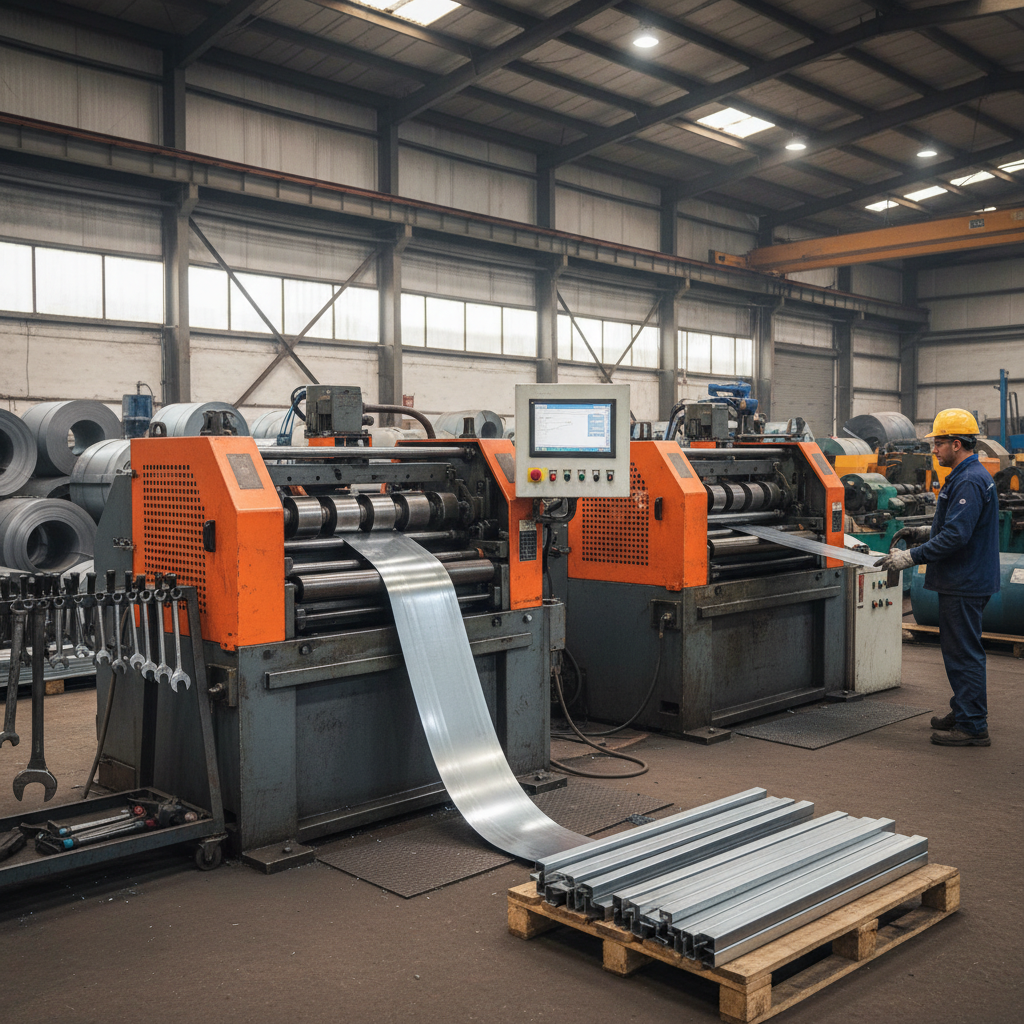
A roll former for parantes y rieles is a machine that uses a series of shaped rollers to progressively bend sheet metal into a desired cross-sectional profile. The metal strip passes through multiple roller stations, each slightly altering the shape until the final profile is achieved. These profiles are specifically designed to serve as the structural support (riel) and connection points (parantes) for various systems.
Unlike processes like stamping or extrusion, roll forming is a continuous process, allowing for high-volume production with minimal material waste. This makes it particularly well-suited for long runs of standardized profiles. The process is also versatile, capable of forming a wide range of shapes and materials, including steel, aluminum, and stainless steel.
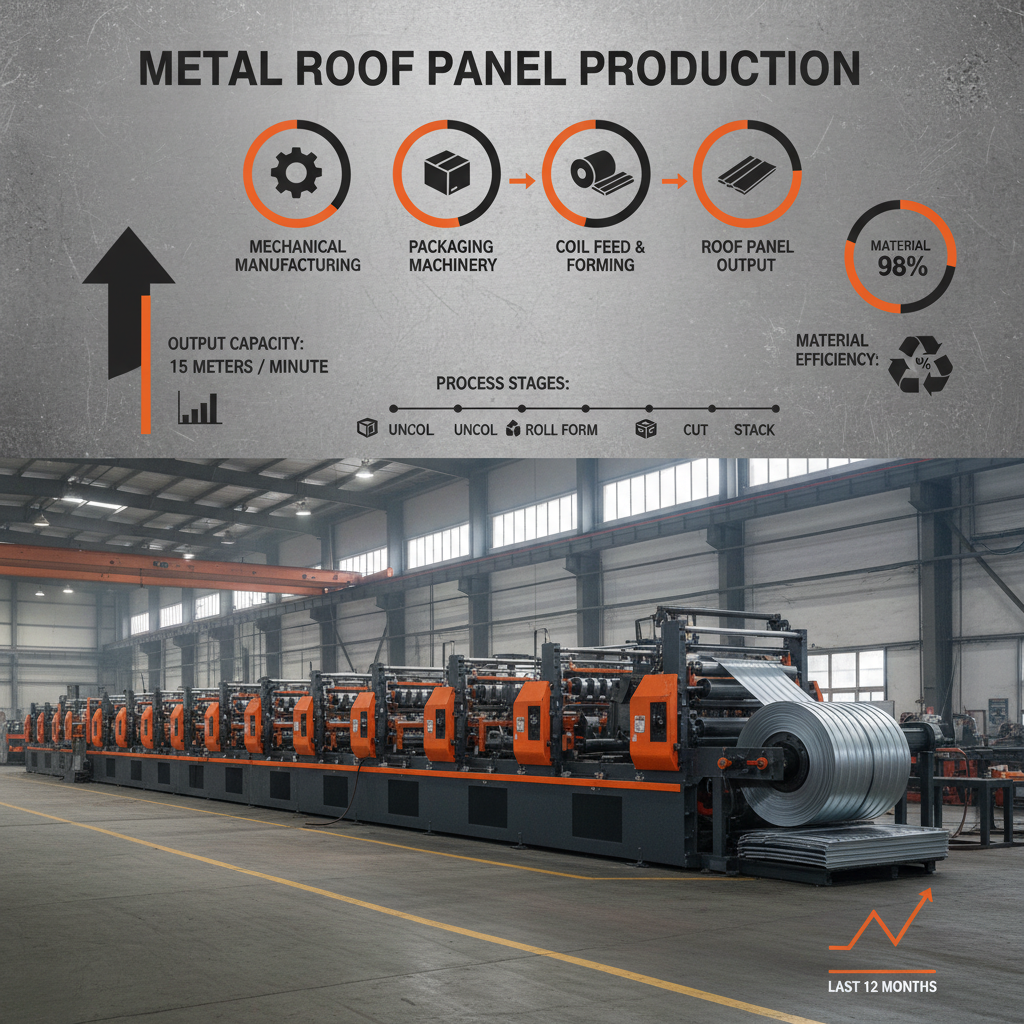
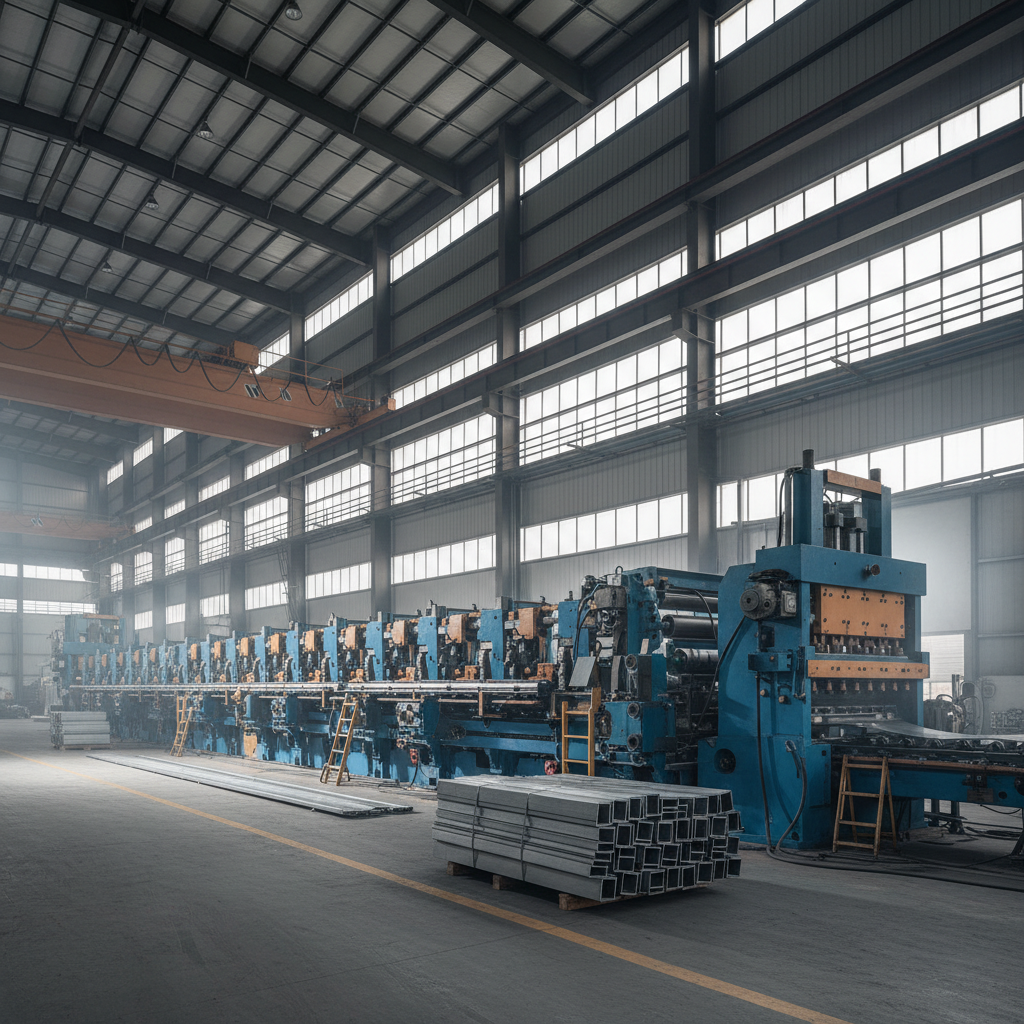
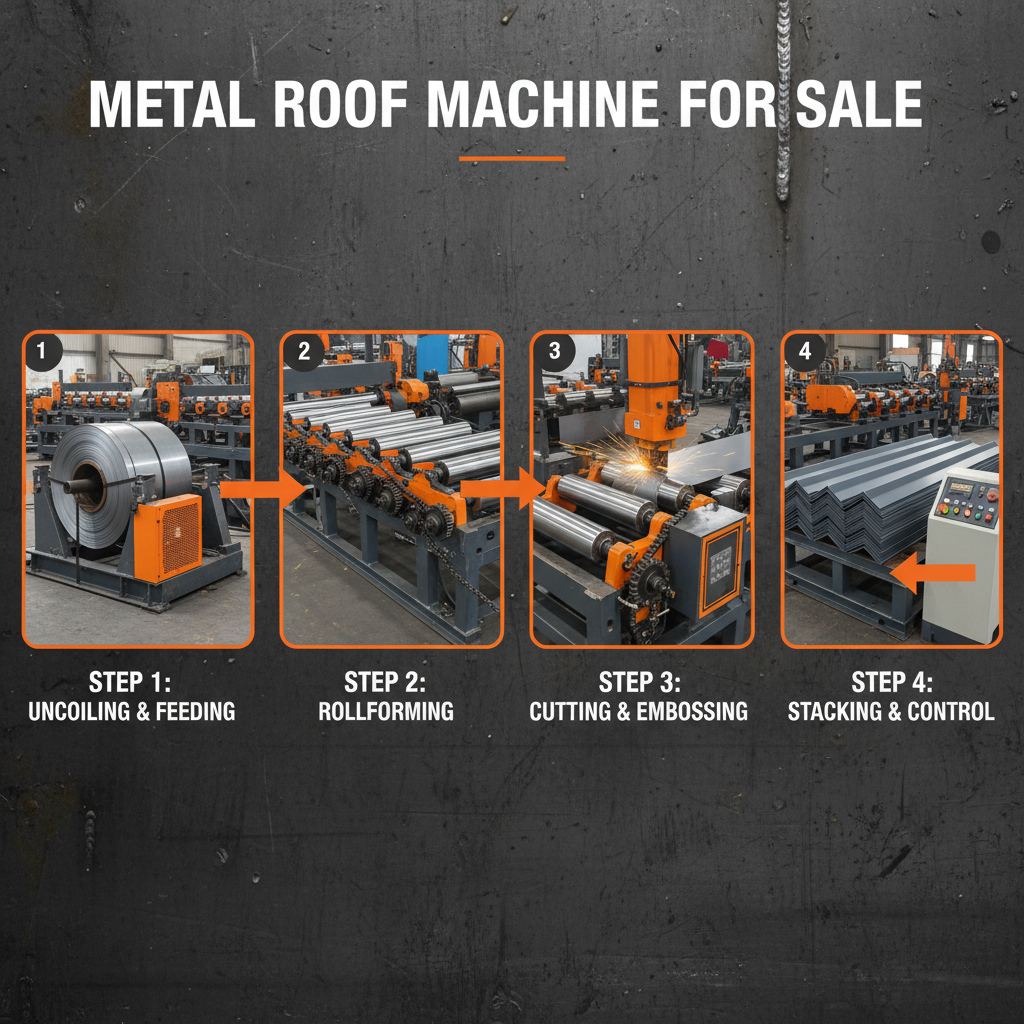
Modern roll formers often incorporate automated feeding, cutting, and stacking systems, further enhancing efficiency and reducing labor costs. The precision of the rollers and the control systems are key to ensuring accurate and consistent profiles. These machines directly support modern construction and manufacturing methodologies.
Key Components and Operational Principles
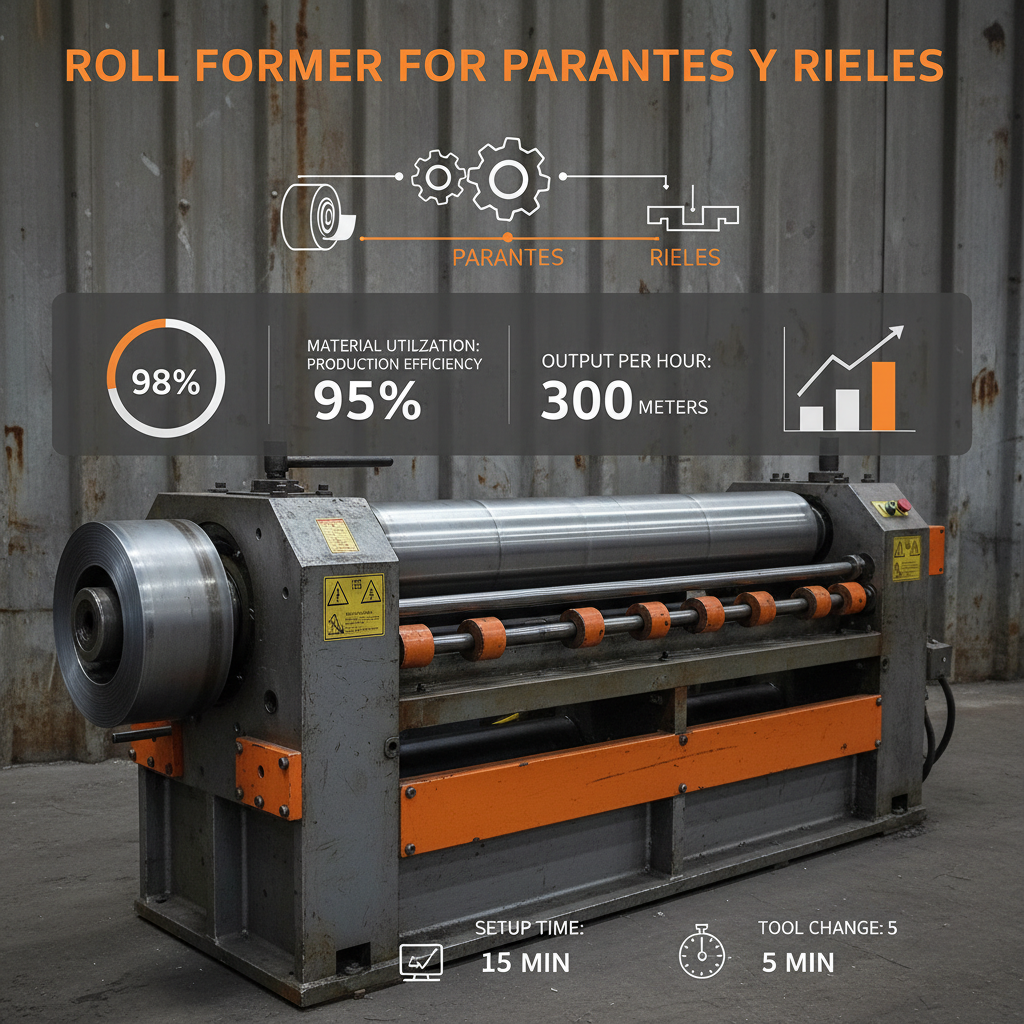
The core of a roll former for parantes y rieles lies in its roller tooling. Each roller station consists of a set of rollers carefully machined to create a specific incremental bend in the metal strip. The number of stations depends on the complexity of the profile. These rollers are typically made from hardened tool steel to withstand the high stresses involved in the forming process.
Beyond the rollers, critical components include the entry guide system, which feeds the metal strip into the machine; the drive system, which provides the power and controlled speed; the cutting system, which shears the formed profile to the desired length; and the control system, which manages the entire process. Automated controls allow for precise adjustments to roller pressure, feed speed, and cutting parameters.
The operational principle revolves around the plastic deformation of the metal. As the strip passes through each roller station, the metal is gradually bent, exceeding its elastic limit and permanently changing its shape. The carefully designed roller profiles ensure that the bending occurs in a controlled manner, minimizing stress concentrations and preventing cracking.
Factors Influencing Roll Former for Parantes y Rieles Performance
Several factors significantly influence the performance of a roll former for parantes y rieles. Material properties, such as thickness, tensile strength, and ductility, play a crucial role. Thicker materials require more powerful machines and more roller stations. The material's ductility dictates its ability to be formed without cracking.
Roller design and precision are also paramount. Accurate roller profiles and precise alignment are essential for achieving the desired shape and tolerances. Roller wear and tear must be monitored and addressed through regular maintenance or replacement. Furthermore, the feed rate and tension of the metal strip impact the forming process, influencing the quality of the finished product.
Roll Forming Performance Metrics
Global Applications and Industry Impact
Roll former for parantes y rieles find widespread application across diverse industries. A major sector is the solar energy industry, where they produce the mounting rails for photovoltaic panels. These rails must be robust and weather-resistant to withstand harsh environmental conditions. Another prominent application is in warehousing and logistics, where they are used to create conveyor systems and shelving supports.
In the construction industry, roll-formed profiles are used for wall panels, roofing systems, and structural supports. They are also crucial in the automotive industry for creating lightweight and strong structural components. Moreover, in remote industrial zones, where the cost of transporting pre-fabricated structures is high, on-site roll forming offers a cost-effective solution.
Advantages and Long-Term Value Proposition
The advantages of utilizing a roll former for parantes y rieles are numerous. Cost efficiency is a primary benefit, as roll forming minimizes material waste and labor costs compared to alternative manufacturing methods. High production speeds enable large-scale manufacturing, reducing lead times and meeting demanding project schedules. The consistent quality and precise tolerances of roll-formed profiles enhance structural integrity and reliability.
Beyond these tangible benefits, roll forming offers long-term value through sustainability. By minimizing material waste and enabling the use of recycled materials, it contributes to environmentally responsible manufacturing practices. The durability of roll-formed profiles extends the lifespan of structures, reducing the need for frequent replacements and lowering life-cycle costs. Investing in roll former for parantes y rieles is, therefore, a strategic investment.
Future Trends and Technological Advancements
The future of roll forming for parantes y rieles is driven by innovation in materials, automation, and digital technologies. The development of high-strength, lightweight materials, such as advanced high-strength steels and aluminum alloys, is expanding the application possibilities. Advanced sensors and control systems are enabling more precise and adaptable forming processes.
Integration with Industry 4.0 principles, including the Internet of Things (IoT) and machine learning, allows for predictive maintenance, optimized process control, and real-time monitoring of performance. Furthermore, the growing emphasis on sustainable manufacturing is driving the adoption of eco-friendly materials and energy-efficient roll forming techniques.
The trend towards customized profiles is also gaining momentum, with manufacturers seeking greater flexibility to meet specific project requirements. This is driving demand for more versatile and adaptable roll forming machines.
Challenges and Potential Solutions in Roll Former for Parantes y Rieles Technology
| Challenge |
Impact on Production |
Potential Solution |
Implementation Cost (1-10) |
| Material Springback |
Dimensional Inaccuracies |
Optimized Roller Design & Process Control |
6 |
| Roller Wear |
Profile Degradation & Consistency Issues |
Hardened Tool Steel & Regular Roller Replacement |
7 |
| Complex Profile Geometries |
Increased Machine Complexity & Cost |
Advanced CAM Software & Multi-Station Roll Forming |
8 |
| Material Handling Issues |
Production Stoppages & Damage |
Automated Feeding & Unloading Systems |
5 |
| Process Optimization |
Suboptimal Efficiency & Quality |
Data Analytics & Machine Learning Integration |
9 |
| Skilled Labor Shortage |
Difficulty in Operating & Maintaining Equipment |
Remote Diagnostics & Augmented Reality Training |
4 |
FAQS
Roll forming offers significant advantages, including higher production speeds, reduced material waste, consistent product quality, and lower labor costs compared to methods like stamping, extrusion, or welding. It's particularly well-suited for long production runs of standardized profiles, making it ideal for creating support structures at scale. Furthermore, automated roll forming minimizes human error and ensures repeatable accuracy.
Roll forming is versatile and can process a wide range of metals, including carbon steel, galvanized steel, stainless steel, aluminum, and even some specialized alloys. The choice of material depends on the application's requirements, such as strength, corrosion resistance, and weight. Different materials will require different roller tooling and forming parameters for optimal results.
Metal sheet thickness directly impacts the required forming force and the number of roller stations. Thicker materials require more powerful machines and a greater number of gradual bends to achieve the desired profile without cracking. Adjusting roller pressure and feed speed is also crucial. It's important to select a roll former capable of handling the intended material thickness for consistent quality.
While roll forming is best suited for continuous production of standardized profiles, a degree of customization is achievable. By changing the roller tooling, manufacturers can create a variety of different profiles. More complex shapes may require a more sophisticated and adaptable roll forming machine. CAD/CAM software plays a key role in designing and manufacturing custom roller tooling.
Regular maintenance is crucial for ensuring optimal performance and longevity. This includes lubricating moving parts, inspecting and replacing worn rollers, checking alignment, and keeping the machine clean. Preventative maintenance schedules should be followed to minimize downtime and prevent costly repairs. Modern machines often include sensors for remote diagnostics.
Lead times for custom roll formers can vary depending on the complexity of the machine and the manufacturer's workload. Typically, lead times range from 12 to 24 weeks. Factors influencing lead time include roller tooling design and manufacturing, machine assembly, and testing. Early planning and clear specifications can help expedite the process.
Conclusion
Roll former for parantes y rieles are indispensable tools for modern manufacturing and construction. Their ability to efficiently and cost-effectively produce high-quality support structures has made them a cornerstone of numerous industries, from solar energy to logistics. By embracing advancements in materials, automation, and digital technologies, the potential of roll forming continues to expand.
Investing in robust and adaptable roll forming technology is not merely a cost-saving measure but a strategic move towards improved sustainability, increased efficiency, and enhanced structural integrity. As global infrastructure demands continue to rise, the importance of roll former for parantes y rieles will only become more pronounced. Visit our website to learn more: www.lwrollformingmachine.com