You know, after running around construction sites all year, dealing with steel, dust, and engineers, you start to see what really matters. Light steel roll forming machine—it's not just about fancy specs and automated lines anymore. It’s about getting stuff built, reliably, and without headaches. To be honest, the whole industry is shifting towards prefabrication. Everyone's chasing speed and cost savings. What's trending now is definitely modular construction, and these machines are at the heart of it. The demand's insane, particularly for things like affordable housing and disaster relief structures. But, and this is a big but, a lot of people are jumping in without really understanding the details.
Have you noticed how many companies are offering “solutions” that fall apart the moment you try to actually use them? It’s a mess. I saw a system last month where the roll forming profile was designed with these really tight tolerances, looked great on paper. But the steel they were using? Too brittle. Just warped during transport.
The devil’s always in the details, always.
The Core of Light Steel Roll Forming
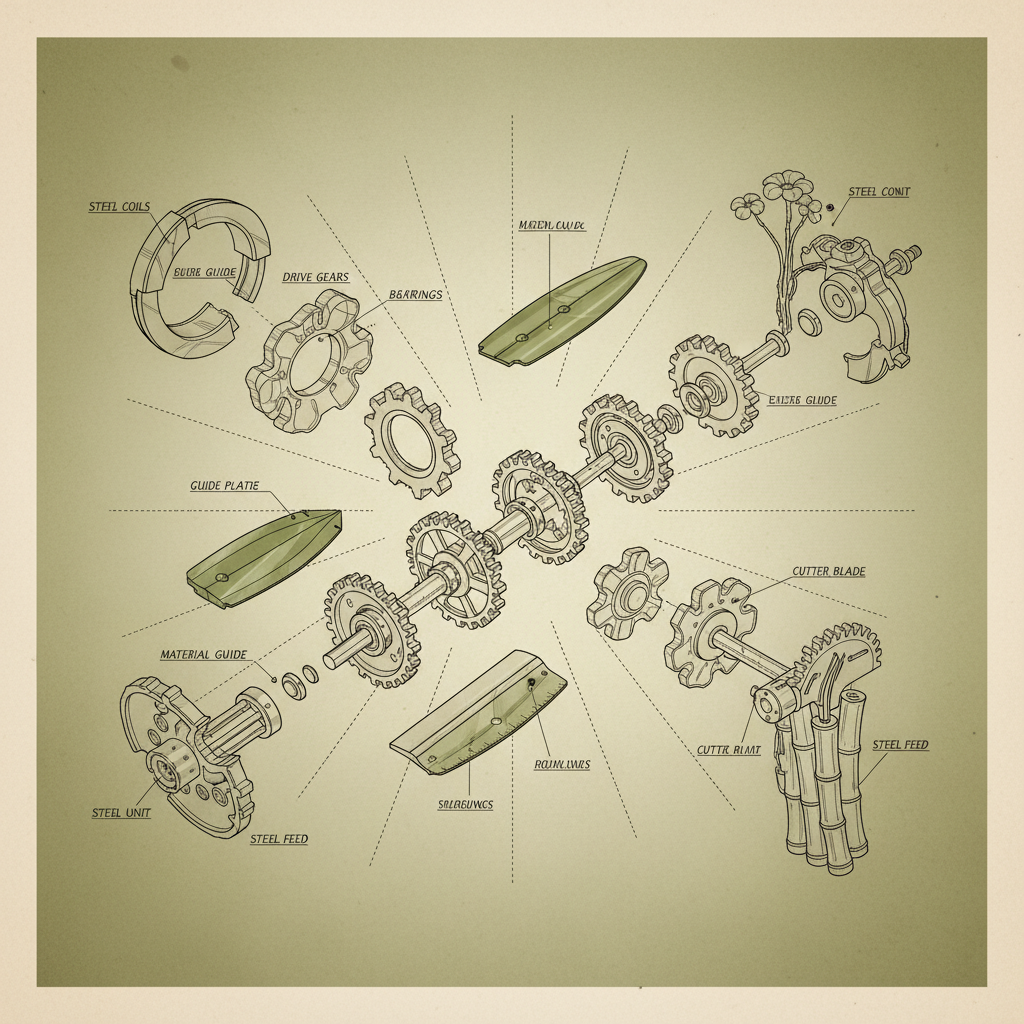
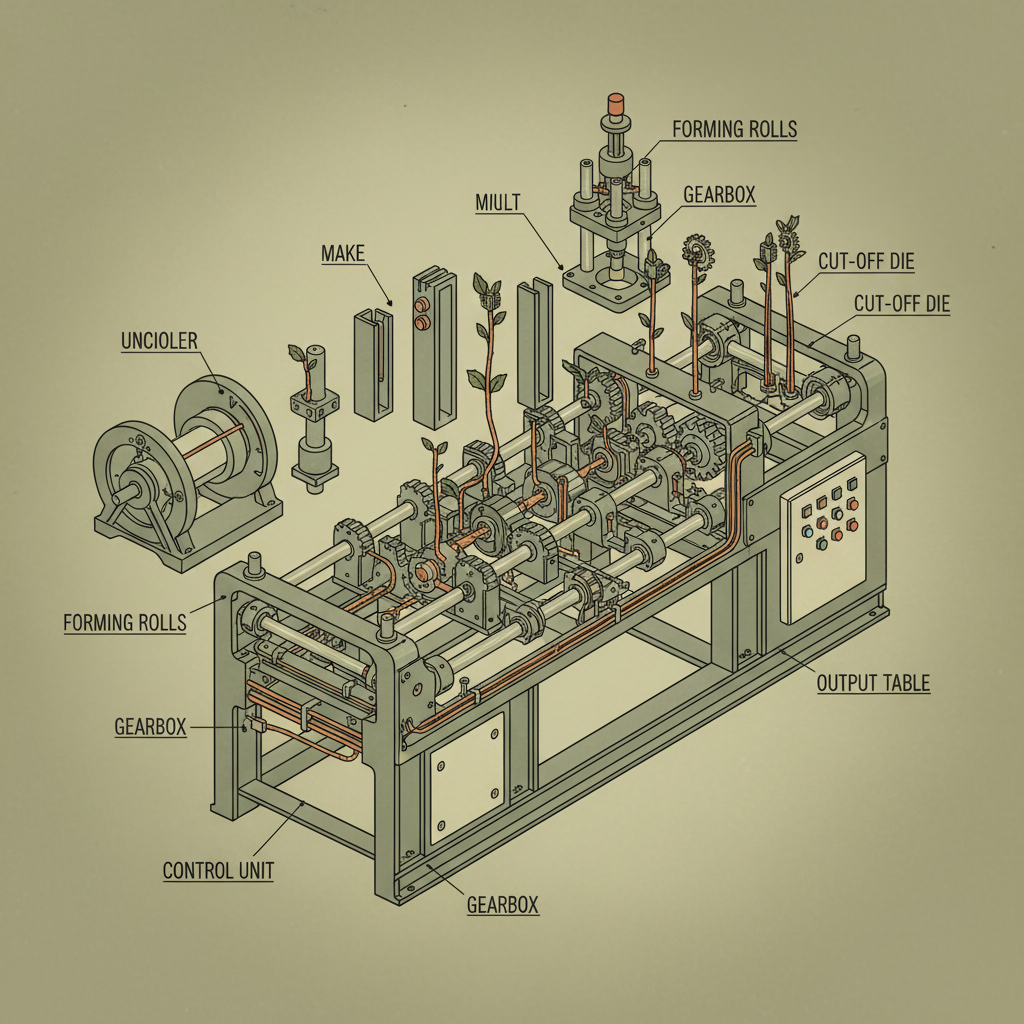
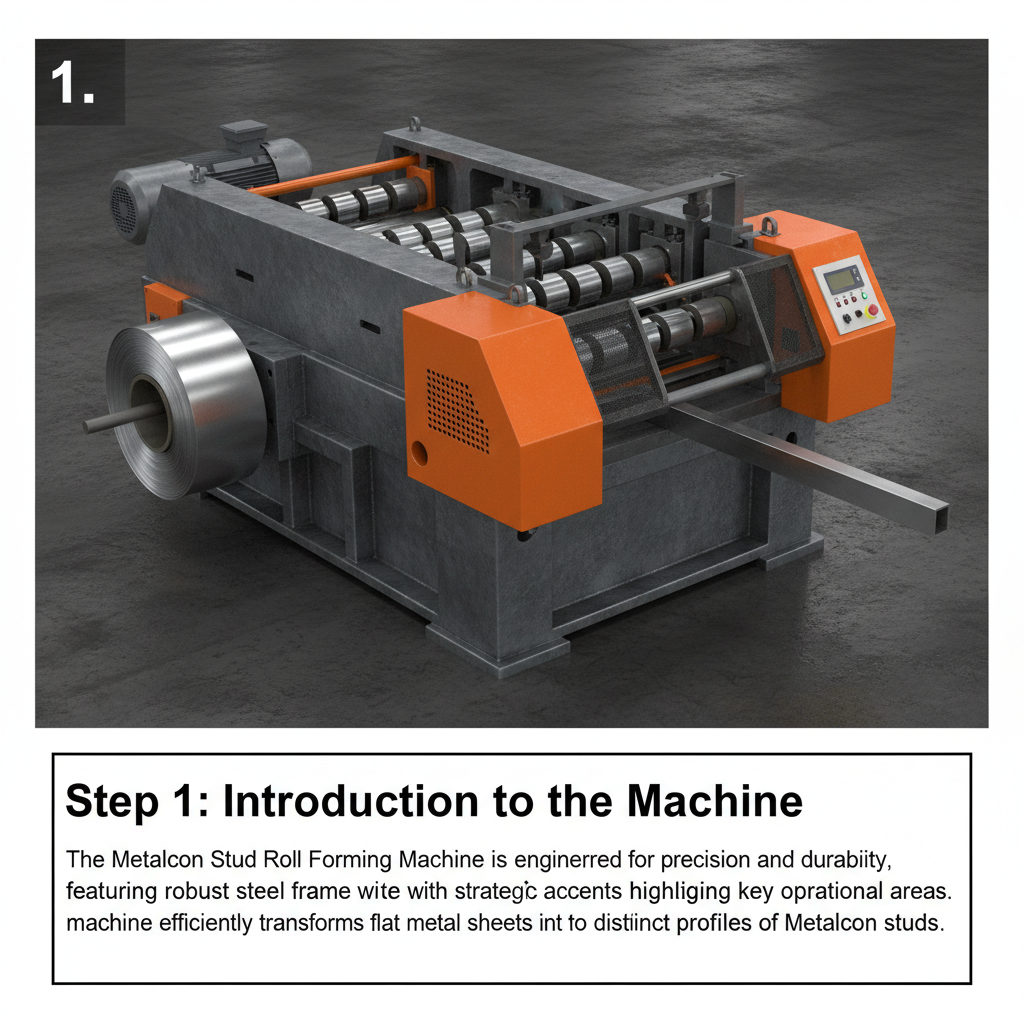
Basically, light steel roll forming machine takes flat coils of steel and bends them into the shapes you need for walls, roofs, frames—pretty much any structural component. It’s a continuous process, which is key. Faster than welding, more consistent than hand-fabrication. We’re talking about galvanized steel mostly, sometimes galvalume. You can smell that zinc coating a mile away. Not a pleasant smell, but a sign of good corrosion resistance. That’s important, especially near the coast.
It's not glamorous work, honestly. A lot of it is adjusting rollers, checking gauges, and making sure the steel doesn't kink. But when it's running smoothly, when you see a completed frame roll off the line… there’s a satisfaction to it. It's building something real.
Material Matters: Beyond Just Steel Grade
People often focus on the steel grade, which is important, sure. But the quality of the coil matters just as much. Is it consistently thick? Is the surface smooth? I encountered this at a factory in Tianjin last time; they were using a cheap supplier and the coils had variations in thickness. The resulting profiles were uneven, the screw holes didn’t align properly. A nightmare. You can run the same grade of steel through two different machines, and get two totally different results depending on how well the machine is maintained and how consistently the material feeds through.
And it’s not just the steel itself. The lubricants used during the roll forming process… they make a huge difference. Too little, and you get friction and wear. Too much, and it contaminates the steel and affects the coating adhesion. It's a balancing act.
Strangely enough, even the way the steel is stored can affect it. Humidity, temperature… they all play a role. A slightly rusty coil might seem okay, but it'll cause problems down the line.
The Design Traps: What Looks Good vs. What Works
Architects, bless their hearts, sometimes come up with designs that are just… impractical for roll forming. They want these crazy curves and intricate details. Look, these machines are good, but they’re not magic. Complex profiles require more passes through the rollers, which slows down production and increases the risk of errors. We try to explain this, but sometimes they just don't get it.
The biggest trap? Overly ambitious nesting. They want to maximize material usage, which is good, but if the profiles are too tightly packed, the machine can struggle to switch between them smoothly. You end up with wasted material and downtime. It’s a classic case of optimizing for one thing and screwing up another.
Real-World Testing: Beyond Lab Reports
Lab tests are fine, but they don't tell you everything. You need to see how these profiles hold up in real conditions. We’ve started doing more on-site testing, subjecting the frames to wind loads, seismic simulations, and just general abuse. I mean, let's be real, workers are going to bump into them, forklifts are going to knock against them.
One of our key tests involves simulating long-term exposure to the elements. We build a small structure, leave it outside for a year, and then inspect it for corrosion, warping, and other signs of deterioration. It's a slow process, but it gives us a much more accurate picture of the product’s durability than any lab report ever could.
Light Steel Roll Forming Machine Performance Metrics
How People Actually Use These Machines
You think they’re using it exactly as the manual says? Nope. Workers always find ways to optimize—or, let’s be honest, hack—the process. They’ll adjust the feed speed, tweak the roller pressure, add extra lubrication. Sometimes it works, sometimes it doesn’t. But you can’t stop them. They know what they’re doing. They're the ones on the line every day.
Anyway, I think what we’ve found is that the more intuitive the machine is, the less “hacking” they’ll do. Simple controls, clear displays, easy access to adjustment points… those are the things that really matter.
The Good, The Bad, and the Customizable
The advantages are obvious: speed, consistency, cost-effectiveness. But there are drawbacks. The initial investment is high. The machines require skilled operators. And they’re not always the best choice for small-batch projects. They really shine when you need to produce large volumes of identical profiles.
Customization is key. A lot of customers want to be able to switch between different profiles quickly. We did a project for a company that manufactures shipping containers. They needed a machine that could produce profiles for different container sizes with minimal downtime. We ended up designing a quick-change tooling system that allowed them to swap profiles in under an hour. It wasn’t cheap, but it saved them a ton of time and money in the long run.
A Customer Story: Shenzhen and the Interface
Last month, that small boss in Shenzhen who makes smart home devices insisted on changing the interface to , and the result was… well, a disaster. He wanted to use a custom profile for his device enclosures, and he insisted on a super-slim design. We warned him it would be difficult to achieve the necessary tolerances with a roll forming machine, but he wouldn't listen. He said it was “essential for brand image.” Anyway, the first batch of enclosures were all warped and didn’t fit properly. He had to scrap the whole lot. Cost him a fortune. He called me, practically begging for help, but by that point, it was too late. He ended up going back to a more conventional design. Lesson learned, I guess.
It just proves that sometimes, the simplest solution is the best. You can’t always chase the latest trends. You need to focus on what works, what's reliable, and what's practical. That's what I've learned after all these years.
Later...Forget it, I won't mention it.
Core Evaluation of Light Steel Roll Forming Machine Attributes
| Attribute |
Importance Level (1-10) |
Typical Performance Score (1-10) |
Improvement Potential (1-10) |
| Roll Forming Speed |
9 |
7 |
6 |
| Profile Accuracy |
10 |
8 |
7 |
| Material Utilization |
7 |
6 |
5 |
| Machine Durability |
8 |
9 |
4 |
| Ease of Operation |
6 |
5 |
8 |
| Maintenance Requirements |
5 |
6 |
6 |
FAQS
Honestly, it's underestimating the importance of tooling. A cheap machine with expensive, high-quality tooling will always outperform an expensive machine with cheap tooling. The tooling determines the accuracy and finish of your profiles, so don't skimp on it. People also forget about future flexibility. Can the machine handle different gauges of steel? Can it be easily reconfigured for different profiles? Think long-term.
More than you’d think. Daily lubrication is crucial. You need to check the rollers for wear and tear, inspect the drive chains, and keep everything clean. At least once a month, you need to do a more thorough inspection of the electrical components and hydraulic systems. Neglect it, and it'll break down. It’s like a car – you can’t just ignore it and expect it to keep running.
Generally, galvanized steel is the go-to choice due to its corrosion resistance. But the specific grade depends on the application. For structural components, you'll want a higher-strength steel. For interior partitions, a lighter gauge might suffice. Galvalume is another good option, offering even better corrosion protection. But again, it's about finding the right balance between cost and performance.
You can try, but it’s not recommended. Aluminum is possible, but requires different tooling and adjustments. Other materials, like copper or stainless steel, are generally too difficult to work with on a standard light steel roll forming machine. You’ll end up damaging the rollers and getting poor results. It’s just not worth the hassle.
Safety is paramount. Wear appropriate personal protective equipment: safety glasses, gloves, steel-toe boots. Never reach into the machine while it’s running. Ensure that all safety guards are in place and functioning correctly. And most importantly, get proper training before operating the machine. It's powerful equipment, and it can cause serious injuries if not handled with care.
A well-maintained machine can last for decades. We’ve seen some that are still going strong after 20+ years. But it depends on how hard it’s been used, how often it’s been serviced, and the quality of the original components. Replacing worn-out rollers and bearings is essential for keeping it running smoothly. It’s an investment, and like any investment, you need to take care of it.
Conclusion
So, what have we learned? Light steel roll forming machine is more than just a piece of equipment. It's a cornerstone of modern construction, driving efficiency and affordability. But it's also a complex process with a lot of potential pitfalls. You need to pay attention to the details, from the quality of the steel to the design of the profiles. You need to invest in proper tooling and maintenance. And you need to understand how people actually use the machine, not just how they’re supposed to use it.
Ultimately, whether this thing works or not, the worker will know the moment he tightens the screw. If it fits snug, the frame is square, and the whole thing feels solid… then you’ve got a good machine. If not… well, you’ve got a problem. If you’re looking for a light steel roll forming machine, or just want to discuss your project, visit our website: www.lwrollformingmachine.com