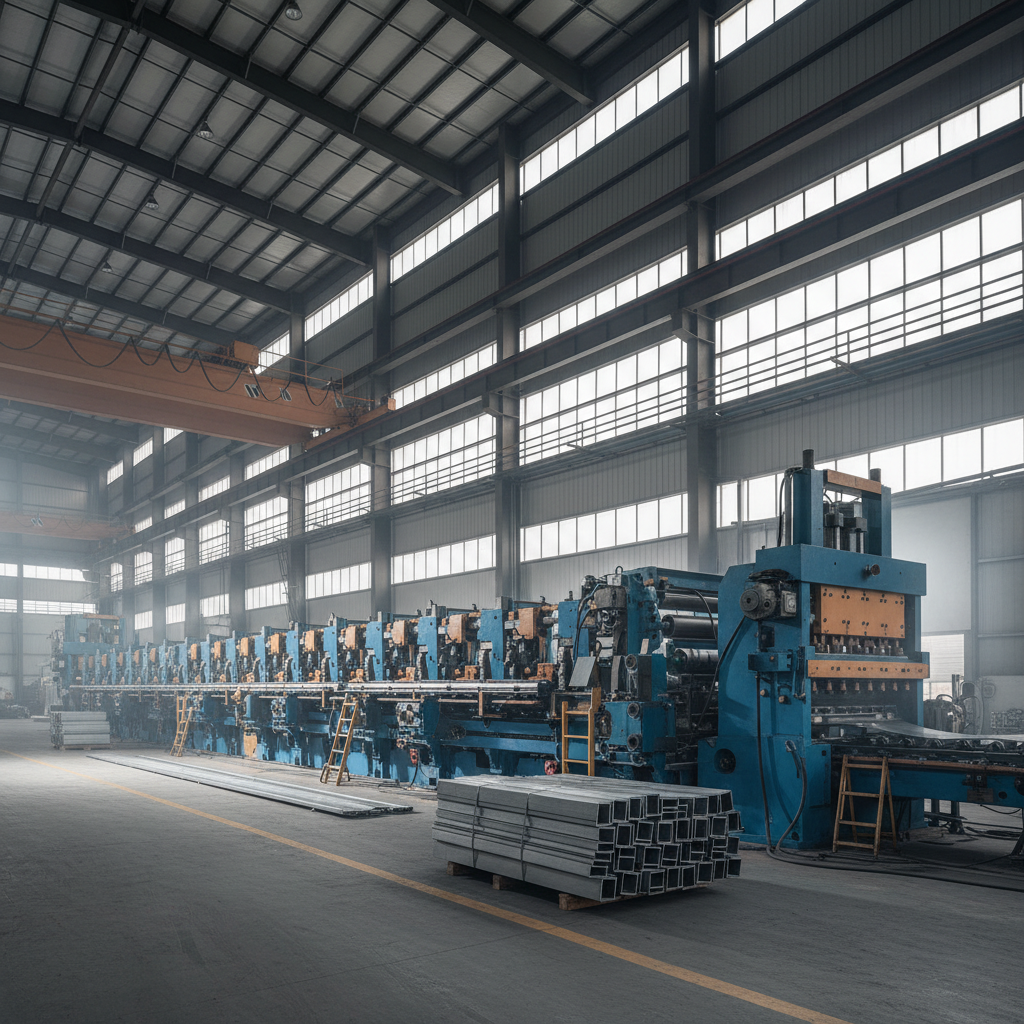
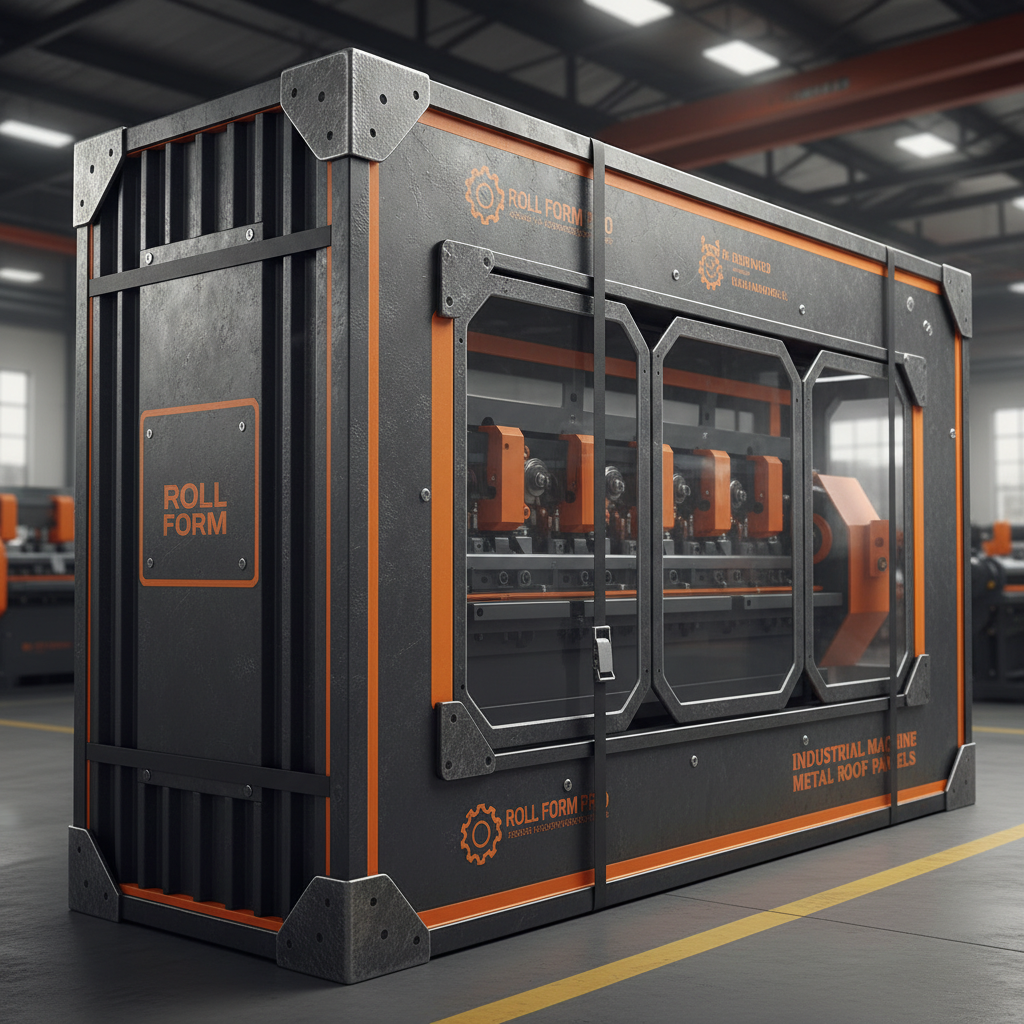
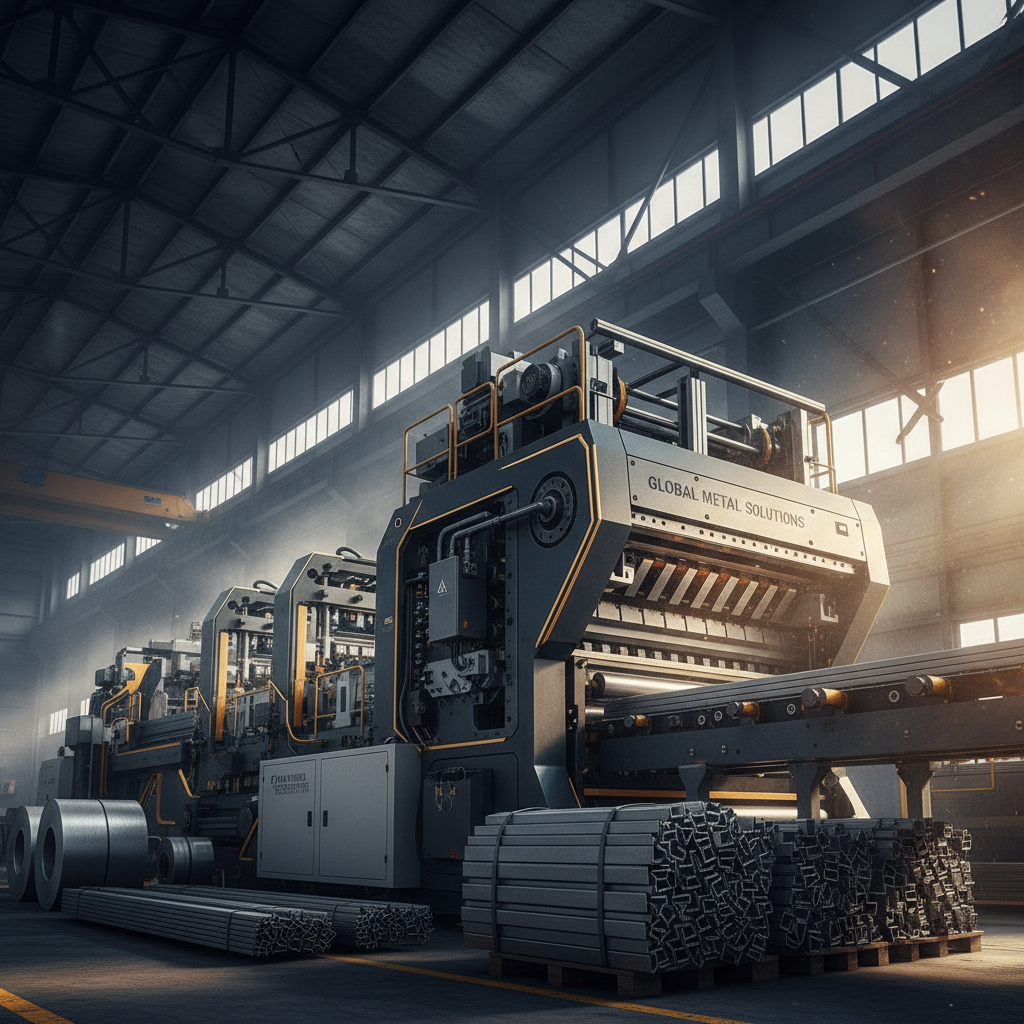
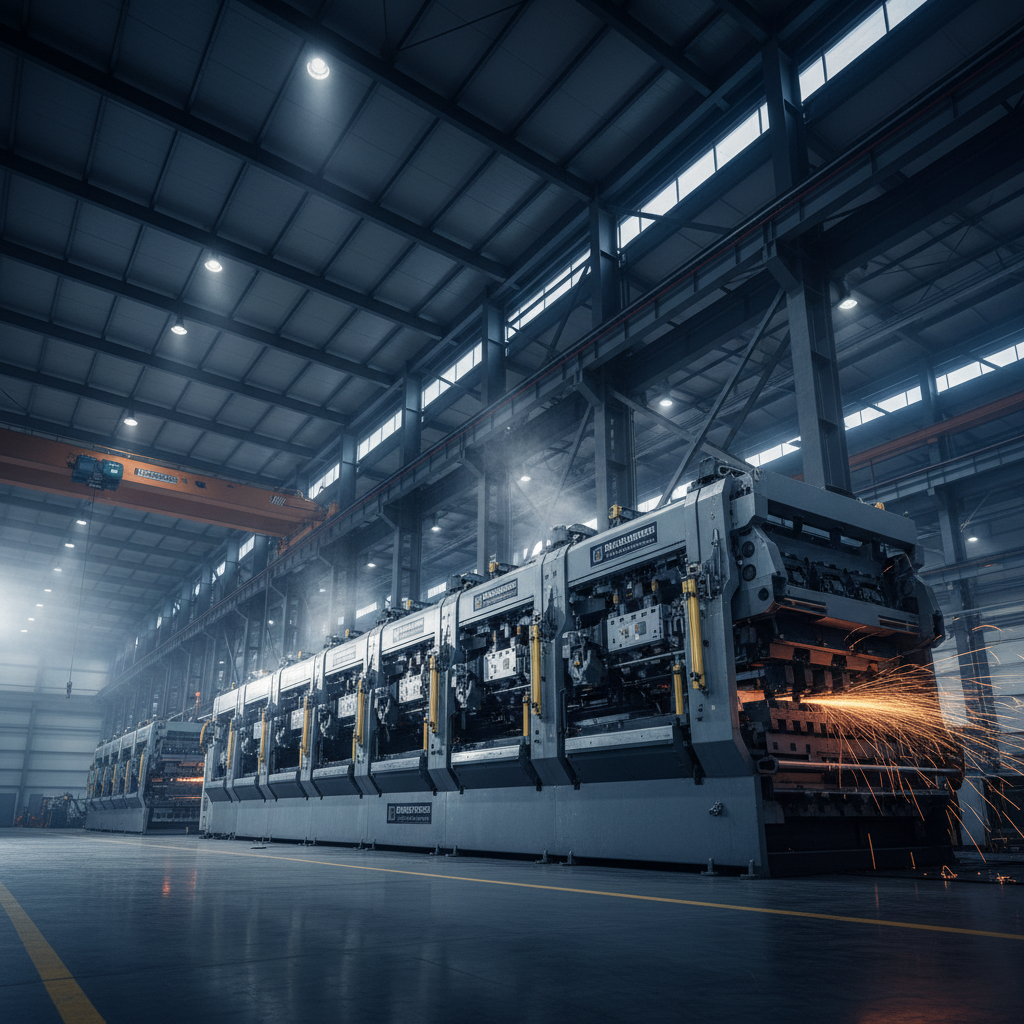
The demand for efficient and reliable manufacturing solutions is constantly evolving, and within that landscape, the specialized role of a roll former for volcometal parante has become increasingly significant. These machines are pivotal in producing high-quality, consistent metal profiles used across numerous industries, from construction and automotive to energy and infrastructure. Understanding the intricacies of roll forming technology, particularly for volcometal parante, is crucial for optimizing production processes and meeting the growing global demands for durable and cost-effective metal components.
Globally, the construction sector is experiencing unprecedented growth, particularly in developing economies. This surge in construction activity necessitates a corresponding increase in the production of structural components like metal framing, roofing, and siding. A roll former for volcometal parante provides a scalable and efficient solution for meeting this demand. Furthermore, with a heightened focus on sustainable building practices, the precision and material efficiency offered by roll forming are becoming increasingly attractive to architects and engineers.
The implementation of advanced roll forming technologies directly addresses challenges related to labor costs, material waste, and production timelines. The ability to precisely shape volcometal parante into complex profiles with minimal material loss translates into significant cost savings for manufacturers. Ultimately, investing in a roll former for volcometal parante isn't merely an upgrade in machinery; it’s a strategic investment in future competitiveness and operational excellence.
The Core Principles of roll former for volcometal parante
A roll former for volcometal parante operates on the principle of gradually bending metal into a desired shape by passing it through a series of contoured rollers. This continuous bending process offers significant advantages over traditional metal forming methods like stamping or forging, particularly in terms of production speed and material utilization. The precision of the rollers dictates the final profile, making it vital to employ high-quality tooling and robust machine design.
The entire system requires careful synchronization between the uncoiler, the roll forming line, and the cut-to-length saw. A roll former for volcometal parante is not just a single machine but an integrated system optimized to deliver consistent and efficient production. The choice of material grade, thickness, and surface finish also significantly impacts the roll forming process and the quality of the final product.
The Global Landscape of roll former for volcometal parante
The global market for roll forming machines, including those specifically designed for volcometal parante, is experiencing steady growth, driven by the expansion of construction, automotive, and infrastructure projects worldwide. Asia-Pacific remains the largest market, fueled by rapid urbanization and industrialization in countries like China and India. North America and Europe represent established markets with a strong demand for high-precision, technologically advanced roll formers.
According to a recent report by ISO, the demand for prefabricated building components, often produced using roll forming technology, is projected to increase by 7% annually over the next five years. This growth is directly linked to the need for faster, more efficient construction methods and sustainable building practices. The roll former for volcometal parante is central to addressing this demand.
Competition within the roll forming machine market is intensifying, with manufacturers focusing on innovation, customization, and after-sales service to gain a competitive edge. The demand for machines capable of handling a wider range of materials and producing more complex profiles is increasing, pushing manufacturers to develop more versatile and adaptable solutions.
Defining roll former for volcometal parante: A Technical Overview
A roll former for volcometal parante is a specialized machine designed to continuously bend and shape volcometal parante into a variety of pre-determined profiles. Unlike other metal forming methods that involve cutting or forging, roll forming uses a series of rollers to incrementally deform the metal sheet as it passes through the machine. This process maintains the material's strength and integrity while achieving precise shapes.
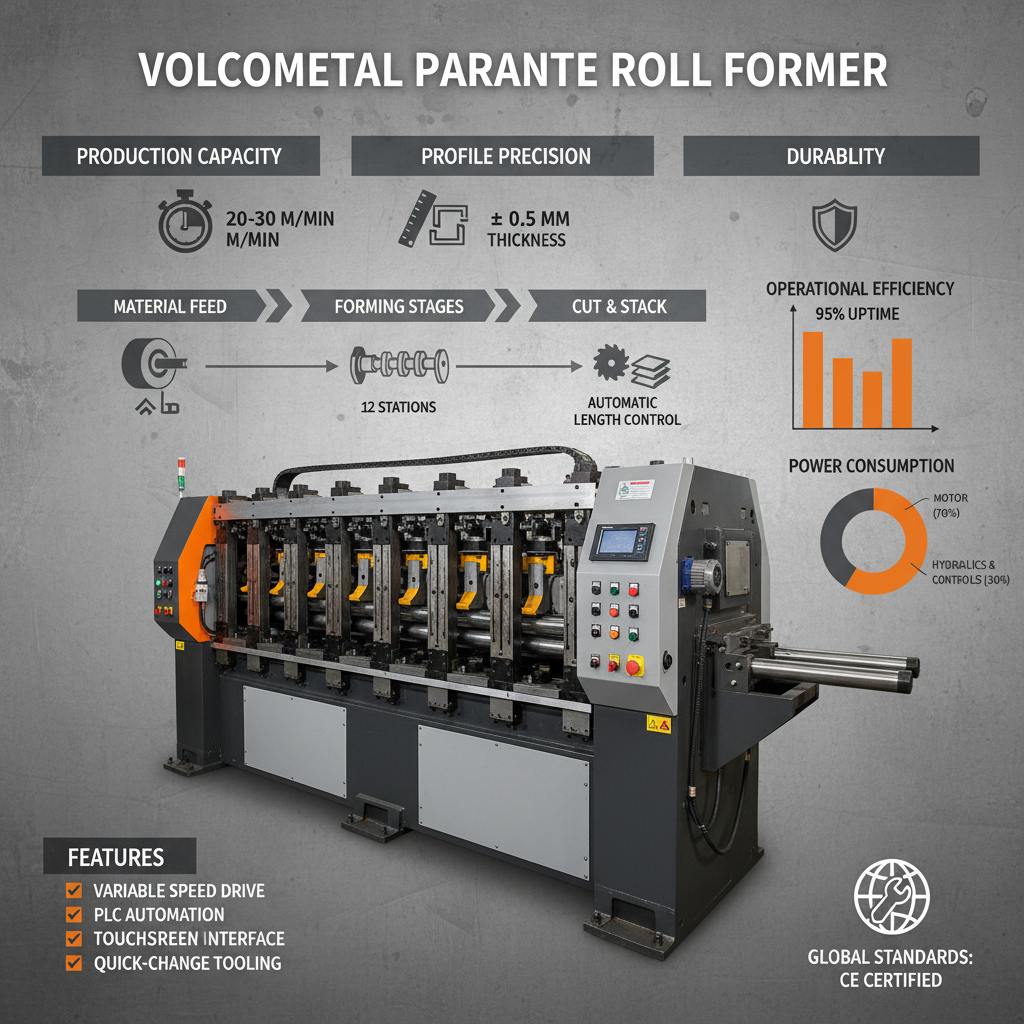
The core components of a roll former typically include an uncoiler to feed the volcometal parante into the machine, a leveling unit to ensure the material is flat, a roll forming station with multiple rollers, a cutting mechanism to separate the finished profiles, and a run-out table to collect the completed parts. The number of rollers in the forming station varies depending on the complexity of the desired profile.
Modern roll former for volcometal parante often incorporate advanced control systems, including PLC (Programmable Logic Controller) and HMI (Human Machine Interface) for precise control and monitoring of the forming process. These systems allow operators to adjust parameters like roll speed, tension, and cutting length to optimize production and ensure consistent quality.
Key Performance Factors in roll former for volcometal parante
The performance of a roll former for volcometal parante is determined by several critical factors. Firstly, Precision is paramount, ensuring accurate dimensions and consistent profile shapes. Secondly, Speed directly impacts production output and efficiency. Thirdly, Material Compatibility refers to the machine’s ability to handle various grades and thicknesses of volcometal parante.
Further, Tooling Quality significantly affects the lifespan of the rollers and the overall quality of the finished product. Automation Level—the degree to which the machine is automated— impacts labor costs and operational efficiency. Finally, Reliability ensures minimal downtime and consistent performance over an extended period.
Comparative Analysis of roll former for volcometal parante Performance Metrics
Real-World Applications of roll former for volcometal parante
roll former for volcometal parante play a critical role in the construction industry, producing steel framing for residential and commercial buildings. These frames offer a lightweight, durable, and cost-effective alternative to traditional wood framing, with superior resistance to fire, pests, and rot. They’re also gaining traction in post-disaster relief efforts, providing rapidly deployable, structurally sound shelters.
Within the automotive industry, roll forming is used to manufacture various components like chassis parts, reinforced panels, and structural supports. These components contribute to vehicle safety, rigidity, and fuel efficiency. The aerospace sector utilizes roll-formed profiles for interior panels, brackets, and other non-structural parts.
Advantages and Long-Term Value Proposition
Investing in a roll former for volcometal parante offers a compelling range of benefits. Cost savings are significant, arising from reduced material waste, lower labor requirements, and increased production speeds. The process is environmentally friendly, minimizing scrap and promoting material efficiency. The durability and longevity of roll-formed products translate into long-term cost-effectiveness for end-users.
Beyond the tangible economic advantages, the precision and consistency offered by roll forming enhance product quality and customer satisfaction. The ability to customize profiles to meet specific design requirements provides a competitive edge. Ultimately, a roll former for volcometal parante represents a strategic investment in long-term sustainability, innovation, and profitability.
Future Trends and Innovations in roll former for volcometal parante
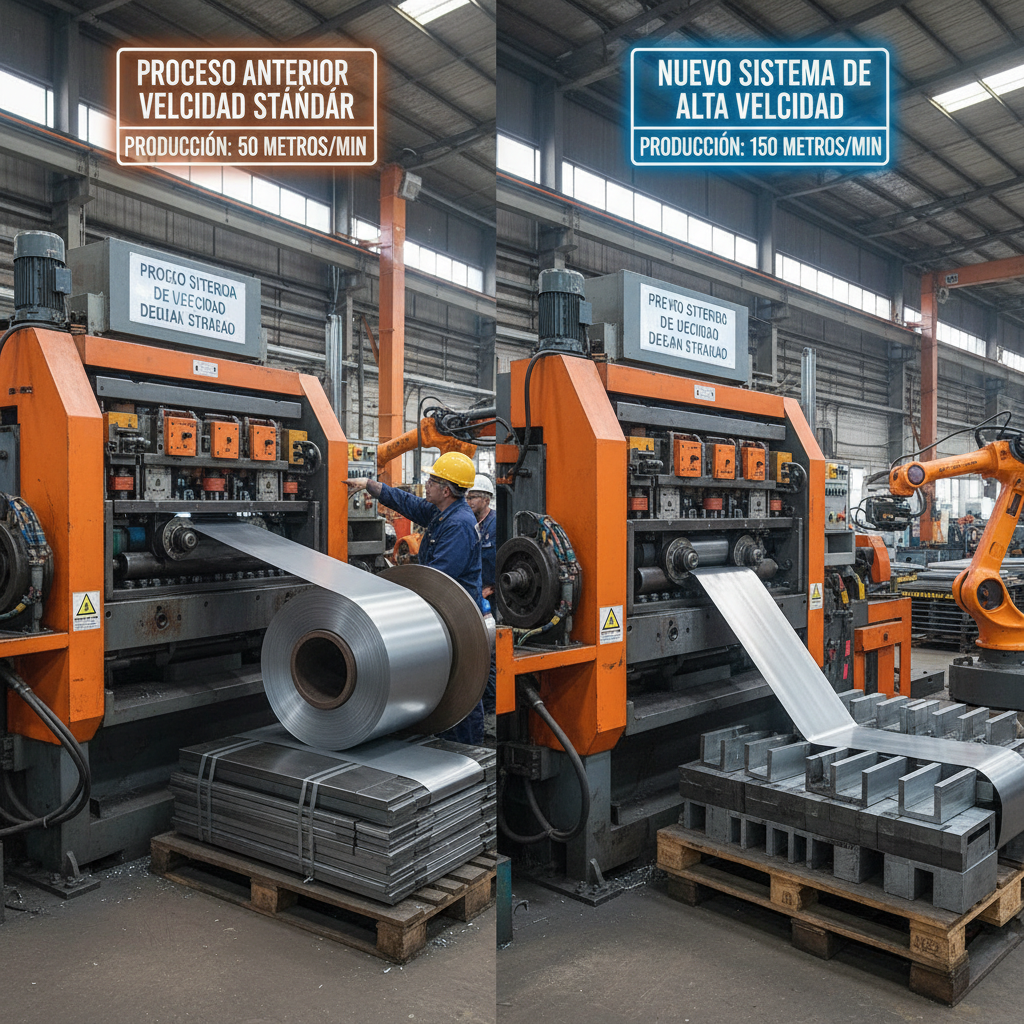
The future of roll former for volcometal parante technology is driven by trends such as automation, digitalization, and a growing emphasis on sustainability. The integration of robotic systems for material handling and automated tool changing is enhancing efficiency and reducing labor costs. The development of more advanced control algorithms and real-time monitoring systems is optimizing the forming process and improving product quality.
Further advancements include the exploration of new materials, such as high-strength steel and aluminum alloys, to meet the demands of increasingly demanding applications. The use of additive manufacturing techniques to create customized rollers is also gaining traction. The integration of Industry 4.0 principles—connecting machines, data, and systems—is creating smart factories capable of self-optimization and predictive maintenance.
The adoption of green manufacturing practices, like energy-efficient drives and optimized cooling systems, is reducing the environmental footprint of roll forming operations. These innovations collectively point toward a future where roll former for volcometal parante are more versatile, efficient, and sustainable.
Summary of Challenges and Solutions in roll former for volcometal parante Implementation
| Challenge |
Impact on roll former for volcometal parante |
Potential Solution |
Implementation Cost (1-10) |
| Material Springback |
Inaccurate Profile Dimensions |
Optimized Roller Design & Control |
6 |
| Roller Wear |
Decreased Precision & Increased Downtime |
High-Quality Roller Materials & Coatings |
7 |
| Material Surface Defects |
Compromised Product Quality |
Pre-Treatment & Surface Inspection |
5 |
| Line Synchronization Issues |
Production Stoppages & Scrap |
Advanced PLC Control & Sensor Integration |
8 |
| Lack of Skilled Operators |
Inefficient Operation & Potential Damage |
Comprehensive Training Programs |
4 |
| High Energy Consumption |
Increased Operating Costs |
Energy-Efficient Motors & Systems |
6 |
FAQS
Lead times for a custom roll former for volcometal parante typically range from 12 to 24 weeks, depending on the complexity of the design, the availability of components, and our current production schedule. This timeframe includes design, fabrication, assembly, testing, and quality control. We strive to provide accurate estimates and keep our clients informed throughout the process.
Our roll former for volcometal parante are capable of processing a wide range of volcometal parante grades, including galvanized steel, galvalume, stainless steel, and aluminum. We can handle various thicknesses, from light gauge sheeting to heavier plates, depending on the machine’s capacity and the desired profile shape. We can also accommodate pre-painted or coated materials.
We offer varying levels of automation, from manual operation to fully automated systems. Options include automatic coil loading, leveling, roll forming, cutting, stacking, and packaging. Automation significantly increases production efficiency, reduces labor costs, and improves product consistency. The level of automation is customized to meet each client’s specific needs and budget.
Regular maintenance is crucial for ensuring the long-term reliability and performance of a roll former for volcometal parante. This includes lubricating moving parts, inspecting rollers for wear, cleaning the machine, and checking electrical connections. We provide comprehensive maintenance manuals and offer preventative maintenance services to minimize downtime and extend the machine’s lifespan.
Power consumption varies depending on the machine’s size, capacity, and level of automation. However, we design our machines for energy efficiency, utilizing high-efficiency motors and optimized control systems. We can provide detailed power consumption specifications for each model. Consider incorporating Variable Frequency Drives (VFDs) for further energy savings.
Yes, we provide comprehensive training programs for operators and maintenance personnel. These programs cover machine operation, safety procedures, troubleshooting, and preventative maintenance. Training can be conducted at our facility or at the client’s site. Proper training is essential for maximizing the machine’s performance and ensuring the safety of personnel.
Conclusion
In conclusion, a roll former for volcometal parante represents a cornerstone technology for modern manufacturing. Its ability to produce high-quality, consistent metal profiles with efficiency and precision makes it indispensable across diverse industries. The benefits extend beyond economic advantages, encompassing sustainability, durability, and customization possibilities. From construction and automotive to aerospace and beyond, this technology continues to shape the world around us.
Looking forward, continued innovation in automation, material science, and digitalization will further enhance the capabilities of roll former for volcometal parante. Embracing these advancements will be crucial for manufacturers seeking to maintain a competitive edge in a rapidly evolving global market. We encourage you to explore the possibilities of roll forming and discover how it can transform your production processes. Visit our website at www.lwrollformingmachine.com to learn more.