The global construction industry is constantly evolving, driven by a need for faster, more cost-effective, and sustainable building solutions. A crucial component in meeting these demands is the specialized machinery used in prefabricated construction, particularly the roll forming machine for perfil drywall parante. These machines are instrumental in producing the lightweight steel framing (LSF) used extensively in modern building practices, offering a compelling alternative to traditional construction methods.
The increasing adoption of LSF and cold-formed steel (CFS) is a direct response to growing urbanization, housing shortages, and the need for disaster-resistant infrastructure. The roll forming machine for perfil drywall parante allows for the mass production of high-quality, precisely engineered steel profiles, ensuring consistent quality and significantly reducing on-site construction time. This is particularly vital in developing nations experiencing rapid growth and a pressing need for affordable housing.
Understanding the capabilities and advancements in roll forming machine for perfil drywall parante technology is therefore paramount for construction professionals, manufacturers, and policymakers alike. Investing in efficient and reliable roll forming solutions contributes to more resilient, sustainable, and affordable building projects worldwide, ultimately addressing critical global challenges.
The Importance of Roll Forming in Modern Construction
The construction landscape is undergoing a significant shift towards prefabricated and modular building techniques. This transition is fueled by the need to address labor shortages, reduce construction waste, and accelerate project timelines. The roll forming machine for perfil drywall parante plays a pivotal role in enabling this shift by providing the necessary components for light-gauge steel framing, a key element in many modern construction methodologies.
Furthermore, the increasing emphasis on sustainable building practices has made cold-formed steel (CFS) an attractive alternative to traditional materials like wood and concrete. CFS is highly recyclable, lightweight, and offers excellent strength-to-weight ratio, making it an environmentally responsible choice. The efficiency of a roll forming machine for perfil drywall parante contributes directly to the sustainability of construction projects by minimizing material waste and reducing transportation costs.
Defining Roll Forming for Perfil Drywall Parante
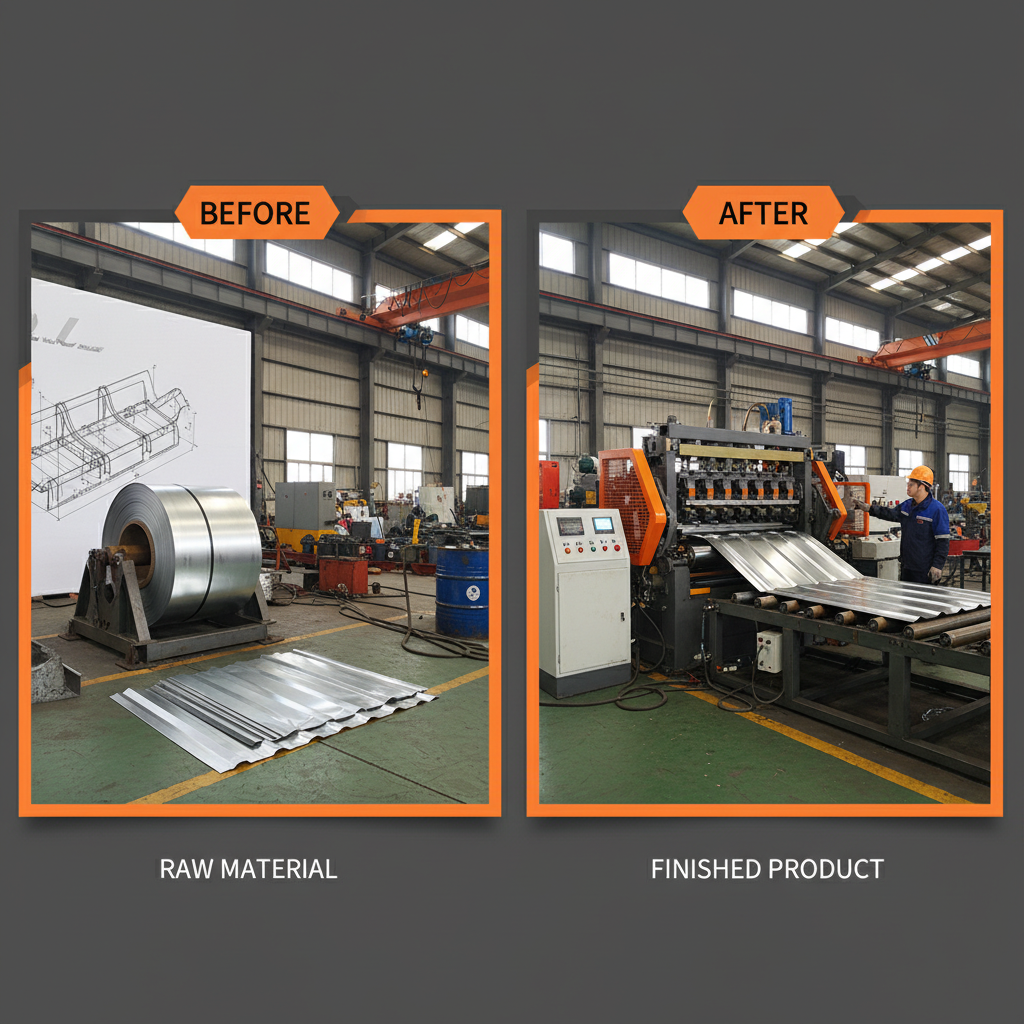
Roll forming, in its essence, is a continuous bending process used to create profiles with a constant cross-section. Specifically, a roll forming machine for perfil drywall parante takes a flat sheet of steel and progressively shapes it by passing it through a series of rollers and dies. This process allows for the efficient and accurate production of complex profiles like those used in perfil drywall parante (drywall studs and tracks).
Perfil drywall parante refers to the lightweight steel framing systems commonly used for interior non-load-bearing walls and ceilings. These profiles are designed to accommodate drywall (gypsum board) and provide a durable, fire-resistant, and aesthetically pleasing finish. A dedicated roll forming machine ensures these profiles are consistently produced to precise specifications, crucial for seamless integration within a building structure.
The connection between the roll forming process and the final perfil drywall parante product is direct and essential. The quality of the roll forming machine directly impacts the dimensional accuracy, structural integrity, and overall performance of the finished drywall framing system, making the machine selection a critical decision for manufacturers.
Core Components and Operational Principles
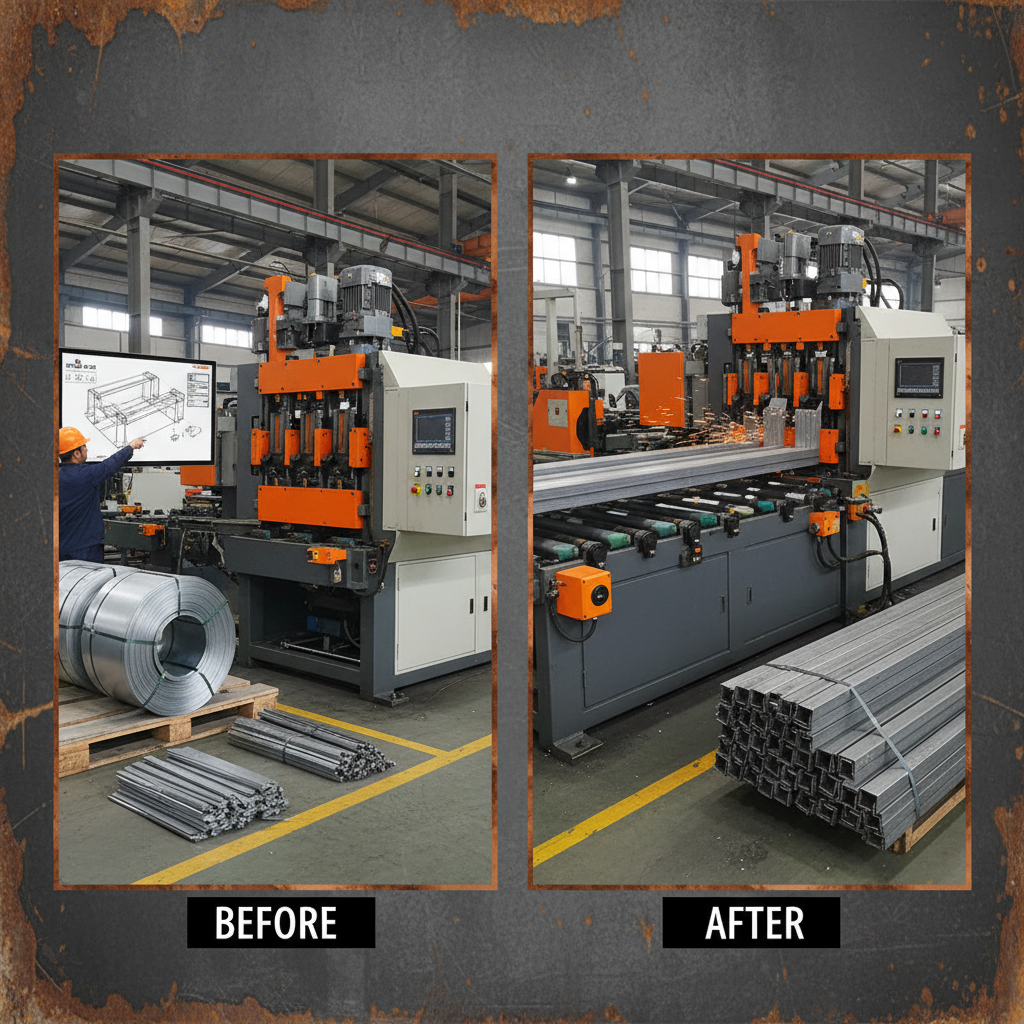
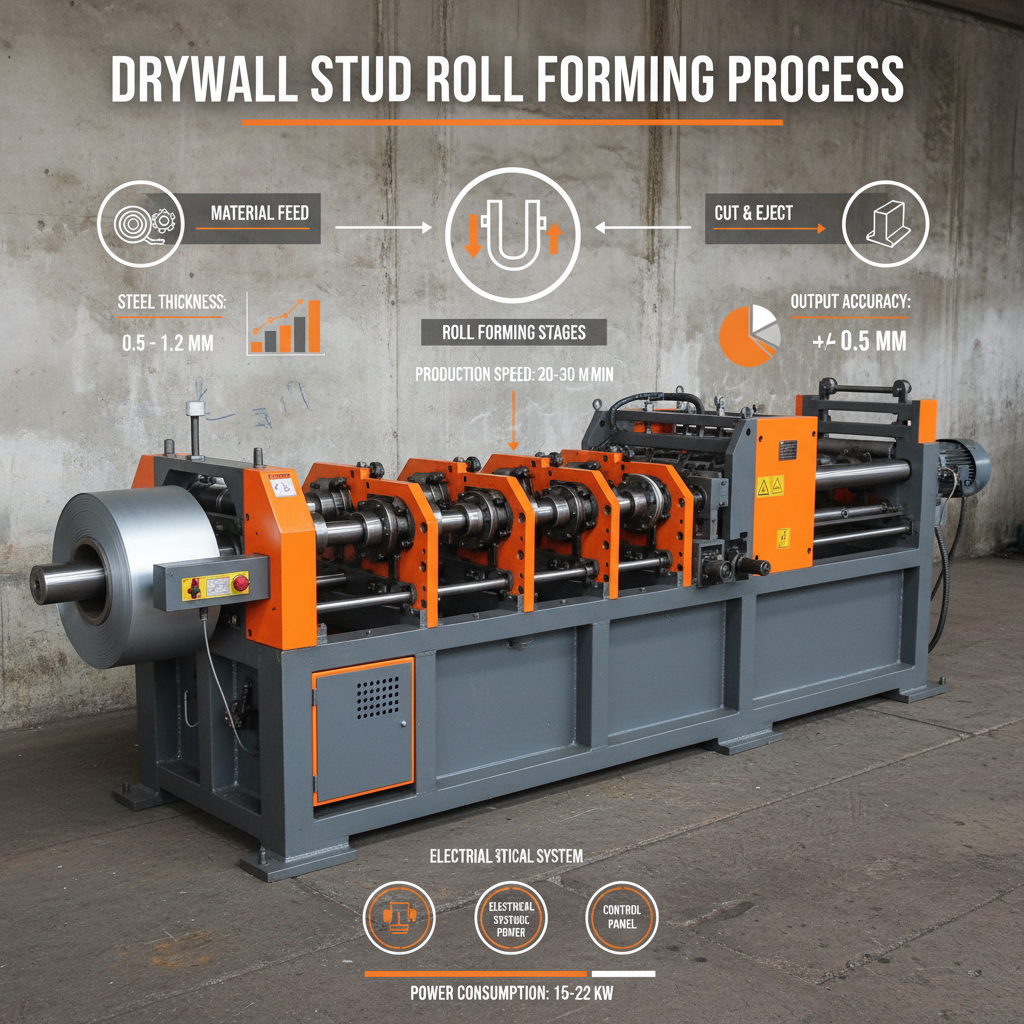
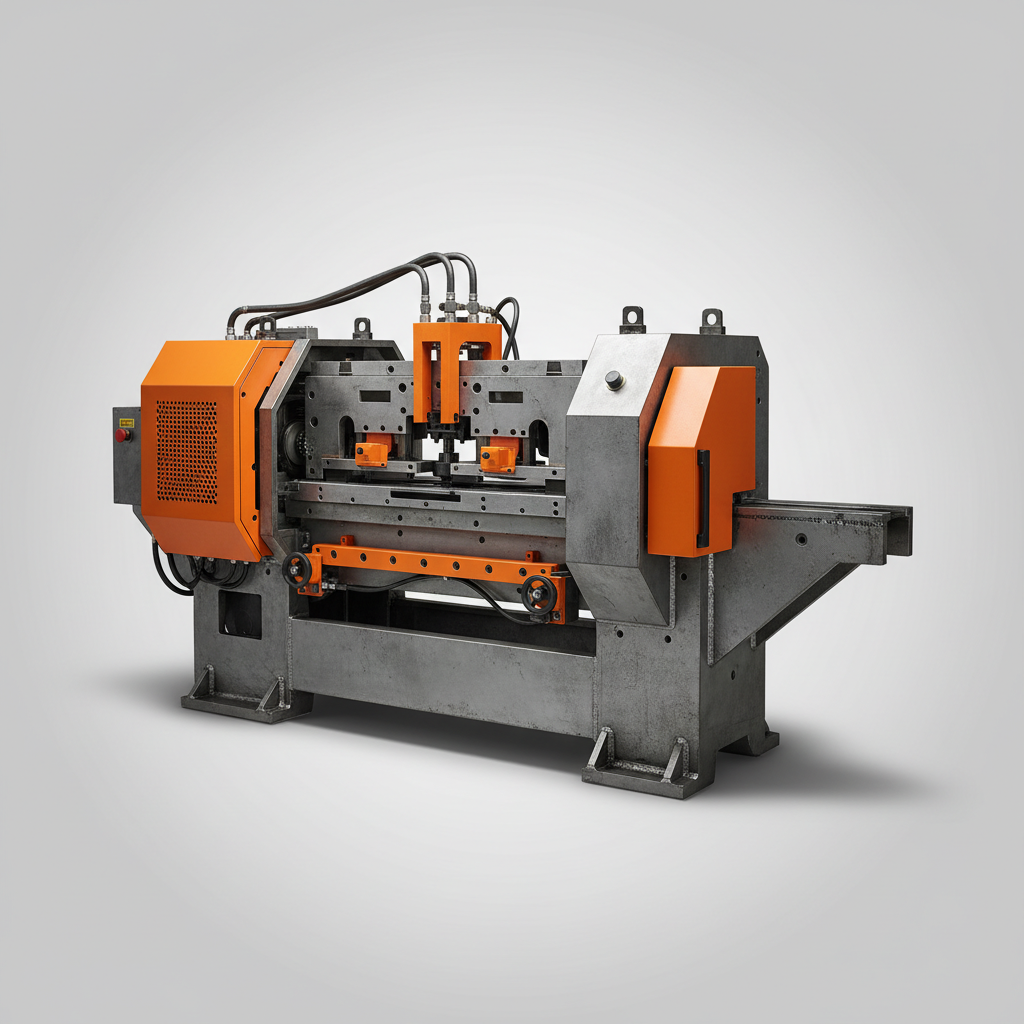
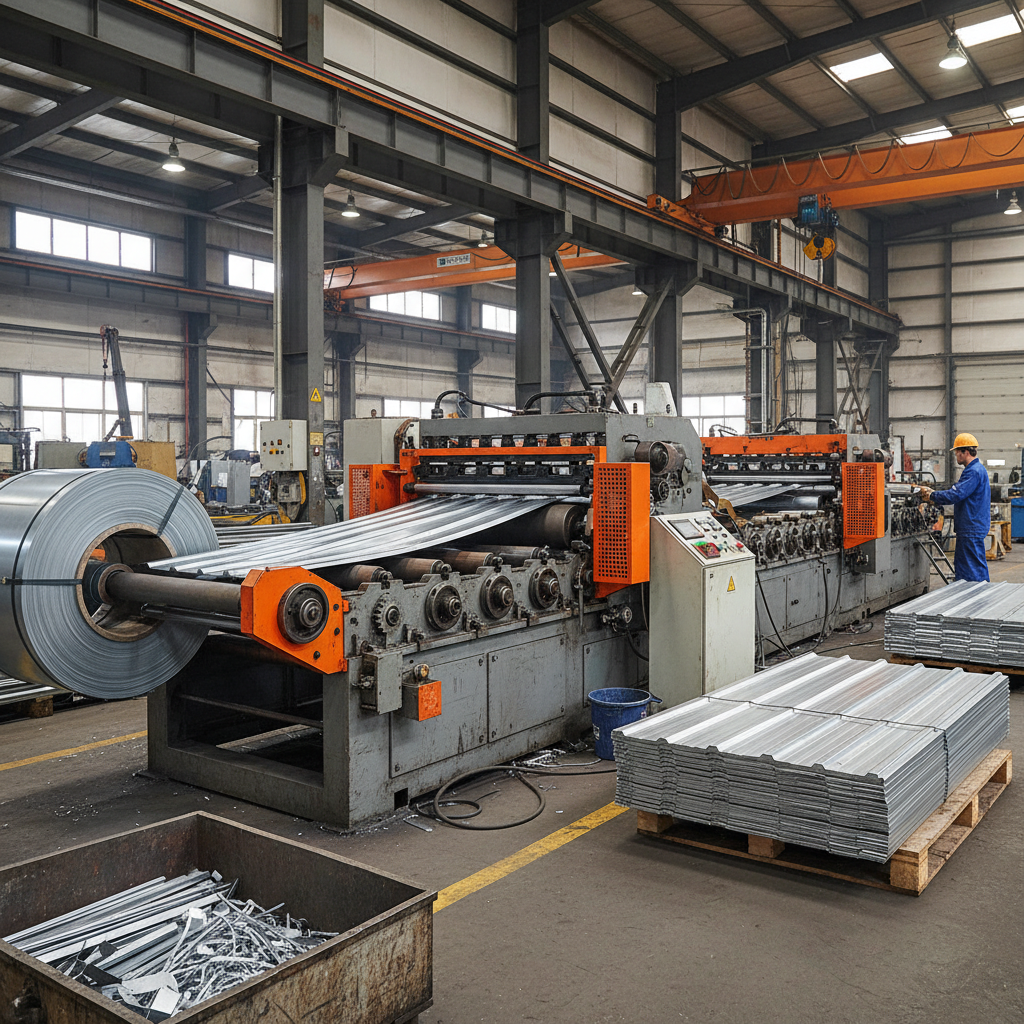
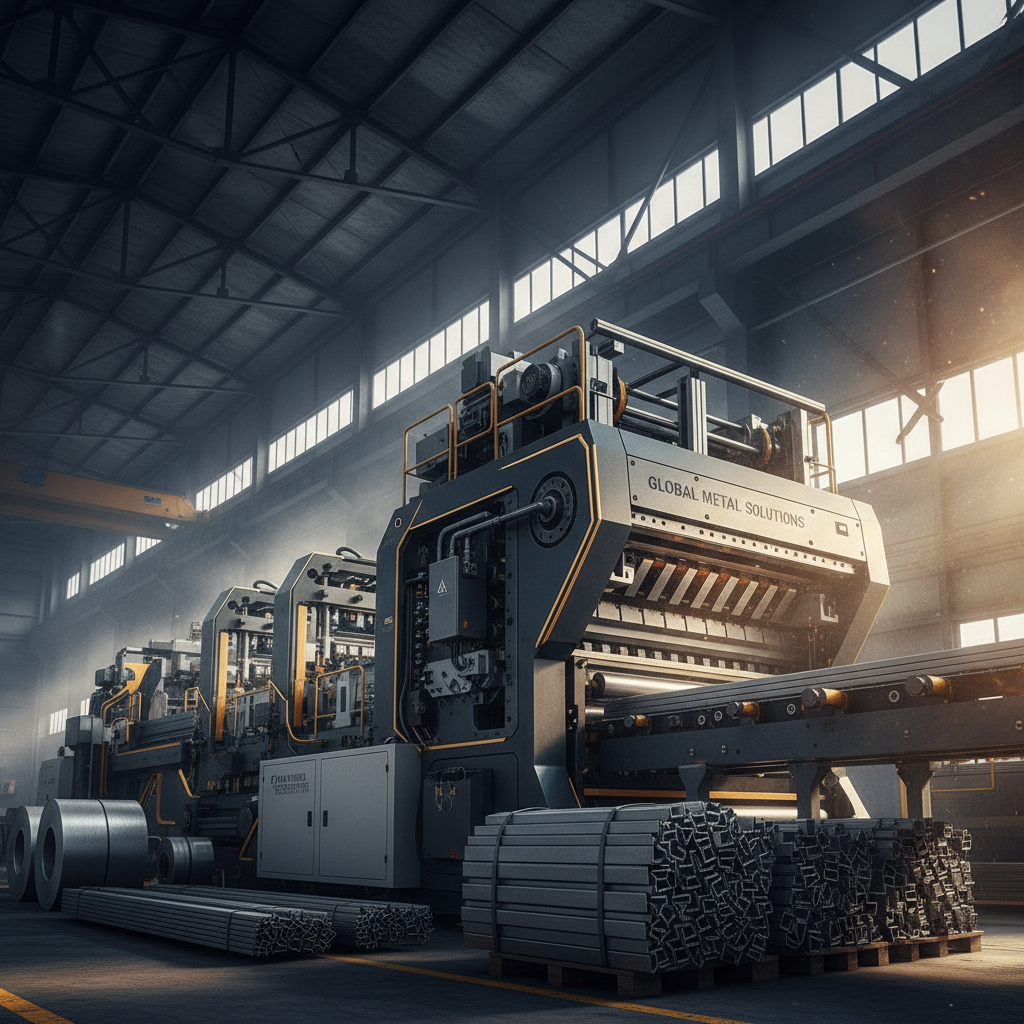
A typical roll forming machine for perfil drywall parante consists of several key components working in unison. These include an uncoiler to feed the steel coil, a leveling unit to ensure flatness, a series of forming stands each with precisely engineered rollers, a cutting station to shear the profiles to desired lengths, and a run-out table to collect the finished products. Proper alignment and calibration of these components are critical for achieving consistent profile accuracy.
The operational principle is relatively straightforward: the steel coil is unwound and fed through the leveling unit to remove any initial curvature. As the steel passes through each forming stand, the rollers incrementally bend and shape the metal closer to the final profile. The number of forming stands depends on the complexity of the profile being produced. Finally, the cut-to-length station uses a shear blade to precisely cut the profiles, and they are then automatically stacked or conveyed away.
Modern roll forming machine for perfil drywall parante often incorporate sophisticated control systems, including programmable logic controllers (PLCs) and human-machine interfaces (HMIs), allowing for precise control over the forming process, real-time monitoring of performance, and automated adjustments to maintain quality.
Key Factors: Precision, Speed, and Customization
Precision is paramount when producing perfil drywall parante. Consistent dimensional accuracy is crucial for ensuring proper fit and alignment during installation, which impacts the structural integrity and fire resistance of the wall assembly. High-quality roll forming machines are engineered to minimize tolerances and deliver profiles that meet stringent industry standards.
Production speed is another critical factor, especially for large-scale construction projects. An efficient roll forming machine for perfil drywall parante can significantly reduce lead times and enable faster project completion. Speed is often balanced against precision, and advanced machines are designed to optimize both aspects.
Roll Forming Machine for Perfil Drywall Parante – Performance Metrics
Global Applications of Perfil Drywall Parante Systems
Perfil drywall parante systems are utilized globally in a wide range of construction applications. They are particularly prevalent in residential buildings, commercial offices, schools, hospitals, and retail spaces. Their lightweight nature and ease of installation make them ideal for both new construction and renovation projects.
In post-disaster relief operations, lightweight steel framing offers a rapid and durable solution for constructing temporary shelters and more permanent housing. The speed and efficiency of roll forming machine for perfil drywall parante allows for the quick production of framing materials to meet urgent housing needs.
Advantages and Long-Term Value Proposition
The advantages of utilizing perfil drywall parante systems, enabled by efficient roll forming machine for perfil drywall parante, are multifaceted. Beyond the speed and cost-effectiveness, LSF offers superior fire resistance, dimensional stability, and resistance to pests and rot compared to traditional wood framing.
From a sustainability perspective, the high recyclability of steel and the reduction in construction waste contribute to a lower environmental footprint. The long-term durability of LSF also translates into reduced maintenance costs and a longer lifespan for buildings, adding significant value over the building's lifecycle.
Furthermore, the precision of roll-formed steel framing ensures safer and more reliable construction, fostering trust and confidence in the finished structure. This also leads to more efficient energy use within the building due to tighter construction and improved insulation possibilities.
Future Trends and Innovations in Roll Forming Technology
The future of roll forming is being shaped by advancements in automation, digital integration, and materials science. We are seeing increasing adoption of robotic systems for coil handling, automatic gauge control, and quality inspection, leading to higher efficiency and reduced labor costs.
Digital twin technology is also emerging, allowing manufacturers to create virtual models of their roll forming processes to optimize performance and predict potential issues. Integration with Building Information Modeling (BIM) software enables seamless design and fabrication workflows, improving accuracy and reducing errors.
Research is also underway to explore the use of high-strength steels and alternative materials in roll forming, further enhancing the performance and sustainability of perfil drywall parante systems. The integration of AI-powered systems for adaptive process control promises to unlock even greater levels of precision and efficiency in the future.
Summarizing Key Challenges and Solutions in Roll Forming for Perfil Drywall Parante
| Challenge |
Impact on Perfil Drywall Parante Quality |
Potential Solutions |
Implementation Cost (1-10) |
| Roller Wear |
Dimensional inaccuracies, profile deviations |
Regular roller inspection & replacement, use of hardened steel rollers |
5 |
| Steel Coil Quality Variations |
Inconsistent forming, surface defects |
Strict supplier quality control, automated gauge monitoring |
6 |
| Machine Alignment Issues |
Profile distortion, assembly problems |
Regular alignment checks and adjustments, laser alignment systems |
7 |
| Cutting Accuracy |
Incorrect profile lengths, wasted material |
Automated cut-to-length systems with feedback control |
8 |
| Lack of Automation |
Reduced production rate, increased labor costs |
Implementation of robotic handling and automated control systems |
9 |
| Operator Skill Gap |
Suboptimal machine performance, quality issues |
Comprehensive training programs, operator certification |
4 |
FAQS
A roll forming machine for perfil drywall parante provides numerous advantages over wood framing, including increased fire resistance, superior dimensional stability, reduced susceptibility to pests and rot, and greater design flexibility. Steel is also highly recyclable, making it a more sustainable choice. Additionally, steel framing offers consistent quality and reduced on-site waste.
Roll forming offers a high degree of customization. By changing the rollers and dies, a single machine can produce a variety of perfil drywall parante profiles with different gauges, widths, and shapes. This allows manufacturers to meet specific project requirements and offer tailored solutions to their customers.
Regular maintenance is crucial for optimal performance. This includes periodic inspection and replacement of worn rollers, lubrication of moving parts, alignment checks, and calibration of the cutting station. Following the manufacturer's recommended maintenance schedule will help minimize downtime and extend the lifespan of the machine.
Automation significantly improves the efficiency of roll forming. Automated coil handling, gauge control, and cutting systems reduce labor costs, increase production speed, and minimize errors. Integrating robotic systems can further enhance efficiency and improve product quality.
Key considerations include production volume, profile complexity, required accuracy, material gauge, and level of automation. It's also important to consider the manufacturer's reputation, after-sales support, and the availability of spare parts. A thorough assessment of your specific needs is crucial for making the right investment.
With proper maintenance and regular servicing, a high-quality roll forming machine for perfil drywall parante can have a lifespan of 15-20 years or even longer. The durability of the machine is dependent on factors like the quality of its components, the operating environment, and the frequency of use.
Conclusion
In conclusion, the roll forming machine for perfil drywall parante represents a cornerstone of modern, efficient, and sustainable construction practices. By enabling the mass production of high-quality, lightweight steel framing, these machines are contributing to faster build times, reduced construction costs, and a lower environmental impact. The continued innovation in roll forming technology promises even greater advancements in the years to come.
Investing in advanced roll forming solutions is not merely a capital expenditure but a strategic move towards a more resilient, sustainable, and affordable built environment. We encourage industry professionals to explore the latest advancements in this technology and consider how it can benefit their projects and contribute to a better future. Visit our website at www.lwrollformingmachine.com to learn more about our comprehensive range of roll forming solutions.