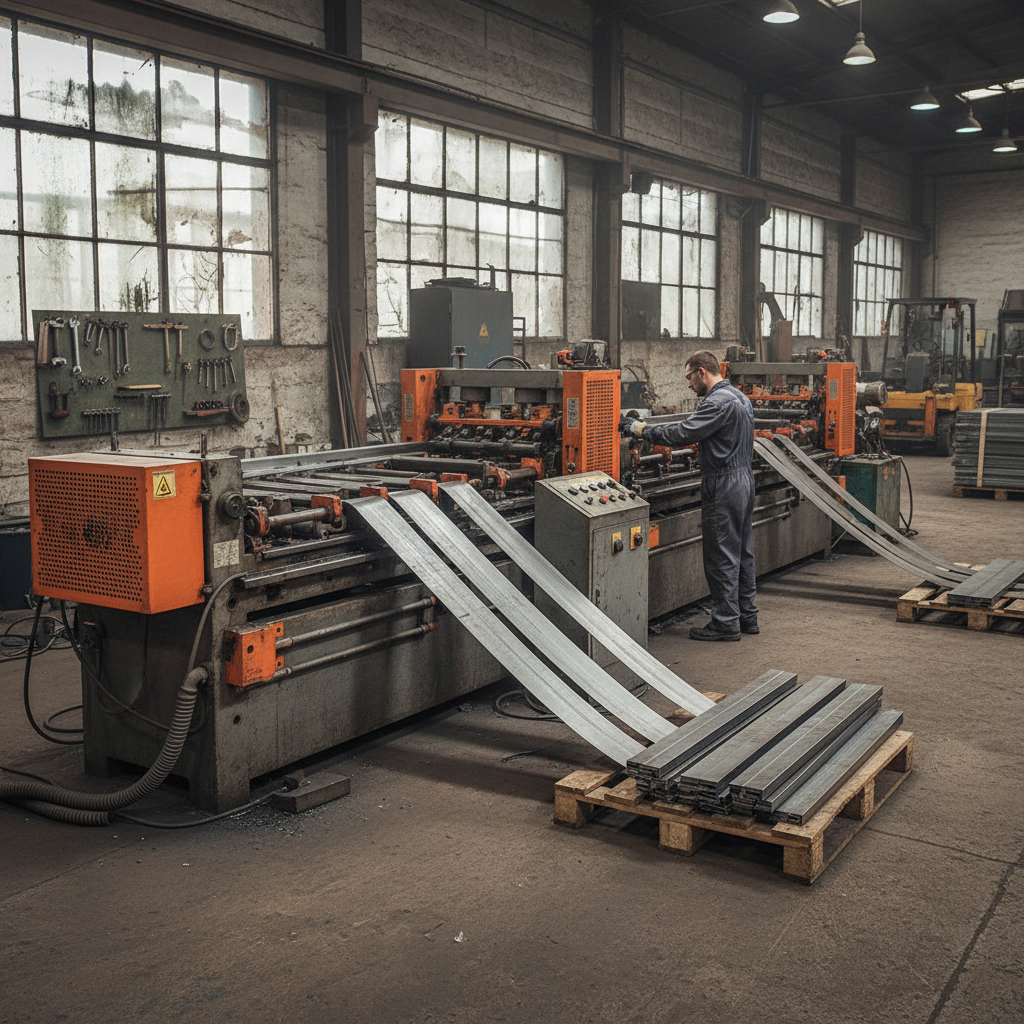
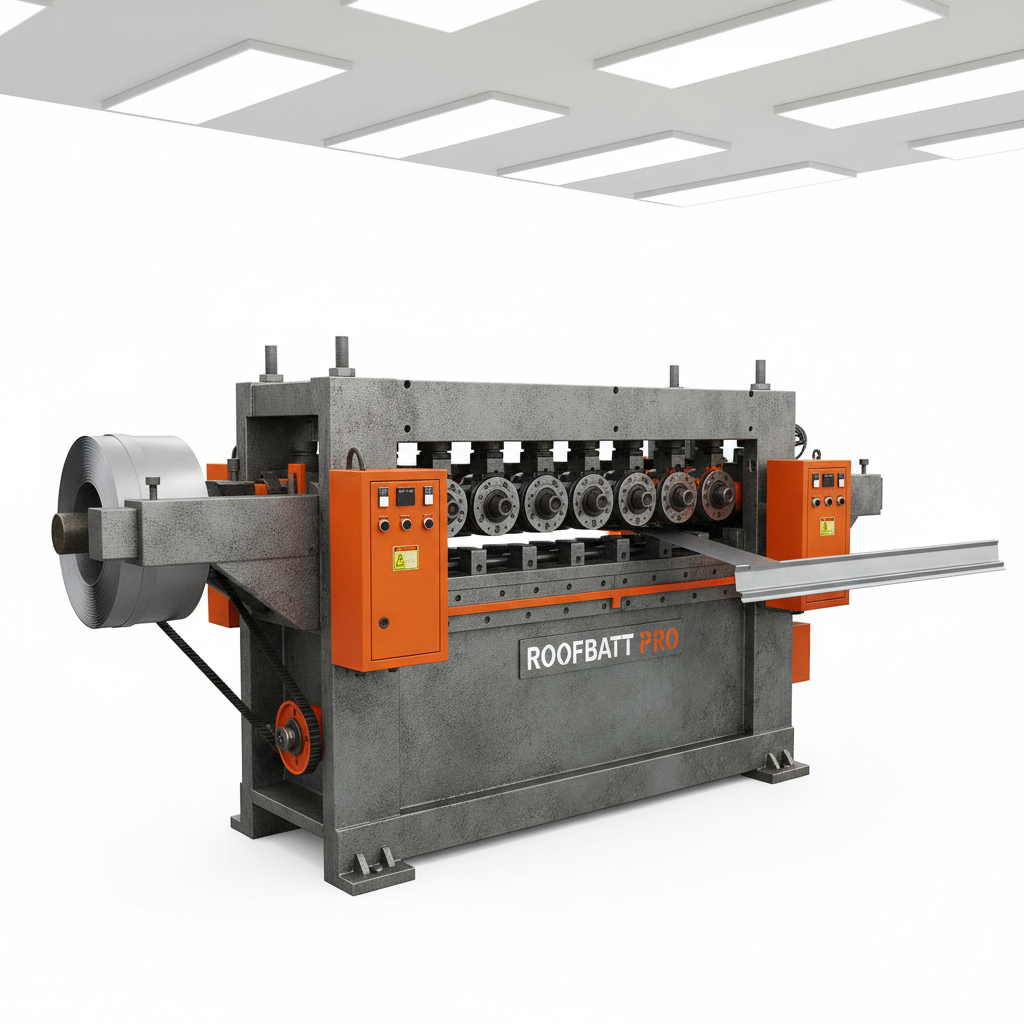
The demand for efficient and reliable fencing solutions is growing globally, driven by increasing infrastructure development, security concerns, and agricultural needs. A fence panel machine addresses this demand by automating the production of high-quality fence panels, reducing labor costs, and increasing output. This technology is crucial for a variety of sectors, from residential construction to large-scale agricultural operations and perimeter security for critical infrastructure.
Modern fence panel machines represent a significant advancement in manufacturing technology. They offer precision, consistency, and the ability to produce a wide range of fence panel designs. The ability to quickly and efficiently produce fencing materials is vital for rapid deployment in various situations, including disaster relief and large construction projects. Investing in a fence panel machine translates to improved project timelines and reduced overall costs.
The importance of durable and secure fencing cannot be overstated. As populations grow and security threats evolve, reliable perimeter protection becomes paramount. A quality fence panel machine empowers businesses and organizations to meet these demands effectively, offering customized solutions tailored to their specific needs.
The Evolution of fence panel machine
The journey of the fence panel machine began with manual fabrication techniques, which were labor-intensive and prone to inconsistencies. Early attempts at automation involved simple mechanical systems, but these lacked the precision and versatility of modern machines. Over time, advancements in roll forming technology, coupled with computer numerical control (CNC) systems, have led to the sophisticated fence panel machine available today.
The introduction of programmable logic controllers (PLCs) and servo motors revolutionized the industry, allowing for greater control over the forming process and the ability to produce a wider variety of fence panel designs. Continuous improvements in material handling, cutting techniques, and quality control systems have further enhanced the efficiency and reliability of these machines, making them an indispensable tool for fence manufacturers worldwide.
Defining a fence panel machine
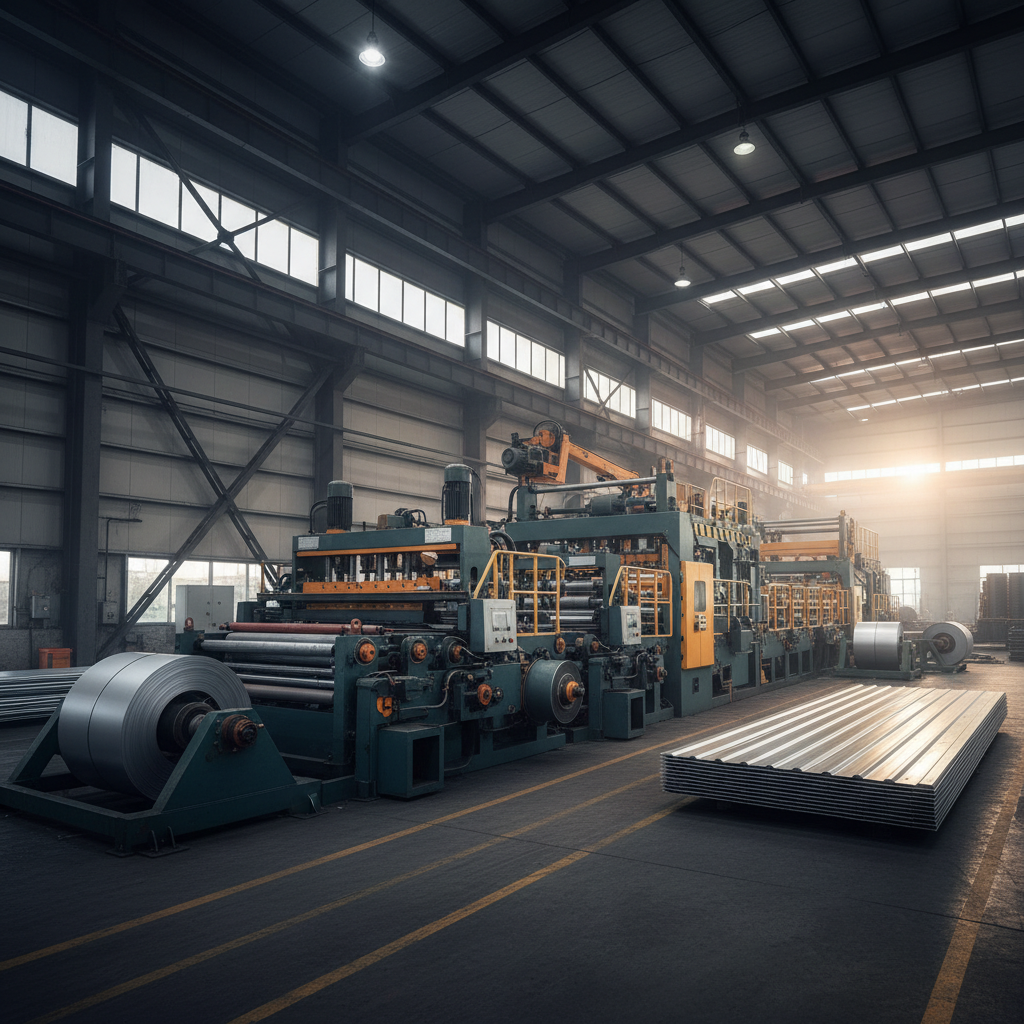
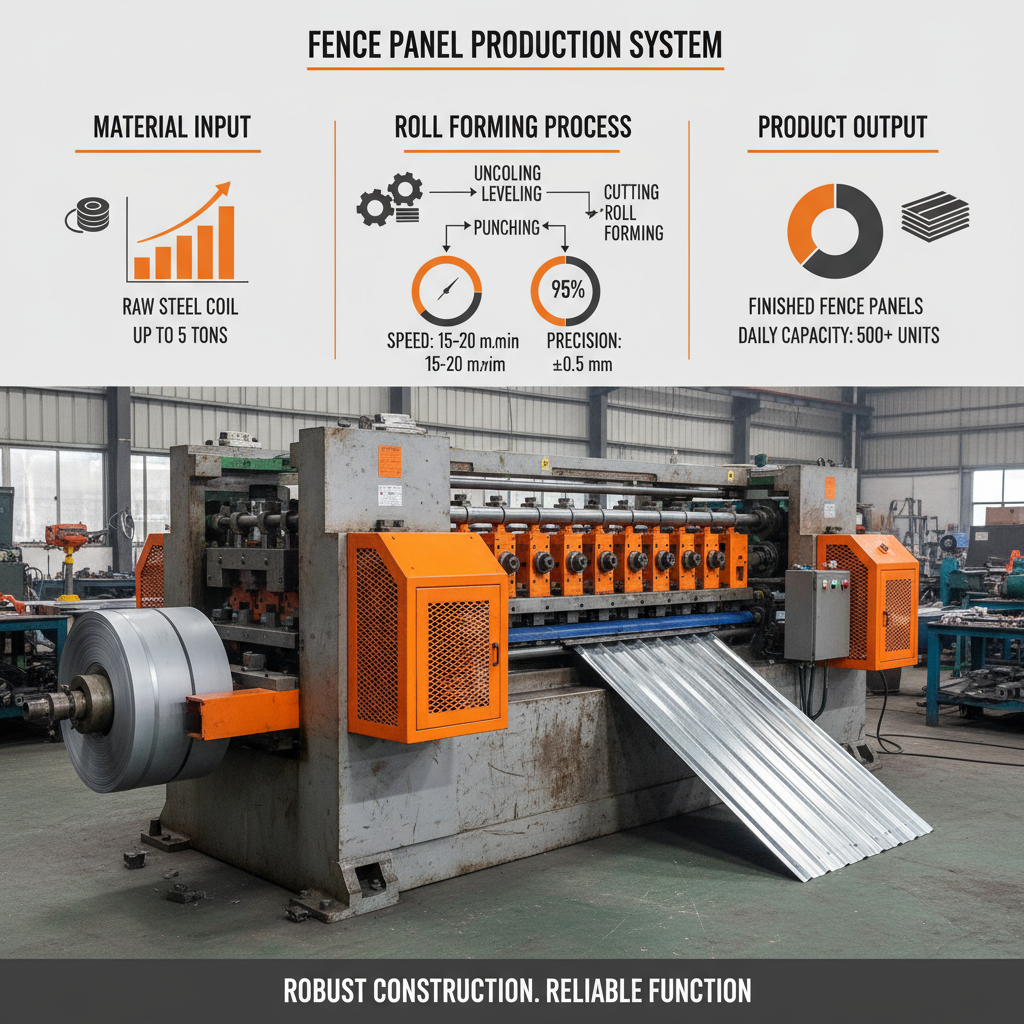
A fence panel machine is an automated system designed to efficiently manufacture fence panels from metal sheets, typically steel or aluminum. The machine utilizes a process called roll forming, where a metal coil is passed through a series of rollers, each shaping the metal incrementally until it achieves the desired profile for the fence panel. These machines automate tasks such as cutting, bending, and sometimes even welding, resulting in a consistent and high-quality finished product.
Fundamentally, a fence panel machine takes raw material and transforms it into a usable fencing product, ready for installation. The automation reduces manual labor, increases production speed, and minimizes material waste. It is a core component in modern fencing manufacturing, serving both large-scale industrial production and smaller, specialized businesses.
This technology is not just about speed; it’s also about precision. Modern fence panel machines can produce panels with intricate designs, varying heights and widths, and different types of finishes, allowing for customization to meet specific customer requirements. They are a cornerstone of efficient fencing solutions globally.
Core Components and Functionality
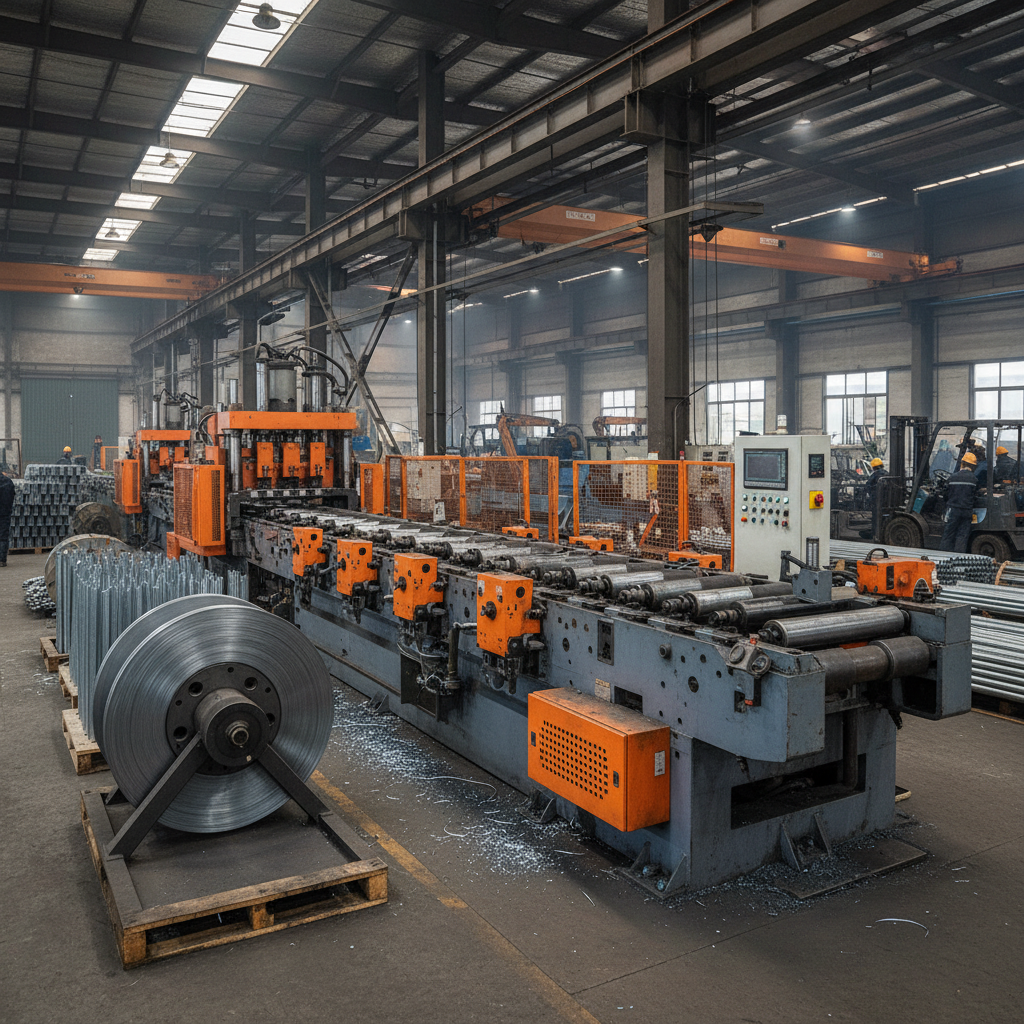
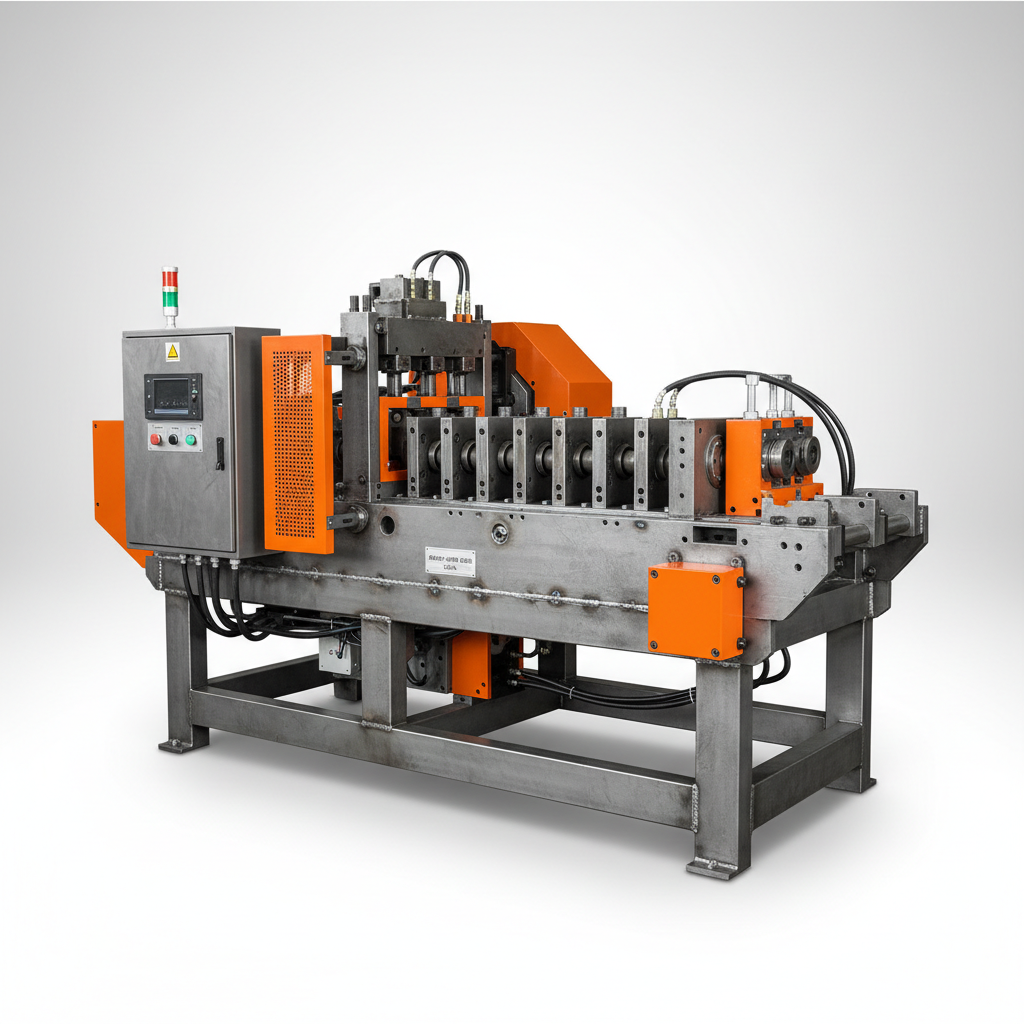
The essential components of a fence panel machine include a decoiler, a leveling unit, roll forming stations, a cutting system, and a stacking or conveying system. The decoiler unwinds the metal coil, while the leveling unit ensures the metal is flat and smooth. The roll forming stations progressively shape the metal into the desired profile. A precise cutting system then cuts the shaped metal into individual fence panels.
The functionality of each component is crucial for overall performance. The leveling unit, for example, prevents inconsistencies in the final product, while the precision of the cutting system directly impacts the accuracy of panel dimensions. Furthermore, modern machines often incorporate automated control systems, allowing for easy adjustments to panel dimensions, profiles, and production speed. A fence panel machine's PLC controls these functions, allowing seamless operation.
Advanced features such as automatic lubrication systems and quick-change tooling further enhance the efficiency and versatility of the machine. These features minimize downtime for maintenance and allow for rapid changeovers between different fence panel designs, catering to diverse market demands. Proper maintenance of these components guarantees longevity and consistent performance.
Performance Metrics of a fence panel machine
Evaluating the performance of a fence panel machine involves considering several key metrics. Production speed, measured in panels per hour, is a primary indicator of efficiency. Material utilization, which reflects the percentage of raw material converted into finished panels, determines cost-effectiveness. Panel accuracy, defined by dimensional tolerances, impacts the quality and fit of the finished product.
Another important metric is machine uptime, which quantifies the percentage of time the machine is operational. Lower uptime translates to lost production and increased costs. Furthermore, the level of automation and the ease of operation contribute significantly to overall productivity and reduce the reliance on highly skilled labor.
fence panel machine Performance Comparison
Global Applications and Industry Impact
The applications of fence panel machine-produced fencing are widespread across numerous industries. Agriculture utilizes fencing for livestock containment and crop protection. Residential construction relies on fencing for property delineation and security. Commercial and industrial sectors employ fencing for perimeter security, access control, and noise reduction.
In post-disaster relief operations, quickly deployable fencing is vital for establishing temporary shelters and securing affected areas. Government agencies utilize fencing for border control, infrastructure protection, and public safety. The demand for fencing is particularly high in regions undergoing rapid urbanization and infrastructure development, such as parts of Asia and Africa.
Advantages and Long-Term Value Proposition
Investing in a fence panel machine offers significant long-term advantages. The reduction in labor costs, increased production capacity, and minimized material waste translate to substantial cost savings. The consistency and quality of machine-produced panels enhance product reliability and customer satisfaction.
Beyond the economic benefits, fence panel machine contribute to sustainability by reducing material waste and energy consumption. The improved security provided by high-quality fencing enhances safety and peace of mind for communities and businesses. The automation fosters innovation and positions businesses for future growth.
Future Trends and Technological Advancements
The future of fence panel machine technology is geared towards greater automation, enhanced connectivity, and increased customization. Integration with Industry 4.0 principles, such as the Internet of Things (IoT) and artificial intelligence (AI), will enable predictive maintenance, remote monitoring, and optimized production processes.
Developments in materials science will lead to the creation of new and improved fencing materials with enhanced durability and corrosion resistance. Sustainable manufacturing practices, such as the use of recycled materials and energy-efficient technologies, will become increasingly important. Furthermore, the integration of 3D printing and other additive manufacturing techniques could revolutionize the production of customized fence panels.
Digital twin technology is also poised to play a role, allowing for virtual simulation and optimization of the fence panel manufacturing process. These advancements promise to deliver even greater efficiency, flexibility, and sustainability in the fencing industry.
FAQS
With proper maintenance and regular servicing, a high-quality fence panel machine can easily operate for 10-15 years or even longer. Key factors impacting lifespan include the quality of components, the frequency of use, and adherence to recommended maintenance schedules. Investing in a robust machine from a reputable manufacturer like LW Roll Forming Machine is crucial for maximizing longevity.
Most fence panel machines are designed to process galvanized steel, aluminum, and sometimes stainless steel. The specific material compatibility depends on the machine's rollers, cutting blades, and control system. It’s essential to specify the materials you intend to use when purchasing a machine to ensure it’s appropriately configured for optimal performance. LW Roll Forming Machine offers machines capable of handling a wide range of materials.
Regular maintenance is crucial for ensuring the smooth operation and longevity of a fence panel machine. This includes daily lubrication of moving parts, periodic inspection of rollers and cutting blades, and regular cleaning of the machine. Preventative maintenance schedules, typically recommended by the manufacturer, should be followed diligently to avoid costly breakdowns and downtime. LW Roll Forming Machine provides comprehensive maintenance guidelines and support.
Production capacity varies depending on the machine’s specifications, panel size, and material thickness. However, a typical machine can produce anywhere from 50 to 150 fence panels per hour. Factors such as automation level, cutting system efficiency, and operator skill also influence output. LW Roll Forming Machine offers machines with varying production capacities to suit different needs.
Modern fence panel machines incorporate several safety features to protect operators. These include emergency stop buttons, safety guards around moving parts, light curtains, and interlocking systems. Adherence to safety protocols and proper training are essential for ensuring a safe working environment. LW Roll Forming Machine prioritizes safety in its machine designs and provides comprehensive safety training.
We offer comprehensive after-sales support, including installation assistance, operator training, technical support, and readily available spare parts. Our team of experienced engineers is available to provide remote or on-site assistance to address any technical issues. We are committed to ensuring our customers maximize the value of their fence panel machine investment.
Conclusion
In conclusion, the fence panel machine has fundamentally transformed the fencing industry, offering a blend of efficiency, precision, and cost-effectiveness. From its evolution from manual processes to its current state of sophisticated automation, this technology continues to address the growing global demand for secure and durable fencing solutions across diverse applications. Investing in these machines isn't just about upgrading production; it's about future-proofing your business.
As we look ahead, the integration of advanced technologies like IoT and AI will further enhance the capabilities of fence panel machine, enabling smarter manufacturing processes and customized solutions. We encourage businesses seeking to optimize their fencing production to explore the benefits of this transformative technology. Visit our website at www.lwrollformingmachine.com to learn more and discover how we can help you meet your fencing needs.