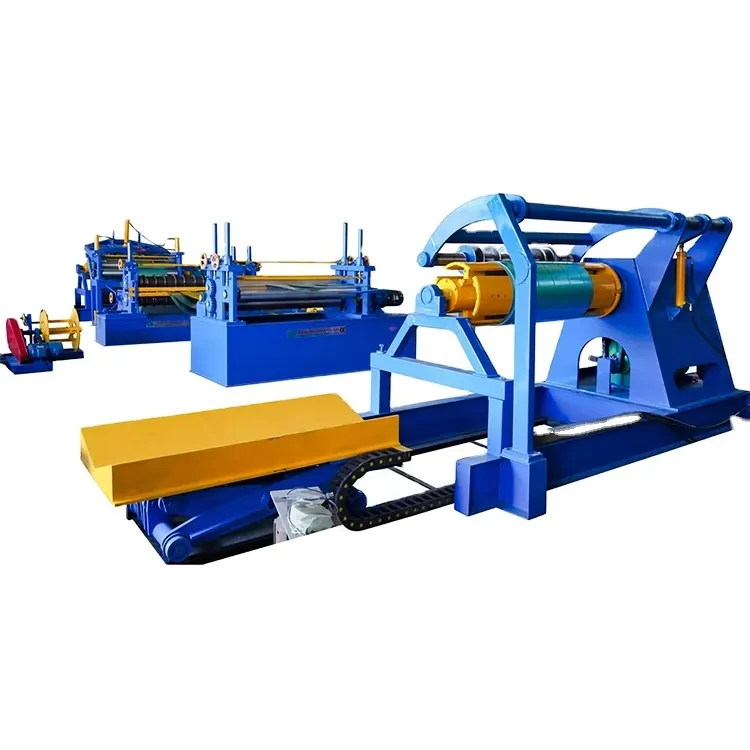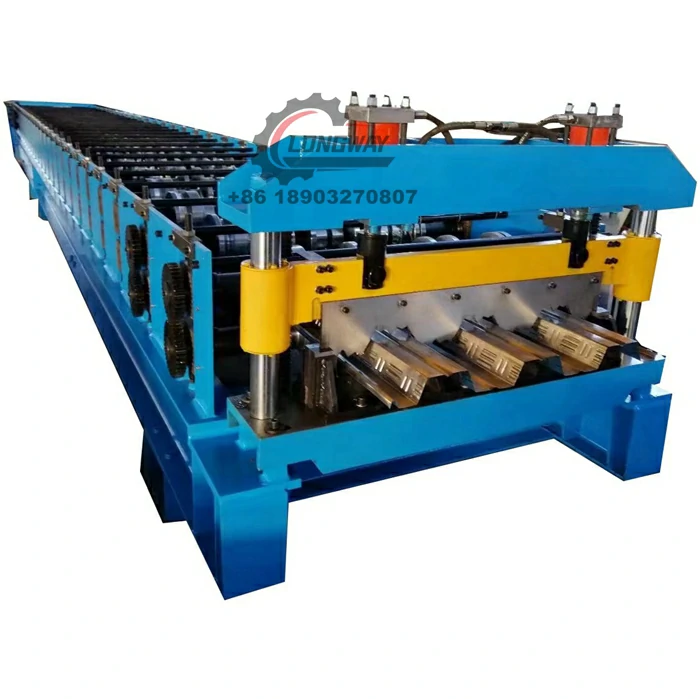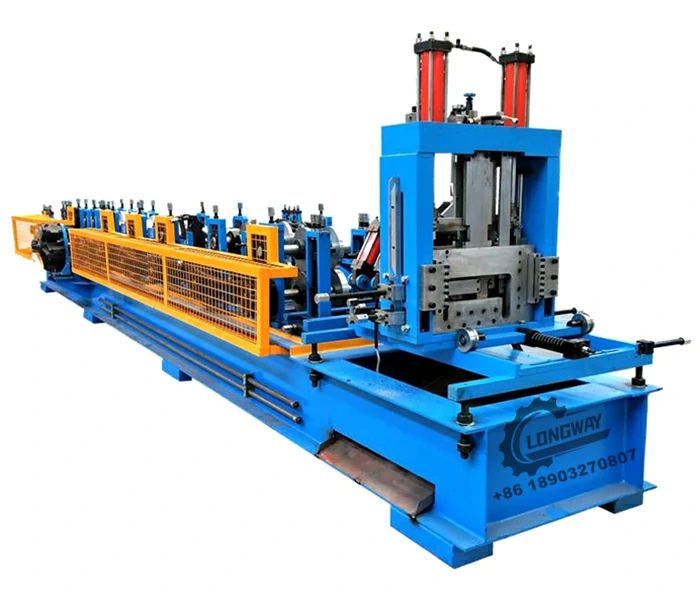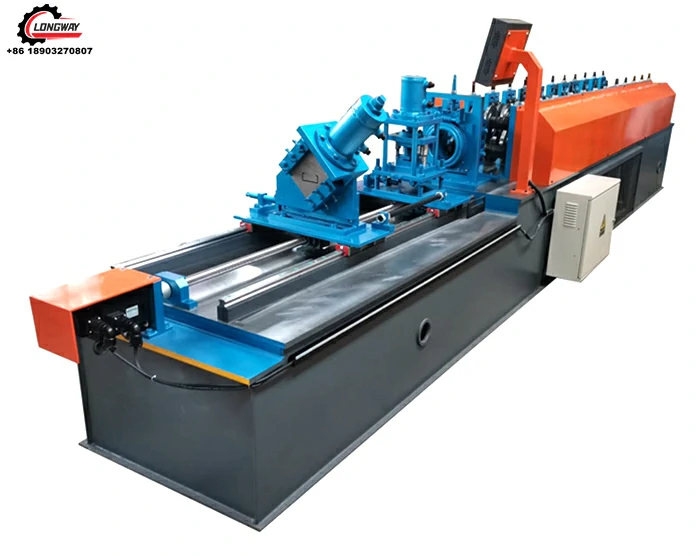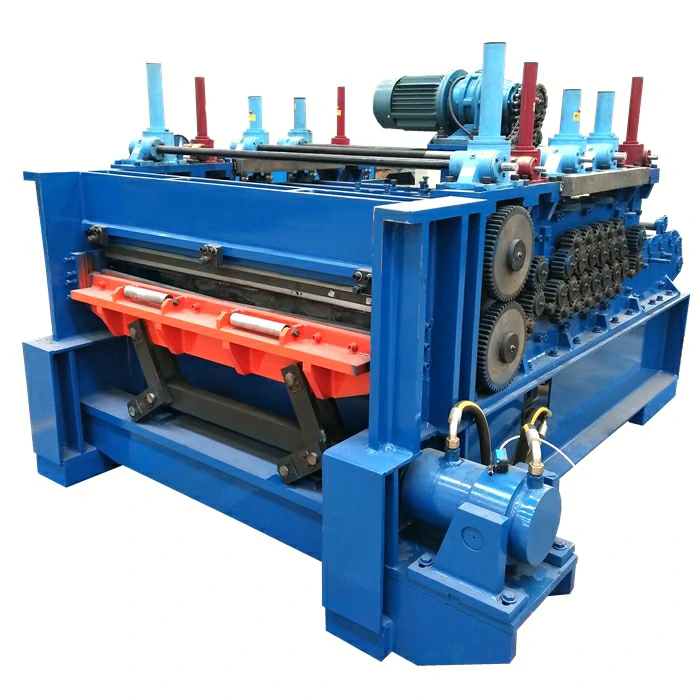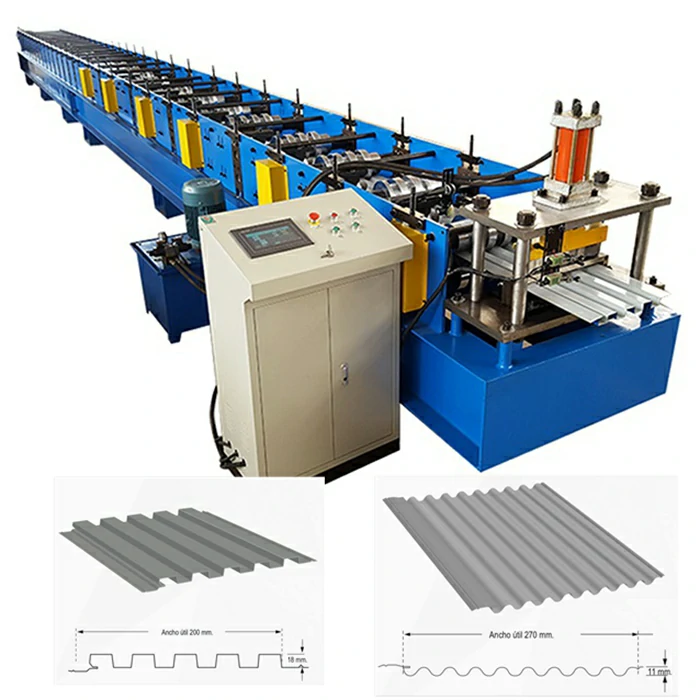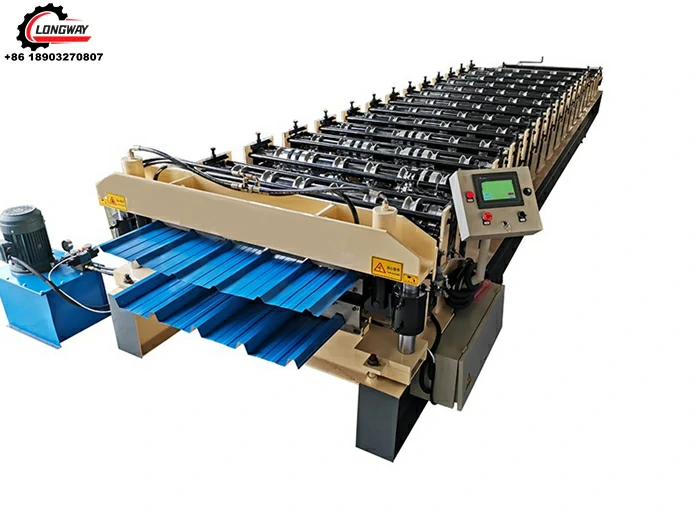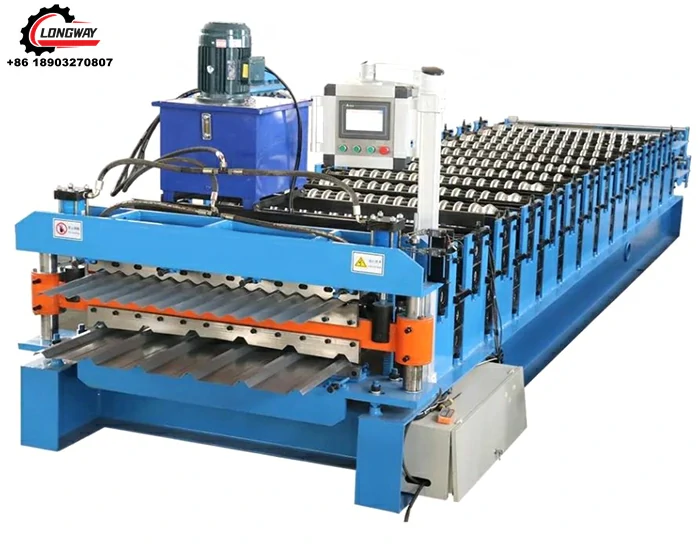
Optimizing Metal Fabrication with a Customized Roll Forming Machine Solution
Customized Roll Forming Machine: Your Guide to Precision Metal Shaping
In the world of metal fabrication, efficiency and precision are paramount. A customized roll forming machine offers a streamlined solution for producing consistent, high-quality metal profiles. This article explores the benefits, applications, customization options, and key considerations when investing in a roll forming machine. Whether you're in construction, automotive, or another industry relying on shaped metal components, understanding roll forming is essential for optimizing your production processes. We’ll dive into how Lw Roll Forming Machine can deliver solutions tailored to your needs.
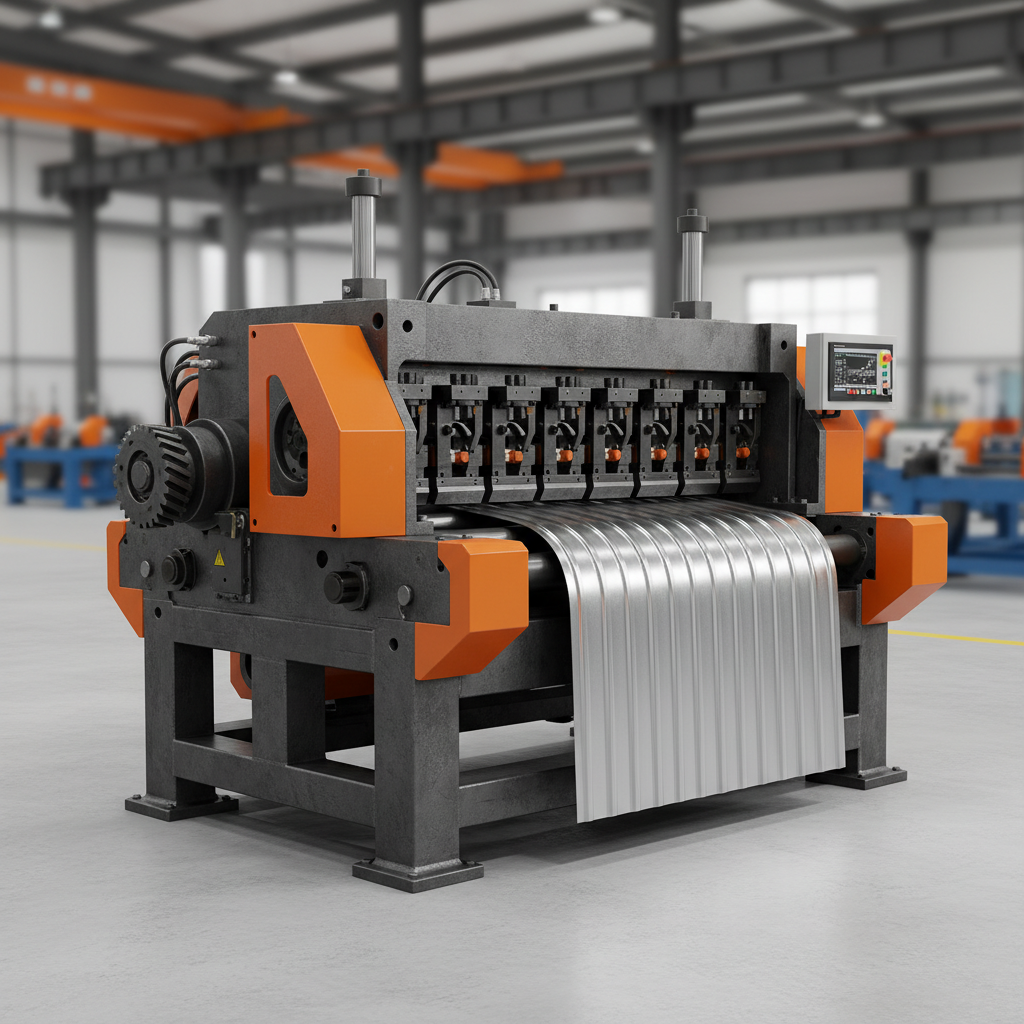
Understanding Roll Forming and Its Advantages
Roll forming is a continuous bending process that uses a series of rollers to progressively shape a flat metal strip into a desired profile. Unlike stamping or other forming methods, roll forming is particularly efficient for long, continuous parts. The key advantages include high production speeds, minimal material waste, and consistent product quality. This makes it ideal for applications requiring large volumes of identical profiles. Furthermore, the process can handle a variety of metal types, including steel, aluminum, and stainless steel. A customized roll forming machine allows you to optimize these benefits for your specific material and profile requirements.
Key Advantages: High production speeds, minimal material waste, consistent product quality, versatility in materials, and cost-effectiveness for large volumes.
Applications of Customized Roll Forming Machines
The applications of roll forming are diverse and span numerous industries. In construction, roll-formed profiles are used extensively for roofing, siding, and structural components. The automotive industry utilizes roll-formed parts for chassis elements, trim, and reinforcements. Other applications include shelving, racking, solar panel frames, and furniture. A customized roll forming machine can be tailored to produce profiles for these and many other specialized applications, providing a competitive edge through precision and efficiency.
Common Industries Served:
• Construction
• Automotive
• Solar Energy
• Furniture
• Manufacturing
Customization Options for Roll Forming Machines
The true power of a roll forming machine lies in its ability to be customized. Lw Roll Forming Machine offers a wide range of customization options to meet your specific production needs. These include the number of rollers, roller material, machine speed, and automation features. We can also integrate features such as cut-to-length systems, stacking devices, and in-line quality control systems. The complexity of the profile you need to produce will determine the level of customization required. A detailed consultation with our engineering team will ensure the machine is perfectly tailored to your specifications.
Choosing the Right Roll Forming Machine: Key Considerations
Selecting the appropriate roll forming machine requires careful consideration of several factors. Your production volume, the complexity of the profile, the material type, and your budget are all critical. It's also important to consider the level of automation required and the available floor space. Lw Roll Forming Machine provides expert guidance throughout the selection process, helping you choose a machine that aligns with your specific needs and goals. Proper planning and a thorough understanding of your requirements will ensure a successful investment.
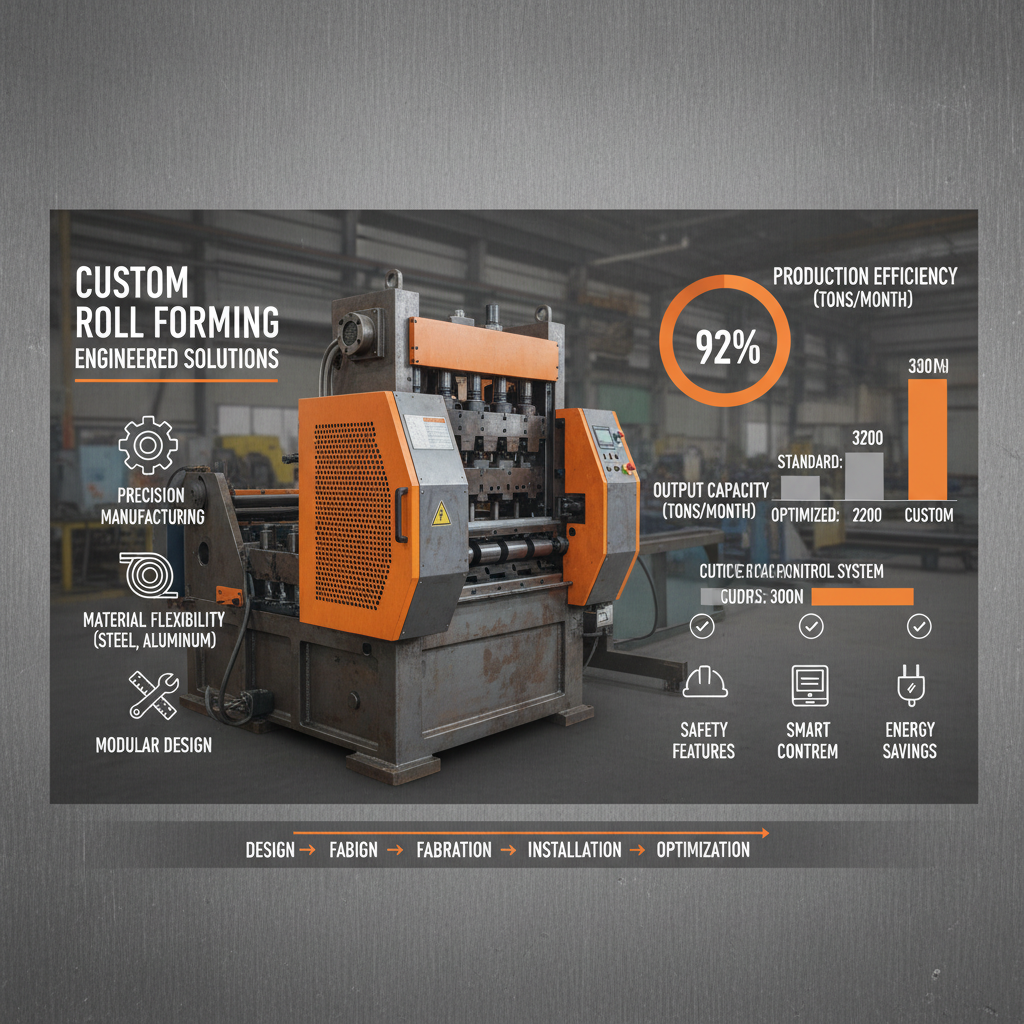
Maintenance and Support for Long-Term Performance
To ensure the longevity and optimal performance of your customized roll forming machine, regular maintenance is crucial. This includes lubricating moving parts, inspecting rollers for wear, and cleaning the machine thoroughly. Lw Roll Forming Machine provides comprehensive after-sales support, including maintenance schedules, spare parts availability, and technical assistance. Our team is dedicated to ensuring your machine operates efficiently and reliably for years to come.
Conclusion: Investing in Precision and Efficiency
A customized roll forming machine is a significant investment that can transform your metal fabrication processes. By choosing the right machine and partnering with a reliable supplier like Lw Roll Forming Machine, you can achieve greater precision, efficiency, and cost savings. Don’t compromise on quality – invest in a roll forming solution that empowers your business to thrive.
Frequently Asked Questions (FAQs)
What is the typical lead time for a customized roll forming machine?
The lead time for a customized roll forming machine varies depending on the complexity of the design and our current workload. Generally, it ranges from 8 to 16 weeks from the date of order confirmation and receipt of the required design specifications. We strive to provide accurate lead time estimates during the quotation process and maintain open communication throughout the manufacturing process to keep you informed of the progress. Factors such as material sourcing and the availability of specialized components can also impact the timeline.
What types of metal can be processed with a roll forming machine?
Roll forming machines are incredibly versatile and can process a wide range of metals, including carbon steel, stainless steel, galvanized steel, aluminum, and copper. The choice of metal will depend on the specific application and the desired properties of the finished product. We can advise you on the optimal material selection based on your requirements and ensure the machine is configured to handle it effectively. Different metal types may require different roller materials and processing parameters.
What level of technical support is provided after purchase?
We offer comprehensive technical support after purchase, including installation assistance, operator training, maintenance schedules, and troubleshooting guidance. Our team of experienced engineers is available to provide remote support and, if necessary, on-site assistance. We also maintain a readily available inventory of spare parts to minimize downtime. Our commitment to customer satisfaction extends beyond the sale, ensuring your machine operates at peak performance throughout its lifespan.
What safety features are incorporated into your roll forming machines?
Safety is paramount in the design of our roll forming machines. We incorporate numerous safety features, including emergency stop buttons, safety guards, light curtains, and overload protection systems. The machines are designed to comply with relevant safety standards and regulations. We also provide comprehensive safety training to operators to ensure they understand and follow safe operating procedures. A thorough risk assessment is conducted during the customization process to identify and mitigate potential hazards.
-
High Precision Customized Z Purlin Roll Forming Machine GuideNewsApr.16, 2026
-
High Precision customized steel structure floor deck roll forming machineNewsApr.09, 2026
-
Comprehensive Guide to Customized Roof Tile Roll Forming Machine SolutionsNewsApr.07, 2026
-
Comprehensive Guide to Customized Profile Roll Forming Machine SolutionsNewsMar.31, 2026
-
Customized Light Steel Keel Roll Forming Machine Solutions and ApplicationsNewsMar.28, 2026
-
Optimized Production with a Customized Double Layer Roll Forming Machine SolutionNewsMar.26, 2026
-
Revolutionizing Door Frame Production with a Customized Roll Forming MachineNewsMar.24, 2026