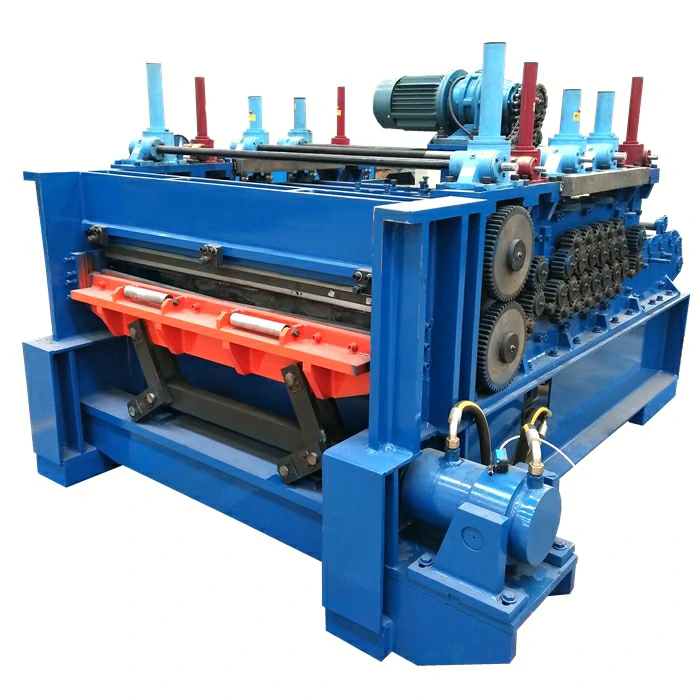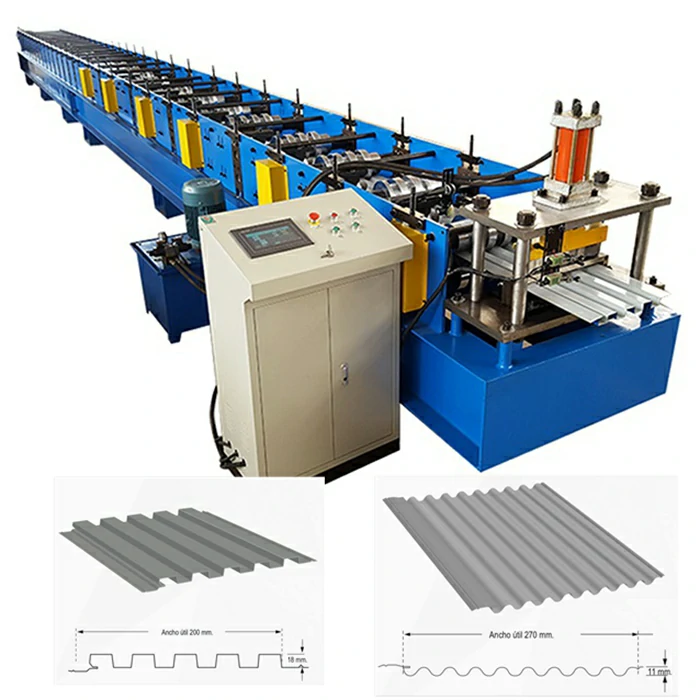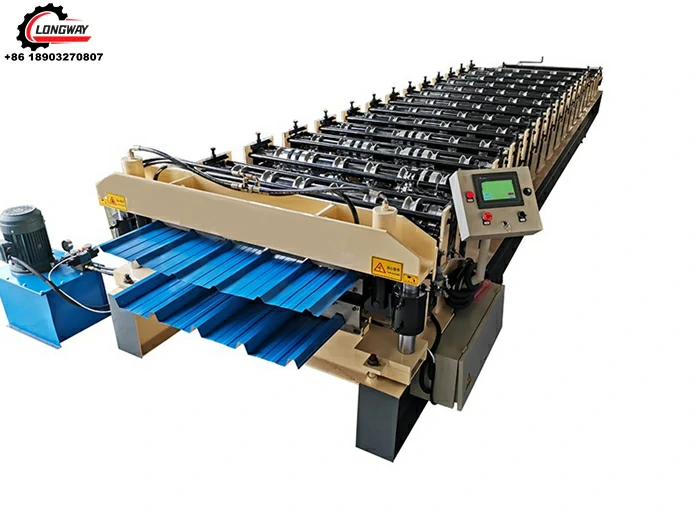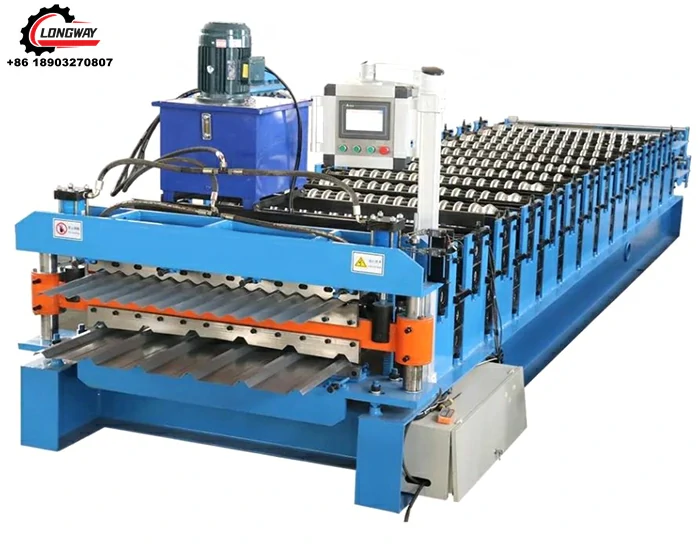
Investing in a Quality Corrugated Roll Forming Machine Factory for Optimal Results
Investing in Quality: A Guide to Corrugated Roll Forming Machine Factories
When sourcing a corrugated roll forming machine, choosing the right factory is critical for ensuring quality, reliability, and cost-effectiveness. The manufacturing process of corrugated sheets demands precision engineering, and partnering with a reputable corrugated roll forming machine factory is paramount. This article provides an in-depth look at the key considerations when selecting a manufacturer, the benefits of working with a specialized factory, and what to expect throughout the process. We aim to equip you with the knowledge to make an informed decision and secure a machine that meets your specific production needs.
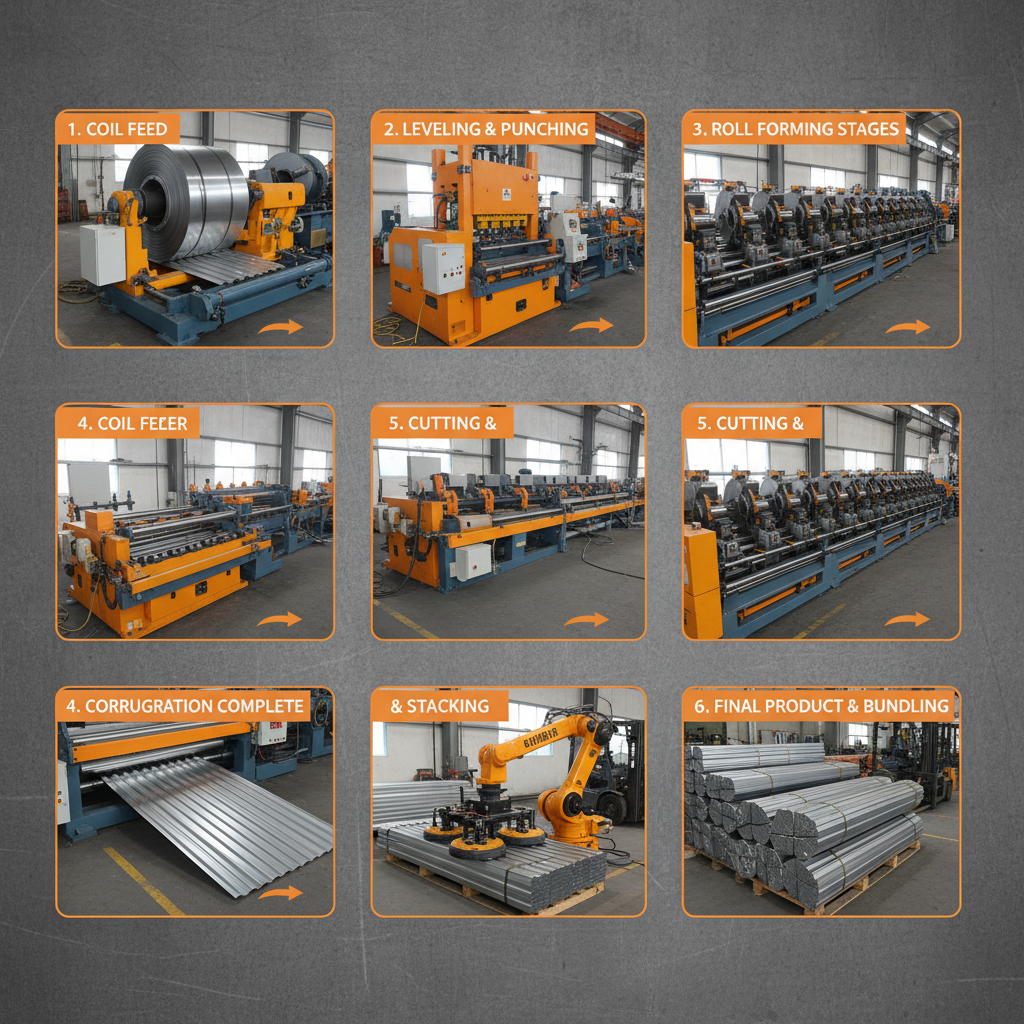
What to Look For in a Corrugated Roll Forming Machine Factory
A reliable corrugated roll forming machine factory possesses several key attributes. Firstly, extensive experience in roll forming technology is essential. Look for a factory with a proven track record and a portfolio of successful projects. Secondly, advanced manufacturing capabilities, including CNC machining, welding, and assembly, are crucial for producing high-quality machines. Thirdly, a robust quality control system ensures that every machine meets stringent standards. Finally, excellent after-sales service, including installation, training, and technical support, is vital for maximizing your investment. A dedicated team and efficient communication channels are also hallmarks of a reputable factory.
Key Attributes: Experience in roll forming, advanced manufacturing capabilities, robust quality control, excellent after-sales service, and efficient communication.
Benefits of Partnering with a Specialized Factory
Opting for a factory specializing in corrugated roll forming machines offers distinct advantages over general metal fabrication shops. A specialized factory possesses in-depth knowledge of the specific challenges and requirements of this industry. They understand the nuances of roll tool design, material selection, and machine calibration for optimal performance. This expertise translates into machines that are more efficient, reliable, and capable of producing consistent, high-quality corrugated sheets. Furthermore, a specialized factory is more likely to invest in the latest technologies and employ skilled technicians with specialized training. LW Roll Forming Machine is dedicated to providing only the best.
Specialization Advantages:
• In-depth industry knowledge
• Optimized roll tool design
• Higher efficiency and reliability
• Investment in advanced technology
Corrugated Roll Forming Machine Features and Specifications
Understanding the key features and specifications of a corrugated roll forming machine is vital when selecting a factory. These specifications will influence the machine's capabilities and suitability for your specific applications. Key considerations include the sheet thickness, the coil width, the forming speed, the number of forming stations, and the type of corrugated profile. The machine should be able to handle the material grades you intend to use and produce sheets with the required dimensions and tolerances. A reputable factory will provide detailed specifications and be able to customize the machine to meet your unique needs.
Quality Control and Certification
A commitment to quality control is paramount. The corrugated roll forming machine factory should have a rigorous quality control system in place, encompassing every stage of the manufacturing process, from raw material inspection to final machine testing. Certifications like ISO 9001 demonstrate a commitment to quality management systems. Ask about the factory's quality control procedures and request documentation of testing results. Proper calibration of the roll forming tools is also vital to ensure accurate and consistent production.
The Importance of After-Sales Service
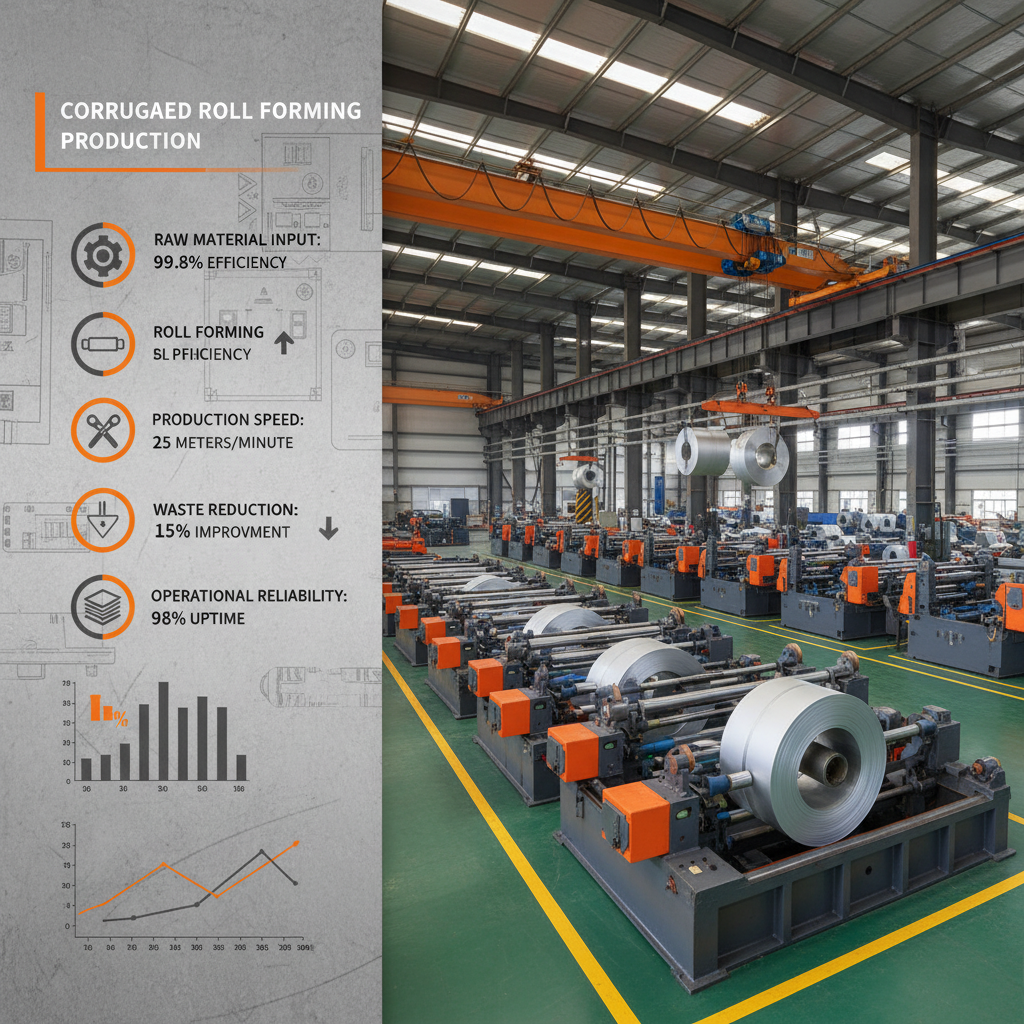
The relationship with the factory shouldn’t end with the delivery of the machine. Comprehensive after-sales service is essential for ensuring long-term performance and minimizing downtime. This includes installation support, operator training, readily available spare parts, and prompt technical assistance. A factory that offers remote diagnostic capabilities and on-site service is particularly valuable. Before making a decision, inquire about the factory’s service network and response times. LW Roll Forming Machine provides continuous support to all our clients.
Conclusion: Choosing the Right Partner for Success
Selecting the right corrugated roll forming machine factory is a critical decision that impacts the efficiency, quality, and profitability of your production process. By considering the factors outlined in this article, you can identify a partner that delivers reliable machines, exceptional service, and long-term value. Don’t hesitate to request detailed information, visit the factory if possible, and ask questions to ensure a successful partnership.
Frequently Asked Questions (FAQs)
What is the typical lead time for a custom corrugated roll forming machine?
The lead time varies depending on the complexity of the machine and the factory's current workload. Generally, it takes between 8 to 16 weeks for a custom-designed machine, from order confirmation to shipment. This includes the time for design, roll tool fabrication, machine assembly, testing, and quality control. It’s important to discuss the project requirements and establish a realistic timeline with the factory upfront. Factors like material availability and specific customization requests can also affect the lead time.
What type of steel is commonly used for roll forming tools?
Typically, high-quality tool steel, such as D2 or Cr12, is used for roll forming tools. These steels possess excellent hardness, wear resistance, and toughness, ensuring long-lasting performance and accurate forming. The specific steel grade chosen depends on the material being formed and the production volume. The factory should be able to advise on the most suitable material for your application. Heat treatment processes are also critical for achieving the desired hardness and durability.
What kind of maintenance is required for a corrugated roll forming machine?
Regular maintenance is essential for ensuring optimal performance and extending the life of the machine. This includes lubricating moving parts, inspecting and replacing worn components, cleaning the machine, and calibrating the roll forming tools. The factory should provide a detailed maintenance schedule and training on proper maintenance procedures. Regular preventative maintenance can significantly reduce downtime and prevent costly repairs.
What safety features should I look for in a corrugated roll forming machine?
Safety is paramount. Essential safety features include emergency stop buttons, safety guards around moving parts, overload protection, and a proper electrical grounding system. The machine should comply with relevant safety standards and regulations. Operator training on safe operating procedures is also critical. A reputable factory will prioritize safety in the machine design and provide comprehensive safety documentation.
-
High Precision Customized Z Purlin Roll Forming Machine GuideNewsApr.16, 2026
-
High Precision customized steel structure floor deck roll forming machineNewsApr.09, 2026
-
Comprehensive Guide to Customized Roof Tile Roll Forming Machine SolutionsNewsApr.07, 2026
-
Optimizing Metal Fabrication with a Customized Roll Forming Machine SolutionNewsApr.04, 2026
-
Comprehensive Guide to Customized Profile Roll Forming Machine SolutionsNewsMar.31, 2026
-
Customized Light Steel Keel Roll Forming Machine Solutions and ApplicationsNewsMar.28, 2026
-
Optimized Production with a Customized Double Layer Roll Forming Machine SolutionNewsMar.26, 2026