Revolutionizing Door Frame Production with a Customized Roll Forming Machine
Customized Door Frame Roll Forming Machine: A Comprehensive Guide
Are you looking for a reliable and efficient solution to produce high-quality door frames? A customized door frame roll forming machine can revolutionize your manufacturing process, offering precision, speed, and cost-effectiveness. This article will provide a detailed overview of these machines, covering their benefits, components, customization options, and key considerations for choosing the right system for your needs. We'll explore how investing in a tailored roll forming solution can significantly enhance your production capabilities and market competitiveness.
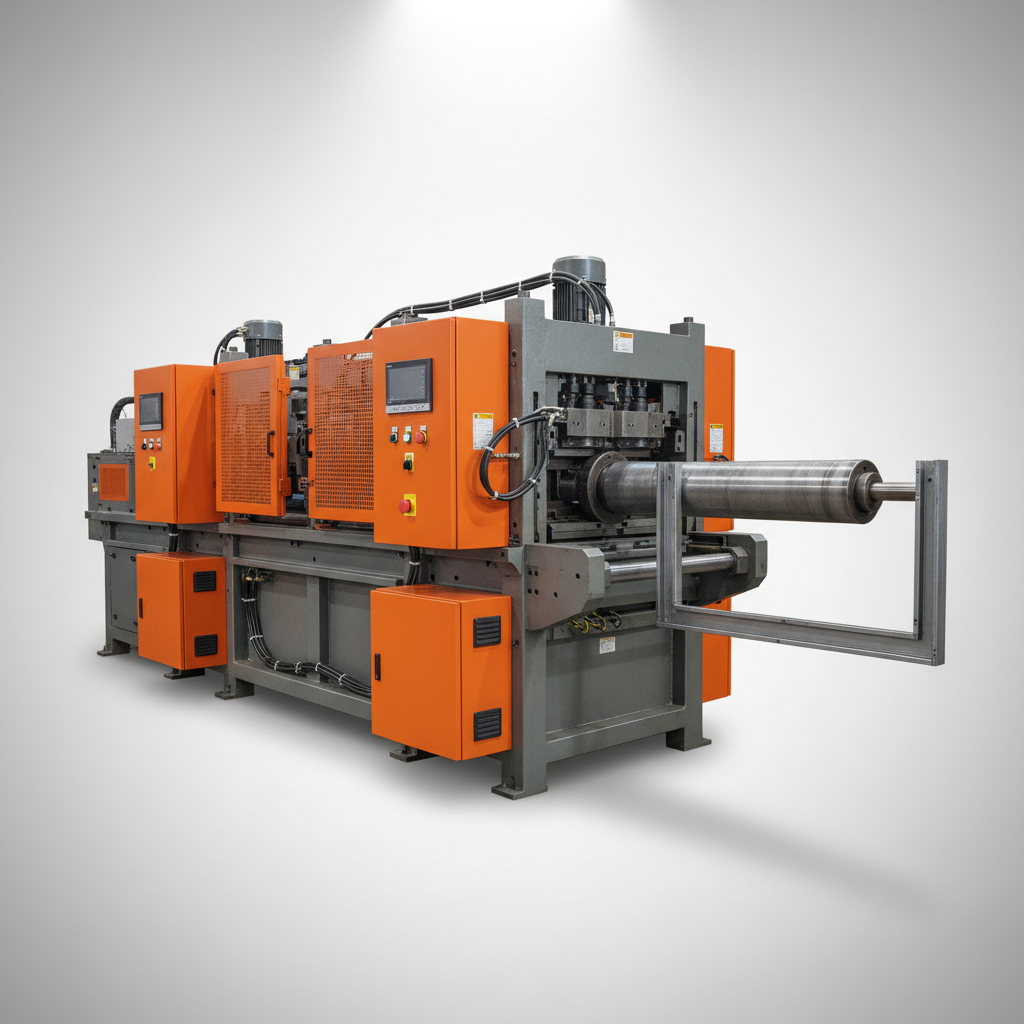
Understanding Door Frame Roll Forming Machines
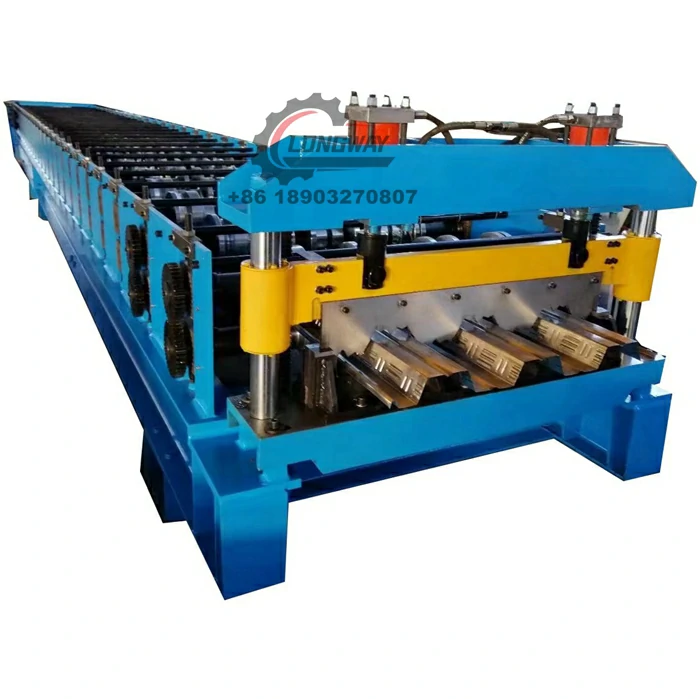
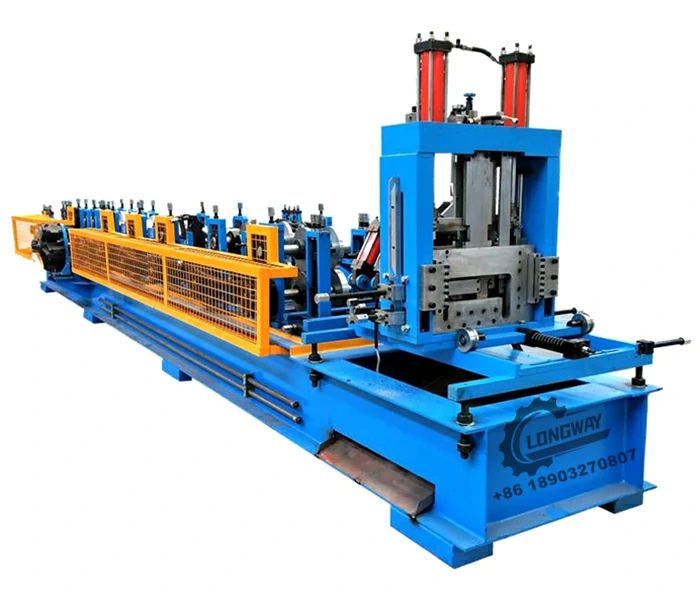
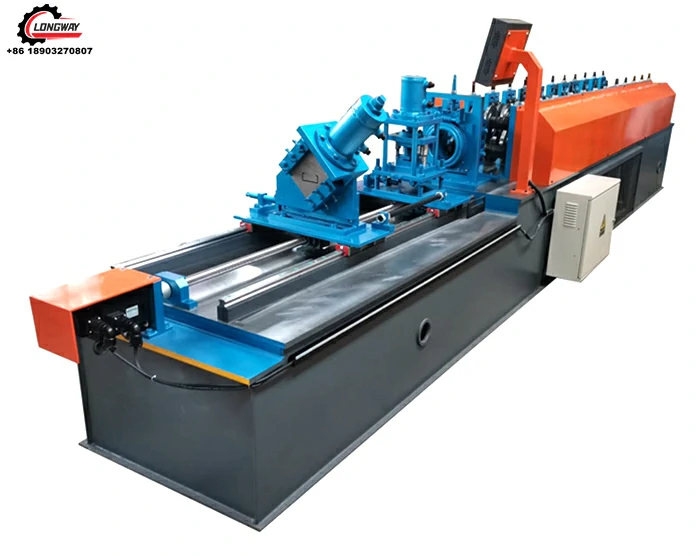
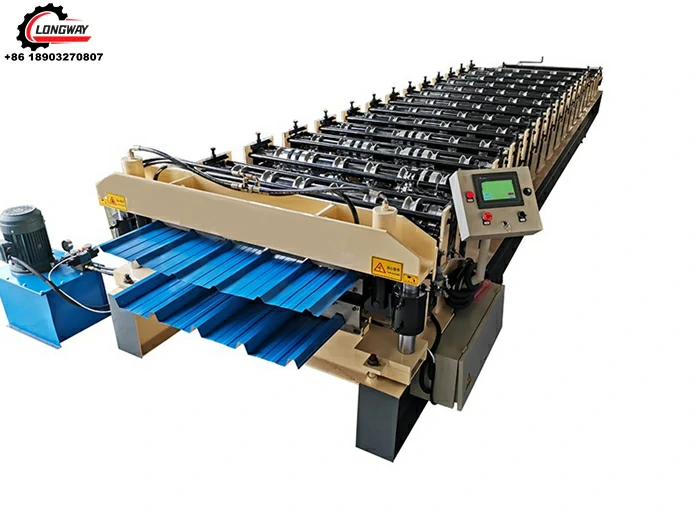
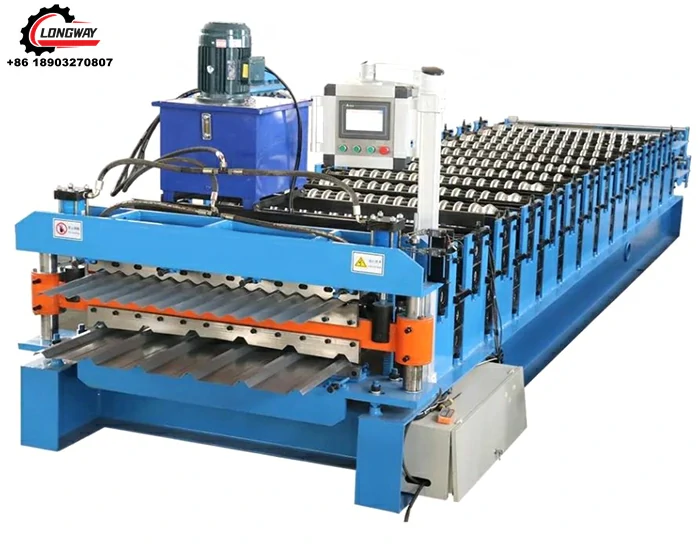
Door frame roll forming machines are specialized equipment designed to continuously bend sheet metal into the desired shape of a door frame. Unlike traditional methods like welding or manual bending, roll forming offers unparalleled precision and consistency. The process involves passing the metal sheet through a series of rollers, each incrementally shaping the material until the final profile is achieved. This results in smooth, accurate door frames with minimal material waste. The efficiency of these machines significantly reduces labor costs and increases production output. A high-quality roll forming machine can be a game-changer for businesses in the construction and door manufacturing industries.
Key Benefits: Increased production speed, reduced labor costs, consistent quality, minimal material waste, and the ability to create complex profiles.
Why Choose a Customized Door Frame Roll Forming Machine?
While standard roll forming machines are available, a customized door frame roll forming machine offers significant advantages. Door frame designs vary widely in terms of dimensions, profiles, and material thickness. A customized machine is tailored to your specific requirements, ensuring optimal performance and product quality. This customization can involve adjusting the number and shape of the rollers, modifying the machine's speed and power, and integrating specific cutting and punching mechanisms. By precisely matching the machine to your production needs, you can maximize efficiency and minimize the risk of defects. It allows manufacturers to cater to diverse market demands and offer specialized door frame solutions.
Customization Benefits:
• Precise fit for your specific door frame profile.
• Optimized production speed and efficiency.
• Reduced material waste and production costs.
• Enhanced product quality and consistency.
Key Components of a Door Frame Roll Forming Machine
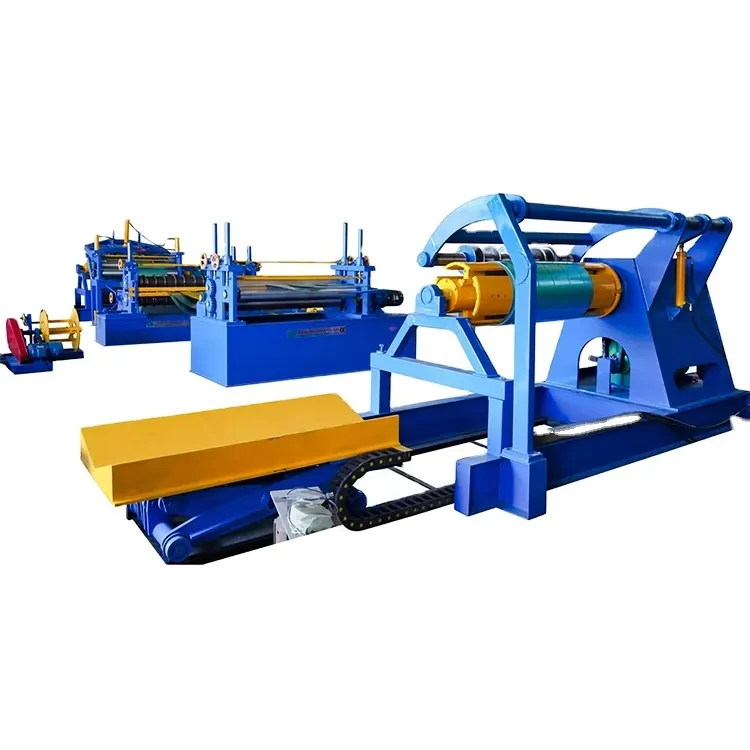
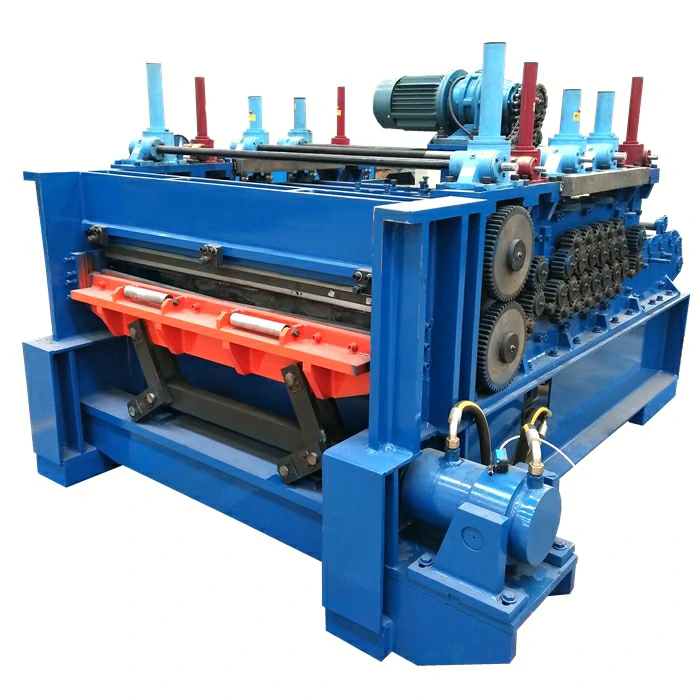
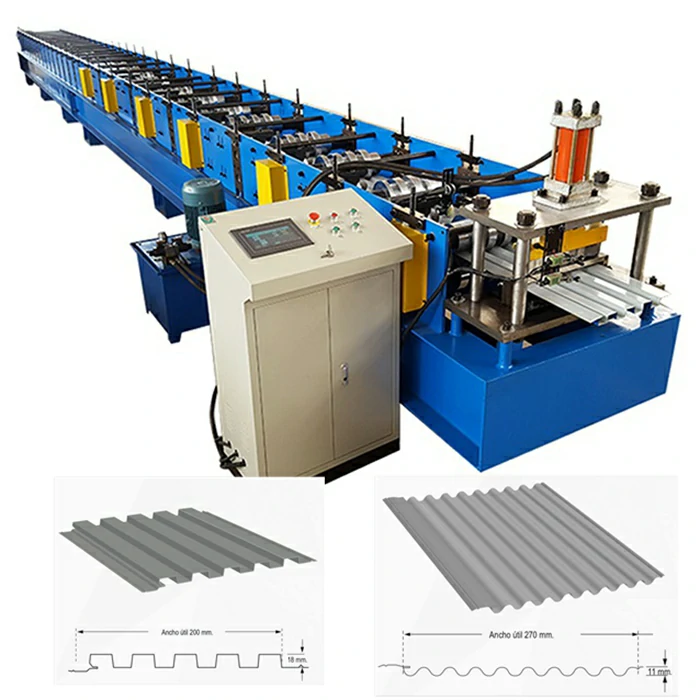
A typical door frame roll forming machine consists of several key components. These include an uncoiler, which holds and feeds the metal coil; a leveling unit, which ensures the material is flat; a roll forming section, containing the series of rollers that shape the metal; a cutting system, which precisely cuts the finished profile to length; and a stacking system, which automatically stacks the completed door frames. Additional components, such as punching and embossing units, can be added for further customization. The quality and precision of these components directly impact the overall performance and reliability of the machine.
Customized Roll Forming Machine vs. Traditional Methods: A Comparison
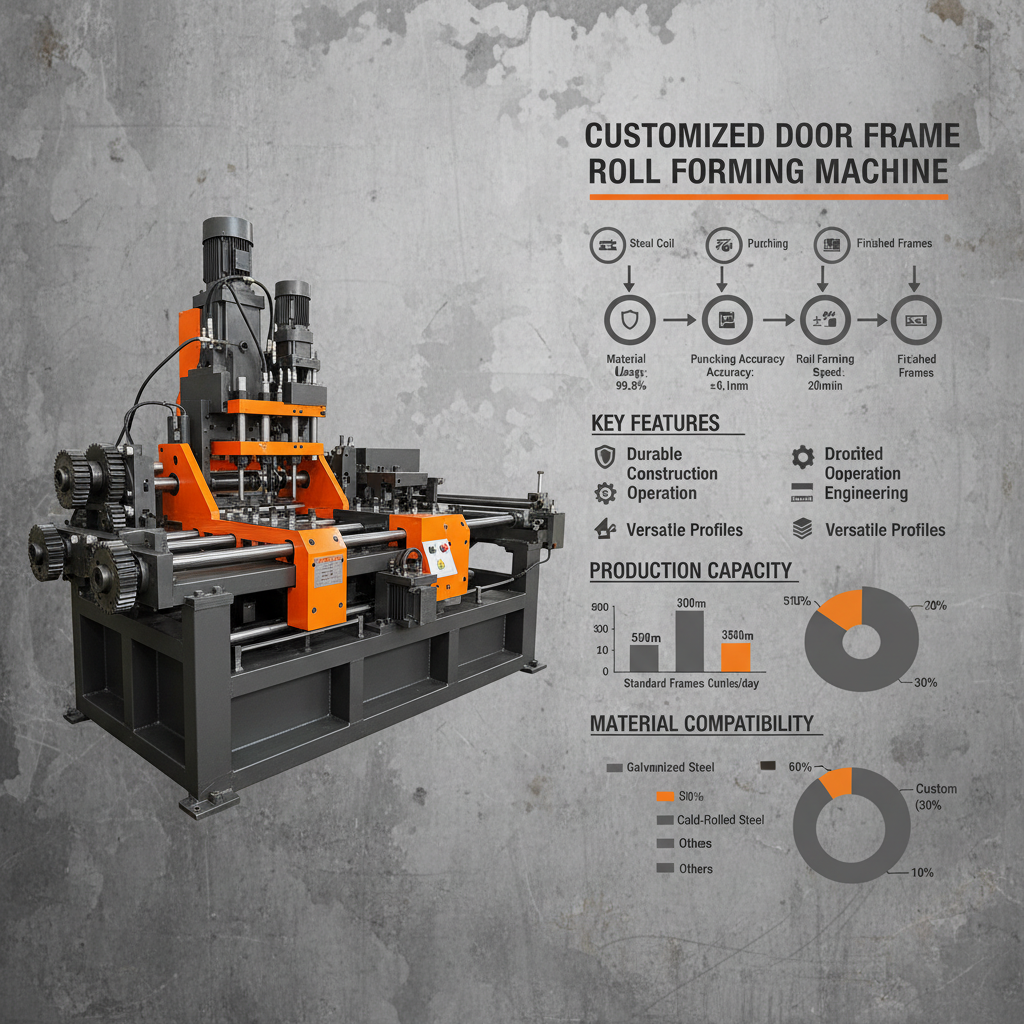
Comparing customized roll forming to traditional door frame manufacturing methods reveals significant advantages in terms of efficiency, cost, and quality. Welding, for example, requires skilled labor, is prone to inconsistencies, and generates significant material waste. Manual bending is time-consuming and often results in inaccuracies. Roll forming, especially when customized, eliminates these drawbacks. The following table highlights the key differences:
Choosing the Right Supplier: LW Roll Forming Machine
Selecting a reputable supplier is crucial for ensuring you receive a high-quality, customized door frame roll forming machine. LW Roll Forming Machine specializes in designing and manufacturing tailored roll forming solutions for a wide range of applications, including door frame production. We offer comprehensive services, from initial consultation and design to machine installation and ongoing support. Our team of experienced engineers works closely with clients to understand their specific needs and develop a machine that meets their exact requirements. We are committed to delivering reliable, efficient, and cost-effective solutions that enhance your manufacturing capabilities.
Conclusion: Elevate Your Door Frame Production with Custom Roll Forming
Investing in a customized door frame roll forming machine from LW Roll Forming Machine is a strategic decision that can significantly improve your production efficiency, product quality, and overall profitability. We are dedicated to providing innovative and reliable solutions that meet the unique needs of our clients. Contact us today to discuss your requirements and discover how we can help you optimize your door frame manufacturing process.
Frequently Asked Questions (FAQs)
What materials can be used with a door frame roll forming machine?
Door frame roll forming machines are versatile and can handle a wide range of materials, including galvanized steel, stainless steel, aluminum, and even some types of plastic. The choice of material depends on the application and desired properties of the door frame, such as strength, corrosion resistance, and aesthetic appearance. LW Roll Forming Machine can customize the machine to accommodate your preferred material and thickness.
What is the typical lead time for a customized machine?
The lead time for a customized door frame roll forming machine varies depending on the complexity of the design and current production schedule. Typically, it ranges from 8 to 16 weeks from the date of order confirmation and deposit payment. LW Roll Forming Machine provides a detailed timeline during the quotation process, ensuring transparency and clear communication.
Does LW Roll Forming Machine offer installation and training services?
Yes, LW Roll Forming Machine provides comprehensive installation and training services to ensure a smooth and efficient startup. Our experienced technicians can install the machine at your facility and provide thorough training to your operators on its operation, maintenance, and troubleshooting. We also offer ongoing technical support to address any questions or concerns you may have.
What is the power requirement for these machines?
The power requirement for a door frame roll forming machine depends on its size and capabilities. Generally, machines require a 380V/50Hz (or 220V/60Hz) three-phase power supply. The specific amperage will vary, and this information is provided in the machine's technical specifications. It's crucial to ensure your facility has the appropriate electrical infrastructure to support the machine's power needs.
-
High Precision Customized Z Purlin Roll Forming Machine GuideNewsApr.16, 2026
-
High Precision customized steel structure floor deck roll forming machineNewsApr.09, 2026
-
Comprehensive Guide to Customized Roof Tile Roll Forming Machine SolutionsNewsApr.07, 2026
-
Optimizing Metal Fabrication with a Customized Roll Forming Machine SolutionNewsApr.04, 2026
-
Comprehensive Guide to Customized Profile Roll Forming Machine SolutionsNewsMar.31, 2026
-
Customized Light Steel Keel Roll Forming Machine Solutions and ApplicationsNewsMar.28, 2026
-
Optimized Production with a Customized Double Layer Roll Forming Machine SolutionNewsMar.26, 2026