Comprehensive Guide to Corrugating Iron Sheet Roll Forming Machine Technology and Applications
Understanding Corrugating Iron Sheet Roll Forming Machine Technology
Corrugating iron sheet roll forming machines are essential equipment for producing corrugated metal sheets widely used in construction, roofing, and wall cladding. These machines offer a cost-effective and efficient solution for creating durable and aesthetically pleasing building materials. Choosing the right corrugating iron sheet roll forming machine is crucial for ensuring product quality, production efficiency, and long-term profitability. This article provides a comprehensive guide to this technology, covering its principles, applications, key components, and considerations for selecting the best machine for your needs.
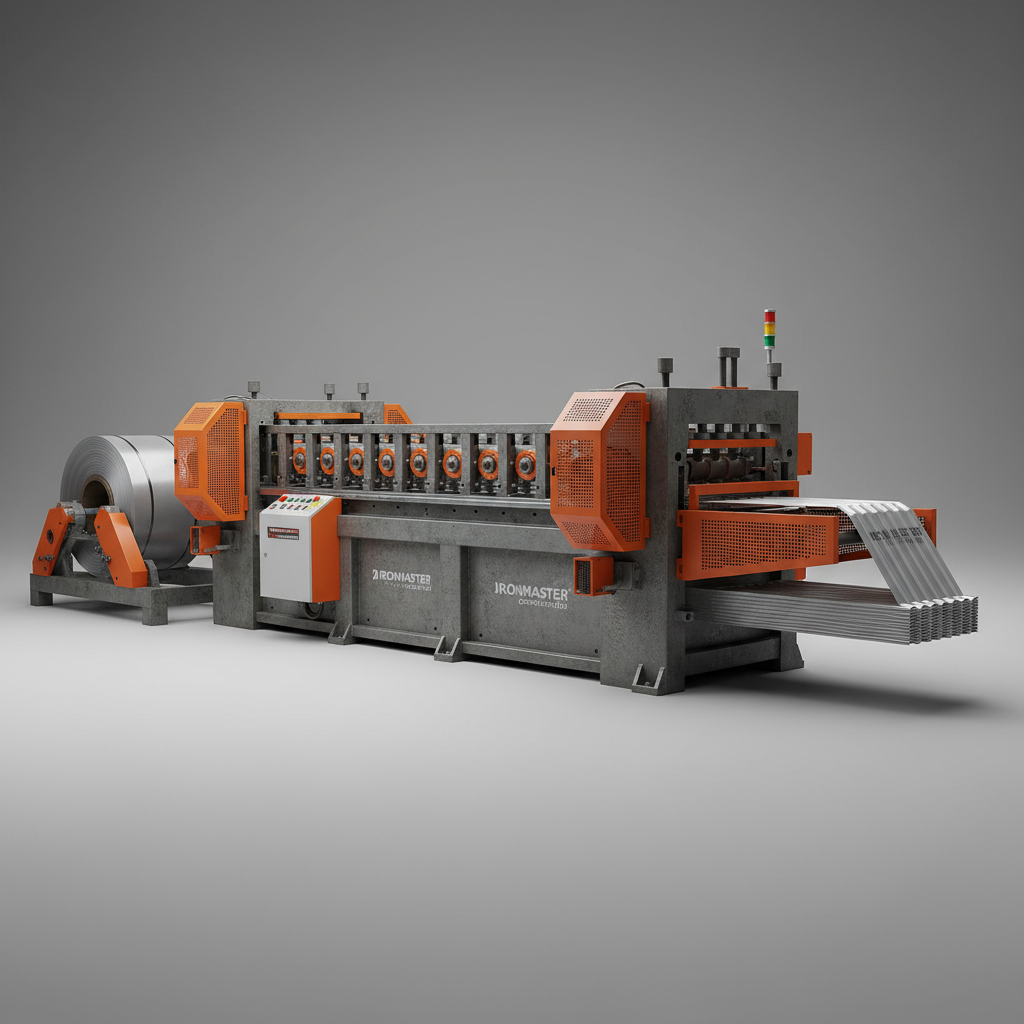
How Corrugating Iron Sheet Roll Forming Machines Work
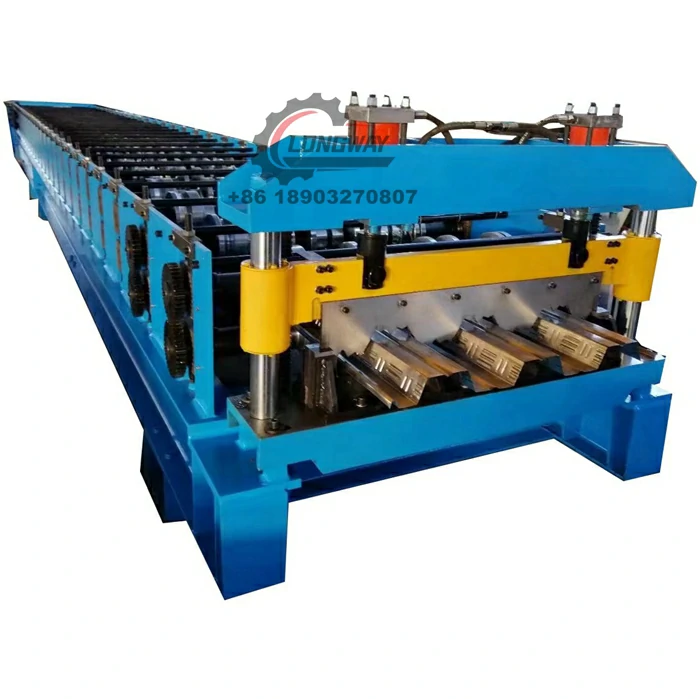
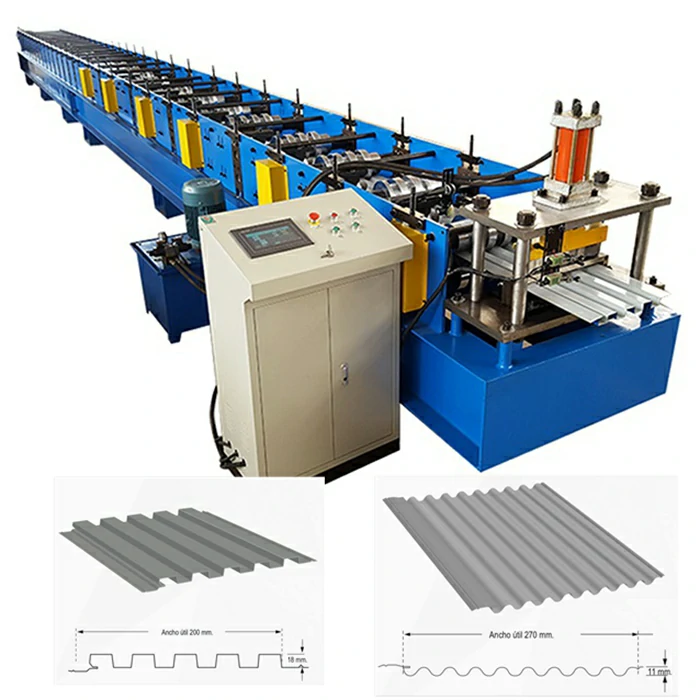
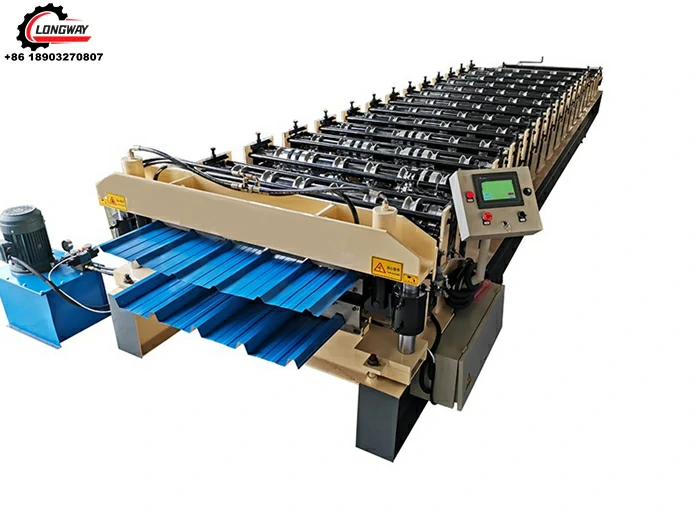
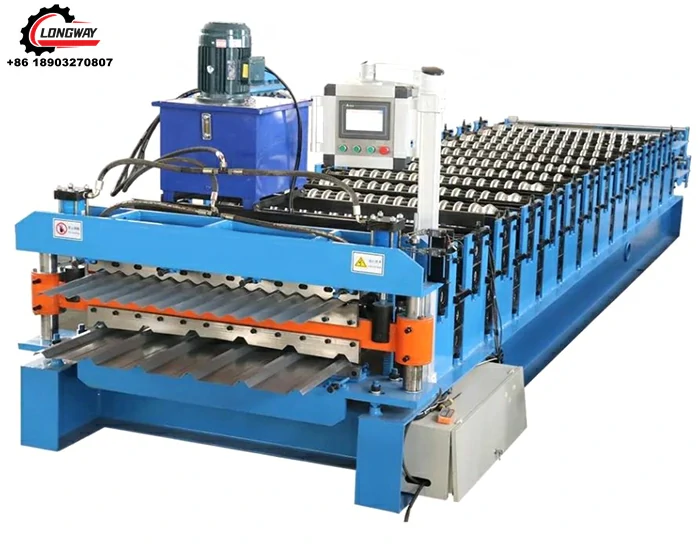
The process of roll forming involves continuously bending a metal sheet through a series of rollers, each contributing to the final corrugated profile. The metal sheet, typically galvanized steel or aluminum, is fed into the machine and passes through these rollers in sequence. Each roller station incrementally shapes the sheet until the desired corrugated form is achieved. The machine's speed and precision are vital for producing consistent, high-quality sheets. Modern machines often incorporate automated control systems for precise adjustments and monitoring of the process. This results in a continuous production line, enhancing efficiency and reducing material waste. Lwrollformingmachine.com provides a detailed overview of the process.
Key Benefits: Continuous production, high efficiency, reduced material waste, consistent product quality, and adaptability to different corrugated profiles.
Key Components of a Corrugating Iron Sheet Roll Forming Machine
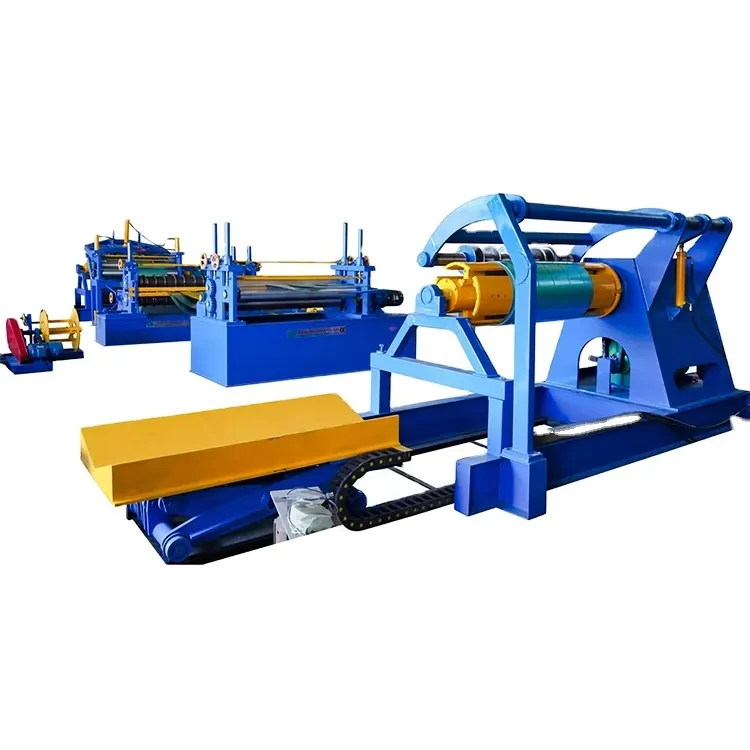
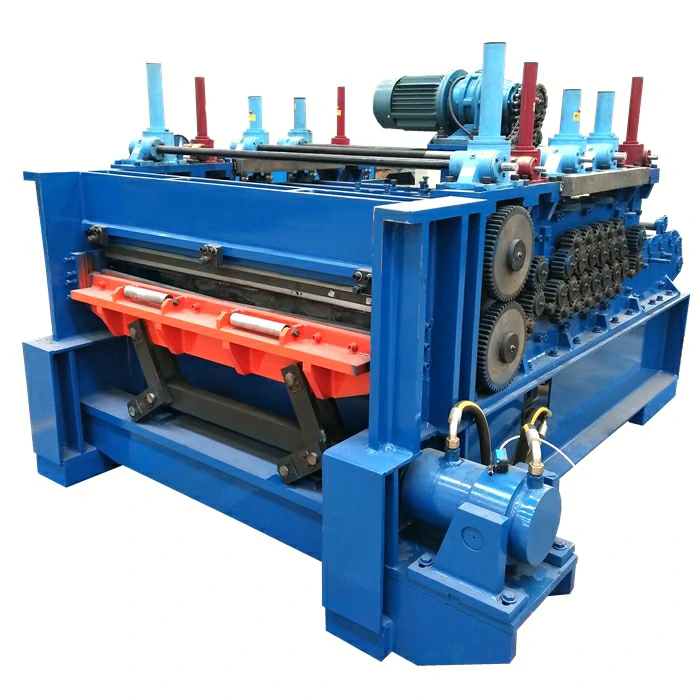
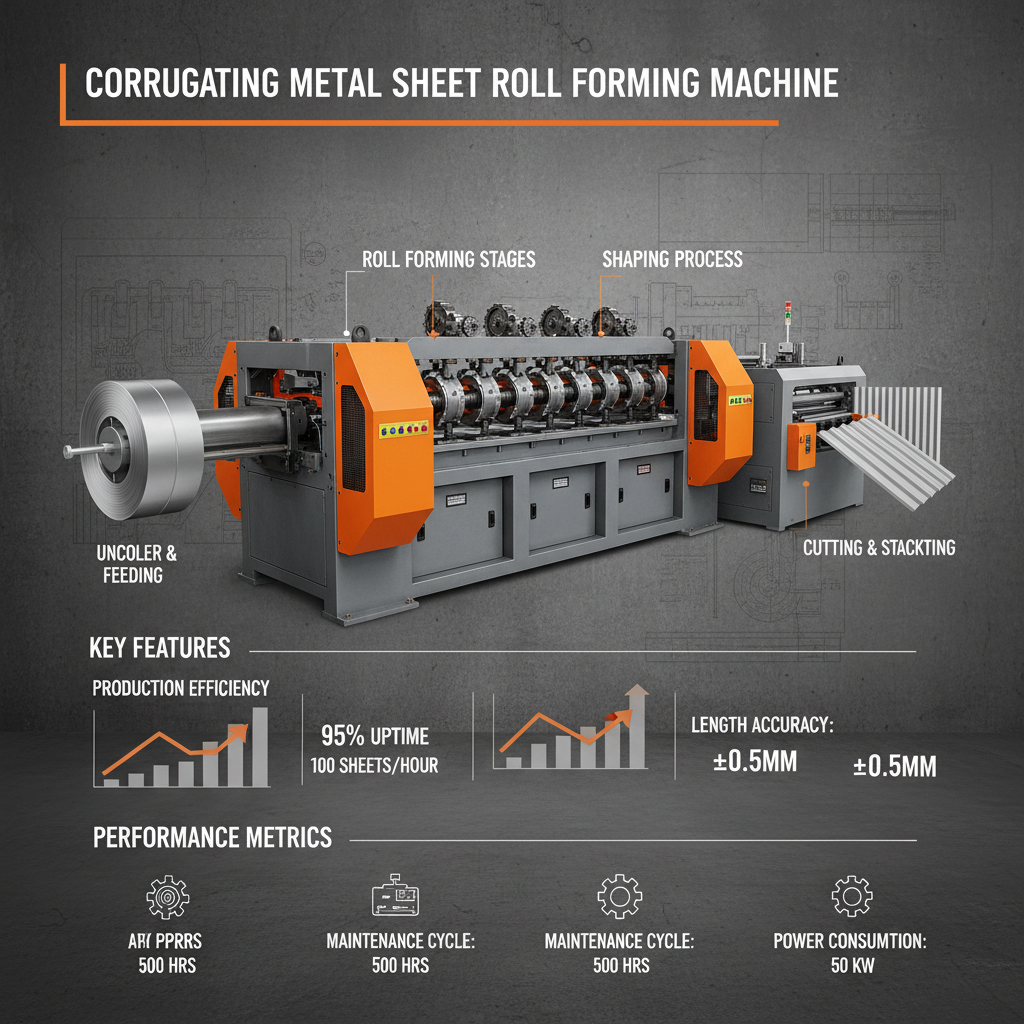
A typical corrugating iron sheet roll forming machine comprises several essential components. The uncoiler holds and feeds the metal coil into the machine. The leveling unit ensures the metal sheet is flat before entering the roll forming section. The roll forming section, with its series of rollers, shapes the metal into the corrugated profile. A cutting unit precisely cuts the formed sheet to the desired length. Finally, a stacker automatically stacks the finished corrugated sheets. The control system, often PLC-based, manages the entire process, ensuring synchronization and precision. Reliable components are crucial for minimizing downtime and maximizing production output.
Essential Components:
• Uncoiler: Feeds the metal coil.
• Leveling Unit: Ensures flatness of the metal sheet.
• Roll Forming Section: Shapes the metal.
• Cutting Unit: Cuts sheets to length.
• Stacker: Automatically stacks finished sheets.
Choosing the Right Corrugating Iron Sheet Roll Forming Machine
Selecting the appropriate machine involves considering several factors. The sheet thickness and width you'll be processing are primary concerns. The corrugated profile (height, pitch, and shape) will dictate the roller design. Production volume requirements will influence the machine's speed and automation level. Material type (galvanized steel, aluminum, etc.) also needs to be considered. Investing in a machine from a reputable manufacturer, like Lwrollformingmachine.com, ensures quality, reliability, and after-sales support.
Applications of Corrugated Iron Sheet
Corrugated iron sheets produced by these machines have a wide range of applications. They are commonly used for roofing in industrial, commercial, and residential buildings due to their durability and weather resistance. They also serve as wall cladding, providing both protection and aesthetic appeal. Furthermore, they are utilized in fencing, agricultural structures, and temporary shelters. The versatility and cost-effectiveness of corrugated iron sheets make them a popular choice across numerous industries.
Maintenance and Troubleshooting
Regular maintenance is crucial for ensuring the longevity and optimal performance of your corrugating iron sheet roll forming machine. This includes lubricating moving parts, inspecting rollers for wear and tear, and checking the cutting unit for sharpness. Promptly addressing issues like misaligned rollers, faulty sensors, or hydraulic leaks will prevent costly downtime. Regularly cleaning the machine and removing debris is also essential. Lwrollformingmachine.com offers comprehensive maintenance guides and troubleshooting support.
Conclusion: Investing in Quality Roll Forming Technology
Investing in a high-quality corrugating iron sheet roll forming machine is a strategic decision for businesses seeking to produce durable, cost-effective building materials. By carefully considering your production needs, selecting a reliable machine, and implementing a robust maintenance plan, you can maximize your return on investment and ensure long-term success. Lwrollformingmachine.com provides a wide range of machines and expert support to help you achieve your goals.
Frequently Asked Questions (FAQs)
What is the typical production speed of a corrugating iron sheet roll forming machine?
The production speed varies depending on the machine's automation level, the material thickness, and the complexity of the corrugated profile. Manual machines typically operate at speeds of 5-15 meters per minute, while fully automatic machines can achieve speeds of 20-50 meters per minute or even higher. Selecting a machine with the appropriate speed capabilities is crucial for meeting your production demands. Consider the length of the sheets, and the time it takes to automatically cut, stack, and unload them.
What materials can be processed with a corrugating iron sheet roll forming machine?
Most corrugating iron sheet roll forming machines are designed to process galvanized steel, galvalume steel, and aluminum. However, some machines can also handle other materials like stainless steel or colored steel, depending on the roller material and machine design. It's important to specify the materials you intend to process when selecting a machine to ensure compatibility and optimal performance.
What kind of maintenance is required for a roll forming machine?
Regular maintenance includes lubricating moving parts, inspecting rollers for wear, and ensuring the cutting unit is sharp. Check hydraulic systems for leaks and tighten any loose bolts. It’s also important to keep the machine clean from debris. Refer to the manufacturer's manual for specific maintenance schedules and procedures. Preventative maintenance is key to avoiding costly breakdowns and extending the life of the machine.
What safety features should I look for in a corrugating machine?
Essential safety features include emergency stop buttons, safety guards around moving parts, and a secure electrical enclosure. The machine should also have proper interlocks to prevent operation with open guards. Operator training is crucial to ensure safe operation and adherence to safety protocols. Regular safety inspections are vital to identify and address potential hazards.
-
High Precision Customized Z Purlin Roll Forming Machine GuideNewsApr.16, 2026
-
High Precision customized steel structure floor deck roll forming machineNewsApr.09, 2026
-
Comprehensive Guide to Customized Roof Tile Roll Forming Machine SolutionsNewsApr.07, 2026
-
Optimizing Metal Fabrication with a Customized Roll Forming Machine SolutionNewsApr.04, 2026
-
Comprehensive Guide to Customized Profile Roll Forming Machine SolutionsNewsMar.31, 2026
-
Customized Light Steel Keel Roll Forming Machine Solutions and ApplicationsNewsMar.28, 2026
-
Optimized Production with a Customized Double Layer Roll Forming Machine SolutionNewsMar.26, 2026