Advanced Corrugated Sheet Roll Forming Tile Machine for Efficient Production
Understanding Corrugated Sheet Roll Forming Tile Machine
In the realm of construction and industrial manufacturing, the demand for efficient and cost-effective roofing and siding solutions is ever-increasing. A corrugated sheet roll forming tile machine stands as a cornerstone technology, enabling the continuous production of high-quality corrugated sheets from metal coils. This article explores the intricacies of these machines, their applications, benefits, and crucial considerations when making a purchase. We’ll delve into the features that distinguish top-tier machines and guide you through the selection process.
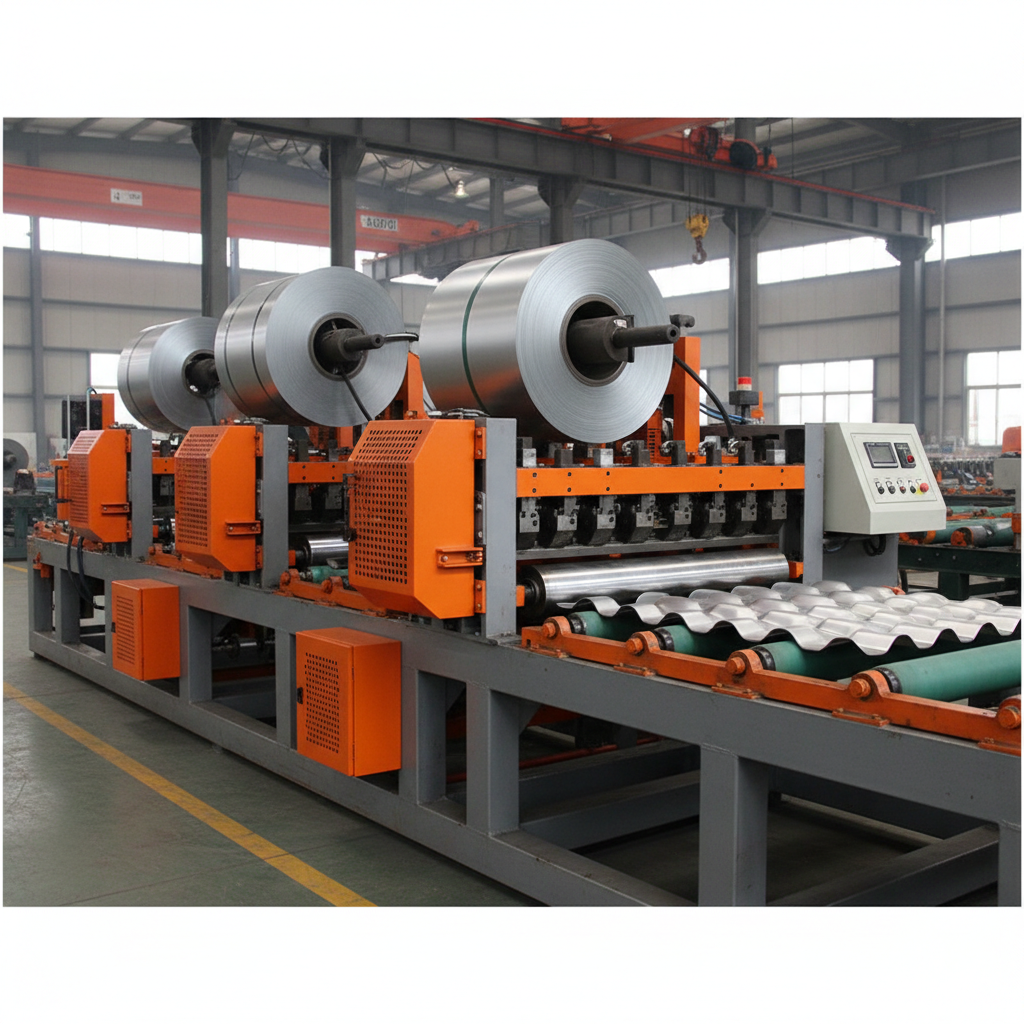
How a Corrugated Sheet Roll Forming Tile Machine Works
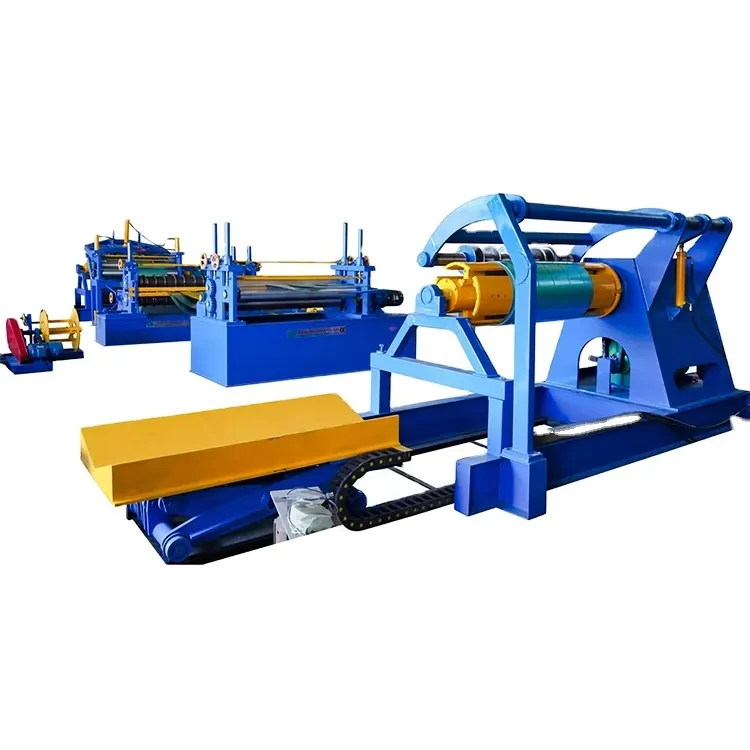
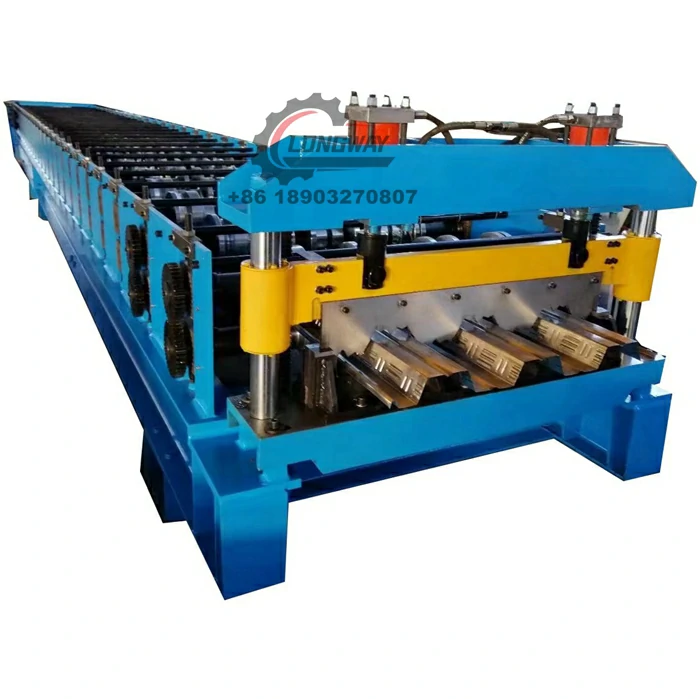
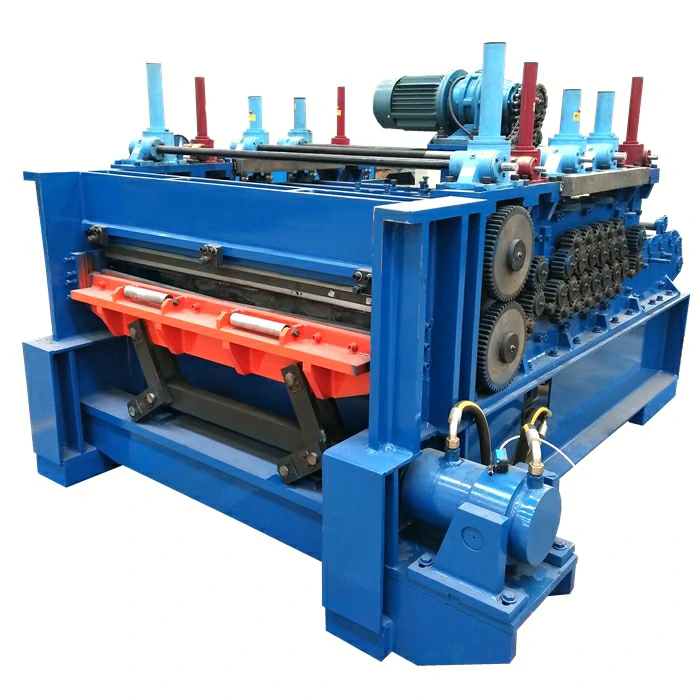
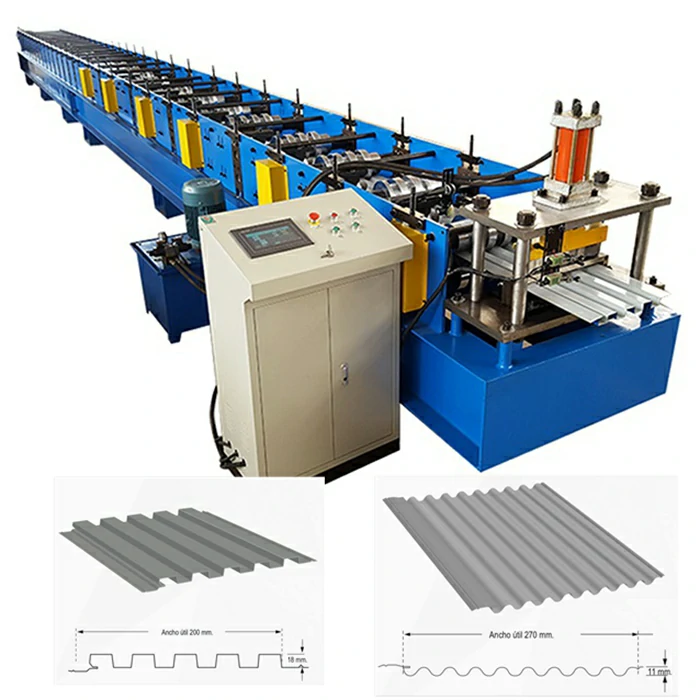
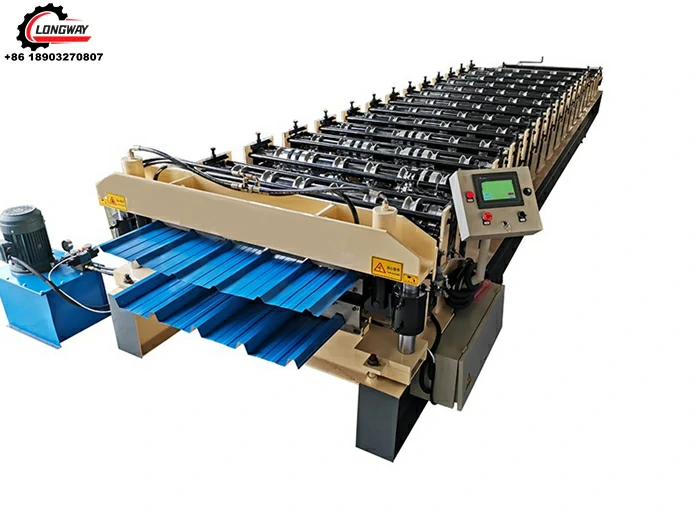
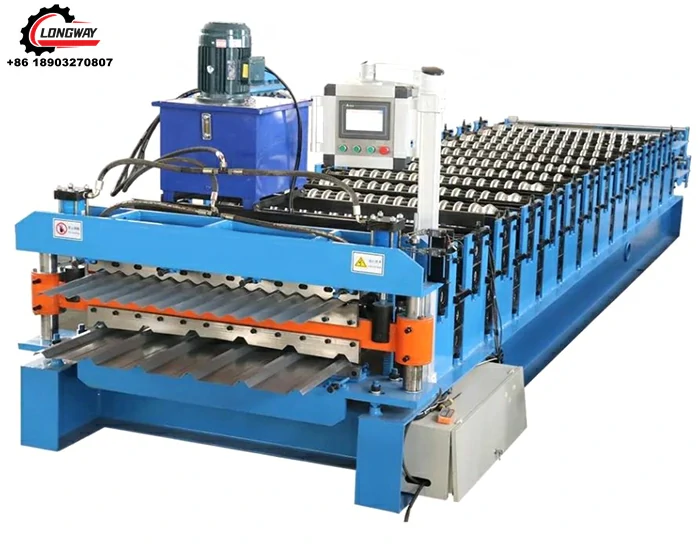
The principle behind a corrugated sheet roll forming tile machine is relatively straightforward. A metal coil, typically steel or aluminum, is fed into the machine. As the coil passes through a series of rollers, each designed with a specific profile, it undergoes a gradual transformation. These rollers progressively shape the flat metal into the desired corrugated pattern. The process is continuous, resulting in a consistent and uniform product. Key components include an uncoiler to hold and feed the coil, a leveling unit to ensure flatness, the roll forming station with its series of rollers, a cutting system to shear the sheets to the required length, and a stacking or collecting mechanism for the finished product. Understanding these components is vital when considering a roll forming machine purchase.
Key Takeaway: Corrugated sheet roll forming offers a continuous and efficient method for producing consistent, high-quality corrugated metal sheets for various construction and industrial applications.
Applications of Corrugated Sheet Roll Forming Tile Machines
The versatility of corrugated sheets produced by these machines leads to a wide range of applications. They are commonly used for roofing in residential, commercial, and industrial buildings, providing durable and weather-resistant protection. Siding applications benefit from the aesthetic appeal and protective qualities of corrugated metal. Furthermore, they are frequently used in agricultural structures, such as barns and storage facilities, as well as in manufacturing for various cladding and paneling needs. The automotive industry also uses corrugated sheets for certain components. A corrugated sheet machine empowers businesses to cater to diverse market demands.
Common Applications:
• Roofing (Residential, Commercial, Industrial)
• Siding for Buildings
• Agricultural Structures
• Industrial Cladding
Corrugated Sheet Roll Forming Tile Machine: Key Features and Specifications
When evaluating a corrugated sheet roll forming tile machine, several key features and specifications should be considered. The machine's capacity, measured in tons, determines the thickness of the metal it can process. The forming speed, usually expressed in meters per minute, affects production output. The number of forming stations impacts the precision and quality of the corrugated profile. The control system, often PLC-based, governs the machine's operations and allows for adjustments. Furthermore, the cutting system's accuracy and the stacking mechanism's efficiency are crucial factors. Here’s a representative table outlining typical specifications:
Benefits of Investing in a Roll Forming Machine
Investing in a corrugated sheet roll forming tile machine offers numerous benefits. These machines significantly reduce labor costs compared to traditional fabrication methods. They enable high-volume production, increasing efficiency and meeting demanding project timelines. The precision of the roll forming process ensures consistent product quality, minimizing waste. Furthermore, these machines offer flexibility in terms of profile design, allowing for the production of various corrugated sheet types. The ability to produce sheets on-demand reduces inventory costs and allows for customization. Partnering with a reputable supplier like LW Roll Forming Machine ensures long-term value and support.
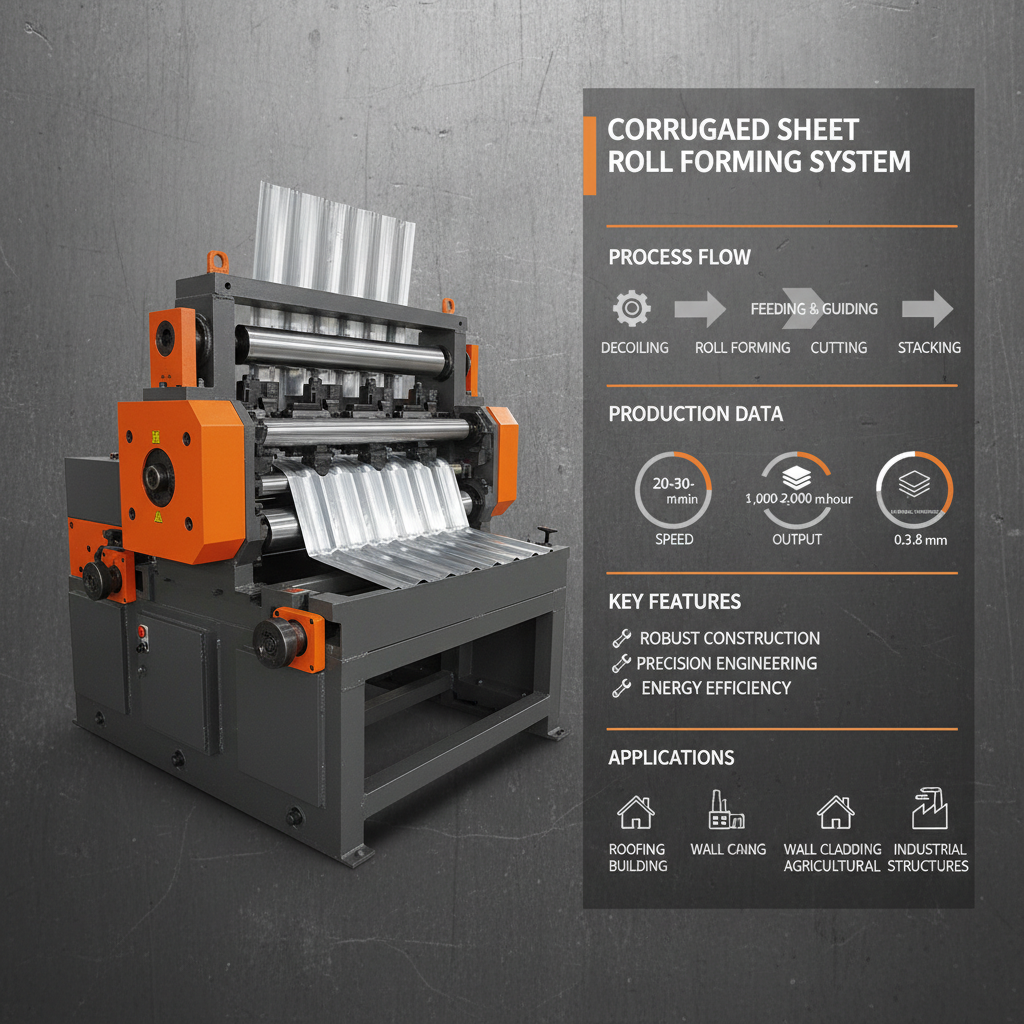
Choosing the Right Corrugated Sheet Roll Forming Tile Machine
Selecting the right machine requires careful consideration of your specific needs. Assess your production volume requirements to determine the appropriate capacity and speed. Identify the types of corrugated profiles you intend to produce and ensure the machine can accommodate those designs. Evaluate the available space in your facility and choose a machine that fits comfortably. Consider the level of automation you require and select a machine with a suitable control system. Finally, prioritize a supplier with a proven track record of quality, reliability, and customer support. LW Roll Forming Machine provides tailored solutions and expert guidance to help you make the best decision.
Conclusion
A corrugated sheet roll forming tile machine is a vital investment for businesses involved in roofing, siding, and industrial manufacturing. By understanding the technology, carefully evaluating your requirements, and partnering with a reputable supplier like LW Roll Forming Machine, you can optimize your production process, enhance product quality, and achieve long-term success.
Frequently Asked Questions (FAQs)
What types of materials can be used with a corrugated sheet roll forming machine?
While steel is the most common material, these machines can also process aluminum, galvanized steel, and even some types of stainless steel. The choice of material depends on the intended application and the machine's capabilities. Different materials require different roller profiles and adjustments to ensure optimal forming. Always consult with the machine manufacturer to confirm compatibility with your desired material. The thickness of the material is also a critical factor, as it must fall within the machine’s specified capacity.
What maintenance is required for a roll forming machine?
Regular maintenance is crucial for ensuring the longevity and reliability of the machine. This includes lubricating moving parts, inspecting rollers for wear and tear, checking the alignment of the machine, and cleaning the machine to prevent dust and debris buildup. Scheduled inspections by a qualified technician are also recommended. Proper maintenance can significantly reduce downtime and prevent costly repairs. Refer to the machine’s manual for specific maintenance guidelines.
What is the typical lead time for delivery of a corrugated sheet roll forming machine?
The lead time for delivery can vary depending on the machine's complexity, customization requirements, and the manufacturer's production schedule. Generally, expect a lead time of 4-8 weeks for standard machines and potentially longer for custom-designed machines. It’s important to discuss delivery timelines with the supplier during the quotation process to ensure it aligns with your project schedule. LW Roll Forming Machine provides transparent communication regarding production and delivery schedules.
Does LW Roll Forming Machine offer installation and training services?
Yes, LW Roll Forming Machine provides comprehensive installation and training services. Their experienced technicians can install the machine at your facility and provide thorough training to your operators, ensuring they are proficient in operating and maintaining the equipment. This support ensures a smooth transition and maximizes the machine’s performance. They also offer ongoing technical support for any future assistance.
-
High Precision Customized Z Purlin Roll Forming Machine GuideNewsApr.16, 2026
-
High Precision customized steel structure floor deck roll forming machineNewsApr.09, 2026
-
Comprehensive Guide to Customized Roof Tile Roll Forming Machine SolutionsNewsApr.07, 2026
-
Optimizing Metal Fabrication with a Customized Roll Forming Machine SolutionNewsApr.04, 2026
-
Comprehensive Guide to Customized Profile Roll Forming Machine SolutionsNewsMar.31, 2026
-
Customized Light Steel Keel Roll Forming Machine Solutions and ApplicationsNewsMar.28, 2026
-
Optimized Production with a Customized Double Layer Roll Forming Machine SolutionNewsMar.26, 2026