Why a Cheap Roll Forming Machine Factory Matters for Global Manufacturing
Exploring the Value of a Cheap Roll Forming Machine Factory
In the fast-moving world of metal fabrication, the cheap roll forming machine factory has emerged as an unsung hero — powering countless industries with efficiency and affordability. But what exactly does this term mean? And why does it matter so much on a global scale?
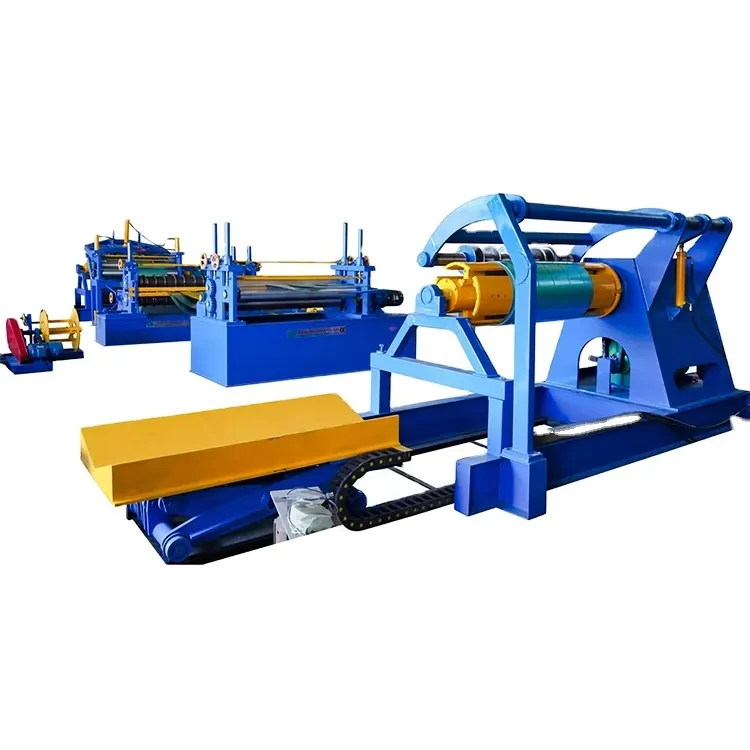
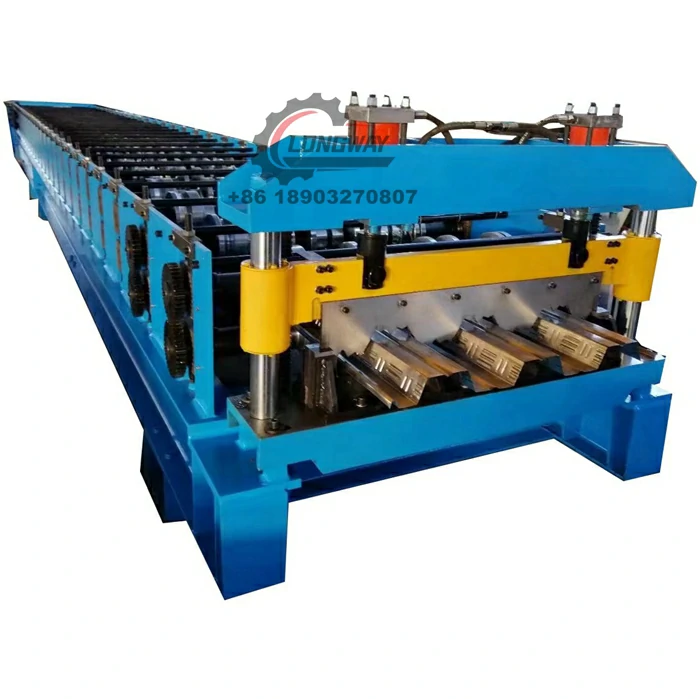
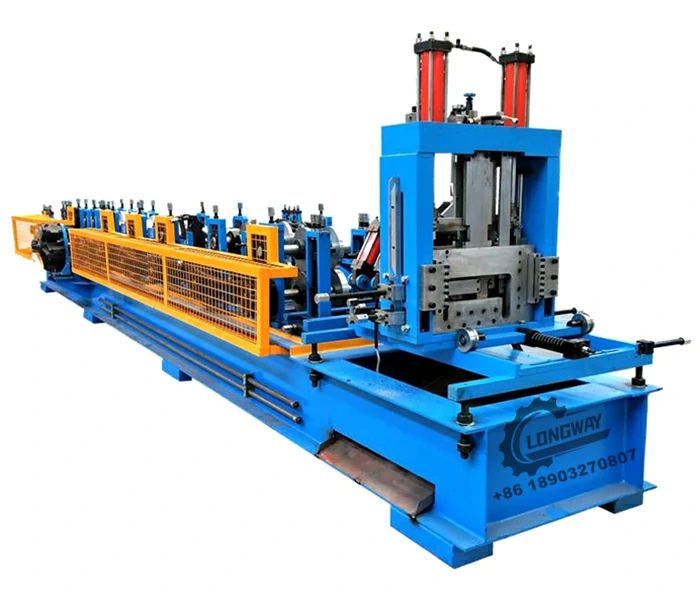
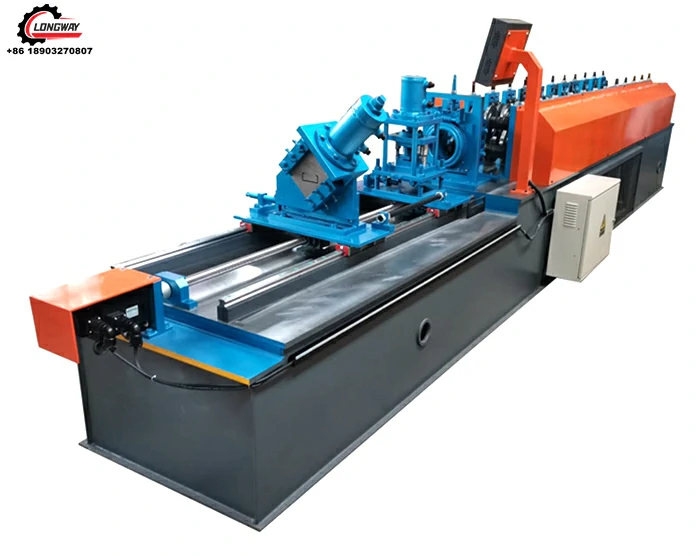
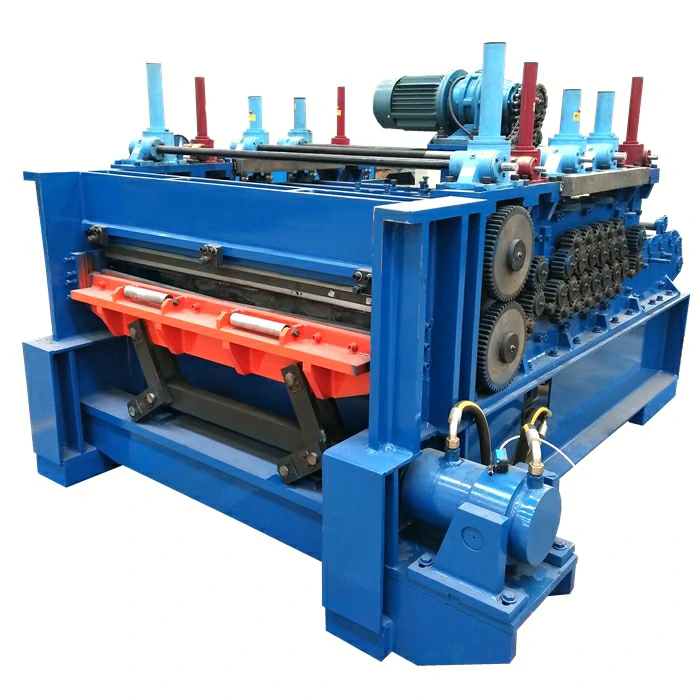
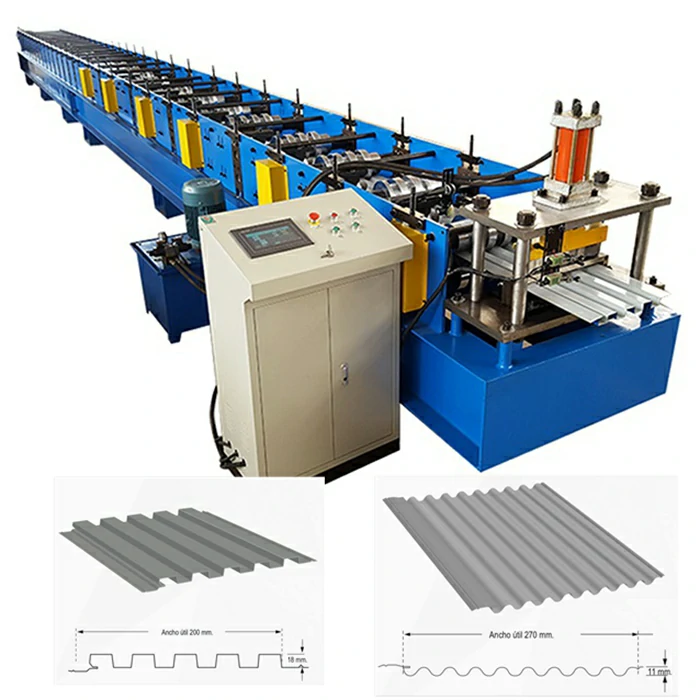
To start, roll forming machines continuously shape long metal strips into desired cross-sections, making them cornerstone equipment in automotive frames, construction materials, and storage systems. Factories that manufacture these machines, especially at low costs, are pivotal because they lower barriers for smaller manufacturers and developing economies to access quality equipment and scale operations.
Understanding the dynamics of these factories offers insight not just into manufacturing efficiency but also into economic development and sustainability. It’s a topic worth delving into — particularly as global infrastructure demands surge and supply chains evolve.
Global Context: Why Cheap Roll Forming Machine Factories Matter
Across continents, the roll forming industry coordinates a complex dance of engineering and economics. As per the ISO standards on manufacturing precision and output, roll forming machines must balance speed, accuracy, and durability. Yet, these machines can be prohibitively expensive.
The ability of a cheap roll forming machine factory to produce reliable machines at accessible prices changes the musical score entirely. According to World Bank data, developing nations witness an industrial growth uplift when affordable manufacturing technologies become locally available. Roll forming machine factories that strategize lean processes and smart sourcing help meet rising construction and industrial equipment demands.
However, this affordability often raises concerns — are these cheaper machines sacrificing quality or longevity? And can such factories uphold environmental and social responsibility standards? It’s a nuanced conversation in an industry increasingly focused on sustainable, scalable growth.
Definition & Meaning: What Is a Cheap Roll Forming Machine Factory?
Simply put, a cheap roll forming machine factory refers to manufacturing facilities specializing in producing roll forming machines at a relatively low cost without substantially compromising on quality. These factories typically optimize production methods, employ cost-effective materials, and leverage automation to reduce expenses.
They’re critical components in modern supply chains, enabling smaller metalworking shops and even humanitarian projects (for instance, producing materials for fast-deploy shelters) to access technology traditionally reserved for large, wealthier enterprises. So, these factories aren’t just about low price tags — they embody functional accessibility, reduction of technological gaps, and democratization of manufacturing capabilities.
Core Components: What Makes a Good Roll Forming Machine Factory?
1. Durability
Even cheap machines must be tough. Good roll forming factories use high-strength alloys or steel sourced smartly, integrating robust gears and rollers designed to withstand constant pressure. After all, an unreliable machine only costs more over time.
2. Scalability
Factories need to be nimble — producing anything from small-scale machines for local workshops to heavy-duty lines for industrial giants. Modulable designs and flexible production lines support this scalability.
3. Cost Efficiency
Lean manufacturing principles and waste reduction play a major role, minimizing overheads without cutting corners on safety or compliance. This balance is challenging but achievable with experienced teams.
4. Innovation
A vendor that continually incorporates automation or digital controls in their affordable machines can vastly improve usability and output precision, presenting real value to end-users.
5. Customization
Whether it’s altering machine dimensions or automation scope, customization means factories can serve diverse sectors — from automotive parts manufacture to disaster relief metal structure fabrication.
Product Specification Table: Typical Cheap Roll Forming Machine Features
| Feature | Specification | Benefit |
|---|---|---|
| Max Sheet Width | 1000 mm | Supports variety of material sizes |
| Operating Speed | 12-18 m/min | Balances output and precision |
| Material Thickness | 0.3-3.0 mm | Accommodates light to medium gauge metals |
| Automation Level | Semi to Fully Automatic | Improves efficiency and reduces labor costs |
| Power Consumption | 5-7 kW | Economic to operate |
Global Applications & Use Cases
Roll forming machines churn out parts for many sectors globally. Their low-cost versions are especially impactful in emerging markets, where industrial expansion is still catching up. For example, in Southeast Asia and Africa, such factories enable local production of roofing panels, steel studs, and automotive chassis components — reducing import reliance.
Oddly enough, humanitarian organizations also turn to roll forming machines from budget-friendly factories to quickly fabricate structural elements for disaster relief housing. When storms or earthquakes hit, speed and affordability in producing durable framing materials can literally save lives.
Moreover, remote industrial zones appreciate these accessible machines for onsite manufacturing, aiding in infrastructure maintenance without the need for shipping bulky materials from urban centers.
Vendor Comparison Table: Typical Cheap Roll Forming Machine Factory Options
| Vendor | Price Range (USD) | Automation Level | Warranty | Customization |
|---|---|---|---|---|
| Factory A | $12,000 - $18,000 | Semi-automatic | 12 months | Basic |
| Factory B | $15,500 - $22,000 | Fully automatic | 18 months | Advanced |
| Factory C | $10,000 - $14,000 | Manual / Semi-automatic | 6 months | Limited |
Advantages & Long-Term Value
Choosing machines from a cheap roll forming machine factory often boils down to balancing cost with trust. High-quality factories ensure machines are reliable, reducing downtime — a major expense for operations big and small.
The social angle is compelling too: affordable machines empower small manufacturers and craftspeople, fostering economic growth in underserved areas. Plus, these factories often aim for energy-efficient designs, aiding sustainability efforts that are increasingly important industry-wide.
In emotional terms, there’s something satisfying about knowing a machine helped someone build their business or community infrastructure, often starting from scratch. It feels like more than metal shaping — it’s about human progress.
Future Trends & Innovations
Looking ahead, I suspect the market for cheap roll forming machine factories will keep evolving alongside digital transformation and sustainability pushes. We’re seeing:
- Greater integration of IoT sensors for real-time machine monitoring, improving uptime.
- Development of high-strength, lightweight alloys allowing thinner materials without sacrificing strength.
- AI-driven quality control systems embedded within machines for precision assurance.
- Energy-saving electric drives replacing older hydraulic systems, reducing power consumption and emissions.
Some factories are even exploring circular economy principles by reusing metal scrap generated in the production process, aligning with global ISO 14000 standards on environmental management.
Challenges & Solutions
Of course, there are bumps. Some cheaper factories may cut corners on after-sales service or spare parts availability, which can nullify initial savings. It’s vital buyers vet vendors carefully and seek factories that provide solid support networks.
Material quality also varies globally, impacting machine longevity. Collaborations between factories and local steel suppliers can improve traceability and consistency.
Innovative leasing models and training programs are emerging, helping smaller buyers adopt these machines without huge upfront costs or steep learning curves.
FAQ: Frequently Asked Questions About Cheap Roll Forming Machine Factory
- Q: How do cheap roll forming machines compare with premium brands?
A: While premium machines might offer advanced automation and longer warranties, many affordable options deliver solid performance for typical applications. It depends on your throughput needs and maintenance capabilities. - Q: Can I customize a roll forming machine from a cheap factory?
A: Many factories offer basic customization — such as machine width or automation level upgrades. For highly specialized needs, discuss customization possibilities before purchase. - Q: Is maintenance expensive for these machines?
A: Routine maintenance costs are generally low if you follow manufacturer guidelines. However, cheaper machines might need more frequent part replacements; consider warranty terms carefully. - Q: How do I import a cheap roll forming machine internationally?
A: Most factories assist with export documentation and offer shipping quotes. Work with logistics partners experienced in industrial machinery import regulations in your country.
Conclusion: Why Partner With a Cheap Roll Forming Machine Factory?
Ultimately, a cheap roll forming machine factory unlocks powerful opportunities — from scaling startups to rebuilding communities. The right machine marries cost efficiency with reliability and innovation, supporting not just production lines but economic vitality and progress.
Interested in exploring affordable, efficient roll forming machines? Visit our website: cheap roll forming machine factory to see what modern options can offer your business.
Mini takeaway: Cutting costs doesn’t mean cutting corners — when done right, cheap roll forming machines are the backbone of future-ready manufacturing worldwide.
References
-
High Precision Customized Z Purlin Roll Forming Machine GuideNewsApr.16, 2026
-
High Precision customized steel structure floor deck roll forming machineNewsApr.09, 2026
-
Comprehensive Guide to Customized Roof Tile Roll Forming Machine SolutionsNewsApr.07, 2026
-
Optimizing Metal Fabrication with a Customized Roll Forming Machine SolutionNewsApr.04, 2026
-
Comprehensive Guide to Customized Profile Roll Forming Machine SolutionsNewsMar.31, 2026
-
Customized Light Steel Keel Roll Forming Machine Solutions and ApplicationsNewsMar.28, 2026
-
Optimized Production with a Customized Double Layer Roll Forming Machine SolutionNewsMar.26, 2026