Comprehensive Guide to Corrugated Roof Sheet Roll Forming Machines and Their Applications
Understanding Corrugated Roof Sheet Roll Forming Machines
The demand for durable and cost-effective roofing solutions has led to the widespread use of corrugated roof sheets. Manufacturing these sheets efficiently requires specialized equipment, and a corrugated roof sheet roll forming machine is the cornerstone of this process. This article will explore the benefits, components, applications, and considerations when investing in such machinery, providing a comprehensive guide for businesses in the construction and metal fabrication industries. A quality roll forming machine is crucial for producing consistent, high-quality corrugated roofing at scale.
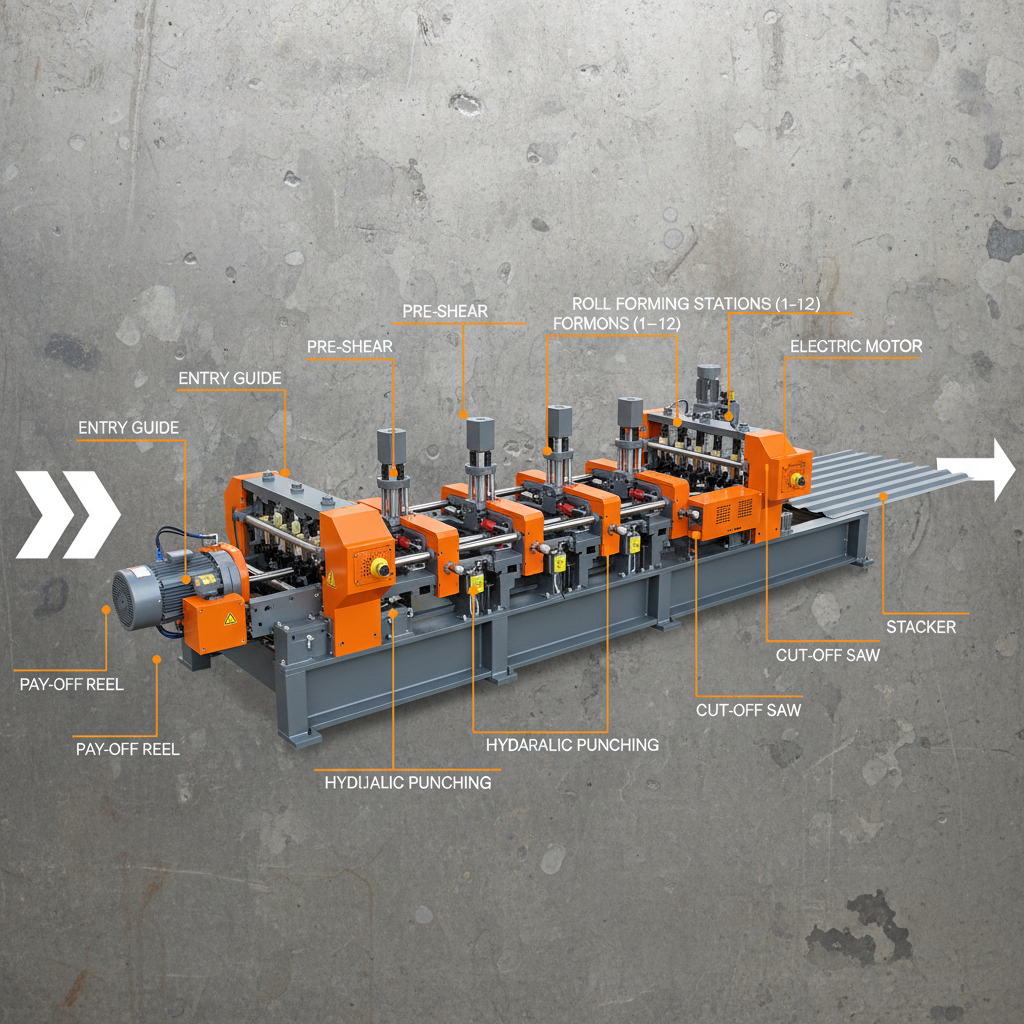
How a Corrugated Roof Sheet Roll Forming Machine Works
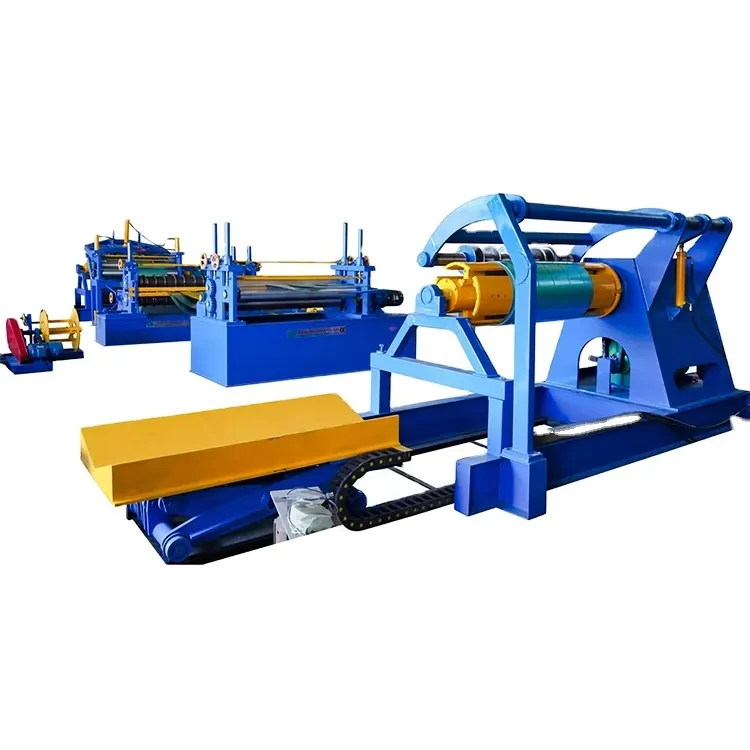
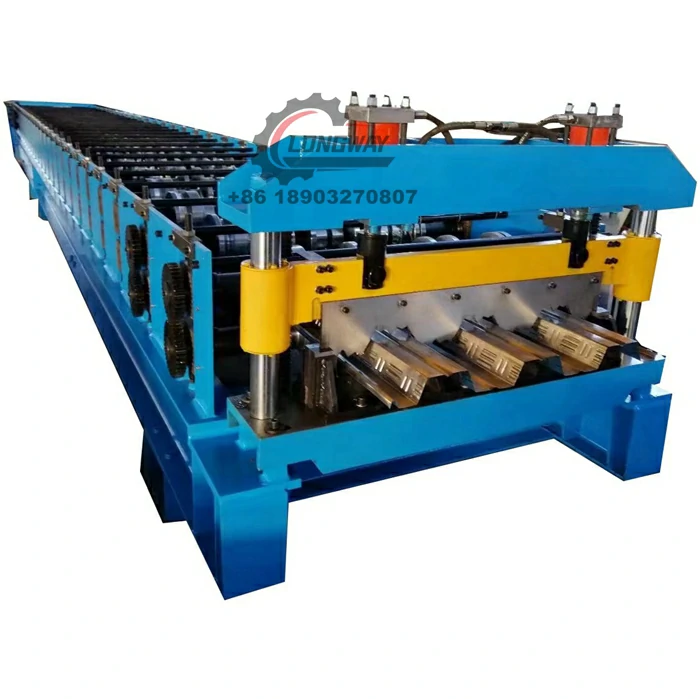
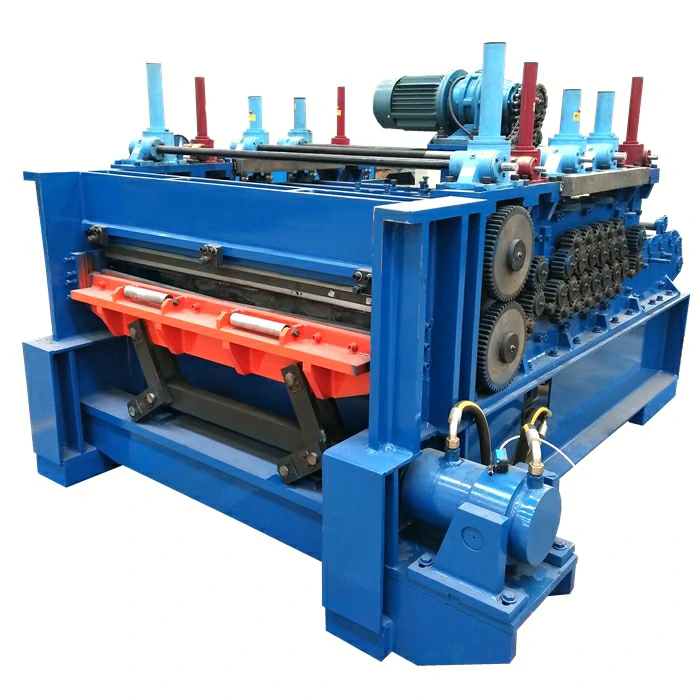
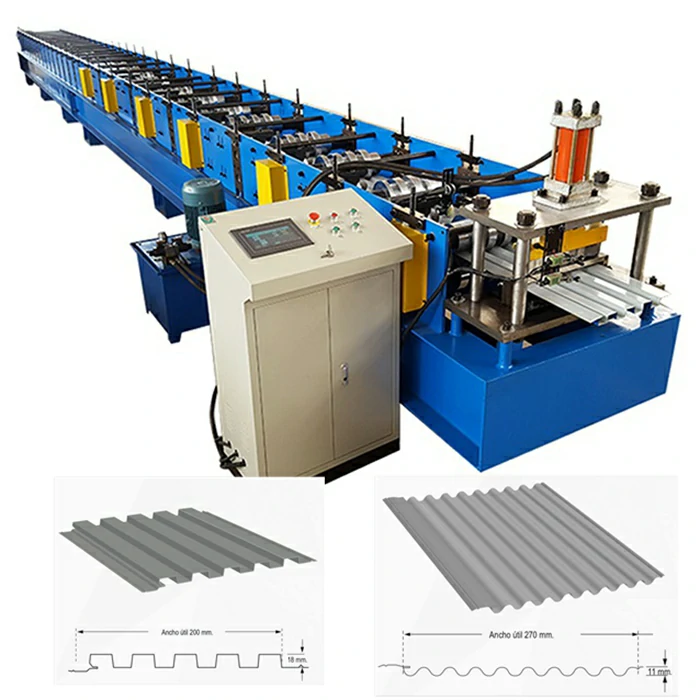
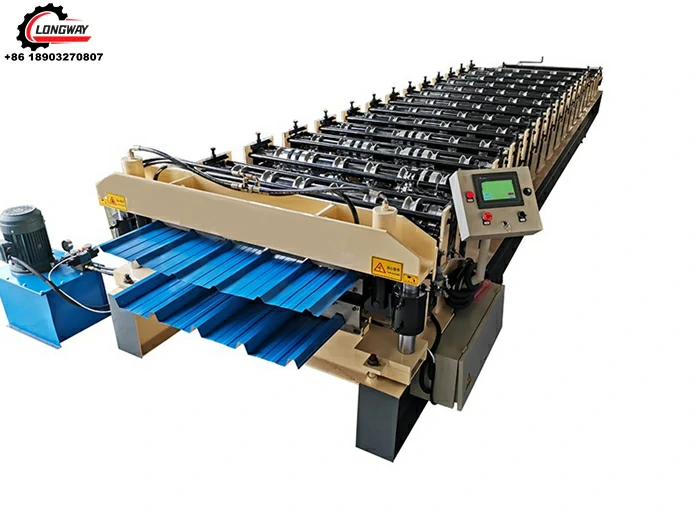
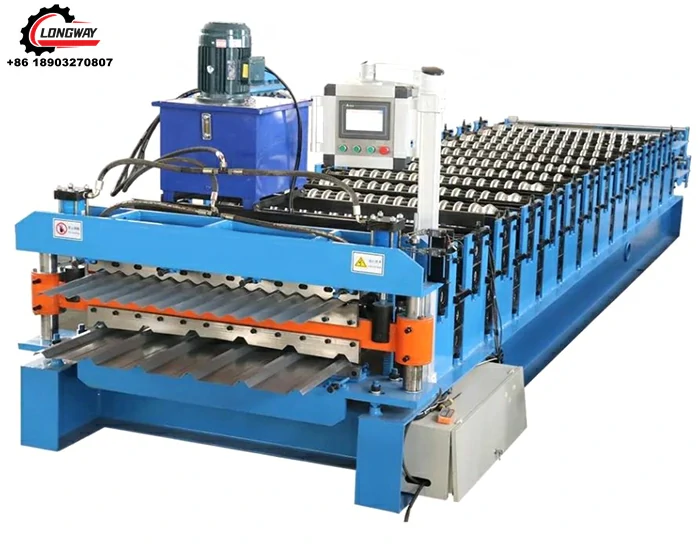
Roll forming is a continuous bending process. A corrugated roof sheet roll forming machine takes flat metal coils – typically steel or aluminum – and passes them through a series of rollers, each shaped to progressively bend the metal into the desired corrugated profile. The process doesn’t involve heating or welding, making it a cold-forming technique that preserves the metal’s strength and coating. The machine's speed and precision are key factors in determining production output and sheet quality. Key components include an uncoiler, leveling unit, roll forming station, cutting system, and a run-out table to collect the finished sheets. LW Roll Forming Machine offers a range of these machines tailored to specific needs.
Key Benefits: Efficient production, consistent quality, reduced material waste, and minimal labor requirements.
Applications of Corrugated Roofing Sheets
Corrugated roofing sheets find applications in a diverse range of projects. Agricultural buildings, warehouses, industrial facilities, residential homes, and even temporary structures all commonly utilize corrugated roofing. The material’s lightweight nature, durability, and affordability make it an excellent choice for large-scale projects and cost-sensitive applications. Different profiles (height and pitch of the waves) are available to suit specific aesthetic and functional requirements. Choosing the right material – galvanized steel, galvalume, or aluminum – depends on the environment and desired lifespan.
Common Applications:
• Warehouses and Industrial Buildings
• Agricultural Structures
• Residential Roofing
• Temporary Shelters and Storage
Corrugated Roof Sheet Roll Forming Machine: Key Specifications and Components
When selecting a corrugated roof sheet roll forming machine, several key specifications should be considered. These include the machine’s forming speed (meters per minute), the maximum coil width and thickness it can handle, the gauge of the steel it can process, the number of forming stations, and the type of cutting system (shear or rotary). The control system (PLC based is common) and automation features also play a critical role in efficiency and accuracy.
Choosing the Right Supplier: A Comparative Analysis
Selecting the right supplier is as important as choosing the right machine. Consider factors like reputation, experience, after-sales support, and customization options. Look for manufacturers who offer comprehensive training and readily available spare parts. Comparing multiple quotes and visiting the manufacturer’s facility (if possible) can provide valuable insights. A reliable supplier will provide clear documentation, warranties, and ongoing technical assistance.
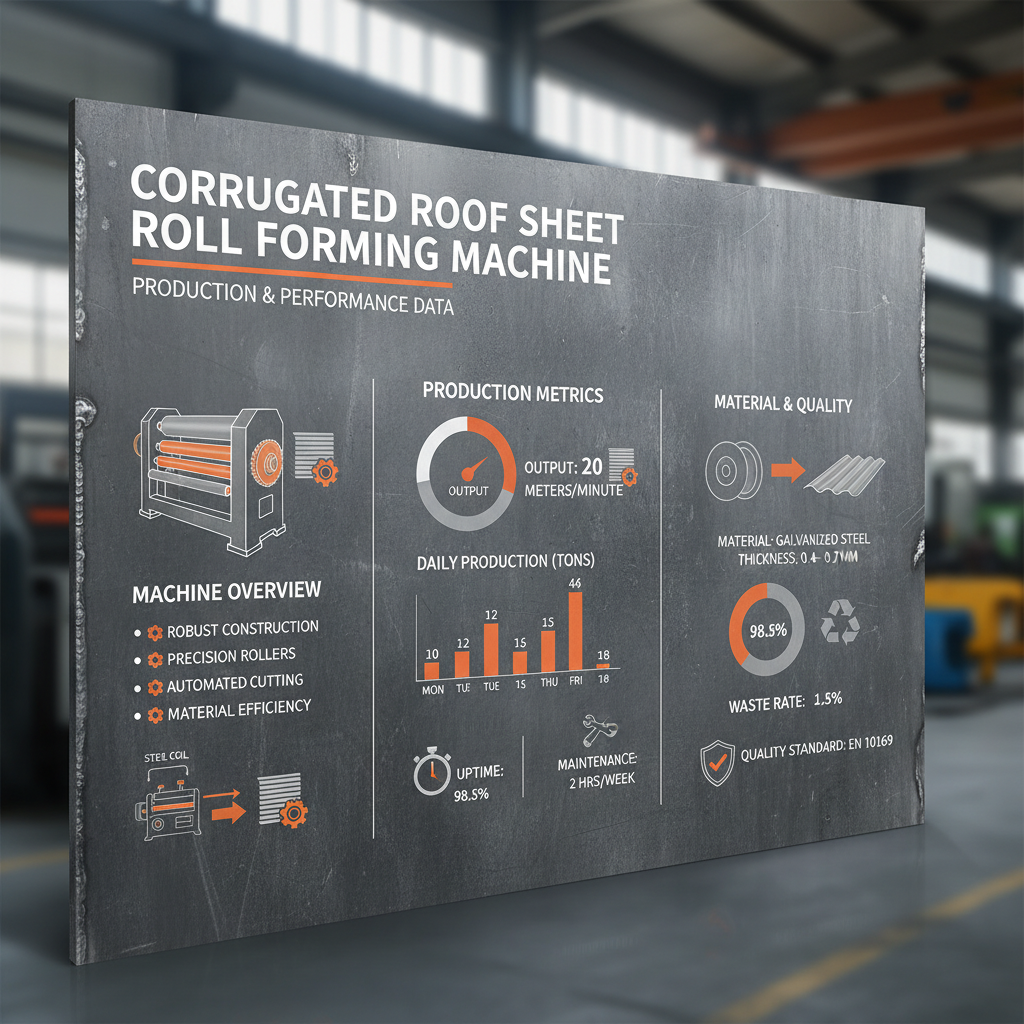
Maintenance and Longevity of Your Roll Forming Machine
Proper maintenance is critical for maximizing the lifespan and performance of your corrugated roof sheet roll forming machine. Regular lubrication of moving parts, inspection of rollers for wear, and cleaning of the machine are essential tasks. Training operators on proper procedures and adhering to a preventative maintenance schedule will minimize downtime and ensure consistent production quality. LW Roll Forming Machine provides detailed maintenance guidelines and support to its customers.
Conclusion: Investing in a Corrugated Roof Sheet Roll Forming Machine
Investing in a high-quality corrugated roof sheet roll forming machine is a strategic decision for businesses looking to capitalize on the growing demand for durable and cost-effective roofing solutions. By carefully considering your specific needs, selecting a reputable supplier, and implementing a robust maintenance program, you can ensure years of reliable and efficient operation.
Frequently Asked Questions (FAQs)
What materials can a corrugated roof sheet roll forming machine process?
Most corrugated roof sheet roll forming machines are designed to handle galvanized steel, galvalume, and aluminum. Some machines can also process other materials like PPGI (pre-painted galvanized iron). The thickness of the material is a crucial factor, with most machines capable of handling materials between 0.3mm and 0.8mm. It's important to specify the materials you intend to use when selecting a machine to ensure compatibility.
What is the typical lead time for a custom corrugated roof sheet roll forming machine?
The lead time for a custom machine can vary depending on the complexity of the design and the manufacturer's current workload. Generally, you can expect a lead time of 60-90 days from the date of order confirmation and deposit payment. It’s essential to discuss the specific requirements and timeline with the supplier upfront to ensure timely delivery.
What level of automation is available with these machines?
Corrugated roof sheet roll forming machines can range from fully manual to highly automated. Automated features include automatic coil loading, auto-shearing, automatic stacking, and PLC control systems for precise operation. Higher levels of automation increase production efficiency and reduce labor costs but also come with a higher initial investment.
What kind of after-sales support is typically offered?
Reputable manufacturers typically offer comprehensive after-sales support, including installation and commissioning services, operator training, technical assistance, and the availability of spare parts. Some also provide remote diagnostics and maintenance support. Ensure the supplier offers a clear and detailed service agreement before making a purchase.
-
High Precision Customized Z Purlin Roll Forming Machine GuideNewsApr.16, 2026
-
High Precision customized steel structure floor deck roll forming machineNewsApr.09, 2026
-
Comprehensive Guide to Customized Roof Tile Roll Forming Machine SolutionsNewsApr.07, 2026
-
Optimizing Metal Fabrication with a Customized Roll Forming Machine SolutionNewsApr.04, 2026
-
Comprehensive Guide to Customized Profile Roll Forming Machine SolutionsNewsMar.31, 2026
-
Customized Light Steel Keel Roll Forming Machine Solutions and ApplicationsNewsMar.28, 2026
-
Optimized Production with a Customized Double Layer Roll Forming Machine SolutionNewsMar.26, 2026