China Double Layer Roll Forming Machine Factory | Reliable & Customizable
Exploring the China Double Layer Roll Forming Machine Factory Scene
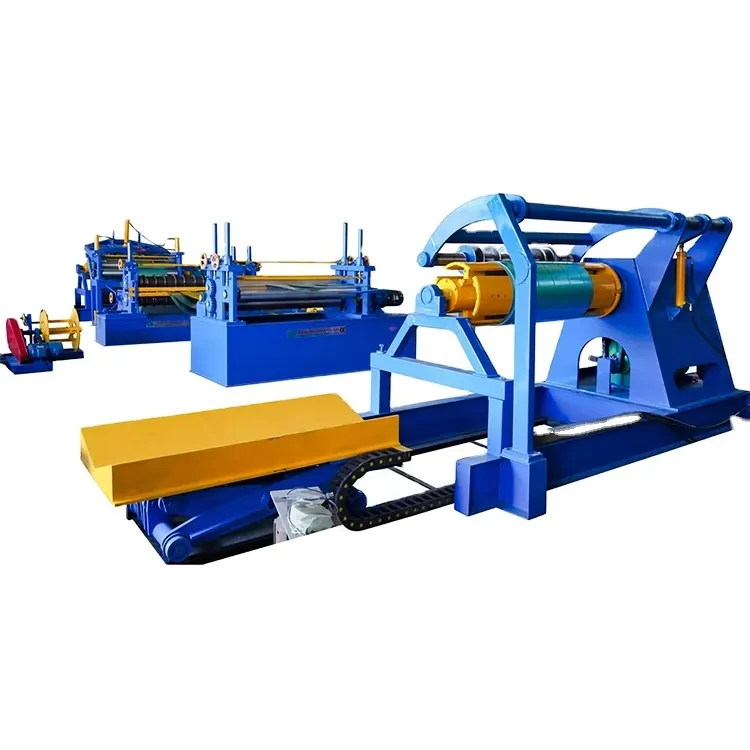
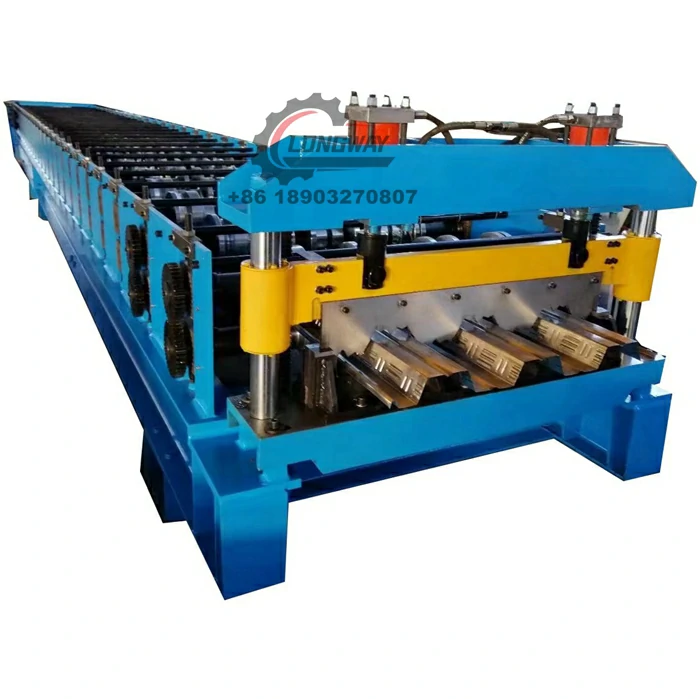
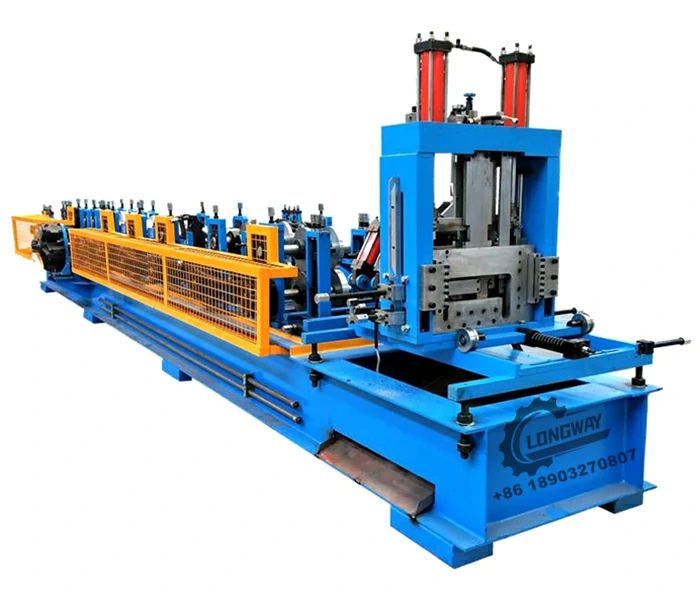
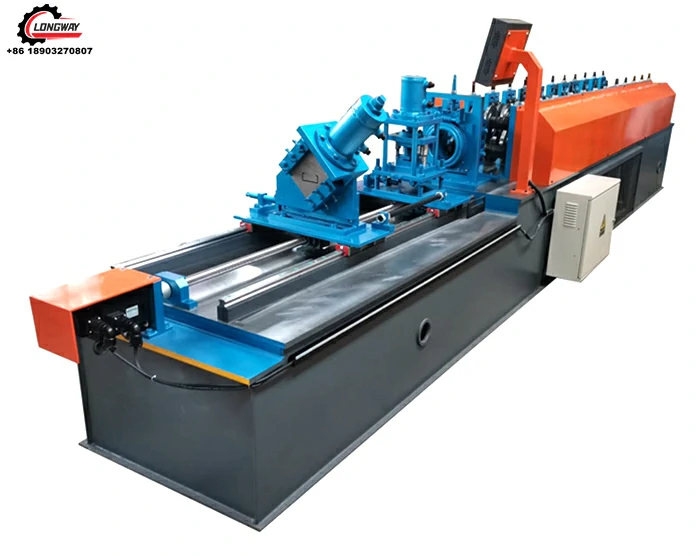
Over the years working in industrial equipment supply, I've noticed how certain machines quietly dominate the market without much fanfare. The china double layer roll forming machine factory is one such example. You don’t always hear about them in flashy trade shows, but these setups really get the job done in sheet metal forming—especially where efficiency and precision matter.
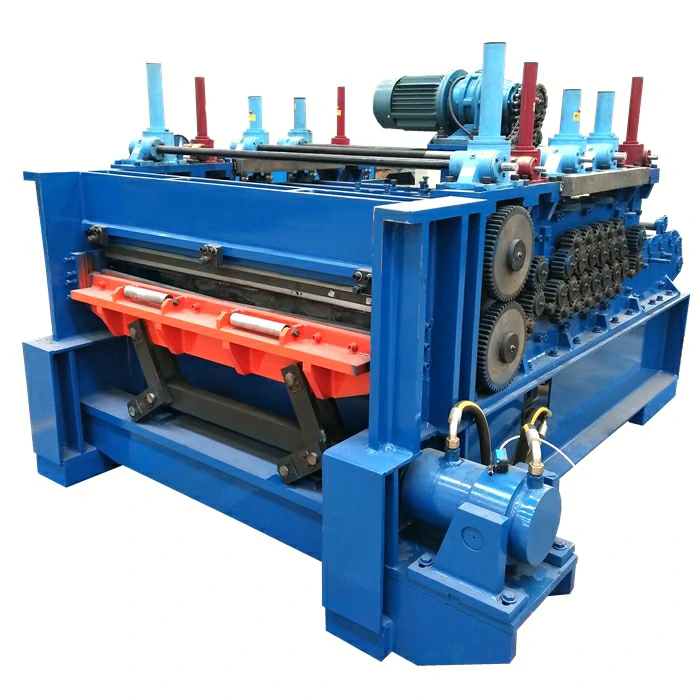
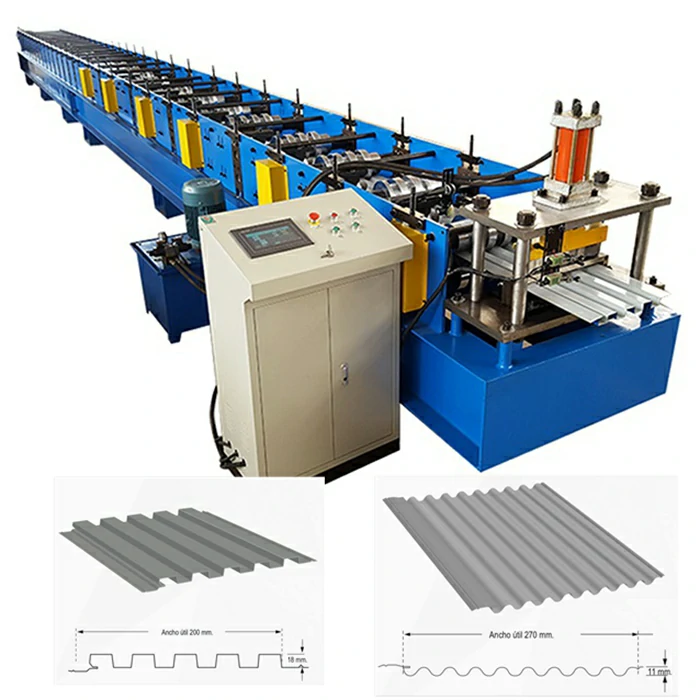
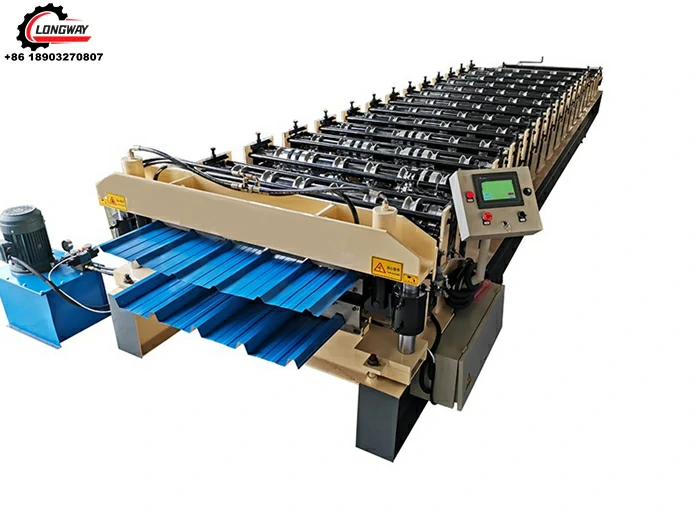
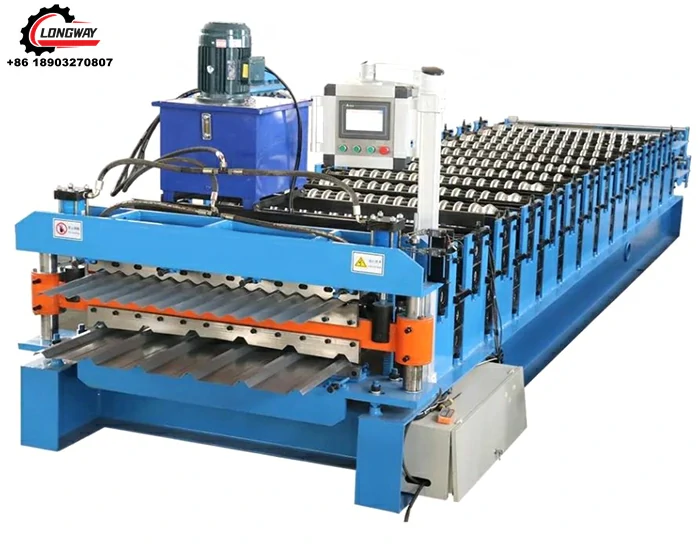
For those new to the term, a double layer roll forming machine is essentially a specialized piece of equipment designed to shape metal coils into complex profiles by running metal through two layers of forming rollers. This “double layer” part isn’t just fanciful jargon; it means greater flexibility in product shapes while simultaneously boosting production speed. I remember visiting a factory in Zhejiang where the engineers proudly showed me how their machines handled two profiles within one pass—saving time and reducing material waste in real terms.
Oddly enough, the recent surge in demand for double layer machines ties closely to China’s construction boom and the need for lightweight, durable roofing panels, wall claddings, and even industrial shelving components. Factories are constantly tweaking designs to accommodate thicker gauges and faster coil feeding — it’s quite a battlefield to stay ahead in precision forming.
| Specification | Details |
|---|---|
| Material Thickness | 0.3 – 1.2 mm |
| Forming Layers | Two sets (Double Layer) |
| Max Forming Speed | 18–25 m/min |
| Control System | PLC with Touchscreen Interface |
| Motor Power | 30 KW Frequency Conversion Motor |
From my experience, not all manufacturers are created equal when it comes to these machines. Aside from raw specs, factors like after-sales support, ease of customization, and factory automation levels substantially impact how well a machine integrates into your production line. For example, a mid-sized manufacturer in Suzhou impressed me by integrating real-time diagnostics right into their PLC system, making troubleshooting on-site almost painless.
| Factory | Customization | Lead Time | Support | Price Range (USD) |
|---|---|---|---|---|
| Zhejiang LW Machinery | High (Profile & Speed) | 3–5 Weeks | 24/7 Online Assistance | 30,000 – 45,000 |
| Suzhou Rollform Ltd. | Medium (Standard Profiles) | 4–6 Weeks | On-site Training Available | 28,000 – 40,000 |
| Guangdong Formtech | Low (Limited Profiles) | 6–8 Weeks | Email Support Only | 25,000 – 35,000 |
Customization is arguably the real game-changer with these machines. One client I worked with needed a very particular profile that wasn’t offered “off the shelf.” The factory was willing to tweak roller design and control parameters to get it right—and that flexibility saved the project. It’s one of those things that you don’t realize how crucial it is until you actually need it.
Testing and reliability rounds out the story. Despite their complex construction, good factories conduct multiple rounds of quality control: from raw material inspections to trial runs and durability tests. In one plant I toured, operators used sensor data to adjust roller pressure continuously throughout production, which, frankly, impressed me. It’s a demonstration of how traditional forming methods are evolving with smart tech.
In the end, the china double layer roll forming machine factory market is competitive but brimming with innovation. If you’re in fabrication or construction looking to upgrade, it’s worth diving into this niche. Just keep an eye on vendor reputation, after-sales support, and your own customization needs. It feels like choosing the right partner here can make a world of difference to uptime and output quality.
As a little takeaway, I often tell newcomers: machines can be impressive, but it’s the people behind them—and their willingness to listen—that often tip the scales.
References:
1. Industry visit notes, Zhejiang factories, 2023
2. Supplier reports and PLC integration manuals
3. Client project insights, light gauge steel roofing products
-
High Precision Customized Z Purlin Roll Forming Machine GuideNewsApr.16, 2026
-
High Precision customized steel structure floor deck roll forming machineNewsApr.09, 2026
-
Comprehensive Guide to Customized Roof Tile Roll Forming Machine SolutionsNewsApr.07, 2026
-
Optimizing Metal Fabrication with a Customized Roll Forming Machine SolutionNewsApr.04, 2026
-
Comprehensive Guide to Customized Profile Roll Forming Machine SolutionsNewsMar.31, 2026
-
Customized Light Steel Keel Roll Forming Machine Solutions and ApplicationsNewsMar.28, 2026
-
Optimized Production with a Customized Double Layer Roll Forming Machine SolutionNewsMar.26, 2026