China C Purlin Roll Forming Machine Factory – Trusted Industrial Gear
China C Purlin Roll Forming Machine Factory: Insights from the Industrial Trenches
Having spent a good portion of my career around industrial equipment, I’ve learned to appreciate the subtle but important differences when it comes to roll forming machines, especially those from China C purlin roll forming machine factory setups. Oddly enough, these machines often get overlooked compared to bigger, flashier gear — but in real terms, they’re the backbone of many structural projects.
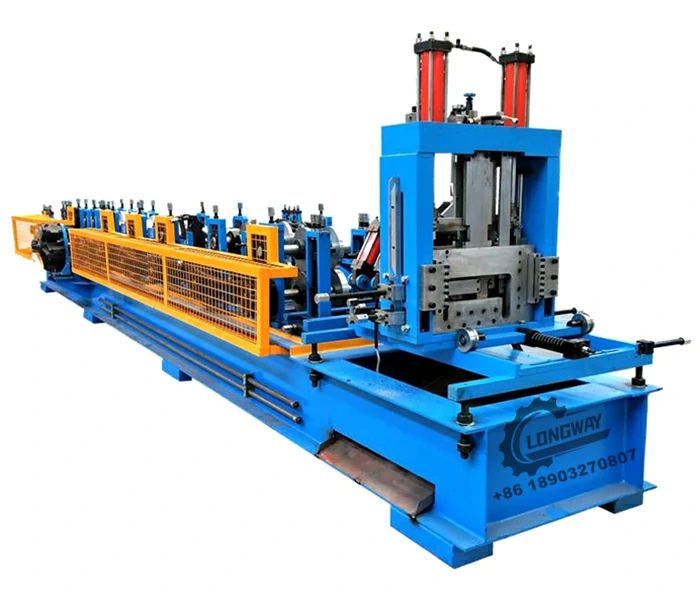
To start, a quick note: the term "C purlin" refers to those characteristic C-shaped steel sections used extensively in roofing and wall structures. They’re lightweight yet strong, and when paired with roll forming machines, they’re produced with remarkable precision. Many engineers say the technological edge lies in the roll forming line's design, and frankly, in China, factory options have come a long way.
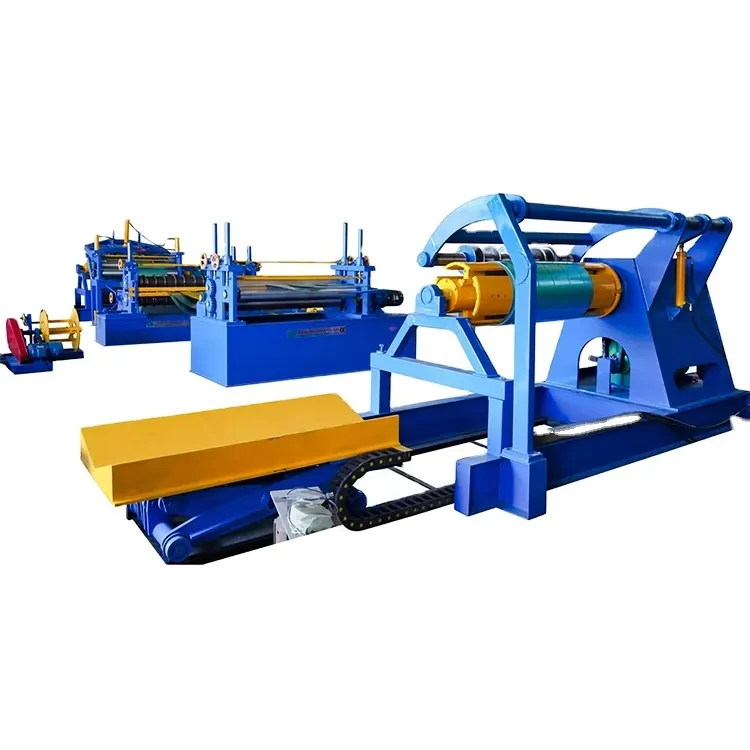
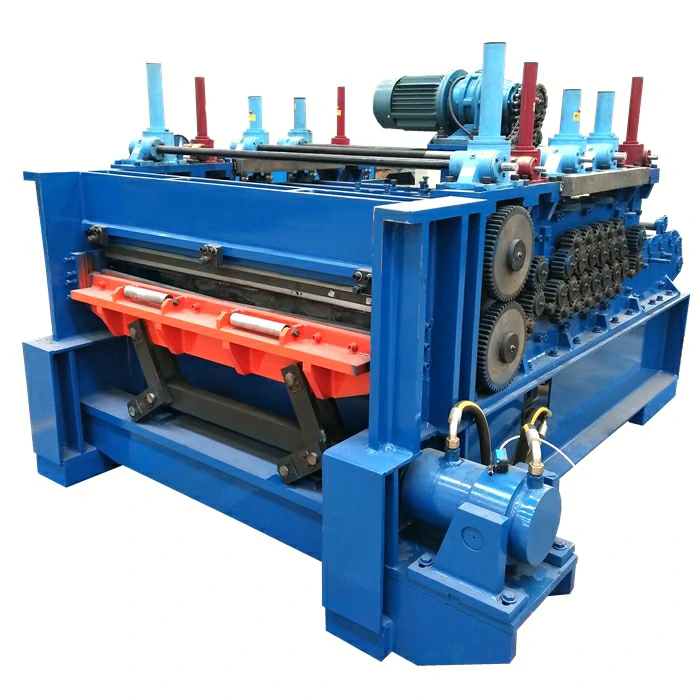
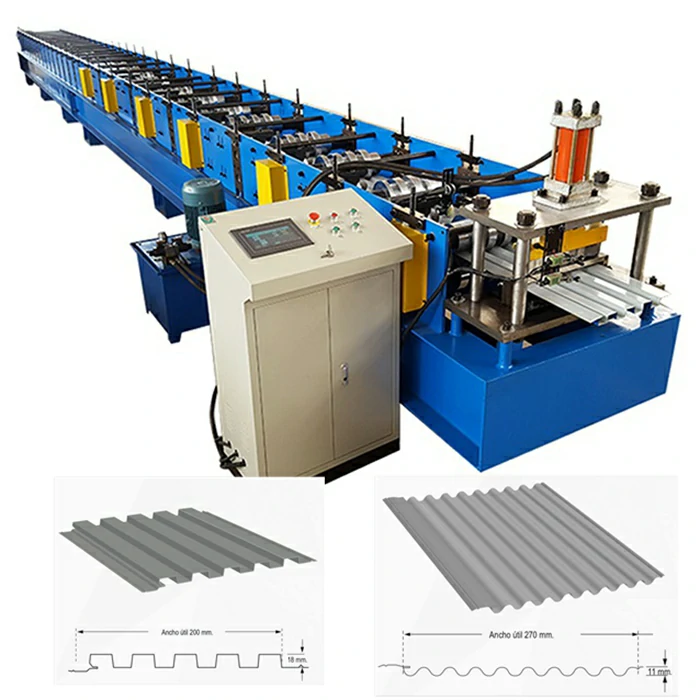
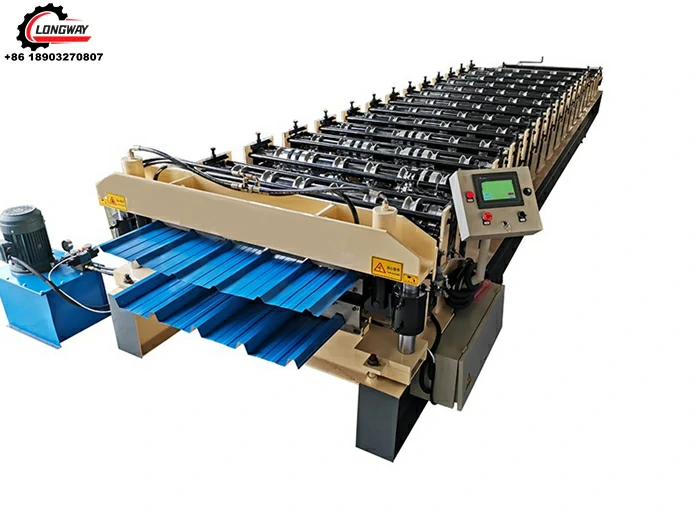
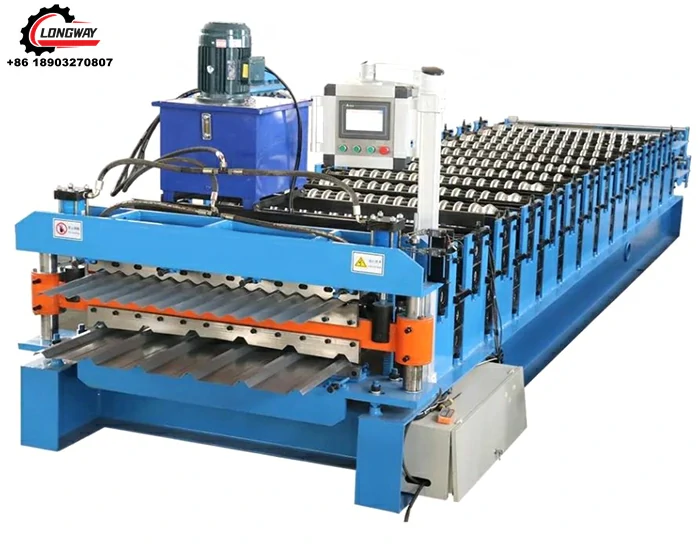
When I first encountered these machines on the shop floor, I was struck by their robust design. Typically, they feature a hydraulic decoiler, a series of precise roll stations, a cutting system (often hydraulic), and an automatic stacking unit. The beauty is in how seamlessly these parts work in unison. Because of their repeatability and speed, they can produce C purlins to exact specifications – thickness, length, and shape tolerances all matter.
But it’s not all just raw specs — customization plays a huge role. In fact, one factory I visited recently tailors the roll forming machine line to match client-specific purlin dimensions and even material choices. Speaking of materials, it’s important to consider that most of these machines handle cold-rolled steel sheets in thickness ranges from 1.5 to 3.0 mm, sometimes more depending on the machine’s capacity.
And yes, quality here can be uneven, but you often find the best Chinese producers include thorough testing measures — vibration testing, material feeding precision checks, and cold forming integrity tests. It feels like a testament to how competitive the industry has become, especially as they vie for global contracts.
| Feature | Specification |
|---|---|
| Material Thickness | 1.5 - 3.0 mm (Cold Rolled Steel) |
| Forming Stations | 12 - 15 rollers |
| Production Speed | 8 - 18 m/min |
| Cutting System | Hydraulic Shear / Flying Cut |
| Power Source | Electric Motor (Typically 15-30 kW) |
| Control System | PLC + Touch Screen Interface |
Now, I suppose you might wonder how Chinese manufacturers stack up against other regions. From what I’ve seen over the years, it’s not just about price (although that’s often a big factor). It’s the adaptability and a customer-first approach. To illustrate, here’s a rough comparison across three typical vendor profiles:
| Feature | Chinese Factory A | European OEM | Local Distributor |
|---|---|---|---|
| Price Point | Competitive / Low | High | Mid-range |
| Customization Options | Very High | Moderate | Limited |
| Lead Time | 2-4 weeks | 6-12 weeks | 4-8 weeks |
| Customer Support | Responsive, often bilingual | Technical, but less flexible | Good, but localized |
| Machine Durability | Robust, with good maintenance | Premium components | Adequate for mid-level production |
I recall a client story from last year involving a small construction firm from Southeast Asia. They needed a highly customized C purlin line, one that could switch between multiple sizes without lengthy downtime. Approaching a Chinese factory directly gave them exactly that flexibility at a price they could manage — and frankly, the aftersales support was what really sealed the deal.
In the end, the purchase decision for these machines isn’t just about specs or price tags. It's about trust, adaptability, and knowing the factory has the technical depth to support long-term use. The good news is that many Chinese factories now meet, or exceed, those expectations, blending innovation with pragmatic design.
So, if you’re in the market, consider looking deeper than just the sticker price. You might find that the China C purlin roll forming machine factory options offer a blend of quality and customization that's hard to beat.
After all, a machine like this is an investment in your entire build process — so choose wisely, and maybe give an experienced supplier a call first.
1. Industry interviews and factory visits, 2022-2023.
2. Technical data sheets from leading Chinese roll forming machine manufacturers.
3. Client testimonials and project reports.
-
High Precision Customized Z Purlin Roll Forming Machine GuideNewsApr.16, 2026
-
High Precision customized steel structure floor deck roll forming machineNewsApr.09, 2026
-
Comprehensive Guide to Customized Roof Tile Roll Forming Machine SolutionsNewsApr.07, 2026
-
Optimizing Metal Fabrication with a Customized Roll Forming Machine SolutionNewsApr.04, 2026
-
Comprehensive Guide to Customized Profile Roll Forming Machine SolutionsNewsMar.31, 2026
-
Customized Light Steel Keel Roll Forming Machine Solutions and ApplicationsNewsMar.28, 2026
-
Optimized Production with a Customized Double Layer Roll Forming Machine SolutionNewsMar.26, 2026