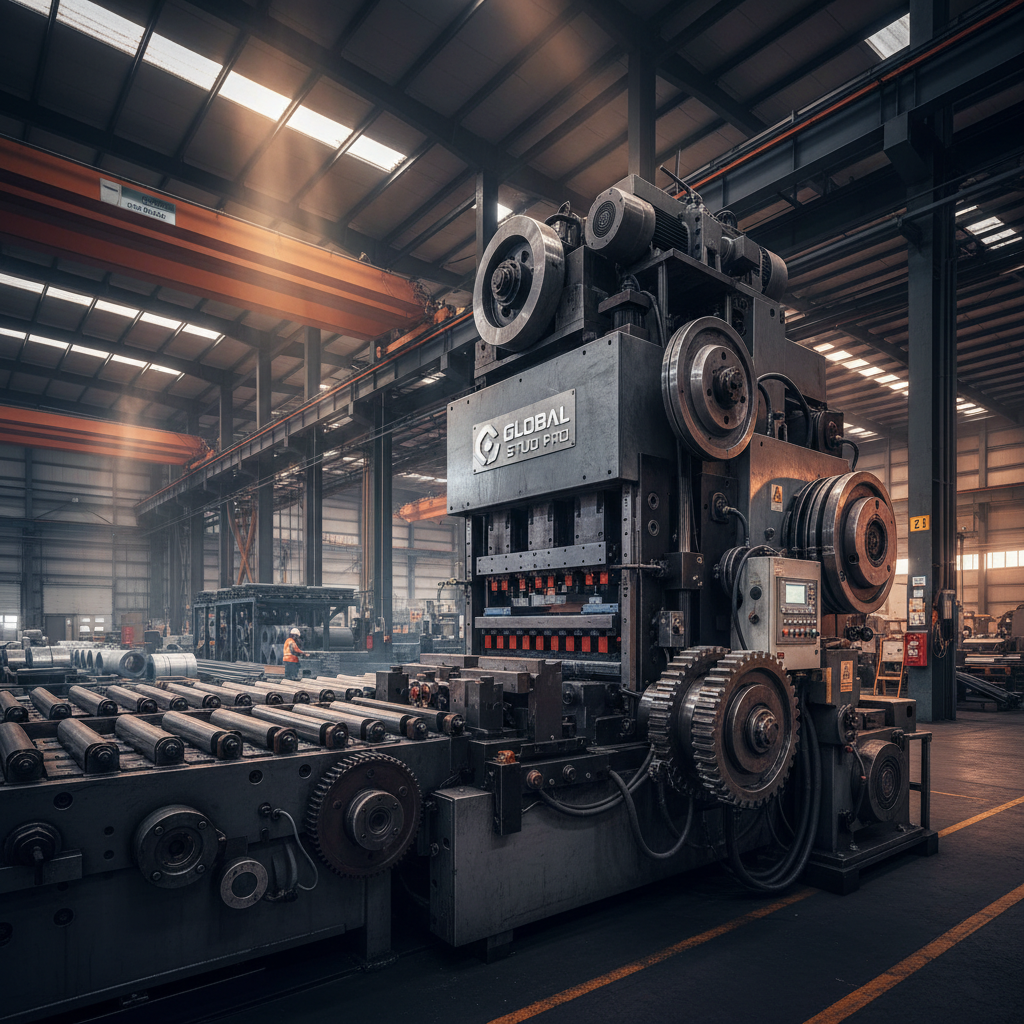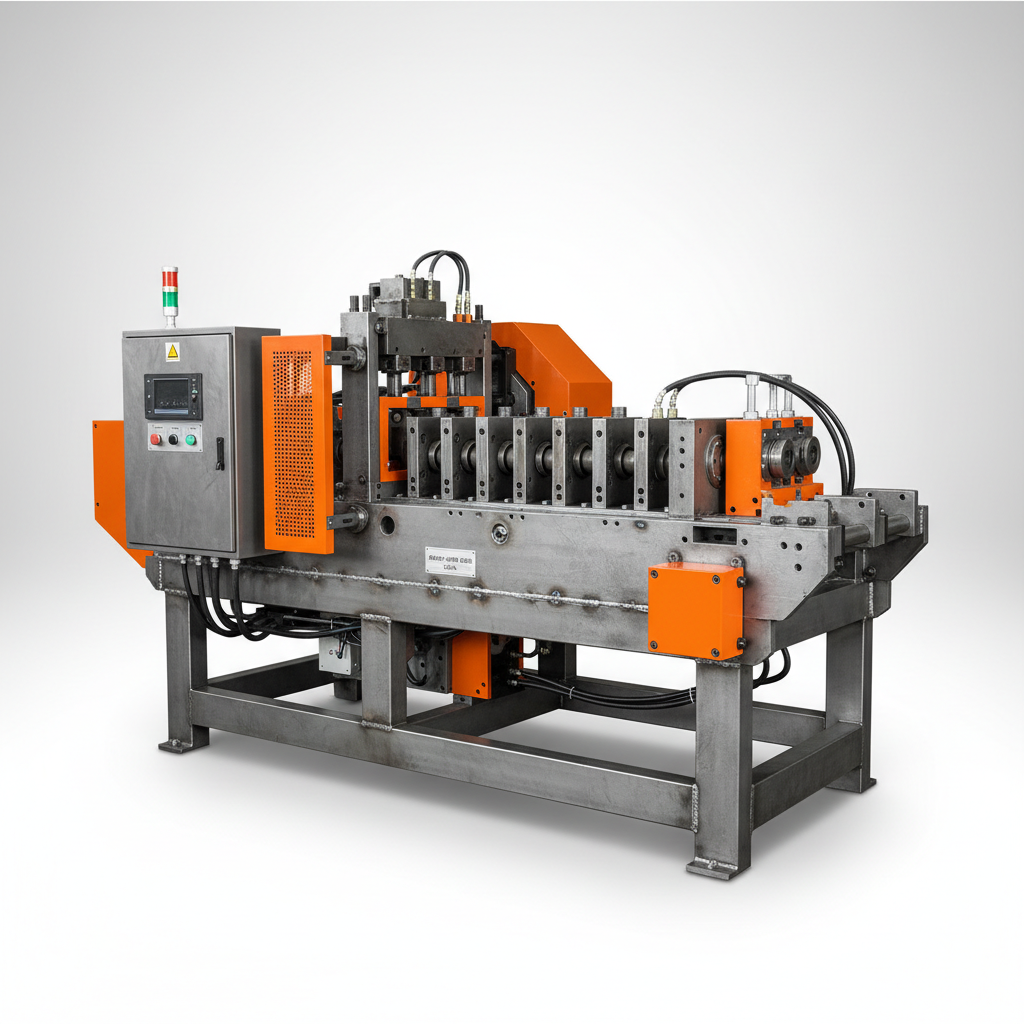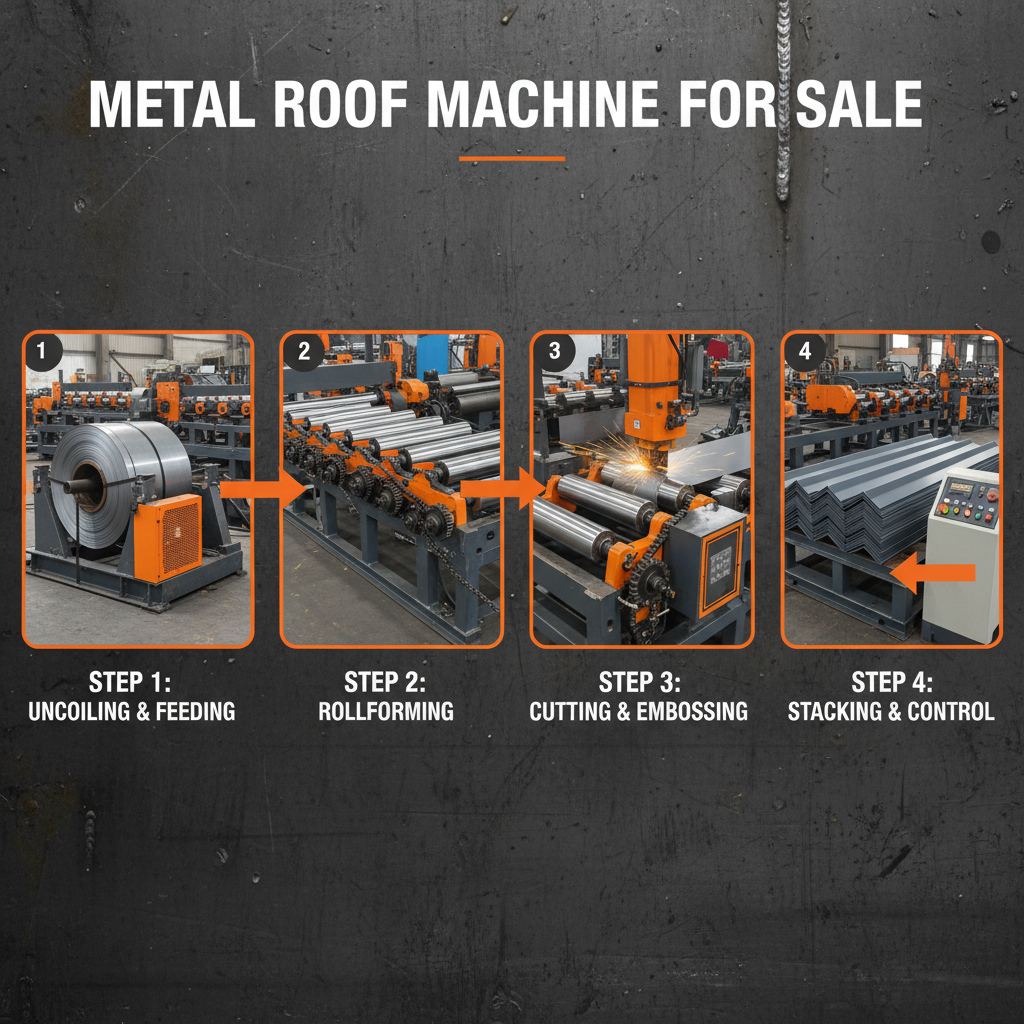
To be honest, the stud roll forming machine market has been… hectic. Everyone's chasing automation, lighter materials, faster setups. It's not about building a better machine anymore, it's about building a machine that adapts. I’ve been seeing a lot of interest in modular designs lately, where you can swap out forming tools quickly. Seems simple, right? But trust me, the devil is in the details. Have you noticed how many manufacturers skimp on the tool locking mechanisms? It'll vibrate loose faster than you can say “downtime.”
And speaking of details, the tolerances on these things…oof. I encountered this at a factory in Tianjin last time, where they were trying to use a cheaper steel for the rollers. The finish was rough, the wear resistance was…well, let's just say they were going through rollers like water. You can test the steel in a lab all day long, but it's the real-world abuse that matters. The dust, the grime, the constant flexing… that’s what kills ‘em.
It all comes down to getting the right balance. People think "steel is steel," but it's not. We've been using S45C carbon steel mostly for the forming rollers – it’s got a good balance of hardness and toughness. The smell when you’re machining it… that metallic scent mixed with the cutting oil... reminds me of my grandfather’s workshop. Then you have the guide rails, we switched to 40Cr alloy steel for those, it’s tougher. And the base frame? Thick-walled square tubing, usually Q235 steel, though we’ve experimented with some higher-strength stuff. It's heavy, but that stability is crucial. Anyway, I think the best machines are the ones that feel solid under your feet, you know?
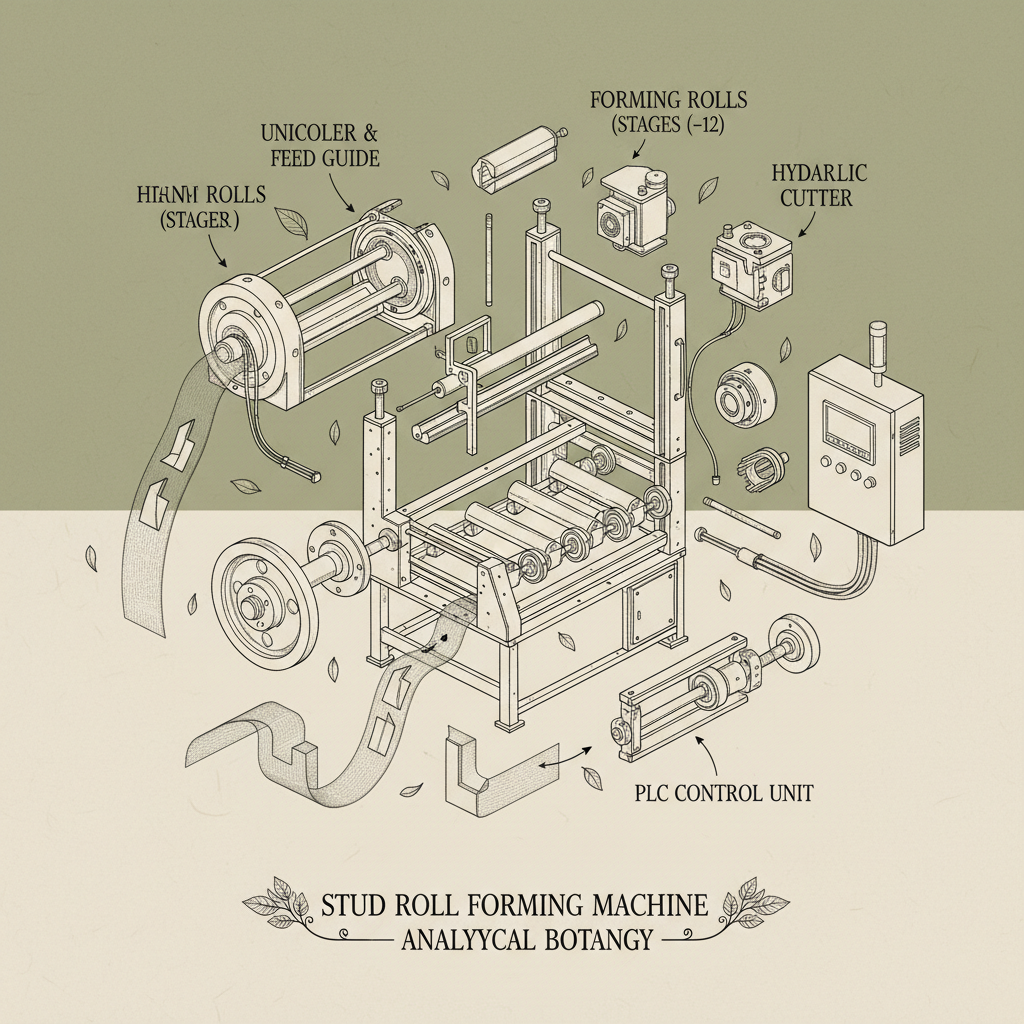

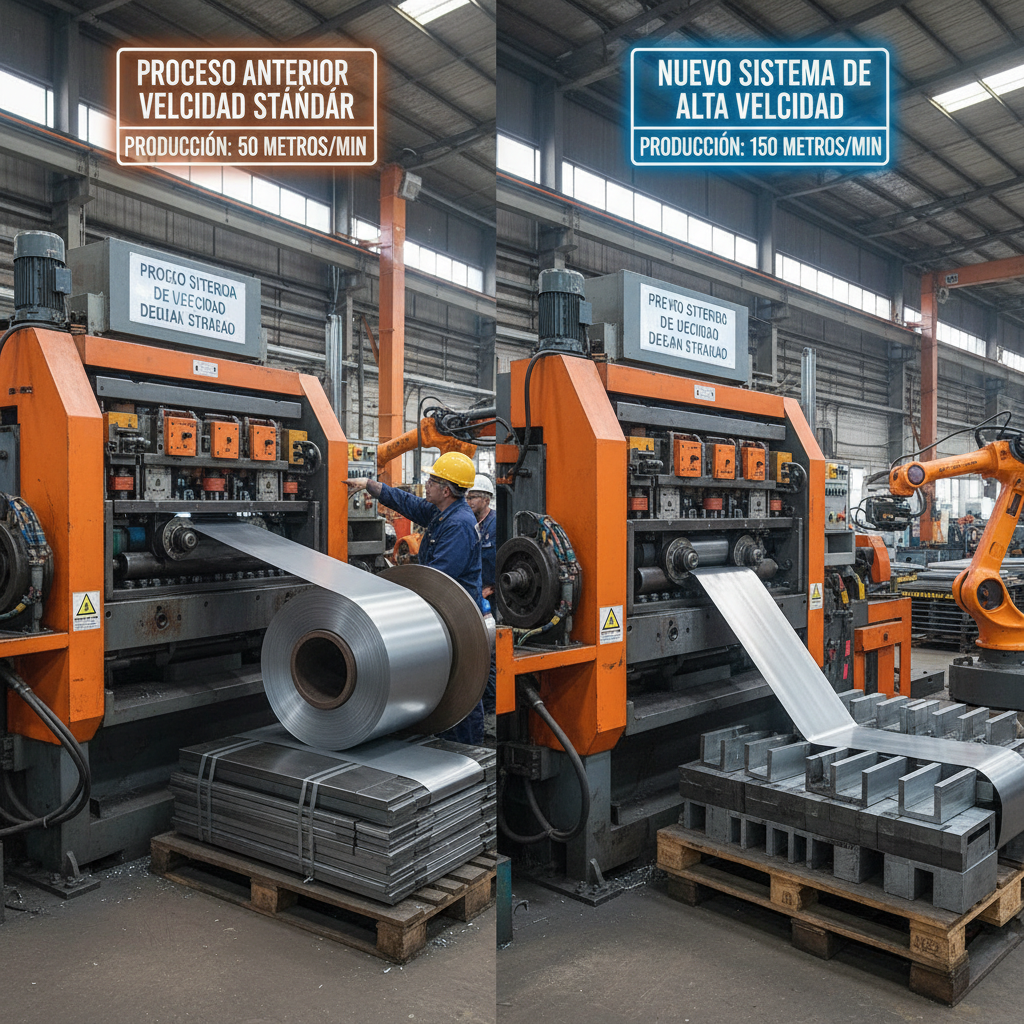
Strangely enough, a lot of companies are trying to make these things “smart” – adding sensors everywhere. Which is fine, I guess, if someone wants to spend the money. But I've seen so many machines with fancy dashboards that nobody uses. They're too complex. Operators just want something reliable that works. The trend towards faster changeovers is definitely a good one though. We're building in quick-release mechanisms for the dies, reducing downtime.
The biggest design pitfall I see is trying to cut corners on the drive system. A weak motor or gearbox will kill performance and longevity. You need something robust, something that can handle continuous operation. Believe me, a broken gearbox on a job site is a nightmare.
The lifespan of the roll forming tools is primarily affected by the material they're made of, the thickness and hardness of the material being formed, the lubrication system, and the production volume. Regularly inspecting for wear, proper lubrication, and using high-quality tooling material will significantly extend their life.
Choosing the right steel gauge depends on the desired strength, weight, and cost of the finished studs. Generally, thicker gauges provide greater strength but add weight and cost. You need to consider the application's load-bearing requirements and balance those with budget constraints. Consulting with a materials engineer is recommended.
Regular maintenance includes lubricating moving parts, inspecting and tightening bolts, checking the alignment of the rollers, and cleaning the machine thoroughly. It’s also important to inspect the electrical components and ensure the control system is functioning correctly. Following the manufacturer's maintenance schedule is crucial.
Yes, many stud roll forming machines are designed to handle multiple profiles by swapping out the forming rollers. This is a key advantage of roll forming. However, you may need to purchase additional tooling sets for each profile you intend to produce. Ensure the machine is equipped with a quick-change tooling system for efficient profile switching.
Essential safety features include emergency stop buttons, safety guards around moving parts, and a properly grounded electrical system. Operators should be thoroughly trained on safe operating procedures and always wear appropriate personal protective equipment (PPE), such as safety glasses and gloves.
Common installation problems include incorrect leveling of the machine, inadequate electrical supply, and improper alignment of the rollers. It's critical to ensure the foundation is level and can support the machine's weight, and that the electrical supply meets the machine’s specifications. Professional installation and commissioning are highly recommended.
Ultimately, whether this thing works or not, the worker will know the moment he tightens the screw. We’ve talked about materials, testing, customization, and all the fancy tech. But it all boils down to real-world performance. It needs to be reliable, easy to use, and capable of producing consistent quality.
Going forward, I think we’ll see more emphasis on automation and smart features, but only if they add real value. We need to focus on solving the actual problems that operators face on the job site, not just adding bells and whistles for the sake of it. If you're looking for a stud roll forming machine that’s built to last and backed by a team that understands the industry, visit our website.