The realm of industrial metal forming, specifically embodied by the maquina industrial metalcon, is undergoing a global surge in demand. This growth is driven by increasing infrastructure projects, the need for efficient construction materials, and a growing emphasis on precision manufacturing. The applications of this machinery are diverse, spanning from construction and automotive industries to appliance manufacturing and even renewable energy sectors. Understanding the nuances of maquina industrial metalcon is crucial for businesses looking to optimize production processes and stay competitive in today's rapidly evolving market.
Globally, the demand for metal forming solutions is projected to increase substantially in the coming years. Reports from organizations like the UN and the World Bank highlight the critical need for robust infrastructure development in emerging economies, a demand largely met through efficient metal forming techniques. The ISO standards for quality control in manufacturing further emphasize the importance of reliable and precise machinery like the maquina industrial metalcon.
However, this growing demand presents challenges: the need for skilled operators, the investment cost, and the push for sustainable manufacturing practices. Addressing these challenges requires innovation in machinery design, operator training, and the adoption of eco-friendly materials and processes.
Introduction to maquina industrial metalcon
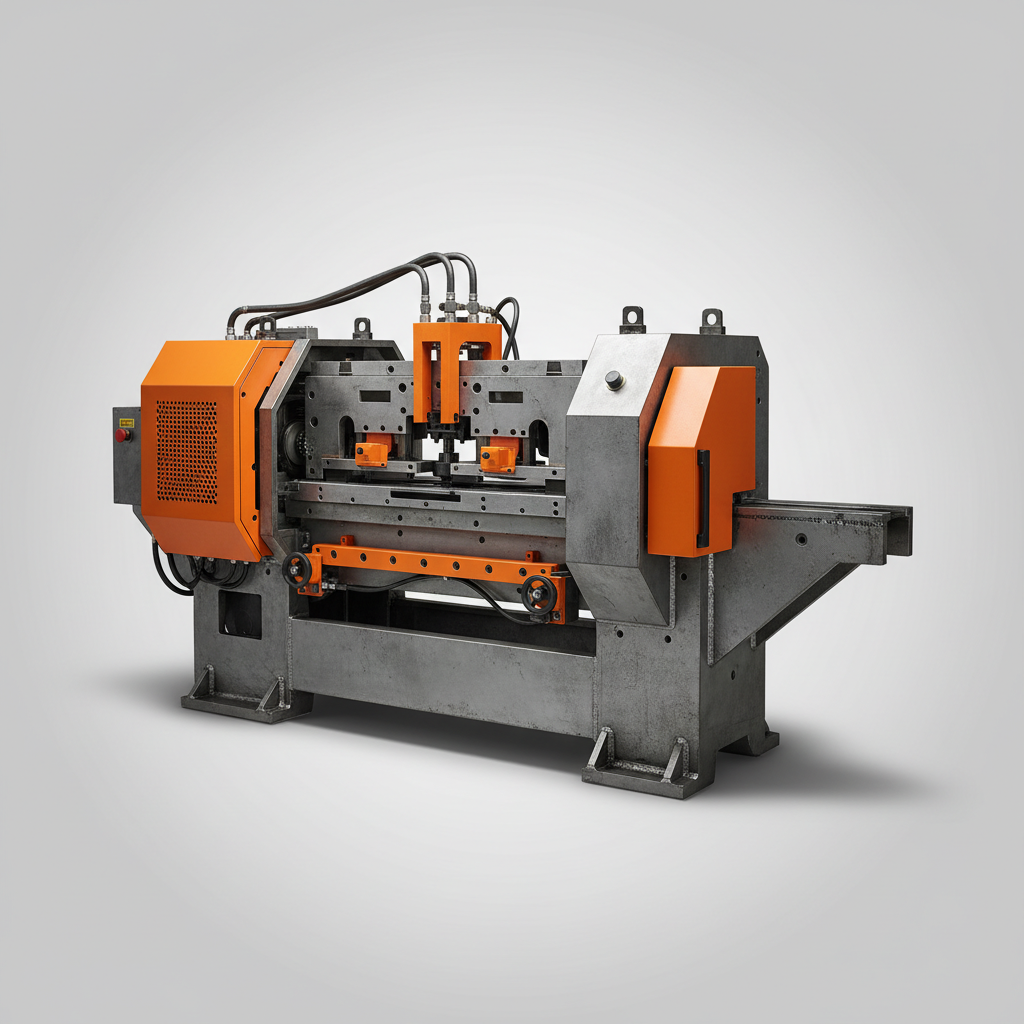
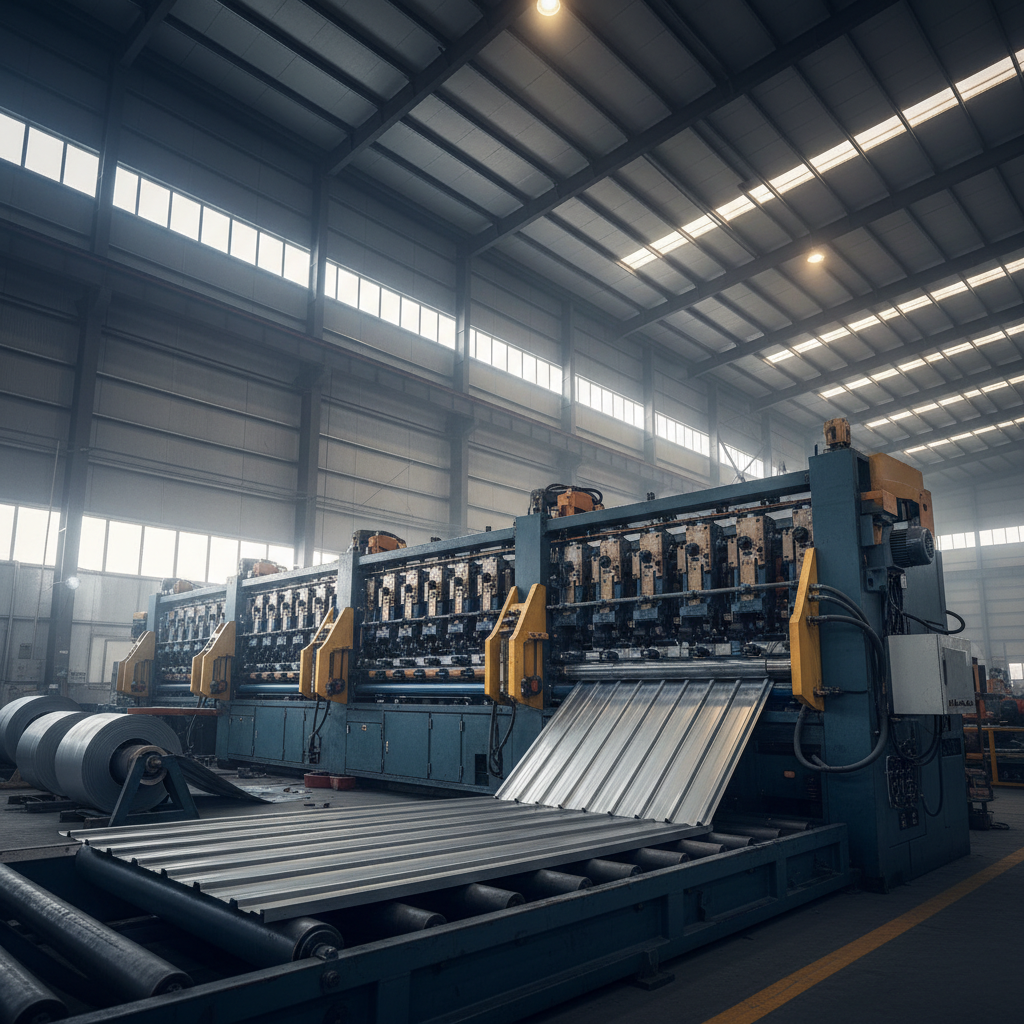
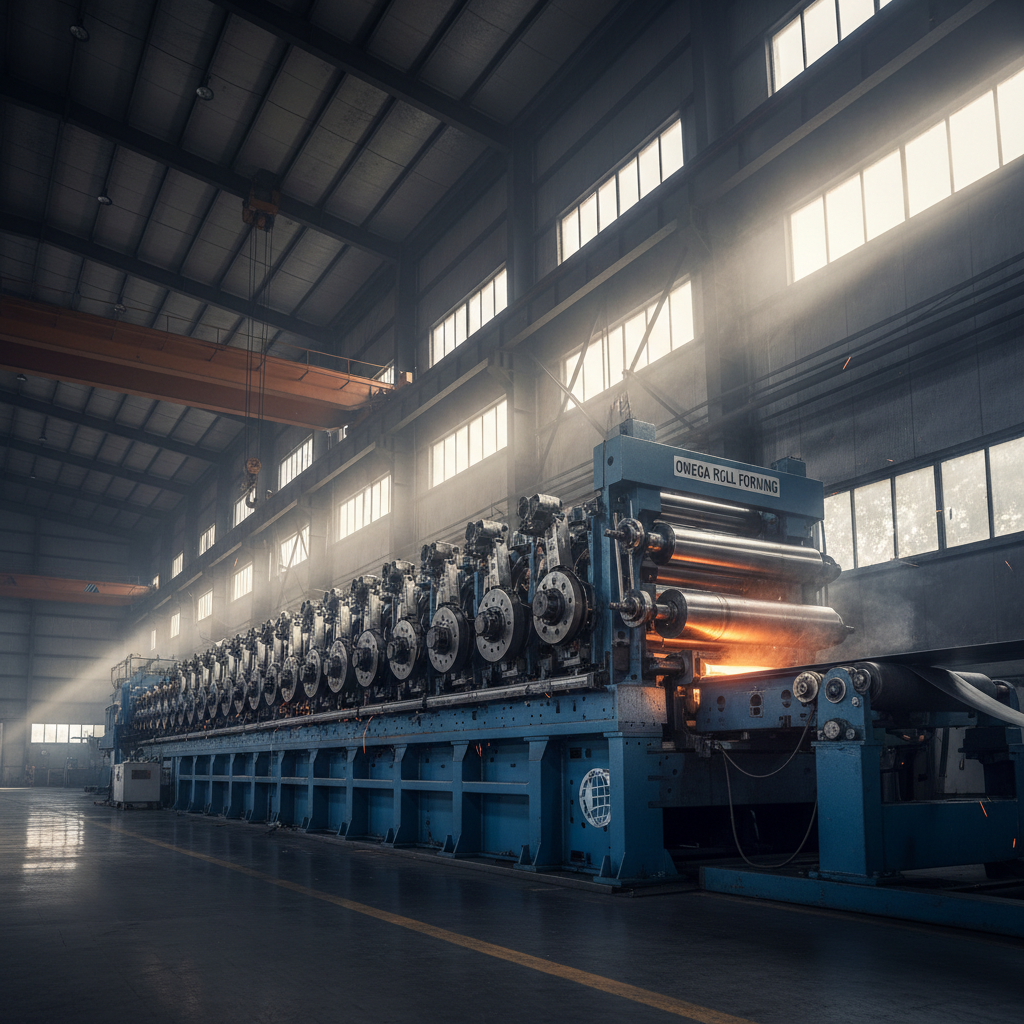
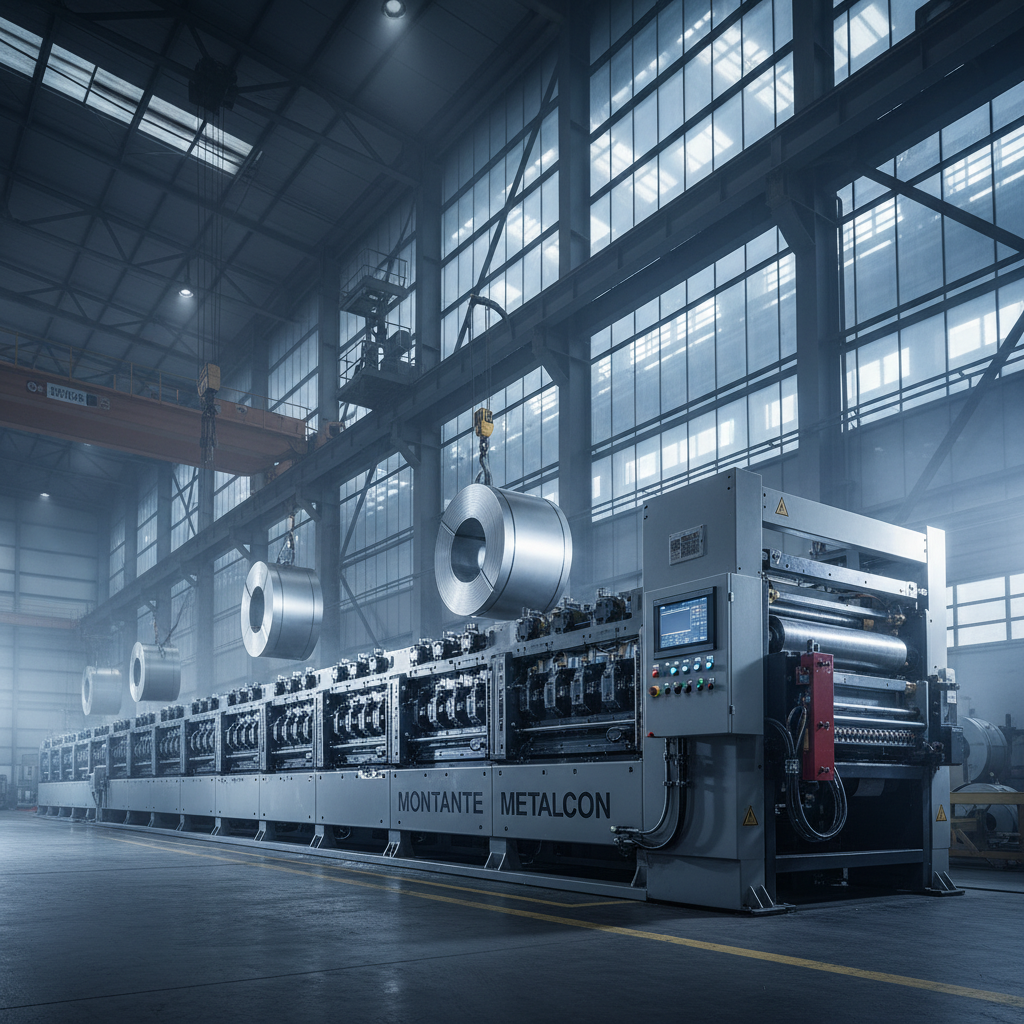
The maquina industrial metalcon represents a significant advancement in metal processing technology. These machines are designed to efficiently and precisely shape metal sheets into various profiles, streamlining production and minimizing waste. The core functionality revolves around the principle of roll forming, where metal is progressively shaped by passing it through a series of contoured rollers.
The impact of this technology extends far beyond simple manufacturing. It facilitates the creation of durable, cost-effective, and customized metal components vital to a wide range of industries, accelerating project completion and reducing overall costs. The maquina industrial metalcon is not just a machine; it’s an enabler of modern industrial progress.
Defining maquina industrial metalcon
A maquina industrial metalcon, in its simplest form, is a specialized machine used to continuously bend metal sheet into a desired cross-sectional profile. Unlike pressing or stamping, which are suited for specific shapes and limited material thicknesses, roll forming is ideal for producing long, consistent profiles from relatively thin metal sheets. The process involves feeding the metal sheet through a series of rollers, each of which imparts a small incremental bend, gradually achieving the final shape.
The connection to modern industry is undeniable. From the structural components of buildings to the body panels of automobiles, and the frames of appliances, the products of maquina industrial metalcon are ubiquitous. They are essential for creating lightweight, strong, and dimensionally accurate parts quickly and efficiently.
The application of this technology extends to critical humanitarian needs as well, such as the rapid deployment of temporary shelters or the construction of durable housing in disaster-affected areas. Its adaptability and efficiency make it a vital tool for addressing both industrial demands and societal challenges.
Core Components of maquina industrial metalcon
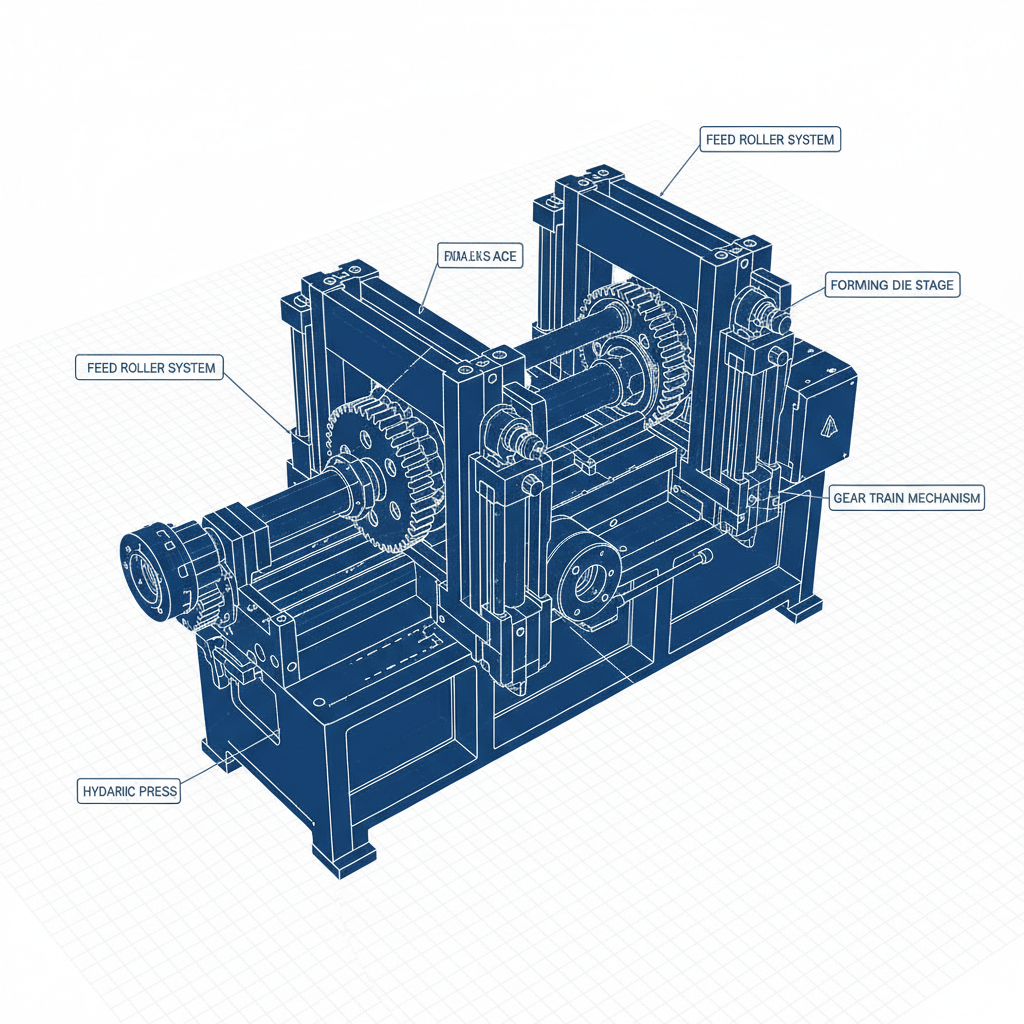
The performance and reliability of a maquina industrial metalcon depend on several key components working in harmony. First, the roll tool set itself is critical. These precisely engineered rollers determine the final shape of the metal. Secondly, the uncoiler system smoothly feeds the metal sheet into the machine, preventing disruptions and ensuring consistent material flow.
The drive system, typically employing electric motors and gearboxes, provides the power and control needed to move the metal through the rollers. Furthermore, the control panel allows operators to monitor and adjust machine parameters, ensuring accuracy and efficiency. Finally, the cutting system, which precisely cuts the formed metal to the desired length, is essential for completing the production process.
Understanding the interplay of these components is crucial for optimizing machine performance and minimizing downtime. Regular maintenance and inspection of each component ensure the longevity and reliability of the maquina industrial metalcon.
Key Performance Indicators of maquina industrial metalcon
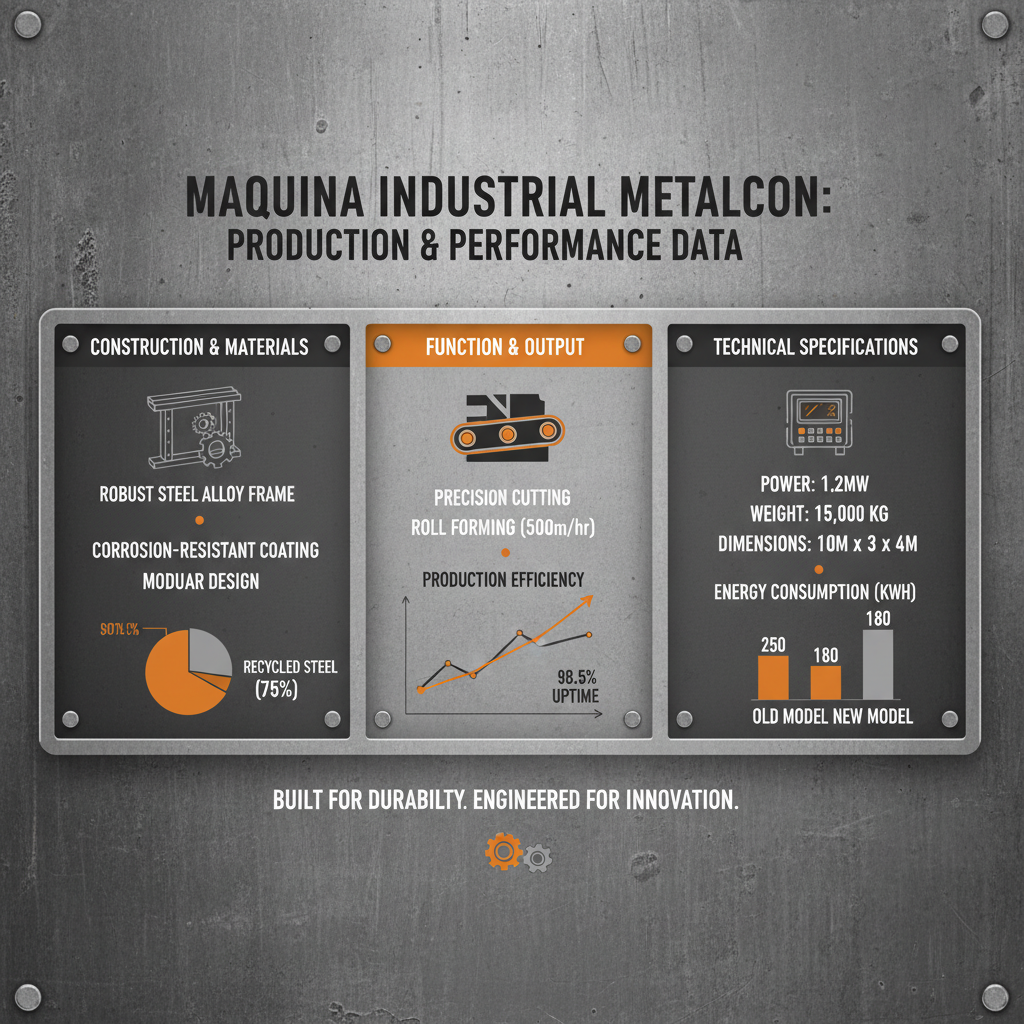
Evaluating the efficiency and effectiveness of a maquina industrial metalcon requires monitoring several key performance indicators (KPIs). Production Rate measures the quantity of formed metal produced per unit of time, directly impacting throughput. Material Utilization assesses the percentage of raw material converted into finished product, minimizing waste.
Accuracy & Consistency reflects the precision of the formed profiles, crucial for meeting stringent quality standards. Downtime measures the time the machine is unavailable for production, highlighting maintenance needs and potential improvements.
KPI Comparison for Different maquina industrial metalcon Models
Global Applications of maquina industrial metalcon
The maquina industrial metalcon finds diverse applications across the globe. In North America and Europe, it's primarily used in the construction industry for producing steel framing, roofing panels, and siding. In Asia, particularly in rapidly developing economies, it plays a vital role in manufacturing components for infrastructure projects like bridges, railways, and high-rise buildings.
In remote industrial zones, where access to skilled labor and advanced machinery may be limited, the maquina industrial metalcon offers a cost-effective and reliable solution for producing essential metal components locally. Similarly, in post-disaster relief operations, portable roll forming machines can be deployed to create temporary shelters and essential infrastructure, providing rapid assistance to affected communities.
Advantages of Utilizing maquina industrial metalcon
The advantages of utilizing a maquina industrial metalcon are manifold. Cost-efficiency is a primary benefit, as roll forming minimizes material waste and reduces labor costs compared to traditional metal fabrication methods. Furthermore, the process is exceptionally fast, allowing for high-volume production and quicker turnaround times.
The ability to create complex profiles with precision and consistency is another key advantage. This results in stronger, more durable components that meet stringent quality standards. The relatively low energy consumption of roll forming also contributes to its sustainability, aligning with growing environmental concerns.
Future Trends in maquina industrial metalcon Technology
The future of maquina industrial metalcon technology is poised for significant advancements. Automation and robotics are being increasingly integrated into roll forming lines, enhancing efficiency and reducing the need for manual intervention. The adoption of Industry 4.0 principles, including data analytics and predictive maintenance, will optimize machine performance and minimize downtime.
Furthermore, research into new materials and alloys is expanding the range of applications for roll forming. The development of eco-friendly and recyclable metal sheets will further enhance the sustainability of the process. Expect to see increased integration with digital design tools (CAD/CAM) for seamless workflow optimization.
These innovations will drive down costs, improve quality, and unlock new possibilities for the maquina industrial metalcon across a wider range of industries.
FAQS
Roll forming excels at producing continuous profiles with consistent cross-sections, making it more efficient and cost-effective for large-volume production of parts like roofing panels or structural components. Stamping is better suited for discrete parts with limited complexity. Roll forming also minimizes material waste compared to stamping, and requires lower tooling costs for many profiles.
A wide variety of metals can be processed, including steel (carbon, galvanized, stainless), aluminum, copper, and various alloys. The choice of metal depends on the specific application and desired properties. Machine adjustments and roll tooling are often needed when switching between different materials to ensure optimal forming.
While modern machines feature automated controls, some level of operator training is essential for efficient operation. Operators need to understand the machine’s controls, material properties, basic troubleshooting, and safety procedures. Advanced machines often require programming knowledge for complex profiles.
Regular maintenance is crucial for ensuring longevity and optimal performance. Daily checks and lubrication are essential. More in-depth maintenance, including roll inspection and alignment, gearbox servicing, and electrical system checks, should be performed monthly or quarterly depending on usage. Preventive maintenance schedules are highly recommended.
Safety is paramount. Operators must wear appropriate personal protective equipment (PPE) including safety glasses, gloves, and hearing protection. Machine guarding must be in place and functioning correctly. Emergency stop buttons should be readily accessible and tested regularly. Adherence to established safety protocols is crucial to prevent accidents.
Lead times for custom roll tooling can vary depending on the complexity of the profile and the tooling manufacturer’s workload. Generally, it takes between 4-8 weeks for design, manufacturing, and delivery of custom tooling. Providing detailed drawings and specifications upfront can help expedite the process.
Conclusion
In conclusion, the maquina industrial metalcon represents a cornerstone of modern metal fabrication, offering unparalleled efficiency, precision, and versatility. From its core components to its diverse global applications, this technology has fundamentally transformed industries ranging from construction and automotive to infrastructure and disaster relief. Its ability to deliver cost-effective, durable, and customized metal solutions makes it an indispensable asset for businesses seeking to optimize production and maintain a competitive edge.
Looking ahead, continued innovation in automation, materials science, and digital integration will further enhance the capabilities of the maquina industrial metalcon. Embracing these advancements is crucial for organizations looking to stay at the forefront of the industry and unlock new opportunities for growth and sustainability. Visit our website at www.lwrollformingmachine.com to learn more about how we can help you leverage the power of roll forming technology.