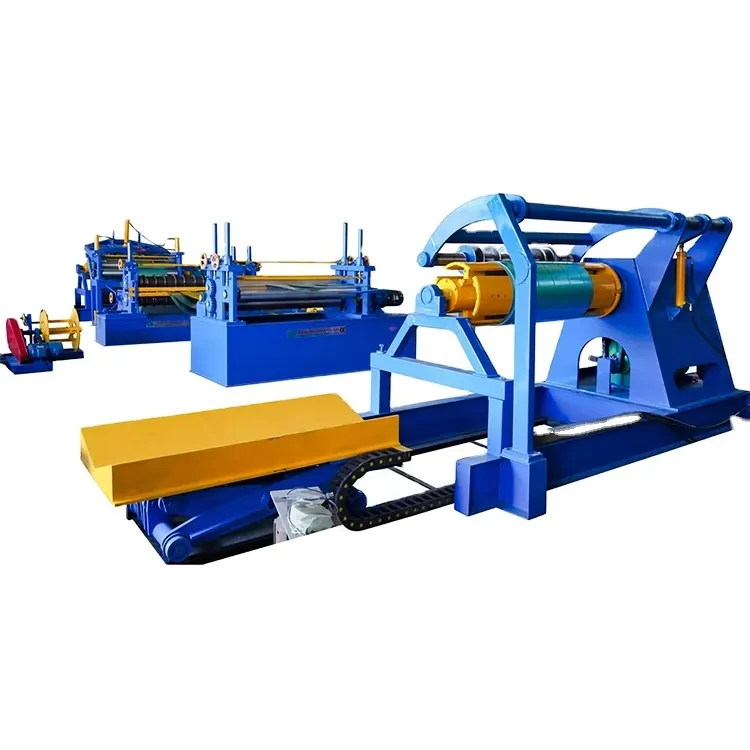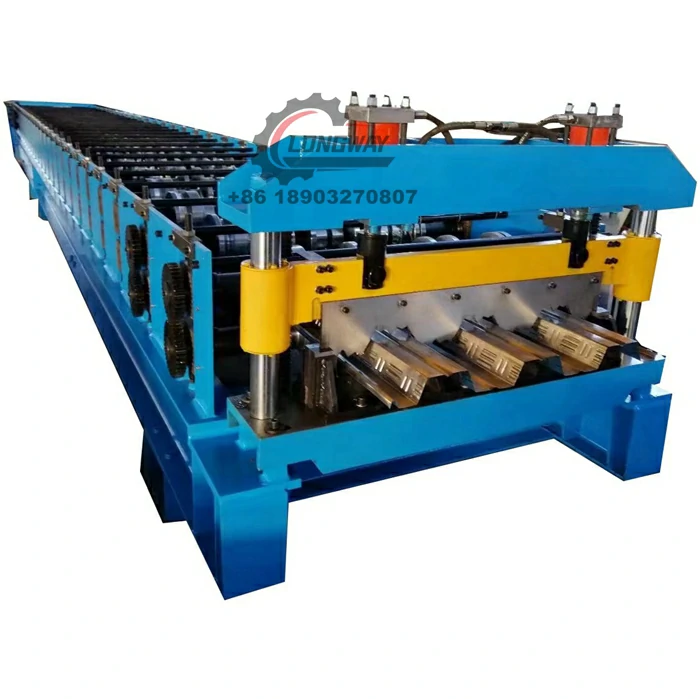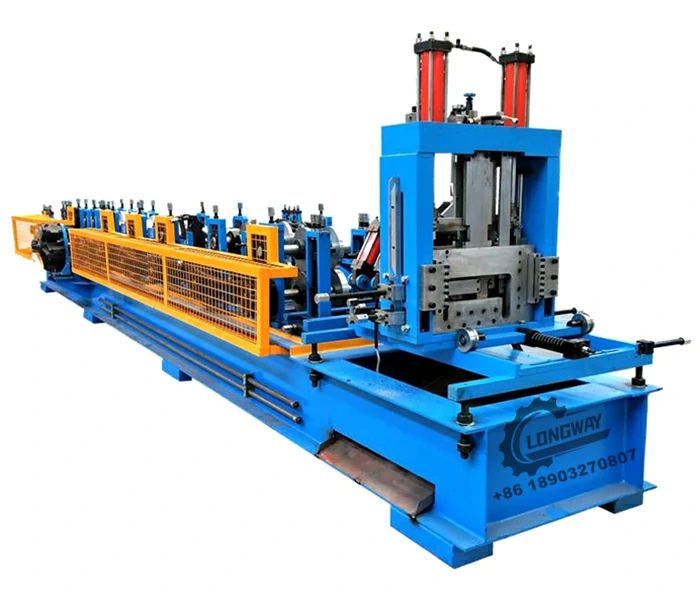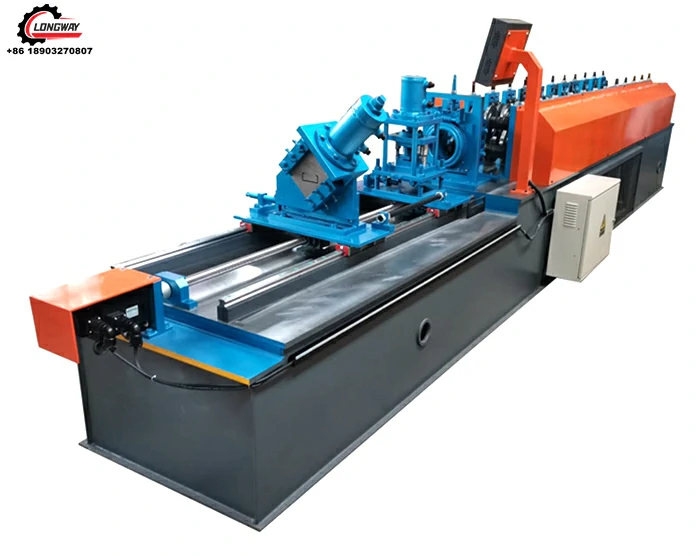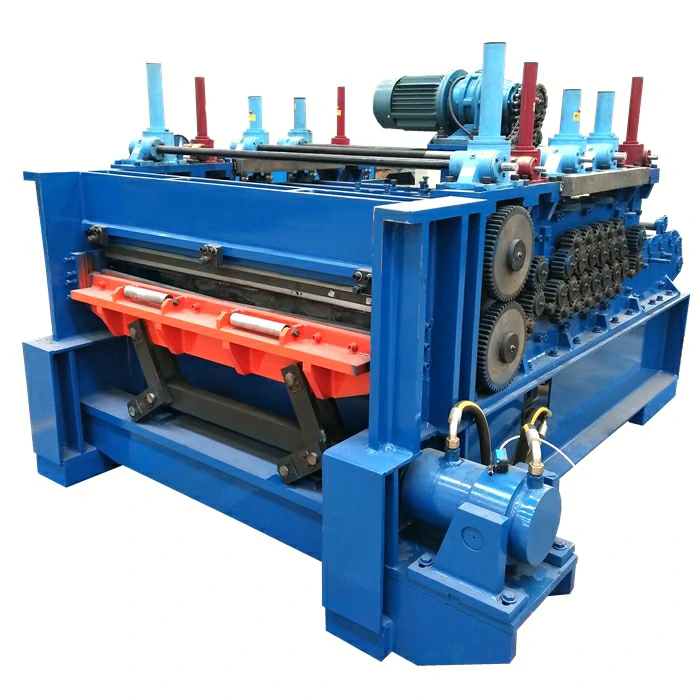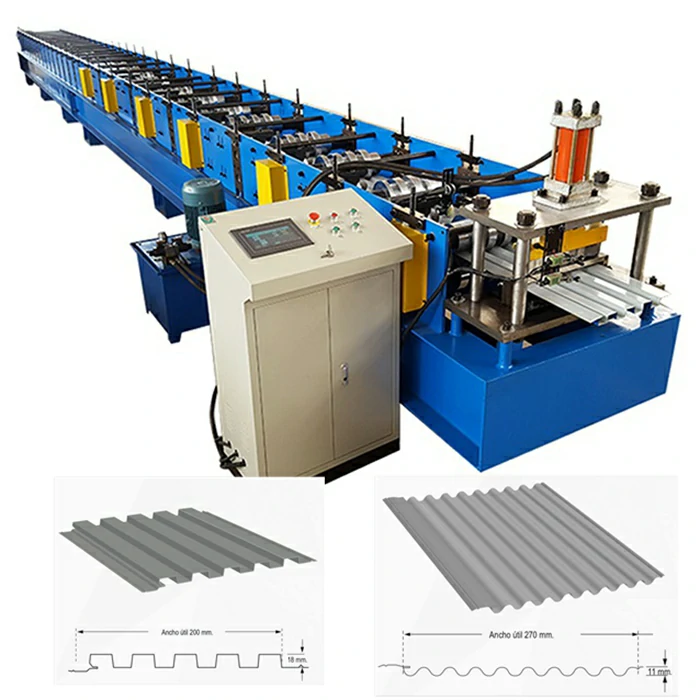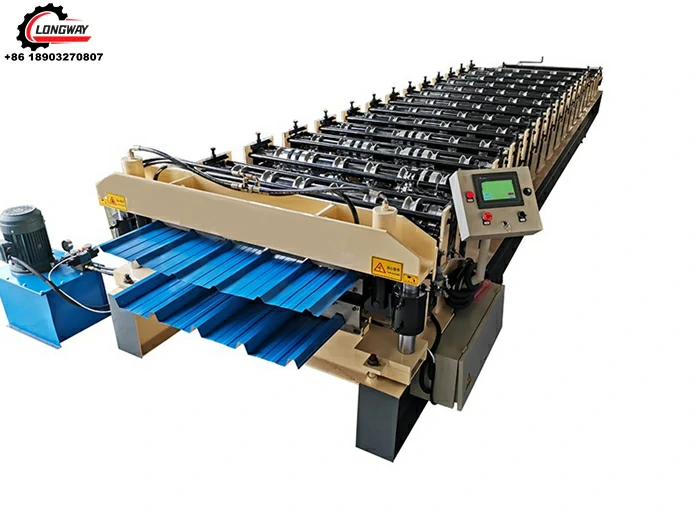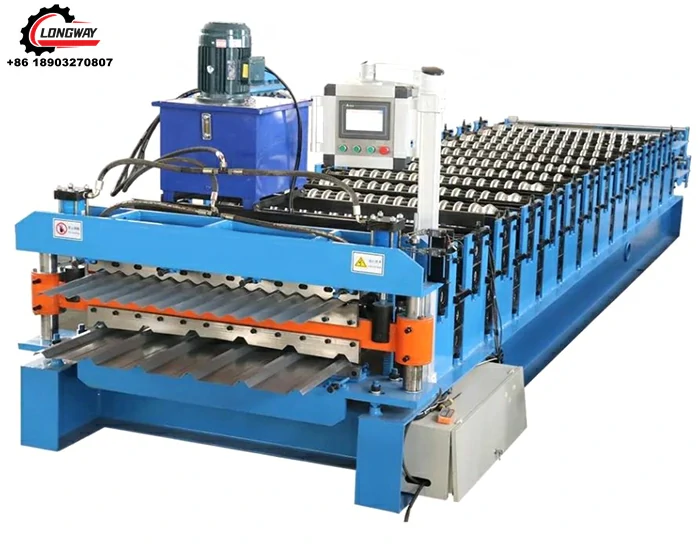
Reliable Rolling Shutter Making Machine for Industrial Use
Why a Rolling Shutter Making Machine Is Still a Game-Changer
Having clocked many years installing and maintaining industrial equipment in manufacturing plants, I can tell you: the simplicity behind rolling shutter making machines belies their critical role in security and architectural aesthetics. Rolling shutters aren’t just about protection anymore — they’re a meld of engineering skills, well-thought-out design, and materials science that many overlook in the everyday grind.
Oddly enough, these machines remind me of old friends — rugged, reliable, and endlessly adaptable. For example, in one plant I worked at, the rolling shutter making machine wasn’t merely churning out shutters; it was shaping the client’s reputation in the local market. When downtime happened, even briefly, you’d get a reality check on how vital these machines are.
What to Look For: Key Features in Rolling Shutter Making Machines
In my experience, quality in these machines boils down to a few core features:
- Material Compatibility — Most machines handle galvanized steel, aluminum, and sometimes stainless steel. Keep an eye on the gauge range your machine supports; too narrow, and you limit your client base.
- Customization Ability — Variety is king. Whether your customer needs a curved shutter or a specific louver design, flexibility in tooling can save a headache later.
- Automation Level — It’s not about replacing human skill but enhancing it. A smart control system means fewer errors and smoother production runs.
- Speed and Stability — Sheer speed is nice but not if it compromises the shutter’s integrity. Balance is essential.
Rolling Shutter Making Machine: Specifications at a Glance
| Feature | Specification |
|---|---|
| Material Thickness | 0.3mm - 1.0mm |
| Forming Speed | 10-15 m/min |
| Power Supply | 380V / 50Hz, 3-phase |
| Control System | PLC with Touchscreen Interface |
| Hydraulic System | High-pressure system with print valves |
| Overall Dimensions | 6.5m (L) x 1.5m (W) x 1.7m (H) |
Comparing Top Vendors: What Sets Them Apart?
| Vendor | Automation | Build Quality | Price Range | Support & Service |
|---|---|---|---|---|
| LW Roll Forming Machine | High - PLC, Touchscreen | Robust steel frame, imported components | $$$ | Comprehensive global support |
| Vendor B | Medium - Semi-automatic | Average, locally sourced parts | $$ | Regional service centers |
| Vendor C | Low - Manual operations | Basic frame, entry-level | $ | Limited service options |
A Quick Story from the Field
I recall a small manufacturing firm in the Midwest that upgraded to a high-end rolling shutter making machine a few years back. They told me how switching to a more automated setup reduced their cutoff errors and improved production by nearly 40%. That’s significant in a sector where margins are often razor-thin. The operator, a guy who had been manually making shutters for over a decade, initially worried about the change — but now? He considers it his ‘best assistant’. Goes to show, even in old-school industries, embracing better tech pays off.
In real terms, choosing the right rolling shutter machine is about more than specs. It’s about the local service, the spare parts availability, and frankly, your gut feeling about the vendor. That old saying ‘you get what you pay for’ definitely holds water here.
If you want the balance of modern automation plus time-tested durability, then I’d seriously check out the offerings from rolling shutter making machine specialists. They tend to tick all the boxes.
Final Thoughts
In my view, the rolling shutter making machine market is quietly evolving. No dramatic leaps, but steady improvements — smarter controls, better materials handling, and more customization options. Keep an open mind, do your homework, and keep hands-on experience close to your heart.
Before I forget — always try to see the machine in action. The specs on paper rarely capture the real-life hustle and subtle noises that hint at durability or weak points. From one seasoned engineer to another: trust what you see and hear.
References and Reflections
- Personal experience with installation and maintenance of shutter manufacturing lines (2010-2023)
- Customer feedback from Midwest shutter manufacturers (confidential interviews)
- Industry supplier catalogs and trade shows, 2022
-
High Precision Customized Z Purlin Roll Forming Machine GuideNewsApr.16, 2026
-
High Precision customized steel structure floor deck roll forming machineNewsApr.09, 2026
-
Comprehensive Guide to Customized Roof Tile Roll Forming Machine SolutionsNewsApr.07, 2026
-
Optimizing Metal Fabrication with a Customized Roll Forming Machine SolutionNewsApr.04, 2026
-
Comprehensive Guide to Customized Profile Roll Forming Machine SolutionsNewsMar.31, 2026
-
Customized Light Steel Keel Roll Forming Machine Solutions and ApplicationsNewsMar.28, 2026
-
Optimized Production with a Customized Double Layer Roll Forming Machine SolutionNewsMar.26, 2026